
You’re probably doing what most Big Island visitors do before booking a captain cook snorkel trip. You’ve seen the photos of clear blue water, bright reef fish, and that white monument on the shoreline, and now you’re trying to figure out what’s real, what’s worth it, and how to avoid picking the wrong tour.
That’s a smart place to start.
Kealakekua Bay is one of those rare spots that works for almost everyone. First-time snorkelers love the calmer water and easy fish spotting. More experienced ocean people love the visibility, the reef structure, and the historical setting. Families like it because a good boat crew can make the day feel simple instead of stressful.
A great day here doesn’t happen by accident. It comes from choosing the right access method, bringing the right gear, respecting the bay, and knowing what kind of tour fits your group. That’s where many get stuck, especially when they’re comparing boat tours, shore access, gear lists, and mixed advice online.
Your Guide to the Perfect Captain Cook Snorkel Adventure
If your ideal Hawaii morning includes floating over a reef while tropical fish move beneath you in clear water, Kealakekua Bay is the place people usually mean, even if they don’t know the name yet. This bay has the look people imagine when they picture a classic Big Island snorkel day.
What makes a captain cook snorkel special isn’t only the water. It’s the combination of reef, history, and access. You’re not just swimming at a random cove. You’re entering a place that carries deep Hawaiian history and a shoreline landmark that many visitors recognize long before they understand its story.
For most travelers, the main challenge isn’t whether to go. It’s how to do it well. Some people try to hike in. Some think kayaking sounds easy until they look into the logistics. Most end up realizing that a boat tour removes a lot of friction and gets them to the best part of the bay without turning the day into an endurance test.
Practical rule: If you want snorkeling to be the highlight of the day, choose the option that leaves you fresh when you hit the water.
The Historic Beauty of Kealakekua Bay
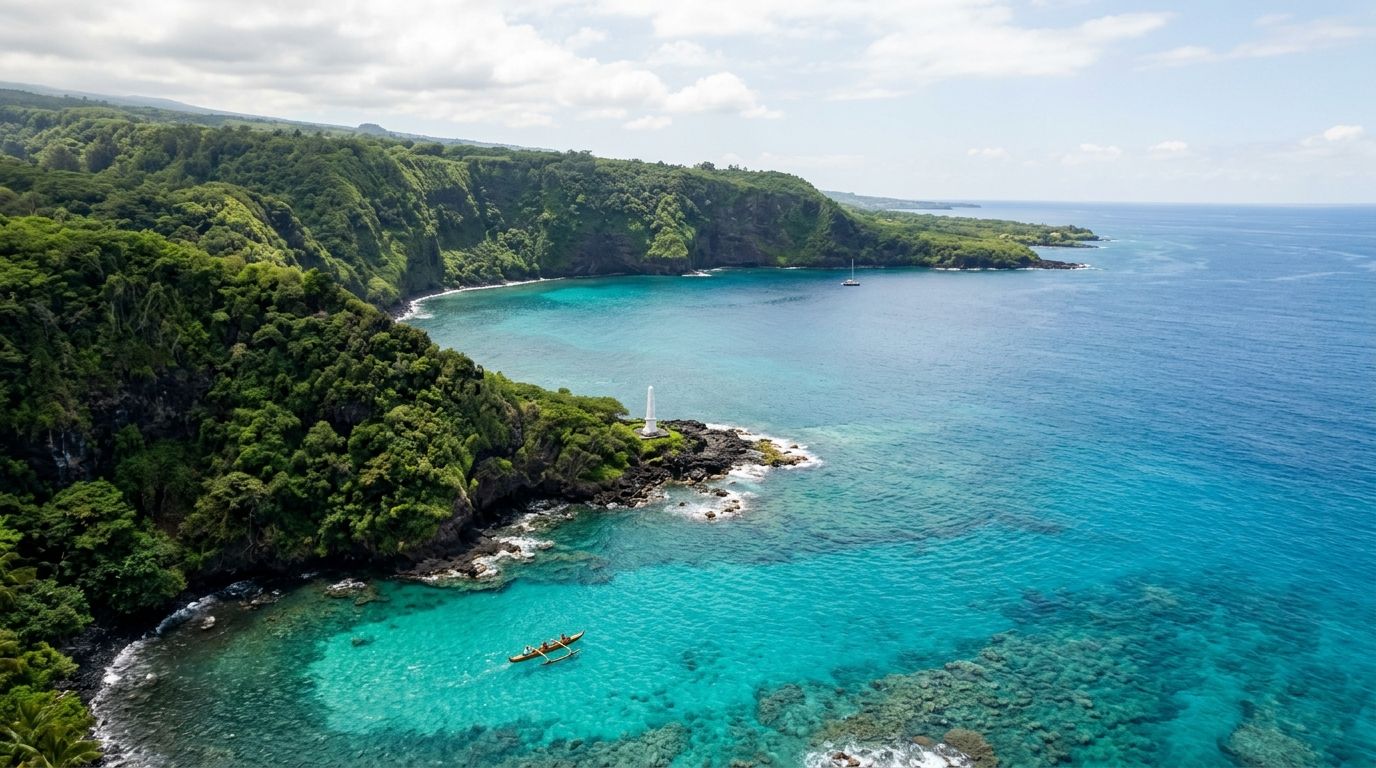
Kealakekua Bay feels different before you even get in the water. The cliffs are dramatic, the shoreline is less developed than many visitors expect, and the monument stands out against the darker lava terrain. It doesn’t look like a casual beach stop. It feels like a place people should enter with some awareness.
Why this bay matters
Captain James Cook arrived at Kealakekua Bay in January 1779 during the Makahiki season, a sacred Hawaiian period tied to peace and renewal. Cook’s officers estimated that between 2,500 to 3,500 canoes and more than 10,000 people gathered to meet him, and many Hawaiians initially mistook him for Lono-i-ka-makahiki. That encounter later ended in tragedy when Cook returned outside the Makahiki season and was killed at the bay on February 14, 1779, as described in this history of Kealakekua Bay and Captain Cook.
That history changes the feel of the snorkel. You’re looking at more than scenic water. You’re visiting a place where Hawaiian cultural life and European arrival collided in a way that changed the islands.
The bay itself was already sacred long before Cook arrived. Hawaiians had settled the area more than a thousand years earlier and used it for important rituals and ceremonies, which helps explain why the setting still feels significant today.
The monument and what you’re seeing from the water
The white obelisk on shore is the Captain Cook Monument, erected in 1874 by the British, 95 years after Cook’s death in 1779, according to this overview of the monument’s history. It marks the site associated with his death and has become one of the best-known historical landmarks in the bay.
Seeing it from offshore hits differently than seeing it in a photo. From the water, you get the contrast all at once. Coral below you. Lava coast ahead. Monument on shore. History sitting inside a living reef.
If you want a trip focused on this area, Kealakekua Bay snorkeling tours from Kona Honu Divers give useful context on accessing the bay by boat.
The monument is a landmark. The bay is the real story.
Why the reef still feels so healthy
Kealakekua Bay’s protected status matters. Because it’s managed as a protected marine area, the underwater environment tends to feel calmer, cleaner, and less disturbed than many easily reached shoreline spots. That protection is part of why the bay remains such a memorable place to snorkel.
Boat Tour vs Shore Access Which Is Right for You
This is the decision that shapes your whole day.
People often assume shore access is the cheaper, simpler, more independent option. At Kealakekua Bay, that’s not usually how it feels in practice. The bay is beautiful, but getting to the monument area without a boat is where the difficulty starts.
The simple version
A boat tour is usually the easiest choice for families, beginners, mixed-ability groups, and anyone who wants energy left for snorkeling.
Shore access appeals to people who want a self-directed outing, but it comes with a tougher approach and more planning. One verified source notes that the alternative to a boat tour involves a 3 to 4 mile hike route to access the area from land, which is one reason many visitors decide the boat is the better call for the day’s main activity, as noted in this discussion of Captain Cook snorkeling logistics and gear considerations.
If you’re also comparing different ocean access styles on the island more broadly, this boat vs shore diving comparison on the Big Island helps frame the tradeoffs.
Captain Cook Access Boat Tour vs. Shore Access
| Feature | Boat Tour | Hike from Shore | Kayak from Shore |
|---|---|---|---|
| Effort level | Low once onboard | High, especially on the return uphill | Moderate to high, with planning and paddling required |
| Best for | Beginners, families, most visitors | Fit, independent travelers who don't mind a tough approach | Confident paddlers who’ve researched current rules |
| Snorkel energy left | High | Often reduced after the hike | Depends on conditions and your paddling comfort |
| Gear included | Usually yes | No, you carry everything | Usually no, unless booked through a guided option |
| Guidance and safety support | Strongest option | Self-managed | Mostly self-managed unless guided |
| Access to prime snorkel area | Direct | Reached only after the hike | Possible, but logistics can be more involved |
| Family friendliness | Usually best option | Limited | Limited for many families |
| Overall day feel | Relaxed and focused on snorkeling | Adventure-heavy | Planning-heavy |
When a boat tour makes more sense
A boat trip is usually the right fit if any of these sound like you:
- You’re traveling with kids: Easier entry, easier exits, and crew support matter.
- You’re new to snorkeling: Instruction and flotation take away a lot of stress.
- You want a half-day that feels fun, not punishing: No hot uphill finish after your swim.
- You’re visiting on a tight schedule: Boats are more predictable than trying to piece together a self-guided mission.
When shore access might appeal
Some travelers do enjoy the independence of getting there without a tour. That can work if you already know your limits, you’re comfortable carrying all your own gear, and you understand that the day may feel more like a workout than a leisurely snorkel.
If your main goal is the reef, don’t make the approach harder than the water time is worth.
Discovering the Underwater Paradise
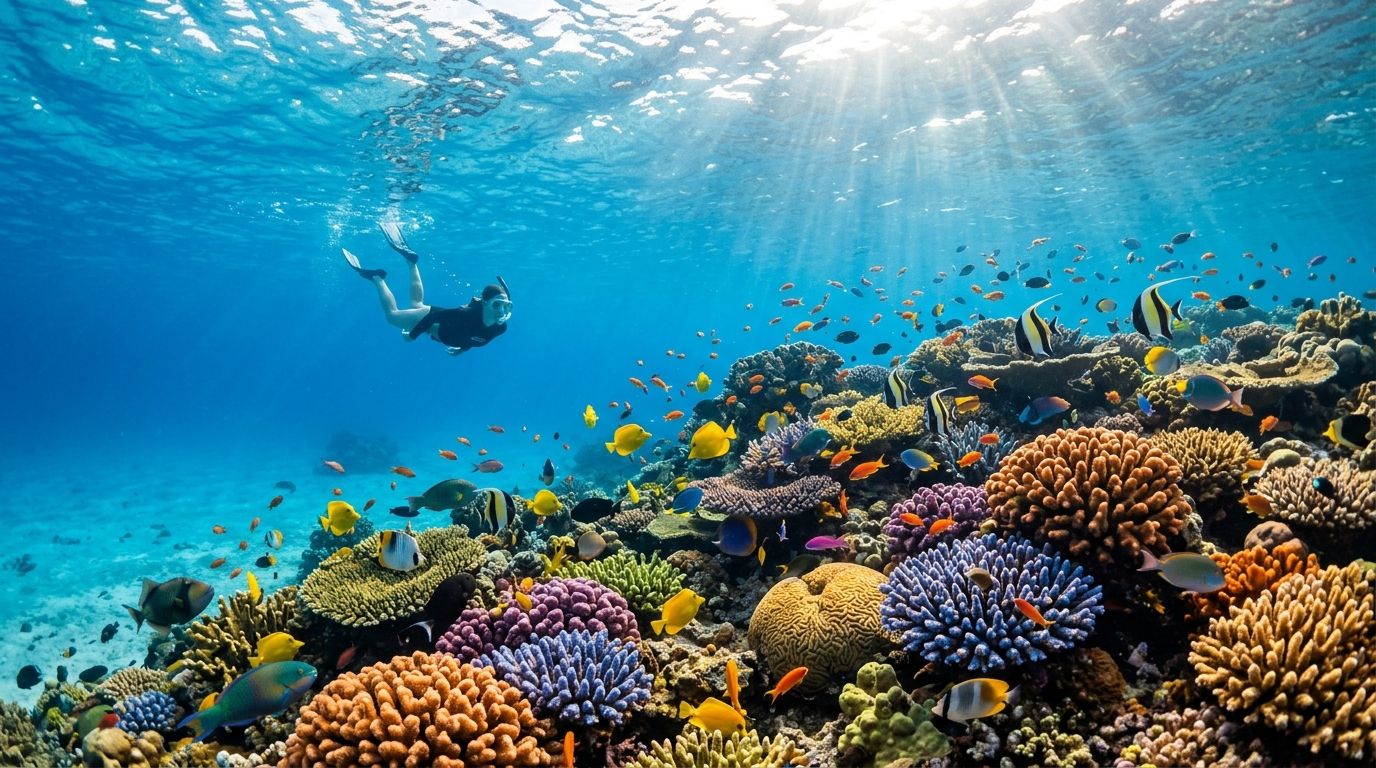
The reward for getting your planning right is what happens when you put your face in the water. Kealakekua Bay is known for underwater visibility that often exceeds 100 feet, which is why so many visitors remember their first few minutes here so clearly, according to this Kealakekua Bay visibility overview.
What the reef looks like
This isn’t flat sandy-bottom snorkeling. You’ll see coral structure, rocky sections, and the shelf giving way to deeper blue water. That mix is part of what keeps the snorkel interesting, especially if you like drifting slowly and scanning different depths.
The fish life is what's often noticed first. Schools of yellow tang often catch your eye right away because of the color. Butterflyfish, parrotfish, and the state fish, Humuhumunukunukuāpuaʻa, are all the kind of reef sightings that make even beginners feel like they picked the right bay.
If you enjoy learning what you’re seeing, this guide to Kona marine life adds helpful background on what lives in local waters.
What to watch for
Keep your movements slow. A calm snorkeler sees more. Fast kicking and splashing don’t help, and they can push fish deeper into the reef.
A good mental checklist looks like this:
- Bright schools over coral: Yellow tang and other reef fish often stand out first.
- Patterned fish near structure: Butterflyfish and triggerfish often reward patient observation.
- Grazers and cruisers: Parrotfish move differently and are fun to track from a distance.
- Depth changes: Look from the shallows out toward the blue. The scenery changes quickly.
Look ahead, not only straight down. Some of the best sightings happen at eye level over the reef edge.
Dolphins and respectful wildlife viewing
Spinner dolphins do rest in the bay at times. That’s exciting, but it also creates one of the biggest points of confusion for visitors. If you see dolphins, the right move is to watch from a respectful distance and never try to chase, touch, or swim directly with them. Federal protections apply, and respectful viewing helps keep the bay safer for the animals and better for everyone else.
The same mindset applies to every creature you meet. The best captain cook snorkel trips feel memorable because the reef is active and natural, not because people pushed into wildlife space.
Choosing the Best Captain Cook Snorkel Tour
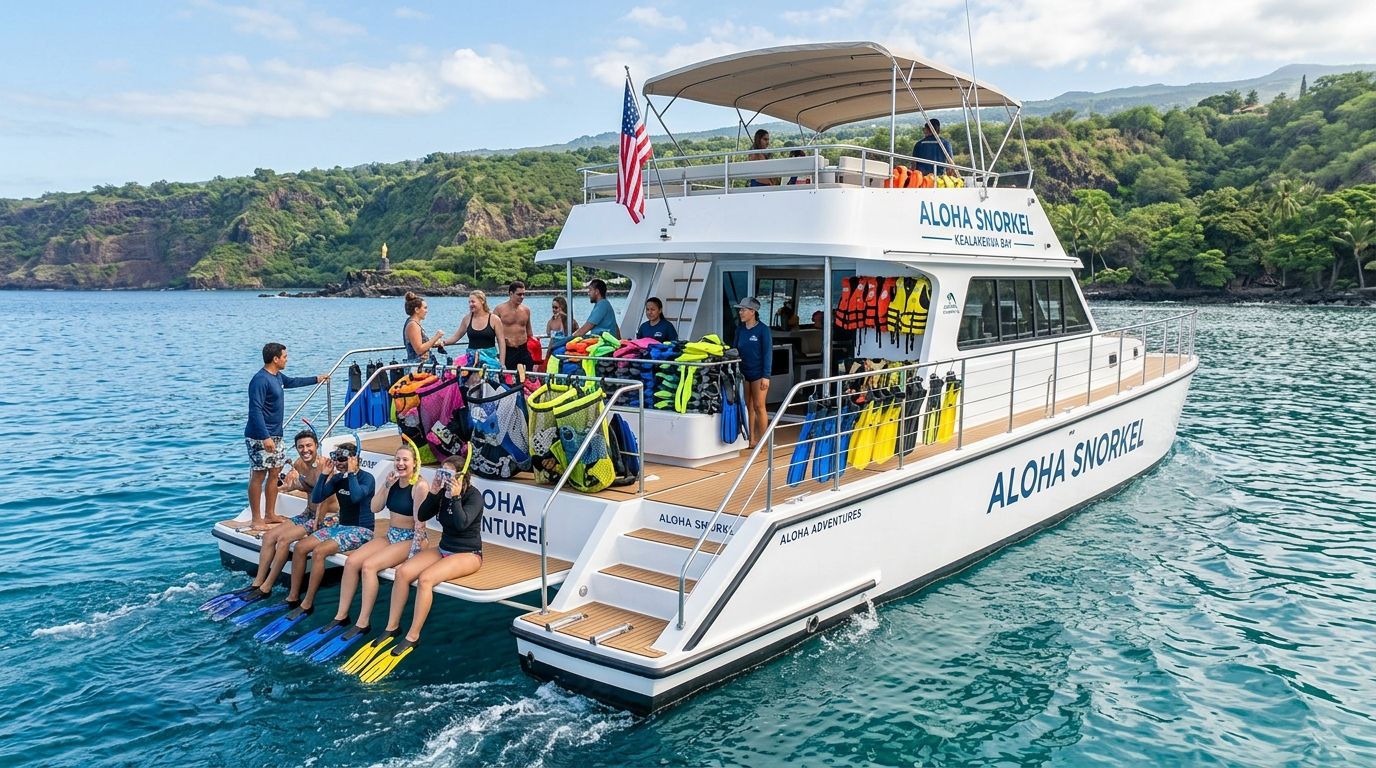
For most visitors, a tour is the practical answer. You get direct access, snorkel gear, safety support, and a crew that knows how to read the bay. That’s especially useful if your group has mixed confidence levels, because one experienced ocean person and one nervous first-timer can still enjoy the same trip when the boat crew is organized.
What to look for in a tour
The strongest tour choices usually have a few things in common:
- Small enough groups for attention: You want space to ask questions and get help fitting gear.
- Good equipment: A decent mask and properly sized fins change the day.
- Clear safety process: The crew should explain entry, exit, and where to snorkel.
- A route built around the bay: Direct access matters more than fancy marketing language.
If you want to compare trip styles, this roundup of Kealakekua Bay snorkeling tours is a useful place to start.
Tour options worth considering
Two direct options for this area are Kona Snorkel Trips Kealakekua Bay Captain Cook Monument tour and Captain Cook Snorkeling Tours. Both focus on getting visitors out to the bay rather than leaving them to puzzle through shore logistics.
Kona Honu Divers also runs ocean excursions on the Big Island and is part of the broader local scene people often look at when comparing guided water activities. If you’ve already had a good experience with their dive or snorkel operation, that can help when narrowing down who you trust for a captain cook snorkel day.
A good booking decision usually comes down to this
Choose the company that makes the day easier to enjoy. The right trip doesn’t just promise fish and clear water. It helps you board easily, fit your gear properly, feel supported in the water, and spend more of the outing snorkeling instead of managing avoidable stress.
Essential Gear Safety and Conservation Tips
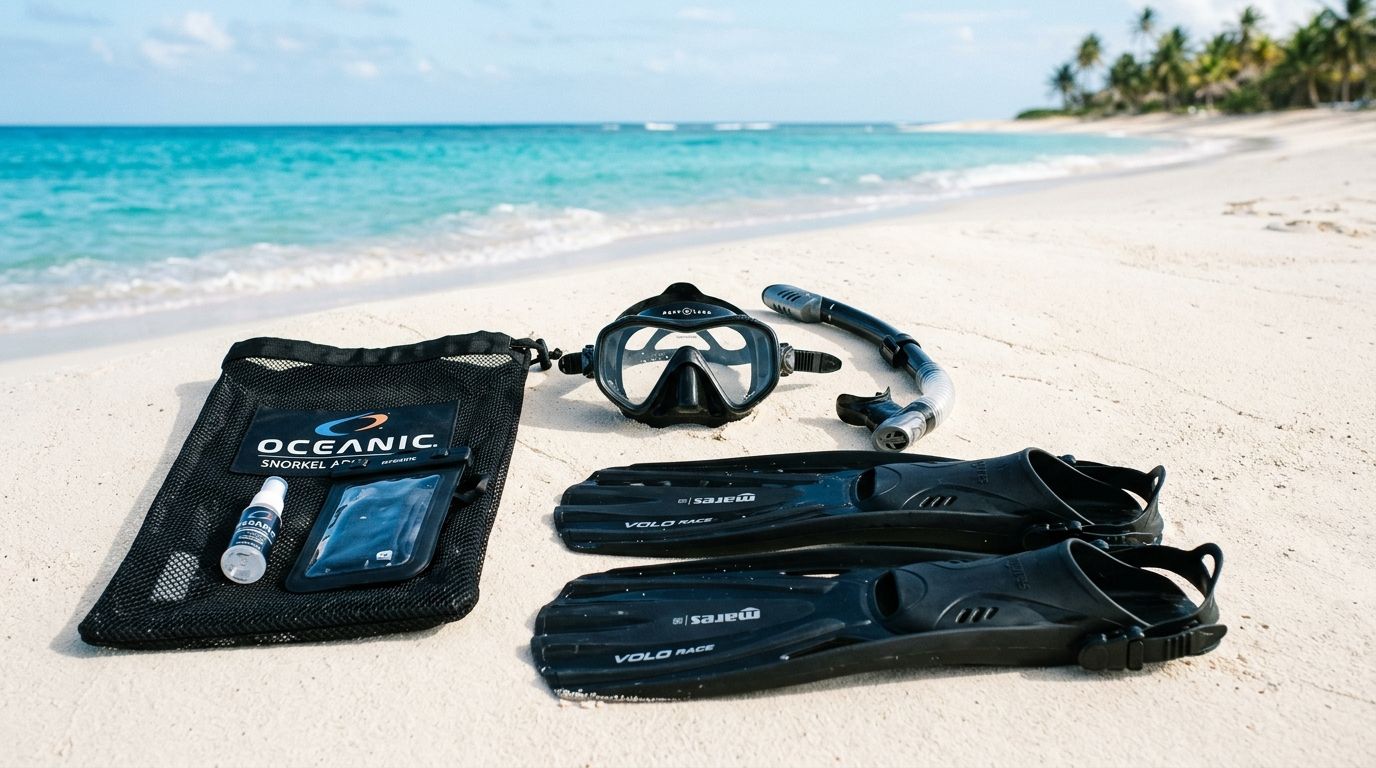
Good gear fixes most beginner problems before they start. Foggy masks, loose fins, jaw fatigue from a bad snorkel, and rushed kicking all make people think they’re “bad at snorkeling” when the actual issue is setup.
Gear that makes the day easier
A source focused on Captain Cook snorkel swim requirements notes that professional-grade full-foot fins can improve propulsion efficiency by up to 80% when paired with proper kicking technique, and that many tours provide flotation aids and guided oversight to make the experience more manageable for different ability levels, as explained in this Captain Cook snorkel gear and swim guide.
That matters because people often waste energy by bending at the knees and churning the water. Long, easy kicks from the hips are smoother and less tiring.
The biggest fit checks are simple:
- Mask seal: Put the mask on your face without using the strap. If it seals lightly, that’s a good sign.
- Snorkel comfort: A dry-top snorkel can feel easier for many beginners because it reduces surprise water entry.
- Fin fit: Snug is good. Painful isn’t.
- Flotation: If you’re even a little unsure, use the vest or noodle. Pride is not useful in the ocean.
Seasickness help before you board
Morning trips often feel better for many people because the water is commonly calmer earlier in the day. If you know you get motion sick, deal with it before the boat leaves, not after you feel bad.
A few common options people use include Ship-EEZ Seasickness Patch, Dramamine pills, Bonine pills, Sea Band wristbands, and Ginger chews.
Some visitors only need a calm morning and a light breakfast. Others should plan for motion sickness every time. Know which person you are.
Safety and reef etiquette
The bay stays special when visitors act like guests.
Use these rules every time:
- Choose reef-safe sunscreen: It helps reduce chemical runoff into the bay.
- Never stand on coral: Coral looks like rock to beginners, but it’s living habitat.
- Keep your hands to yourself: Don’t touch fish, turtles, or anything on the reef.
- Give wildlife room: If an animal changes direction because of you, you’re too close.
- Listen to the crew: Entry points, current guidance, and exit timing are there for a reason.
If you want a broader reminder of low-impact ocean behavior, this responsible diver etiquette guide applies well to snorkelers too.
Frequently Asked Questions About Captain Cook Snorkeling
What is the best time of year to snorkel at Captain Cook?
People snorkel here year-round. For day-to-day conditions, mornings are usually the smarter choice because the water often starts out calmer and clearer.
I’m a beginner snorkeler. Is this trip for me?
Yes, it usually is, especially on a guided boat trip. Beginners do best when the crew helps with mask fit, snorkel basics, flotation, and where to enter the water.
What if I’m not a strong swimmer?
You still have options. Reputable tours commonly provide flotation vests or noodles, and attentive crews can help less confident swimmers stay comfortable. If you decide not to get in, you can still enjoy the bay from the boat.
Will I see sharks?
You might, but many snorkelers don’t. Reef sharks are part of the local marine environment, and they’re typically shy around people. For snorkelers, they generally aren’t the part of the bay you should worry about. Sun, fatigue, poor-fitting gear, and overconfidence cause more problems than sharks do.
Should I bring my own snorkel gear?
If you already own gear that fits you well, bringing it can be a smart move. If not, a quality tour usually provides better gear than what many casual travelers buy in a rush before vacation.
Is the captain cook snorkel good for families?
Yes, especially by boat. The trip works well for families when the operator offers straightforward boarding, flotation, and patient instruction for kids or nervous adults.
If snorkeling gets you excited about spending more time in the water, Kona Honu Divers also offers a range of Big Island ocean experiences for visitors who want to move from snorkeling into scuba training, guided dives, or other boat-based adventures.