
You’re probably staring at tabs right now, trying to figure out whether Captain Cook Hawaii snorkeling is worth the effort, or just another overhyped Hawaii excursion with nice photos and mediocre reality.
Here’s the straight answer. It’s worth it. Kealakekua Bay is an outstanding destination.
This is the spot people imagine when they think about snorkeling on the Big Island. Clear blue water. Healthy reef. Serious fish life. A dramatic coastline. And one thing most snorkel spots don’t have, actual historical weight. The bay isn’t just pretty. It means something.
What trips people up isn’t whether to go. It’s how to go.
That choice matters more than most visitors realize. You can try to do it the hard way, sweating down the trail with gear on your back and dealing with a rough shoreline entry. Or you can do what experienced local guides and repeat visitors already know is the smarter move, which is getting there by boat and spending your energy in the water instead of burning it on logistics.
Your Dream Snorkeling Trip in Kealakekua Bay
The ideal morning here starts early. Sun is up, water is glassy, and the bay looks almost unreal from offshore. You slip into warm, clear water and suddenly the whole reef opens up under you.
That dream version of Hawaii snorkeling exists. It’s Kealakekua Bay.
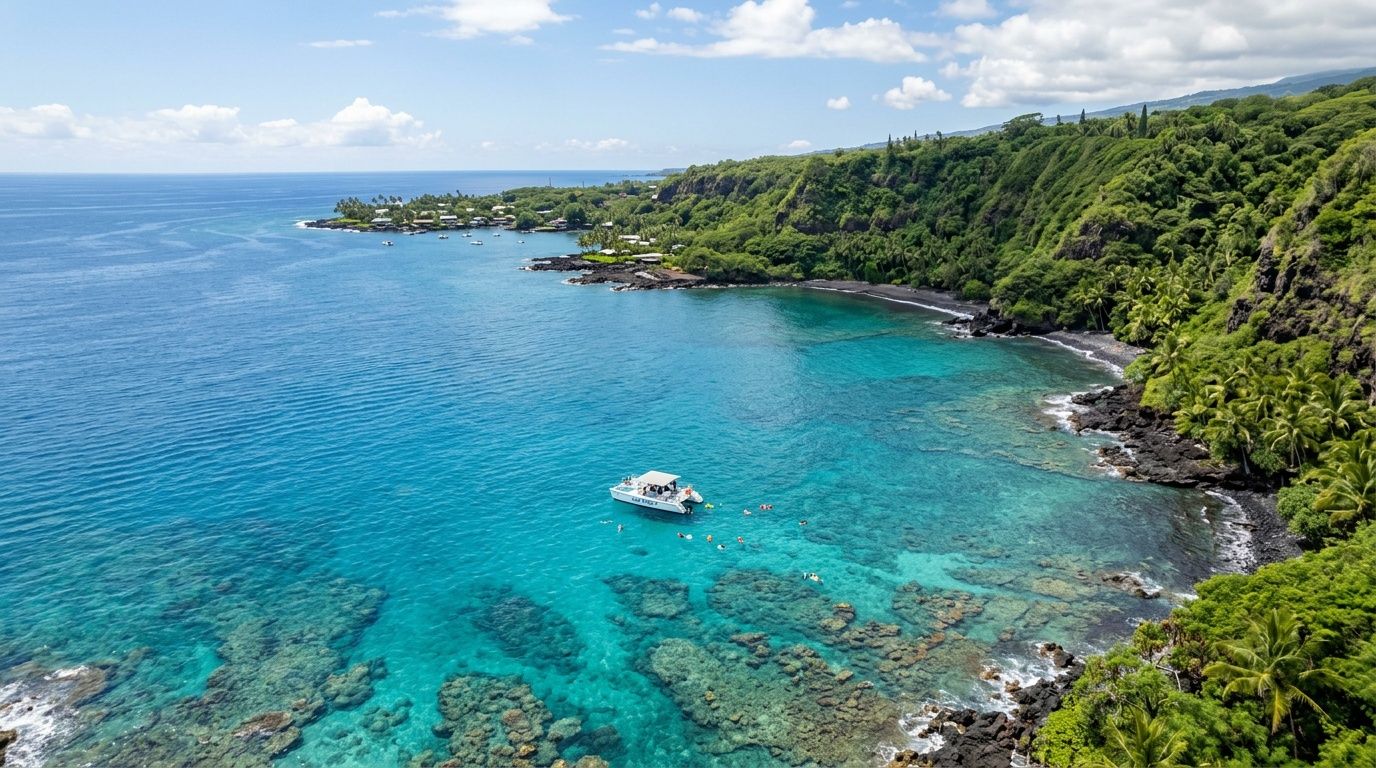
The bay has a reputation for a reason. It’s protected, scenic, and packed with the kind of marine life people fly across the Pacific hoping to see. It also gives you more than fish and coral. You’re snorkeling beside one of the most historically significant places in Hawaii, near the Captain Cook monument.
If you want a simple place to start looking at tour options, the Kealakekua Bay snorkeling tour page lays out the trip clearly.
What makes this trip different
Most snorkel spots are just about water conditions. Kealakekua Bay gives you three things at once:
- Protected water: The bay stays calmer than many open coastline spots.
- Strong reef life: You don’t spend half the trip searching for something to look at.
- A real sense of place: You’re not floating over random reef. You’re in a bay tied to one of Hawaii’s most important historical events.
Go to Kealakekua Bay for the full experience, not just for checking snorkeling off your list.
Who will love it most
This spot works especially well for:
- First-time Hawaii visitors: You get the postcard version, and it delivers on its promise.
- Families: Boat access makes the day smoother.
- Snorkelers who care about visibility: This is one of the major draws.
- Travelers who want more than a beach day: The setting adds depth in every sense.
Why Captain Cook Snorkeling Is a World-Class Experience
You can feel the difference as soon as you enter Kealakekua Bay. The water usually looks cleaner, the cliffs cut down the wind, and the whole place has a sense of weight that ordinary snorkel spots do not have.
That combination is why this bay stands out. You get favorable snorkeling conditions, a protected reef, and a site tied to one of the most consequential encounters in Hawaiian history. Few places give you all three at once.
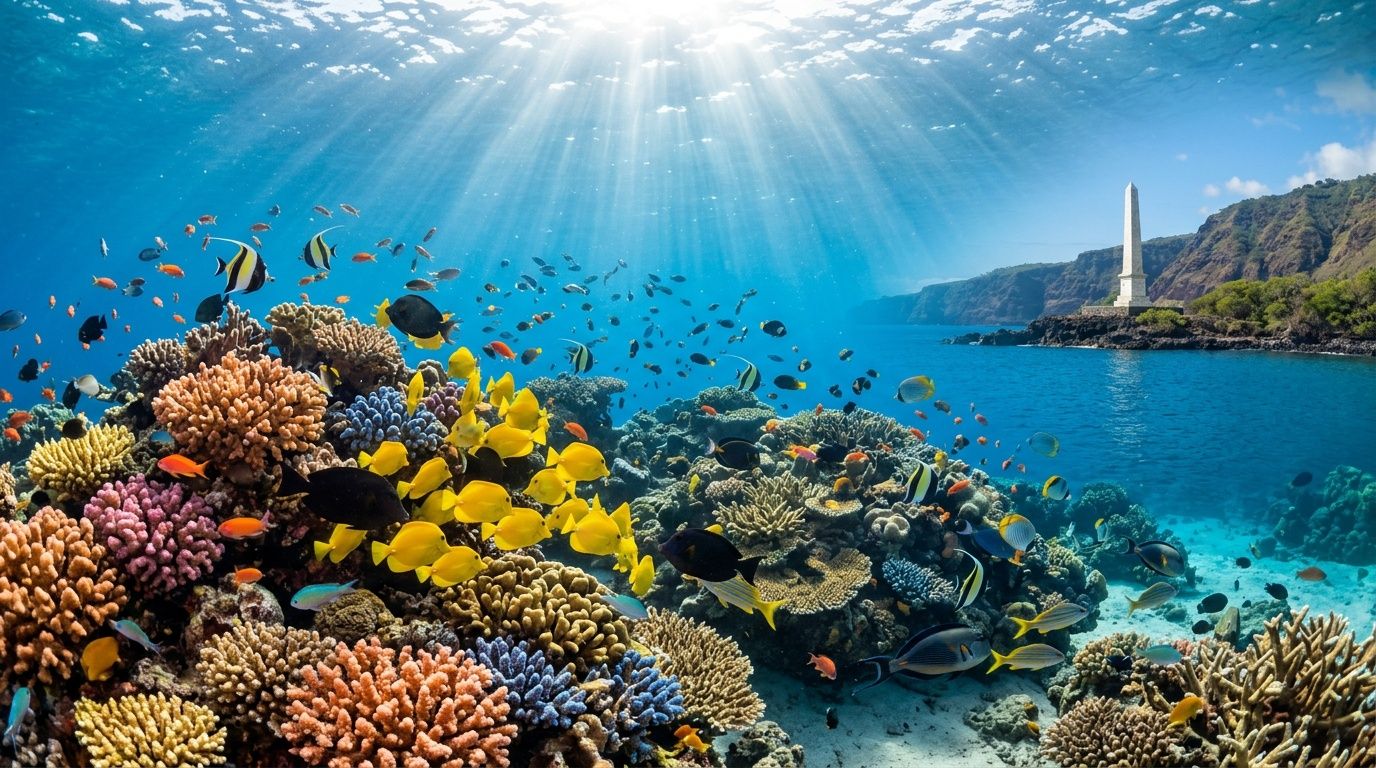
The bay is built for great snorkeling
Kealakekua Bay has natural advantages that many Big Island snorkel spots do not. The steep shoreline helps block wind. The protected water helps the reef stay healthier. On good mornings, the visibility is the kind that makes first-timers stop and stare.
That is a big reason experienced visitors choose this bay over a random beach entry. You spend more time enjoying the reef and less time dealing with surge, murky water, and frustrating conditions.
If you want broader context on why this coast produces such memorable snorkel trips, this guide to what makes Kona famous for its underwater world explains it well.
The history changes the experience
Kealakekua Bay is not just pretty water with a monument at the edge of it. Captain James Cook arrived here in 1779, and the bay remains one of the most historically significant places on the island.
That history changes how the place feels. You are not floating over reef in some anonymous cove. You are in a bay with real cultural weight, and good guides help visitors understand that without turning the trip into a lecture.
Why the guided trip usually wins
This bay is world-class partly because access shapes the experience. Visitors who try to force a DIY day often burn energy on logistics, parking, heat, and the long hike before they even hit the water. By the time they snorkel, they are already working uphill against the day.
A guided boat trip puts you in the best part of the bay fresher, safer, and with local crew watching conditions in real time. That is the smarter way to experience a place like this.
| Feature | Why it stands out |
|---|---|
| Protected bay | Cleaner water and healthier reef than many exposed shoreline spots |
| Clear conditions | Easier fish spotting and a better experience for newer snorkelers |
| Historic setting | The location has real meaning, not just scenery |
| Boat access | Gets you to the prime snorkel area without the stress and fatigue of the hike |
Captain Cook snorkeling earns its reputation because the bay delivers the full package. Great water, thriving reef, and a setting that feels important the moment you arrive.
The Dazzling Marine Life You Will Encounter
Once you put your face in the water, the bay gets busy fast.
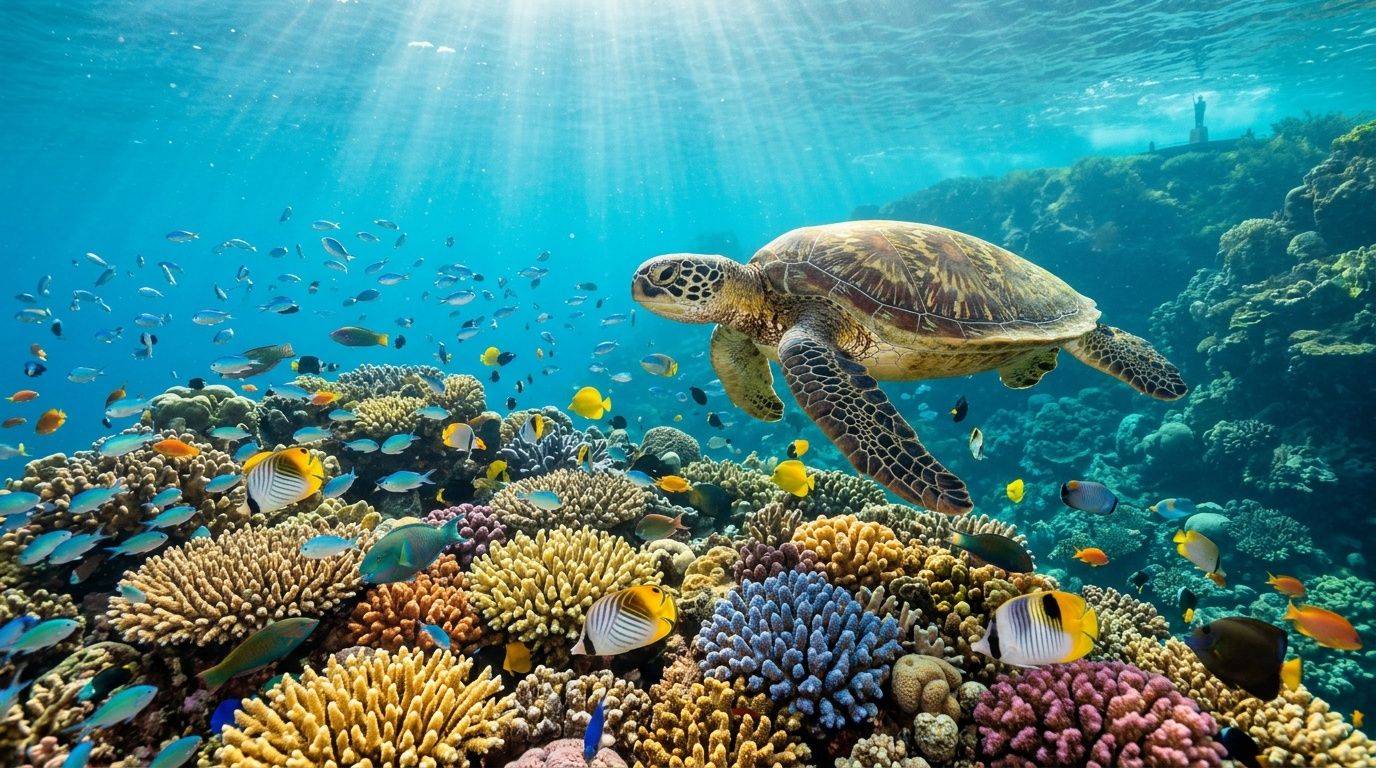
Kealakekua Bay is known for visibility that can consistently exceed 100 feet on calm days, and that clarity makes it easy to spot coral reefs, schools of yellow tang, humuhumunukunukuapua'a, parrotfish, moray eels, and green sea turtles, as described on this Captain Cook snorkeling tour page.
What you’re most likely to notice first
The first thing many people notice isn’t one fish. It’s the density. The reef looks alive right away.
Yellow tang often move in bright schools that stand out even to first-time snorkelers. Parrotfish cruise the reef with that unbothered confidence they always seem to have. Then you’ll start spotting details. The odd shape of Hawaii’s state fish. The darker openings in the lava where an eel might be tucked in. A turtle gliding through without any hurry at all.
The reef rewards slow snorkelers
This is not a place to rush.
If you kick too hard and treat it like a lap swim, you’ll miss half of what makes the bay special. Slow down, float, and scan the reef edges. That’s when the smaller moments show up and the whole place starts to feel less like a tourist stop and more like a functioning underwater neighborhood.
For a broader look at the creatures that make Kona diving and snorkeling so memorable, this article on which marine life hides in Kona waters is worth reading.
What to look for on a single pass over the reef
- Yellow tang: Bright, obvious, and one of the classic Kealakekua Bay sights.
- Humuhumunukunukuapua'a: Awkward name, unforgettable fish.
- Parrotfish: Easy to identify once you notice their shape and movement.
- Moray eels: Check holes and crevices instead of open water.
- Green sea turtles: Keep your distance and enjoy the view.
The best snorkelers in this bay aren’t the fastest swimmers. They’re the ones who stop, hover, and pay attention.
DIY Hike or Guided Boat Tour Which Is Right for You
You wake up early, drive to Kealakekua Bay, load yourself down with fins, mask, water, and towels, then start the hike with snorkeling gear banging against your legs. By the time you reach the water, you have already spent a chunk of your energy budget. That is a bad way to start one of the best snorkel spots on the Big Island.
For visitors who want a great day in the bay, the guided boat tour is the smart pick. It gets you on the reef fresher, safer, and in a much better mood.
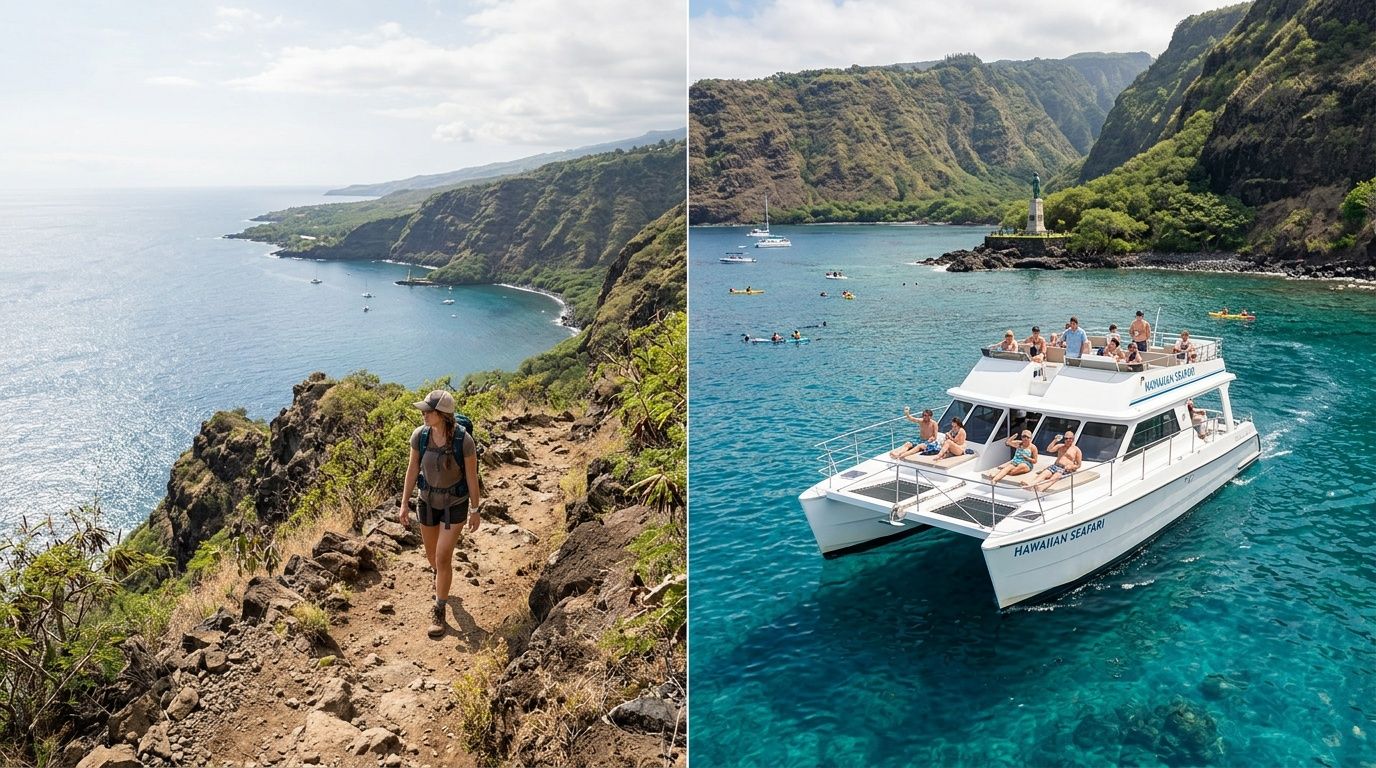
The reality of the DIY route
The hike appeals to people who like earning their swim. Fair enough. But this is not a clever shortcut to a better snorkel.
You still have to carry everything yourself. You still deal with heat, sun, and timing. You still need to handle a rougher shoreline entry and exit than many people expect. Then, after your snorkel, you turn around and climb back out tired, wet, and hotter than when you started.
That is the part visitors underestimate.
A shore approach makes sense for strong, prepared hikers who know exactly what they are getting into and do not mind building the whole day around the effort. If your priority is quality snorkeling, not testing your legs on a lava trail, skip the DIY plan.
Why the boat tour is the better call
A boat trip cuts out the hassle and protects your energy for the water.
You check in, get the safety briefing, use properly set-up gear, and enter from the boat with crew support nearby. That alone changes the tone of the day. Instead of arriving at the reef already cooked, you arrive ready to snorkel well.
It is also the better option for families, occasional swimmers, and anyone who wants local guidance instead of guesswork. Good crews know where conditions are calmest, how to help nervous snorkelers settle in, and how to keep the group away from bad entries and poor decisions.
That guidance matters.
If you want to compare good operator styles before booking, this guide to the top Kealakekua Bay snorkeling tours is a useful place to start.
Quick comparison
| Option | What you deal with | Who it suits |
|---|---|---|
| DIY hike | Gear hauling, heat, rougher entry, tiring uphill finish | Strong hikers who want the challenge as much as the snorkel |
| Guided boat tour | Boat check-in and crew instructions | Families, visitors on a short schedule, and almost anyone who wants the better overall day |
My recommendation
Book the boat.
Two straightforward places to look are Kona Snorkel Trips Captain Cook monument tours and Captain Cook Snorkeling Tours. Kona Honu Divers also runs snorkel trips to Kealakekua Bay, which matters if you are coordinating other water activities with the same company.
The logic is the same reason travelers book guided rafting and river adventures in Slovenia. A well-run trip removes friction and lets you focus on the water instead of logistics.
Practical rule: If the point of the day is snorkeling, save your legs and your patience for the bay.
Planning Your Snorkel Trip Essential Tips
You booked a snorkel day. Keep it a snorkel day. Don’t turn it into a sweaty logistics problem before you even hit the water.
Kealakekua Bay rewards simple planning. Show up early, keep your gear light, and choose the option that gets you in the water calm instead of already cooked from the sun. That usually means a guided boat trip, not the hike.
Go early and pick the calmer window
Morning gives you the best shot at clear water, lighter wind, and an easier surface swim. Late morning and afternoon can get brighter and hotter on land, but that does not always mean better snorkeling.
If you are unsure about swell, wind, or recent water clarity, check a local breakdown of Big Island ocean conditions before your snorkel trip. Hotel views are useless for reading conditions in the bay.
Summer is often calmer, but good mornings happen year-round. The smart move is choosing the right day and the right departure, not just the right month.
Bring less stuff than you think
A boat snorkel is better with a small bag and no clutter. You need the basics, not a full beach camp.
- Reef-safe sunscreen
- Hat and sun shirt
- Towel
- Dry clothes for the ride back
- Water
- Any personal medication you may need
Leave bulky coolers, extra bags, and random beach gear in the car. They just get in the way.
Respect your real swim ability
Captain Cook is enjoyable for new snorkelers, but only if they stay honest about their comfort level. Deep blue water can look intimidating, and even strong pool swimmers sometimes tense up once they are floating over reef.
Listen to the crew. Stay in the zone they recommend. The best fish life is often in the same area that feels easiest to manage, so there is no prize for wandering farther out.
Tired people make bad choices in the ocean.
Families should make this easy on themselves
If you are bringing kids, grandparents, or anyone who does not enjoy heat, steep trails, or carrying gear, book the boat. That is the right call.
The DIY approach sounds adventurous on paper. In practice, it can mean a rough start, a long climb back, and less energy for the part you came for. A guided boat trip keeps the day focused on snorkeling, not hauling equipment and rationing energy for the return. That is safer, smoother, and a lot more fun for a mixed-age group.
Final planning advice from a local
Eat light before the trip. Hydrate early. Wear your swimwear under your clothes. Protect yourself from the sun before you board, not after you are already roasting.
Then let the crew handle the access, setup, and safety details so you can spend your energy where it counts. In the water, looking at fish.
Hear From Our Happy Snorkelers
A snorkel trip company can say all the right things online. Reviews tell you whether they deliver a calm, organized day on the water.
Kona Honu Divers has built a strong reputation around guided ocean experiences on the Big Island, and that matters when you’re choosing who to trust with a boat day, safety briefing, and family outing. If you’re comparing operators across snorkeling and diving, real guest feedback is one of the few filters that helps.
Frequently Asked Questions About Captain Cook Snorkeling
Is Captain Cook snorkeling good for beginners
Yes, if you go by boat and listen to the crew.
The bay’s protected shape helps keep conditions calmer than many exposed spots, and guides keep snorkelers in the more manageable zones. Beginners do much better when entry is easy and supervision is built in.
What’s the best time of day to snorkel there
Morning. Don’t argue with this one.
That’s when the bay is usually at its calmest and clearest. If you wait until later, you increase your odds of a breezier, less polished experience.
Will I see turtles or dolphins
You can see remarkable marine life here, and green sea turtles are one of the signature sights associated with the bay. Spinner dolphins are also part of the broader wildlife appeal noted in verified tour material, but wildlife is never guaranteed on command.
Go expecting a healthy reef first. Let the bigger encounters be a bonus.
Is the hike to the monument worth it
For some people, yes. For most visitors, no.
If you love hiking and want the challenge, that’s your call. If your main goal is snorkeling, the hike adds effort, heat, and a rougher entry without improving the actual in-water experience enough to justify it.
What if I get seasick on boat tours
Handle that before the boat leaves, not after you turn green offshore.
If you know you’re prone to motion sickness, bring a prevention option that works for you. Common choices include the Ship-EEZ Seasickness Patch, Dramamine pills, Bonine pills, Sea Band wristbands, or ginger chews.
Should I book a tour in advance
Yes. This is not the kind of outing I’d leave to chance if it’s high on your trip list.
Kealakekua Bay is one of the Big Island’s most sought-after snorkel destinations, so the better-run morning trips can fill fast. Book early, especially if you want a specific day during a busy travel period.
If you want your snorkeling day handled by people who know Kona water, understand safety, and run organized ocean trips, take a look at Kona Honu Divers.