
You’re probably in the same spot most visiting divers are in before they book. You’ve looked at reef photos, compared islands, read operator pages, and now you’re trying to answer the question. What does scuba diving kona hawaii big island feel like, and which trip fits the kind of diving you want to do?
The short version is this. Kona works because the diving is both memorable and practical. You can do an easy daytime reef dive, a world-famous manta night dive, an advanced black water drift, or a shore entry with family logistics in mind, all on the same coast. The hard part isn’t finding something good. The hard part is choosing the right experience for your training, comfort level, and travel group.
Welcome to the Underwater Paradise of Kona
You back-roll off the boat, look down through clear blue water, and see the lava reef before you even start your descent. A few breaths later, the harbor is gone from your mind. What you notice instead is space, structure, and that calm Kona feeling that lets you settle in fast.
That first impression matters. Kona is one of the few places where a newer diver can relax into the dive while an experienced diver still feels engaged by the terrain, fish activity, and route choices. From a guide’s perspective, that combination is rare. It changes the whole day because less energy goes into managing conditions and more goes into enjoying the dive.
The bigger draw is the range of experiences packed into one coastline. One trip might be a simple reef dive with easy entries and plenty to see. Another could be a manta night dive that feels quiet and surreal from the moment you kneel on the bottom and wait for the first pass overhead. For divers with the right buoyancy control, awareness, and comfort in open water at night, blackwater adds a completely different feeling. It is less about reef scenery and more about drifting over deep water while pelagic larvae and strange midwater life rise out of the dark.
That variety is why trip planning in Kona deserves more thought than picking the first boat with open seats. Divers traveling with family often need a different plan than photographers, newly certified couples, or advanced divers chasing a blackwater slot. If you want to compare the main options, the Kona diving tour lineup gives a practical starting point, and this guide to Kona scuba diving on the Big Island explains the local diving style in more detail.
A good booking decision starts with one question. What do you want to feel underwater?
Calm and easy. Wildlife-focused. Technically demanding. Family-friendly. Kona can deliver each of those, but not always on the same charter, and not always for the same diver. Matching the dive to your training, comfort level, and group logistics is what turns a good vacation dive into the right one.
Why Kona is a World-Class Diving Destination
You feel it before you giant stride in. The boat ride is often calmer on this coast, the site briefing is less about whether the ocean will cooperate and more about which kind of dive fits the group best, and once you drop below the surface, the lava terrain gives the dive structure right away.
Kona earns its reputation because the west side of the Big Island is protected by the island’s volcanic mass. That shelter gives operators more workable days and gives divers a better shot at conditions that are comfortable, predictable, and worth planning a trip around. If you only have a few vacation days, that matters.
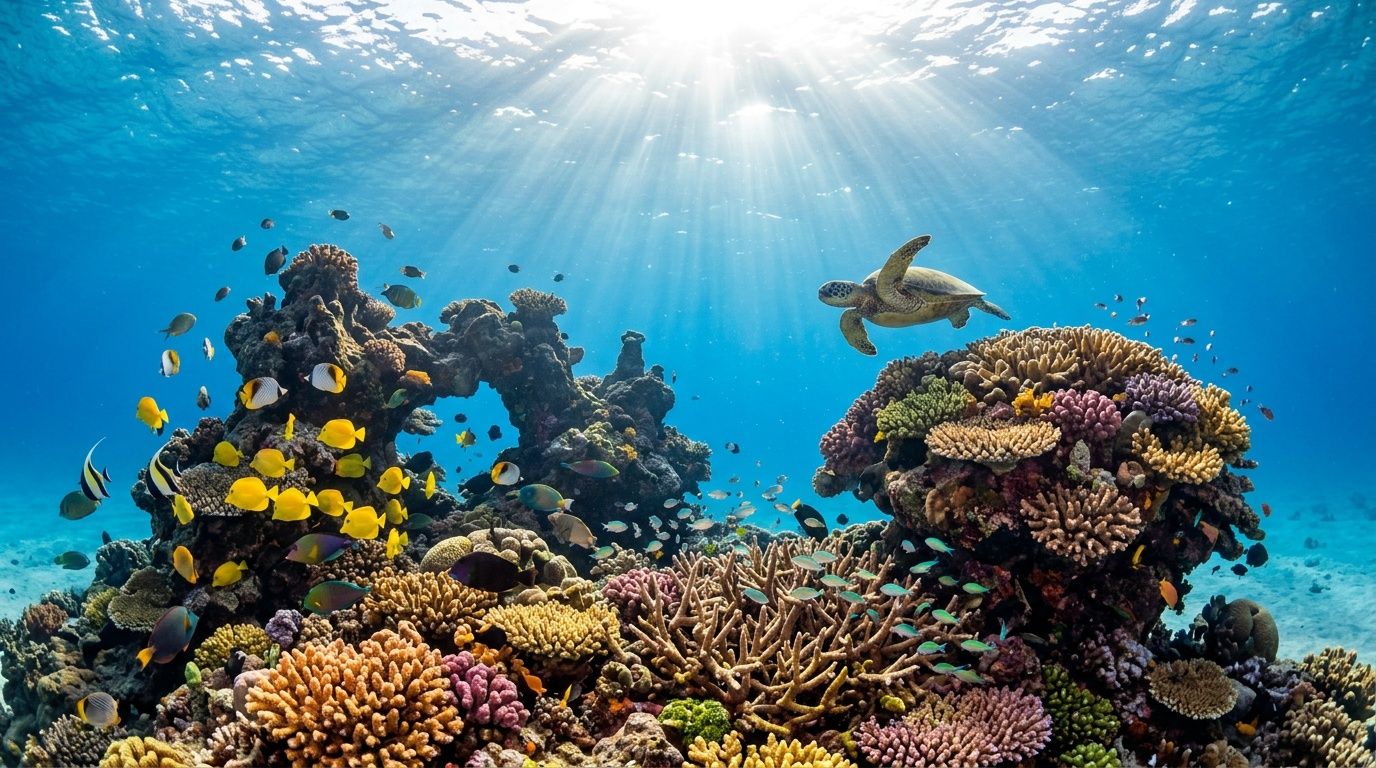
The lava coastline changes the dive itself
Kona diving has shape. Old lava flows built ledges, fingers, swim-throughs, arches, and cratered reef that make even an easier profile feel more interesting than a long flat bottom. Good topography also helps with orientation. Newer divers can track the site more easily, and experienced divers get terrain that rewards buoyancy control instead of just finning from coral head to coral head.
That structure is a big reason so many sites feel different from each other along one stretch of coast. One morning might be a bright reef with turtles and cleaner wrasse. Another might be darker lava features with eels tucked into cracks and white tip reef sharks resting under overhangs. If you want a broader explanation of what sets the area apart, this guide to what is unique about diving in Kona lays out the local character well.
Reliability is what makes Kona easy to book with confidence
Divers often ask about marine life first. The better question is whether the destination lets you build a trip that is practical.
Kona does that well. The combination of protected water and a high concentration of usable sites gives captains and divemasters real options when they need to choose for swell, current, diver experience, or family logistics. That flexibility is not glamorous, but it is one of the main reasons people finish a trip here feeling like their diving days were well used instead of patched together.
From an operator’s point of view, this is where Kona stands out. A mixed group does not need to force every diver into the same experience. Newly certified divers can stay with straightforward boat dives and clean entries. More advanced divers can book for specific goals, including night work, blue water exposure, or skill-building dives with more task loading. Families can keep the schedule realistic instead of overcommitting on day one.
The destination works because the experiences are distinct
Some places are pleasant underwater but blur together after a couple of days. Kona usually does not. The coast supports dives that feel distinctly different from one another, and that changes how you should plan the week.
A diver who wants easy reef life, a traveler focused on manta rays, and a returning diver chasing unusual pelagic encounters should not all book the same itinerary and hope for the best. That is why operator choice matters. Good crews ask about certification level, recent diving, comfort in current, comfort at night, and what kind of dive day you want to have. For a closer look at one of the experiences that brings many visitors here, the Kona Snorkel Trips manta dive guide is a useful reference.
That mix of reliable conditions, volcanic structure, and diverse dive formats is what makes scuba diving kona hawaii big island more than a checklist destination. It gives you options, and with the right operator, those options turn into a trip that fits your skill level, your group, and the kind of underwater experience you came to Hawaii for.
Kona's Unforgettable Dive Experiences You Can't Miss
Some dive destinations are known for “good diving” in a vague sense. Kona is more specific than that. The coast is known for experiences people plan entire trips around.
Two are obvious. The manta night dive and the black water dive. But daytime lava dives and the boat-versus-shore decision matter just as much if you want the trip to feel well built instead of random.
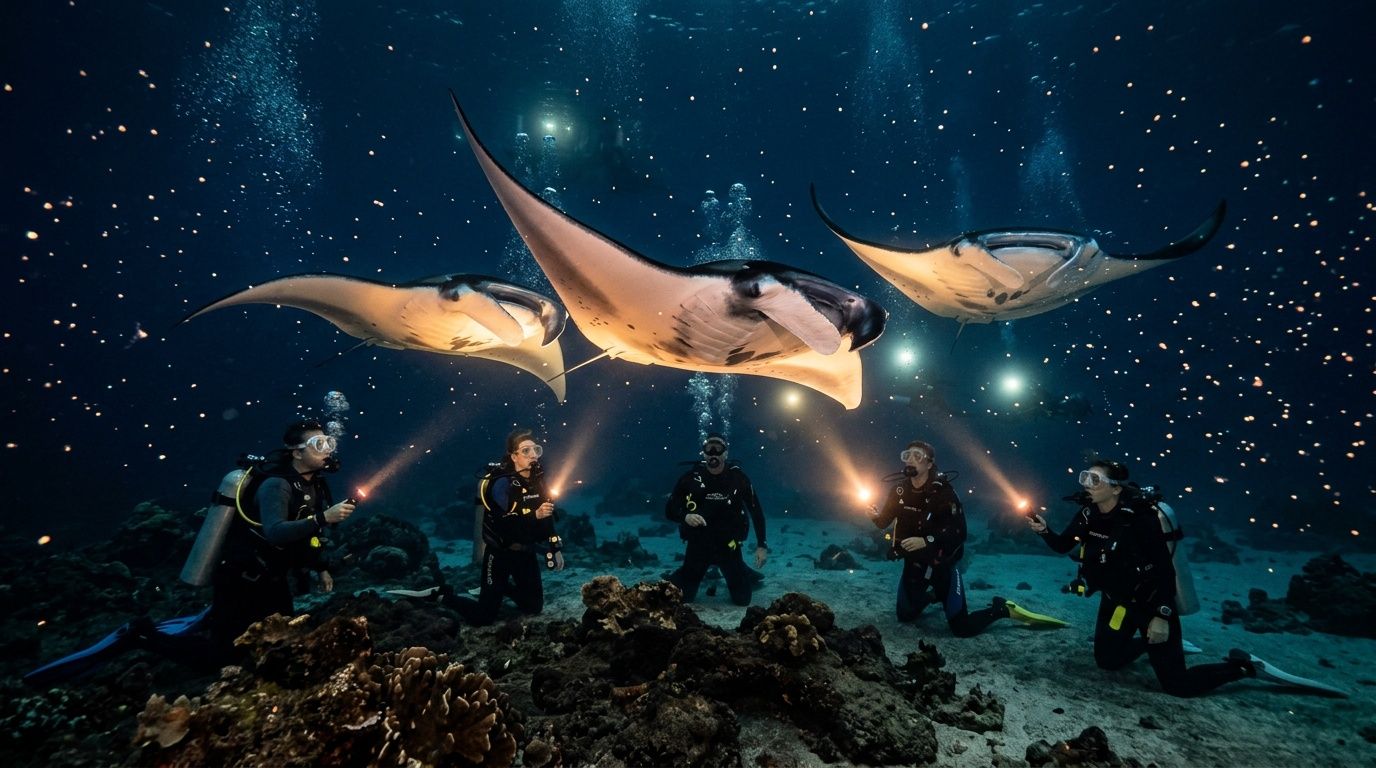
The manta night dive
This is the dive people ask about first, and for good reason. Kona’s signature manta experience runs at a maximum depth of 40 feet and is suitable for beginner through advanced divers according to this guide to Big Island scuba diving highlights.
The format is controlled when it’s done well. Divers settle into position, lights attract plankton, and manta rays glide through the light field to feed. Your job isn’t to chase. Your job is to stay calm, stay low, and let the animals do what they came to do.
If you’re comparing sites, Garden Eel Cove is the stronger choice for many divers. The protected location tends to create a more settled experience. The viewing area is easier to appreciate, and the surrounding reef structure adds value to the dive instead of making it feel like a single-purpose stop. If the manta night dive is a priority, book a trip designed specifically for it through the manta dive tour page, and read this detailed explainer on what is manta ray night dive. For extra context from the snorkeling side of the same experience, the Kona Snorkel Trips manta dive guide is also useful.
Practical rule: If you want the best manta dive possible, don’t book it as an afterthought on your final night. Put it early enough in the trip that weather, fatigue, or schedule changes don’t force a rushed decision.
The black water dive
Black water isn’t just a night dive offshore. It’s a completely different kind of diving. You drift in deep, dark open water while lights attract pelagic creatures that migrate toward the surface at night.
This dive is for advanced divers for a reason. There’s no reef below you, no wall beside you, and no normal visual reference. If you’re comfortable with buoyancy, situational awareness, and unusual environments, it can be one of the most fascinating dives you’ll ever do. If you need bottom reference to feel settled, it may not be the right call yet.
Book black water because the subject interests you. Tiny translucent hunters, larval forms, and bizarre nighttime drifters reward patient divers who hover well and observe closely. If that’s your lane, use the black water night dive page to check trip details.
Daytime reef and lava dives
Don’t let the signature night dives overshadow Kona’s daytime diving. The daytime side of this coast is what gives the trip its backbone.
Lava tubes, arches, caverns, pinnacles, and reef fingers create dives with actual shape. You aren’t just touring a fishy area. You’re navigating terrain. For many divers, that’s what makes daytime Kona diving so repeatable. Even when marine life changes from dive to dive, the geology still gives the site character.
What works well on these dives:
- Good buoyancy control because volcanic structure rewards precise movement
- A moderate pace because the best sightings often happen when divers stop rushing
- Honest site matching because some lava features feel playful and easy, while others are better for divers with stronger trim and awareness
If you want deeper or more demanding daytime profiles, the premium advanced 2 tank trip is the right place to look.
Shore diving versus boat diving
Many online guides on the subject are too simplistic. They say shore diving is easy, boat diving is premium, and that’s the end of it. Real trip planning is more nuanced.
Shore diving can be a smart choice for locals, confident independent divers, or families who want flexibility. But practical access matters. Some popular sites bring parking headaches, crowded entries, and awkward gear carries. At places like Two Step, crowding can change the whole mood of the outing, especially for families, beginners, or anyone hauling a lot of equipment.
Boat diving removes most of that friction. You get site briefings, easier entries, less gear schlepping, and better support for mixed experience levels. Shore diving still has a place, but it’s not always the low-stress option people assume.
| Dive Experience | Typical Depth | Required Skill Level | Best For |
|---|---|---|---|
| Manta Ray Night Dive | 40 feet max | Beginner to advanced | Divers who want Kona’s most famous wildlife experience |
| Black Water Dive | Varies in open ocean setting | Advanced | Divers seeking rare pelagic life and unusual night conditions |
| Daytime Reef and Lava Dive | Varies by site | Beginner to advanced depending on site | Divers who want terrain, reef life, and classic Kona structure |
| Shore Dive | Varies by entry and site | Beginner to advanced depending on conditions | Families, self-guided divers, and travelers prioritizing flexibility |
The right call comes down to the kind of stress you want to remove. If your vacation time is limited, boat diving usually buys you smoother logistics. If you value independence and already know how to handle lava entries, shore diving can add a useful extra day in the water.
Planning Your Kona Dive Trip What You Need to Know
You booked Kona for a reason. Now the goal is to stack your dives so the trip feels smooth on the boat, realistic for your body, and worth the airfare.
Good planning starts with the experiences you do not want to miss, then works backward from there. In Kona, that usually means specialty dives first, daytime charters second, and shore dives only if they fit your energy level and logistics. A family with one new diver needs a different plan than a photographer chasing pelagics or a couple who want one marquee night dive and two easy reef days.
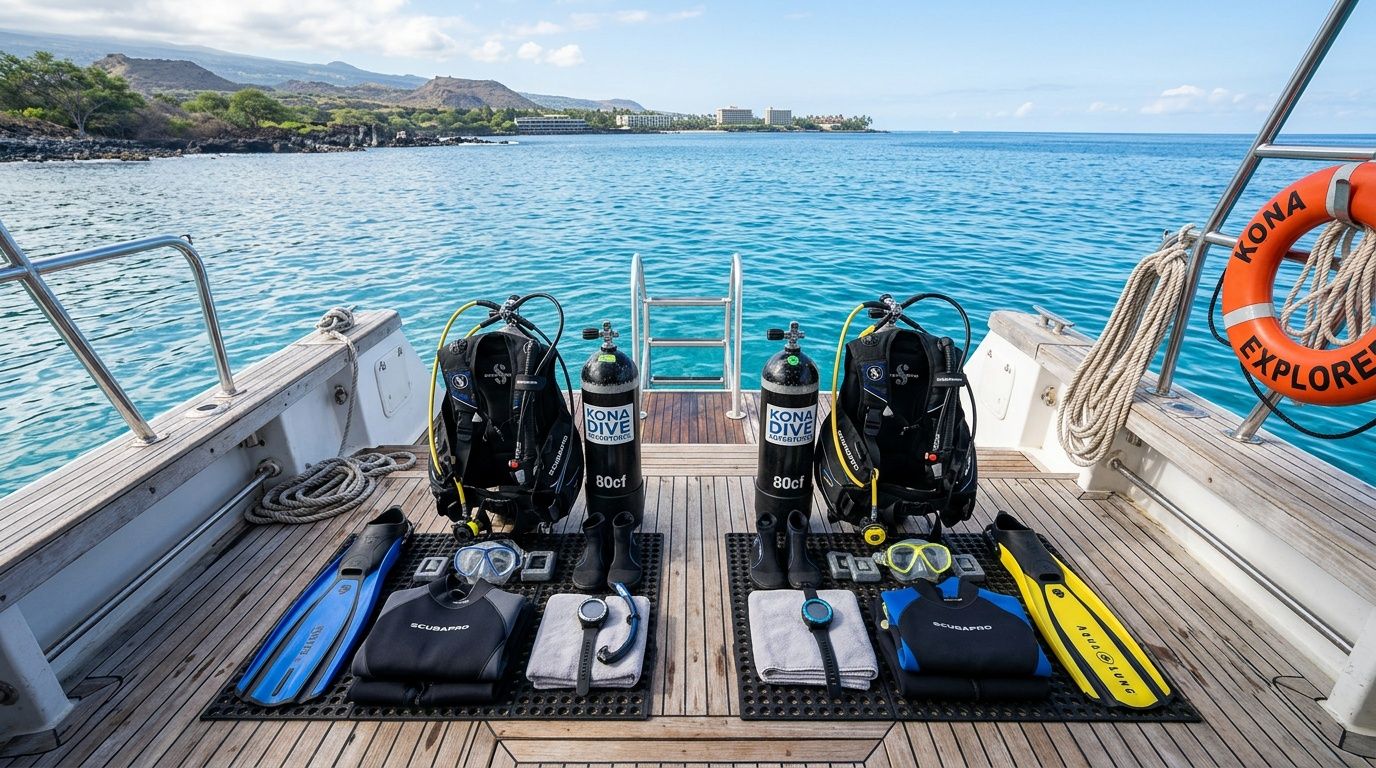
Choose the trip order before you choose every site
Reserve the dives with the least flexibility first. Manta night dives, blackwater trips, and any training schedule should go on the calendar before you fill in daytime reef diving. Those specialty trips drive the rhythm of the week.
A practical Kona plan often looks like this:
- Book must-do experiences first. If mantas or blackwater are the reason you came, protect those dates early.
- Place easier daytime diving around them. That gives you recovery time and keeps the trip enjoyable instead of packed.
- Keep your final full day out of the water. Respect the no-fly interval and give yourself margin.
Conditions also change by swell, wind, and local exposure, even when the forecast looks friendly from shore. Before any self-guided day or boat booking, check this guide on how to read Big Island ocean conditions before your dive day.
Pack for the dive day you are actually having
Visitors often bring too much hardware and forget the small items that make a real difference. Kona does not reward bulky packing. It rewards comfort, familiarity, and a setup you can manage without stress.
Bring the gear you already trust:
- Your own mask, if you have one. A familiar mask fixes a lot of vacation-diver problems before they start.
- A dive computer. It matters even more on multi-day trips.
- Reef-safe sunscreen.
- A towel and dry shirt or light jacket. The ride back can feel cool after a second dive.
- Any personal medications you know work for you.
Leave the backup-for-your-backup gear at home unless you use it regularly.
Preparing for your boat dive
Motion sickness is one of the most common trip spoilers in Kona, and it is manageable if you handle it early. The mistake is waiting until the boat is already outside the harbor.
Common options include the Ship-EEZ Seasickness Patch, Dramamine pills, Bonine pills, Sea Band wristbands, and Ginger chews. Some divers do well with medication the night before or the morning of the trip. Others prefer ginger, wristbands, a light breakfast, and time in fresh air before departure. If you know boats affect you, test your approach before vacation, not on the day of your manta dive.
A few habits help a lot:
- Eat light, but do eat.
- Start hydrating early.
- Keep your eyes off your phone at the surface.
- Tell the crew before you feel rough. They can usually help more at the first sign than after you are already sick.
Match the trip to your real, current comfort level
Certification card and current readiness are not always the same thing. A diver with 40 logged dives who has been out of the water for three years may need a gentler start than a newer diver who has been diving every month.
That matters in Kona because the menu is broad. Some trips are forgiving and relaxed. Others ask for better buoyancy, stronger situational awareness, and more comfort in night or blue-water settings. Choose based on your recent diving, air use, confidence in current, and how calmly you solve small problems underwater.
For families, that usually means fewer transitions and less rushing. For experienced divers, it often means booking one signature dive, then leaving enough room to enjoy the reef diving instead of treating every day like a checklist.
The best Kona itineraries feel balanced on day three, not just exciting on day one.
Get Certified or Advance Your Skills in Paradise
A lot of divers arrive in Kona with one goal in mind. Get certified on vacation, shake off the rust, or add a specialty that improves the dives they want to do here. That approach works well on this coast, because the training connects directly to the experience you will have on the boat and underwater.
For new divers, good instruction in Kona keeps the focus on core habits. Breathing calmly. Holding trim. Clearing a mask without stress. Managing a descent without grabbing the reef or kicking up the bottom. Those are the skills that make a vacation diver feel comfortable fast, and they matter more than finishing a course in the shortest possible time.
Certified but out of practice? Start there. A refresher or a conservative first day is often the smartest call, especially if your last dives were a while ago. I would rather see a diver spend one morning rebuilding buoyancy and awareness than force an ambitious itinerary and spend the rest of the trip catching up.
Training that pays off on real Kona dives
The best course choice depends on the dive experience you want, not the card you want to collect.
If you are new, choose a class format that gives you enough repetition to settle in and ask questions. If you are already certified, pick training that shows up immediately in the water:
- Peak Performance Buoyancy helps around lava rock structure, delicate reef, and midwater wildlife encounters.
- Nitrox is useful for divers planning several boat days and wanting more flexibility on recreational profiles.
- Night or advanced training makes more sense after your buoyancy and situational awareness are solid.
That progression is practical. It also makes Kona more fun.
Nitrox is a good example. It is not magic, and it does not replace smart gas planning, depth discipline, or conservative dive habits. What it can do is give qualified divers more no-decompression flexibility on repetitive dives, which is valuable when you are stacking several days of reef diving and want to finish the trip feeling good instead of wrung out.
Kona Honu Divers offers courses, guided diving, and free Nitrox for qualified divers, which is worth factoring into your booking decision if you plan to dive more than once or twice during the week.
Don’t let excitement choose your next step
Blackwater is incredible. It is also a poor choice for a diver who still struggles with buoyancy, task loading, or staying relaxed in open water at night.
A better ladder looks like this. Get comfortable in daylight. Clean up your trim and finning. Build awareness of your buddy, your computer, and your position in the water column. Then step into night diving, manta diving, or blackwater with the right foundation under you.
That is how divers get more from Kona. They are not just checking off sites. They are building skills that let them enjoy the full range of experiences here with more control and less stress.
One more point matters during training and fun dives alike. Good habits are part of good diving. A diver who can hold position, protect the reef, and interact calmly with marine life will have better dives and better photos. Review these responsible and considerate diver etiquette practices before you book your course or advanced charter.
Dive with Confidence Safety and Marine Life Etiquette
Strong dive habits make Kona better for everyone. They protect the reef, improve wildlife encounters, and reduce the little mistakes that turn an easy dive into a stressful one.
That’s more important now because diver behavior matters more when reef systems are under pressure. Local guidance notes that ocean warming and coral bleaching make diver education, buoyancy control, and sustainability more important than ever, and that operators who emphasize reef health and advanced buoyancy training help reduce impact on these sites in this discussion of Hawaii diving and reef stewardship.
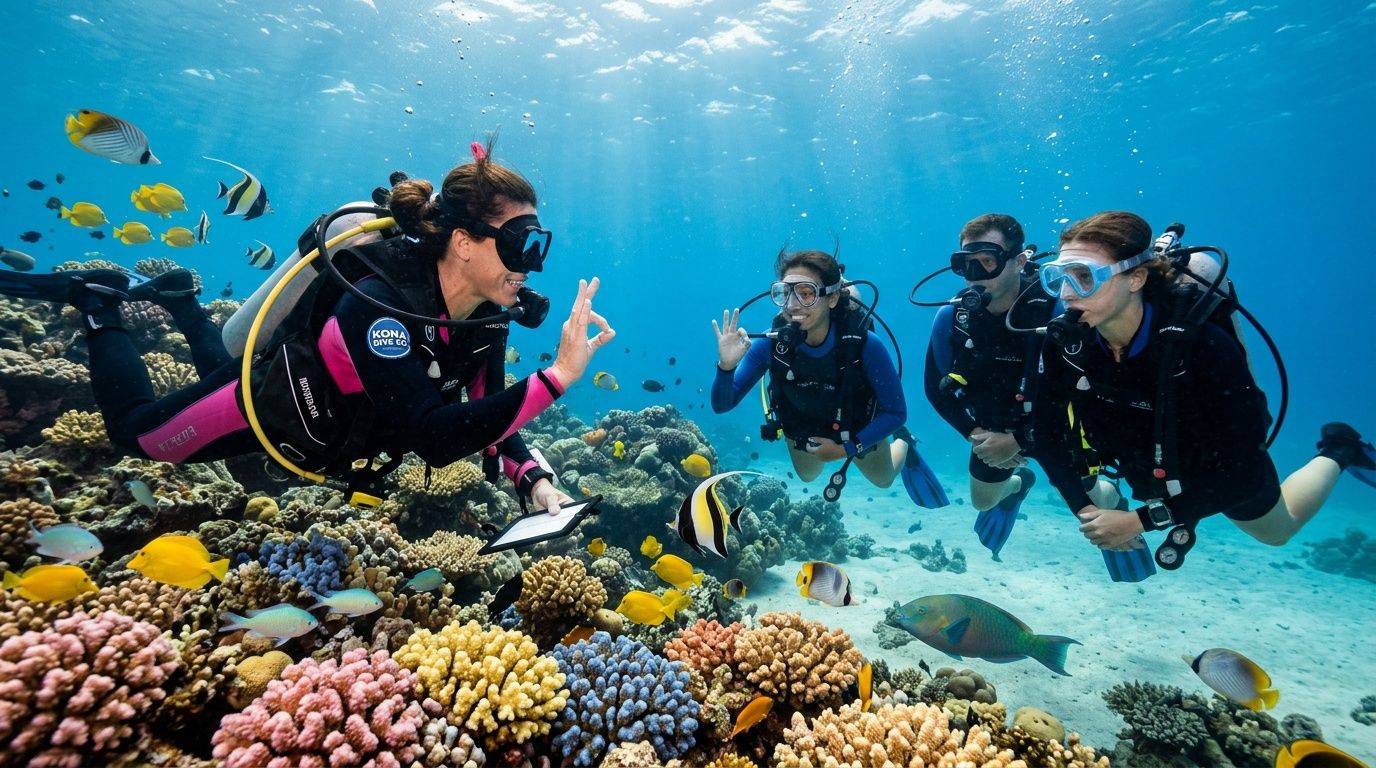
Safety starts before the descent
Good operators handle briefings, gear setup standards, emergency planning, and site selection. Divers still have responsibilities of their own.
The basics aren’t glamorous, but they matter:
- Listen to the full briefing. Local site details can change the whole dive.
- Do a real buddy check. Don’t turn it into a ritual with no attention.
- Stay within your actual skill level. Vacation optimism causes plenty of problems.
- Watch your trim and fins. Many reef contacts happen because divers never notice what their lower body is doing.
Manta etiquette and wildlife behavior
Mantas are the headline, but they’re also the easiest example of why etiquette matters. Divers get the best experience when they become predictable and passive.
For mantas:
- Stay where the guide places you.
- Don’t reach out or try to intercept them.
- Keep your light positioned as instructed.
- Let the animal control the encounter.
The same principle applies to turtles, dolphins, and reef life in general. Observation works better than pursuit. Chasing almost always worsens the interaction.
A calm diver sees more. Marine life doesn’t reward urgency.
Small choices protect the reef
Responsible diving is mostly a series of ordinary decisions. Use reef-safe sunscreen. Maintain neutral buoyancy. Secure dangling gauges and accessories. Don’t kneel on the reef because a photo feels important.
If you want a useful refresher before your trip, read these responsible considerate diver etiquette guidelines. They line up with what experienced guides want every guest to understand before entering the water.
The payoff is immediate. Safer diving, cleaner wildlife interactions, and healthier sites for the next group in the water.
Why Choose Kona Honu Divers for Your Adventure
When divers compare operators in Kona, they’re usually trying to reduce risk in three areas. Trip quality. Safety culture. Logistics. The right operation helps with all three by making the day feel organized before anyone even enters the water.
That means clear site briefings, boats built around divers instead of improvised around them, gear that’s maintained properly, and enough crew attention that guests don’t feel herded through the experience. It also means offering a menu that lets travelers build a real week of diving instead of repeating the same template dive.
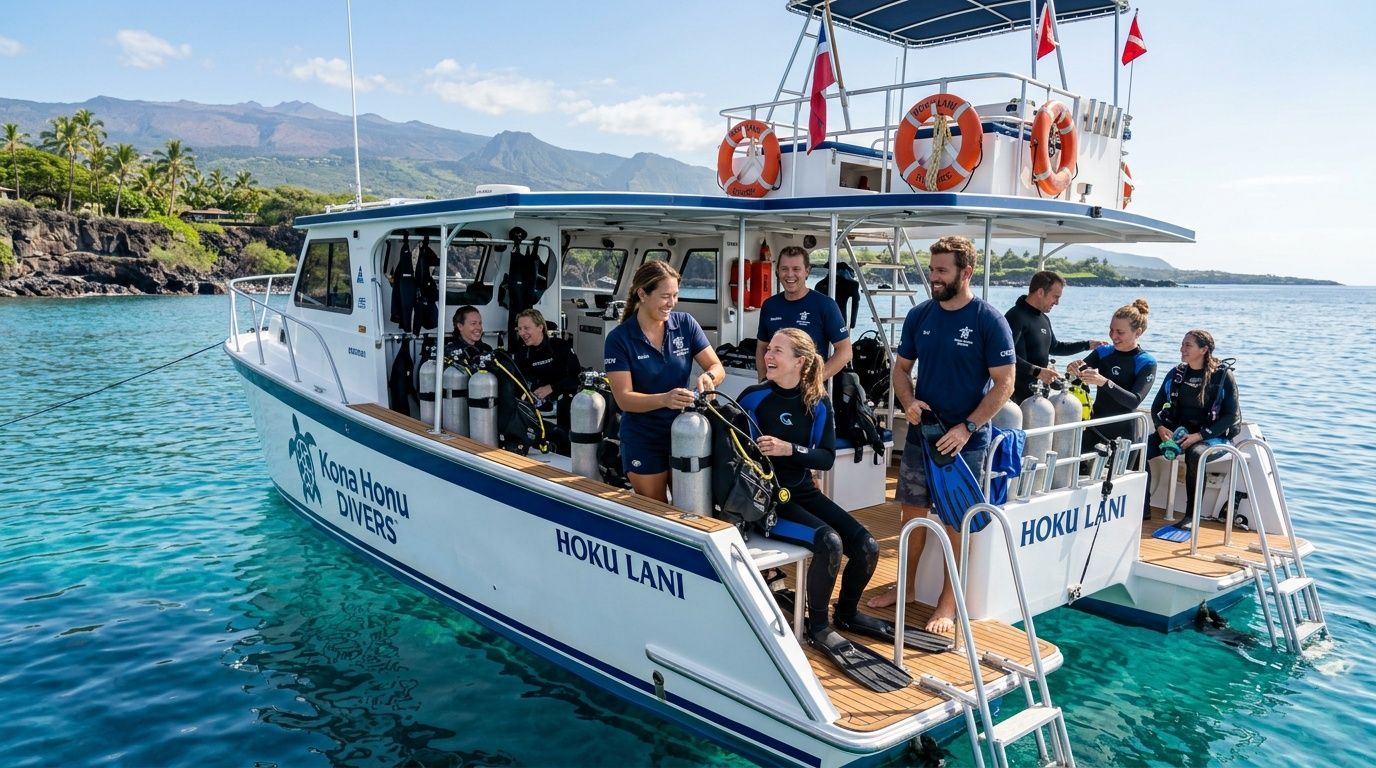
For travelers planning scuba diving kona hawaii big island, practical details usually matter more than flashy claims. Look for operators that can support beginner-friendly dives, signature experiences like mantas, and advanced opportunities without forcing every guest into the same schedule. Added value matters too, especially if you’re diving several days and comparing total trip cost rather than just a single booking price.
A good Kona trip should leave you thinking about the dive, not the friction around it. When the crew, boat, and trip design are dialed in, that’s exactly what happens.
Frequently Asked Questions About Kona Scuba Diving
What if I’ve never dived before
You can still get in the water. Beginners usually start with an introductory experience or a certification course rather than jumping straight into every signature dive on the schedule. Kona’s calm, clear conditions make it a comfortable place to learn, especially if you want your first ocean dives to feel manageable instead of chaotic.
Do I need to bring my own scuba gear
Not necessarily. Many travelers bring only personal items like a mask, computer, and exposure gear they already know fits well. Rental gear is a normal part of dive travel. If you have equipment preferences, ask in advance what’s included and what’s optional so you can pack lighter.
What happens if weather affects the trip
Kona is known for stable diving conditions, but safety still comes first. Reputable operators will adjust sites, modify plans, or cancel when conditions don’t support a safe dive. That’s a good sign, not a bad one. If weather flexibility matters to you, book earlier in your stay so there’s room to reschedule.
Is the manta ray dive guaranteed
Wildlife is never guaranteed. That’s true anywhere, and it’s the honest answer. Kona’s manta experience is famous because sightings are reliable enough to make the dive a bucket-list trip, but these are wild animals and conditions can change. The best approach is to go in excited, follow the briefing, and treat the encounter as wildlife observation rather than a staged performance.
If you’re ready to stop comparing tabs and start planning a real Kona dive trip, take a look at Kona Honu Divers. You’ll find tours, training, and specialty dives that make it easier to build the right week in the water.