
It's hard to describe the manta ray night dive in Kona without sounding like you're exaggerating. But really, it's one of the most incredible underwater experiences you can have, anywhere on the planet.
Imagine sinking into the dark Pacific, your light cutting through the black, when a gentle giant with a wingspan of up to 18 feet glides silently past you. They somersault and swoop, sometimes just inches away. This isn't a lucky, once-in-a-lifetime sighting; it's practically a nightly ballet that makes Kona the most reliable place in the world to see these amazing animals.
What to Expect on Your Kona Manta Ray Night Dive
Let me paint you a picture. As the sun dips below the horizon, you'll hop on a comfortable dive boat and cruise out to one of the well-known manta spots. Your guide will walk you through the whole thing, explaining the simple "campfire" setup and the basic rules for keeping both you and the mantas safe.
Once you’re underwater, you and the other divers settle in a circle on the sandy bottom, maybe 30-40 feet deep. Then, everyone points their dive lights straight up. This creates a massive pillar of light that acts like a dinner bell for plankton, the microscopic critters that manta rays absolutely love to eat.
Before you know it, the show begins. One by one, massive shadows emerge from the darkness, drawn to the all-you-can-eat buffet you've helped create. They perform these effortless barrel rolls and graceful loops, mouths wide open as they scoop up clouds of plankton. It’s a peaceful, almost surreal experience. You just kneel there and watch nature's magic happen right in front of you.
Why Kona is the Global Manta Hotspot
Kona isn’t just a place to see mantas; it’s the place. The dive here is world-famous for a reason, with a sighting success rate that hovers between 85% and 95%. You just can't find that kind of reliability anywhere else.
It all comes down to Kona's unique underwater geography. The volcanic slopes and local currents create the perfect conditions for plankton to thrive, which in turn supports a huge resident population of over 450 identified manta rays. It's totally normal to see anywhere from 5 to 20 mantas on a single dive, and some epic nights have logged as many as 36 at once! Our guide on the Kona manta ray night dive gets into even more detail about what makes this spot so special.
Kona Manta Ray Night Dive At a Glance
To give you a better idea of the whole experience, we've put together a quick summary of what a typical night looks like. The entire trip is designed to be as safe as it is awe-inspiring.
| Aspect | Details |
|---|---|
| Typical Duration | Around 3-4 hours total, including the boat trip and briefings. |
| Time in Water | You'll get about 40-50 minutes of bottom time with the mantas. |
| Average Depth | A comfortable 30-40 feet (9-12 meters), perfect for most certified divers. |
| Water Temperature | A warm 75-80°F (24-27°C) pretty much all year. |
| What You'll See | Kona's resident giant reef manta rays feeding on plankton. |
| Diver's Role | Stay put on the ocean floor and point your light up—that's it! |
This isn't just another dive to log in your book. It’s a genuine connection with one of the ocean's most majestic creatures. The memory of a giant manta gliding inches over your head is something that truly sticks with you forever.
The Science Behind This Underwater Ballet
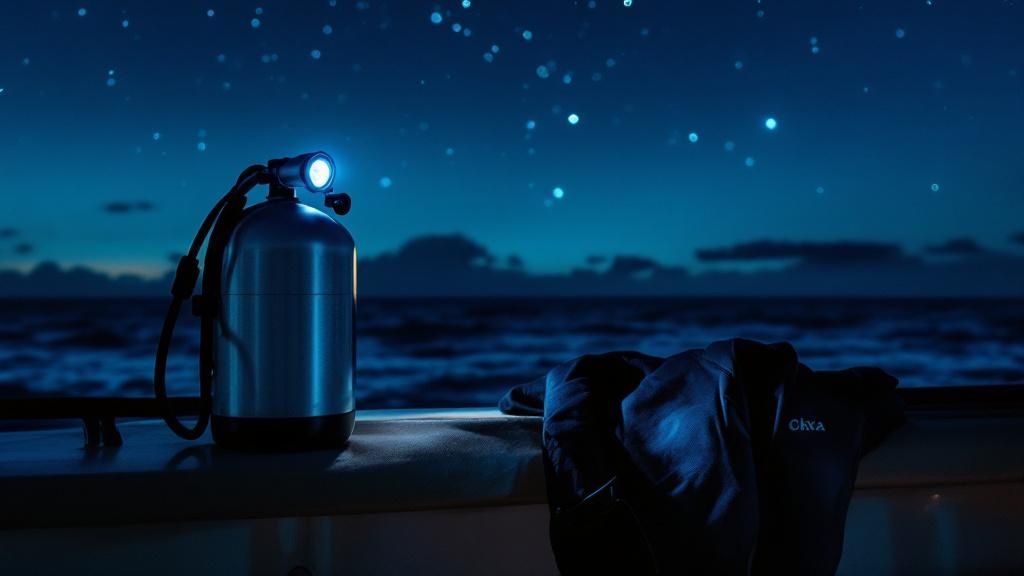
So, how does this incredible gathering of manta rays happen every single night? It’s not magic, but it’s pretty close. The whole spectacle comes down to a simple biological trick called phototaxis—a fancy word meaning that tiny organisms are drawn to light.
Think of it like moths swarming a porch light on a warm summer evening. In the ocean, the players are microscopic zooplankton. When we shine our powerful dive lights into the dark water, these little critters instinctively flock to the beams, creating a thick, protein-packed soup.
For Kona’s manta rays, this cloud of plankton is an all-you-can-eat buffet they just can't resist. This happy accident, discovered decades ago when a hotel first lit up the water, has evolved into the world-famous manta ray night dive Kona is known for today.
A Reliable Theater for Gentle Giants
What makes this underwater show so incredibly reliable is that the stars of the show are locals. The species you'll meet is the pelagic reef manta (Mobula alfredi), the second-largest ray in the world, and unlike some migratory species, these guys stick around the Kona coast all year.
Dive operators have perfected the art of setting the stage for this nightly dinner theater in a way that’s completely safe for the mantas and absolutely breathtaking for us. We've established specific sites where the mantas have learned to expect their nightly feast, turning them into dependable feeding spots.
Here at Kona Honu Divers, we're deeply committed to marine conservation, so we make sure every single encounter is handled with the utmost respect. Our experienced guides and dedication to sustainable practices are why we've earned a reputation for doing things the right way.
Knowing the Performers
One of the coolest things about Kona's manta population is that we know them personally. Seriously. Using photos, local researchers and divemasters can identify individual rays by the unique spot patterns on their bellies—each one is like a fingerprint.
This massive effort has helped catalog nearly 200 individual manta rays that call these waters home. While you won’t see all of them at once, it’s pretty common for 10 to 20 of these familiar faces to show up for dinner on any given night.
Knowing these giants as individuals, not just as a species, adds a whole new level of awe to the dive. It’s a powerful reminder of how important it is to protect them. Want to learn more about what makes this dive so special? Check out our guide on why you should go on a manta ray dive in Kona.
When you understand the simple science behind the scenes, the dive transforms from just a cool experience into a profound connection with the ocean. Ready to see it for yourself?
How to Plan Your Perfect Manta Adventure
Alright, so you're ready to experience one of the most incredible wildlife encounters on the planet. Smart move. A little bit of planning for your manta ray night dive in Kona goes a long way toward making it a truly unforgettable night.
The good news? The biggest question most people have—"When should I go?"—is also the easiest to answer. Kona is home to a massive, non-migratory population of reef mantas, which means this underwater spectacle happens 365 days a year. Unlike whale watching or other seasonal encounters, Kona's gentle giants are on the clock every single night.
With the "when" sorted out, your next big decision is the "where." There are two main, world-famous sites for the manta dive, and each has its own unique vibe.
Manta Village vs Manta Heaven
The two primary stages for this nightly ballet are affectionately known as Manta Village and Manta Heaven. Honestly, you can't go wrong with either, but knowing the subtle differences can help you pick the perfect spot for your adventure.
-
Manta Village (Keauhou Bay): This is the OG, the original manta ray dive site just south of Kailua-Kona. Its claim to fame is consistency. We're talking a success rate that's consistently over 95%. You might see a few fewer mantas here, maybe 4-5 on an average night, but its reliability is legendary. Being close to Keauhou Harbor also means a shorter boat ride for many tours.
-
Manta Heaven (Garden Eel Cove): Located up north near the airport, this site is known for putting on a real show. It's not uncommon to see an average of 10 or more mantas in a single dive. The success rate is still fantastic, hovering around 90%, but the real draw here is the potential for a massive, swirling vortex of these incredible creatures.
At the end of the day, both spots offer a world-class, breathtaking experience. You’ll be in the right place no matter which one your captain chooses.
Scuba Diving vs Snorkeling
The next choice you'll make is how you want to see the show: from the seafloor as a certified scuba diver or from the surface as a snorkeler. Both give you a front-row seat, just from a different angle.
If you’re a diver, the experience is totally immersive. You'll descend to about 30-40 feet, settle onto the sandy bottom, and simply look up. The mantas swoop and glide just inches over your head in a silent, mesmerizing ballet. It's a peaceful, almost zen-like perspective where you feel completely part of their world. This is one of the most popular experiences for anyone interested in scuba diving Kona, Hawaii.
Snorkelers get an equally amazing, top-down view. You'll float comfortably on the surface, holding onto a custom-built light board that looks a bit like a floating surfboard. These powerful lights attract the plankton, which brings the mantas right up to you. You'll watch them barrel roll and feed just feet below. It's an incredibly accessible option for non-divers, families, and anyone who wants the thrill without the scuba gear. To help you decide, we break it down even further in our guide covering everything you should know about the manta ray dive in Kona.
Choosing the Right Dive Operator
This is the most important decision you'll make. A top-notch operator puts safety and sustainability first, period. Look for companies that follow the Manta Ray Green List guidelines. This means promoting passive, respectful observation—no touching, no chasing, and never blocking the mantas' path.
Small group sizes are another huge plus. It means you get more personalized attention from the guides and a less crowded, more intimate experience with the mantas. At Kona Honu Divers, we're all about creating a safe, ethical, and mind-blowing encounter that you’ll be talking about for years.
Your Essential Manta Ray Night Dive Checklist
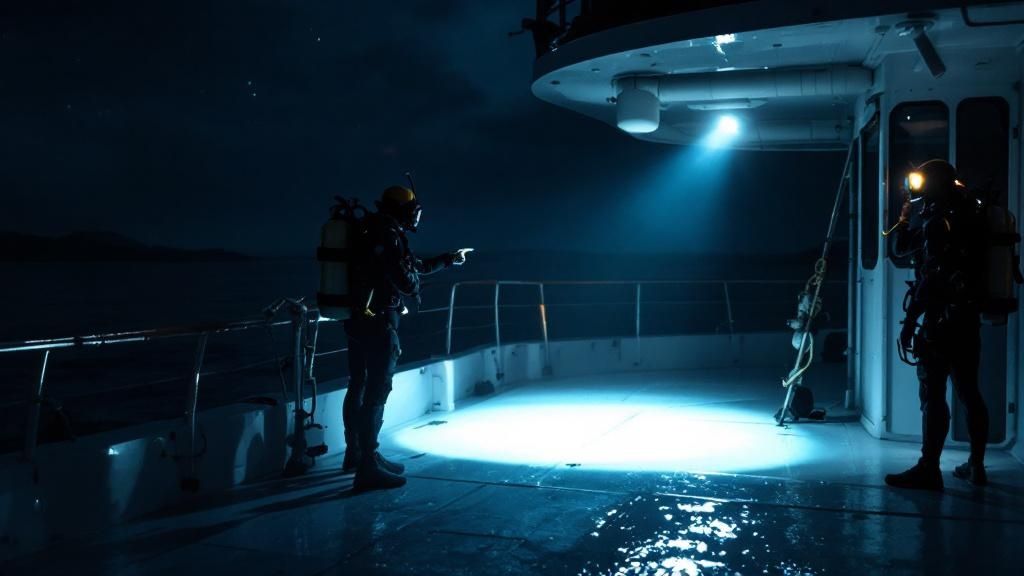
The secret to turning a great dive into a mind-blowing one? It's all in the prep. Showing up with the right gear and a relaxed mindset means you can just soak in the magic of the manta ray night dive in Kona without any distractions.
This isn’t just another gear list. Think of it as your pre-flight check before you drop into one of the most incredible underwater shows on the planet. We'll cover everything from the little things that make the boat ride home cozy to the must-have dive gear.
Gear and Personal Item Checklist
Figuring out what the dive boat provides versus what you need to pack saves a ton of last-minute hassle. While top-notch operators like Kona Honu Divers have the big stuff covered, a few personal items can make all the difference for your comfort before and after you hit the water.
Here’s a quick rundown of what’s usually included and what you should throw in your own bag.
| Item Category | Typically Provided by Operator | What You Should Bring |
|---|---|---|
| Scuba Essentials | Tanks and weights are always included. Most shops offer high-quality rental BCDs and regulators. | Your own mask, snorkel, and fins that you know fit perfectly. Don't forget your dive computer and C-card! |
| Exposure Protection | Wetsuit rentals are standard, usually in the 3mm or 5mm range, which is plenty for most people. | If you have your own wetsuit you love, bring it. A hood or hooded vest is a great idea for extra warmth. |
| Safety & Lighting | A powerful primary dive light for each diver is part of the package—it's essential for the experience. | A small backup light. It's just smart practice for any night dive, even if you never have to use it. |
| Personal Comfort | You can usually count on light snacks (like cookies and pineapple) and drinking water on the boat. | A warm, dry towel is non-negotiable. A windbreaker or hoodie for the ride back is a game-changer when you're wet and it's breezy. |
| Miscellaneous | Professional dive guides and a comprehensive safety briefing are a given. | Any seasickness medication (take it before you leave the dock), reef-safe sunscreen, and of course, your camera. |
Sorting this out ahead of time means you can step on the boat feeling confident and ready for the main event.
Capturing The Moment: Underwater Photography Tips
Photographing the manta dive is a blast, but it's tricky. You're dealing with total darkness, super-bright lights, and massive, graceful subjects that never stop moving. It’s a recipe for blurry, washed-out shots if you’re not prepared.
But with a few tweaks, you can capture some absolutely stunning images. Here’s what I’ve learned:
- Go Wide, Get Close: Use the widest lens you own. This lets you get right up near the mantas, cutting down the amount of water between your lens and the subject. Less water means more clarity and color.
- Dial in Your Settings: A good starting point is a shutter speed around 1/125s to freeze motion, an aperture of f/8 for decent depth of field, and a low ISO (100-400) to keep noise down. Be ready to adjust on the fly.
- Strobes Are a Must: Your camera's built-in flash is your enemy here. It will light up every tiny particle of plankton, creating a snowstorm effect called backscatter. You need external strobes positioned to the sides to light the mantas without illuminating the stuff in between.
- Shoot the Belly: The most dramatic shots showcase the unique spot patterns on the mantas' undersides. Get settled on the sandy bottom and shoot upwards as they glide right over your head.
The number one rule? Be a respectful guest in their world. Never chase a manta for a photo. Just be patient, let them come to you, and capture their natural elegance without getting in their way.
Your Mental Checklist
Honestly, the most important piece of "gear" you can bring is a calm and present mind. The whole scene can be wonderfully overwhelming, and if you arrive stressed, you'll miss the best parts.
Trust your divemaster and listen carefully to the briefing. These guides have done this dive hundreds, sometimes thousands, of times. They are pros.
Once you’re on the bottom and settled in, take a few slow, deep breaths through your regulator. Check your buoyancy and just relax. The less you fidget and move, the more comfortable the mantas will be. The real goal is to become part of the scenery and let the ballet unfold all around you.
Ready to book your spot for this incredible underwater show? You can secure your manta ray dive tour easily online.
Diving Safely and Sustainably with Mantas
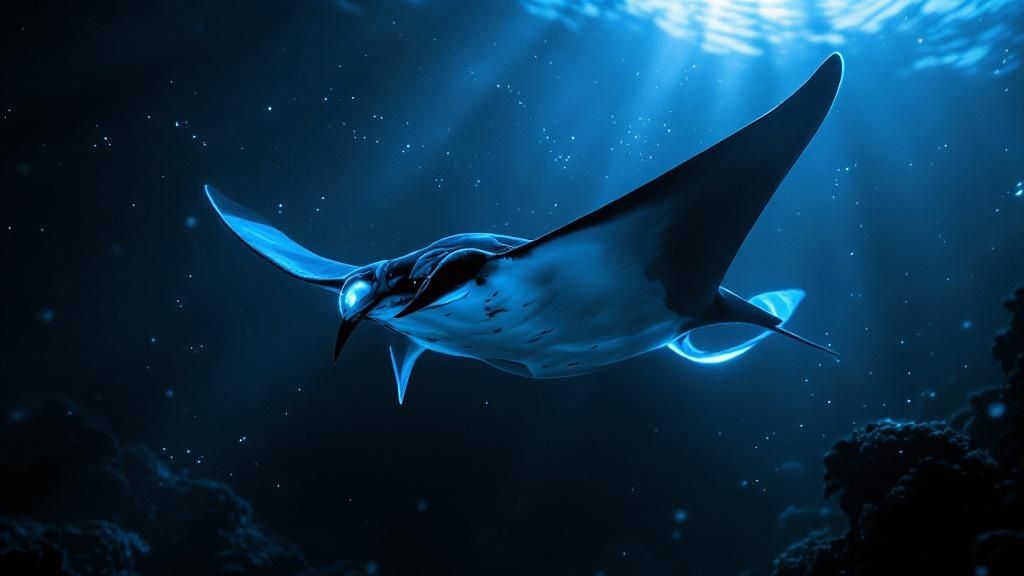
The magic of the manta ray night dive in Kona isn't just a happy accident; it's built on a delicate, unspoken agreement between us and the wildlife. To keep this incredible encounter going for years to come, every single person who slips into that water needs to be committed to safety and sustainability. This dive is more than just an activity—it's about respectful coexistence.
The whole experience boils down to one simple idea: passive observation. Just picture yourself as a guest in the mantas' dining room. Your only job is to watch the show unfold without getting in the way. It's that straightforward, and it's the bedrock of a safe, ethical dive that protects these gentle giants.
The Golden Rules of Manta Interaction
To make sure the mantas stay happy and healthy, all responsible operators enforce a strict set of guidelines. These aren't just suggestions; they are absolutely critical for the well-being of Kona's resident manta population and for keeping the dive a reliable, positive experience for both animals and people.
Your divemaster will cover all of this in the briefing, but here are the non-negotiables:
- No Touching, Ever: Manta rays have a special mucus coating on their skin that acts like a shield against infection. If you touch them, you can strip that layer away, leaving them vulnerable to nasty diseases.
- Don't Chase or Ride: It can be tempting, but you have to resist the urge to follow a manta. Let them come to you. Chasing them creates a ton of stress and can scare them away from their favorite feeding spot.
- Stay in Your Zone: Divers belong on or near the sandy bottom, and snorkelers stay flat on the surface. This keeps the whole middle of the water column open, giving the mantas plenty of space to glide, loop, and feed without having to dodge people.
Seriously, following these simple rules is the single best thing you can do for manta ray conservation. When you show them respect, they continue to trust divers, and that's what keeps the magic of the Kona dive alive.
Your Role in a Sustainable Dive
It’s not just about what you don’t do; your actions are a huge part of the dive's success. Your divemaster will show you exactly where to aim your light. Divers point their beams straight up, creating columns of light that attract plankton. Snorkelers shine theirs down from the surface. This team effort creates the concentrated plankton buffet that makes the whole experience so spectacular.
Good buoyancy control is also a game-changer. By staying perfectly neutral and still, you avoid kicking up sand or bumping into the fragile coral reef. This doesn't just protect the ecosystem; it makes you part of the scenery, allowing the mantas to get much closer for a truly natural encounter. You can get more details on how it all works in our complete guide to the manta ray night dive in the Big Island.
Common Questions About the Manta Ray Dive
Even after getting fired up about this incredible dive, it's totally normal to have a few lingering questions before you book your manta ray night dive in Kona. This is a pretty unique experience, and being fully prepared means you can just relax and soak it all in. We've pulled together the most common questions we hear to give you straight answers.
We want you to feel completely ready for this adventure, from wondering what happens if the mantas are a no-show to general safety concerns.
What Happens if We Don’t See Any Manta Rays?
This is a fair question, but honestly, it's rarely an issue. The success rate for seeing mantas in Kona is consistently over 90%, making it one of the most reliable wildlife encounters on the entire planet. These mantas are locals, and they show up for their plankton dinner almost every single night.
That said, these are wild animals, and nature is never 100% guaranteed. On the very rare night the mantas decide to skip dinner, most reputable operators (including us) will offer to rebook you on another night for free or at a steep discount. It’s always a good idea to schedule your manta dive early in your trip—that way, you have a flexible window to reschedule if you need to.
Is There a Best Time of Year to Go?
Here’s the fantastic news: there's no "manta season" in Kona. The reef mantas that cruise these waters are a resident population, which means they live here all year long. They don’t migrate, so you have an excellent chance for an amazing encounter whether you visit in July or December.
This makes the manta ray night dive a perfect activity to plan anytime. The water temperature stays a comfortable 75-80°F (24-27°C) year-round, so you're always in for a great time.
Is the Manta Ray Night Dive Safe?
Absolutely. Safety is the number one priority for every professional dive operation in Kona. While manta rays are related to stingrays, they are completely harmless to people. They have no stingers, no barbs, and no teeth.
Their only interest in being at the dive site is the all-you-can-eat plankton buffet. They are truly gentle giants, and any close fly-bys are just part of their feeding routine. Just follow your guide's instructions, and you'll ensure a safe and respectful interaction for both you and the mantas. For a deeper look at the experience, you can check out our guide that answers the question, what is a manta ray night dive?
Do I Need to Be a Certified Scuba Diver?
Nope! One of the best parts of this experience is how accessible it is. You can choose between two incredible options:
- Scuba Diving: If you're a certified diver, you'll get to hang out on the sandy ocean floor (around 30-40 feet) and watch the mantas glide just inches above your head. It's a surreal perspective.
- Snorkeling: Non-divers get an equally amazing view from the surface. You'll hold onto a custom floatation board equipped with bright lights, and the mantas will swoop right up to feed just a few feet below you.
Both options give you a front-row seat to the action, just from a different angle.
What Happens if I Accidentally Touch a Manta Ray?
It's absolutely critical to avoid touching the mantas. Their skin is covered in a protective mucus layer that acts as a shield against harmful bacteria. Touching them can rub off this coating, leaving them vulnerable to nasty infections.
Your dive guide will drill home the "passive observation" rule—let the mantas come to you and control the entire encounter. By staying still and remaining in your designated spot (on the bottom for divers, at the surface for snorkelers), you help keep these incredible animals safe and ensure this dive can be enjoyed for generations to come.
Choosing a top-rated operator like Kona Honu Divers guarantees your adventure will be professionally managed, safe, and truly unforgettable.
Ready to witness this underwater ballet for yourself? Kona Honu Divers offers world-class manta ray tours guided by experienced pros who put your safety and the mantas' well-being first. Book your unforgettable manta ray dive tour today.