
The manta ray night dive in Kona is one of those legendary, world-famous underwater experiences you hear about for years before you finally get to do it. It’s where divers and snorkelers get a front-row seat to watch giant manta rays feast on plankton, all lit up by massive underwater lights. It’s consistently called one of the best night dives on the planet for a reason—it’s a truly mesmerizing and unforgettable encounter with these gentle giants.
Your Unforgettable Kona Manta Ray Night Dive
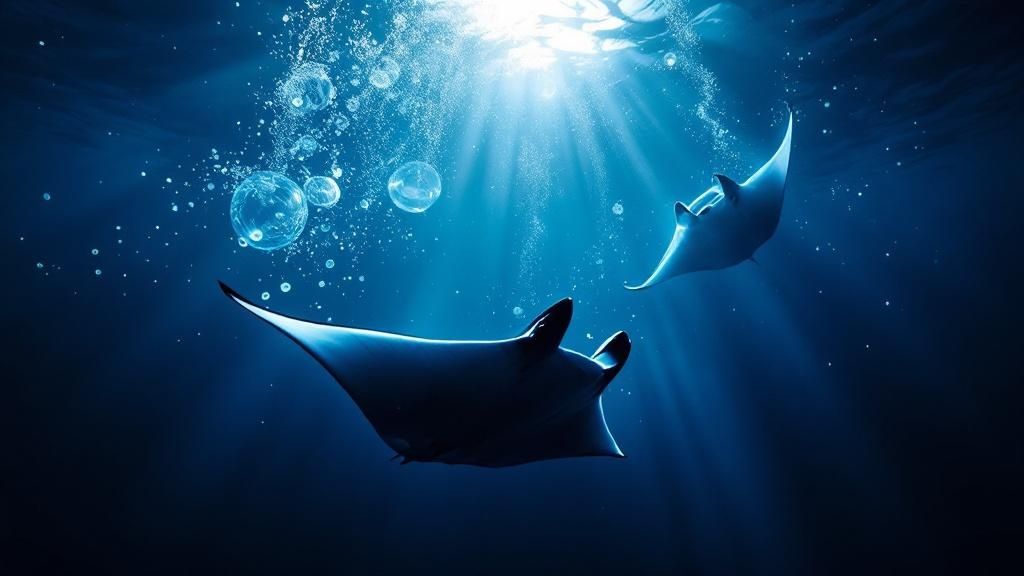
Picture this: you slip into the warm, dark Pacific waters just as the last bits of sun disappear over the horizon. You make your way down to the sandy ocean floor, and a set of powerful lights switches on, turning the dark water into a brightly lit underwater stage. What happens next is nothing short of an aquatic ballet.
The magic starts when the lights draw in thick clouds of plankton, which is dinner for the manta rays. Before long, the stars of the show make their grand entrance. Huge, graceful manta rays glide effortlessly into the beams of light, performing somersaults and barrel rolls as they scoop up mouthfuls of food. With wingspans that often reach 12 feet or more, their size and gentle nature are just jaw-dropping.
Why Kona is the Global Epicenter for Manta Encounters
So, what makes this dive so special? Kona isn't just a place to see mantas; it's hands down the best and most reliable spot on Earth to do it.
Local operators like Kona Honu Divers have spent years perfecting this encounter, creating an environment that’s both safe and absolutely magical for the animals and the people watching them. We have a local population of over 450 identified manta rays, which gives this experience an incredible sighting success rate of over 95%.
The whole thing happens in fairly shallow water, usually between 30 to 40 feet, which means divers get to enjoy long bottom times of 45 to 60 minutes. You can learn more about the Kona manta ray phenomenon and what makes it so unique.
For a quick rundown of what to expect, check out the table below.
Kona Manta Ray Night Dive At a Glance
| Feature | Details |
|---|---|
| Location | Kona Coast, Big Island, Hawaii |
| Experience Type | Scuba Diving & Snorkeling |
| Best Time to Go | Year-round, every night after sunset |
| Average Depth | 30-40 feet (9-12 meters) |
| Bottom Time | 45-60 minutes |
| Manta Wingspan | Averages 12 feet (3.6 meters) |
| Sighting Success | Over 95% |
| Water Temperature | 75-80°F (24-27°C) |
This table gives you the essential info, but there's nothing like experiencing it for yourself.
This guide will walk you through everything you need to know to get ready for this incredible adventure. From picking the right manta ray dive tour to understanding the proper "manta etiquette," we'll make sure you're prepared for an evening you’ll be talking about for the rest of your life.
Why Kona Is The Premier Manta Ray Destination
So, what is it that makes the manta ray night dive in Kona a true once-in-a-lifetime, bucket-list-topping experience? It’s not just one thing. It's the perfect mix of marine biology and decades of responsible tourism that creates a reliable, truly magical encounter you simply won't find anywhere else on Earth.
At the heart of it all is a simple but brilliant setup we affectionately call the "manta campfire." For years, local operators have scouted specific spots where they shine powerful lights into the water just after sunset. These lights act like magnets for tiny plankton, the manta rays' favorite meal. This creates a nightly underwater buffet, drawing in Kona's resident mantas for a guaranteed feast—and that’s the secret behind the tour’s unbelievable success rate.
A Thriving Resident Population
Unlike a lot of marine encounters that depend on seasonal migrations, Kona is blessed with a huge, year-round population of reef mantas (Mobula alfredi) that don't travel far. In fact, researchers have identified and named over 450 individual manta rays right here along this coastline.
These gentle giants are total creatures of habit. They show up to the same feeding spots night after night. This is why tour operators can all but guarantee you’ll have an amazing manta encounter—a promise that's almost unheard of in the world of wildlife tourism.
What's really cool is that each manta has a unique pattern of spots on its belly, just like a human fingerprint. This allows the guides to recognize and even introduce you to specific individuals. You might just meet local celebrities like "Lefty" or "Big Bertha" on your dive, making the whole experience feel that much more personal. To get a better feel for how it all works, you can read more about what exactly a manta ray night dive entails.
Ideal Conditions For All Divers
Kona's geography is the other piece of the puzzle. The coastline here is naturally sheltered from the big ocean swells and strong winds, which means the water is consistently calm and clear. This makes the whole experience much more comfortable and accessible, even if you’ve never done a night dive before.
The dive sites themselves couldn't be more perfect for the occasion:
- Shallow Depths: The action happens in relatively shallow water, usually around 30 to 40 feet. This keeps things simple and gives you more time to enjoy the show.
- Easy Access: Most sites are just a quick boat ride from the harbor, so you spend less time traveling and more time with the mantas.
- A Stationary Experience: Once you're down, you just settle onto the sandy bottom. There's no strenuous swimming involved—you just get to relax and watch the ballet unfold right above your head.
It's this unique combination—a massive and reliable manta population, a clever feeding strategy, and perfectly calm, accessible dive sites—that cements Kona's reputation as the undisputed world capital for seeing manta rays up close.
Choosing Your Dive Site: Manta Heaven Or Manta Village
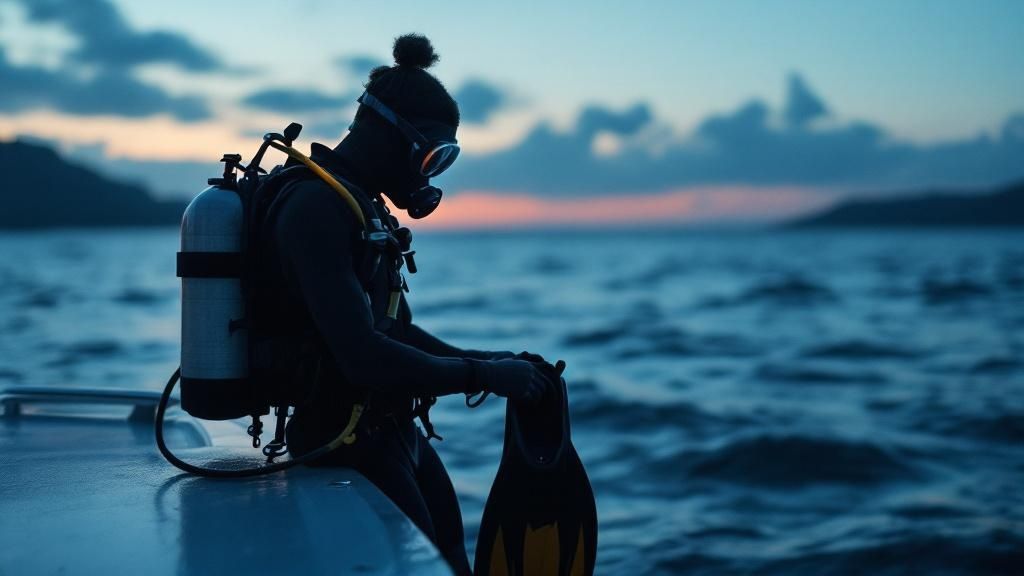
Alright, so you’re ready for your manta ray night dive in Kona. One of the first calls you’ll have to make is picking the spot. The two world-famous locations are Garden Eel Cove, which everyone lovingly calls "Manta Heaven," and Keauhou Bay, also known as "Manta Village."
Both spots are incredible and give you a front-row seat to the manta show, but they offer totally different vibes. It’s not just about picking a place on a map; it's about deciding what kind of experience you want.
Usually, the choice boils down to a classic trade-off: do you want the chance for more mantas, or do you prefer calmer ocean conditions? Each site has its own personality, and figuring out which one matches your style is the key to an unforgettable night. It’s a big decision for the roughly 80,000 people who do this every year.
Manta Heaven: The Thrilling Epicenter
Just north of Kailua-Kona, right near the airport, you'll find Manta Heaven (Garden Eel Cove). It absolutely lives up to its name. This site is legendary for pulling in huge numbers of manta rays. On a great night, you could be in the middle of a dozen or more, watching a swirling, acrobatic feeding frenzy that feels like an underwater ballet.
The energy here can be electric and intense. It's the go-to for divers looking for a real adrenaline rush.
But here’s the catch: Manta Heaven is more exposed to the open ocean. That means swells and choppier water are more common.
- Pros: Potentially way more manta rays and a super dynamic, high-energy show.
- Cons: The surface can get rough, which is tough if you get seasick. The boat ride out is also a bit longer.
Manta Village: The Calm and Consistent Choice
Head south of town into the protected waters of Keauhou Bay, and you’ll find Manta Village, the original manta dive site. Its biggest perk is its location. Tucked away in the bay, it's almost always calm and glassy, which makes for a much smoother boat ride and a more laid-back dive from start to finish.
This spot is a fantastic choice for a few different reasons:
- It’s perfect for first-time night divers who want a gentle introduction.
- If you're prone to seasickness, this is definitely your spot.
- Families or anyone just looking for a more serene, predictable night will love it here.
While Manta Village might have slightly fewer mantas on average, the encounters are still absolutely mind-blowing and incredibly reliable. The calm environment lets you just soak in the magic without battling the waves. To get a better feel for the whole experience, check out our full guide to the Kona manta ray night dive.
What To Expect On Your Manta Ray Dive Tour
Knowing the play-by-play for your manta ray night dive in Kona makes the whole experience smoother and ramps up the excitement. When you go out with a top-notch crew, you're not just signing up for a dive; you're getting a perfectly choreographed adventure built around safety and pure awe.
The trip kicks off in the late afternoon at the harbor. You'll check in, get sized up for any gear you're renting, and then hop on the boat to meet your guides for the evening. The ride out to the dive site is half the fun, giving you a front-row seat to the stunning Kona coastline as the sun starts to dip.
During the boat ride, the divemaster will run through a detailed briefing. This isn't just fluff—it's where they cover every single thing you'll need to know to have a safe and amazing time.
The Two-Tank Experience
Most charters are two-tank trips, and for good reason. It's the perfect way to get you comfortable and dialed in before the main attraction. Here's how it usually goes down:
-
Dive 1: The Daylight Dive. Your first plunge happens while the sun is still up. Think of this as a warm-up lap. It's your chance to check your gear, nail down your buoyancy, and just enjoy the beautiful reef without any pressure. It’s great for shaking off any pre-dive jitters and getting the lay of the land.
-
The Surface Interval. After popping up from the first dive, you're greeted by a jaw-dropping Hawaiian sunset. The crew typically breaks out snacks and drinks while you kick back and watch the sky explode with color. You can feel the anticipation building in the air.
-
Dive 2: The Main Event. Once darkness takes over, it's showtime. You'll gear up one more time and drop into a whole new world. Your guide will lead the group to a specific spot on the sandy bottom, usually circling a bright light source that divers lovingly call the "campfire."
The Underwater Ballet
Once you're settled on the ocean floor, your job is simple: kneel or lie flat, and look up. Those powerful lights cut through the darkness, attracting a massive cloud of plankton. Before you know it, the gentle giants arrive.
They glide silently into the light beams, performing a mesmerizing dance of barrel rolls and somersaults to scoop up their dinner, often coming within inches of you. This is a 100% passive viewing experience. All you have to do is breathe, relax, and take in the magic.
The professionalism of the crew makes all the difference. Their focus on safety, clear instructions, and respect for the marine environment ensures both divers and mantas have a positive and sustainable interaction.
After about 45 minutes of pure wonder, it's time to ascend and head back to the boat. The trip home is usually accompanied by hot chocolate and more snacks, giving everyone a chance to buzz about the incredible things they just witnessed. For a deeper dive into what makes this trip so special, check out more details about the manta ray night dive on the Big Island.
Getting Ready for a Safe and Respectful Manta Encounter
A truly unforgettable manta ray night dive in Kona is one where everyone, human and manta alike, has a great time. Being a guest at this underwater ballet comes with the responsibility to protect these gentle giants and their home. The whole idea is passive observation—you're just there to watch the show.
The golden rule, the one you absolutely cannot break, is to never, ever touch a manta ray. Their skin is covered in a delicate mucous layer that acts like a shield against infection. Touching them strips that protection away, leaving them vulnerable to nasty diseases. Following the rules keeps them healthy and ensures this incredible experience can continue for years to come. If you want to dive deeper into what makes this so special, check out why you should experience a Kona manta ray dive.
The Rules of Engagement
To keep things safe for everyone—divers, snorkelers, and especially the mantas—local operators have a clear set of guidelines that have been fine-tuned over years of experience. Following these simple rules isn't optional; it’s what keeps the mantas coming back night after night.
- Stay Low: If you're diving, your place is on the sandy bottom. This leaves the water column wide open for the mantas to swoop and glide without having to dodge obstacles.
- Lights Up: Point your dive light straight up towards the surface. This is what attracts the plankton, creating the "campfire" effect that draws the mantas in for their nightly feast.
- Don't Blind Them: Never shine your light directly into a manta's eyes or its wide-open mouth. Think about someone shining a bright flashlight in your face while you're trying to eat dinner—it’s just as rude for them.
- Let Them Come to You: Don't chase, pursue, or even think about trying to ride a manta. Your job is to stay put and let them put on the show as they glide effortlessly above you.
What to Pack and What You'll Need
A little prep goes a long way. After an amazing night dive, the boat ride back to the harbor can feel pretty chilly once the adrenaline wears off. A warm jacket or sweatshirt and a dry towel are non-negotiable. It's also a good idea to bring a reusable water bottle to stay hydrated.
Finally, remember this is a real scuba dive. You'll need at least an Open Water Scuba Diver certification to join the fun. This proves you have the skills and comfort level to safely enjoy this one-of-a-kind underwater world.
Ready for Your Own Manta Ray Night Dive Adventure?
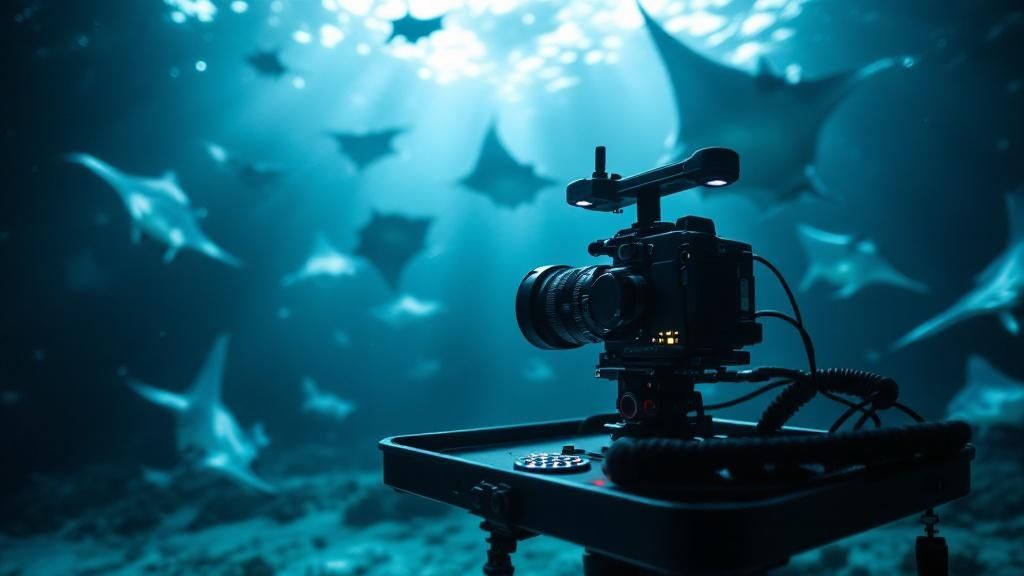
By now, you get it. You understand what makes the manta ray night dive in Kona a world-famous, once-in-a-lifetime spectacle. It’s more than just a dive; it’s an underwater ballet, a surreal encounter with gentle giants that will stick with you long after you’ve dried off. It's time to stop dreaming and start planning.
The single most important choice you'll make is picking the right dive operator. You want a crew that’s not just experienced, but one that puts safety and the well-being of the mantas first. This is where a company like Kona Honu Divers really shines. Their reputation is built on top-notch crews, comfortable boats, and a genuine passion for marine conservation. When you know you’re in good hands, you can truly relax and just soak in the magic.
Explore More of Kona's Underwater Wonders
Believe it or not, the manta encounter is just the tip of the iceberg for what the Big Island’s waters have in store. If you’re hooked on night diving, the Blackwater Night Dive is a whole different kind of incredible. It’s like a trip to another planet, watching bizarre and beautiful creatures rise up from the deep ocean abyss.
Are you a more experienced diver craving a challenge? Consider an advanced charter to explore remote lava tubes and dramatic drop-offs that most divers never get to see. Kona Honu Divers has a whole menu of diving tours designed to fit just about any skill level or interest.
Your adventure is waiting. Booking your spot is the first real step toward making memories that will last a lifetime.
Don't put this off. This is a bucket-list dive for a reason, and spots fill up fast. Go ahead and take the next step—reserve your front-row seat for nature’s most spectacular underwater show.
Frequently Asked Questions About The Manta Ray Night Dive
It's totally normal to have a few questions buzzing around your head before you jump in the water for an adventure like this. Getting them answered upfront just means you can relax and focus on the incredible experience ahead.
We get asked a lot of the same things by first-timers, so we’ve put together the answers to the most common questions right here.
Can I Do The Manta Ray Dive If I'm Not Scuba Certified?
You bet! Pretty much every boat operator, including us at Kona Honu Divers, welcomes snorkelers on the same trip. This means your non-diver friends and family can absolutely share in the magic right from the surface.
Snorkelers usually hold onto a large, custom-built floatboard. These boards are outfitted with powerful lights that shine straight down, lighting up the water like a stage. This light attracts the plankton, which in turn brings the hungry mantas right up to the surface for a breathtaking view from above.
Is The Manta Ray Night Dive Safe?
Yes, it's a very safe experience, provided you go with a professional, reputable company. Tour operators live and breathe safety, with strict protocols to make sure every single person has a secure and amazing time.
The dive sites themselves are fairly shallow. More importantly, you're always with experienced guides who know the sites, the currents, and the manta rays' behavior like the back of their hand. Keeping you safe while you soak it all in is their number one job.
What Should I Bring With Me On The Boat?
Packing just a few simple things can make your trip a lot more comfortable. Don't worry about the gear—most operators provide all the necessary dive and snorkel equipment you'll need.
Here’s what you should definitely toss in your bag:
- A dry towel for when you hop out of the water.
- A warm jacket or sweatshirt is a must for the boat ride back. It can get chilly once the sun is down and the wind picks up.
- A reusable water bottle to stay hydrated.
Want an even more detailed rundown of what the night looks and feels like? Check out our complete guide to the manta ray night dive in Kona.
Ready to see the underwater ballet for yourself? Kona Honu Divers runs world-class manta ray dive and snorkel tours with expert guides who are passionate about your safety and the well-being of the mantas.