
You’re probably staring at a dozen tabs right now, all promising the same thing. Clear water. Tropical fish. Captain Cook Monument. “Best tour.” Most of those pages skip the part that matters once you’re standing on the dock with your family, your camera, and one shot to get this right.
A good kealakekua bay snorkeling tour isn’t just about getting you to the bay. It’s about getting you there at the right time, on the right kind of boat, with a crew that knows how to keep beginners calm, kids safe, and strong swimmers out of trouble. Kealakekua Bay is one of those places that looks easy in photos. In real life, it rewards good planning and punishes bad assumptions.
Your Dream Hawaii Snorkel Adventure Starts at Kealakekua Bay
You came to Hawaii for water that looks unreal. Not murky green. Not crowded beach snorkel spots where you spend half the time kicking over sand and the other half wondering what everyone else is looking at.
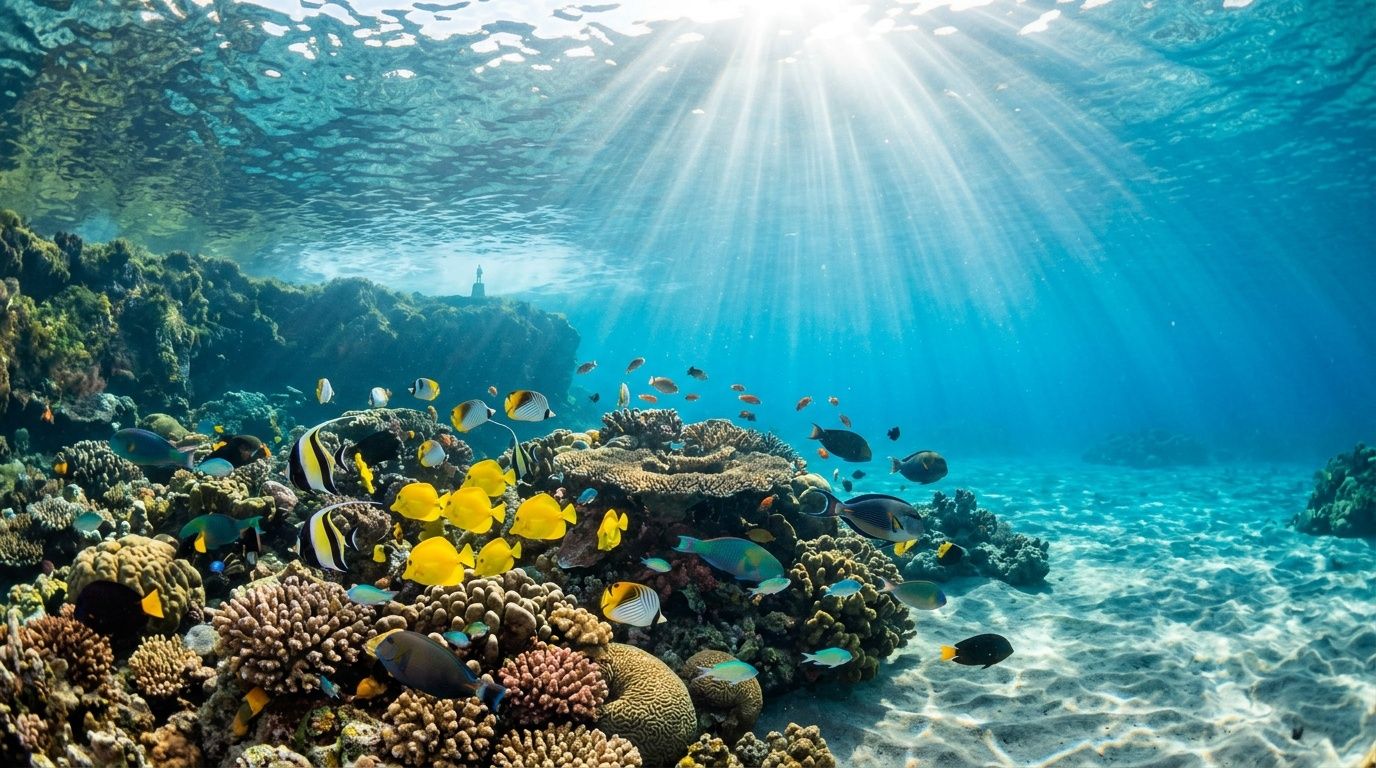
Kealakekua Bay is the real thing. You’re floating over coral, watching reef fish move below you in water so clear it feels like the ocean forgot to hide anything. Then you look up and see the cliffs, the monument, and the shoreline that makes this place feel bigger than a standard snorkel stop.
Why this bay stands above the rest
This isn’t some obscure local secret. Kealakekua Bay snorkeling tours attract over 190,000 visitors annually, which is a big reason the bay is recognized as one of Hawaii’s premier marine destinations, according to this Kealakekua Bay visitor overview.
A lot of visitors come for more than the reef itself. The same source notes that about 70% are drawn by the bay’s historical significance, including Captain James Cook’s landing on January 17, 1779, while 30% prioritize the snorkeling experience. That split makes sense. You’re not just going out for fish and coral. You’re entering one of the most storied bays in Hawaii.
Captain’s advice: If you only do one marquee snorkel trip on the Big Island, make it this one. Other spots are good. Kealakekua Bay is the one people remember years later.
What it feels like on a good day
The best trips start before the crowds build. You leave the harbor early, settle in on the ride down the coast, and watch the shoreline open up. Then the bay comes into view and you understand why people talk about it the way they do.
Once you’re in the water, the experience gets simple fast:
- You float, not fight the ocean: Protected water makes a huge difference.
- You see the reef immediately: No long surface swim to find the good area.
- You remember the place, not the hassle: That’s the difference between a smart booking and a cheap mistake.
If your goal is one signature snorkel day on the Big Island, this is the trip to build around.
What Makes the Bay a World-Class Marine Sanctuary
Kealakekua Bay didn’t become famous by accident. It’s productive because it’s protected. That distinction matters.
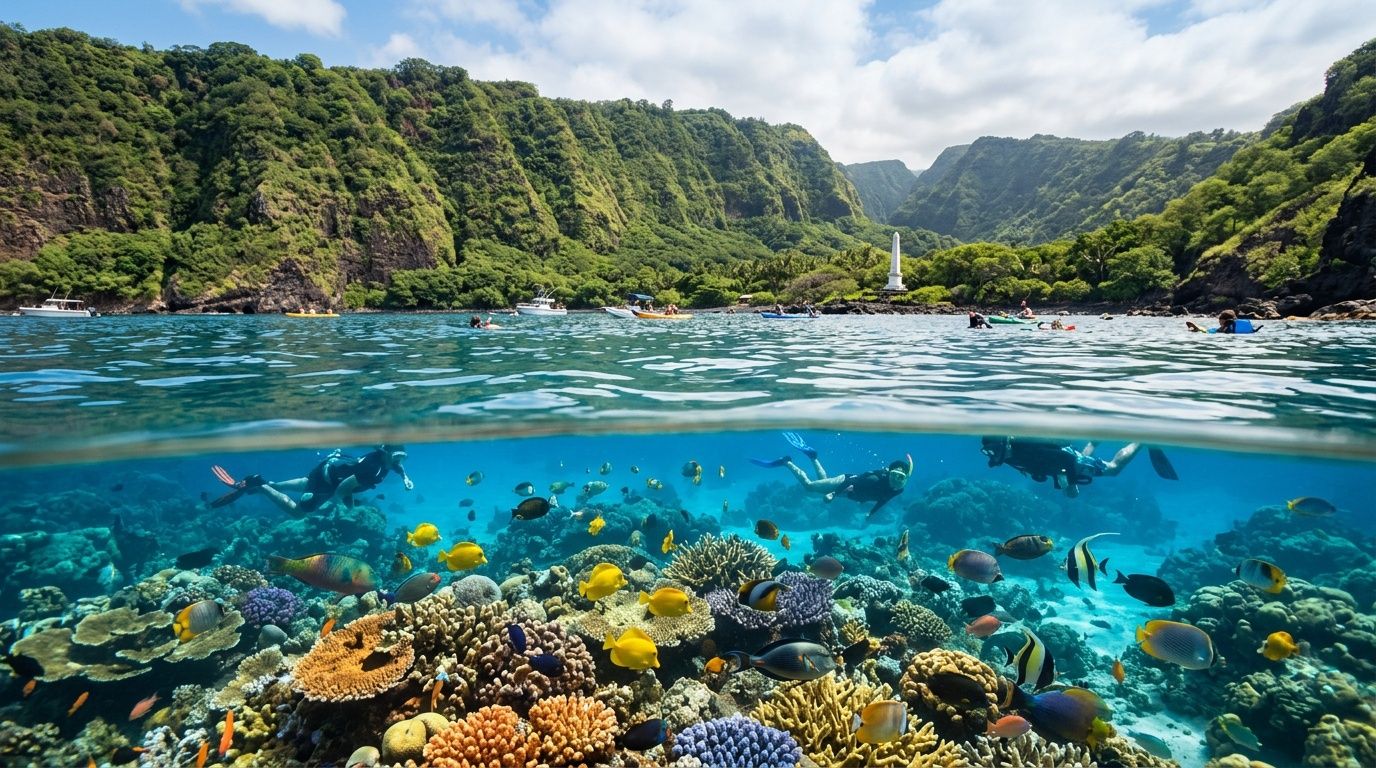
The bay is a Marine Life Conservation District, and that protection changes what you see underwater. Fish behave differently in protected water. Coral develops differently. The whole place feels fuller, calmer, and more alive than the average shoreline snorkel stop.
Protection creates the snorkeling
Here’s the direct cause and effect. Because Kealakekua Bay is protected, biodiversity runs much stronger than it does at non-protected Kona coast sites. According to this Kealakekua Bay reef breakdown, coral coverage reaches up to 50-60% in shallow zones and supports over 100 tropical fish species per 100m² transect, including high densities of yellow tang.
That’s not marketing fluff. That’s why people drop in here and immediately say the bay feels like an aquarium.
Geography helps more than people realize
The cliffs around the bay do some heavy lifting. They help shelter the water and preserve the calm, clean conditions snorkelers want. Protected status keeps the reef thriving. The geography helps you see it.
That combination is rare. You don’t just need marine life. You need conditions that let average visitors observe it without fighting swell, chop, or poor visibility.
The biggest mistake visitors make is assuming all Kona snorkel spots offer the same experience. They don’t. Protected reef plus sheltered water is a different category.
What you’ll notice in the water
Most guests don’t care about reef management terms once the mask goes on. They care about what shows up in front of them. Fair enough. Here’s what the bay’s protected status translates to in practical terms:
- Dense fish life: You’re not hunting for a few scattered fish. You’re surrounded by activity.
- Healthy reef structure: Coral gardens hold your attention instead of looking worn down.
- Better visibility of marine behavior: Fish feeding, schooling, and moving through the reef is easier to track in clear water.
- A calmer experience for beginners: Less chaos at the surface means people relax faster.
If you want a broader sense of how this spot compares with the rest of the coast, this guide on whether Kona has good snorkeling gives useful local context.
Don’t show up with the wrong sunscreen
If you care enough to come to Kealakekua Bay, care enough not to coat yourself in junk that doesn’t belong on a reef. Start with reef-safe protection and read the label before you board the boat.
A healthy reef is the product. Protecting it isn’t optional.
How to Choose Your Kealakekua Bay Snorkeling Tour
Travelers often narrow this decision down the wrong way. They compare price first. That’s how they end up on the wrong trip.
For Kealakekua Bay, the first question is access. The second is safety. The third is comfort. Price comes after that. If your day starts with bad logistics, weak gear, or a crew that doesn’t manage the group well, the lower ticket price won’t save the experience.
Boat tour or kayak
You can reach the bay in more than one way, but that doesn’t mean every option is equally smart.
| Feature | Guided Boat Tour | Unguided Kayak Rental |
|---|---|---|
| Access to prime snorkel area | Direct and simple | More work, more planning |
| Physical effort before snorkeling | Low | High |
| Gear support | Usually provided | You manage your own setup |
| Safety briefing | Included | Limited or self-managed |
| In-water help | Available on quality tours | Not built in |
| Shade, seating, restrooms | Often available | No real comfort layer |
| Best for families and beginners | Yes | Usually no |
| Stress level | Lower | Higher |
If you’re strong, experienced, and want an independent mission, kayaking has appeal. If you want the best actual snorkeling day, take the boat.
Why I recommend the boat every time
A professional boat trip saves your energy for the water. That matters. So does walking aboard with a crew that handles entry, exit, flotation, timing, and group management.
Kayaking sounds romantic until you’re dealing with sun, gear, fatigue, and your own logistics before the snorkel even starts. Then you still need enough gas left in the tank for the return. Most visitors don’t need that kind of project on vacation.
Here’s the practical call:
- Families should book a boat tour
- First-time snorkelers should book a boat tour
- Anyone who wants support in the water should book a boat tour
- Anyone who wants to maximize reef time instead of transit effort should book a boat tour
What to look for in an operator
Don’t just buy “Kealakekua Bay” on the label. Check what the trip includes.
Pick operators that clearly explain gear, flotation, guide support, and the flow of the morning. For direct options, look at Kona Snorkel Trips’ Captain Cook Monument tour and Captain Cook Snorkeling Tours. If you want more background on what a dedicated trip should feel like, this page on the Captain Cook snorkel tour is worth reading.
One factual example in the local market is that Kona Honu Divers offers a Kealakekua Bay snorkeling trip on the Orca boat with premium snorkel equipment, instruction, and flotation devices. That matters because the basics done right make the day easier for everyone onboard.
My blunt recommendation
Book the smaller, organized boat trip with clear safety support. Don’t overthink it. The bay is too special to waste on a bargain setup that treats the snorkel stop like a cattle call.
Planning Your Tour Logistics and Best Times to Go
Timing matters more here than at almost any other snorkel site on the island. You can book the right bay and still get the wrong experience if you choose the wrong departure window.
Morning is the answer. Not “usually.” Not “if possible.” Morning.
Why early tours win
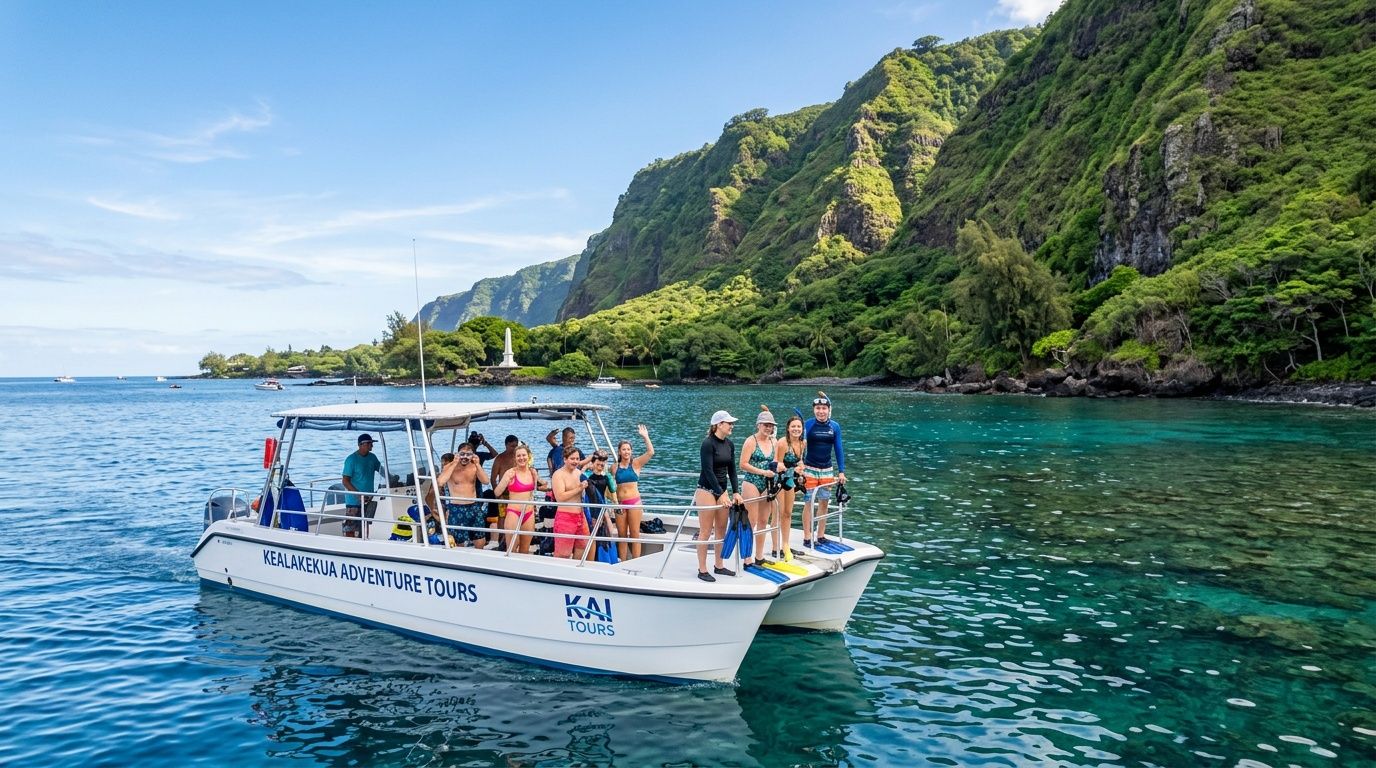
According to this Big Island Kealakekua Bay timing guide, pre-10 AM conditions yield water clarity of 30+ meters because of minimal wind shear, while afternoon trade winds can stir benthic silt and cut visibility to 10-15 meters.
That’s all you need to know. If you want to see the reef well, go early.
Practical rule: Book the earliest realistic departure you can make without rushing and forgetting half your gear.
What your morning should look like
A smooth Kealakekua day starts the night before. Lay out swimsuits, towels, dry clothes, reef-safe sunscreen, sunglasses, and your camera. Don’t make this a scramble.
On tour morning:
- Eat light
- Hydrate early
- Arrive with time to spare
- Listen to the briefing
- Use the crew’s flotation if offered
If you want to understand how local ocean conditions can shape the day, this guide on checking Big Island ocean conditions is useful.
Seasickness is easier to prevent than fix
Don’t get macho about motion sickness. If you’re prone to it, plan for it before the boat leaves the harbor.
Useful options include the Ship-EEZ Seasickness Patch, Dramamine pills, Bonine pills, Sea Band wristbands, and ginger chews. Pick one approach ahead of time and use it properly.
What not to do
A bad tour morning usually follows the same pattern:
- You stay up too late
- You skip water
- You pound a heavy breakfast
- You book a later tour because it sounds easier
- You show up flustered
That’s avoidable. An early departure gives you cleaner water, a calmer ride in many conditions, and a better shot at the kind of snorkel day people hope for when they book this trip in the first place.
A Guide to Snorkeling and Safety in the Bay
Kealakekua Bay is friendly to snorkelers, but don’t confuse friendly with risk-free. That’s amateur thinking.
A lot of visitors see calm surface water and assume the whole place is simple. It isn’t. The bay has real depth changes, crowd pressure at busy times, and enough visual intensity to distract people from basic water awareness. That’s why quality guide support matters.
The safety issue most guides underplay
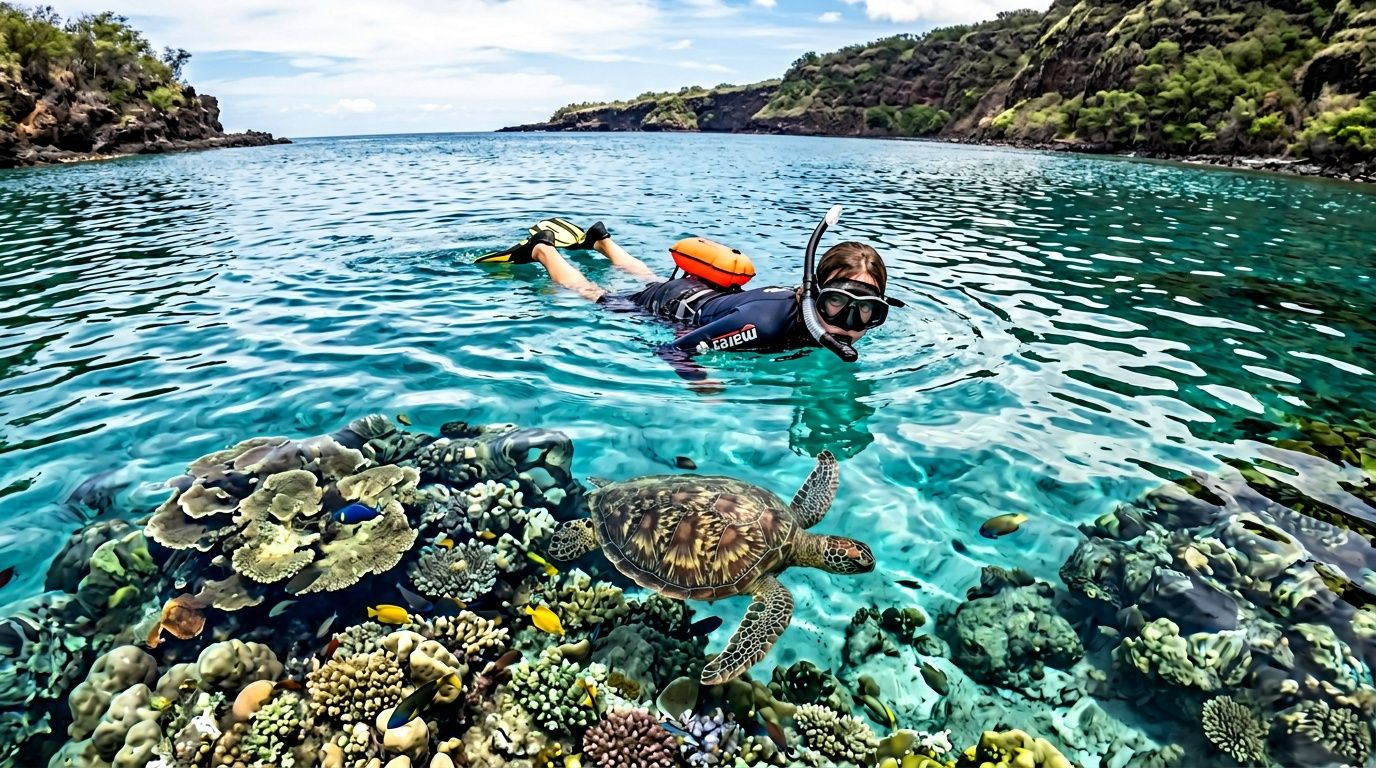
This is the part too many articles gloss over. According to this Kealakekua Bay safety guide, the bay can drop from 25 feet to over 100 feet, and expert operators address that with in-water guides, thorough briefings, and flotation, which is especially important for families and novice snorkelers.
That depth change doesn’t mean the bay is dangerous for the average guest. It means guests need to respect it. Looking into deep blue water can unsettle first-timers fast, even in calm conditions.
What a good crew does before you get in
A proper crew sets the tone before your mask ever hits the water. They explain the entry. They fit the gear. They show guests where to stay, how to use flotation, and what to do if they feel anxious.
That’s not a formality. That’s how you prevent little problems from becoming water problems.
Stay conservative on your first swim. You do not need to prove anything in Kealakekua Bay.
What to bring and what to use
Bring the stuff that protects comfort and attention. Leave the junk behind.
- Towel and dry clothes: You’ll want both on the ride back.
- Reef-safe sunscreen: Apply it correctly and before boarding if possible.
- Secure camera setup: If you can’t clip it or hold it safely, don’t bring it.
- Hat and sunglasses for the boat: Sun fatigue starts before the snorkel.
- Any personal medication you may need: Keep it easy to reach.
If seasickness is on your radar, read this guide on how to avoid sea sickness before your trip.
What smart snorkelers do in the water
The best guests are rarely the strongest swimmers. They’re the ones who stay aware.
Use these habits:
- Keep your head up now and then: Check where the boat, guide, and group are.
- Use flotation if offered: Plenty of good swimmers use noodles. That’s smart, not weak.
- Give wildlife room: Watch, don’t chase.
- Stay off the reef: Don’t stand on coral. Don’t grab rock unless the crew specifically instructs you in an emergency.
- Say something early: If your mask leaks, you feel tired, or you’re uneasy, get a guide’s attention right away.
For anyone who likes understanding the boating side of operations, this checklist of essential boat safety equipment gives a useful look at the kind of gear serious operators think about.
Families and nervous swimmers
Kids and hesitant adults usually do well here when the trip is structured right. The key is not forcing confidence. Let them ease into it.
A child who starts with flotation, stays close to a guide, and spends the first few minutes just face-down breathing calmly often turns into the happiest person on the boat. The same goes for adults who say, “I’m not a strong swimmer.” Most don’t need more courage. They need clear support and a crew that doesn’t rush them.
Book Your Kealakekua Bay Adventure and FAQs
If you’ve read this far, you already know the core takeaway. Book the early boat trip, choose an operator that takes safety seriously, and don’t gamble on comfort or support just to save a little money.
That’s how you turn a famous snorkel stop into a great day instead of a stressful one.
If you want trip details before booking, review the Kealakekua Bay snorkeling tour information.
Frequently asked questions
Is this tour good for kids
Yes, if they’re comfortable in the water and you book a guided boat trip with flotation and patient crew support. Kealakekua Bay works well for families because the boat removes the hard access problem and the guides can help kids settle in gradually.
What if I’m not a strong swimmer
That’s common. Use the flotation offered, stay close to the guide, and keep your first swim short. A good crew would rather help you build confidence than watch you push too far.
Should I book morning or afternoon
Morning. That’s the clear recommendation. Better water clarity and calmer conditions make the trip easier and more rewarding.
What should I wear
Wear your swimsuit to the boat. Bring a towel, dry clothes, sun protection, and any seasickness prevention you plan to use. Keep valuables to a minimum.
Will I see turtles or dolphins
You may. Kealakekua Bay is known for rich marine life, but the ocean doesn’t work on demand. Good operators improve your odds by getting you there at the right time and placing you in the right area.
Is a kayak trip a good substitute for a tour
For most visitors, no. Kayaking adds work, complexity, and fatigue before you even start snorkeling. If your goal is the best overall day in the bay, the boat is the better call.
What if conditions change
That’s exactly why experienced captains matter. Ocean conditions aren’t controlled by your reservation. A professional crew adjusts the plan, manages safety, and gives honest guidance when the ocean requires it.
If you want a crew that treats this trip like more than a shuttle ride, take a close look at Kona Honu Divers. They run Big Island underwater trips with a strong safety culture, custom boats, and the kind of local knowledge that makes a one-day snorkel plan a lot smoother.