
You're probably here because Kealakekua Bay keeps showing up on every Big Island snorkeling list, and you want the actual story before you plan a whole day around it. That's smart. This bay is famous for good reason, but it's also one of those places where the logistics matter just as much as the snorkeling.
Many visitors see the photos, spot the Captain Cook Monument on a map, and assume they can just drive up, hop in, and have the same experience they've seen online. Usually, that's where the confusion starts. Kealakekua Bay snorkeling Hawaii can be amazing, but only if you understand how the bay works, where the best reef is, and what kind of access makes sense for your group.
Welcome to Kealakekua Bay A Snorkeler's Paradise
You arrive by boat after watching the Kona coast slide past in black lava ridges and bright blue water. Then the bay opens up. The surface often looks calmer than the coast outside, the cliffs hold the wind back, and the water is clear enough that many visitors spot fish before they even put on a mask.
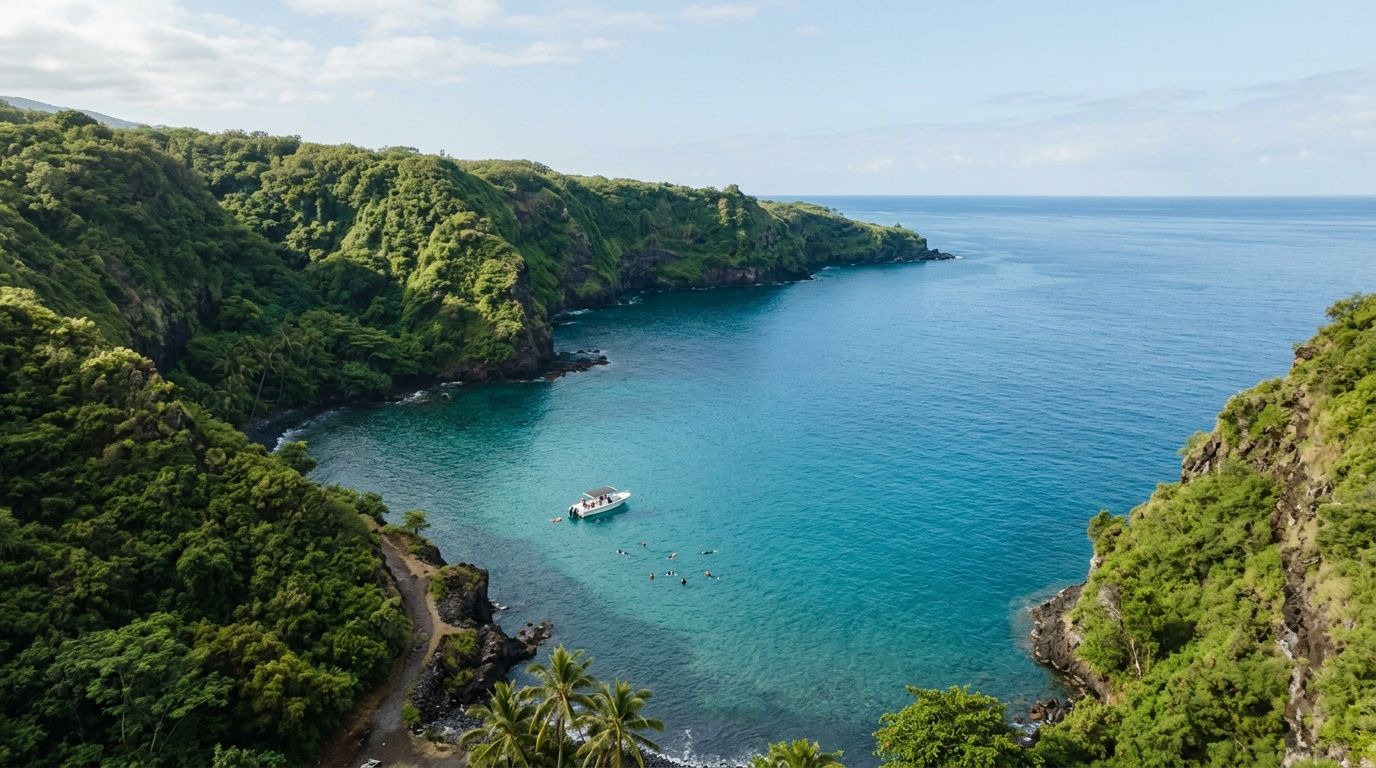
That first impression matters because Kealakekua Bay delivers the kind of snorkeling people fly to Hawaii hoping to find. Clear water, a protected reef, and steep shoreline geography all work together here. The result is a bay that feels sheltered and full of life, more like a natural aquarium than a wide open beach.
Why the bay stands out underwater
Kealakekua Bay sits inside a Marine Life Conservation District, and that protection shows up where snorkelers care most, underwater. Healthier reef habitat supports more fish, and less shoreline pressure helps preserve the visibility that makes coral heads, lava ledges, and schools of yellow fish easy to see.
Many guides stop there and leave visitors with the wrong idea. They make the bay sound as if you can drive over and slip into the best snorkeling from shore. For most visitors, that is not how this place works. The practical reality is much closer to this: the bay is excellent because it is protected, and the best snorkeling is easiest to reach by water.
If you want a useful overview before you book, this guide to an unforgettable Kealakekua Bay snorkeling experience gives a good sense of what a day on the bay feels like.
Why access shapes the whole experience
This is the part many first-time visitors miss.
Kealakekua Bay is a famous snorkel spot, but it is not a simple pull-up, park, and enter location for the average traveler. The shoreline near the prime reef is limited, the terrain is rugged, and the better snorkeling zones sit across the water near the monument side of the bay. For roughly nine out of ten visitors, a boat tour is the realistic option because it removes the long, hot approach and puts you directly over the healthier reef.
That does not just make the day easier. It often makes it safer and much more enjoyable, especially for families, occasional swimmers, and anyone carrying gear.
If you're comparing locations before booking anything, a broader look at snorkeling around Kona helps explain where Kealakekua Bay fits among other Big Island options. What sets this bay apart is not only the scenery. It is the combination of reef quality and the fact that access strongly favors getting there by boat.
A Place of History and Living Wonder
You slip into clear water, look up, and see the white monument on shore while yellow tang flash over the reef below. In Kealakekua Bay, the setting asks you to pay attention in two directions at once. The snorkeling is memorable because the place itself is memorable.
This bay holds layers of meaning. It is closely tied to the arrival of Captain James Cook in Hawaiʻi and to the events that led to his death here in 1779. It is also a protected marine area where reefs, coral heads, and sheltered water create excellent habitat for fish and other wildlife. For visitors, that combination changes the day. You are not only visiting a scenic cove. You are entering a place with cultural weight, historical importance, and living ecological value.
The monument is only one visible clue
The white obelisk across the bay catches everyone's eye first. That makes sense. It is the easiest landmark to spot from the water.
But it helps to treat the monument as a signpost, not the whole story. The bay around it matters just as much. The shoreline, the calm water, and the protected status all shape what you experience. A good guide explains the site the same way a good reef guide explains coral. What you see on the surface is only the beginning.
That perspective also helps visitors act with more care. Quiet voices on the boat, respectful behavior near shore, and giving wildlife space are not just nice extras. They fit the character of the place.
Spinner dolphins use the bay for a reason
Spinner dolphins are one of the animals people hope to see here, and they are also one of the easiest to misunderstand. Kealakekua Bay can serve as a resting area for them, especially in the calmer morning period. Resting is work for a wild animal. It is how they recover, stay alert, and care for young.
So the best dolphin encounter usually looks quiet from a distance. No chasing. No trying to swim them down. No turning the moment into a pursuit.
A tide pool works like a nursery for small reef life. Parts of this bay serve a similar role for larger animals that need shelter and calm. Once you understand that, respectful viewing stops feeling like a restriction and starts making sense.
The most memorable wildlife moments here usually happen when people slow down and let the bay set the terms.
Why history and marine life belong in the same conversation
Protected places often keep their character because people recognize their value from more than one angle. In Kealakekua Bay, cultural significance and marine protection support the same result. The area still feels intact. The water remains inviting, and the reef near the monument side continues to be the part visitors talk about most.
That matters for trip planning too. If you want to experience the reef while also understanding where you are, a guided Captain Cook snorkeling tour to Kealakekua Bay gives you context along with water access. The fish are only part of what makes this bay stay with people after the day is over.
Getting There The Great Debate of Boat vs Shore Access
Most trip planning goes right or wrong at this point.
Many travelers learn that Kealakekua Bay is one of the premier snorkeling locations on the island and assume access is straightforward. It is not. The primary snorkeling area is the section many visitors imagine when discussing the bay, yet reaching that spot by land is significantly more difficult than several travel summaries suggest.
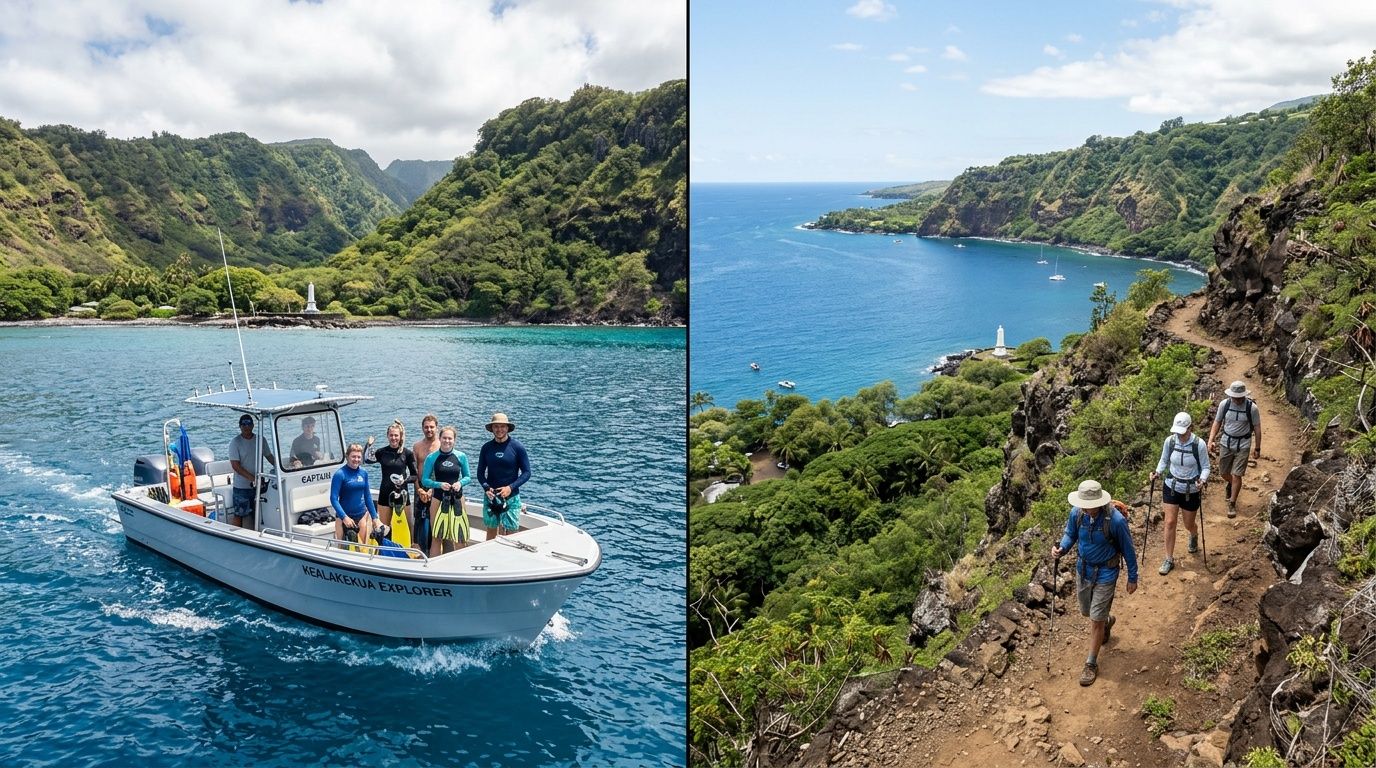
According to this access-focused breakdown of the Captain Cook snorkel tour area, shore access requires a strenuous 2.5-mile hike down a steep trail with 1,200 feet of elevation loss. The same source notes that about 85% of the 100,000-plus annual visitors boat in, while only about 15% succeed comfortably with the land-based approach.
What people usually get wrong about shore access
The mistake isn't just underestimating the hike down. It's forgetting that after you snorkel, you still have to climb back out. If you're carrying fins, water, towels, and whatever else your group brought, that return hike feels much bigger than it did on the map.
The other misunderstanding is location. Some shore entry areas around the bay exist, but they don't all deliver the same reef quality as the classic monument-side experience people expect. That's where disappointment starts. Visitors think they're accessing the famous bay, but they're not really reaching the part that made it famous.
Boat access matches what most people actually want
For most families, casual snorkelers, and first-time visitors, the boat solves the biggest problems in one move. You skip the hard approach, conserve your energy for the water, and arrive closer to the strongest reef areas without turning the day into an endurance test.
That doesn't mean shore access is impossible. It means it's a niche choice. If someone is fit, comfortable with heat, experienced with rougher logistics, and fully aware of what they're taking on, they might still choose it. Most visitors aren't looking for that. They want a safe, enjoyable snorkel day with less friction.
Local advice: If your main goal is excellent snorkeling, spend your effort in the water, not on the trail.
Accessing Kealakekua Bay Boat Tour vs Shore Access
| Feature | Boat Tour | Shore Access (Hike/Kayak) |
|---|---|---|
| Effort level | Low physical effort before snorkeling | High effort and more demanding logistics |
| Route to prime reef | Direct access to the bay area people usually want | Can be difficult, indirect, or physically taxing |
| Energy left for snorkeling | Most of your energy goes to time in the water | A lot of energy goes to getting there and back |
| Group friendliness | Works well for families, mixed abilities, and beginners | Better suited to fit, prepared, motivated visitors |
| Comfort factor | More shade, support, and easier entry | More exposure, more gear hauling, more fatigue |
| Risk of disappointment | Lower if your goal is a straightforward reef day | Higher if expectations don't match reality |
So which option should you choose
If you're traveling with kids, mixed swimming abilities, older family members, or anyone who wants a smooth day, choose the boat. If you're visiting Kealakekua Bay snorkeling Hawaii for the first time, choose the boat. If you want to maximize time at the reef instead of on a trail, choose the boat.
Shore access is the exception, not the default. A useful broader comparison of boat versus shore diving on the Big Island applies to snorkeling logic too. Water access often looks simple on a map and much less simple in real life.
The Best Kealakekua Bay Snorkeling Tours
Once you realize boat access is the practical choice for most visitors, the next question gets easier. You're not deciding whether to struggle your way in from shore. You're deciding which operator gives you the kind of day you want.
Some guests prioritize convenience above all else. Others look for a helpful crew, easy water entry, and enough structure to ensure beginners feel comfortable. Those are effective filters because this isn't the kind of bay where visitors should be improvising.
Two solid options to look at
A straightforward place to start is Kona Snorkel Trips Kealakekua Bay Captain Cook Monument tour. It's built around the classic monument-side experience that most visitors are trying to access.
Another option is Captain Cook Snorkeling Tours, which also focuses on getting visitors out to the bay without the complications of hiking or managing your own vessel logistics.
If you're comparing operators more broadly, this roundup of Big Island snorkeling tours helps frame what to look for in terms of access style and trip fit. Kona Honu Divers also offers snorkeling experiences through its sister company, Kona Snorkel Trips.
What makes a tour worth booking
Rather than chasing marketing language, look for practical value:
- Reef access: The boat should solve the access problem, not just give you a ride somewhere nearby.
- Ease of entry: Beginners do better when getting in and out of the water feels simple.
- Crew support: A calm, organized crew changes the experience for nervous snorkelers.
- Local interpretation: The bay means more when someone explains the reef and the history while you're there.
What You'll See A Guide to Marine Life in the Bay
Once you're in the water, Kealakekua Bay rewards slow observation. Don't just scan for one big animal and call it done. Let your eyes adjust, float for a moment, and watch how the reef changes as the depth shifts.
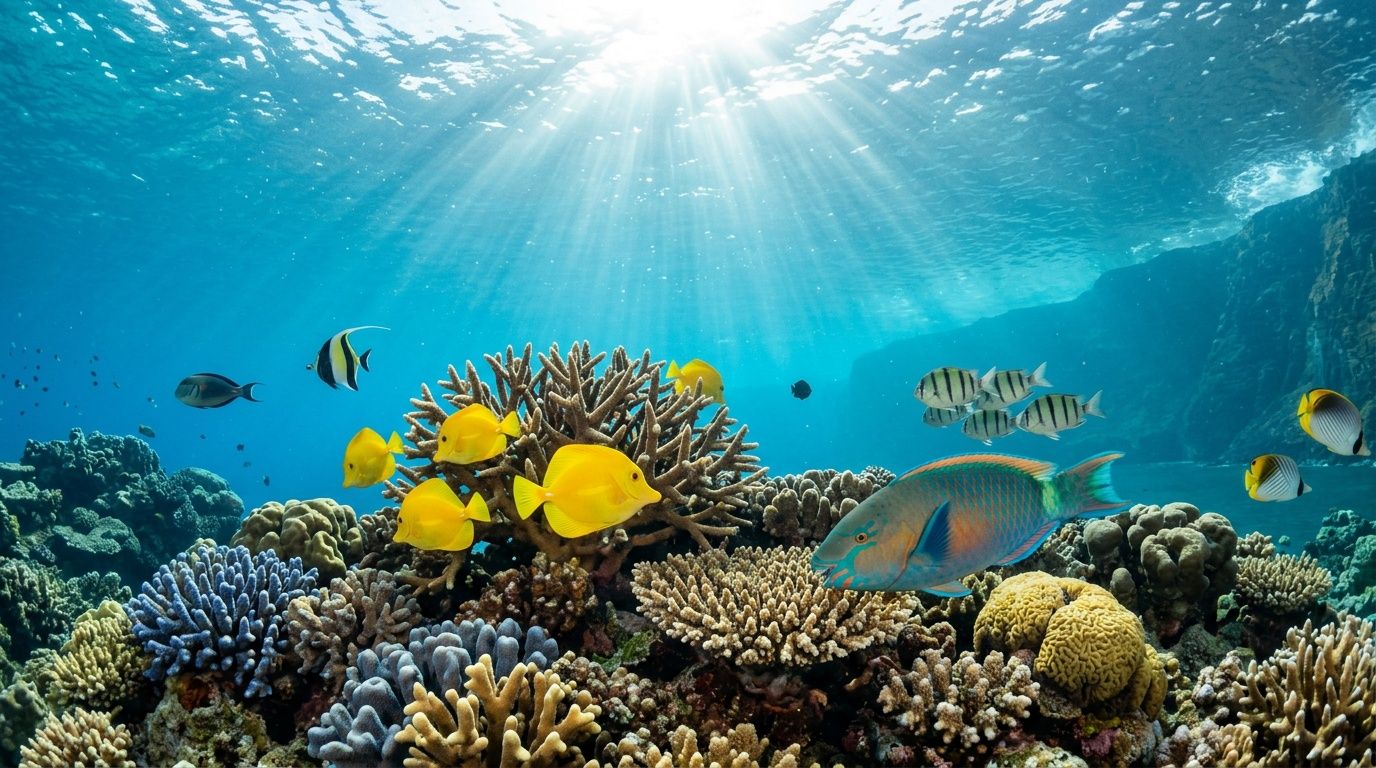
Kealakekua Bay's depth ranges from 5 feet to over 120 feet, creating a layered reef structure with distinct ecological zonation, and the shallow coral gardens in the 5 to 30 foot range host different species than the deeper drop-offs, according to this explanation of the bay's depth and reef structure. That's why a single snorkel session can feel surprisingly varied.
Start in the shallows
The shallow coral garden is where many people first relax into the experience. You'll often notice schools of bright reef fish moving together over coral heads and rocky structure. Yellow tang are the fish many visitors remember first because they catch the light so easily.
Parrotfish are another good one to watch. They often look busy and purposeful, moving in a way that makes the reef feel active rather than static. Butterflyfish tend to reward patient viewing too, especially if you stop kicking for a moment and let the water settle around you.
Watch the edge where the reef drops
As the bottom begins to fall away, the feeling changes. You're still snorkeling, but the bay starts showing more of its layered character. The contrast between bright shallows and deeper blue water makes fish movement easier to notice.
This is a good place to stay calm and observant. Sea turtles are part of what makes the bay memorable, and many people also keep an eye out for the Hawaiian state fish, humuhumunukunukuapua'a. Rare wildlife sightings can happen too, but the best approach is to enjoy what the reef gives you rather than chase a checklist.
Move slowly and look near coral edges, not just out into open water. That's where many first-time snorkelers suddenly realize how much they were missing.
A simple way to snorkel the bay
Try this sequence:
- Settle first: Spend your first few minutes breathing calmly and getting comfortable.
- Scan short distances: Look a few yards ahead instead of trying to take in the whole bay at once.
- Follow habitat changes: When the reef texture changes, the fish community often changes too.
- Pause often: The more still you are, the more the bay seems to come alive around you.
Planning Your Trip Best Times Conditions and What to Pack
Good planning makes Kealakekua Bay feel easy. Poor planning makes it feel rushed, uncomfortable, or harder than it needs to be. Most of the fixes are simple if you think about them before you leave the harbor or the driveway.
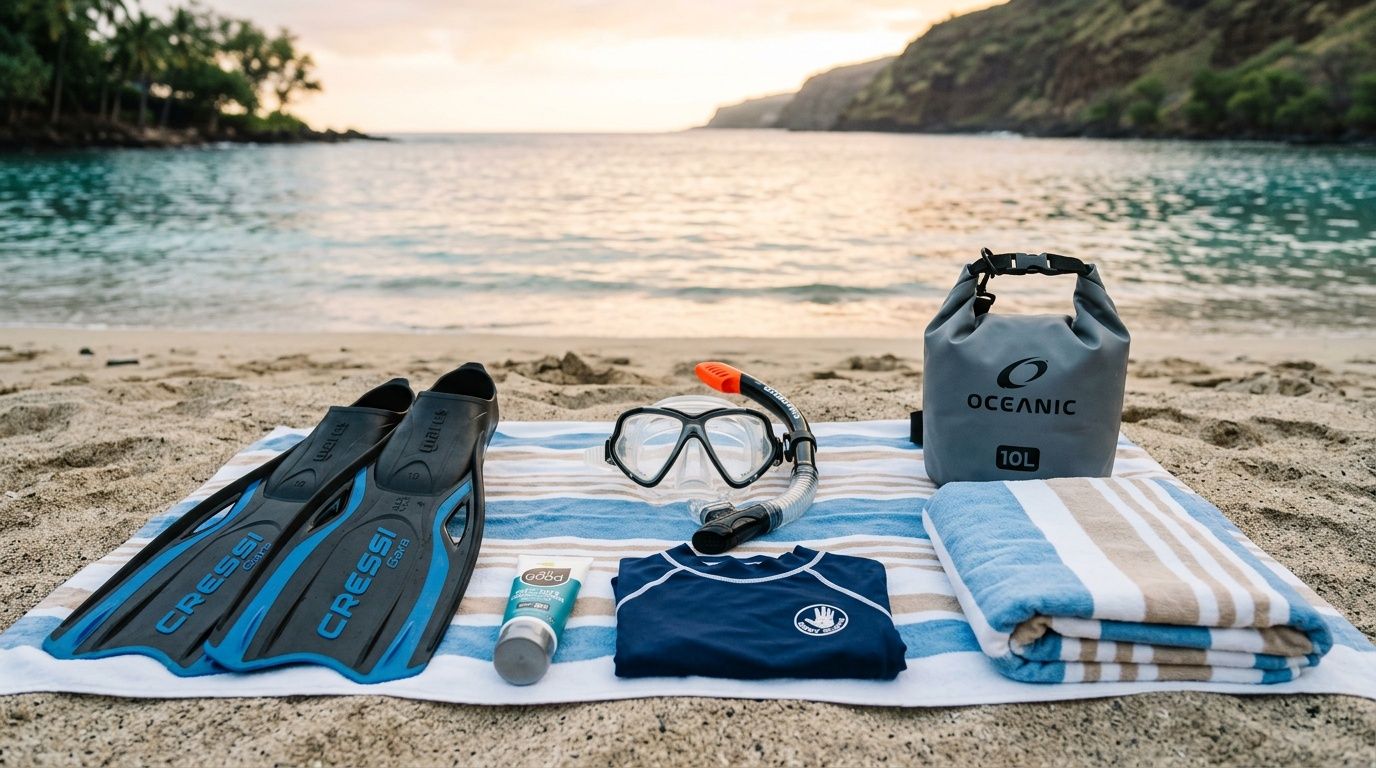
Kealakekua Bay's geological structure shields it from open ocean swells and helps prevent sediment from getting stirred up, which leads to visibility that often exceeds 100 feet, along with an average water temperature of 79°F year-round, according to this explanation of bay conditions. That's a big reason morning trips are so popular. Calm starts and clear water are exactly what most snorkelers want.
Best timing for a smooth day
Morning is usually the safest bet for visitors who want gentler conditions and a less hurried feel. You're fresher, the light is nice for seeing into the water, and the day hasn't had time to wear people down yet.
Conditions can still vary, of course. Before any ocean activity on the Big Island, it helps to understand how locals read ocean conditions in Hawaii. That habit matters even in a protected bay.
What to pack without overpacking
Bring the basics, but choose items that solve real problems:
- Reef-safe sunscreen: Put it on well before entering the water.
- Hat and cover-up: You'll feel the sun fast, especially on a boat.
- Towel and dry clothes: The ride back is nicer when you're not sitting in wet gear.
- Water bottle: Hydration matters more than people think.
- Waterproof phone pouch or camera: Useful if you want photos without juggling loose items.
- Easy footwear: Boat days and rocky shoreline areas both go better with simple, secure footwear.
Seasickness planning
Not everyone gets motion sick, but if you're unsure, prepare before the trip instead of hoping for the best. Common options include Ship-EEZ Seasickness Patch, Dramamine pills, Bonine pills, Sea Band wristbands, and Ginger chews.
Some people do well with a medication approach. Others prefer wristbands or ginger. The key is trying something that fits you before you're already uncomfortable on the water.
If you think you might get seasick, treat that as useful information, not as a flaw. Planning for it early can save your whole day.
Pono habits in the bay
Respect in the water is simple:
- Give wildlife space: Don't chase turtles or dolphins.
- Keep fins and feet off coral: Coral looks sturdy, but it's easy to damage.
- Float, don't stand: Even strong swimmers sometimes forget this in shallow areas.
- Listen to crew instructions: They know the bay, the conditions, and the entry points.
Frequently Asked Questions About Kealakekua Bay
Can beginners snorkel at Kealakekua Bay
Yes, many beginners can enjoy it, especially on a boat tour where entry and exit are easier and crew can help with gear and basic guidance. The bay is famous because it can be rewarding without requiring advanced snorkeling skill, as long as conditions are suitable and you stay within your comfort level.
Is it worth trying to visit from shore
For a small number of prepared visitors, maybe. For many, no. The practical issue isn't toughness for its own sake. It's whether the day you want is a reef day or a strenuous access day. Most visitors are happier when they save their energy for the water.
Will I definitely see dolphins or turtles
Wildlife is never guaranteed. Kealakekua Bay is known for abundant marine life and for spinner dolphins using the inner bay, but the right expectation is opportunity, not certainty. If you do see wildlife, the best encounter is always the respectful one.
Do I need to be a strong swimmer
You don't need to be an expert swimmer to enjoy snorkeling, but you do need to be honest about your comfort in open water. If you're nervous, tell the crew, use flotation if it's offered, and stay close to support. People usually enjoy the bay more when they start conservatively and build confidence in the water.
What makes this bay different from other snorkel spots
It's the combination. The reef is protected, the water is often remarkably clear, the setting is dramatic, and the bay carries real historical weight. A lot of snorkel spots have one or two of those qualities. Kealakekua Bay brings them together in the same place.
If you're planning more time in Kona and want help choosing the right ocean experience, Kona Honu Divers is a useful place to start for snorkeling, diving, and local trip planning.