
You’re probably in the same spot most visitors are. You’ve heard Kealakekua Bay snorkeling is one of the signature water days on the Big Island, but once you start planning, the simple dream gets complicated fast. Can you drive there? Should you hike? Is a boat tour worth it? Is it good for kids, or only for strong swimmers?
The short answer is this. Kealakekua Bay is worth the effort, but the right way to do it depends on who’s in your group, how much physical effort you want to spend before you even get in the water, and how honest you are about ocean comfort. The bay rewards good planning and punishes casual assumptions.
Why Kealakekua Bay is a Legendary Snorkel Spot
You can feel the difference before your mask goes in the water. The shoreline rises steep and green, the bay stays calmer than many open-coast spots, and once you look down, you are usually seeing fish and reef right away instead of kicking around to find the good patch.
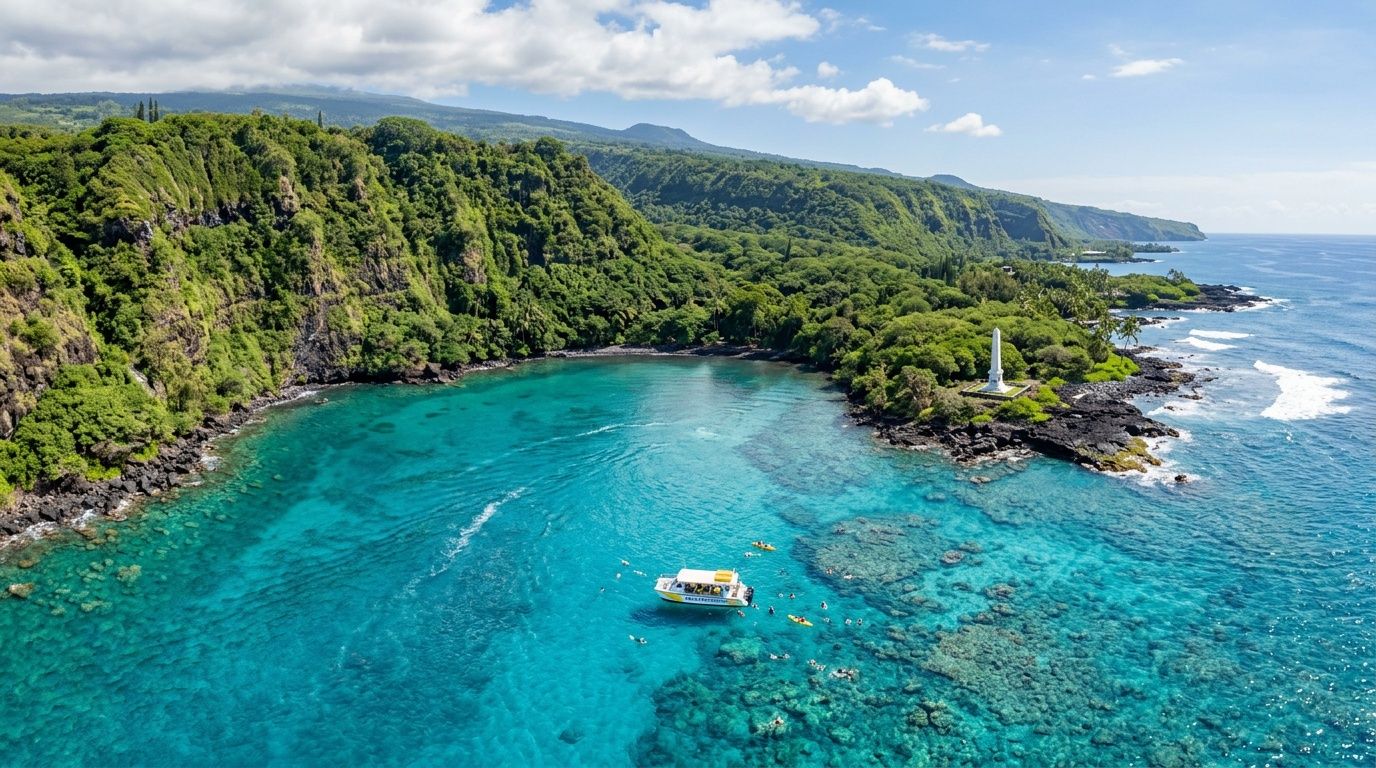
Kealakekua Bay earns its reputation because several advantages stack up in one place. It is a protected marine area, the water is often very clear, and the setting feels bigger and wilder than a typical beach-entry snorkel stop. Add the Captain Cook Monument and the history tied to this shoreline, and the outing appeals to more than one kind of traveler. Families get a memorable snorkel day. Strong swimmers get a bay with range to explore. History-focused visitors get a destination that still feels tied to the place, not built around crowds.
What makes the bay different
Kealakekua Bay is a Marine Life Conservation District. In practical terms, that usually means healthier fish populations, more coral coverage, and a reef that has not been worn down the way heavily used roadside spots often are. The water is also known for excellent visibility. NOAA’s Kealakekua Bay information describes the area as a protected bay with clear water and abundant marine life, which matches what experienced Kona captains and guides see day after day on the mooring line.
That matters once you are in the water.
Good visibility changes the experience for every skill level. New snorkelers feel more comfortable when they can clearly see the bottom and orient themselves. More experienced swimmers can cover less water and still see more life. Parents also have an easier time keeping track of kids when conditions are clean and open below the surface.
More than a pretty reef
Some snorkel spots are convenient. Kealakekua is memorable.
Part of that comes from the setting itself. The cliffs shelter the bay, boat traffic is controlled more tightly than at many general-use coastal areas, and the monument side gives the whole place a strong sense of arrival. You are not drifting off a random stretch of shoreline. You are snorkeling in one of Kona’s most recognized bays, at a place people plan entire vacation days around.
The bay also works for mixed-interest groups better than many visitors expect. One person may care most about fish life. Another may care more about the monument, the volcanic coastline, or the chance to be out on the water along the South Kona coast. Kealakekua satisfies all of that in one stop, which is one reason it stays high on so many Big Island itineraries.
If you want a broader sense of how Kealakekua fits into local underwater conditions, this guide to the best dive sites in Kona gives helpful local context.
For plenty of visitors, the bay’s biggest advantage is simple. If you are going to invest time and effort getting here, the water quality and overall experience usually justify that effort. That is what separates a famous snorkel spot from one that is just photogenic.
Decoding Your Access Options How to Get to the Bay
You can make one bad decision before breakfast and turn Kealakekua into a long, tiring day. I see it all the time. Visitors hear “Captain Cook” and assume they can drive close, walk a short path, and start snorkeling fresh. The bay does not work that way.
The practical question is simple. Do you want to spend your energy getting to the reef, or in the reef?
Kealakekua Bay has no direct road access to the main snorkeling area by the monument. The three real options are boat, kayak, or the trail down and back out. Each one can work. They are not equal for comfort, effort, or margin for error.
Kealakekua Bay access methods compared
| Access Method | Effort Level | Average Cost | Time Commitment | Best For |
|---|---|---|---|---|
| Boat Tour | Low to moderate | Paid guided option | Half day | Families, mixed-ability groups, first-time snorkelers, anyone who wants energy left for the water |
| Kayaking | Moderate to high | Varies | Half day or more | Independent travelers comfortable managing logistics on the water |
| Hiking | High | Low direct cost | Half day or more | Fit visitors who do not mind a steep return climb after snorkeling |
Boat tour access
For a lot of visitors, the boat is the cleanest answer.
You leave from the harbor, ride the coastline, gear up on the way, and enter the water near the part of the bay people came to see. That matters. A guest who arrives calm, shaded, and hydrated usually has a better snorkel than someone who already spent the morning grinding through heat, carrying gear, and second-guessing the return trip.
Boat access also solves the mixed-group problem. Families with kids, couples with one strong swimmer and one nervous swimmer, and groups traveling with grandparents usually do better on a guided outing. If you want a practical look at what that day typically involves, this Captain Cook snorkel tour page gives a clear planning reference.
Kayak access
Kayaking appeals to travelers who like doing the day under their own power. Fair enough. On a calm morning, the coastline is beautiful from water level, and the independence is part of the appeal.
The trade-off is workload. You are handling launch logistics, timing, gear management, and the paddle back when the sun is higher and the day is no longer fresh. Conditions can also feel different on the return. What looked easy on the way out can turn into a slow slog if the wind picks up or the group has uneven stamina.
For strong paddlers who already know they enjoy self-supported ocean days, that may be exactly the point. For a vacation group trying to keep the day relaxed, it often becomes the hardest version of the same snorkel.
Hiking access
The hike gets underestimated more than any other access option.
The downhill section can fool people into thinking they made the smart budget choice. The true test comes later, after sun exposure, salt water, wet gear, and a full snorkel session. The climb back out is steep enough that plenty of visitors finish it hot, tired, and wishing they had paid for the boat.
This option makes sense for hikers who want the trail to be part of the experience. It is a poor fit for anyone with knee issues, limited heat tolerance, young kids, or plans to do much else that afternoon.
Who should choose what
Use the access method that fits the group, not the one that sounds the most adventurous on paper.
- Choose a boat tour if your priority is the snorkeling itself, especially with kids, beginners, older family members, or mixed fitness levels.
- Choose kayaking if you are comfortable on the ocean, can manage your own timing and gear, and will enjoy the paddle even if conditions get less forgiving later.
- Choose the hike if you are fit, prepared for heat and the uphill return, and honestly want a hike plus a snorkel, not just a snorkel.
That is the primary decision framework. Kealakekua rewards good planning, and access is where that planning starts.
Choosing the Best Kealakekua Bay Snorkel Tour
Once you accept that boat access fits most visitors, the next question is simpler. Which kind of tour makes the day better?
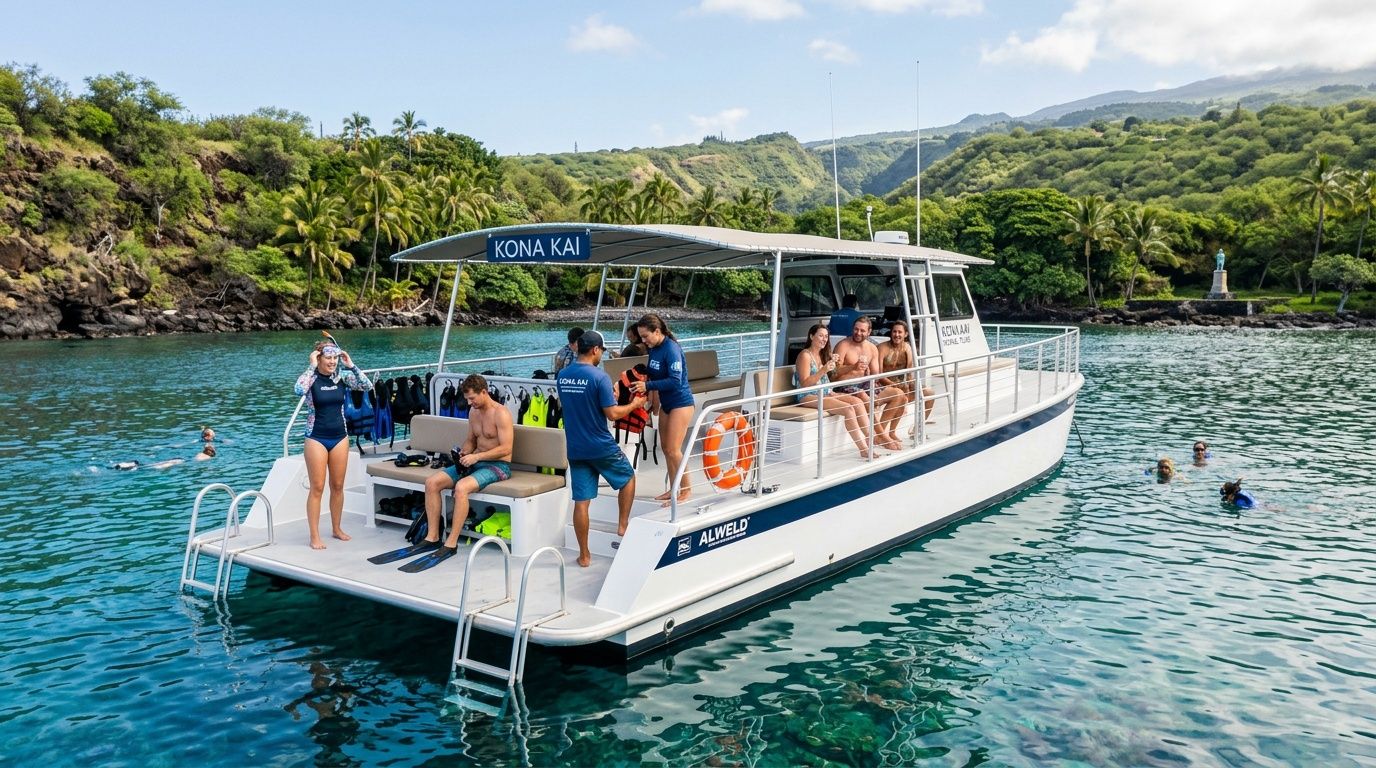
The answer isn’t just “pick any boat.” Good Kealakekua Bay snorkeling tours do a few things right. They get you to the bay efficiently, fit gear properly, keep beginners calm, and give enough guidance that you spend your time looking at the reef instead of troubleshooting your mask or wondering where you’re supposed to be.
What a good tour should include
A strong operator usually covers the basics that matter most:
- Snorkel gear that fits well: A leaking mask can ruin the first half of the trip for a beginner.
- Flotation support: This helps cautious swimmers relax instead of burning energy.
- A real safety briefing: Not rushed. Not mumbled. Clear enough that nervous guests know what to do.
- Local context: History on the shoreline and guidance in the water both make the stop more meaningful.
- Easy water entry: Good ladder access and clear crew instructions make a noticeable difference.
These details sound small until one of them goes wrong. Then they become the whole trip.
Two practical tour options to look at
For visitors comparing operators, Kona Snorkel Trips’ Kealakekua Bay Captain Cook Monument tour is one option built specifically around guided access to this bay.
Another option is Captain Cook Snorkeling Tours, which also focuses on getting visitors out to the monument area for the main snorkeling zone.
Kona Snorkel Trips is also the sister company of Kona Honu Divers, which matters for travelers who like to book within an operation that already works heavily on the water with guided marine trips. That’s not a guarantee that every tour style fits every guest, but it’s relevant context when you’re comparing operators.
If you want a side-by-side planning article before booking, this roundup of the top Kealakekua Bay snorkeling tours helps narrow the field.
The best tour for your group usually isn’t the cheapest seat. It’s the one that matches your group’s comfort level in the water.
The Underwater World What You Will See While Snorkeling
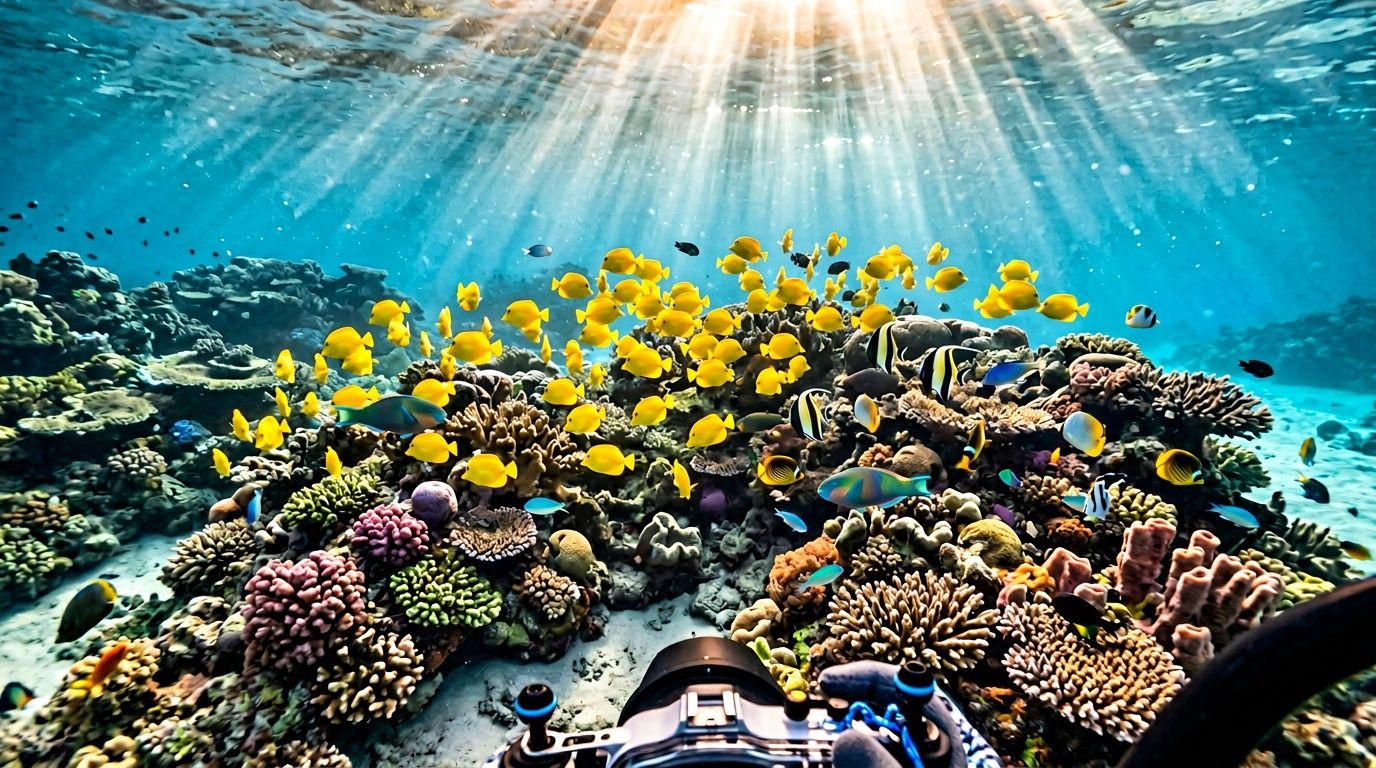
Drop into Kealakekua on a clear morning and the first thing that stands out is range. Near the monument side, you can float over healthy reef and still see the bottom clearly. A few fin kicks farther out, the bottom falls away and the whole bay shifts from coral detail to open blue. That mix is a big part of why the snorkeling here holds people’s attention longer than a lot of easier-access spots around Kona.
What the bay looks like once you are in
Kealakekua is not a flat, sandy beginner cove. It is a lava-built bay with reef fingers, coral heads, rock ledges, and a noticeable slope into deeper water. For snorkelers, that matters.
Families with younger kids and newer swimmers usually do best staying over the shallower reef where there is plenty to see without drifting far from the boat or shoreline reference. Stronger swimmers often enjoy working the outer edge of the reef line, where you get that dramatic blue-water backdrop and more of the bay’s full shape. The trade-off is simple. The farther you move off the protected reef, the less visual reference you have below you, and some people feel that right away.
Fish you are likely to see
Expect reef fish first, and lots of them. Yellow tang are one of the signatures here, often moving in loose schools over the coral. You will also see butterflyfish, parrotfish, surgeonfish, and humuhumunukunukuāpuaʻa if you spend enough time scanning the reef instead of rushing across it.
The best sightings usually come from slowing down and watching one patch of reef for a minute or two. Fish that disappear when a snorkeler drops in fast will often come right back once the surface settles. If you want a useful primer before your trip, this guide to marine life commonly seen in Kona waters gives you a good idea of what to look for.
Larger animals are less predictable. Spinner dolphins do use the bay, and you may spot them from the boat or at a distance in the morning. Keep that sighting in perspective. Seeing dolphins is a bonus, not the main event, and responsible crews keep their distance.
How experienced snorkelers get more out of this bay
Kealakekua rewards calm movement. People who kick hard and cover water quickly usually miss half of what is right below them.
A better approach:
- Settle your breathing first: After entry, float for a moment and let your heart rate come down.
- Look for structure: Check coral heads, cracks in the lava, and ledges where fish hold position.
- Keep your body flat: A horizontal float saves energy and keeps your fins away from the reef.
- Make small fin kicks: That helps you stay relaxed and disturbs less sand and surface splash.
- Pause often: Some of the best fish action shows up when you stop moving.
Quiet snorkelers usually get the best sightings.
Timing Your Visit Safety and Conservation Rules
Kealakekua Bay has a reputation for good conditions, and that reputation is deserved. But “good year-round” doesn’t mean “identical every day.”
According to Fair Wind’s Kealakekua Bay destination page, the bay does experience seasonal variation in wind, swell, and water clarity, and morning tours are generally recommended because they usually see calmer water and more active spinner dolphin pods before afternoon trade winds build. That matches what experienced crews see in real life. Morning is usually cleaner, easier, and better for first-time snorkelers.
Best timing for most visitors
If you have a choice, book the morning.
The surface is often calmer, the boat ride is usually easier for uneasy stomachs, and new snorkelers tend to settle in faster when the water is less textured. Afternoon can still be enjoyable, but it asks more from the guest. More chop means more mask splash, more motion on the boat, and more effort keeping a relaxed float.
Safety habits that work
Kealakekua rewards calm, simple habits.
- Use flotation if you’re unsure: Pride burns more energy than foam does.
- Wear sun protection before you need it: Rash guards, hats, and shade on the boat matter more than people think.
- Hydrate early: Don’t wait until you feel lousy.
- Keep your kicks small: Big bicycle kicks waste energy and increase the chance of reef contact.
If you want a broader read on respectful ocean behavior, this guide to responsible and considerate diver etiquette applies surprisingly well to snorkelers too.
Seasickness prep that’s worth handling in advance
If you know you get motion sick, deal with it before boarding. Waiting until you feel queasy is the wrong timing.
Practical options include Ship-EEZ Seasickness Patch, Dramamine pills, Bonine pills, Sea Band wristbands, and Ginger chews. Different people swear by different tools, but the common thread is preparation.
Conservation rules that are not optional
Kealakekua Bay snorkeling only stays special if visitors act like guests in a protected place.
- Don’t touch coral: Coral is living structure, not underwater rock.
- Don’t stand on the reef: Even brief contact causes damage.
- Give wildlife room: Turtles and dolphins need distance, not pursuit.
- Leave nothing behind: No trash, no food wrappers, no casual debris.
The bay doesn’t need heroic conservation. It needs ordinary visitors making careful choices every time.
Your Trip Planner Gear FAQs and Sample Itineraries
You can tell who planned this day well before the boat leaves the harbor. They check in calm, carry very little, and know where their dry clothes are. The stressed group is usually the one hauling too much gear, guessing about parking, and trying to sort out kids, phones, and sunscreen at the same time.
Kealakekua Bay usually rewards simple planning. Water conditions are often comfortable for snorkeling, and key comfort factors include shade, hydration, and keeping your personal items dry. If you book a boat tour, let the operator handle the big gear unless you have a specific reason to bring your own mask or fins.
What to pack
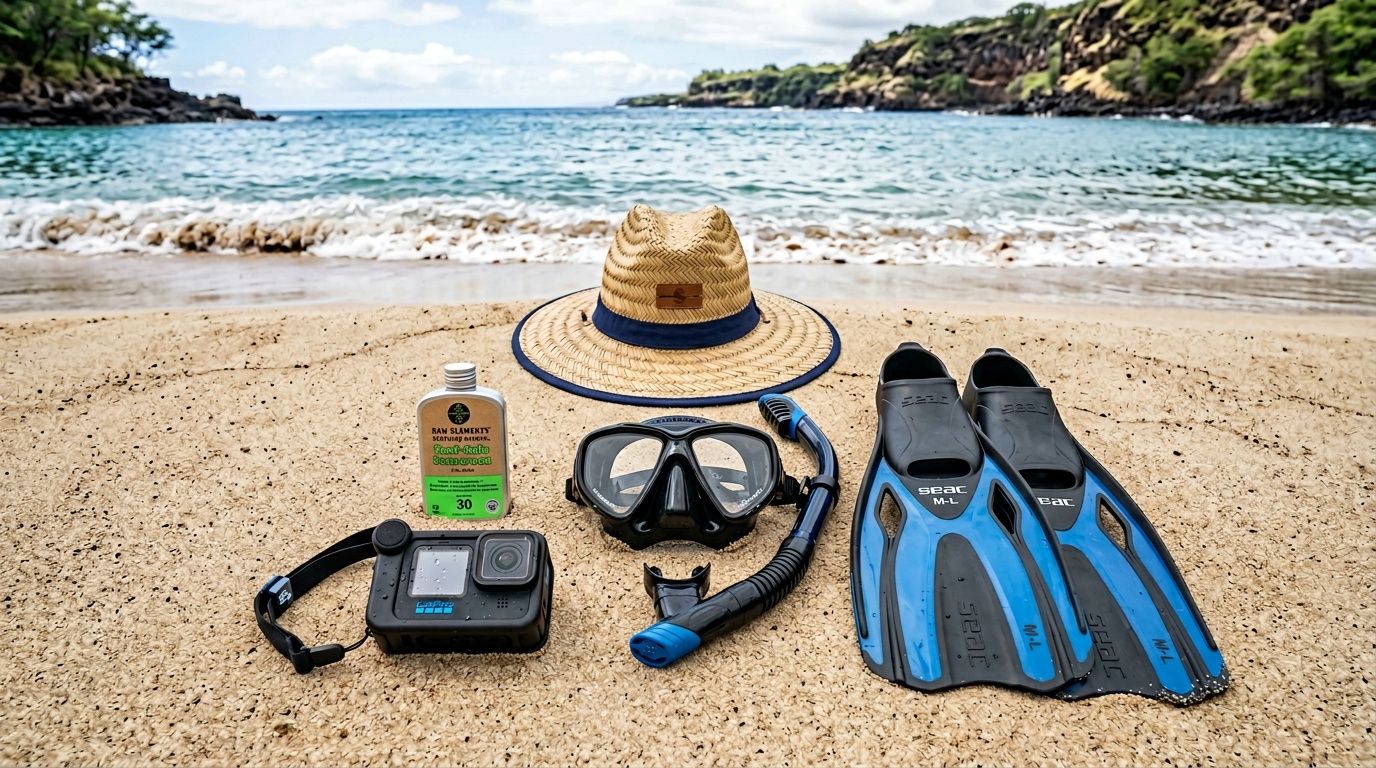
Pack for the access method you chose, not for every possible scenario.
For a guided boat trip, this short list covers almost everyone:
- Swimwear and a rash guard: Better sun protection and less dependence on sunscreen.
- Towel and dry clothes: The ride back is more comfortable when you can change.
- Hat and sunglasses: You will use them before and after you get in the water.
- Water bottle: Start the day hydrated.
- Dry storage for valuables: Salt spray finds everything. If you want a practical overview of sizes and features, Lounge Wagon's dry bag guide is a useful reference.
- Personal medication: Bring what you need and keep it accessible.
For the hike-in crowd, add more water, sturdy footwear, and a realistic attitude about carrying wet gear back uphill. That route works well for strong walkers who want independence and do not mind earning the snorkel.
Quick planning notes for departure
Departure details matter more than visitors expect. Some trips leave from Keauhou Bay. Others use Honokohau Harbor or another launch point depending on the operator and boat. Confirm the harbor, parking instructions, and check-in time the day before. Do not assume every Captain Cook or Kealakekua trip starts in the same place.
Arrive early enough to handle bathrooms, sunscreen, gear questions, and paperwork without rushing. Families benefit from even more margin. A calm start usually means a better snorkel.
Common questions visitors ask
Is Kealakekua Bay good for beginners
Yes, if beginners choose the right access. A boat tour is usually the easier call because it cuts out the long paddle or steep hike and gives you crew support nearby. Confident swimmers who like self-supported outings may enjoy the harder approaches, but that is not the best first day for everyone.
Are there restrooms at the monument side
Do not plan around shore facilities near the snorkel area by the monument. Use the restroom before departure and think ahead if you have young kids.
Do I need to bring snorkel gear
Usually no for guided tours, but always verify before booking. If you already own a mask that fits well and never leaks, bringing it can make the day better.
Can kids do this trip
Yes, often. The right setup for families is usually a boat with shade, flotation options, an easy water entry, and a crew that is used to fitting children properly. A long hike or kayak approach can work for older, capable kids, but it changes the day from a snorkel outing into a more demanding adventure.
How do I know if sunscreen is reef-safe
Read the label and choose mineral-based products. Marketing language is loose. Ingredient lists are more reliable.
Two sample itineraries that show the real difference
Family half-day by boat
Eat a light breakfast, arrive early, and bring only personal items plus dry storage. The crew handles the main logistics, the kids get fitted for gear, and nobody starts the snorkel already tired. This is the cleanest option for families, casual swimmers, and visitors who want the bay itself to be the highlight.
Adventurous couple by hike
Start early, carry all your own water and gear, and expect the return climb to feel harder than the descent. The payoff is flexibility and a more self-directed day. The cost is effort, heat, and less margin if conditions or energy levels are not what you expected that morning.
If Kealakekua Bay snorkeling makes you want more time in the water, Kona Honu Divers is a factual next stop for guided underwater trips, training, and additional ocean experiences on the Big Island.