
You’re probably here because you’ve heard Kealakekua Bay is the snorkel spot on the Big Island, then hit a wall of conflicting advice. One guide says hike it. Another says kayak. Another makes it sound like you can just pull over and walk in. That’s not how this bay works.
Kealakekua bay snorkeling is worth the planning. It’s one of those rare places where the hype is real, but only if you choose the right access method, go at the right time, and treat the bay like the protected place it is.
Why Kealakekua Bay is a World-Class Snorkeling Destination
Kealakekua Bay earns its reputation the hard way. It doesn’t rely on easy roadside access or big beach facilities. It wins people over once they get in the water.
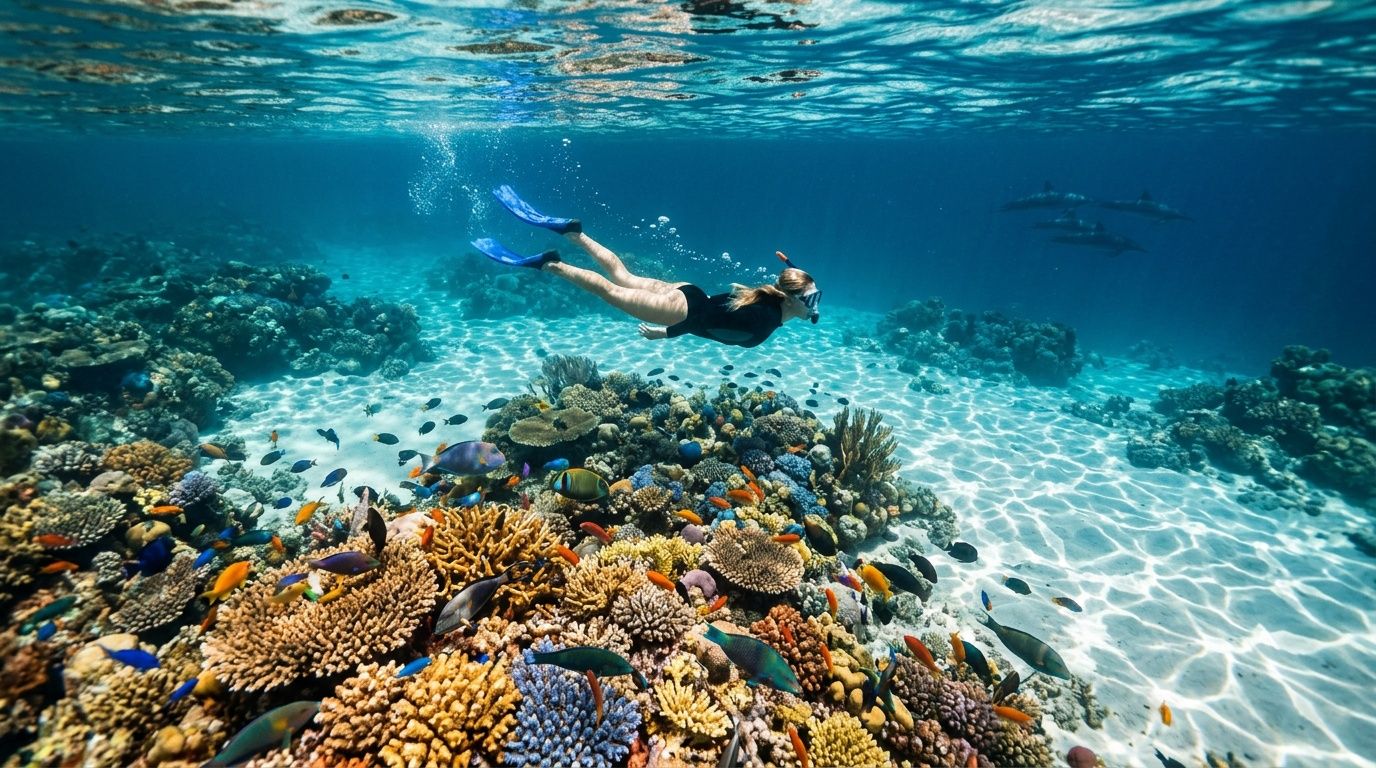
More than 100,000 snorkelers visit the bay each year, and 85% rate it as their favorite snorkeling spot on the Big Island, according to this Kealakekua Bay overview. That tracks with what experienced Kona water people already know. When conditions line up, the bay gives you calm water, long sightlines, healthy reef structure, and fish life that starts the second you put your face in the water.
What makes the bay different
The bay sits in a naturally sheltered position, and that matters. Instead of getting battered by open-ocean wind and swell, much of the prime snorkel area stays calmer and clearer than many other Big Island spots.
A few things set it apart:
- Water clarity: Visibility often exceeds 100 feet, which changes the whole experience. You’re not just seeing what’s a few feet below you. You can read the reef contours and spot fish far off your shoulder.
- Protected marine life: The bay is part of a Marine Life Conservation District, so reef life has more room to thrive.
- Wide skill range: Depths run from shallow 5-foot areas up to much deeper water, so beginners and stronger swimmers can both find a comfortable zone.
- Historic setting: It’s also a U.S. Historic District, which gives the place a different feel from a standard snorkel cove.
Practical rule: Great snorkeling isn’t only about pretty water. It’s about access, protection, and consistency. Kealakekua Bay has all three.
Why people get confused before they ever go
The bay’s strength is also its planning challenge. The prime snorkeling water near the Captain Cook Monument isn’t a casual park-and-snorkel setup. That’s where many visitors get stuck.
They know the bay is famous. They just don’t know how to reach the best part of it without wasting half a day, overcommitting physically, or running into permit problems.
If you want a broader look at how this spot compares with other island options, this guide to top Kona snorkeling spots is useful context. Kealakekua is special, but it helps to understand why.
The Three Ways to Access Kealakekua Bay Unpacked
There are three realistic ways to reach the prime snorkeling area: boat, kayak, or hike. That’s it. Each one has a very different cost in effort, flexibility, and margin for error.
The biggest mistake visitors make is choosing access based on what sounds adventurous instead of what fits their group. A fit solo traveler and a family with kids should not make the same plan.
The permit and trail changes that matter
A lot of older content about kealakekua bay snorkeling is outdated on access. One change matters immediately if you were thinking about paddling in. Big Island DLNR’s March 2025 permit lottery reduced kayak slots by 30%, from 150 to 105 daily, and stranded 20% of applicants, as noted in this access update on Kealakekua Bay snorkeling.
Land access isn’t the simple fallback people hope for. The Nāpō‘opo‘o trail is difficult and unmaintained, with a 30 to 45 degree incline on loose lava rock, which makes it unsuitable for many visitors in the same source.
Most visitors don’t need a harder story. They need a better day in the water.
Kealakekua Bay Access Methods Compared
| Access Method | Best For | Effort Level | Average Cost | Pros | Cons |
|---|---|---|---|---|---|
| Boat tour | Families, beginners, mixed-ability groups, travelers who want the simplest day | Low | Higher than self-directed options | Direct access, gear and guidance often included, less physical stress, easier logistics | Costs more, fixed departure times |
| Permitted kayak | Confident paddlers who plan ahead and want a self-powered outing | Moderate to high | Moderate | Independent pace, scenic paddle, rewarding for strong paddlers | Permit pressure, launch restrictions, more effort, weather matters more |
| Hike | Very fit visitors who want a strenuous land approach | High | Lower cash cost | No boat ride needed, rugged adventure | Steep loose trail, full sun, all gear carried by hand, harder return after snorkeling |
Boat access
Boat is often the most practical choice. It removes the permit lottery, cuts out the steep trail, and lets people save energy for the reef instead of the approach.
This is the right fit for:
- Families with kids: You get a stable platform, easier entries, and crew support.
- Mixed fitness groups: Nobody has to keep up on a trail or paddle back tired.
- Travelers on a schedule: You book, show up, and go.
- People who want comfort: Shade, seating, and onboard support matter more than people admit.
If you want to compare guided options focused on this route, look at a Captain Cook snorkeling tour. Even if you don’t book that exact trip, it shows what an efficient access plan looks like.
Kayak access
Kayaking sounds simple until you layer in permits, launch logistics, and the return paddle. It can be a strong choice for the right person, but it’s not a backup plan for people who missed out on a boat booking.
Kayak works best if you:
- already know you enjoy open-water paddling
- can handle changing wind and surface texture
- don’t mind building your day around permit constraints
- prefer self-directed outings over guided ones
What doesn’t work is assuming a kayak is “basically easy.” It isn’t. You’re managing effort before and after the snorkeling, and the bay is much less forgiving when you’re tired on the way back.
Hike access
The hike appeals to budget-minded travelers and hardcore adventurers. Fair enough. But this option gets oversold online by people who underestimate the climb back out.
The problem isn’t just going down. It’s doing the return on tired legs, with wet gear, in exposed conditions, after you’ve already spent energy snorkeling.
What works: Choose the hike only if the hike itself is part of your goal.
What doesn’t: Choosing it because someone online made it sound like an easy free shortcut.
Why a Guided Boat Tour is the Best Choice for Most Visitors
Once you strip away the romance of “earning it,” the guided boat tour wins for most visitors because it solves the exact problems that make this bay tricky. It removes the access friction and keeps the day focused on snorkeling.
That matters more at Kealakekua than at easy shore-entry sites. The bay is too good to waste on a bad approach.
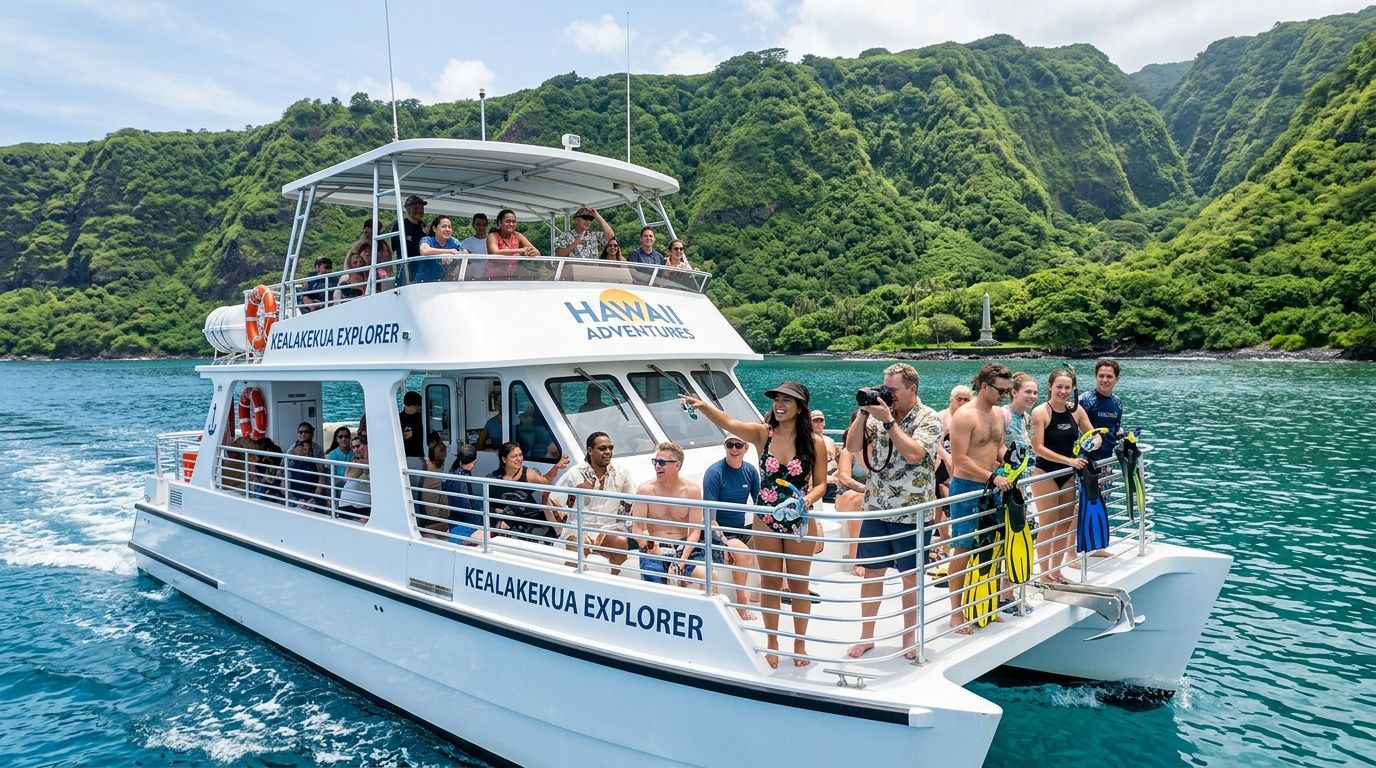
What a boat tour does better
A solid boat operation handles the boring parts well. That’s not glamorous, but it’s what makes the experience smoother.
With a guided trip, you typically get:
- Clean logistics: No permit scramble, no trail grind, no carrying gear long distances.
- Crew support: Safety briefings, entry guidance, and help for newer snorkelers.
- Comfort: Shade, seating, and a place to regroup between swims.
- Better fit for groups: Grandparents, kids, confident swimmers, and nervous first-timers can all share the day.
For broader trip options on the coast, Kona boat tours give a sense of how operators structure these outings.
Who should skip the self-powered options
Boat tours are the clear choice if anyone in your group falls into one of these buckets:
- Beginner snorkelers
- Visitors with limited mobility or lower endurance
- Families with younger kids
- Travelers who only have one shot at the bay
- Anyone who wants the most sustainable low-impact access
That last point matters. The bay is heavily loved and tightly managed for a reason. A licensed operator tends to offer the most controlled and lowest-friction visit for the average guest.
A quick word on seasickness
Some people avoid boat trips because they’re worried about motion sickness. That’s reasonable, but it’s manageable. Larger, more stable boats help, and morning conditions are often friendlier.
If you’re prone to seasickness, bring something that works for you, such as a Ship-EEZ Seasickness Patch, Dramamine pills, Bonine pills, Sea Band wristbands, or ginger chews.
For tour research, two direct options for bay access are Kona Snorkel Trips and Captain Cook Snorkeling Tours.
Check AvailabilityWhat You'll See Underwater A Marine Life Guide
The payoff starts the moment you look down. This bay isn’t just clear. It’s structured in a way that lets snorkelers see multiple reef zones without covering much distance.
The prime area near Ka'awaloa Flats by the Captain Cook monument drops from 5 to 120 feet, creating distinct ecological zones, as described in this marine life guide to Kealakekua Bay. That steep reef architecture is why the bay feels busy and layered instead of flat and repetitive.
What to look for in the shallows
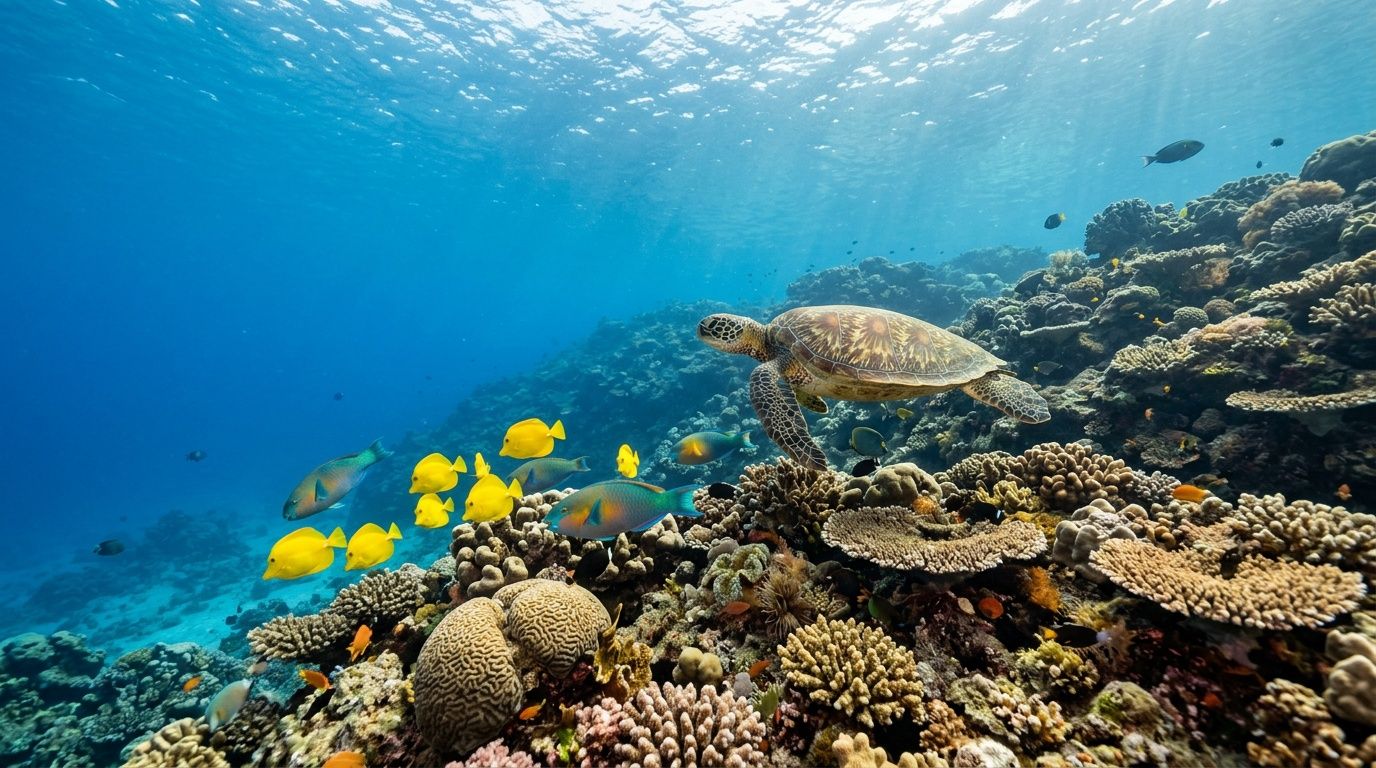
In the shallower sections, newer snorkelers usually notice fish density first. You’re likely to see bright reef species moving over coral heads and broken volcanic structure.
Common standouts include:
- Yellow tang: Easy to spot because of their solid bright yellow color.
- Butterflyfish: Usually seen in pairs or weaving through coral pockets.
- Parrotfish: Bulkier shape, strong mouth, often grazing the reef.
- Humuhumunukunukuapua'a: Hawaii’s state fish, unmistakable once you know the pattern.
This is also where many people first settle in, slow their breathing, and stop fighting the water. That’s when the bay opens up.
The reef slope and bigger encounters
Move out over the slope and the view changes. You start seeing the reef wall itself, darker blue water beyond it, and more of the bay’s vertical relief.
Hawaiian green sea turtles, or honu, are a regular highlight in this zone. If you want a little more propulsion for longer surface sessions outside a guided format, it’s worth understanding gear like the Easy Inflatables Stermay M1, especially for snorkelers who like to compare sea scooters before a trip.
Stay calm, float high, and let the reef come to you. Strong snorkelers see more because they rush less.
Spinner dolphins and how to behave around them
Spinner dolphins are one of the bay’s signature animals, but they’re also where visitors make the biggest mistakes. DLNR regulations require a 50-yard minimum distance from spinner dolphins, and the same source notes that Hawaii’s 2024 Marine Mammal Stranding Network data highlights the impact of tourism on their behavior.
If dolphins show up, the right move is simple:
- Hold position
- Don’t swim toward them
- Don’t cut off their path
- Don’t chase a photo
For divers who want to explore beyond snorkeling on other days, Kona Honu Divers dive tours cover guided underwater options around the Kona coast.
Snorkeling Smart Safety, Timing, and Conservation
Kealakekua rewards simple decisions made early. Go in the morning. Bring sun protection and use it. Respect the reef as if someone else’s future trip depends on your behavior, because it does.
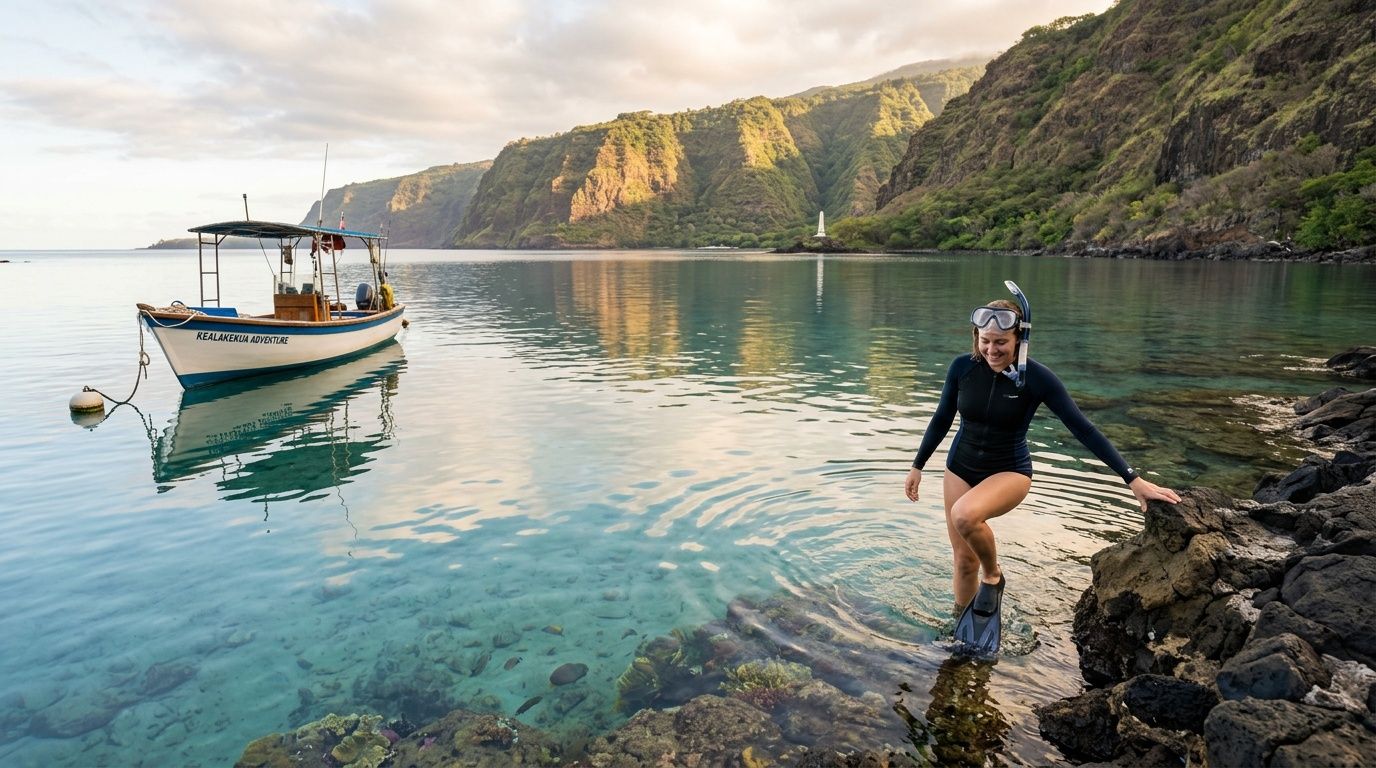
The bay’s geography does a lot of the work for you. Steep cliffs act as a natural windbreak, surfaces are especially calm from May to September, water temperatures stay in the high 70s to low 80s Fahrenheit year-round, and visibility often exceeds 100 feet, according to this water temperature and visibility guide.
Timing that usually works best
Morning is the smart play for most snorkelers. Surface conditions are often smoother before afternoon wind builds, and smoother surface water means easier breathing, better visibility, and a less tiring session.
If you’re checking weather and ocean conditions before committing, this guide on how to check ocean conditions for the Big Island is worth reading.
The safety habits that matter most
You don’t need complicated rules here. You need disciplined basics.
- Don’t snorkel alone: Even in a protected bay, things can change fast when someone gets tired or anxious.
- Use flotation if needed: There’s no prize for working harder than necessary.
- Watch your fins: Many people damage coral without realizing it.
- Hydrate before you get in: Sun and saltwater gradually deplete energy.
On-the-water judgment: If you’re breathing hard on the surface, you’re not observing anymore. Stop, float, reset, then continue.
Conservation isn’t optional
Kealakekua Bay is a protected marine area, not a marine theme park. Good snorkeling etiquette is part of access.
That means:
- No touching coral
- No standing on reef
- No feeding fish
- No chasing turtles or dolphins
- No leaving trash behind
What works in this bay is low-impact behavior. What doesn’t work is treating wildlife encounters like a personal achievement.
Planning Your Perfect Kealakekua Bay Day
Choosing a version of the day in advance, rather than improvising, generally leads to a better experience. Kealakekua bay snorkeling can be easy and smooth, or it can become a long logistics project. The difference is usually decided before breakfast.
The easy and awesome family day
This is the plan I’d point most visitors toward. Book a morning boat tour, pack light, and let the day stay simple.
Bring:
- Reef-safe sunscreen: Apply before boarding so it has time to set.
- Sun shirt or rash guard: Better than relying on sunscreen alone.
- Towels and dry clothes: The ride back is more comfortable that way.
- Waterproof camera: Clear water and bright fish make this one of the better places to use it.
- Basic snacks for afterward: Not because the bay needs them, but because hungry kids crash fast after snorkeling.
Your day looks like this in practice. Show up early, listen to the briefing, get fitted properly, and spend your energy in the water instead of on access. If you want help comparing operators before you lock one in, this roundup of the best Kealakekua Bay snorkeling tours is a practical place to start.
The hardcore adventurer day
This version is for those who want the challenge, not just the story of it. Kayak or hike only if the approach is part of the appeal.
A realistic self-powered day includes:
- Early start: Heat and wind get less forgiving as the day goes on.
- Dialed gear: Bad mask fit ruins self-guided outings quickly.
- More water than you think you need: The return is the part people underestimate.
- No ego decisions: If conditions or energy feel off, shorten the day.
The issue with the hardcore version isn’t that it can’t be done. It’s that many visitors choose it for the wrong reason. They want to save money or avoid scheduling, then end up giving away the quality of the snorkel itself.
Gear choices that actually help
For any access style, a few gear choices matter more than fancy add-ons:
- A mask that seals well: Better than any camera upgrade.
- Fins you’re comfortable in: Especially important if you’re entering from a boat and staying in longer.
- A simple camera setup: The water is clear enough that complicated rigs aren’t necessary.
- A red filter for photos: Helpful for bringing some reef color back into underwater footage.
The best Kealakekua day is the one where you arrive fresh enough to enjoy the reef, not the one where you “tough it out.”
Frequently Asked Questions about Kealakekua Bay
Are there restrooms or facilities at the monument
Don’t count on shore facilities at the monument area. That’s one reason guided boat access is so much easier for many visitors. Boats can provide the support that the shoreline doesn’t.
Can I just rent any kayak and paddle in
No. Access is more regulated than many older blog posts suggest. If kayak access is your plan, sort out the legal and logistical side first rather than assuming any casual rental will work.
Is it safe for beginners and kids
Yes, if conditions are good and the setup matches the group. Calm protected water helps, but beginners still do better with flotation, guidance, and an easy way to rest out of the water.
What time of day is best
Morning is usually the strongest choice for visibility and surface comfort. It also tends to make the whole day feel less rushed.
What should I prioritize if I only have one shot at it
Choose the access method with the least friction. For most visitors, that means a guided boat trip. Kealakekua is too special to gamble on a plan that leaves you tired before you even start snorkeling.
This article was brought to you by the team at Kona Honu Divers.
If you want help planning a Big Island water day that matches your group’s experience level, schedule, and comfort in the ocean, take a look at Kona Honu Divers. They offer guided ocean experiences and practical local knowledge that can help you choose the right fit instead of guessing.