
Welcome to the underwater world of the Big Island, a diver's paradise carved from volcanic fire and bursting with life you won't find anywhere else on the planet. When you're diving the Big Island, every descent is a new adventure, whether you're gliding through ancient lava tubes or coming face-to-face with gentle manta rays and serene Hawaiian green sea turtles. It’s a truly special place, perfect for divers of every skill level.
Your Guide to Diving the Volcanic Coast
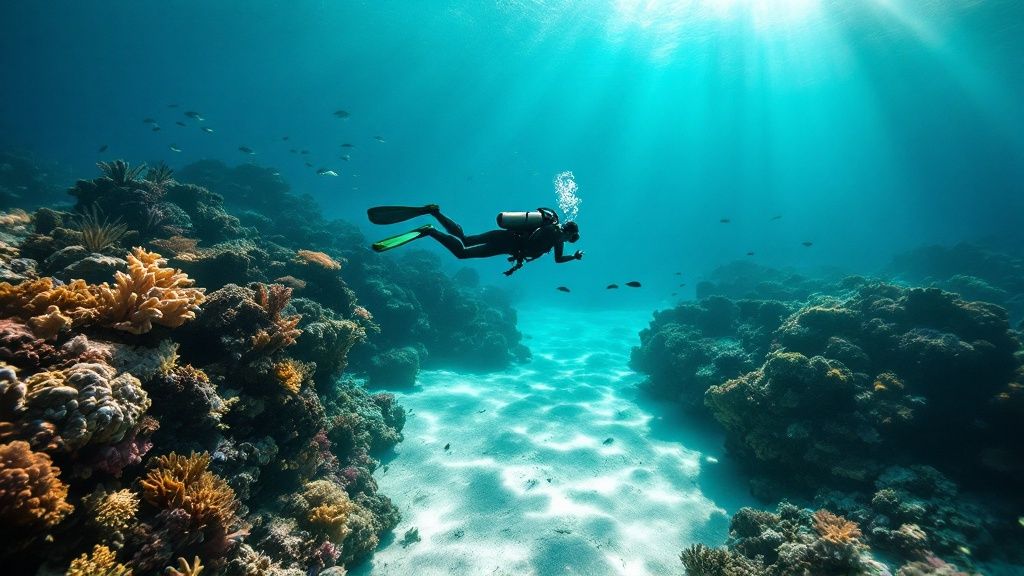
This guide is your inside look at exploring the Kona coast, one of the most celebrated diving hotspots in the world. We want to give you a real feel for what makes this place so incredible—from its vibrant, untouched coral gardens to the bucket-list encounters that keep divers coming back year after year.
Think of this as your personal pre-dive briefing. We’ll cover all the must-do experiences, like the world-famous Manta Ray Night Dive and the mind-bending Blackwater Dive, where creatures from the deep abyss rise to greet you.
Let's get you prepped for an underwater adventure that will stick with you long after you surface.
What Makes Kona a Premier Dive Destination
The secret is out. The Big Island has firmly established itself as a global diving mecca, drawing in over 150,000 dive tourists annually. That translates to roughly 100,000 certified scuba dives happening here every single year. To support this passion, the island boasts a fantastic infrastructure of more than 50 dive shops and charter boats ready to get you in the water. The history of Big Island scuba diving shows just how this volcanic outpost became a top-tier destination.
Down below, the scenery is every bit as dramatic as the volcanic landscapes you see on land. Here’s a taste of what’s waiting for you:
- Unique Topography: Imagine swimming through massive arches, hidden caverns, and intricate tunnels—all formed by ancient lava flows. It's like exploring another world.
- Vibrant Reefs: The coral gardens here are teeming with life. You'll be surrounded by hundreds of species of fish, many of which are endemic, meaning they can only be found in Hawaiian waters.
- Iconic Encounters: The Kona coast is famous for a reason. It's one of the most reliable places on the entire planet to have an up-close, personal encounter with majestic manta rays.
For a quick overview of what makes this place so special, take a look at the table below.
Big Island Diving At a Glance
This table sums up the highlights that make the Big Island an unforgettable dive destination.
| Feature | Details |
|---|---|
| Marine Life | Manta rays, dolphins, sea turtles, and over 600 species of fish, with more than 20% being endemic to Hawaii. |
| Underwater Terrain | Dramatic lava tubes, arches, caves, and vibrant coral reefs formed by volcanic activity. |
| Water Conditions | Excellent visibility, often exceeding 100 feet (30 meters), with warm water temperatures averaging 75-80°F (24-27°C) year-round. |
| Signature Dives | Home to the world-renowned Manta Ray Night Dive and the unique Blackwater Dive, offering encounters with deep-sea creatures. |
| Accessibility | A wide range of dive sites suitable for all experience levels, from shallow reefs for beginners to deep lava formations for advanced divers. |
From beginners to seasoned pros, the Big Island offers something for everyone.
Throughout this guide, we'll introduce you to the expert team at Kona Honu Divers. We’re dedicated to making every single dive safe, unforgettable, and genuinely awe-inspiring. If you're ready to see what's on offer, feel free to browse our full list of Kona diving tours.
The World-Famous Manta Ray Night Dive
Picture this: you slip into the dark, warm Pacific just as the last glow of sunset disappears. You descend, and below you, a set of powerful lights illuminates the ocean floor, almost like a stage. Then the stars of the show make their entrance—massive, graceful giants with wingspans stretching up to 16 feet, gliding and barrel-rolling just inches away. This isn't a dream. This is the Kona Manta Ray Night Dive, and it’s consistently ranked as one of the best night dives in the world for a very good reason.
This whole incredible encounter is a beautiful example of nature at work. It’s all built on a simple food chain relationship: light attracts plankton, and manta rays love to eat plankton. Our dive boats shine bright lights into the water, creating an underwater buffet that draws these gentle giants in for a spectacular feeding frenzy.
As a diver, you get a front-row seat to this underwater ballet. The trip usually kicks off with a beautiful sunset cruise along the Kona coast. Once we get to the dive site, you'll descend to a designated spot on the ocean floor, point your flashlight up, and simply wait for the magic to begin.
How the Manta Ray Dive Works
The setup is brilliantly simple but incredibly effective. Divers are positioned on the sandy bottom, creating an "arena" for the mantas. You’ll be asked to stay low and shine your dive light straight up, which creates what look like pillars of light in the dark water.
These beams of light attract huge amounts of plankton, basically concentrating a big meal in one convenient spot. The manta rays, which are filter feeders, then swoop in to feast. It's a sight to behold as they glide effortlessly through the light, performing acrobatic somersaults with their mouths wide open to scoop up their microscopic dinner. To get a better sense of this, you can learn more about what makes the manta ray night dive so special.
This unique activity has become a cornerstone of the Big Island's identity. Night diving with manta rays off the Kona coast is one of the most celebrated underwater experiences globally, attracting significant commercial and recreational interest. The activity supports local economies and promotes vital marine awareness. For more on this, you can explore the official boating and safety assessment.
It’s truly a humbling and awe-inspiring experience. You’re watching these massive, wild creatures demonstrate a level of grace that’s just mesmerizing. They are completely free, yet they seem to put on a show for their audience night after night.
Choosing a Responsible Operator
With a dive this popular, choosing the right operator is more important than ever. The well-being of the manta rays has to be the number one priority, always. Responsible companies, like us here at Kona Honu Divers, follow strict guidelines to ensure the safety of both our divers and the incredible animals you’ve come to see.
Here are a few key practices that any responsible manta ray dive operator should follow:
- Strict No-Touching Policy: It’s simple: never touch a manta ray. Touching them can remove their protective mucous coating, leaving them vulnerable to infections. A good operator will make this crystal clear in the pre-dive briefing.
- Proper Diver Positioning: You'll be instructed to stay on the bottom. This keeps the water column clear so the mantas have plenty of room to maneuver safely without bumping into anyone.
- Small Group Sizes: Smaller groups mean a more intimate and less crowded experience. It reduces stress on the animals and gives everyone a much better view of the action.
- Education and Conservation: The best tours are led by passionate guides who don't just point out the mantas but also teach you about their biology and the importance of conservation.
When you choose an operator committed to these standards, you aren't just booking a tour; you're helping protect this world-class natural wonder for years to come. We’re proud to champion these practices on every single one of our manta ray dive tours.
The Best Dive Sites on the Big Island
Sure, the Manta Ray Night Dive gets a lot of the glory, but that's just the beginning of what diving the Big Island has to offer. We've got over 50 unique dive sites dotted along our volcanic coastline, each one a little world of its own, carved out by ancient lava flows. When the sun is up, a whole different kind of adventure is waiting for you.
Let's talk about some of the spots that really show off what makes Kona's underwater world so incredible. From turtle-filled cleaning stations to dramatic lava tubes, there’s something here for every diver.
Turtle Pinnacle: Where the Honu Hang Out
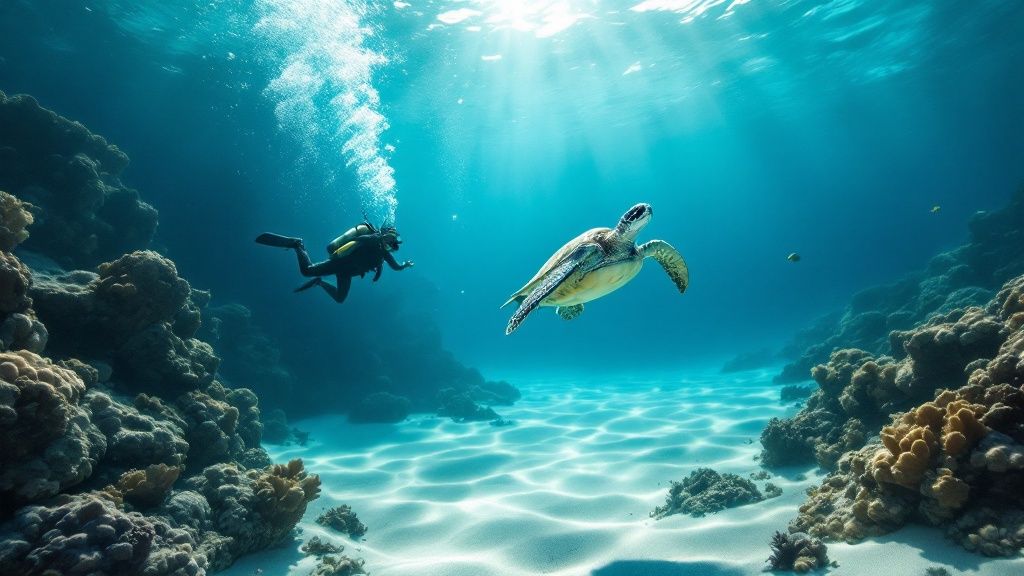
If you want to see Hawaiian green sea turtles, or honu, Turtle Pinnacle is the place to be. Think of it as a natural day spa for turtles. This spot is a well-known "cleaning station," where the honu come to let reef fish like surgeonfish pick algae and parasites off their shells.
The reef here is pretty shallow, usually sitting between 30 and 60 feet deep, making it an easy, relaxing dive. It's not at all unusual to see a handful of turtles just chilling out at once, getting their spa treatment. Besides the turtles, you’ll find the whole reef buzzing with life—butterflyfish, eels, and all sorts of colorful wrasses call this place home.
Exploring the Volcanic Underworld
The Big Island was born from fire, and you can see it everywhere—especially underwater. The ancient lava flows have left behind some of the most stunning underwater architecture you’ll ever see, creating massive arches, cool caverns, and twisting swim-throughs that are just a blast to explore.
Two of my favorite spots that really highlight this are Golden Arches and Au Au Crater.
- Golden Arches: Just like the name says, this site features a massive, beautiful lava arch you can swim right under. When the sun hits it just right, it’s an absolutely epic photo op. The reef all around it is packed with life, making it a gorgeous, well-rounded dive.
- Au Au Crater: Diving in a submerged volcanic crater is a whole other kind of awesome. You can cruise along the crater's rim, which is covered in healthy coral, then drop down into the protected center. The unique geology here creates a perfect shelter for all kinds of critters.
Diving these sites is like getting a firsthand look at how this island was made. For a deeper dive on what each spot has to offer, check out our guide on diving the Big Island.
You Never Know What You'll See
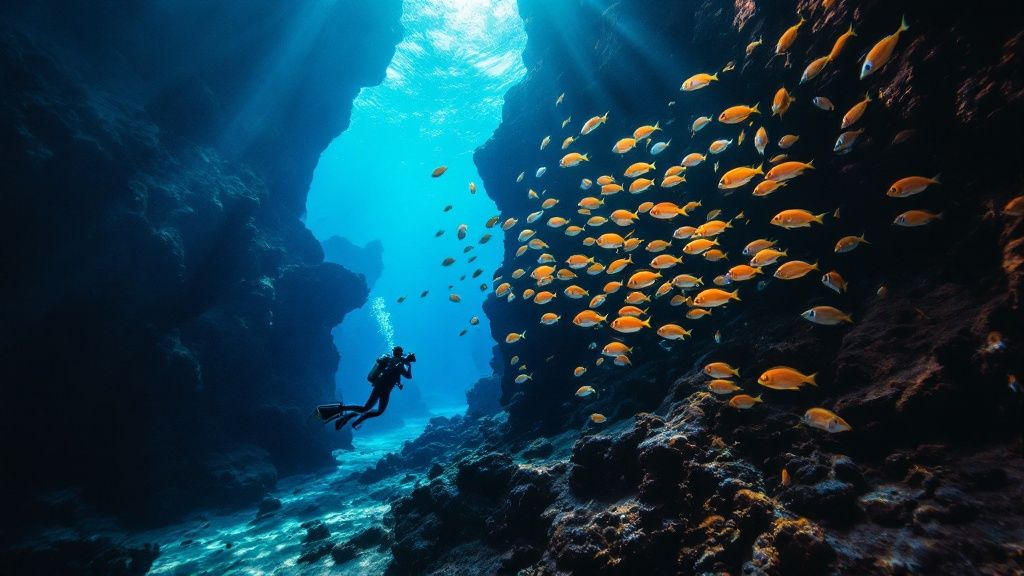
Beyond the big-ticket animals, the Big Island’s reefs are bursting with a wild variety of fish, and a lot of them you can only find here in Hawaii. Head to a spot like Crescent Beach, and you might find yourself in the middle of a massive school of butterflyfish, swirling around you in a cloud of yellow and white.
It's in those moments, when you're surrounded by hundreds of fish all moving together, that you really feel the energy and health of Kona's ecosystem. Every little crack in the reef is hiding something new.
Always keep your eyes open. You'll spot moray eels poking their heads out of rocky ledges and might even catch a master-of-disguise octopus hiding in plain sight. The incredible diversity here means you'll never have the same dive twice. Every time you drop below the surface, you have a chance to see something amazing—whether it's a rare fish you’ve never spotted before or an octopus changing colors right in front of you.
This is what makes diving the Big Island so special. It’s a place that keeps on giving, with an endless tapestry of underwater landscapes and marine life that keeps everyone from new divers to old pros coming back for more.
Advanced and Specialty Diving Adventures
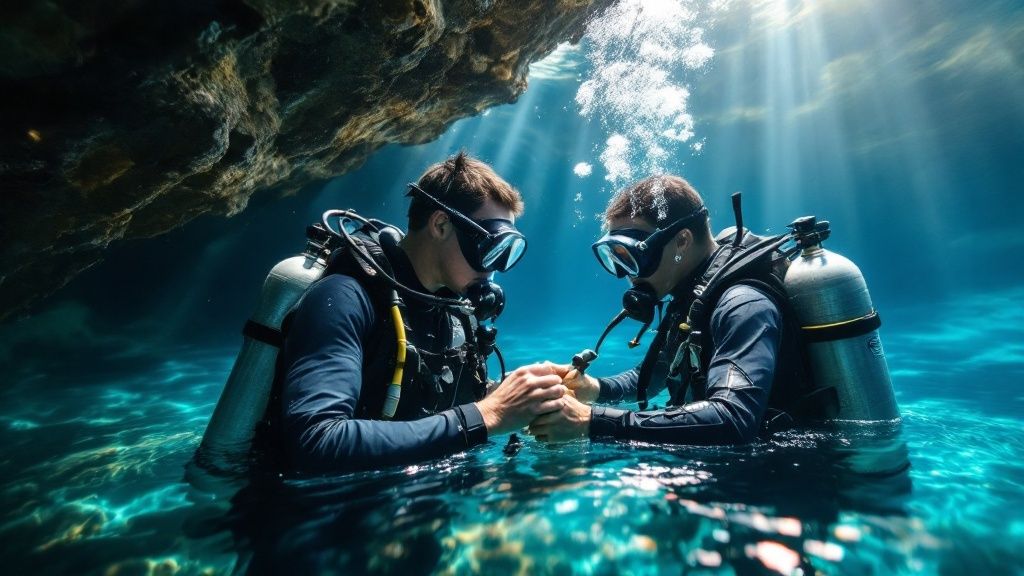
For certified divers who crave something truly different, diving Big Island opens the door to experiences you just can't find anywhere else. Sure, the reefs are breathtaking, but the island’s most unforgettable encounters happen when you venture beyond the everyday. Ready to explore inner space?
Let's talk about the Kona Blackwater Dive. Forget everything you know about a typical night dive; this is a completely different world. You're tethered to a boat, suspended over thousands of feet of inky black water, watching one of the planet's largest migrations unfold right in front of your mask.
This is a dive into a realm of surreal, bioluminescent life. Strange, often translucent creatures rise from the crushing pressure of the deep to feed near the surface under the cover of darkness. You'll see things that look more like they belong in a sci-fi movie than in our oceans—it's a genuine encounter with the unknown.
The Kona Blackwater Dive Experience
Picture this: you’re drifting in absolute darkness, miles from shore, with the only light piercing the void coming from your dive torch. Your entire world shrinks to that single beam of light. Then, out of the blackness, shapes begin to materialize.
You might spot larval fish that bear no resemblance to their adult forms, iridescent comb jellies pulsating with rainbow light, or bizarre cephalopods flashing hypnotic patterns. Many of these animals are tiny—some no bigger than your fingernail—but their intricate beauty is mesmerizing. It’s a sensory trip that divers have aptly called "black magic."
Because you're in the open ocean at night with no bottom for reference, this dive demands rock-solid buoyancy control and a cool head. It's reserved for divers with a good foundation of skills. If you think you’re up for the ultimate underwater challenge, our world-class Blackwater Dive tour is waiting.
Beyond Blackwater Advanced Dives
The Big Island's volcanic past sculpted an incredible underwater playground, especially for more experienced divers. Heading to the advanced sites usually means exploring more remote spots with dynamic conditions, which is exactly what attracts larger and rarer marine life.
These dives offer rewards you simply won't find on the calmer, shallower reefs.
- Intricate Lava Tubes: Imagine navigating complex underwater tunnels and caverns carved out by ancient lava flows. These swim-throughs are a fantastic test of your buoyancy and awareness, often opening up into hidden rooms and revealing mind-bending geology.
- Deep Reef Exploration: Dropping down to deeper ledges and walls is like visiting another city. The coral formations are often more pristine, and you’re more likely to see species that stay in the depths, like big jacks, eagle rays, and the occasional passing shark.
- Embracing the Currents: Some of the most exciting dive sites are exposed to the open ocean. While currents can be a challenge, they are the lifeblood of the reef, bringing in nutrients that attract huge schools of fish and other pelagic visitors.
These advanced adventures aren't about chasing depth just for the sake of it. They're about getting access to wild, pristine environments where the raw power and beauty of the ocean are on full display. It’s your chance to see the untamed side of Hawaii's underwater world.
This kind of diving on the Big Island absolutely requires a higher level of skill and confidence. You need to be completely comfortable with your gear, able to hold your buoyancy without a second thought, and ready to adapt to changing conditions. The payoff? An incredible sense of accomplishment and memories of seascapes that very few people ever get to witness firsthand.
Here at Kona Honu Divers, our experienced guides lead small-group trips to these special sites, making sure every diver is comfortable and prepared for the adventure ahead. We put safety first, always, while helping you unlock the most thrilling experiences the Kona coast has to offer.
Planning Your Big Island Dive Trip
A little prep work goes a long way. It’s the secret ingredient that turns a good dive vacation into an unforgettable one. When it comes to diving Big Island, getting a few details locked in beforehand means less time stressing and more time enjoying the incredible world beneath the waves.
Think of this as your practical guide to getting it all sorted. We'll walk through the best times of year to visit, what to toss in your bag besides your BCD and regs, and—most importantly—how to pick the right crew to guide your adventures.
Best Time of Year for Diving Big Island
One of the absolute best things about Kona is that the diving is phenomenal pretty much 365 days a year. The island’s leeward coast acts as a natural shield, protecting the dive sites from major open-ocean swells. This means conditions are consistently good, no matter when you visit.
That said, there are some subtle differences between the seasons that might sway your decision.
Here’s a look at what the Big Island’s diving conditions feel like throughout the year.
Seasonal Diving Conditions on the Big Island
| Season | Water Temperature | Visibility | Marine Life Highlights |
|---|---|---|---|
| Summer/Fall | At its warmest, averaging 79-82°F (26-28°C). A 3mm wetsuit is usually perfect. | Typically at its peak, often pushing well past 100 feet of crystal-clear water. | The seas are often at their calmest, making for glassy boat rides and easy entries. |
| Winter/Spring | A bit cooler, dipping to 75-78°F (24-26°C). You might want a 5mm wetsuit. | Still fantastic, though winter swells can occasionally stir things up closer to shore. | This is humpback whale season! Hearing their songs resonate through the water on a dive is an experience you'll never forget. |
So, what's the verdict? There really isn't a bad time for diving Big Island. It all comes down to personal preference. Do you want the absolute warmest water, or is the chance to hear the haunting songs of humpback whales worth a slightly thicker wetsuit? You can't go wrong either way.
Packing Essentials for Your Dive Trip
Beyond your core dive gear, a few extra items can make a world of difference for your comfort on the boat and between dives. A little preparation on land pays off big time in the water.
Here’s a quick checklist of things you’ll be glad you brought:
- Reef-Safe Sunscreen: This is non-negotiable. Standard sunscreens contain chemicals like oxybenzone that are incredibly damaging to our fragile coral reefs. Grab a mineral-based, reef-safe formula to protect both your skin and the ecosystem.
- Reusable Water Bottle: Hydration is key for safe diving, especially when you’re out in the sun. A reusable bottle cuts down on plastic waste and serves as a constant reminder to keep sipping.
- Dry Bag: A simple dry bag is a lifesaver. It keeps your phone, keys, wallet, and a dry towel safe from splashes and spray on the boat.
- Windbreaker or Light Jacket: It might be a warm, sunny day, but the boat ride back to the harbor after a dive can get surprisingly chilly, especially when you’re wet. A light jacket makes that return trip much more comfortable.
Packing these simple items will help you stay relaxed and focused on what you came for: the amazing experience of diving Big Island.
Choosing the Right Dive Operator
This is the most important decision you'll make. Your dive operator isn't just a boat captain; they are your guide, your safety team, and your window into the local underwater world. The right shop can elevate your entire trip.
Look for an operator that prioritizes small group sizes. A less crowded boat isn''t just more comfortable; it translates to a more personal, relaxed, and safe dive where you can truly connect with the environment.
When you're doing your research, zero in on a few key things: a stellar safety record, experienced local guides who know the dive sites like the back of their hand, and well-maintained equipment. Reading recent diver reviews is a great way to get a feel for a company's vibe and service. An operator like Kona Honu Divers has built its reputation on safety and incredible customer experiences, ensuring your only job is to soak in the beauty of Kona’s reefs.
To get a closer look at what separates a good company from a great one, check out our article on what makes Kona Honu Divers the best dive company on the Big Island.
Your Big Island Diving Questions, Answered
Planning a dive trip always brings up a few questions, no matter how seasoned a diver you are. When it comes to diving the Big Island, getting good answers beforehand means you can hit the water with confidence.
We get a lot of the same questions from divers getting ready for their Kona adventure. Here’s a rundown of what people want to know, from the best seasons to what you’ll actually see down there.
What Is the Best Time of Year to Go Diving on the Big Island?
Honestly, one of the best things about diving here is that there's no bad time to go. Thanks to the way the Kona coast is naturally tucked away from the open ocean, we have calm, diveable water pretty much all year long.
The water temperature is always comfortable, hovering around a pleasant 75°F (24°C) in the cooler months and warming up to a balmy 82°F (28°C) in the summer.
- Summer (May – October): This is when you'll find the absolute calmest seas and gin-clear visibility, which can easily stretch past 100 feet. The water is at its warmest, making for some incredibly relaxed and beautiful dives.
- Winter (November – April): The open ocean can get a bit rougher, but Kona's dive sites stay nicely protected. The real magic of winter is the arrival of humpback whales. You can often hear their songs echoing through the water on your dives—an experience that’s impossible to forget.
So, the choice really comes down to your preference: do you want the warmest water and flattest seas, or the chance to listen to a whale symphony?
Do I Need to Be an Advanced Diver to Dive in Kona?
Not at all! Kona is an incredible destination for divers of every skill level, whether you’re about to take your first breath underwater or you've got thousands of dives in your logbook. The sheer variety of sites means there’s a perfect adventure waiting for everyone.
For beginners, Kona offers plenty of shallow, calm, and protected reefs. Spots like Turtle Pinnacle are ideal for building confidence while being surrounded by amazing wildlife. You definitely don’t need advanced training to have a world-class dive here.
If you’re a more experienced diver looking for a thrill, Kona delivers. There are deep reefs to explore, cool lava tube swim-throughs to navigate, and of course, the one-of-a-kind challenge of the Blackwater Dive. We always group our divers by experience level, so everyone feels safe, comfortable, and has a fantastic time. For those who want to push their limits, our advanced dive trips are designed for more demanding conditions.
What Kind of Marine Life Can I Expect to See?
The Big Island is a biodiversity hotspot, and the underwater world here is bursting with life—much of which you can't find anywhere else on the planet. The marine life is the star of the show, and it almost never disappoints.
On just about any given dive, you're likely to run into:
- Hawaiian Green Sea Turtles (Honu): These gentle giants are a constant and beloved presence on our reefs.
- Moray Eels: Peek into the reef’s nooks and crannies, and you’ll find these guys hanging out.
- Octopus (Tako): Spotting one of these masters of disguise is always a special treat.
- Colorful Reef Fish: The reefs are swarming with endemic species like butterflyfish, angelfish, and triggerfish.
From the boat, we often see pods of spinner dolphins playing in the wake, and sometimes they’ll even pop by to say hello to the divers. With a little luck, you might also find whitetip reef sharks napping on the sand, majestic spotted eagle rays gliding past, or a cleverly hidden frogfish. And that’s before we even get to the famous manta rays and the strange, alien-like creatures of the Blackwater Dive.
What Should I Look for in a Big Island Dive Operator?
Picking the right dive operator is probably the most important decision you’ll make. A great shop isn’t just a taxi service to the reef; they shape your entire experience, put your safety first, and share a real love for the ocean.
The most important thing is finding an operator that values quality over quantity. Small groups are a huge plus. It means you get a more personal, relaxed, and safe dive with more attention from your guide and a better view of all the action.
Look for a shop with a stellar safety record and knowledgeable local guides who know the dive sites like the back of their hand. A PADI 5-Star rating is a good sign that they meet high standards for training, equipment, and conservation. And of course, check out recent, real-world reviews—they’ll give you the clearest picture of what you can expect.
Here at Kona Honu Divers, those principles are at the heart of our operation. Our mission is simple: to make sure every diver who comes aboard has a safe, incredible, and truly unforgettable experience.
Ready to see for yourself why diving the Big Island is a bucket-list experience? The team at Kona Honu Divers is excited to show you. Explore our full lineup of dive charters and book your spot by visiting our diving tours page.