
Picture this: you're dropping into a world sculpted by volcanoes. Ancient lava tubes create massive underwater cathedrals, and brilliant coral reefs have taken root on shelves of dark volcanic rock. That's the heart and soul of diving the Big Island, an experience that’s a one-of-a-kind mix of raw geology and vibrant sea life. The island's Kona coast, in particular, serves up some of the calmest, clearest water in all of Hawaii, making it a bucket-list spot for divers of every skill level.
Why the Big Island Is a Diver’s Paradise
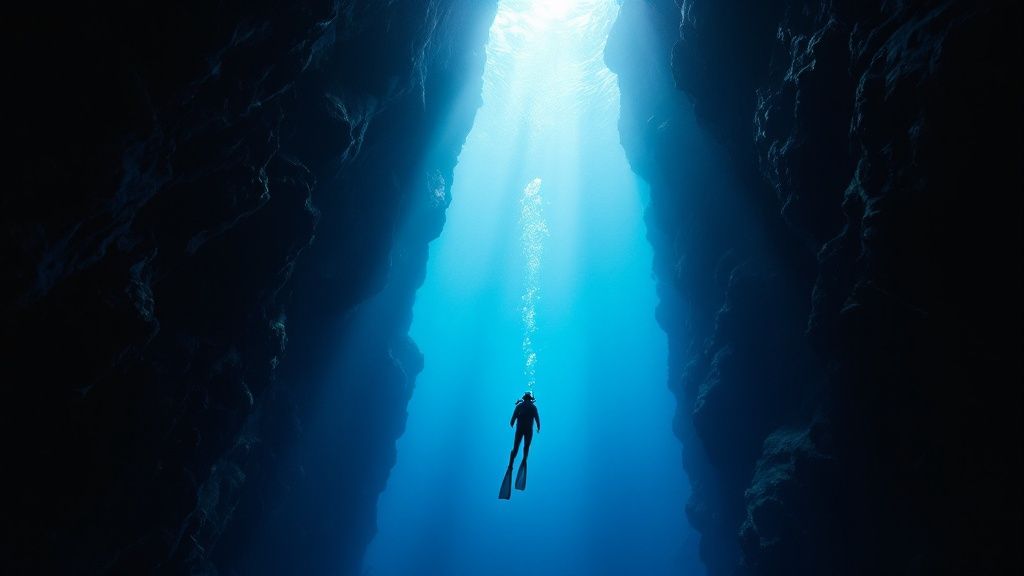
The underwater world here is a direct reflection of the island's fiery origins. Forget endless sandy bottoms you see in other tropical spots. The coastline here is built from layer upon layer of hardened lava. This creates a jaw-dropping underwater landscape filled with arches, caves, and winding lava tubes that are an absolute blast to explore.
These volcanic structures just so happen to be the perfect foundation for coral to grow. Over millennia, these reefs have exploded, creating intricate homes for a mind-boggling variety of marine creatures. From the tiniest, most colorful nudibranchs to majestic sea turtles gliding by, the biodiversity here is off the charts.
From Obscure Spot to Global Hotspot
What was once a pretty well-kept secret has blossomed into a world-class dive destination. The Big Island now sees around 100,000 certified scuba dives every year—a number that speaks for itself. This growth is backed by a solid network of over 50 dive shops and charter boats, which cater to the more than 150,000 dive tourists that visit annually.
For divers today, that means easy access to professional diving tours, top-notch rental gear, and expert guides who know these waters like the back of their hand. The west side of the island, the Kona coast, is especially famous for its sheltered bays and insane visibility that often pushes past 100 feet.
The real magic of diving the Big Island is its sheer variety. One day you can be drifting over a sun-drenched, pristine reef, and the next you're watching graceful manta rays perform an underwater ballet after dark.
Figuring out where to stay is just as crucial as planning your dives. To get the most out of your trip, you'll want to bunk on the Kona side for the easiest access to the best dive sites and operators. We've put together a guide on the best places for divers to stay on the Big Island to help you find the perfect home base for your adventure.
Exploring The Top Big Island Dive Sites
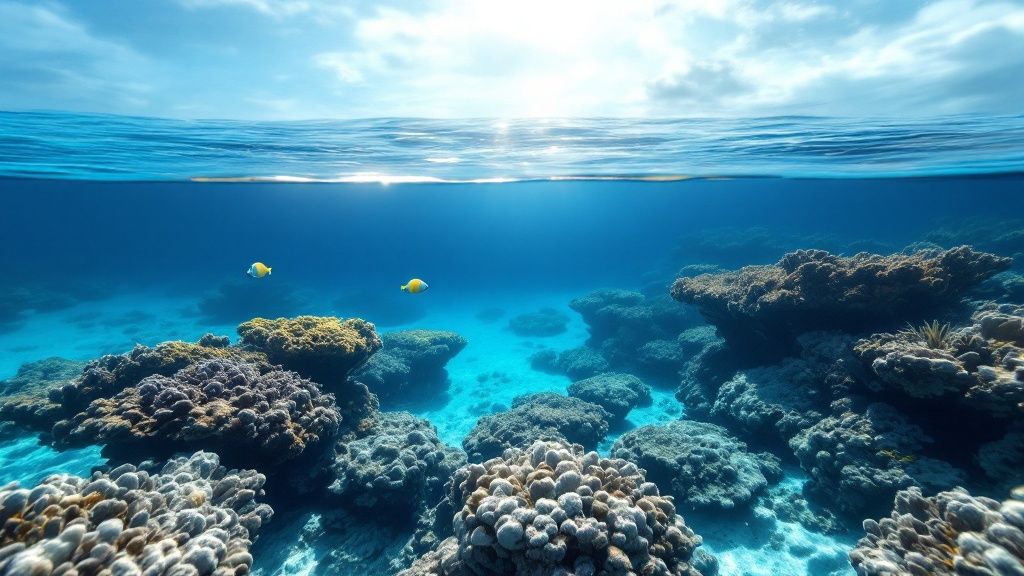
Beneath the Big Island’s volcanic coastline lies a mosaic of dive sites, each with its own character. From sheer drop-offs to winding lava reefs, you’ll feel like an underwater explorer charting brand-new terrain. Most of these gems cluster along Kona’s calm, protected shore—ideal for divers at every level.
The dramatic underwater landscape here is shaped by centuries of lava flows. Swim-through arches, hidden caverns, and bubbling vents form a playground for marine life. Tiny critters peek from cracks while larger visitors patrol the blue—this is Big Island diving at its liveliest.
Whether you’re seeking gentle reefs or adrenaline-pumping swim-throughs, Kona delivers. Read on for our picks of the best spots, complete with seasonality, gear tips, and insider advice.
Turtle Pinnacle (Koholālele)
Turtle Pinnacle sits in shallow water just off Kona, acting as a natural cleaning station for Hawaiian green sea turtles (honu). Here, you’ll often find these gentle giants hovering as reef fish nibble algae from their shells.
• Frequent Honu Encounters – Almost guaranteed turtle sightings
• Rich Fish Life – Schools of butterflyfish, tangs, and wrasse
• Natural Cleaning Station – Observe fish tending to the turtles’ shells
This site is an excellent introduction to Kona’s marine biodiversity. Learn more about the amazing biodiversity at this dive site.
Kealakekua Bay
Kealakekua Bay is both a State Historical Park and a Marine Life Conservation District, giving it some of the healthiest reefs on the island. The water here often delivers visibility beyond 100 feet, making every fin kick count.
• Protected Status – No fishing, no touch zone
• Crystal-Clear Water – Visibility frequently exceeds 100 feet
• Diverse Marine Life – Tropical fish, eels, and occasional spinner dolphins
Because the wildlife is so accustomed to divers, you can glide right up to schools of colorful fish. It’s like entering a living aquarium.
Lava Tubes And Caverns
Diving Kona wouldn’t be complete without drifting through its signature lava tubes and caverns. Sites like Golden Arches, Turtle Arches, and Kaiwi Point showcase nature’s geological artistry.
“Sunbeams pierce the surface, illuminating arches carved by ancient lava flows—it feels like an underwater cathedral.”
These dramatic formations hide all sorts of surprises:
• Golden Arches, Turtle Arches, Kaiwi Point – Iconic swim-throughs
• Whitetip Reef Sharks – Often spotted resting inside recesses
• Colorful Nudibranchs – Clinging to walls in vibrant hues
Each cavern invites you to look deeper, revealing a world sculpted by volcanic fire and shaped by ocean currents. It’s exploration in its purest form.
Planning Your Dives Around the Seasons
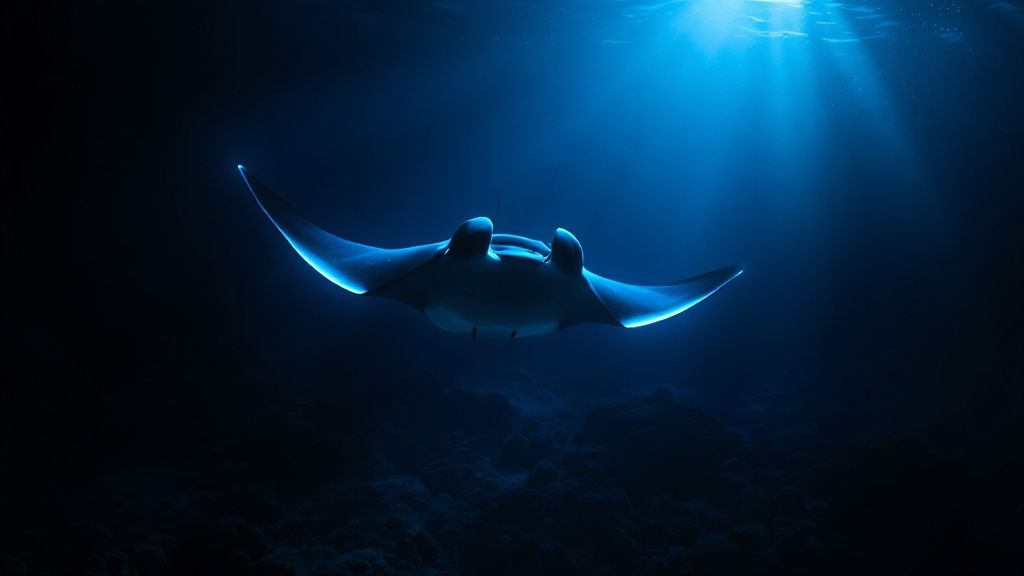
Here in Kona, the ocean definitely has its moods, and they change with the seasons. A little local knowledge goes a long way in planning the perfect dive trip, whether you're chasing manta rays or exploring dramatic underwater lava arches.
Knowing what to expect from the time of year means you can show up with the right gear and the right expectations for an amazing underwater adventure.
Winter Swells And The Kona Coast
When winter rolls in, typically from December to March, we start seeing bigger swells. The trade winds push powerful waves toward the Kona coast, which can really stir things up.
For advanced divers, this is an exciting time. The powerful surge can make for a thrilling dive, revealing deep reef walls and caverns in a whole new, dramatic light. But it also means you need to be on your game.
- High Currents will definitely test your buoyancy control.
- Cooler Water means you'll probably want a 5mm wetsuit, if not more.
- Surf Zone Access can change daily, so your entry and exit points might shift.
During these months, diving with a skilled local guide isn't just a good idea—it's essential for a safe and enjoyable experience.
“Planning around winter swells lets us dive unique walls and arches you can’t always get to,” says one of our Kona Honu Divers instructors. "It's a different kind of beautiful."
Plankton Blooms And Manta Sightings
As we move into spring and summer, the ocean often brings us plankton blooms. You'll notice the water takes on a soft, greenish tint.
Now, this might sound like a bad thing for visibility, and it's true, it can drop a bit. But here’s the magic: this plankton is exactly what our famous manta rays are here to eat! This is their dinner bell.
- Reduced Visibility can sometimes drop to around 50 feet.
- Night Dives become the absolute best time for seeing mantas do their graceful, looping ballet.
- Photographic Tips: If you're shooting underwater, a red filter can really help bring the color back.
Understanding these bloom cycles is the key to maximizing your chances of an unforgettable manta encounter.
Reading Local Forecasts
Weather apps are great, but they don't tell the whole story for diving. We keep a close eye on the specifics that matter for being safe and comfortable in the water.
- Check the swell height and direction every day. It tells you where the energy is hitting the coast.
- Note any wind shifts. This is what creates that surface chop that can make for a bumpy boat ride.
- Review the tide charts. They're critical for planning safe entries and exits, especially from shore.
Doing this homework means fewer surprises when you get to the dive site.
For a deeper dive into planning resources and to book with charters you can trust, check out the full lineup of Big Island diving tours we offer.
Seasonal Planning At A Glance
Think of each season as a different chapter in Kona's diving story. Knowing the basics helps you pick the adventure that's right for you.
Here's a quick cheat sheet:
| Season | Visibility | Water Temp |
|---|---|---|
| Winter | 50–100 ft | 73–76°F |
| Summer | 80–120 ft | 76–80°F |
A little bit of planning goes a long way. Aligning your trip with these seasonal trends is how you turn a good dive trip into a great one.
Let the ocean's changing personality guide your underwater adventures. We're here to help you make it happen, no matter the time of year.
Choosing the Right Gear for Hawaiian Waters
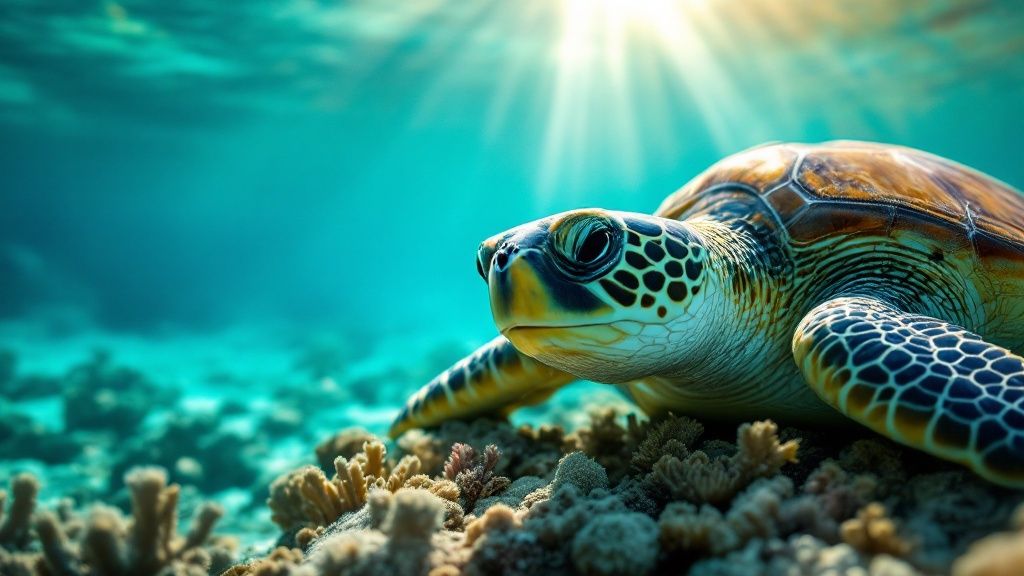
Packing the right dive gear is a game-changer for having a comfortable and safe time diving Big Island. The good news? Our warm, tropical waters mean you can leave that heavy-duty drysuit at home. But there are a few key pieces of equipment you definitely don't want to forget.
The water temperature here along the Kona coast stays pretty pleasant year-round, usually hovering between 73°F in the winter and a balmy 76°F in the summer. For most divers, a 3mm or 5mm full wetsuit is the sweet spot. It gives you just the right amount of warmth to stay comfortable for multiple dives a day without getting chilled.
Your Essential Dive Kit
Beyond the standard BCD and regs, a couple of items are mission-critical for navigating Hawaii's unique underwater landscapes. A reliable dive computer is absolutely non-negotiable. You’ll be glad you have it, especially when you're weaving through the island's famous lava tubes and caverns where tracking your depth and bottom time is essential for a safe dive.
Another must-have is a surface marker buoy (SMB), often called a safety sausage. This little piece of gear is a lifesaver. It makes you visible to boats on the surface once you ascend, which is super important in our popular and sometimes busy dive areas.
Don't underestimate the power of the Hawaiian sun. One of the best things you can do for yourself is to stay hydrated. It keeps fatigue at bay and makes sure you're feeling 100% for every single dive. Drink plenty of water before you get on the boat and after you get off.
Renting vs. Bringing Your Own Gear
So, should you lug your own gear across the Pacific or just rent from a local shop? It really boils down to a classic trade-off: convenience versus comfort.
Bringing your own setup means you’re diving with gear you know inside and out. There’s a lot of comfort and confidence that comes from using equipment that’s fitted perfectly for you.
On the other hand, renting locally means no extra baggage fees and zero hassle dragging heavy bags through the airport. Reputable shops like Kona Honu Divers have high-quality, well-maintained rental gear, so you can be sure you'll have everything you need for an amazing time underwater. The choice is yours and really just depends on your travel style.
Must-Do Dive Tours on the Big Island
Ready for an adventure you'll never forget? The Big Island isn't just another dive destination; it's home to some of the most unique charters on the planet. These aren't your run-of-the-mill reef tours. We're talking about otherworldly experiences, from dancing with giants in an underwater ballet to plunging into the deep, dark abyss.
Picking the right charter is all about matching your skills and your thirst for adventure with what Kona's waters have to offer. Let's take a look at three of the most incredible, must-do dives that should be on every diver's bucket list.
The Legendary Manta Ray Night Dive
Picture this: you're kneeling on the sand in the pitch-black ocean, aiming your flashlight toward the surface. Then, out of the darkness, they appear. Giant, graceful creatures with wingspans stretching up to 12 feet swoop down, performing effortless somersaults just inches from your face. This is the world-famous Manta Ray Night Dive, and it's pure magic.
Dive operators set up powerful lights on the seafloor, which act like a massive bug zapper for plankton—the mantas' favorite meal. The rays, drawn by the all-you-can-eat buffet, put on a show that feels completely surreal. This isn't really a dive about exploring a reef; it’s about being a quiet observer at one of nature's most spectacular dinner parties. To see how this incredible operation works while keeping the animals safe, you can check out the official safety assessment for the viewing sites.
If you're wondering what all the fuss is about, our guide on why you should go on a manta ray dive in Kona breaks down why this experience changes people.
The Thrilling Blackwater Night Dive
If the manta dive is an underwater ballet, the Blackwater Night Dive is a journey to another planet. Seriously, this is not your typical night dive. Forget the reef. On this dive, you drift tethered in the deep, open ocean, with thousands of feet of inky black water right below you.
Out here, you get a front-row seat to the largest migration on Earth, something called diel vertical migration. Every night, the most bizarre and beautiful creatures imaginable rise from the crushing depths to feed near the surface. You'll see things you didn't even know existed.
- Pteropods: Tiny, delicate sea snails that look more like fluttering angels or "sea butterflies."
- Larval Creatures: You'll see the baby versions of eels, lobsters, and all sorts of fish, many of which look absolutely nothing like their adult selves.
- Bioluminescent Jellies: The ocean's own light show, with pulsating, glowing organisms drifting past your mask.
The Kona Blackwater Night Dive is an advanced experience that gives you a peek into a world that very few people will ever get to see. It feels less like diving and more like floating through outer space, surrounded by aliens.
Advanced Two-Tank Charters
For certified divers who are ready for something more, the Big Island’s volcanic DNA serves up some seriously epic underwater terrain. Advanced charters are designed specifically to get you to the deeper, wilder sites that most tours have to skip.
These trips are all about exploring dramatic underwater landscapes—think sheer walls that drop into the blue, deep canyons, and intricate lava tube formations. You’ll navigate cool swim-throughs and encounter marine life that hangs out in the deeper, quieter parts of the ocean. An advanced two-tank trip is the perfect fit for divers with rock-solid buoyancy who want to see what lies beyond the usual spots.
These advanced dives are where you truly feel the raw, volcanic power that created the Big Island. The underwater landscapes are rugged, untamed, and absolutely breathtaking. It’s a different kind of thrill for the seasoned diver.
To help you decide which adventure is right for you, here’s a quick look at how these popular tours stack up.
Overview Of Popular Dive Tours On The Big Island
Choosing the right tour comes down to your experience level and what kind of thrill you're seeking. The table below compares the Big Island's most sought-after dive experiences at a glance.
| Tour Name | Experience Level | Duration | Price Range |
|---|---|---|---|
| Manta Ray Night Dive | Open Water / Snorkelers | 2-3 hours | $150 – $225 |
| Blackwater Night Dive | Advanced Open Water | 2-3 hours | $200 – $275 |
| Advanced Two-Tank Dive | Advanced Open Water | 4-5 hours | $200 – $250 |
Whether you're after a once-in-a-lifetime encounter with gentle giants or a challenging exploration of volcanic structures, there's a tour here that will deliver an unforgettable experience.
No matter which underwater adventure you choose, going with a trusted, top-rated operator is key. Kona Honu Divers offers a whole range of diving tours designed for every interest and skill level, making sure your trip is both safe and absolutely unforgettable.
Booking Your Dives with Confidence
Let's be real, figuring out the logistics of a dive trip should be the easy part. The most important decision you'll make is picking the right dive operator for your diving Big Island adventure. You want a crew with fantastic reviews, guides who know Kona's waters like the back of their hand, and a rock-solid commitment to safety. A good sign is when an operator gives a thorough pre-dive briefing and has a boat crew that's switched on and professional.
When you're ready to book, always ask about the cancellation policy. Life is unpredictable, and knowing you have options if your plans change brings a lot of peace of mind. Most reputable outfits will give you a full refund or let you rebook with enough notice, but the specifics can differ. This is a big deal, especially during the busy season when tours get snapped up fast.
Preparing for a Smooth Trip
Once you've got your operator locked in, a few other details will make your dive days go off without a hitch. First up, travel insurance. It's a small price to pay for a huge safety net, covering everything from cancelled flights to unexpected medical issues. It's not mandatory, but for any kind of dive travel, I highly recommend it.
Next, figure out how you're getting to the harbor. Does your charter do hotel pickups, or will you need to grab a Lyft or drive yourself? Sorting this out ahead of time means no frantic scrambling on the morning of your dive.
A little tip that goes a long way: don't forget your crew. Tipping is the standard way to say "thank you" to the captain, divemasters, and boat crew who work hard to keep you safe and make sure you have an incredible time. It's always appreciated.
And my final piece of advice: don't procrastinate! The best diving Big Island tours, particularly the famous manta ray night dive, fill up days or even weeks in advance. Book early to guarantee you don't miss out on the magic waiting beneath the waves.
Your Big Island Diving Questions, Answered
Here are some clear, straight-to-the-point answers for the questions we hear most often from divers planning a trip to Kona. We’ll get you dialed in on everything from certifications to marine life, making sure you have all the info you need for a killer trip.
Do I Need to Be Certified to Dive the Big Island?
Yes, for scuba diving, you'll need at least an Open Water Diver certification. If you're not certified but still want to get underwater, many operators (including us!) offer "discovery dives." These are awesome guided experiences that let you try scuba without needing the full certification.
For some of the really unique stuff, like exploring deep lava tubes or dropping into our mind-blowing night dives, you’ll typically need an Advanced Open Water certification. This just makes sure you have the right skills and comfort level for those more demanding environments.
When Is the Best Time to See Manta Rays?
I've got great news for you—the manta rays hang out off the Kona coast all year long! There's really no bad time to book a manta ray night dive. Their main food source, plankton, is always in the water here, which keeps the mantas showing up for dinner consistently.
That said, it's always a good idea to book your tour a few days ahead of time, especially if you're visiting during busy season like holidays or summer. This helps lock in your spot for one of the most popular dives on the planet.
Should I Book a Boat Dive or a Shore Dive?
If you're here for the iconic specialty dives, like the world-famous manta ray night dive or the surreal blackwater dives, a boat is non-negotiable. These sites are offshore and can only be reached with a licensed charter.
Both shore and boat diving offer amazing experiences! Shore diving gives you a ton of flexibility and can be easier on the wallet, but you'll be doing more work carrying your own gear. Boat dives get you to more remote, pristine sites you just can't reach from shore, and it’s a much more comfortable, guided experience.
Ultimately, the choice comes down to the kind of adventure you’re looking for. For the absolute best variety and access to Kona's premier dive sites, mixing in a few boat dives with some shore dives is the perfect way to experience everything diving the Big Island has to offer.
For a deeper look at what to expect from both, check out our complete guide on everything you should know about Big Island diving.