
You're probably in the same spot a lot of Big Island visitors hit. You want one snorkel trip that feels worth protecting a morning for, worth the drive, and worth telling people about after you get home. Not just a boat ride, not just a quick splash, and not a rushed cattle-call stop.
That's where captain cook snorkeling cruises come in. Kealakekua Bay gives you something rare on the Kona Coast. You get clear water, a protected reef, a real sense of place, and a shoreline that means something historically, not just visually.
A good trip here isn't only about what happens once your face goes in the water. The boat ride matters. The crew matters. The size of the group matters. The way the tour handles beginners, families, and first-time ocean swimmers matters just as much as the reef itself.
Your Unforgettable Journey to Kealakekua Bay Starts Here
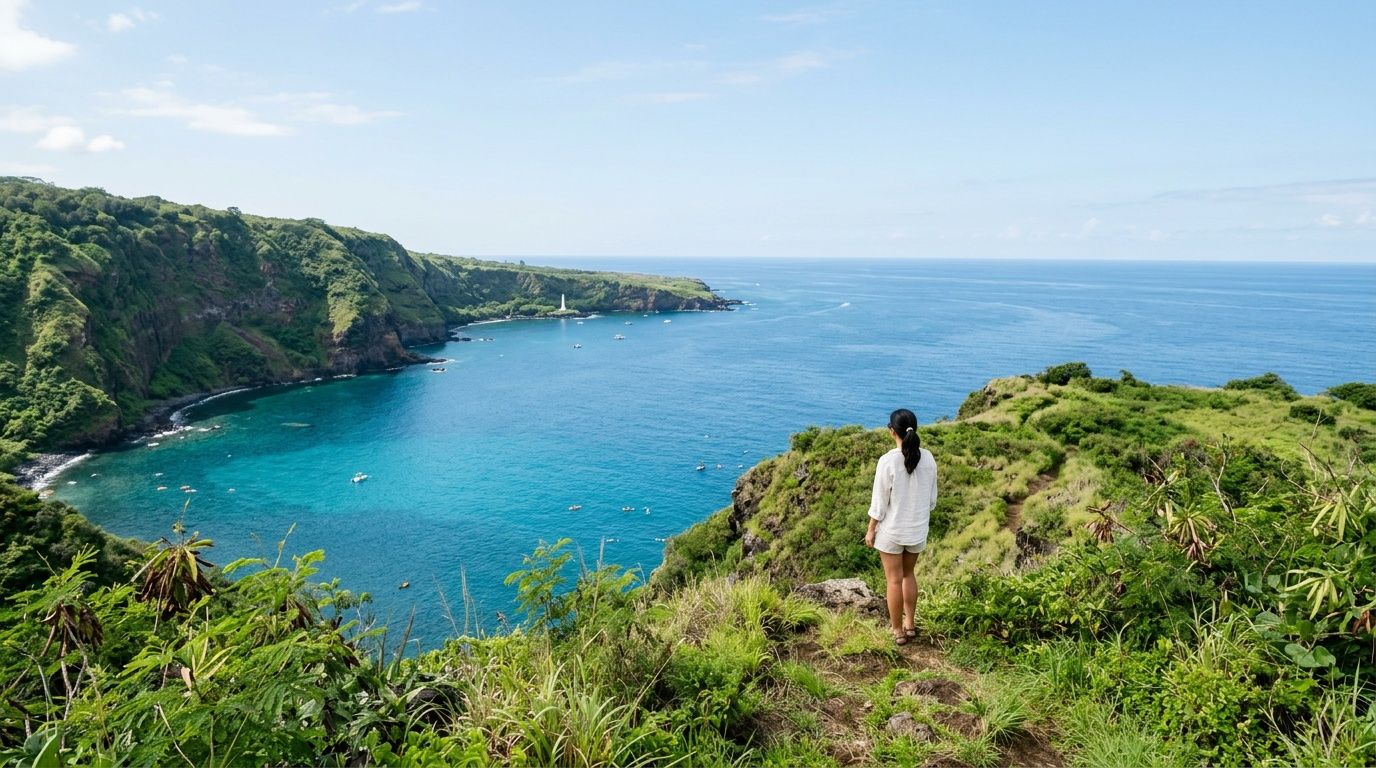
You leave the harbor early, coffee still in hand, and the coast starts changing as the boat heads south. Black lava cliffs catch the morning light, spinner dolphins sometimes show up offshore, and then Kealakekua Bay opens ahead of you with the Captain Cook Monument standing out against the shoreline. Before anyone puts on a mask, the trip already feels like more than a swim stop.
That is why Kealakekua Bay stays on so many must-do lists. People come for clear water, but they also come because the bay carries weight. You are visiting a marine life conservation district and one of the most discussed historic places on the Kona Coast, all in the same outing.
Why the planning stage matters
I tell guests to choose this trip the same way they would choose a charter fishing boat or a dive boat. Start with the whole day. Boat design, shade, boarding style, ride length, crew attention, and group size all shape the experience before you ever get in the water.
That matters even more for families, mixed ages, and anyone who is comfortable in a pool but unsure in the ocean. A smaller boat can feel personal and easier to manage, but it may ride rougher if the afternoon wind comes up. A larger catamaran usually gives you more deck space, more shade, and an easier platform for kids and older guests, but it can feel less intimate.
Ask practical questions. How long is the actual snorkel time? Does the crew give reef briefings that help first-time snorkelers settle in? Do they share the history of the bay during the ride, or is it mostly transport? If you want a factual look at one local operator and how the trip is set up, the Captain Cook snorkel tour page is a useful reference.
A well-run Captain Cook trip feels organized from check-in to the ride back to the harbor.
Small details help too. Harbor instructions, confirmation emails, and weather calls are easier to manage when your phone works properly, especially if your group is arriving in separate cars. Visitors who need dependable service on the island can sort that out with Ringo's American roaming solutions.
What this trip delivers that beach snorkeling doesn't
Boat access changes the character of the day. You see the coastline from offshore, hear the stories tied to the bay, and arrive with a better sense of where you are than you get from parking, walking, and swimming out from shore.
It also gives many groups an easier start. There is no rocky shoreline entry, no hauling gear down a trail, and no guessing whether you picked the right place to enter. For guests who want one South Kona outing that combines the ride, the history, and the snorkeling into a single experience, that difference is the whole point.
What Makes Captain Cook Snorkeling So Special
You notice the difference before anyone puts on a mask. As the boat rounds into Kealakekua Bay, the water shifts from open-coast blue to that clear, bright color that lets you read the bottom in places. Guests usually get quiet at that point. They can already tell this is not an ordinary snorkel stop.
Kealakekua Bay stands out because several parts of the day work together. The bay is sheltered compared with much of the Kona coast. The reef has enough fish life to keep both beginners and experienced snorkelers interested. The shoreline carries real historical meaning, so the ride in adds context instead of feeling like dead time. If you want a trip that combines scenery, water time, and a better feel for South Kona by boat, local Kona boat tours that visit the Captain Cook area show why this stretch of coast gets so much attention.
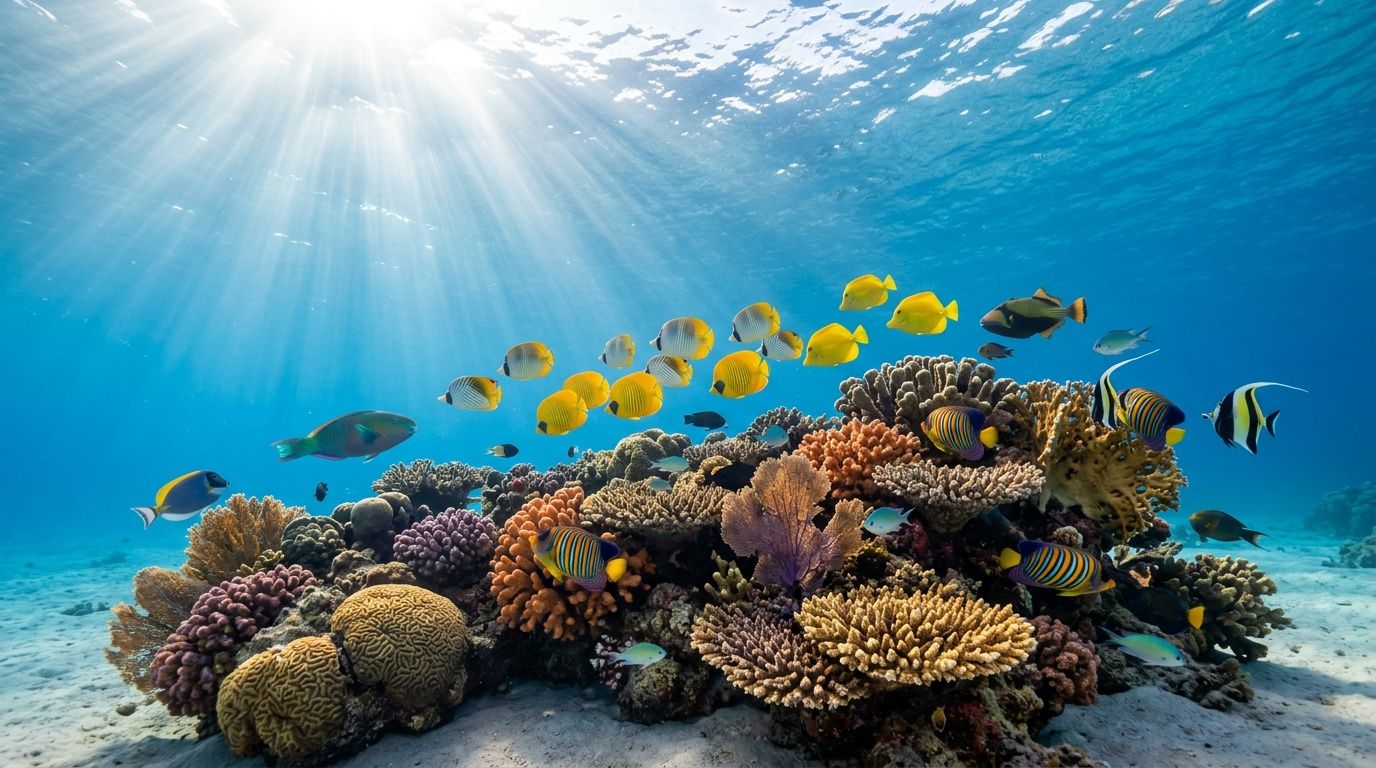
The practical advantage is visibility. On a good morning, snorkelers can see coral heads, schools of yellow tang, and the shape of the reef without working hard for it. That matters more than people expect. Clear water settles first-time snorkelers down fast because they are not staring into haze and wondering what is below them.
Protected water changes the experience
A protected bay affects more than the postcard view. It usually means cleaner-looking water, better fish spotting, and an easier session for guests who need a few minutes to get comfortable breathing through a snorkel.
That is one reason the site suits mixed groups so well. Strong swimmers can follow the reef edge and spend their time studying coral structure and fish behavior. Newer snorkelers can stay closer to the boat, get their breathing under control, and still see plenty. Families also benefit because the experience starts with less chaos than many shore entries.
A few things tend to stand out once you are in:
- Reef visibility: Coral structure is easier to follow, so you spend more time observing and less time searching.
- Fish life: Bright reef fish are common, and turtles do show up, though no honest crew should promise them every trip.
- Comfort in the water: Good visibility reduces that uneasy feeling some first-time snorkelers get in darker or murkier spots.
The historical side is part of the trip, not decoration
Kealakekua Bay has weight to it. The Captain Cook Monument is not just something to point at on the way to the snorkel site. It marks a place tied to major events in Hawaiian history, and that changes how people experience the bay from the boat.
Good crews handle this well. They give enough background to help guests understand what they are looking at, but they do not turn the ride into a lecture. That balance matters. The best trips use the boat ride well, with a little coastline interpretation, a little history, and then plenty of time to enjoy the water.
From a captain's perspective, that combination is what gives the outing its shape. You are not running to a reef, dropping people in, and heading home. You are carrying guests into a marine preserve with cultural and historical significance, and the ride through the bay should reflect that.
The strongest Captain Cook trips feel like a full coastal experience, not just an hour in a mask and fins.
Why this stop stays with people
Actual snorkel time matters, but it is only part of why people remember this bay. Once guests settle into their gear and stop thinking about the mask on their face, the place starts doing the work. The water is clear enough to reward slow looking. The reef has enough life to keep your attention. The setting around you still feels like Hawaiʻi, not just a generic swim stop with a famous name attached.
That is what makes Captain Cook snorkeling special. You get the boat ride in, the look at the coastline, the history of the bay, and then a snorkel that usually feels easier and richer than what casual beach entry can offer.
How to Choose Your Ideal Captain Cook Snorkeling Cruise
A good Captain Cook trip starts with the right boat for your group. I have seen families book purely on price, then spend half the morning managing nerves, crowded decks, and awkward water entries. The better approach is simpler. Match the tour format to the people coming with you.
Start with group size
Vessel size shapes the whole day. Smaller boats usually give you faster check-in, clearer briefings, easier questions, and less waiting at the ladder. Larger boats can offer more deck space and a steadier ride for guests who dislike the feel of a fast, smaller hull, but they also tend to move at the pace of a bigger crowd.
Analysts reviewing Tripadvisor ratings for Captain Cook snorkeling cruises found that smaller group experiences tend to score better than larger catamaran-style trips. On the water, that usually comes down to attention and flow. Crews can spend more time helping beginners and less time organizing a crowd.
If your group includes kids, nervous swimmers, or grandparents, small-group boats are often the safer pick.
Morning versus afternoon
Departure time matters more than many visitors expect. Morning trips usually work best for mixed groups because people show up fresher, the light is softer, and the day feels less rushed. Afternoon departures fit travelers who want to sleep in or stack snorkeling around other plans, but the sun is higher and guests are often slower to settle into gear.
Here's the practical comparison.
| Feature | Morning Tour (approx. 8 AM) | Afternoon Tour (approx. 12 PM) |
|---|---|---|
| Best for | Early risers, families, people who want the day open later | Travelers who prefer a relaxed morning |
| Energy on board | More focused and ready to gear up | More casual, sometimes slower to settle in |
| Sun exposure feel | Gentler at the start of the trip | Stronger overhead sun during much of the outing |
| Good fit for | First-time snorkelers and mixed-age groups | Guests with flexible schedules and ocean experience |
Decide how much the boat ride matters
Some tours treat the run to Kealakekua Bay like simple transportation. Others make the coastline part of the day, with sea caves, lava shelves, local history, and enough narration to help guests understand where they are without talking over the whole ride.
That difference matters if your group has non-snorkelers, first-timers, or anyone who wants more than a quick splash and return. The ride down the coast is part of what guests remember. If that matters to you, compare operators that put real thought into the route and the onboard experience, not just the swim stop. A few Kona boat tours are built with that fuller outing in mind.
Recommended styles and operators
For travelers who want a focused Kealakekua Bay outing, Captain Cook Snorkeling Tours and this Kealakekua Bay Captain Cook Monument tour are both direct options to compare.
Kona Honu Divers also runs snorkel and dive operations on the Big Island. The practical difference is not a slogan. It shows up in trip pacing, briefings, gear handling, and how well a crew reads a mixed-experience group.
Choose the boat that fits the least confident person in your group. Everyone has a better day when the slowest boarder and the newest snorkeler feel comfortable.
What to Expect on Your Captain Cook Snorkel Tour
Most captain cook snorkeling cruises start before anyone hits the water. They start at check-in, where you can usually tell within a few minutes whether the day will feel organized or chaotic. The good operations keep this part simple. You arrive, sign what's needed, hear where to stash your things, and get a clear briefing before the lines come off.
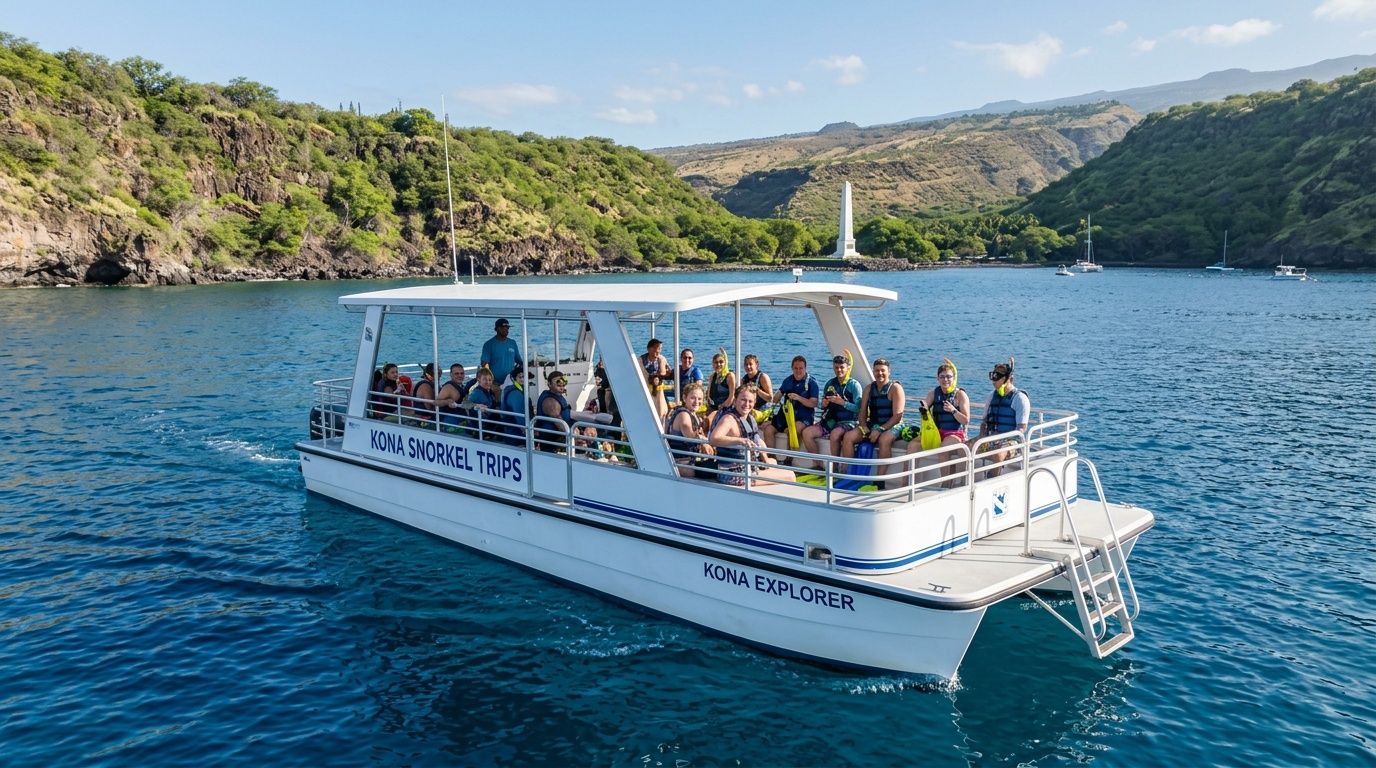
After departure, the boat ride becomes part sightseeing cruise, part orientation. Boats commonly leave from Keauhou Bay and run past lava cliffs and sea caves on the way south, which gives the trip more shape than a simple shuttle to the reef.
The briefing and gear matter more than people think
Once the boat reaches the bay, a solid crew slows things down just enough. They explain entry and exit, point out boundaries, and make sure beginners know how to use the gear before they step off the ladder.
That gear quality matters. Top tours provide high-quality gear including dry-top snorkels with purge valves and low-volume masks with hydrophobic coatings to prevent fogging, addressing common equipment failure points and enhancing the snorkeling experience, according to this Captain Cook snorkeling equipment FAQ.
That sounds technical until you're in the water. Then it becomes simple. Better masks leak less. Better snorkels reduce frustration. Guests stay calmer and spend more time looking down instead of adjusting straps.
What the in-water portion actually feels like
The best tours don't rush people straight off the boat. Some guests jump in immediately. Others need a minute to settle, watch the water, and get their bearings. A patient crew makes space for both types.
Once you're in, the rhythm changes. You hear your breathing, see the reef come into focus, and start spotting fish in layers rather than all at once. Guides who know the bay well can point out the things many visitors would miss on their own, including fish tucked against coral or eels in crevices.
If you want a broader look at what general snorkeling conditions are like on this side of the island, this Kona snorkeling guide is useful background.
The return ride rounds out the day
Most guests remember the bay itself, but the ride back often seals the trip. People are relaxed, warmed up, and talking about what they saw. Snacks and drinks matter here, not because they're fancy, but because simple comforts go a long way after salt water and sun.
Good tours don't feel rushed at the dock, rushed at the ladder, or rushed getting people back on board. That pacing is a quality marker.
How to Prepare for a Perfect Day of Snorkeling
A good Captain Cook day usually starts before you reach the harbor. Guests who arrive fed, hydrated, and dressed for sun tend to enjoy the whole trip more, including the boat ride out and the ride back. Guests who rush in with a coffee, no water, and no plan are often the ones fighting nausea, sunburn, or a leaking mask before they even settle into the bay.
Book ahead if you're traveling during a busy week. Boats have limited capacity, and the better fit for your group is often the first thing to sell out, especially if you need extra shade, a shorter ride, or beginner-friendly support. Before trip day, it also helps to check a Big Island ocean conditions guide so you know whether to expect a glassy morning or a bumpier run.
What to bring
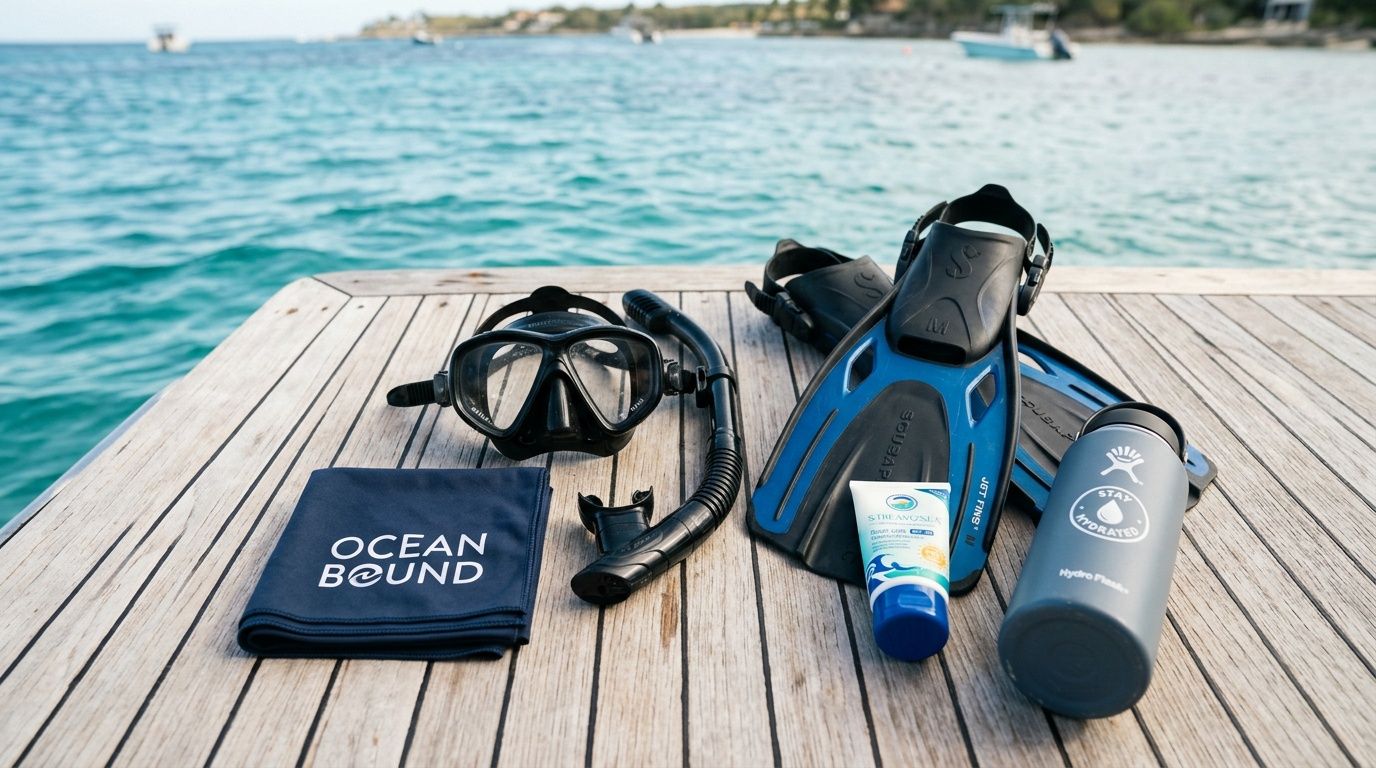
Pack for the full outing, not just the time in the water. A Captain Cook snorkeling cruise includes dock time, boat time, sun exposure, and a saltwater ride home.
- Swimwear already on: It speeds up boarding and keeps the morning simple.
- Towel and dry clothes: Useful after snorkeling, especially if trade winds pick up on the return.
- Hat and cover-up: Shade helps, but reflected light off the water still burns people fast.
- Water bottle: Dehydration sneaks up after sun, salt, and motion.
- Reef-conscious sun protection: Rash guards and good coverage usually work better than relying on sunscreen alone. For a practical breakdown of clothing, timing, and coverage, this ultimate guide to sun safety is worth reading.
- Phone dry pouch or small dry bag: Smart for keys, cards, and electronics.
- Any prescription items you may need on the boat: Keep them easy to reach, not buried in a suitcase.
Bring your own mask only if you already know it fits your face. A familiar mask can be great. A bad one can ruin the hour.
Seasickness prep that actually helps
Motion sickness is easier to prevent than fix once the boat is underway. If you know you get carsick, airsick, or queasy on small boats, treat that as a real warning sign.
Options people commonly use include:
- Patch option: Ship-EEZ Seasickness Patch
- Classic tablet: Dramamine pills
- Another pill option: Bonine pills
- Non-medication wrist option: Sea Band wristbands
- Mild stomach support: Ginger chews
Use whatever option is appropriate for you, and take it early enough to work before departure. I also recommend a light breakfast, plenty of water, and a seat where you can look out at the horizon. If your stomach starts turning, tell the crew right away. Early action gives you a much better chance of recovering quickly.
Preparation mistakes I see all the time
Small mistakes have a way of shaping the whole trip.
- Skipping food completely: An empty stomach often makes boat motion feel worse.
- Showing up dehydrated: Coffee alone does not count as hydration.
- Testing brand-new gear on the boat: If you bring your own mask or snorkel, check it before vacation or at least before leaving your lodging.
- Ignoring the boat portion of the day: Kealakekua Bay is the highlight, but you still spend real time in direct sun before and after the snorkel.
- Packing like you're heading to the beach on foot: Keep it compact. On a boat, a small organized bag is better than a pile of loose items.
The goal is simple. Set yourself up so the day feels easy from the harbor to the ride home, and you can pay attention to the reef, the coastline, and the history of the bay instead of your stomach, your skin, or what you forgot to bring.
Answering Your Top Captain Cook Snorkeling Questions
Is this trip good for beginners
Yes, usually. Kealakekua Bay is widely known for calm, sheltered conditions, and many captain cook snorkeling cruises are built to accommodate first-time snorkelers. The biggest difference maker isn't bravery. It's whether the crew is patient with mask fit, entry technique, and nervous swimmers.
Non-swimmers can still participate on some tours with flotation support and close crew supervision. What matters is being honest during check-in about your comfort level.
What about kids and older family members
Take the opportunity to ask questions before booking. There's a known information gap in published tour content around specific safety guidance for very young children and seniors, including boarding ease, rest periods, sun exposure, mobility concerns, and medical considerations, as noted in this safety gap analysis for Captain Cook tours.
So don't assume every operator handles those needs the same way. Ask directly about ladder access, time in the water, shade, flotation options, and how much assistance the crew can realistically provide.
If you're booking for a multigenerational group, the right question isn't “Can they come?” It's “How does this crew support them?”
Will we definitely see dolphins or turtles
No wildlife sighting is guaranteed, and any crew that promises that is overselling. The bay is rich with marine life, and that's the whole reason people go. But ocean animals don't work on a schedule for tourists.
A better mindset is to choose the trip for the quality of the reef and treat wildlife sightings as a bonus. That way the day is still a success even if the ocean keeps some cards hidden.
Is a boat tour better than kayaking or hiking in
For most visitors, yes. The published material around alternatives often says boat access is easier than hiking or kayaking, but there's also a documented lack of clear comparison data on total time investment, logistics, and access trade-offs in common tour content, according to this access-method gap review.
From a practical standpoint, boat tours remove a lot of friction. You don't need to figure out shoreline logistics, carry gear long distance, or arrive already worn out before you even get in the water. For families, casual vacationers, and guests who want historical narration with the reef session, the boat almost always gives the smoother day.
How do I know if Kona snorkeling is worth prioritizing
If you're deciding between several island activities, this guide to whether Kona has good snorkeling gives useful context. South Kona has strong water clarity, protected areas, and access by boat to places that feel very different from standard beach snorkeling.
That matters because vacation time is limited. A good Captain Cook trip checks multiple boxes at once. Boat ride, scenery, reef life, local history, and a real sense that you went somewhere distinct.
What kind of tour should most people book
For most groups, the safest bet is a smaller boat with a crew that takes the ride, the story, and the snorkel equally seriously. That format usually works better than packing onto the biggest vessel available just because it looks convenient.
If your group includes a nervous swimmer, a history buff, a strong snorkeler, and someone who just wants a beautiful Kona morning on the water, that balanced style tends to satisfy all of them.
If you want to pair a Captain Cook snorkel day with deeper Big Island water experience, Kona Honu Divers offers boat-based snorkeling and scuba options with a strong local focus on safe, well-run ocean trips.