
You are likely reviewing several Captain Cook snorkel tour options and seeing that they all offer similar highlights. Clear water, tropical fish, and a historic bay make these trips ideal for families and beginners alike. While those descriptions are accurate, they provide little guidance when you are selecting the specific boat, departure time, and excursion that best fits the group traveling with you.
The difference between a smooth, memorable day and a day that feels rushed usually comes down to a few practical choices. Boat style matters. Departure time matters. Group composition matters. If you've got small kids, a grandparent, a nervous first-time snorkeler, or someone who loves fast boats and sea caves, the “best” captain cook snorkel tour changes fast.
Discovering the Magic of Kealakekua Bay
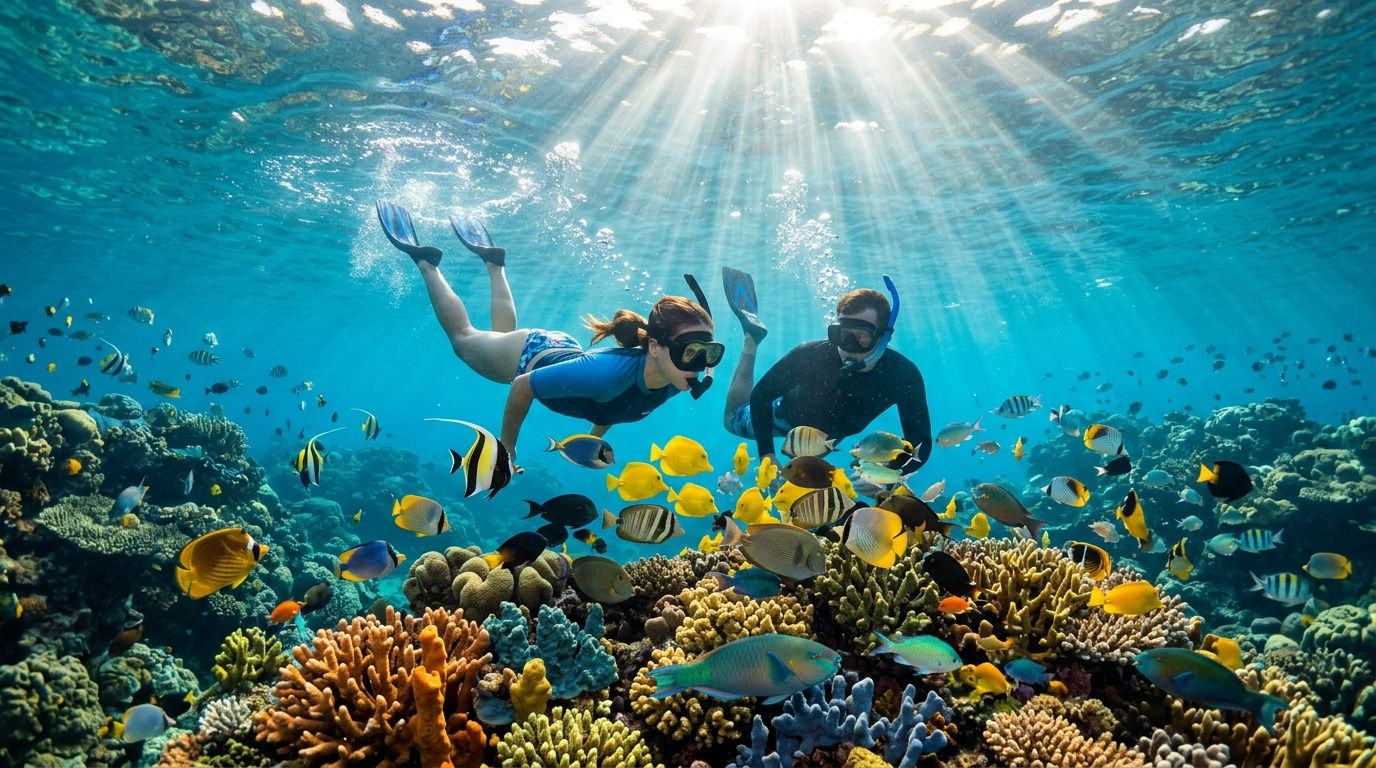
Kealakekua Bay has a way of settling people down the moment the boat rounds the coastline. The water shifts to that deep clear blue Kona is known for, the monument comes into view, and even people who started the morning chatting usually go quiet for a minute. Once they get in, that's when it clicks. The reef rises toward the surface, schools of reef fish move through the coral, and the whole place feels protected in the truest sense of the word.
This bay isn't popular by accident. Captain Cook snorkel tours in Kealakekua Bay attract over 190,000 visitors annually, and about 70% come primarily for the historical significance while 30% focus mainly on the snorkeling opportunities, according to this Kealakekua Bay visitor overview. That split makes sense when you spend time here. Some guests come for the white monument and the history tied to 1779. Others come for the reef. Most leave talking about both.
Why this bay feels different
A captain cook snorkel tour isn't just a boat ride to a pretty cove. It puts you in a place where Hawaiian history and marine life sit in the same frame. You can float over coral and then look up at one of the most recognizable shore landmarks on the Big Island.
For trip planning, it helps to start with a broader look at the options in the bay. This guide to the top Kealakekua Bay snorkeling tours is a useful starting point if you're narrowing down operators.
Kealakekua Bay rewards people who choose their tour based on fit, not marketing. A family of five, a confident swimmer, and a seasick-prone first timer usually shouldn't book the same style of trip.
What a good day here looks like
A strong tour gets a few basics right:
- Easy entry into the water: Guests spend less time fumbling with gear and more time snorkeling.
- Clear guidance: Beginners know where to go, how to float, and how to stay off the reef.
- Respect for the place: Good crews treat the bay as both a sanctuary and a historic site, not just a backdrop.
That mix is why this remains one of Kona's classic ocean days.
A World-Class Underwater Sanctuary
The reason Kealakekua Bay keeps its reputation year after year is simple. The reef is protected, and protection shows underwater. You see it in the coral density, the fish activity, and the overall condition of the bay.
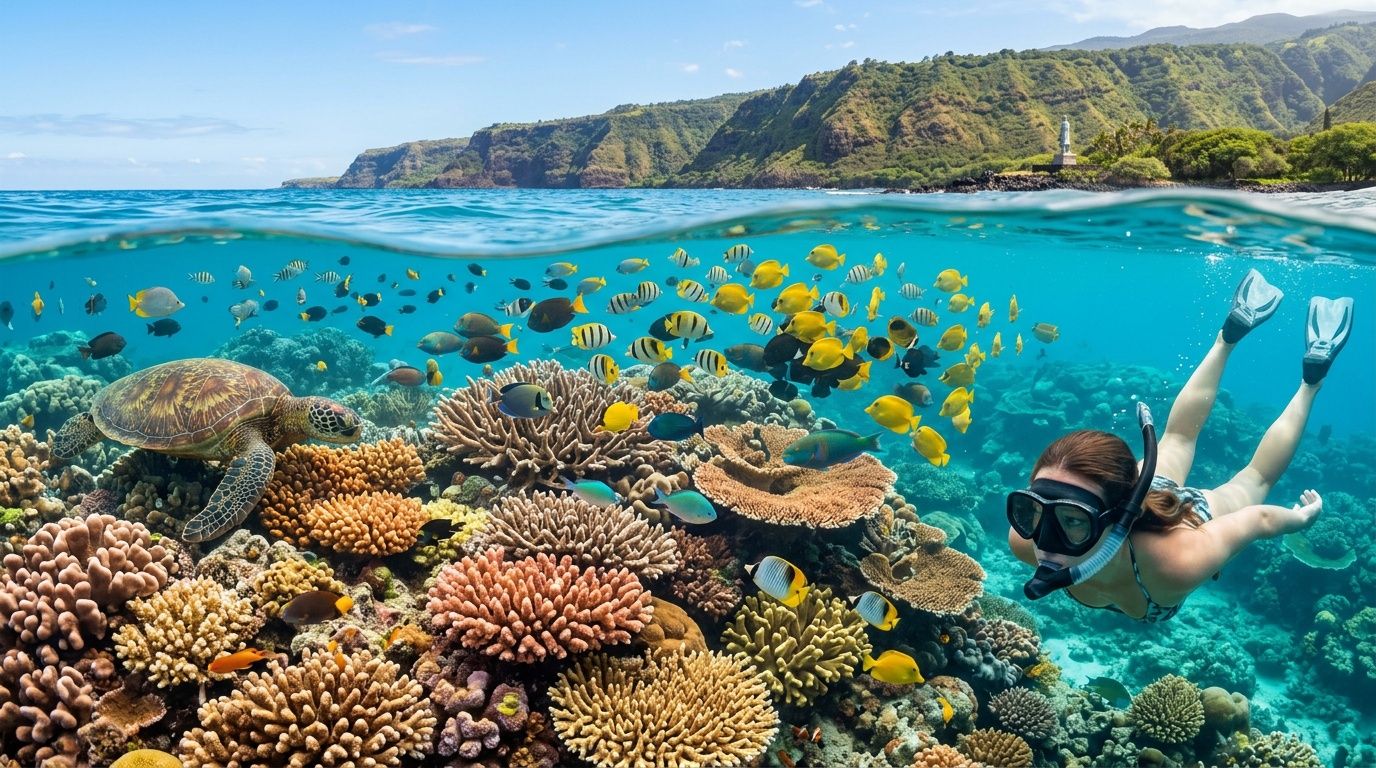
Kealakekua Bay is a Marine Life Conservation District, and that status matters. According to this Kealakekua Bay conservation summary, coral cover densities are 2 to 3 times higher than adjacent non-protected zones, and Reef Check Hawaii data cited there shows 85% lower harmful macroalgae coverage than other areas. Those aren't abstract numbers. They explain why the reef looks alive instead of stressed.
What the protected status means in the water
When fishing pressure and anchoring are restricted, coral gets a chance to hold ground. Herbivorous fish keep algae in check. Visibility stays strong when conditions line up. Snorkelers feel the result immediately because the bay reads clearly even to people who've never worn a mask before.
The bay is also known for excellent water clarity, often in the 80 to 100 foot range in the verified data tied to the same source family. In practical terms, that means you don't have to dive down to enjoy it. A lot of the beauty is right there from the surface.
What you're likely to notice first
Most guests notice color before species. Yellow tangs, parrotfish, triggerfish, and shifting schools over coral heads grab attention fast. Then people start picking out details. Moray eels in cracks. Turtles moving through the edge of the reef. The occasional dolphin sighting from the boat.
Here's what stands out in this bay:
- Coral structure: The reef has more visual texture than many first-time visitors expect.
- Fish density: Even beginner snorkelers don't have to work hard to see a lot.
- Surface-friendly viewing: You can stay relaxed and still get a full experience.
The best snorkel spots aren't always the ones with the longest species list. They're the places where average visitors can actually see the ecosystem working in real time.
Why snorkelers and divers both respect this place
Snorkelers love Kealakekua because it's readable from the top. Divers respect it for the same reason. Healthy reef systems are obvious when you know what to look for. If you also want to compare this snorkel experience with what's available below the surface around Kona, this overview of Big Island diving gives useful context.
A captain cook snorkel tour works because the bay delivers on first contact. You slide in, put your face in the water, and the reef is already there.
Finding Your Perfect Captain Cook Snorkel Tour
While selecting a tour company often involves reading reviews and comparing prices, for Kealakekua Bay, the smarter move is to choose the kind of boat that fits your group. Vessel design shapes the whole day. It changes the ride, the pace, how easy entry feels, and how much of the trip is spent underway versus in the water.
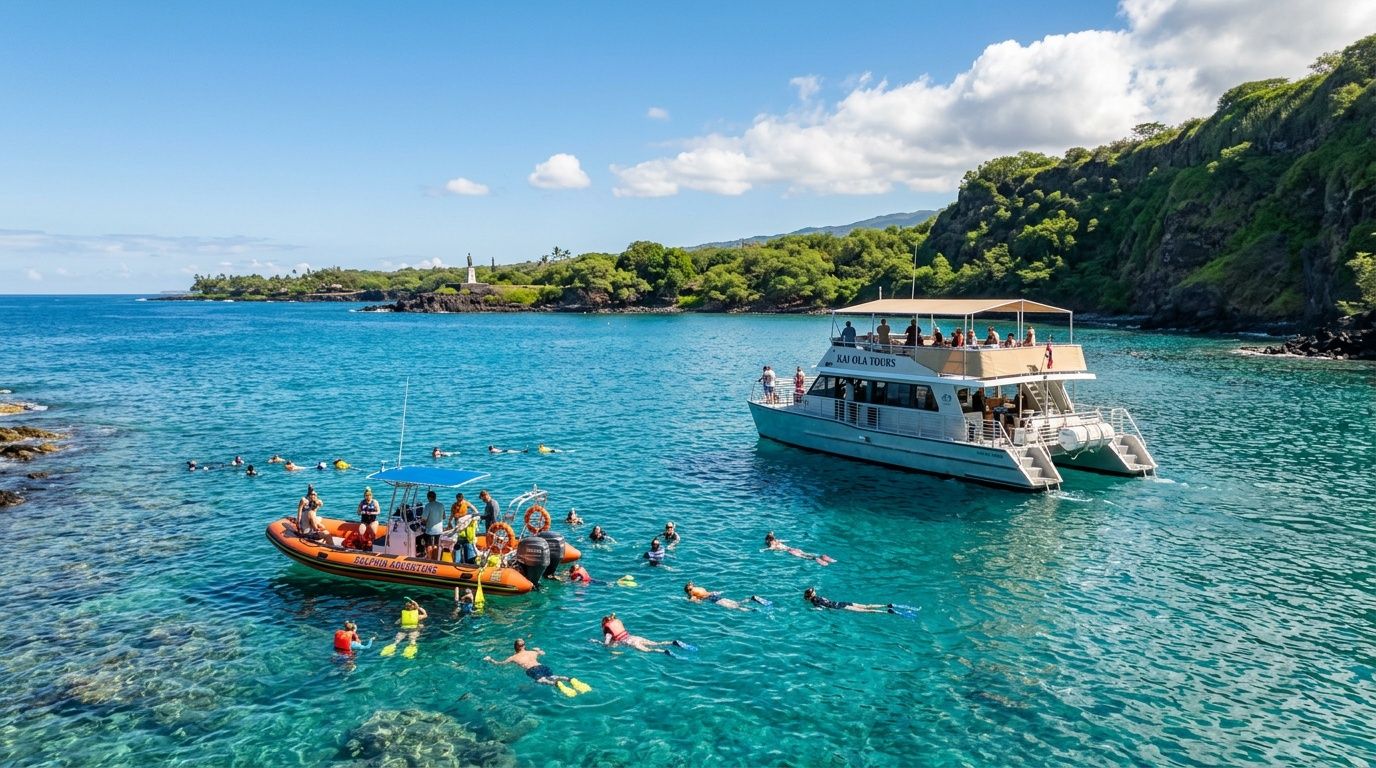
According to this boat design comparison for Captain Cook tours, rigid-hull inflatable boats can reduce transit time to 25 to 35 minutes and access sea caves, while larger catamarans offer more stability and amenities like shaded decks, which contribute to a 20% higher satisfaction rating on some tours. That is the primary trade-off. Speed and access versus space and comfort.
RHIB or Zodiac style tours
These are the adventure-forward trips. They sit lower on the water, move faster, and usually feel more personal. If your group likes action and doesn't mind a livelier ride, this style often feels like the better use of time.
They're a good fit for:
- Confident adults and teens: People who enjoy a quick coastal run usually love them.
- Repeat snorkelers: Guests who don't need a lot of hand-holding tend to appreciate the pace.
- Travelers who value water time: Less transit can mean more focus on snorkeling.
What doesn't work as well is bringing someone who hates chop, has significant mobility concerns, or expects lots of onboard amenities.
Catamaran style tours
Catamarans solve a different problem. They're more stable, usually offer more shade, and often make the whole day easier for mixed groups. Families with younger kids often do better on this style. So do travelers who want a restroom onboard, more room to move, and a less sporty ride.
They make sense when your priority is:
| Tour priority | Better fit |
|---|---|
| Fast ride and smaller feel | RHIB or Zodiac |
| Stability and shade | Catamaran |
| Sea cave access | RHIB or Zodiac |
| Family comfort and amenities | Catamaran |
Choosing by traveler type
If you're still stuck, choose based on the person most likely to struggle.
- Small children or cautious grandparents: Book the more stable boat.
- Adventure-minded couple: Book the smaller fast boat.
- Group with one nervous non-swimmer: Stability, easy ladders, and more deck space usually win.
- Cruise passengers planning independently: It helps to compare cruise ships and port logistics first so your island day fits your actual schedule.
A tour feels “perfect” when the least confident person in your group still has a good time.
Operators worth considering
For this route, two useful places to compare are Kona Snorkel Trips Captain Cook tour and Captain Cook Snorkeling Tours. Both give you a direct look at what each operator emphasizes.
Kona Honu Divers also runs Kealakekua Bay trips and is relevant here because they operate in the same Kona water culture and serve guests looking for guided ocean experiences, including snorkeling and diving options through their broader Big Island snorkeling tour guide.
Morning vs Afternoon Which Tour is Better?
If you want the short answer, morning is generally preferred. If you want the more useful answer, it depends on who's in your group and what kind of day you want.
Marine activity tends to peak between 8 and 11 AM, and afternoon visibility can still remain over 100 feet, though changing sun angle reduces contrast and small afternoon swells can be more challenging for beginners, according to this Captain Cook tour timing guide. That lines up with what regular Kona crews see. Morning light makes fish and coral easier to read. Surface conditions are often friendlier to first-timers.
When morning is the right call
Morning tours are usually the better choice for:
- Beginners: Calmer surface conditions make mask adjustment and breathing easier.
- Families: Kids often do better earlier, before fatigue and heat set in.
- Photographers and fish watchers: Better contrast helps the reef stand out.
If someone in your group is already unsure about snorkeling, stack the deck in their favor and book the early departure.
Morning trips are where I'd send almost every first-time snorkeler. Better light and calmer water remove a lot of friction before it starts.
When afternoon makes sense
Afternoon isn't wrong. It's just more specific.
A later departure can work well for travelers who don't enjoy early check-in times, for groups with experienced swimmers, or for people who care more about a relaxed day than peak reef contrast. Some guests also prefer the softer feel of the return run later in the day.
A simple timing rule
Use this rule if you're deciding quickly:
| Your priority | Better choice |
|---|---|
| Calmest conditions | Morning |
| Best reef contrast | Morning |
| Easier trip for beginners | Morning |
| More flexible start to the day | Afternoon |
If ocean conditions are part of how you make travel decisions, this guide on checking Big Island ocean conditions is worth reviewing before you book.
How to Prepare for Your Snorkel Adventure
Most captain cook snorkel tour mistakes happen before the boat leaves the harbor. People bring too much, forget one important thing, or book a style of trip that doesn't match their comfort level. Good prep keeps the day simple.
The first practical decision is seasickness. If you're prone to motion issues, deal with it before boarding, not after the boat is moving. Some travelers use a Ship-EEZ Seasickness Patch, while others prefer Dramamine pills, Bonine pills, Sea Band wristbands, or ginger chews. Different people respond to different approaches, so use what has worked for you before.
What to bring and what to leave in the car
Most tours provide mask, snorkel, fins, and flotation. You don't need to pack like you're crossing an ocean.
| Item | Why You Need It |
|---|---|
| Swimsuit | Easiest to wear under your clothes before check-in |
| Towel | You'll want it for the ride back |
| Reef-safe sunscreen | Helps protect your skin without adding unnecessary stress to the reef |
| Hat and sun shirt | Useful before and after snorkeling |
| Water bottle | Good backup even if drinks are provided |
| Dry bag or waterproof pouch | Keeps phone, keys, and wallet protected |
| Motion sickness remedy | Best handled before departure |
Safety for beginners and non-swimmers
Many people overcomplicate things. You do not need to be a strong ocean athlete to enjoy this trip, but you do need to be honest about your comfort level.
According to this Captain Cook snorkeling safety overview, most tours make lifejackets mandatory for non-swimmers near the boat, some operators are introducing ADA-compliant vessels, and boat-based tours are statistically safer than unguided kayak entries, which have a 30% higher incident rate according to HI-DLNR reports. That last point matters. A guided boat trip removes a lot of unnecessary difficulty.
Here's what usually works best:
- Tell the crew early: Don't wait until you're on the swim step to mention you're nervous.
- Use flotation without apology: It saves energy and lets you focus on the reef.
- Stay near the guide or boat first: Confidence tends to build once breathing settles down.
The guests who have the best first snorkel are usually the ones who listen closely, float more, and try to do less.
One gear note people often overlook
If you're comparing safety systems more broadly for family boating and general marine use, this article on choosing automatic life vests for boating gives useful context. It isn't a substitute for tour-provided flotation, but it helps explain why vest style and fit matter.
For more trip-specific planning, this guide on how to avoid sea sickness is a practical read before your departure day.
Booking Your Tour and What to Expect
Most captain cook snorkel tour bookings are straightforward. The part that helps is knowing the rhythm of the day before you show up. That way you're not guessing about timing, check-in, or what happens once the boat leaves.
What the day usually looks like
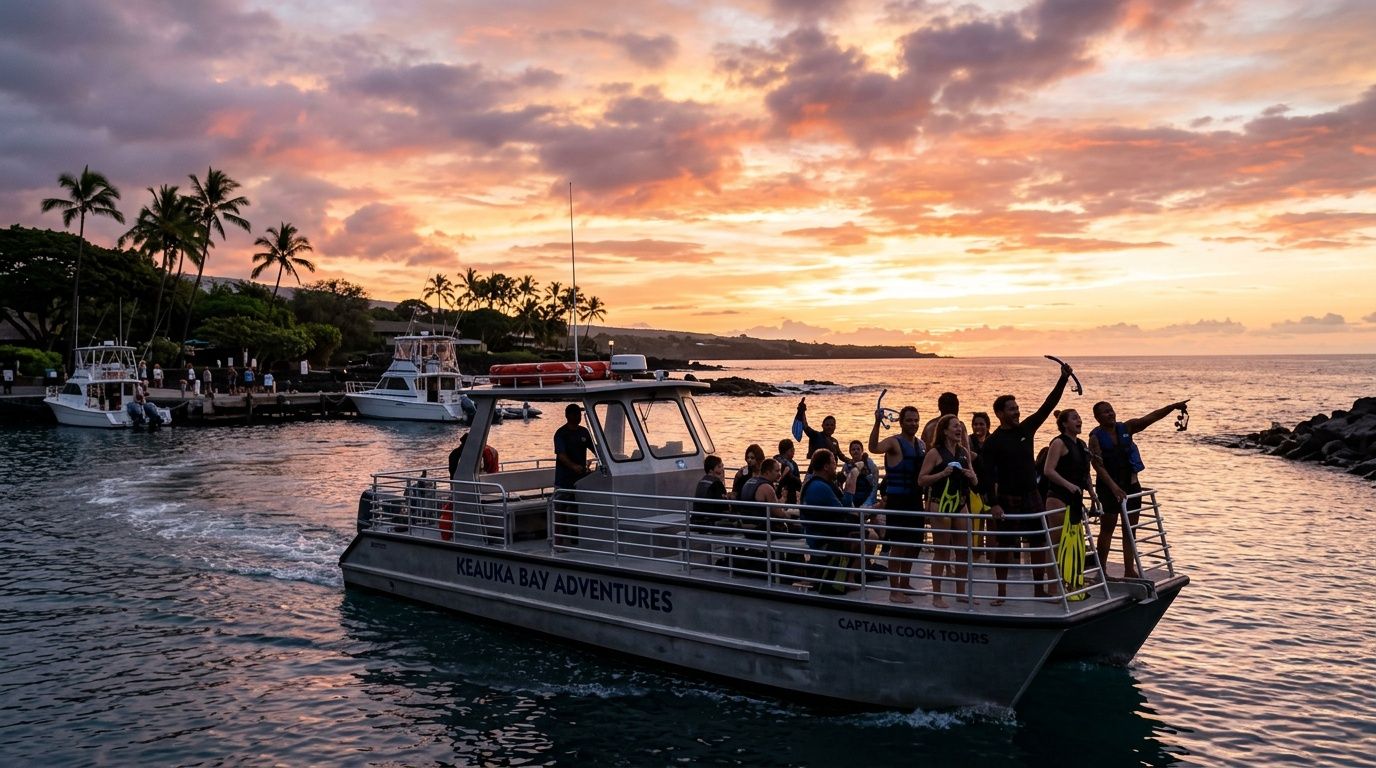
A typical trip follows this flow:
- Check in at the departure point: Arrive early enough to park, sign waivers, and get fitted if needed.
- Listen to the safety briefing: Pay attention here. It answers most of the questions people ask later in the water.
- Ride down the coast: This is often one of the underrated parts of the day. You get lava coastline, local history, and a sense of how protected the bay sits.
- Snorkel at the main site: Some tours keep the day simple with one focus area. Others may use a second stop depending on conditions and format.
- Head back with snacks or lunch depending on the trip: This is usually when everyone starts comparing fish sightings.
What to confirm before you book
Don't just book on price. Confirm the things that affect your experience.
- Boat type
- Departure time
- Shade and restroom access
- What gear is included
- Whether the tour suits children, beginners, or non-swimmers
FAQ Your Captain Cook Snorkel Tour Questions Answered
Can I reach the Captain Cook Monument without a tour?
Yes, but for most visitors it's not the practical choice. Access without a boat usually means a demanding hike or arranging a legal kayak plan. A guided boat trip is the simpler way to reach the prime snorkel area without turning the day into a logistics project.
Is this a good tour for beginners?
Yes, especially on the right boat and at the right time of day. Beginners usually do best on morning departures with stable platforms, clear safety briefings, and flotation available from the start.
Will I definitely see turtles or dolphins?
No operator can promise wildlife. These are wild animals, and sightings vary with conditions and timing. The good news is that Kealakekua Bay has the kind of healthy habitat that makes marine life the norm, not the exception.
Is a captain cook snorkel tour good for kids?
Usually, yes. The key is matching the tour style to the child. Younger kids often do better on larger, more stable boats with shade and easier entry. Older kids who like adventure often enjoy smaller fast boats if conditions are suitable.
Should I wear reef-safe sunscreen?
Yes. This bay is a protected marine area, and your sunscreen choice is one of the easiest ways to reduce impact. Apply it before departure so it has time to set before you enter the water.
What if I'm not a strong swimmer?
Tell the crew before the briefing ends. That gives them time to set you up with flotation, explain entry and exit clearly, and point you to the easiest way to enjoy the bay. Plenty of guests have a great day here without being strong swimmers.
How far in advance should I book?
Popular travel dates fill earlier than people expect, especially when families want a specific morning slot. If your Kona itinerary is fixed, book once your travel days are set rather than waiting to see what's left.
If your trip to Kealakekua Bay sparks a bigger interest in Kona's underwater world, take a look at Kona Honu Divers. They offer guided ocean experiences on the Big Island and are a solid next step if your snorkeling day leaves you wanting more time in the water.