
You’re probably making the same decision most Big Island visitors make once they realize how famous this spot is. Do you book a Captain Cook snorkel tour, or do you try to piece it together yourself?
That question matters because Kealakekua Bay rewards good planning and punishes lazy planning. Get it right, and you end up floating over coral and clouds of reef fish in water so clear it can look unreal. Get it wrong, and you spend the day fighting logistics, wind, sun, or your own nerves.
The bay isn’t just pretty. It’s one of those places where the setting, the history, and the underwater life all stack on top of each other. You can be staring at the white monument on shore one minute, then looking down at a reef full of movement the next. That combination is why so many visitors put a Captain Cook snorkel at the top of their Kona list.
Your Guide to Snorkeling Paradise at Kealakekua Bay
A good Captain Cook snorkel starts with the first few seconds in the water. You slide in, put your face down, and the bay answers immediately. Bright fish are already there. The reef comes into focus fast. The monument sits on the shoreline as a reference point, but your attention goes underwater almost at once.
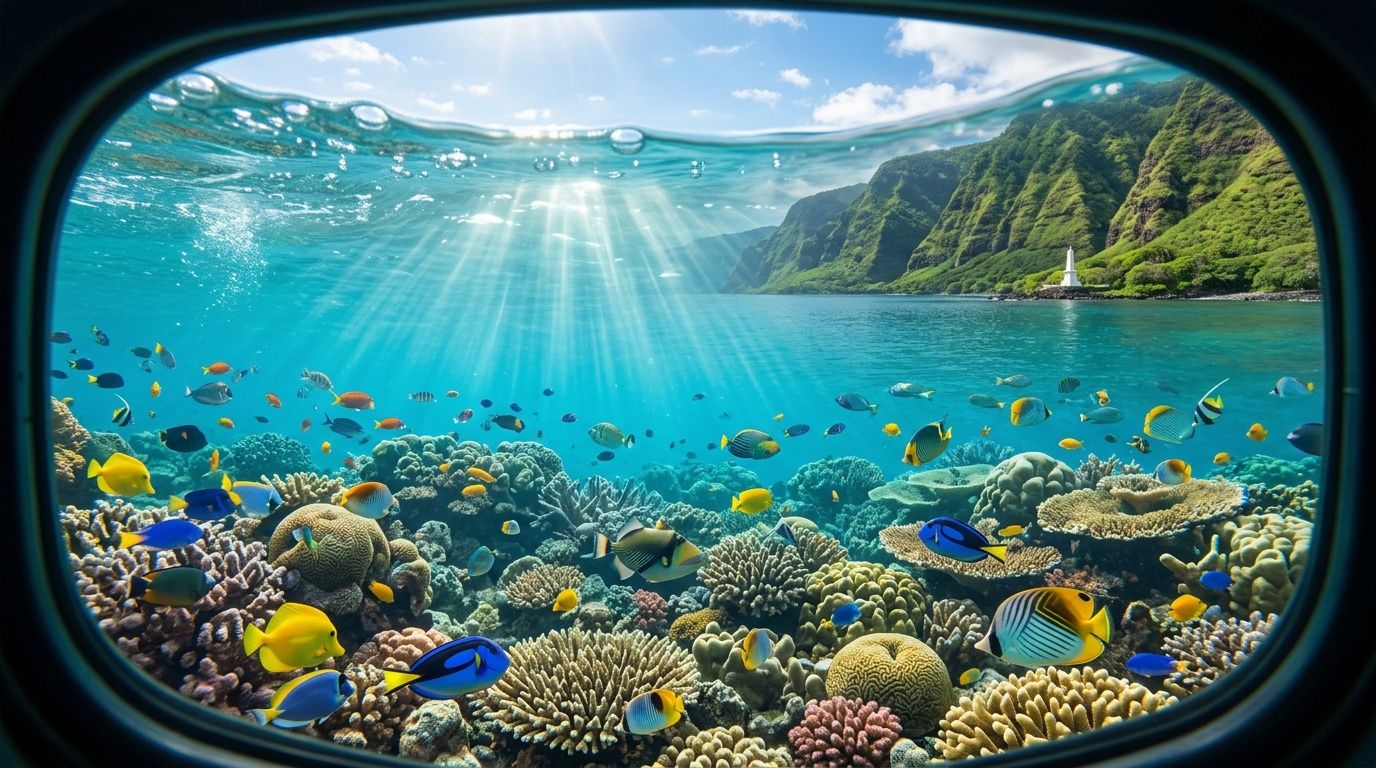
That first impression is why Kealakekua Bay keeps its reputation. It feels accessible once you’re there, but it’s not a place where every visitor should improvise. The bay works best when you understand what kind of snorkeler you are, what conditions matter, and how much support you want once you hit open water.
Some people want a simple boat ride, gear, and a guide who handles the hard parts. Others want more independence and are willing to trade convenience for it. Families usually need very different advice than strong swimmers who are comfortable managing their own pace. That’s where most tourist-brochure summaries fall short. They tell you the bay is beautiful. They don’t tell you how to choose the right approach.
If you want a broader planning resource before locking in details, this guide for Kealakekua Bay experiences is useful for understanding the different ways visitors experience the bay. If you already know you want a guided outing, this Kealakekua Bay snorkeling tour overview shows what a boat-based option looks like in practice.
Why this bay keeps people talking
Three things make this place stand out.
- Protected water: The bay’s protected setting helps preserve the reef and marine life.
- Clear conditions: On a good day, the visibility gives even first-time snorkelers confidence.
- Historic setting: You’re not just swimming anywhere. You’re in one of Hawaii’s most historically significant bays.
Practical rule: Don’t judge Kealakekua Bay by photos alone. Judge it by how well your trip plan matches your comfort level in the water.
That’s the key to a strong Captain Cook snorkel day. Not hype. Fit.
The Storied Waters of Kealakekua Bay
You can spot the white monument from the water long before you reach the best coral. For a lot of visitors, it starts as a navigation point. Once you know what happened here, it changes the whole feel of the bay.
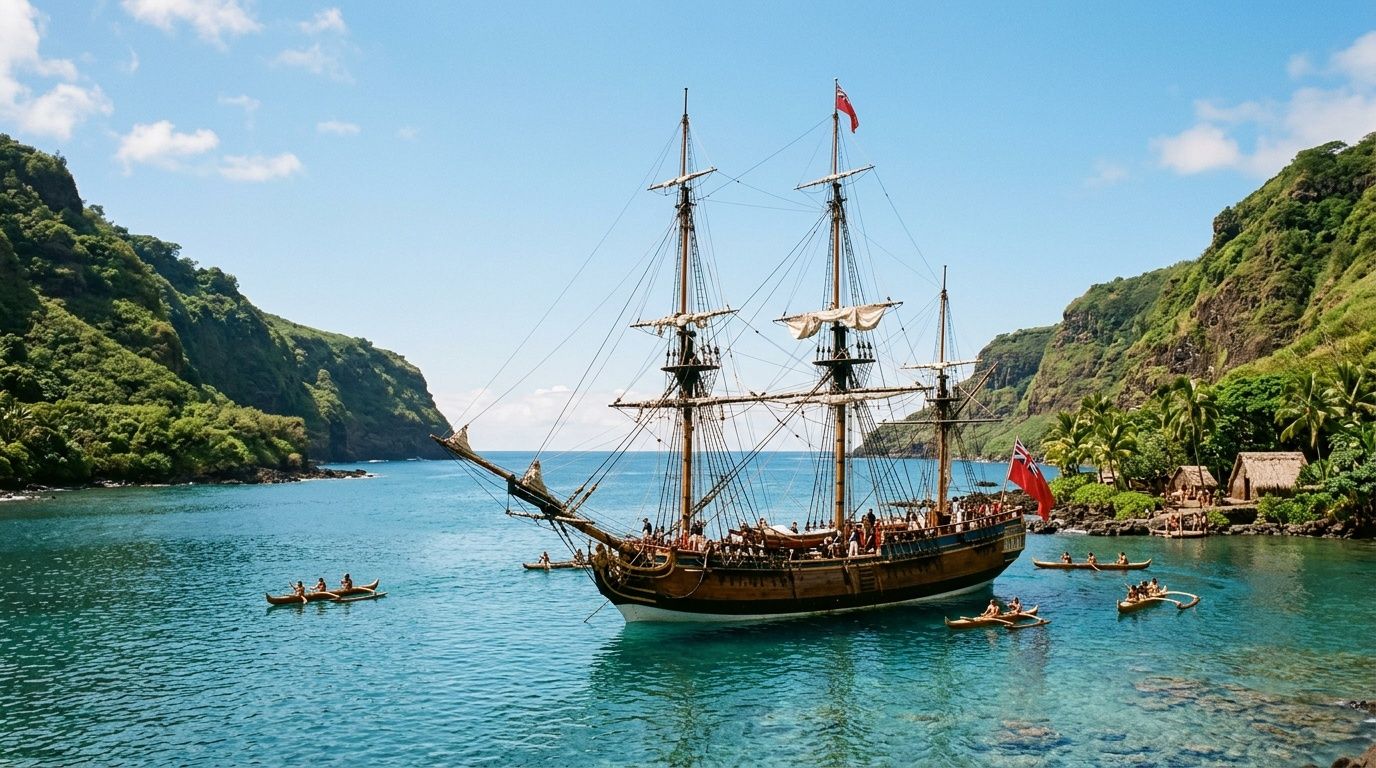
Kealakekua Bay is one of those places where the snorkeling and the history sit right on top of each other. People come for clear water, calm mornings, and the reef below the monument. They leave remembering that the shoreline also marks a major turning point in Hawaiian history. If you are choosing between a quick sightseeing stop and a trip where context matters, this is a bay that rewards slowing down and paying attention.
Captain James Cook reached Hawaiʻi in 1778 during his Pacific voyage, as outlined by the National Park Service overview of Cook's arrival in Hawaiʻi. His later arrival at Kealakekua Bay in 1779 happened during Makahiki, a season with its own religious and political meaning in Hawaiian life. Early interactions were peaceful. The situation later deteriorated after Cook returned to the bay, and conflict at the shoreline ended with his death.
That story gets oversimplified all the time. The monument is not the history itself. It marks an area tied to first contact, misreading on both sides, and violence that affected Hawaiians first and longest.
For snorkelers, the practical point is simple. This is not just a reef with a famous name.
The bay holds cultural and historical weight, and your approach should reflect that whether you arrive by kayak or on a boat tour. Good guides explain that well. Strong independent visitors usually do better here when they read up before they go, rather than treating the monument as a backdrop for photos. If you are comparing operators, these Kealakekua Bay snorkeling tour options can help you see which trips tend to include more historical context instead of just water time.
What the monument means once you are in the bay
From the water, the monument gives people an easy reference point. It also creates a common mistake. Visitors fixate on the white obelisk and miss the larger setting around it, including the cliffs, the old village area, and the protected waters that made this place important long before modern tourism.
A respectful visit usually looks like this:
- Treat the monument as a marker, not the main attraction: The reef may be why you entered the water, but the site deserves more than a quick glance and a selfie.
- Listen to historical briefings: Families often get more out of the stop when kids understand why this bay matters, not just what fish they might see.
- Keep your behavior low-impact: Stay off sensitive shoreline areas, avoid crowding landing spots, and keep the same care above water that you use around coral below.
- Choose the right trip style for your goals: If history is part of the reason you came, a guide who explains the bay well can add more value than extra snorkel time.
I have found that experienced snorkelers often focus on conditions first, which makes sense. First-timers and families usually remember the setting as much as the fish. Kealakekua works best when you give both their due.
Accessing the Bay DIY vs Guided Tours
This is the decision that shapes your whole day. Not reef-safe sunscreen. Not which camera you bring. How you access the bay is the biggest fork in the road.
Most visitors considering a Captain Cook snorkel fall into two camps. One group wants independence and is willing to manage effort, timing, and navigation. The other wants a cleaner path to the water with less friction and more support. Neither choice is automatically wrong, but one is usually better for most travelers.
The real trade-off
DIY sounds romantic until you add up what it asks of you. You need to manage transport, timing, conditions, gear, and your own energy before you even start snorkeling. Guided boat tours remove a lot of that workload.
That’s why I usually frame the choice this way. If the process of getting there is part of the adventure for you, DIY can make sense. If the snorkeling itself is the priority, guided access usually wins.
Here’s the side-by-side version.
DIY Kayak vs Guided Boat Tour at Kealakekua Bay
| Factor | DIY Kayak | Guided Boat Tour |
|---|---|---|
| Effort | Higher physical and logistical effort | Lower effort once booked |
| Flexibility | More independent pacing | Fixed departure and return schedule |
| Water access | You manage entry, gear, and route | Crew usually handles setup and briefing |
| Best for | Strong, self-sufficient travelers who want a more hands-on outing | Families, first-timers, casual snorkelers, and anyone who wants support |
| Risk management | You carry more responsibility | Guide and crew support reduce common beginner mistakes |
| Energy use | You may burn energy before snorkeling starts | You usually arrive fresher for the actual snorkel |
When DIY makes sense
DIY works best for travelers who already know they like self-supported ocean days. If you’re comfortable paddling, handling changing conditions, and keeping enough energy in reserve to snorkel well, you may enjoy the independence.
DIY usually does not work well for people who:
- Underestimate the outing: If you think the snorkel starts fresh after the paddle or approach, you may be surprised by how much energy you’ve already spent.
- Travel with kids: Family groups often do better when someone else handles the big moving parts.
- Get anxious in open water: Independence can magnify stress, not reduce it.
Why guided tours work for more people
A guided boat tour removes most of the unglamorous friction. You board, get briefed, gear up, and enter the water with a much clearer plan. That matters more than people think.
A good crew also fixes small problems before they become big ones. Foggy mask. Fin fit issue. Nervous first-time snorkeler. Child who needs flotation and reassurance. Those are normal problems, and guided trips are built to absorb them.
If you’re comparing operators, this roundup of Kealakekua Bay snorkeling tour options is a practical place to start. For direct tour pages, two commonly used options are Kona Snorkel Trips Kealakekua Bay Captain Cook Monument tours and Captain Cook Snorkeling Tours.
One other factual option in this space is Kona Honu Divers, which also runs guided snorkeling at Kealakekua Bay.
On-the-water reality: Most visitors don’t need more adventure getting to the bay. They need less friction before they get in the water.
Planning Your Trip Best Times and Conditions
Timing matters more at Kealakekua Bay than many visitors expect. If you can choose only one variable to optimize, choose the morning.
Kealakekua Bay offers water visibility often up to 100 feet, and those conditions are best in the morning when calm water and better light angles illuminate the reef. Afternoon trade winds can increase surface chop and reduce visibility by 30 to 50 percent due to resuspended sediment, so a 7 to 9 AM departure is the target window for the best overall snorkeling conditions, according to this Kealakekua Bay visibility guide.
What that means in practice
Morning trips usually feel easier for three reasons:
- Cleaner surface conditions make it easier to relax and float.
- Better visibility helps newer snorkelers settle in faster.
- Brighter reef views make fish spotting much simpler.
If you’re deciding between sleeping in or booking the early departure, book the early departure.
Weather and comfort checks that matter
Before any Captain Cook snorkel, I’d pay attention to:
- Wind exposure: Even a good bay can feel very different once afternoon breeze builds.
- Your own energy level: Tired snorkelers make sloppy decisions.
- Boat comfort: If you’re prone to motion issues, plan for that before boarding.
This Big Island ocean conditions guide is helpful if you want to understand what to look for before you commit to a day on the water.
If you get seasick, handle it before the boat leaves
A lot of people wait until they feel sick. That’s backwards. Prevention is the move.
Useful options include Ship-EEZ Seasickness Patch, Dramamine pills, Bonine pills, Sea Band wristbands, and Ginger chews.
What tends to work best is simple:
- Take prevention early: Don’t wait until the boat is moving.
- Eat lightly: An empty stomach and a heavy breakfast can both backfire.
- Stay in airflow: Fresh air helps many people settle faster.
If you know you’re sensitive on boats, treat that as a planning detail, not a character flaw.
People who prepare for motion sickness usually enjoy the snorkel. People who try to power through it often spend the ride miserable and hit the water already drained.
What You Will See Beneath the Waves
The first thing strong swimmers notice at Kealakekua Bay is the visibility. The first thing newer snorkelers notice is how quickly the reef fills the mask. You are usually looking at fish within seconds, which is one reason this spot works for both confident snorkelers who want to cover water and families who just want an easy, rewarding first drop.
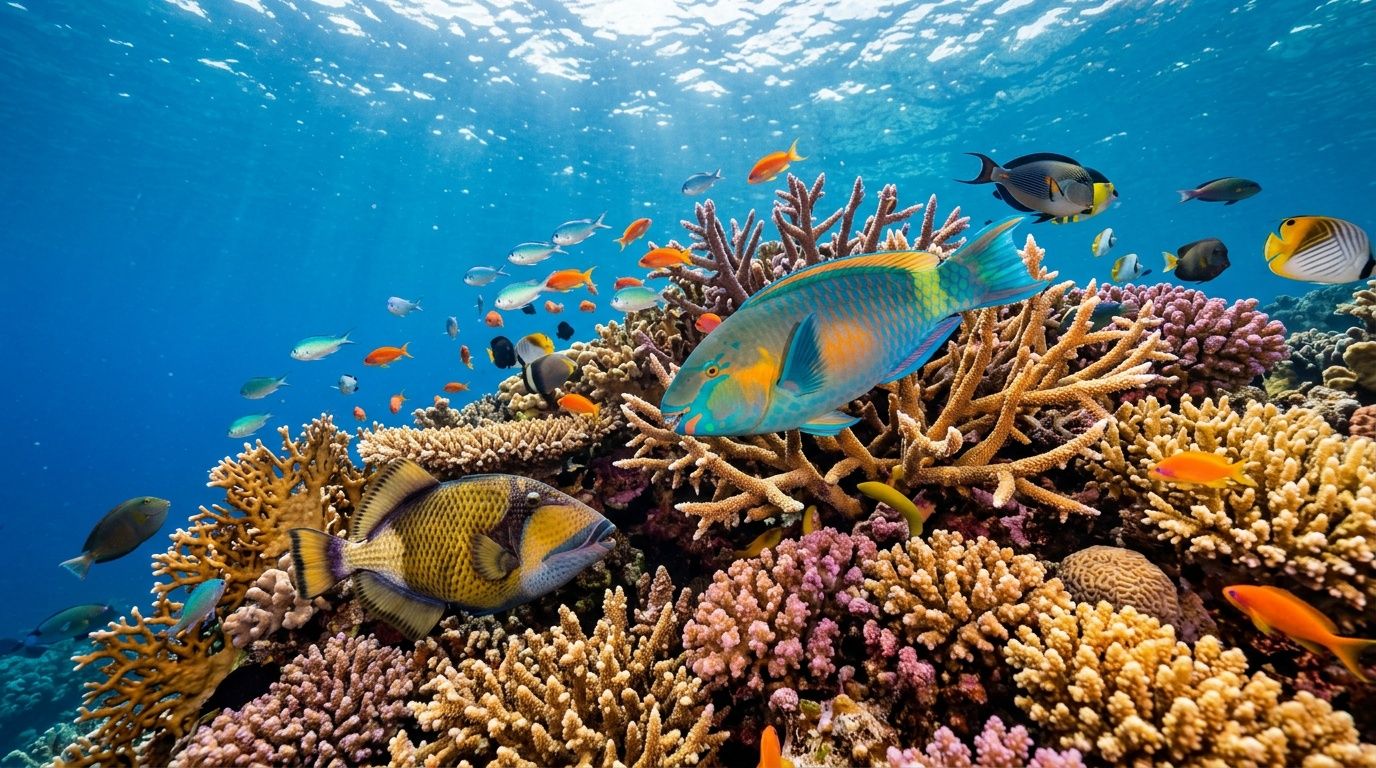
The bay feels crowded with life because it is protected, and the fish act differently here than they do at pressured shoreline spots. They stay out in the open more. They hold on reef edges instead of disappearing the second a snorkeler arrives. For a tour guest, that means fast payoff without much swimming. For a DIY kayaker who can stay longer, it means the site keeps improving once you slow down and start noticing the smaller patterns.
What beginners, families, and experienced snorkelers tend to notice
Yellow tang are usually the fish that grab attention first. They are bright, easy to pick out, and often move in loose groups over the coral. Add butterflyfish, parrotfish, surgeonfish, and the occasional triggerfish, and even a short snorkel feels busy.
Families with kids usually do best close to the clearer, shallower sections where the fish are obvious from the surface. There is less need to chase anything. Good swimmers and underwater photographers often prefer to pause along coral fingers and rockier edges, where the variety improves if you stay still for a minute instead of kicking straight through.
That difference matters. Kealakekua rewards patient snorkelers more than aggressive ones.
If you want to recognize more than "yellow fish" and "striped fish," this guide to Big Island endemic marine animals helps you sort out what is unique to Hawaii before you get in the water.
The reef is the real attraction
A lot of visitors come hoping for one big wildlife moment. Turtles, dolphins, or a rare sighting can happen, but the bay’s real value is the reef itself.
Look down at the coral structure, the shelves, the holes in the lava, and the sandy channels between them. Those changes in bottom shape are why one area looks quiet and another looks full of motion. If you are guiding kids or nervous adults, point out the habitat first. Once they start noticing where fish feed, hide, and travel, the snorkel gets more interesting and they stop swimming around randomly.
Encounters that can happen, but should not be the expectation
Some animals show up often enough to mention, but not on command:
- Sea turtles: A memorable sighting, especially for first-time visitors. Give them room and let them pass.
- Spinner dolphins: Sometimes seen in or near the bay area, more often from the boat or kayak than while face-down on the reef.
- Eels and octopus: Usually spotted by slower snorkelers who spend time looking into ledges and shaded cracks.
- Larger fish on deeper edges: More likely to interest experienced snorkelers who are comfortable floating calmly over darker water.
The common mistake is treating the whole bay like a scavenger hunt. Covering distance fast usually lowers what you see. Slow down, float, and scan the edges before moving again.
Drift, pause, and study the transitions between coral, rock, and sand. That is where the bay starts showing you more.
Good viewing habits also protect the reef
Snorkelers who keep a flat body position usually see more and do less damage. The people who bicycle-kick straight down into the reef are often the same ones who miss the fish right in front of them.
A few habits make a real difference:
- Stay horizontal: It keeps fins off coral and improves your field of view.
- Look ahead, not just straight down: Fish often move across the reef, not directly under you.
- Stop over good structure: A ten-second pause often reveals more than fifty yards of hard swimming.
- Keep wildlife at a respectful distance: Animals behave more naturally when you do not crowd them.
Kealakekua Bay is one of those rare snorkel spots where the easy version and the expert version both work. A first-timer can float over clear water and have a great day. An experienced snorkeler can work the edges, read the structure, and keep finding new details for an hour.
Essential Gear and Safety For All Snorkelers
The usual trouble at Kealakekua Bay starts before anyone sees a fish. A guest has a mask that leaks, fins that cramp their feet, and no flotation because they do not want to look inexperienced. Ten minutes later, they are tired, frustrated, and focused on themselves instead of the reef.
Good gear prevents that. At this bay, the right setup depends on how you are getting in and who is with you. A strong swimmer arriving by boat can keep things simple. A family with kids, a cautious adult, or a DIY kayaker crossing open water should build in more margin from the start.
Start with fit, not features
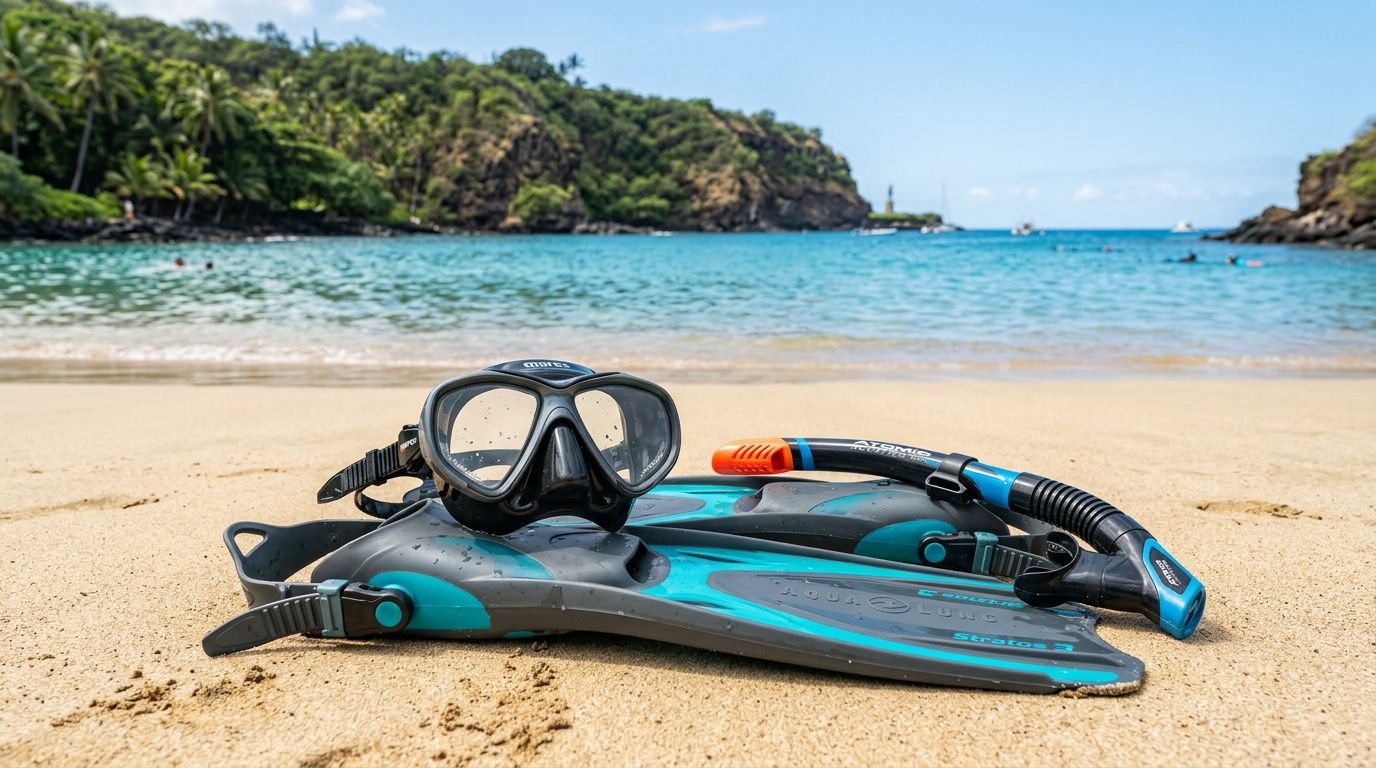
A leaking mask ruins more snorkel sessions than almost anything else. The best mask is the one that seals on your face without needing constant tightening. If you have to wrench the strap down to stop leaks, the mask shape is wrong.
The same goes for fins. Full-foot fins are fine for many boat guests doing a short, easy snorkel. DIY visitors often do better with fins that stay secure and do not create hot spots, because they usually spend more time in the water and more time managing their own position.
A simple snorkel is enough if it breathes easily and clears without drama. Beginners usually do best with gear that feels predictable, not gear loaded with extra parts.
For a broader packing checklist, this guide to the gear you will need for your Kona diving adventure covers the basics well, even for snorkelers.
What matters most by snorkeler type
Different visitors need different priorities.
- Boat tour beginners: Put mask fit and flotation first. If you are relaxed, you will see more and use less energy.
- DIY kayakers: Add sun protection, drinking water, and a conservative gear check before launch. Small gear problems get bigger once you are across the bay.
- Families with kids: Start everyone with flotation, even the confident ones. Kids burn energy fast in open water.
- Experienced snorkelers: A low-bulk setup works well, but do not skip reef-safe sun protection and a realistic check of conditions.
Flotation is a tool, not a judgment
I strongly prefer flotation for new snorkelers, weak swimmers, and anyone who feels uneasy in open water. A vest, belt, or noodle gives people time to settle their breathing and find a comfortable face-down position. That changes the whole day.
Families often get this wrong by waiting until someone is already scared. Put flotation on first. Then let the first few minutes be easy and controlled.
For non-swimmers, tour choice matters as much as gear. Pick an operator that expects cautious guests, gives a clear water entry plan, and keeps people close to the boat and crew. Non-swimmers should not treat Kealakekua Bay like a casual jump-in stop.
Safety calls that experienced guides make early
The bay can look calm and still be demanding for the wrong person. Open water affects people differently than a pool or shallow beach.
Use this framework:
- Choose the shortest path to a good snorkel if you have kids, weak swimmers, or anyone nervous. That usually means a guided boat trip.
- Choose DIY access only if the approach itself sounds manageable, including carrying gear, handling weather changes, and keeping enough energy for the swim back.
- Abort early if mask issues, anxiety, or fatigue show up in the first few minutes. These problems rarely improve by forcing more distance.
- Treat sun and dehydration like safety issues. Tired, overheated snorkelers make poor decisions.
What works in the water
- Enter slowly and get breathing under control before swimming off
- Keep the group close together
- Use a short first snorkel, then reassess
- Rest while floating before anyone feels spent
- Head back with energy in reserve, especially on DIY outings
What causes problems
- Overselling confidence to nervous swimmers
- Giving kids fins without flotation
- Letting the strongest swimmer pull the group too far from support
- Ignoring a bad mask fit because “it’s probably fine”
- Staying out after people start getting cold, tired, or quiet
Calm snorkelers make better choices. At Kealakekua Bay, the best gear is the gear that keeps breathing easy, movement simple, and the exit well within your comfort range.
Captain Cook Snorkel FAQ
Is a Captain Cook snorkel worth it if I’ve already snorkeled elsewhere in Hawaii
Yes, if you want a bay that combines strong reef viewing with a setting that feels distinct from a basic beach snorkel. The protected water, marine life, and shoreline history give it a different character than many easier-access spots.
Should I choose DIY access or a boat tour
Choose DIY only if you want the access challenge as part of the outing and you’re comfortable managing your own effort, gear, and ocean judgment. Most visitors do better on a guided boat tour because they save energy for the snorkeling itself.
What time of day should I book
Morning is the smart choice. Conditions are usually calmer, visibility is better, and the reef is easier to enjoy before afternoon wind builds.
Is this a good spot for beginners
It can be, but only with the right setup. Beginners usually do best with flotation, a calm briefing, and guide support. Independent beginners often underestimate how different open-water snorkeling feels compared with a pool or protected beach.
Can non-swimmers still enjoy the experience
Often, yes. The key is choosing an operator that provides flotation and supports cautious guests well. Non-swimmers shouldn’t treat this as a casual jump-in-and-figure-it-out outing.
What gear matters most
A well-fitting mask comes first. After that, a comfortable snorkel, usable fins, sun protection, and flotation if needed. Bad fit ruins more snorkel days than almost anything else.
Is the monument the only place to look
No. The monument is the visual anchor and historic marker, but the quality of the Captain Cook snorkel comes from the reef and the broader bay environment, not from hovering at one exact shoreline point.
Do I need to be highly fit
No, but basic comfort in the water helps. The stronger your comfort level, the more attention you can give to the reef instead of your own breathing and body position.
If you want a guided option from a company that operates snorkeling and dive trips on the Big Island, Kona Honu Divers is one place to look when comparing Captain Cook snorkel choices with other Kona water days.