
You’re probably here because you’ve seen the photos, heard the hype, and now want the straight answer. Is captain cook hawaii snorkeling really worth planning part of your Big Island trip around?
Yes. But only if you do it the right way.
Kealakekua Bay isn’t just another place to put on a mask and float around. It’s a protected bay with unusual clarity, a dramatic underwater drop-off, and a shoreline tied to one of the most consequential moments in Hawaiian history. It rewards good planning. It also punishes casual assumptions, especially from visitors who think every calm-looking bay behaves like a resort beach.
An Unforgettable Journey to Kealakekua Bay
Morning is when this place feels almost unreal. The cliffs hold the bay in, the water settles down, and once you slide in, the reef opens beneath you in a way that feels more like hovering than swimming. You look down and see coral, schools of tropical fish, and that white monument on shore reminding you this bay carries much more than scenic value.
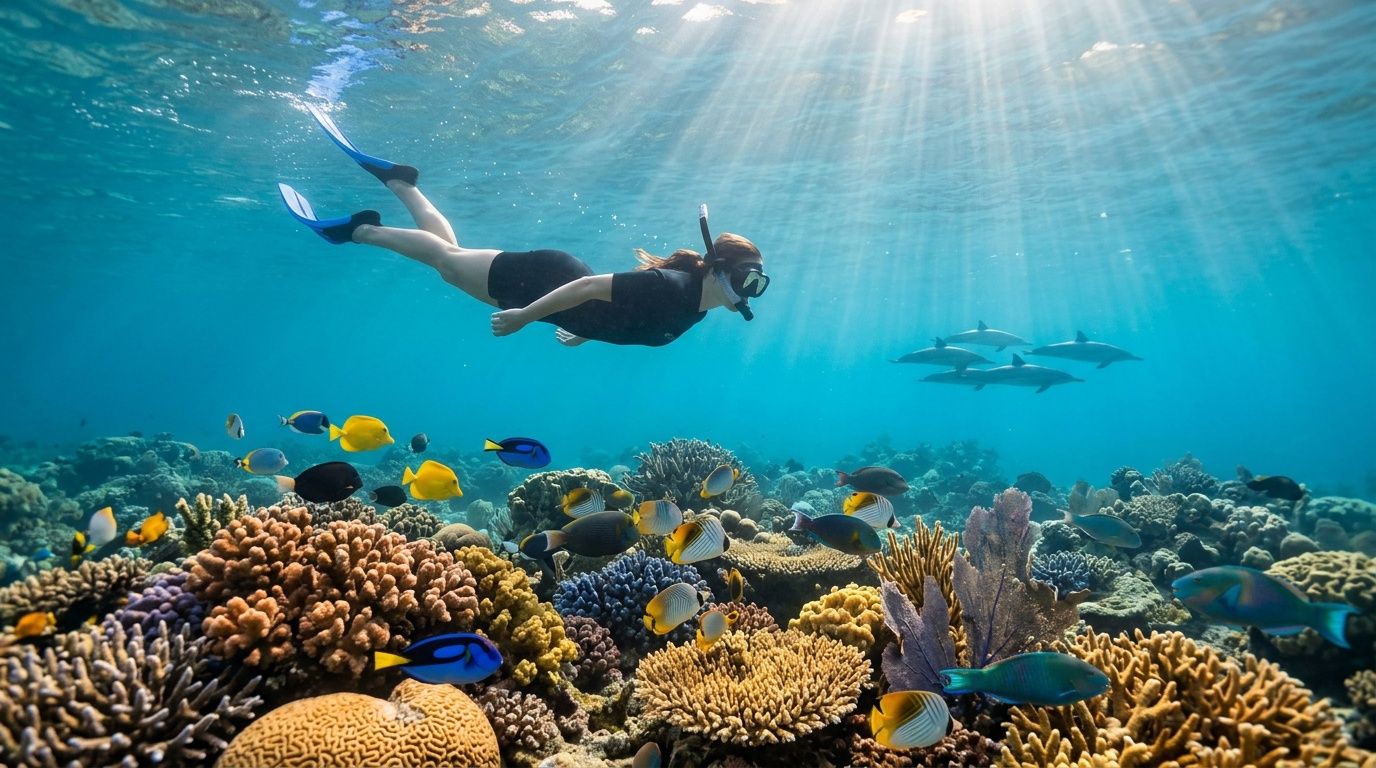
Kealakekua Bay is a U.S. Historic District that was settled by Native Hawaiians over a thousand years ago and served as a sacred site for the Makahiki festival. It’s also where Captain James Cook made the first recorded European contact in 1779, and where he was later killed. The 1874 monument on the shoreline marks that history and still shapes how people experience the bay today, as described on the Captain Cook snorkeling overview from Kona Honu Divers.
Why this bay feels different
Most snorkel spots give you one reason to go. Kealakekua Bay gives you two.
- The water draws you in: calm mornings, reef structure, and the sense that you can see forever.
- The history changes the mood: you’re not just sightseeing. You’re visiting a place that mattered greatly before Cook arrived, and still matters now.
- The shoreline sets limits: that’s part of why the area has retained so much of its character.
Some bays are good snorkel sites. Kealakekua is a place people remember years later because the reef and the history hit at the same time.
If you’re comparing operators and access styles, this roundup of top Kealakekua Bay snorkeling tours is a useful starting point.
Why the Bay Offers World-Class Snorkeling Conditions
What makes this bay stand out isn’t luck. It’s geography plus protection.
The cliffs around Kealakekua Bay help shelter the water from the kind of wind and surface disturbance that can ruin a snorkel session elsewhere. On top of that, the bay is a protected marine area, so the underwater environment has retained the density and variety that people travel to Hawaii hoping to find.
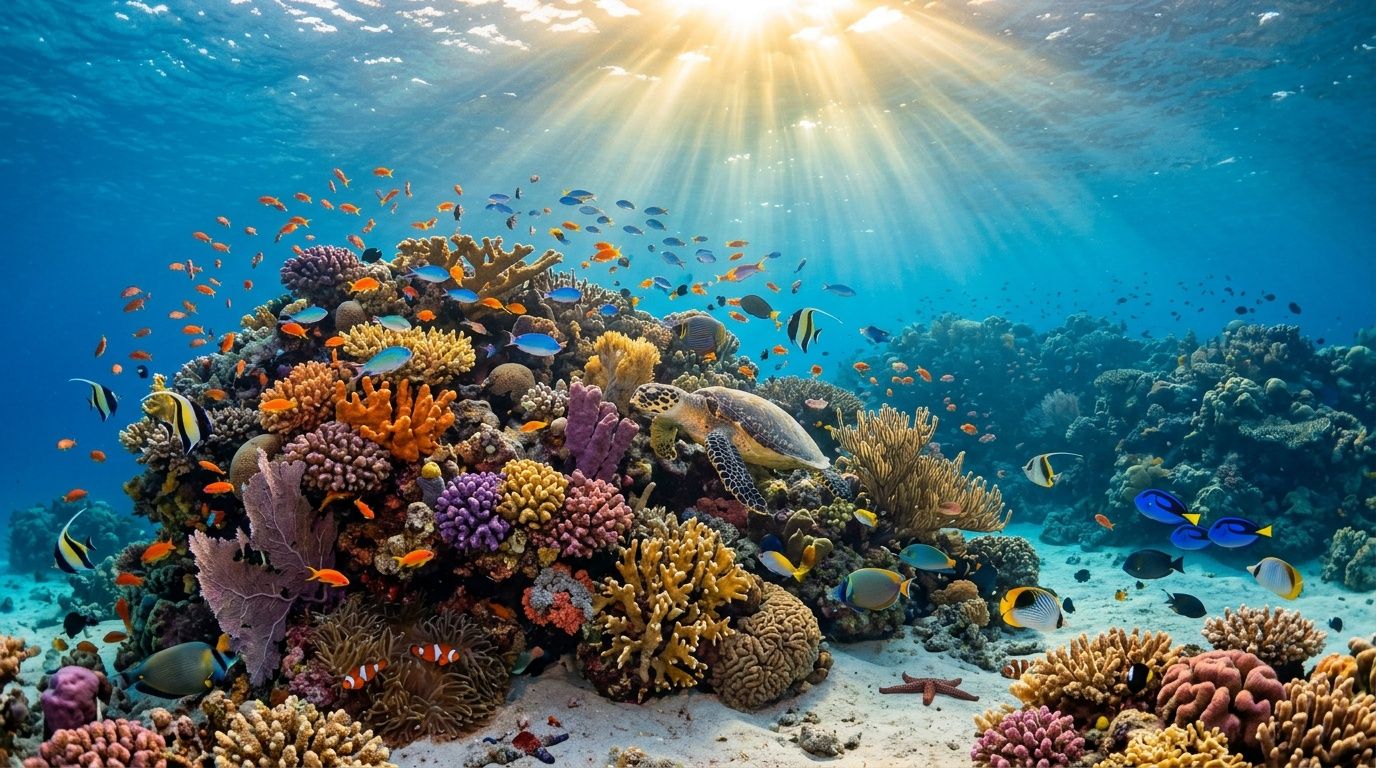
The single most important practical detail is visibility. At the monument, water visibility consistently exceeds 100 feet under optimal conditions, which is more than a bragging point. It gives both guests and guides more time to identify reef edges, marine life, and changing conditions in the water, according to this explanation of Captain Cook snorkel tour swim requirements.
What that means in the water
Good visibility changes the experience in several ways:
- You relax faster: beginners aren’t working as hard to orient themselves.
- Guides can manage groups better: they can see people, hazards, and drift patterns more clearly.
- Marine life is easier to appreciate: fish, turtles, and reef contours appear before you’re right on top of them.
What you’re likely to notice first
The bay supports a vibrant reef community. Expect a lot of motion and color. Parrotfish, moray eels, green sea turtles, and reef fish are all part of what makes this site so compelling in the water.
A lot of first-time visitors assume “clear water” just means prettier photos. That undersells it.
Practical rule: Clear water is a safety advantage, not just a visual advantage. You make better decisions when you can actually see what’s ahead.
If you want a dedicated trip focused on this area, the Kealakekua Bay snorkeling tour page lays out what a purpose-built excursion usually includes.
How to Access the Captain Cook Monument
Visitors make their biggest planning mistake here. They assume Captain Cook is a simple pull-up snorkel stop. It isn’t.
You have three practical access options: hike, kayak, or boat. All three can get you there. Only one makes sense for many who desire a good snorkel day instead of a logistical workout.
The side-by-side comparison
| Access option | What works | What does not work well |
|---|---|---|
| Hike | Appeals to fit visitors who want a physical challenge and don’t mind effort before and after snorkeling | You arrive hot, tired, and then still have to climb back out after your swim |
| Kayak | Gives experienced paddlers independence and a more self-directed outing | Managing gear, launch logistics, exposure, and monument-area restrictions makes it more complicated than people expect |
| Boat tour | Easiest entry, guided support, gear, safety briefing, and direct access to the best part of the snorkel zone | Less “DIY adventure” if your goal is total independence |
My clear recommendation
For the majority of visitors, boat access is the right call.
The hike is steep, exposed, and punishing on the way back up. Kayaking sounds romantic until you add sun, gear handling, landing limitations, and the reality that some people are already tired before they even start snorkeling. A boat eliminates the wasted energy and puts that energy where it belongs, in the water.
Why the trade-off matters
A good snorkel day depends on how you enter the day. If you start fatigued, overheated, and behind on hydration, your judgment drops fast. That matters in a bay with depth changes and localized current movement.
Before committing to any ocean plan on the Big Island, it’s worth reading a basic guide on how to check ocean conditions for the Big Island. It helps you separate calm-looking from manageable.
The strongest visitors can hike or paddle in. That doesn’t make those options the smartest choice for a family, a first-time snorkeler, or anyone who wants the best in-water experience.
Choosing the Best Captain Cook Snorkel Tour
The right boat tour changes the whole day.
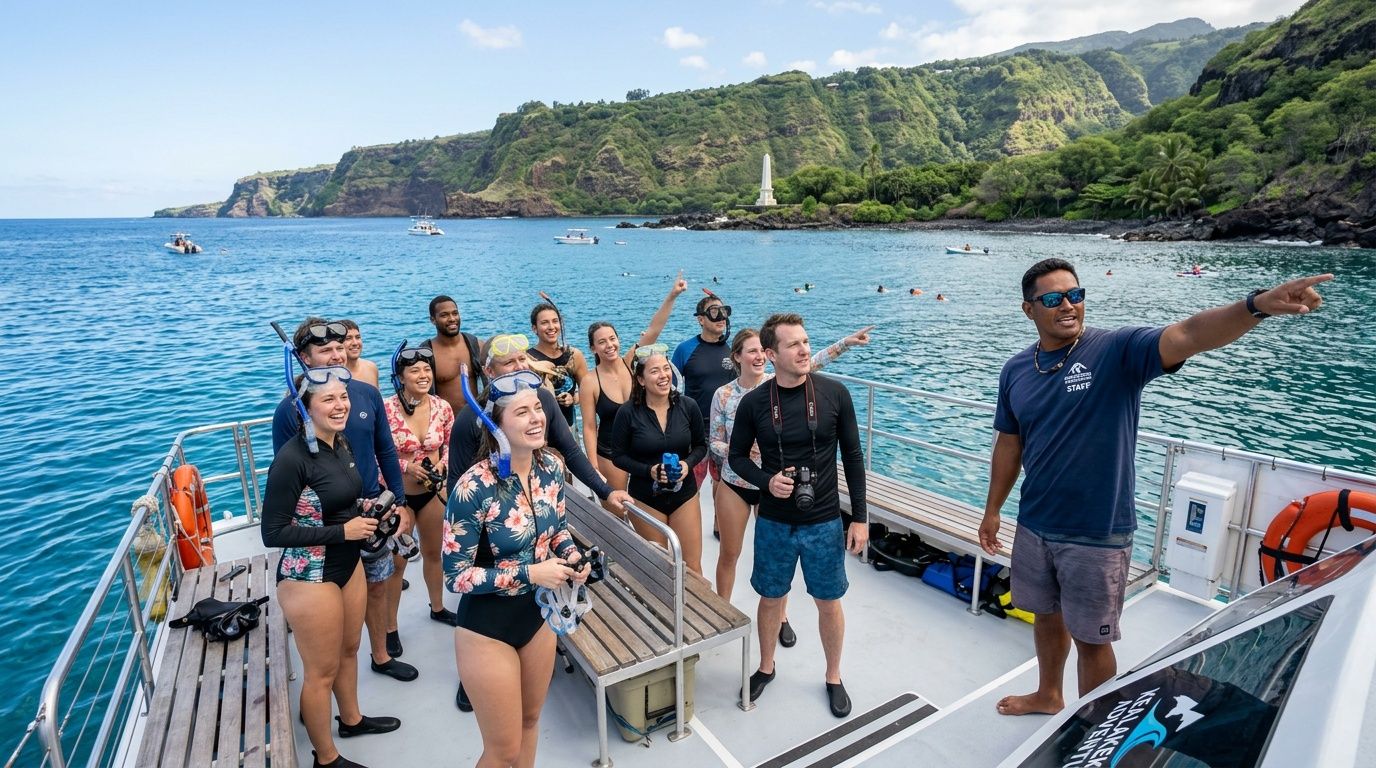
I’ve watched plenty of visitors arrive excited, then lose confidence because the crew gave a rushed briefing, handed out gear with a poor fit, or dropped everyone into the water with little guidance. Kealakekua Bay rewards good operators. It also exposes weak ones quickly. For Captain Cook snorkeling, pick a crew that runs this route regularly, knows how to read the monument-side conditions, and can support both strong swimmers and first-timers without turning the trip into chaos.
Two tour styles I’d point visitors toward
Some boats treat Kealakekua as one stop on a longer sightseeing run. Others are built around the bay itself. I prefer the second approach because guests spend less time in transit mode and more time getting oriented, fitted properly, and into the best water near the monument reef.
- Kona Snorkel Trips offers a dedicated Kealakekua Bay and Captain Cook Monument tour. That suits visitors who want a trip focused on this bay rather than a mixed itinerary.
- Captain Cook Snorkeling Tours focuses on Captain Cook snorkeling tours in Kealakekua Bay. That specialization is useful if your main goal is snorkeling this exact site.
- Kona Honu Divers’ Captain Cook snorkel tour is another boat-based option with gear and guided support.
What separates a solid tour from a forgettable one
Start with crew behavior, not brochure language. A good captain and deck crew set expectations early, explain where the calmest entries usually are, and tell you how the bay is behaving that morning. They also respect the place itself. Kealakekua Bay is not just a postcard stop. It carries deep historical and cultural weight, and the better crews treat it that way.
Before booking, check for:
- Guides in the water or actively supervising the water: especially helpful for beginners, kids, and uneasy swimmers
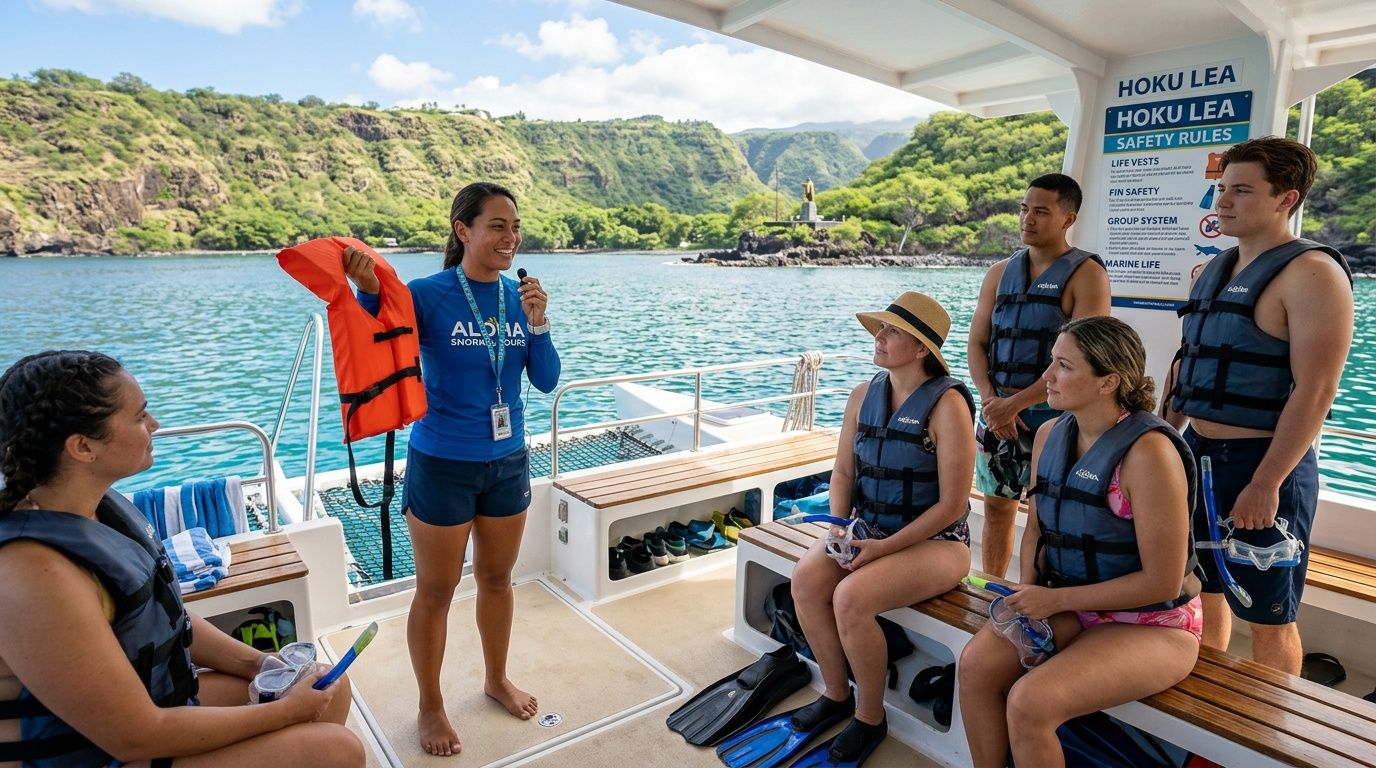
- A real safety briefing: where to enter, where to stay, how to signal for help, and how to avoid drifting too wide
- Flotation options that are easy to use: pool noodles, belts, or vests can turn a stressful swim into a relaxed one
- Reasonable group management: smaller or well-managed groups usually mean less crowding at entry and more individual attention
- Clear time at the snorkel site: some tours advertise Captain Cook but spend more time boating than snorkeling
I also tell visitors to read the cancellation and weather policy carefully. Conditions in Kona are often good in the morning, but no honest operator can promise perfect water every day of the year.
The best tours do more than provide a boat ride. They lower the workload on the guest, protect the reef experience, and keep people inside their actual ability level.
Snorkeling Smart Safety Tips for the Bay
Kealakekua Bay is friendly by Hawaii standards. It is not harmless.
The main feature I want visitors to respect is the underwater shape of the bay. Near the monument, the bottom begins in the 12 to 20 foot range, then transitions quickly into deeper water and can plunge to over 100 feet, with coral walls and localized currents that guides need to monitor, as described in this breakdown of Captain Cook Monument water depth and bathymetry.
What works in this bay
Stay near your guide and your group
The reef line gives you visual reference. If you drift wide or push farther than your comfort level, that sense of control can disappear quickly.Use flotation if you’re even slightly unsure
Pride causes more problems than lack of skill. A flotation aid lets you relax, breathe normally, and spend more time looking down instead of fighting the surface.Keep your head on a swivel near drop-offs
Deep blue water is beautiful, but it can pull attention away from where your body is moving.
What doesn’t work
- Overconfidence: “I’m a decent swimmer” is not the same as “I’m comfortable snorkeling over a drop-off in open ocean.”
- Skipping the briefing: crews mention entry points, current pockets, and boundaries for a reason.
- Pushing through anxiety: if you feel rattled, signal early. Small problems are easy to solve when addressed right away.
Seasickness prep matters
If you’re prone to motion sickness, handle it before the boat leaves. Good options include Ship-EEZ Seasickness Patch, Dramamine pills, Bonine pills, Sea Band wristbands, and ginger chews.
If you think you might get seasick, assume you will and prepare. People rarely regret taking precautions early.
Your Day at Captain Cook What to Expect and Bring
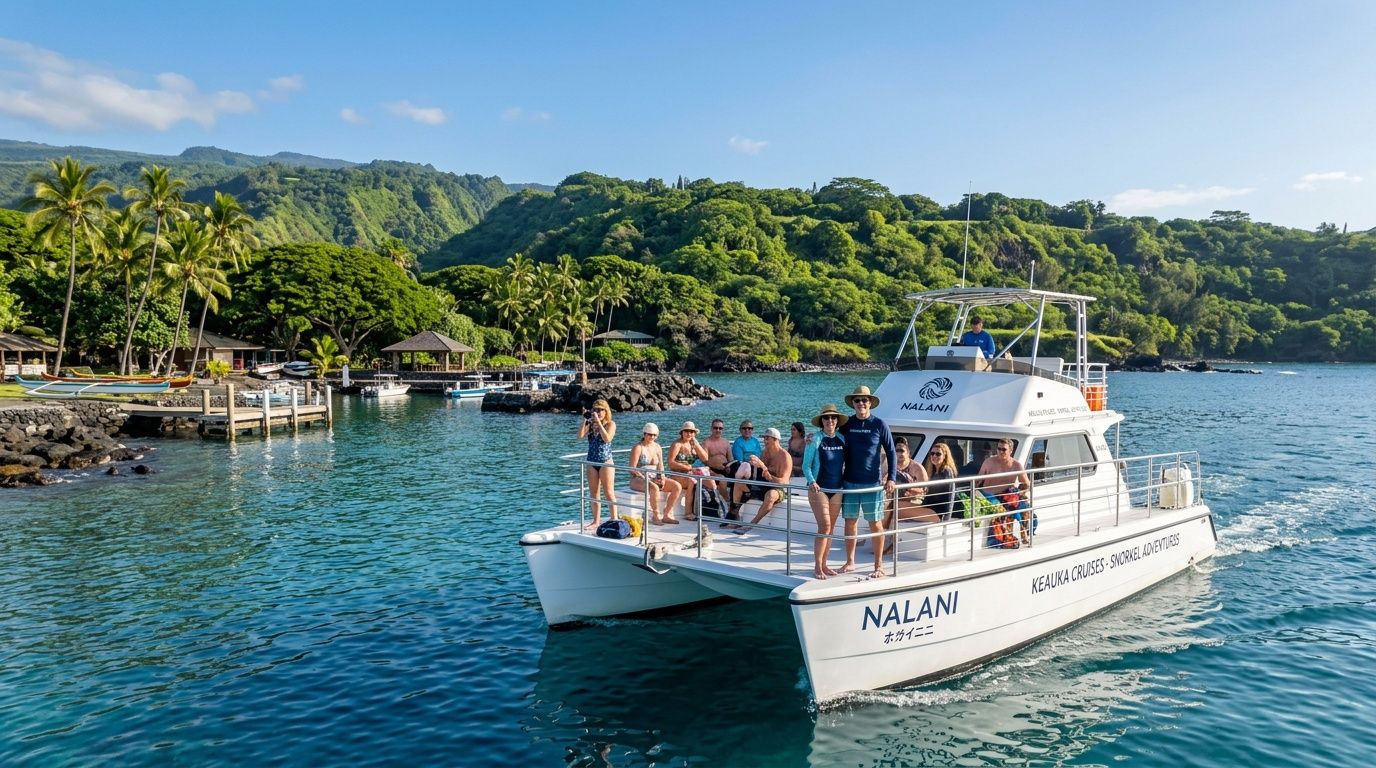
Most Captain Cook snorkel outings are morning trips, and that’s not accidental. Earlier departures usually line up with calmer water and a smoother ride along the Kona coast.
Once you reach the bay, the rhythm is simple. Gear up, get briefed, enter the water in a controlled way, and settle in before you start roaming visually across the reef. The first few minutes matter. People who slow down and breathe settle faster and see more.
Set your expectations correctly
Visibility often exceeds 100 feet, but it’s not guaranteed year-round. Seasonal upwelling and afternoon trade winds can reduce clarity, which is why morning trips usually give you the best shot at that famous blue-glass look, as noted in this guide to Captain Cook snorkeling visibility for first-time visitors.
That doesn’t mean a less-than-perfect day is a bad day. It means you should arrive expecting ocean conditions, not a studio set.
Packing checklist that actually helps
- Wear your swimsuit under your clothes: saves time at check-in and boarding.
- Bring a towel and light layer: the ride back can feel cool once you’re wet.
- Use sun protection: hat, sunglasses, and a sun shirt matter more than people think.
- Pack water and any personal comfort items: especially if you’re prone to seasickness.
- Bring a waterproof camera if you have one: this bay rewards it.
- Carry your own essentials in a small bag: less clutter on deck, less chance of losing gear.
If you want a broader refresher on personal equipment choices for Hawaii water time, this article on gear for a Kona diving adventure has useful crossover advice for snorkelers too.
Mālama ʻĀina Respecting a Sacred Place
Kealakekua Bay isn’t only beautiful. It’s a place that asks for better behavior from visitors.
The simplest way to understand mālama ʻāina is this: care for the place that’s hosting you. In practice, that means no standing on coral, no grabbing rock for balance if it risks damaging reef life, and no chasing turtles or other animals because you want a better photo.
What respectful snorkeling looks like
- Keep your distance from marine life: observe, don’t pursue.
- Stay off the shoreline around protected areas: the monument zone carries cultural and historical weight, not just scenic value.
- Leave nothing behind: no trash, no food scraps, no gear parts.
- Choose reef-safe sun protection: your sunscreen choice affects the water you’re entering.
The mindset that helps most
Visitors sometimes hear “sacred place” and think that means formal or tense. It doesn’t. It means conscious.
Enter the bay with gratitude, move carefully, and leave the reef exactly as you found it. That’s what pono looks like in the water.
Captain Cook Snorkeling FAQs
Is Captain Cook snorkeling good for beginners and kids
Yes, with the right setup.
For first-timers and younger kids, a boat tour is usually the better choice than kayaking in. You get easier water entry, flotation gear, crew support, and a much shorter path from briefing to snorkel spot. Beginners do well here when the ocean is calm, but this is still open water, so comfort in a mask and the ability to follow instructions matter.
Can you drive to the Captain Cook Monument
No. There is no public road that takes you down to the monument.
Access comes down to three options: hike, kayak, or boat. The hike is steep and hot on the way back up. Kayaking can work for experienced paddlers who have planned permits and weather carefully. For most visitors, especially families or anyone who wants to spend energy in the water instead of getting there, a licensed boat tour is the most practical call.
Are there sharks in Kealakekua Bay
You are snorkeling in the ocean, so marine life is part of the setting, including species people ask about most.
What matters in practice is behavior and conditions. Serious problems for snorkelers in the bay are uncommon. I tell guests to keep their attention on the basics: stay with the group, avoid wandering far from the snorkel area, and get back in the boat if you feel tired, cold, or uneasy. Calm, predictable movement is always better than splashing or panicking.
What’s the best time to go
Morning is usually the right call. The bay often starts calm and clear, then wind can rough up the surface later in the day.
That timing is one reason boat tours tend to give visitors a better overall experience than self-planned access. Good operators build their schedule around the bay’s usual pattern and adjust if conditions are off.
If you want your Big Island ocean day handled by a crew with local water knowledge, organized safety procedures, and trips for both divers and snorkelers, look at Kona Honu Divers. That is especially useful for mixed groups where some people want to dive and others want to snorkel.