
Picture this: you’re slowly descending into a different world, a place where ancient lava tubes twist through vibrant coral reefs and the water is so clear it feels like flying. That’s the promise of Big Island scuba diving, an experience that easily ranks among the best on Earth. It doesn’t matter if you’re a seasoned pro or just curious about what’s beneath the waves—the Big Island offers an underwater passport to an unforgettable adventure.
Why the Big Island Offers World-Class Diving
So, what’s the secret behind scuba diving Big Island Hawaii? It all comes down to its dramatic volcanic past. The island's fiery birth didn't just shape the land we walk on; it sculpted a breathtaking underwater landscape you won't find anywhere else. The Kona coast, in particular, is a global magnet for Kona diving because it’s perfectly shielded from the typical trade winds, leaving the ocean remarkably calm and clear pretty much all year.
This unique geography has created a true diver's paradise, defined by a few key things:
- Volcanic Seascapes: Get ready to explore intricate lava tubes, massive archways, and submerged craters. It’s a dramatic backdrop for every single dive.
- Incredible Visibility: It’s not uncommon for visibility to stretch past 100 feet. You can spot incredible marine life from way off in the distance.
- Abundant Marine Life: The diving Hawaii Big Island scene is famous for its reliable encounters. We're talking majestic manta rays, several types of sharks, playful spinner dolphins, and, of course, tons of green sea turtles (honu).
The underwater terrain here is truly special, with rugged reefs and unique formations that are home to endemic species found nowhere else on the planet. And the conditions are almost always perfect. Water temperatures hover between a comfortable 75 to 80°F (24 to 27°C) year-round. While some hardy divers might go without a wetsuit in the summer, a 3mm suit is a good idea for most, especially if you're doing multiple dives or visiting in the winter months. ThisWeekHawaii.com has more on why Hawaii is such a premier spot.
Boat Dives vs. Shore Dives
While the most famous sites for scuba Big Island are usually reached by boat, the island also has some absolutely fantastic shore diving. Charters from the top Kona diving companies can take you to those pristine, offshore reefs that are just teeming with life.
But if you’re the type who likes to dive on your own schedule, there are plenty of amazing spots you can get to right from the coast. To get the inside scoop on these, check out our guide to the best shore diving sites in Kona.
At the end of the day, it doesn’t matter if you’re on a guided charter exploring a remote reef or just walking into the water from a lava-rock beach. Diving Big Island is an incredible journey into a healthy, dynamic, and thriving marine world.
Check Availability
Exploring the Top Big Island Dive Sites
The Big Island's volcanic coastline is more than just beautiful—it's a map to an underwater kingdom. Each dive site tells a different chapter in the story of Big Island diving. Knowing where to go is key to finding the specific kind of magic you're after, whether that's peaceful coral gardens or dramatic, ancient lava formations.
Let’s chart the essential spots for any scuba Big Island adventure.
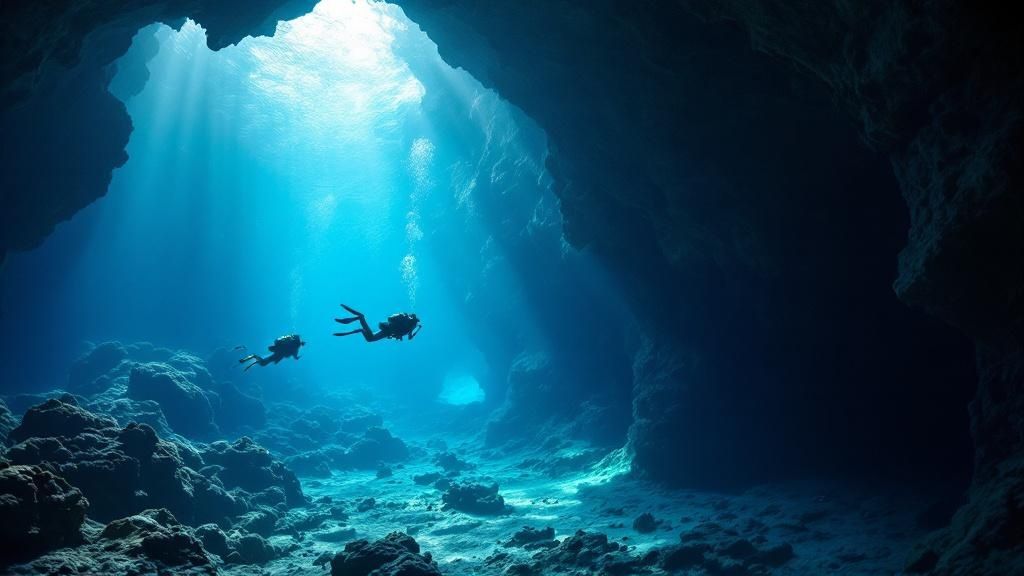
The incredible variety is what makes diving Hawaii Big Island so legendary. One day you could be navigating shadowy lava tubes, and the next, you're drifting over a sun-drenched reef watching green sea turtles get their shells cleaned.
It’s time to dive into the must-see locations that truly define this world-class destination.
The Unforgettable Manta Heaven and Manta Village
You simply can't talk about Kona diving without raving about the world-famous manta ray night dive. It’s an absolute icon. Manta Heaven (also called Garden Eel Cove) and Manta Village are the two main stages for this breathtaking show.
Operators anchor and shine powerful lights into the water, which attracts swarms of plankton. This, in turn, rings the dinner bell for majestic Pacific Manta Rays, drawing them in for a spectacular feeding frenzy.
As a diver, you'll settle on the sandy bottom, around 30-40 feet down, and just… watch. These gentle giants, with wingspans reaching up to 16 feet, glide, swoop, and barrel-roll inches from your face. It's a surreal, silent ballet that has rightfully earned its reputation as one of the best night dives on the entire planet.
Key Takeaway: The manta ray night dive is the absolute signature experience for scuba diving Big Island Hawaii. It is a non-negotiable, must-do dive for any visitor, creating a profound, up-close connection with one of the ocean's most graceful animals.
Turtle Pinnacles and Crescent Beach
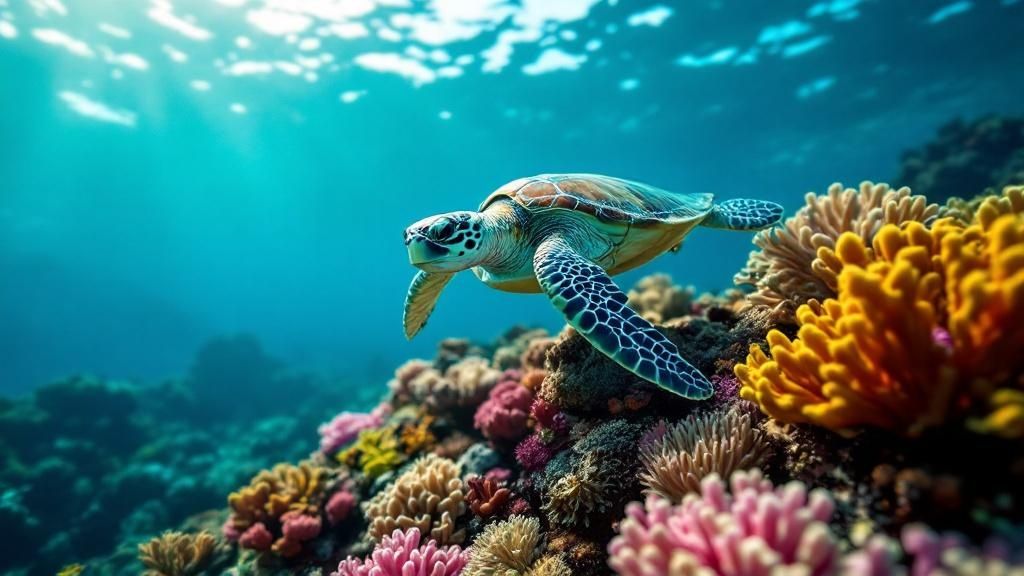
If you love turtles (and let's be honest, who doesn't?), Turtle Pinnacle is a dream come true. This site is famous for its "turtle cleaning station," a specific coral head where Hawaiian Green Sea Turtles (honu) congregate.
It’s like an underwater day spa. The turtles patiently queue up while smaller reef fish, like the Hawaiian cleaner wrasse, meticulously pick parasites off their shells and skin. It’s a bustling hub of activity and offers some truly fantastic photo opportunities.
Just down the coast, Crescent Beach (or Kua Bay) is another local favorite, beloved for its dramatic underwater arches and swim-throughs. It's a dynamic site where you're almost guaranteed to see large schools of fish, eels peeking from crevices, and sometimes, spinner dolphins cruising by in the blue. The topography alone makes it a fascinating dive.
Lava Tubes and Thrilling Caverns
For divers with a taste for adventure, diving Big Island offers a unique chance to explore the island's volcanic heart from the inside out. Sites like Golden Arches and Catacombs are riddled with intricate networks of lava tubes, caverns, and swim-throughs.
Descending into these formations feels like entering another world entirely. Sunlight streams through cracks in the ceiling, creating stunning, cathedral-like beams of light that dance in the water.
These structures also provide shelter for marine life you might miss on the open reef, like shy lobsters, hidden crabs, and colorful nudibranchs. Exploring these sites requires solid buoyancy control and is a fantastic way to sharpen your skills under the watchful eye of professional Kona diving companies.
Check Availability
Choosing the Best Kona Diving Companies
Picking the right dive operator can make or break your trip. It’s honestly one of the most important decisions you’ll make when planning your Big Island scuba diving adventure, and it goes way beyond just finding a boat to get you to the reef. A great company is the difference between a good dive and an absolutely unforgettable one.
When you have so many Kona diving companies vying for your attention, it can feel a little daunting. But don't worry, we're here to help you cut through the noise.
Think of a top-tier operator as your trusted partner in exploration. They’re the ones with expert guides, top-notch equipment, and a deep-seated commitment to your safety and the health of the ocean. They truly elevate every single part of your scuba diving Big Island Hawaii trip.
What to Look for in a Dive Operator
When you're comparing your options, a few things really separate the pros from the pack. These are the non-negotiables that guarantee your diving Big Island experience is safe, fun, and everything you hoped for.
- Safety Record and Procedures: This is number one, period. You want a company with a long, spotless safety record. They should give detailed pre-dive briefings and have clear, practiced emergency plans. No shortcuts.
- Guide Expertise and Passion: Local guides who have been diving these sites for years are worth their weight in gold. They know where that elusive octopus hides and how to navigate the lava tubes. Their passion turns a regular dive into a genuine discovery.
- Equipment Quality: Well-maintained, modern gear is a must. A good shop services its regulators, BCDs, and tanks religiously. Offering extras like Nitrox, often for free, is a huge sign you’re with a quality operator.
- Commitment to Conservation: The best companies are stewards of the ocean. Look for operators that follow the Manta Ray Green List guidelines and actively promote responsible diving. They understand we're just visitors in this underwater world.
Scuba diving is so much more than a sport; it’s a partnership with the ocean. When you choose an operator that respects this relationship, you help ensure the incredible world of Kona diving stays healthy and vibrant for everyone.
Highlighting Premier Operators
While Kona has plenty of great dive shops, some just operate on another level. Premier outfits like Kona Honu Divers have earned their reputation for incredible specialized charters and a genuine commitment to the diving community. They're world-famous for their Manta Ray Night Dive and the truly adventurous Black Water Dives, which are like taking a journey into deep space right here on Earth.
These unique charters show a company’s dedication to pushing the envelope of what scuba diving Big Island can offer. Scuba tourism is a huge deal here, and the best operators have created a menu of adventures for every skill level. The famous Manta Ray Night Dives, for instance, typically run between $150 and $200 and draw divers from across the globe. For the more daring, advanced dives like the Black Water experience can range from $175 to $225, a price that reflects a truly once-in-a-lifetime encounter.
To help you sift through the options, we’ve put together a quick comparison of what separates a dedicated, full-service operator from the rest.
Kona Dive Charter Comparison
| Feature | Kona Honu Divers | Other Leading Operators |
|---|---|---|
| Specialty Dives | World-famous Manta Ray Night Dive & Black Water Dive | Often offer standard Manta Ray dives; fewer unique charters |
| Conservation Focus | Strict Manta Green List adherence; active conservationists | Varies; some participate, others are less stringent |
| Guide Experience | Highly experienced, passionate local guides and instructors | Experience levels can vary widely |
| Boat Comfort | Custom-built dive boats with hot showers and amenities | Boat quality and amenities can differ significantly |
| Customer Service | Known for small groups and personalized, 5-star service | Can range from excellent to more basic, larger group sizes |
| Gear Quality | High-end, well-maintained rental gear; free Nitrox | Gear is typically standard and may not include free Nitrox |
Choosing the right operator is about balancing your budget with the kind of experience you want. For a really detailed look at all the top players, check out our complete guide to the top 10 Kona dive companies. It will give you the confidence to book with the perfect shop for your diving goals.
The Unforgettable Manta Ray Night Dive
If there's one single experience that defines Big Island diving, it's the Manta Ray Night Dive. This isn't just another dive on the logbook; it's a world-famous spectacle, a truly magical encounter that pulls people from every corner of the globe. For anyone planning on scuba diving Big Island Hawaii, this is the signature adventure.
Picture this: you descend into the warm, dark twilight of the Pacific. Your guide leads you to a sandy spot on the seafloor, where you and your group settle in a circle. Then, the real magic begins. Powerful lights are switched on, pointing straight up. This beam illuminates the water column, attracting swarms of microscopic plankton—the mantas' favorite meal.
And then, they arrive. Giant Pacific Manta Rays, with wingspans that can stretch over 16 feet, emerge from the darkness. They perform a silent, graceful ballet just inches above your head, gliding, swooping, and barrel-rolling through the light beams in a mesmerizing feeding frenzy. It's more than just a dive; it’s a profound, almost spiritual connection with nature. To get a better sense of this incredible event, you can dive deeper into what the manta ray night dive is and why it's an absolute must-do.
Manta Heaven vs. Manta Village
Two primary locations host this nightly performance, and knowing the difference can help you pick the right trip for you. The good news? Both sites boast a greater than 90% success rate for manta sightings year-round, making diving Big Island a pretty reliable bet for this encounter.
-
Manta Village (Keauhou Bay): Just south of Kailua-Kona, this is the original manta site. It's known for having incredibly reliable, though sometimes smaller, groups of resident mantas. A huge plus is that boats often leave from the nearby Keauhou Harbor, meaning the ride to the site is super short—perfect for anyone prone to seasickness.
-
Manta Heaven (Garden Eel Cove): Located north of town near the airport, this spot often delivers larger numbers of mantas. It’s not uncommon to see a dozen or more rays at once, creating a truly jaw-dropping spectacle. The boat ride is a bit longer, but the potential payoff is a much bigger show.
No matter which spot you choose, the whole experience is meticulously managed by top Kona diving companies to ensure both diver safety and the well-being of these gentle giants.
Responsible Diving is Key: The manta ray encounter is a precious, natural phenomenon. It's absolutely critical to choose an operator that strictly follows Manta Ray Green List standards. This means no touching, staying on the bottom, and letting the mantas control the interaction. It's how we ensure this incredible spectacle continues for generations to come.
What To Expect on Your Dive
From the moment you step on the boat, the entire trip is structured for maximum fun and safety. It all starts with a thorough briefing where your guide walks you through the dive plan, safety procedures, and the rules for interacting responsibly with the mantas.
Once you descend and get settled on the bottom, you’ll spend about 45 minutes just watching the show unfold. The dive itself is pretty shallow, usually around 30-40 feet, which makes it accessible for certified divers of all skill levels.
Afterward, you'll surface to a warm welcome—and often hot chocolate—on the boat, buzzing from the incredible Kona diving experience you just had. This isn't just another item to tick off a list; it's the memory that will define your trip to Hawaii.
Check Availability
Your Essential Gear and Safety Guide
Every truly great dive trip is built on a foundation of smart preparation. When it comes to Big Island scuba diving, that means packing the right gear and really understanding the local safety need-to-knows. Get this part right, and you can spend every minute underwater just soaking in the incredible scenery without a single worry.
This isn't just about grabbing a mask and fins. It's about being ready for the specific conditions you'll find when diving Hawaii Big Island. A little planning here goes a long way toward making sure you’re comfortable and confident on every single dive.
Gearing Up for Kona's Waters
One of the first questions I always get from divers is about wetsuits. Kona's water temperature hangs out in a beautiful 75-80°F (24-27°C) range all year long, which makes it tempting to just jump in with a swimsuit. And while you'll see some people do just that, I strongly recommend a 3mm full wetsuit.
Why bother? It's about more than just a little warmth.
- Multi-Dive Comfort: On a typical two-tank dive, your body will naturally cool down. That wetsuit is what keeps you feeling toasty and comfortable, especially on that second dive when you might otherwise start to feel a chill.
- Night Dive Necessity: It's absolutely essential for the Manta Ray Night Dive. You’ll be staying relatively still on the bottom for a good chunk of time, and you'll be very glad you have it.
- Buoyancy and Protection: A wetsuit adds a touch of helpful buoyancy and, just as importantly, protects your skin from any accidental bumps against lava rock or coral.
The next big choice is whether to haul your own gear across the ocean or simply rent from one of the local Kona diving companies. Both options have their perks. Bringing your own stuff means you're diving with equipment you’re completely familiar and comfortable with. On the other hand, renting from a top-notch operator like Kona Honu Divers gets you high-quality, professionally maintained gear without the headache of packing it and paying airline baggage fees.
For a really detailed breakdown of what to bring, check out this great guide on the gear for your Kona diving adventure.
Non-Negotiable Safety Protocols
Safe diving is just smart diving, plain and simple. The unique environment of scuba diving Big Island Hawaii has its own set of rules, and your divemaster is your single most valuable safety resource out here. Those pre-dive briefings aren't just casual suggestions—they're critical instructions based on years of experience at that exact dive site.
Key Insight: If you remember one safety rule for diving Big Island, make it this one: listen to your guide. They know the local currents, the site-specific quirks, and the animal behaviors better than anyone. Sticking to their plan is the absolute best way to ensure your dive is both safe and spectacular.
Respecting marine life is the other cornerstone of safety and conservation. The rule is simple: look, but don't touch. This is for your protection as much as it is for the delicate underwater ecosystem. Touching coral can kill it, and getting too close to marine animals can provoke a defensive reaction you didn't see coming.
And finally, always dive within your limits. Be honest with yourself and your guide about your experience and comfort level. The whole point of a scuba Big Island trip is to go home with amazing memories, and that starts by putting safety first, every single time.
Check Availability
Frequently Asked Questions About Diving the Big Island
Planning a dive trip always brings up a few questions. Below, I’ve put together answers to the most common things people ask about Big Island scuba diving. Let's clear everything up so you can get ready for an amazing underwater adventure.
Is there good diving on the Big Island?
Good? It's world-class. The Big Island, and the Kona coast in particular, is home to some of the most consistent and breathtaking diving you'll find anywhere. The island's volcanic past has left behind an underwater playground of lava tubes, dramatic arches, and vibrant, healthy reefs that make diving Big Island an unforgettable experience.
Visibility is often incredible, sometimes stretching beyond 100 feet, giving you crystal-clear views. But what really sets it apart is the reliable big animal encounters—from the world-famous manta ray night dive to spinner dolphins, sea turtles, and even sharks. It's a premier destination that has something incredible for divers of every skill level.
What are the best months to scuba dive in Hawaii?
You can score fantastic dives here year-round, thanks to our wonderfully warm water that hovers between 75-80°F (24-27°C). But if you're looking for the absolute best conditions for diving Hawaii Big Island, aim for August through October.
During these late summer and early fall months, the Pacific tends to be at its calmest. This is when you'll find peak visibility and the warmest water temperatures of the year. It's also a sweet spot just after the summer tourist rush, which often means fewer crowds on the boat and under the waves.
That said, winter (December to March) has its own unique magic. The water might be a little sportier on occasion, but this is prime time for scuba diving Big Island Hawaii if you want the once-in-a-lifetime chance to hear humpback whales singing during your dives. It’s an experience that will give you chills.
Is Kona good for scuba diving?
Kona isn't just good for scuba diving; it’s the heart of it all. Its position on the western side of the Big Island shields it from the strong trade winds, resulting in remarkably calm and clear water nearly every single day.
It's the hub for the island's best dive sites and top-tier Kona diving companies. Most importantly, Kona is ground zero for the Manta Ray Night Dive—a truly signature experience that defines Kona diving. The mix of healthy reefs, tons of marine life, and unique lava formations makes it a bucket-list destination.
Is it better to snorkel or scuba dive in Hawaii?
That's a great question, and it really comes down to what you’re looking for and your comfort in the water.
- Snorkeling is fantastic. It's easy, requires almost no gear, and lets you see the beautiful shallow reefs and the many Hawaiian Green Sea Turtles (honu) that hang out near the coast.
- Scuba diving is a whole other level of immersion. You get to explore deeper, more intricate structures like lava tubes and arches. It puts you eye-to-eye with animals that live further from the surface, like manta rays, eels, and sharks.
Here’s an easy way to think about it: snorkeling is like peering into a stunning aquarium, while scuba diving is like becoming part of the exhibit itself.
Which Hawaiian island is best for scuba diving?
While every island has something special to offer underwater, most seasoned divers will tell you the Big Island's Kona Coast is the top choice for a scuba Big Island trip.
Kona consistently delivers calmer conditions and better water clarity than the other islands. More than anywhere else, it offers reliable and truly spectacular encounters with large animals, headlined by that iconic manta ray night dive. Maui is a strong contender with its famous Molokini Crater, but for sheer variety, accessibility, and unforgettable experiences, the Big Island just has the edge.
Expert Insight: The secret to the Big Island's success is its volcanic topography. The underwater landscape is a direct result of ancient lava flows, creating a complex and dramatic environment that supports an incredibly diverse ecosystem you won't find anywhere else.
When to dive Kona?
Anytime is a good time! Kona offers phenomenal diving all year, so you really can't go wrong. But if you’re trying to pick the perfect window, it just depends on your priorities.
For the flattest, clearest water, plan your Kona diving trip for the summer and fall, especially from August to October. The ocean can be like glass, and the water is delightfully warm.
If you’re looking for a different kind of magic, come in the winter from December to March. This is humpback whale season. While you probably won't see them underwater, hearing their haunting songs echo through the reef on your dive is a profound experience. It adds an incredible, soul-stirring soundtrack to your scuba diving Big Island adventure.
To go a little deeper, you can read more about why you should think of diving on the Big Island no matter the season.