
If you've ever dreamt of floating through an underwater world shaped by volcanoes, brimming with life, and home to some of the most graceful creatures in the ocean, then Big Island scuba diving is calling your name. The waters here are legendary for their crystal-clear visibility and consistently calm conditions, making it a dream destination whether you're a seasoned pro or just getting your fins wet.
Your Underwater Adventure Starts Here
The Big Island is a place of incredible contrasts, from fiery volcanoes to lush rainforests. But beneath the waves, a whole other paradise awaits. Think of this guide as your personal dive master, leading you through the very best of what Hawaii has to offer underwater. We're going to explore the dramatic submerged lava tubes, meet the vibrant marine life that calls them home, and get you ready for some truly unforgettable dives.
We'll cover everything you need to know, from that very first magical breath underwater to tackling more advanced deep-water explorations. The Kona coast, in particular, is a diver's haven. Its unique geography shields it from rough seas, creating near-perfect diving conditions almost any day of the year. It’s a reliable bet for an amazing dive trip.
A Rich History of Underwater Exploration
The Big Island's reputation as a world-class diving spot isn't a recent development; it's a legacy built over decades. The island was a key player in putting Pacific diving on the map, especially as organizations like PADI and SSI began to make the sport accessible to everyone in the latter half of the 20th century.
A pivotal moment came in 1981 when instructor Jack Clothier and his wife Tina opened Jack's Diving Locker. This shop wasn't just a place to fill tanks; it became a beacon for divers worldwide, drawing them to Hawaii's shores. Even though Jack passed away shortly after its opening, the shop's influence grew, cementing the Big Island's status as a must-visit location for any serious diver. You can dive deeper into the story of how Hawaii became a premier diving destination.
Don't just take our word for it—see what fellow divers are saying about their experiences with us at Kona Honu Divers. Once you're inspired, check out our full lineup of diving tours on the Big Island and find the perfect adventure for you.
Why Kona Is the Epicenter of Big Island Diving
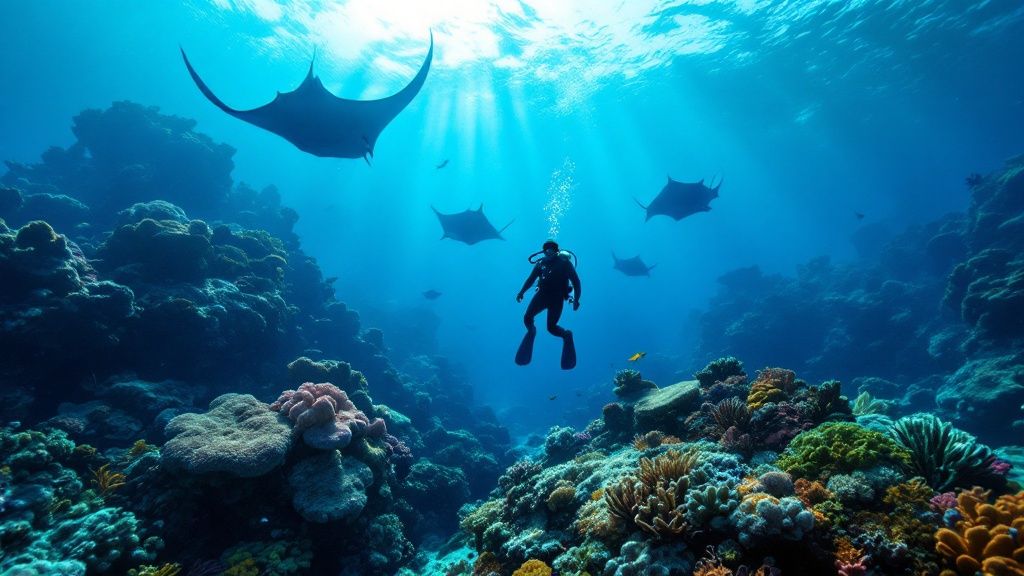
When divers talk about the Big Island, the conversation inevitably lands on one place: the Kona coast. There's a very good reason for that. Kona's western shoreline is geographically blessed, making it the undisputed heart of underwater exploration in Hawaii.
The secret? The island’s massive volcanoes, Mauna Loa and Hualalai. These giants act as a colossal natural shield, blocking the powerful trade winds that whip across much of the archipelago. This creates a protected lee side with exceptionally calm, clear waters all year long. It’s not unusual for visibility to stretch beyond 100 feet, making it feel more like you're floating in a massive, peaceful aquarium than the open ocean.
A World Forged by Fire and Water
The dramatic underwater world you’ll explore here was sculpted by millennia of volcanic activity. Ancient lava flows created a stunningly complex seascape that is a diver’s playground. You won’t find flat, sandy bottoms here. Instead, you'll discover a dynamic environment filled with incredible features.
- Lava Tubes: Imagine exploring intricate underwater caverns and swim-throughs carved out by cooling lava.
- Archways and Pinnacles: You can navigate breathtaking formations that rise from the ocean floor, acting as magnets for marine life.
- Sprawling Reefs: Healthy, vibrant coral gardens have claimed the volcanic rock, providing shelter for countless species.
This one-of-a-kind topography means every single dive site offers a completely new adventure. One minute you could be drifting along a vibrant reef wall, the next you might be peering into the mysterious entrance of an ancient lava tube.
A Sanctuary for Unique Marine Life
Kona's protected waters are a haven for an incredible diversity of marine animals. The Big Island’s ecosystems are famous for their biodiversity, and you’ll see why as soon as you dip below the surface. From the iconic Hawaiian green sea turtles (honu) to playful spinner dolphins that often greet the dive boats, the encounters here are truly unforgettable.
The reefs are absolutely bustling with activity, including endemic fish found nowhere else on Earth. You'll swim alongside schools of colorful butterflyfish, spot moray eels peeking out from their rocky homes, and be surrounded by clouds of tropical fish. You can learn more about what makes Big Island scuba diving so special.
Planning Your Dives Year-Round
One of Kona’s best features is its consistency. You can have an amazing dive experience any time of year, but there are a few slight seasonal differences to keep in mind.
Water temperatures are remarkably stable, usually ranging from a comfortable 75°F (24°C) in the winter to a balmy 80°F (27°C) in late summer and early fall.
These predictably pleasant conditions create a welcoming environment for both divers and the local marine life.
Here's a quick look at what you can generally expect from the diving conditions in Kona.
Kona Diving Conditions at a Glance
| Attribute | Details |
|---|---|
| Average Visibility | 80 – 100+ feet (24 – 30+ meters) |
| Water Temperature | 75°F – 80°F (24°C – 27°C) |
| Typical Sea Conditions | Calm to gentle seas, protected from trade winds |
| Peak Season | Year-round, with the warmest water in August-October |
| Unique Sightings | Humpback whale songs can be heard underwater during winter months (December – March) |
| Marine Life | Abundant reef fish, green sea turtles, spinner dolphins, manta rays, and eels |
As you can see, there’s really no bad time to go. The combination of unique geology and a thriving ecosystem ensures every single dive is filled with discovery. For a deeper look at what awaits, check out our comprehensive guide to Big Island Scuba Diving.
Experiencing the World-Famous Manta Ray Night Dive
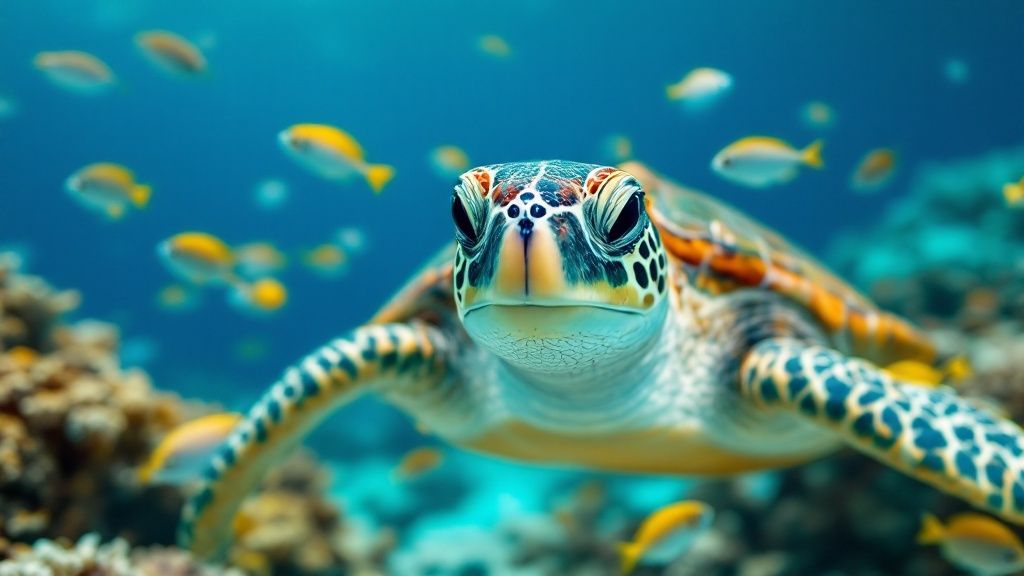
Of all the incredible things you can do while scuba diving on the Big Island, one experience sits in a class of its own: the Manta Ray Night Dive. This isn't just another dive on your logbook; it's an underwater ballet, a mesmerizing spectacle that's rightfully earned its reputation as one of the best night dives on the planet.
Picture this: you descend into the warm, dark Pacific just after sunset. Your guide sets up powerful, upward-facing lights on the ocean floor. These beams act like a massive dinner bell, attracting swarms of plankton—the manta rays' favorite food.
And then, they appear. Majestic reef mantas, some with wingspans stretching over 12 feet, emerge from the shadows. They glide effortlessly into the light, performing graceful barrel rolls and somersaults as they feed, often coming within inches of your face. It’s a humbling, almost magical, encounter.
The Diver's Advantage: An Up-Close Perspective
You can see the mantas by snorkeling or diving, but the scuba experience is on a completely different level. As a snorkeler, you're on the surface looking down at the action. It's a great view, but you're still an outside observer.
As a diver, you get a front-row seat. You’ll settle onto the sandy bottom, becoming part of their world. This vantage point lets you look up as the entire spectacle unfolds around and above you. The mantas swoop and soar right over your head, giving you an unparalleled perspective of their sheer size and elegance.
This unique position creates a much more personal and intimate encounter. You're not just watching from above; you're a quiet guest in their underwater dining room.
A Beacon of Sustainable Tourism
The Big Island's manta ray dive is more than just a bucket-list item; it's a shining example of sustainable wildlife tourism done right. The whole thing started organically when coastal hotel lights began attracting plankton, which in turn drew in the mantas. Dive operators quickly saw the potential for a respectful, observation-only experience.
Over the years, this has become a cornerstone of the local dive industry. Strict guidelines have been put in place to protect these gentle giants and ensure the encounters remain positive for everyone involved. To get a sense of how carefully these sites are managed, check out this safety assessment from Hawaii's Department of Land and Natural Resources.
Every operator enforces a strict "look, don't touch" policy. Touching a manta ray can strip away the protective mucous coating on its skin, leaving it vulnerable to infection. When you join a professionally guided tour, you're directly supporting an industry that actively conserves the local manta population. You can explore what makes the Manta Ray Night Dive in the Big Island so special and well-regulated.
Preparing for Your Manta Encounter
Honestly, if you're a certified diver visiting the Big Island, this is a can't-miss experience. It’s suitable for all certification levels, as the dive sites are fairly shallow and protected, making for a comfortable and safe night dive.
Ready to witness this incredible underwater performance for yourself? This is one of those adventures that will stick with you forever. Secure your spot on our dedicated Manta Ray Night Dive tour and get ready for an evening you'll never forget.
Exploring Top Dive Sites for Every Skill Level
The Kona coast is a diver's paradise, plain and simple. Think of it less as a single destination and more as a collection of incredible underwater neighborhoods, each with its own vibe and residents. For anyone new to Big Island scuba diving, there are plenty of calm, welcoming spots to get your fins wet.
This guide will help you navigate some of the best sites Kona has to offer, so you can find the perfect underwater adventure for your experience level. Whether you’re gearing up for your first ocean dive or you’re a seasoned pro looking for a unique challenge, Kona has a spot that’ll feel like it was made just for you.
Gentle Dives for Beginners
Just starting out? Kona has an amazing variety of shallow, protected sites that are absolutely teeming with life. These spots are perfect for getting comfortable with your gear and buoyancy while being surrounded by some seriously stunning scenery. The great thing is, you don't have to go deep to see the best of what Kona has to offer.
- Turtle Pinnacle: This spot is famous for its “turtle cleaning station,” a sort of natural spa where Hawaiian green sea turtles (honu) line up to let smaller fish nibble algae and parasites off their shells. It’s an incredible opportunity for a close, respectful encounter with these amazing animals, usually in water only 30 to 60 feet deep.
- Pawai Bay: With its consistently calm conditions and crystal-clear visibility, Pawai Bay feels like diving in a giant, natural swimming pool. It’s full of beautiful coral gardens and a sandy bottom where you can often spot rays and all sorts of colorful reef fish.
As you plan your dives, remember that many of the best snorkeling spots on the Big Island around Kona are also fantastic for new divers.
Thrilling Adventures for Intermediate Divers
Once you have a good handle on your buoyancy and feel ready for something more dynamic, Kona’s volcanic underwater landscape is waiting. These sites often have more complex structures—like lava tubes and swim-throughs—that require a bit more awareness to navigate.
At a site like Golden Arches, you can glide through spectacular underwater archways carved out by ancient lava flows. Weaving through these formations feels like exploring a submerged cathedral as beams of sunlight filter down from above. These dives are a fantastic way to sharpen your navigation skills and see how marine life has made these unique structures their home.
These intermediate sites are where you really see Kona's volcanic history up close. You're not just observing marine life; you're diving through geological time.
The Ultimate Challenge for Advanced Divers
For those with a logbook full of dives and a taste for the extraordinary, Kona delivers experiences that will push your skills and reward you with sights very few people ever get to witness. This is where you can truly appreciate the raw power and mystery of the Pacific.
Our premium advanced dive tours are designed with experienced divers in mind, taking you to deeper pinnacles and more remote spots where encounters with larger pelagic species are more common.
But the real holy grail for advanced divers here is the Pelagic Magic® Black Water Night Dive. This is not a reef dive. You'll head out into the deep open ocean at night, tethered to the boat, and descend into the abyss. Using powerful lights, you'll attract the strange and beautiful creatures that migrate from the deep sea toward the surface after dark. Get ready to see translucent, bioluminescent organisms that look like they're straight out of a science fiction movie. It’s a must-do for any serious diver looking for a truly unforgettable experience.
Getting Certified to Dive in Paradise
Have you ever watched a nature documentary and felt that magnetic pull toward the world beneath the waves? There's no better place to answer that call than right here on the Big Island. Learning to scuba dive in Kona’s warm, clear, and unbelievably vibrant waters isn’t just about trying a new activity—it’s about gaining a skill that will change how you see the world.
Your passport to exploring the other 71% of our planet is the PADI Open Water Diver course. It's the most recognized and respected scuba certification on the globe, and it’s structured in a way that fits perfectly into your Hawaiian vacation.
Your Path to Certification
Becoming a certified diver is a lot more straightforward than you might think. It’s not about being a super-athlete; it’s about being comfortable in the water and having a healthy sense of adventure. The whole process is designed to build your confidence one step at a time.
The course breaks down into three simple phases:
- Knowledge Development (eLearning): This is the "book work," but you can do it on your couch before you even pack your bags! Completing the theory online at your own pace means you get to spend your precious vacation time in the water, not a classroom.
- Confined Water Dives: Once you’re here, we’ll head to a calm, protected spot like a pool or a shallow, sandy-bottomed bay. This is where your instructor will guide you through all the essential hands-on skills, from clearing a foggy mask to mastering that feeling of weightlessness.
- Open Water Dives: Now for the main event! You’ll complete four dives in the open ocean, putting all your new skills into practice while exploring Kona’s incredible reefs. All of it happens under the watchful eye of your instructor, who is there to make sure you're safe and having a blast.
Kona’s famously calm and clear conditions create the perfect learning environment. It’s a huge advantage that helps new divers relax and really enjoy the process.
Choosing the Right Dive School
Who you learn with matters. A lot. Your choice of a dive school sets the tone for your entire underwater journey, so it's important to pick a great one. When you’re looking around, search for a PADI 5-Star Instructor Development Center like Kona Honu Divers. That designation isn’t just a sticker on the window; it's a promise of the highest standards in training, safety, and service.
A great instructor does more than teach you the buttons to push. They share their passion, build your confidence, and instill a deep respect for the ocean that lasts a lifetime.
Read reviews online, ask about the condition of their rental gear, and make sure they have a stellar safety record. A top-notch operation will be happy to answer every question you have. To get a better sense of what makes this island so special for diving, you can learn more about why you should consider scuba diving Hawaii.
What Comes After Certification
Getting that Open Water card is just the beginning. Think of it as your permanent license to explore the vast, beautiful world that lies beneath the surface. And there’s no better place to continue the adventure than the Big Island.
Many new divers are so hooked they roll right into the PADI Advanced Open Water Diver course. Don't let the name fool you; it's not about doing anything difficult or technical. It’s about experiencing more of what diving has to offer. You'll complete five different "adventure dives," including a deep dive and a navigation dive, plus three others you get to pick—like night diving or perfecting your buoyancy.
Speaking of which, the Night Diver specialty is an incredibly popular choice here. The skills you learn will prepare you perfectly for one of the most iconic dives on the planet: the Manta Ray Night Dive. It’s your chance to see a completely different side of the reef when it truly comes alive after dark.
Your Big Island Scuba Questions, Answered
It’s completely normal to have a few questions before planning a dive trip, especially somewhere as unique as the Big Island. To help you get your fins wet with confidence, we've put together answers to the questions we hear most often from fellow divers.
Let's clear things up so you can focus on the incredible underwater adventure ahead.
What’s the Best Time of Year to Dive the Big Island?
Honestly, there’s no bad time to dive here. The Big Island offers fantastic conditions year-round, thanks to the Kona coast's calm, protected waters. The water temperature is always comfortable, rarely ever dropping below a pleasant 75°F (24°C), even in the middle of winter.
If you’re chasing the warmest water, plan your trip between August and October, when temperatures often reach a balmy 80°F (27°C). But diving in the winter, from January to March, comes with a truly magical soundtrack—you can often hear the songs of humpback whales echoing through the water during your dives.
What Kind of Marine Life Will I See?
Get ready for some unforgettable encounters. The Big Island is world-famous for its gentle giants, the manta rays, and the night dive to see them is a bucket-list experience for divers everywhere. You’re also pretty much guaranteed to spot a few honu, or Hawaiian green sea turtles, gliding effortlessly through the water.
But the cast of characters doesn't stop there. Keep your eyes peeled for:
- Pods of playful spinner dolphins, often spotted from the boat.
- Colorful reef fish found nowhere else on Earth.
- Moray eels peeking out from their rocky homes and cleverly camouflaged octopuses.
- The occasional whitetip reef shark cruising along the seafloor.
If you want to dive deeper into the world of manta rays, this Manta Ray FAQ is an excellent resource.
Do I Need to Be Certified to Try Scuba Diving?
Not at all! If you’ve always been curious about breathing underwater but aren’t ready for a full certification course, the "Discover Scuba Diving" experience is perfect for you. It’s a supervised introduction led by a certified instructor in a safe, shallow environment.
This is your chance to see what all the fuss is about and get a real feel for diving, completely pressure-free.
What Should I Pack for My Dive Trip?
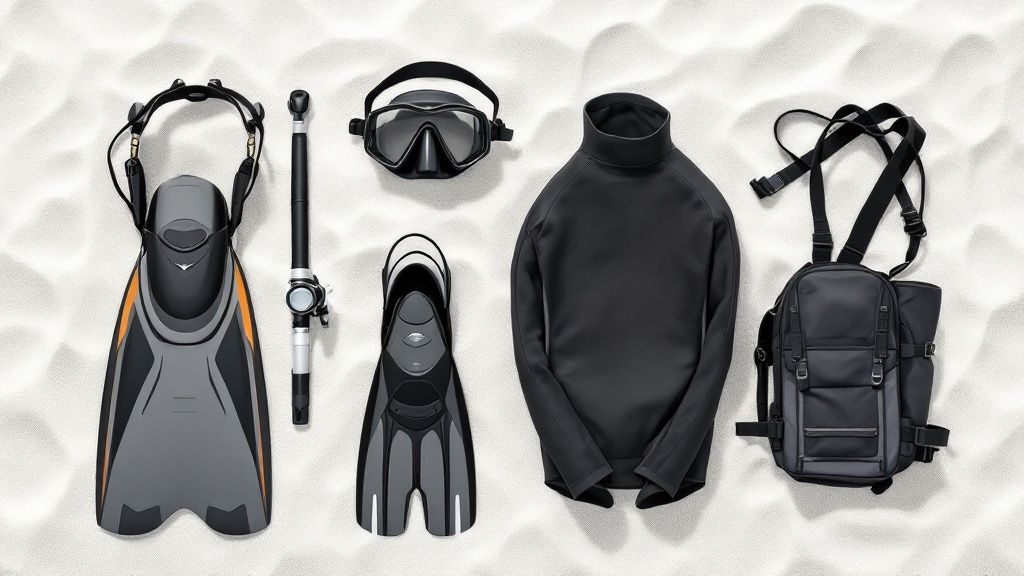
Packing for a Kona dive trip is refreshingly simple. Beyond your usual swimwear and a towel, the absolute must-have is reef-safe sunscreen. It’s a small choice that makes a big difference in protecting Hawaii's fragile coral reefs. As for gear, don't worry—most reputable shops, including Kona Honu Divers, provide high-quality, well-maintained equipment.
That said, many divers feel more comfortable bringing their own mask for that perfect, leak-free fit. If you have a wetsuit you love, feel free to bring it along. And a reusable water bottle is always a smart idea to stay hydrated.