
When people ask me which Hawaiian island is the absolute best for diving, my answer is almost always the same: The Big Island's Kona Coast. It's just the undisputed champ for variety, bizarre underwater landscapes, and truly iconic dives.
Sure, Maui and Kauai have some incredible spots, but the Kona coast is uniquely shielded from the trade winds. That protection gives us consistently calm, crystal-clear water that’s perfect for divers of every single skill level.
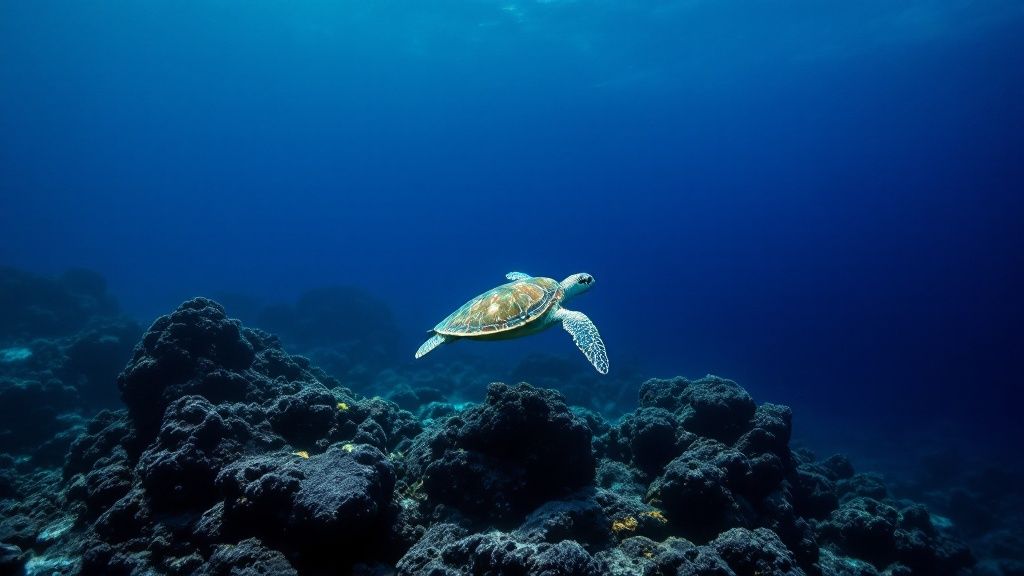
Picking the right island really comes down to what you want to get out of your dive trip. Every island has its own underwater personality, sculpted by unique geology and marine life. To make that choice a little easier, I’ve broken down the top three contenders.
Hawaii's Big Island easily takes the lead with the sheer number of diving tours available. Its coastline, still being shaped by volcanic activity, is an underwater playground of lava tubes, dramatic arches, and collapsed craters you won't find anywhere else. With over 1.5 million scuba dives happening across Hawaii annually, this massive volume of sites makes the Big Island the center of the action.
Hawaii Diving At a Glance Island Comparison
This table is your cheat sheet for the top three Hawaiian islands. I've designed it to give you a quick snapshot to help you compare their best features and figure out where to start based on what you love to see underwater.
For a deeper look, you can check out our complete guide to scuba diving in Hawaii.
| Feature | Big Island (Kona) | Maui | Kauai |
|---|---|---|---|
| Best For | Overall variety, unique volcanic topography, and iconic night dives | Shore diving accessibility and high density of endemic marine life | Uncrowded sites and reliable Hawaiian green sea turtle encounters |
| Signature Dive | Manta Ray Night Dive, Blackwater Dive | Molokini Crater Back Wall | Sheraton Caverns |
| Underwater Landscape | Lava tubes, arches, craters, vibrant coral reefs | Healthy fringing reefs, submerged volcanic caldera | Collapsed lava tubes, archways, pristine coral gardens |
| Typical Conditions | Exceptionally calm and clear, protected from trade winds | Calm on leeward coasts, can be windy elsewhere | Generally calm, especially on the south shore in summer |
| Beginner Friendly | Excellent. Sheltered coves and numerous easy reef dives. | Very Good. Many accessible shore dives for practice. | Good. Several protected sites perfect for new divers. |
As you can see, each island brings something special to the table. Kona just happens to bring a little bit of everything, which is why it so often gets the top spot on divers' wish lists.
The Big Island: Hawaii’s Undisputed Diving Champion
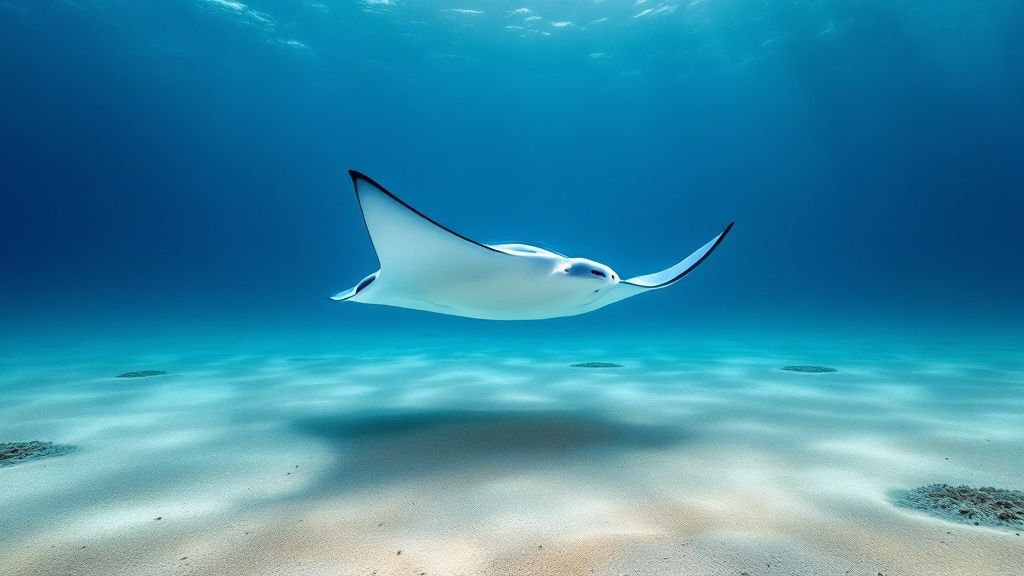
When divers start debating the best island in Hawaii for getting underwater, the conversation almost always lands on one place: The Big Island. It’s not just hype. The island’s unique geology, predictably calm conditions, and a staggering number of world-class dive sites make it the clear winner.
The Kona Coast, tucked away on the island's western side, is the epicenter of it all. It sits in the shadow of the massive volcanoes Mauna Loa and Hualalai, which act as a natural shield against the powerful trade winds. This protection creates a leeward coast with exceptionally clear and tranquil waters all year long. You can book a trip months out and feel confident that great conditions will be waiting for you.
Volcanic Topography And Unforgettable Dive Sites
What really sets Kona apart is its underwater landscape. It's otherworldly. Thanks to relatively recent volcanic activity, the underwater world isn't defined by ancient, weathered-down reefs. Instead, it’s a dramatic playground of incredible lava formations.
This is what you get to explore:
- Intricate Lava Tubes: Imagine swimming through massive underwater caverns and tunnels that were once flowing rivers of lava.
- Dramatic Archways and Craters: Discover collapsed lava domes that have become thriving habitats for all kinds of marine life.
- Pinnacles and Canyons: Navigate sheer underwater cliffs and deep canyons that are teeming with schools of fish.
This volcanic topography means every single dive feels like a brand-new adventure. There are so many accessible sites that you could dive here for weeks and never get bored. To get a better feel for the layout, you can learn more about where the best diving on the Big Island is located.
Experience Kona’s Signature Dives
While the day-to-day reef diving is spectacular on its own, Kona is globally famous for two bucket-list dives that draw people from all over the world.
First is the legendary Manta Ray Night Dive. This isn't just a dive; it's an underwater ballet. After sunset, boats gather and shine powerful lights into the water, which attracts clouds of plankton. Soon after, giant, graceful manta rays show up for dinner, gliding just inches over your head. It’s a surreal and humbling encounter with one of the ocean's most majestic animals.
For the more adventurous diver, there’s the Kona Blackwater Dive. You're tethered to the boat at night, drifting over thousands of feet of deep, open ocean. It's here that you witness the nightly vertical migration, where bizarre and often bioluminescent creatures rise from the abyss. People often describe it as diving in outer space.
Whether you're a new diver looking for a calm reef tour or a seasoned pro chasing a new thrill, the sheer variety of diving in Kona has something for everyone.
A Premier Destination For Divers
The combination of calm seas, incredible visibility, and unique volcanic dive sites cements the Big Island’s reputation as a top-tier destination. The amazing ecosystem isn't just for divers, either. This guide to the best snorkeling spots on the Big Island shows just how much life there is to see right from the surface.
When you do plan your trip, going with a top-rated operator like Kona Honu Divers really makes all the difference. Their deep expertise, focus on safety, and genuine passion for the marine environment guarantee you'll have an incredible time.
Ready to experience Hawaii's best diving for yourself?
Maui: A Haven for Shore Divers and Endemic Species
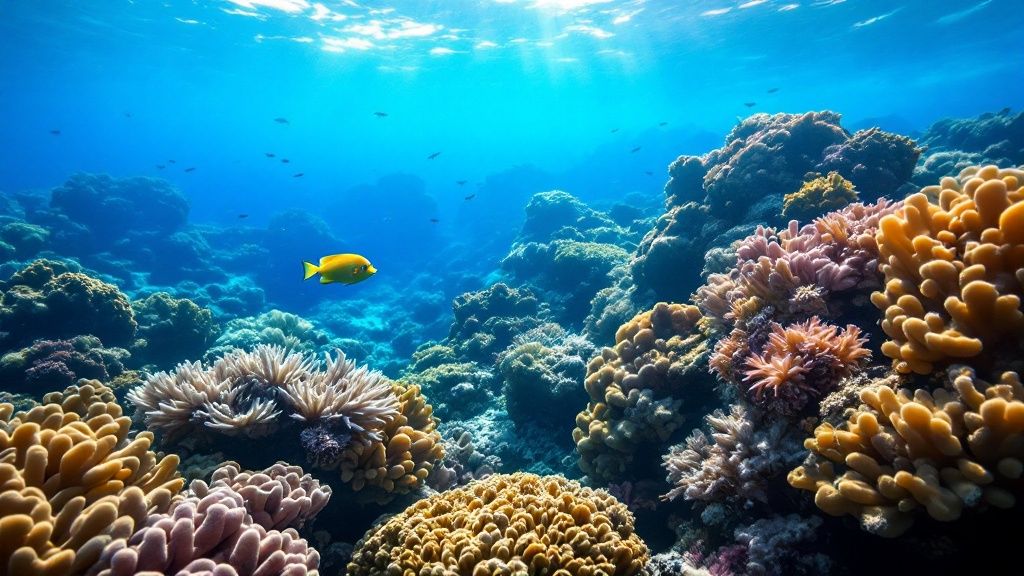
While the Big Island brings all the volcanic drama, Maui offers a completely different, but just as incredible, underwater experience. Its world is all about easy access and mind-blowing biodiversity.
If you're a certified diver who loves the freedom of gearing up and just going, Maui is your paradise. The island boasts some of the best, most convenient shore diving you'll find anywhere in Hawaii.
The south and west coasts are lined with dive sites that are literally just a few steps from where you park your car. This setup gives you total control—dive on your schedule, explore at your own pace, and spend as much time as you want watching the reef life go by. It’s a game-changer for independent divers.
A Hotspot for Unique Marine Life
What really sets Maui apart is the sheer concentration of endemic species—the fish and corals you won't find anywhere else on the planet. Thanks to Hawaii’s extreme isolation in the Pacific, it became a unique evolutionary incubator.
Maui's sprawling fringing reefs are home to roughly 50% of Hawaii's coral species, and about 20% of those are found only here. This means every dive is a treasure hunt for something special, from the Hawaiian cleaner wrasse to the milletseed butterflyfish. You can learn more about the diverse dive sites Maui offers to see what's out there.
For divers who appreciate a vibrant, thriving ecosystem packed with fish, the health and density of these reefs easily make Maui a top contender for the best diving island.
Beyond the Shoreline: Molokini and More
Shore diving might be Maui's signature, but its boat diving is absolutely world-class. The crown jewel is, without a doubt, Molokini Crater. This crescent-shaped, submerged volcanic caldera is a protected Marine Life Conservation District, and it lives up to the hype.
Molokini is legendary for its visibility, which often pushes past 150 feet. The sheltered inner reef is like swimming in a calm, gigantic aquarium overflowing with life. It's a non-negotiable, must-do dive for anyone visiting the island.
And if you're craving a little more adventure, Maui delivers. Dive operators run thrilling drift dives along the coast and charter trips to the nearby islands of Lanai and Molokai. These excursions open up a whole new world of dramatic underwater landscapes, from sheer pinnacles and ancient lava formations to chances for encounters with bigger pelagic species.
This incredible versatility is what makes Maui so special. It truly has something for everyone, from the laid-back shore diver to the bluewater adventurer.
Kauai Diving in a Serene Turtle Sanctuary
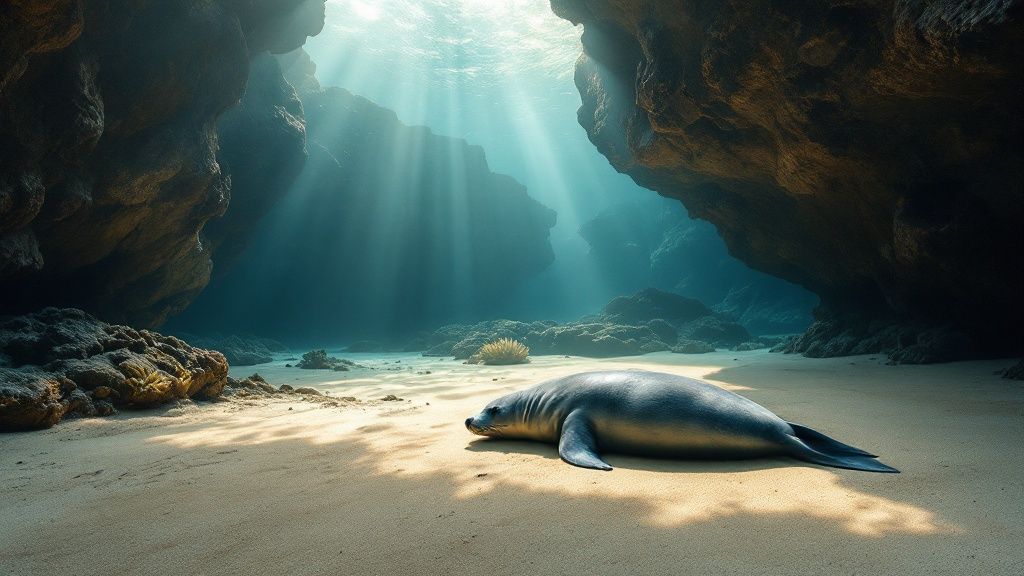
If your idea of a perfect dive trip is more about quiet, intimate moments with marine life than racking up a long list of sites, Kauai might just be your island. The "Garden Isle" is known for its breathtaking topside scenery, and that lush, dramatic feel extends right down into its underwater world. It’s a world away from the high-traffic dive hubs on the other islands.
Kauai really leans into a "quality over quantity" dive philosophy. It doesn't have the sheer number of sites you'll find on the Big Island or Maui, but the sites it does have are often more pristine and far less crowded. This translates to a more personal, peaceful connection with the ocean, making it a true sanctuary for divers looking to escape.
Sheraton Caverns: The Ultimate Turtle Haven
Talk to any diver familiar with Kauai, and one site will inevitably come up: Sheraton Caverns. This is the undisputed crown jewel of the island's diving. It's an incredible network of collapsed lava tubes that have formed a series of stunning archways, swim-throughs, and overhangs.
But what truly makes it legendary is its reputation as one of the most reliable spots in all of Hawaii to encounter resting Hawaiian green sea turtles, or honu. It’s common to gently glide through a sun-dappled chamber and find several of these majestic creatures just chilling out on the sandy floor or tucked into a ledge.
Of course, observing these gentle giants means being a good guest in their home. Always practice responsible and considerate diver etiquette to ensure these habitats stay safe and stress-free for the turtles. For underwater photographers, the caverns offer an almost perfect natural studio to capture breathtaking shots of honu in a dramatic, beautifully lit environment.
While Kauai may have fewer dive sites than the Big Island or Maui, it delivers some of the most concentrated and memorable encounters with specific species, especially the beloved green sea turtle.
Typically reached by boat, Sheraton Caverns is a very accessible site, with depths ranging from 30 to 60 feet. It’s also nicely protected from major ocean swells and strong currents, making it a great, safe dive for all experience levels. Besides the turtles, you’ll find the lava tubes and arches teeming with life, including big schools of bluestripe snappers.
Who Should Choose Kauai for Diving?
Kauai isn't for everyone, but for a certain type of diver, it's absolute paradise. If any of these sound like you, the Garden Isle should be at the top of your list:
- Underwater Photographers: The combination of clear water, dramatic lava formations, and nearly guaranteed turtle encounters makes Sheraton Caverns a dream location.
- Nature Lovers: If you appreciate the whole package—world-class hiking and scenery on land, followed by serene exploration underwater—Kauai delivers an unmatched holistic experience.
- Divers Seeking Serenity: Is your main goal to get away from the "cattle boats" and crowded reefs? Kauai's laid-back and unhurried dive culture is exactly what you're looking for.
In short, Kauai offers a focused, peaceful dive experience that revolves around one of Hawaii’s most iconic marine animals. It’s the perfect choice for a tranquil turtle-filled getaway.
Choosing the Right Island for Your Dive Style
Figuring out which Hawaiian island is best for your scuba trip isn’t about finding a one-size-fits-all answer. It’s about matching the island’s unique character to your own. What kind of experience are you looking for?
Instead of just listing pros and cons, let's walk through a few common scenarios. This should help you pinpoint the perfect underwater adventure for your skill level, what you want to see, and your overall vacation vibe.
For New Divers and World-Class Wonders
If you’re just getting certified or want to build your confidence in calm, clear water, the Big Island's Kona Coast is your best bet. Its leeward side is naturally protected from the wind, creating aquarium-like conditions that are perfect for learning. Better yet, you get immediate access to absolute bucket-list dives like the Manta Ray Night Dive—an experience so incredible it will spoil you for life. The dive community here is incredibly welcoming to beginners, with a huge emphasis on safety and good training.
Key Takeaway: The Big Island pairs the most beginner-friendly conditions with some of the most spectacular, world-renowned dive encounters you can have. It's an unbeatable introduction to the world of scuba.
For Independent Explorers on a Budget
Are you a certified diver who loves freedom, hates being tied to a boat schedule, and wants to get the most dives for your dollar? Maui’s extensive shore diving is unmatched. You can find dozens of sites accessible right from the beach along its south and west coasts, giving you total liberty to dive whenever you want. This is a fantastic option if you prefer to explore at your own pace. If you're weighing your options, learning the differences between boat vs. shore diving on the Big Island can help you figure out which style is right for you.
For Photographers and Serene Sanctuaries
If your main goal is capturing breathtaking images of Hawaiian green sea turtles in quiet, uncrowded spots, then Kauai is your ideal sanctuary. The dive scene on the Garden Isle is less about the number of sites and more about the quality of the experience. It offers a truly tranquil escape. Dive sites like Sheraton Caverns are famous for their resident honu, giving underwater photographers reliable, up-close encounters in beautiful, sun-dappled lava tubes. It's the perfect place for a peaceful dive trip focused on marine life.
For the Thrill-Seekers and Experienced Divers
For those who have plenty of dives under their belt and are hunting for a new challenge, the Big Island again stands out as the premier destination. Beyond its famous manta dive, Kona offers exhilarating deep-water sites, dramatic lava-formed canyons, and incredible opportunities for pelagic encounters. Experienced divers can test their skills on demanding drift dives or explore remote pinnacles that few people ever get to see. Kona Honu Divers even offers specialized advanced dive trips for those ready to take their skills to the next level.
As you plan your dive trip, remember that protecting Hawaii's beautiful marine life is a shared responsibility. It's a great time to learn how to reduce your plastic footprint and keep our oceans healthy. While every island offers something special, the Big Island consistently provides the greatest range and depth of opportunity for divers of all levels.
Hawaii Diving FAQs
Planning a dive trip to Hawaii always brings up a few key questions. Getting them sorted out early helps you pack right, book the best sites for your skill level, and ultimately have an incredible time underwater. Here are the answers to the things we get asked the most.
What's The Best Time Of Year To Dive In Hawaii?
While you can have a great dive any day of the year in Hawaii, the calmest and warmest conditions are usually found in the summer months from May to October. This is when the ocean is typically flatter and visibility is at its peak. It's a fantastic time for relaxed reef exploration.
That said, the winter from December to March offers its own kind of magic. This is prime humpback whale season, and hearing their songs echo through the water on a dive is an experience you will never, ever forget. Just be ready for potentially choppier surface conditions on the boat ride out.
What Dive Certification Do I Need?
Hawaii has something for everyone, from first-timers to seasoned pros. If you've never dived before, most shops offer introductory experiences like a PADI Discover Scuba Dive. No certification is needed, and it's the perfect way to see if you like it.
To explore the vast majority of our beautiful reef sites, you'll need at least an Open Water Diver certification. For the more advanced stuff—like deep lava tubes, certain shipwrecks, or the famous Kona Blackwater Dive—you'll need your Advanced Open Water certification or higher.
What Are My Chances Of Seeing Sharks Or Manta Rays?
Really, really good—especially if you're on the Big Island. The world-famous manta ray night dive in Kona offers a nearly 100% guaranteed chance to see these gentle giants glide right over your head. It's an absolute must-do.
As for sharks, whitetip reef sharks are a common and welcome sight on dives across all the islands. They're usually just cruising along the reef or resting on the sand. While you might get lucky and spot a larger species like a tiger or hammerhead, those encounters are much rarer and definitely a special treat.
What Is The Water Temperature And What Wetsuit Should I Bring?
Hawaii’s water is pretty comfortable all year long. It typically ranges from about 75°F (24°C) during the cooler winter months up to a balmy 82°F (28°C) in the heart of summer.
To stay comfortable, especially if you're doing more than one dive in a day, we highly recommend a 3mm or 5mm full wetsuit. It provides just the right amount of warmth to keep you from getting chilled on your second or third dive without feeling restrictive.