
The Big Island of Hawaii is a world-class destination for scuba divers, offering an unparalleled variety of underwater landscapes shaped by volcanic activity. From vibrant coral gardens teeming with endemic fish to dramatic lava tubes and encounters with majestic megafauna, the Kona coast provides unforgettable experiences for divers of all skill levels. But with so many incredible options, the ultimate question for any underwater explorer is: where is the best diving on the Big Island?
This guide cuts through the noise to profile six of the most exceptional dive spots, each offering a unique window into the island's aquatic wonders. Whether you're seeking a serene shore dive accessible to beginners, a thrilling nighttime adventure with gentle giants, or a challenging drift along deep volcanic ledges, we have the detailed information you need to plan your perfect dive. We will break down what makes each site special, from the specific marine life you can expect to see to the logistical details for getting there. For a comprehensive overview of local charters, consider exploring the available scuba diving Kona, Hawaii tours. While preparing for your adventure, remember that general water safety is key; it's always wise to understand common waterborne diseases that water enthusiasts should be aware of to ensure a healthy trip.
1. Kealakekua Bay: A Pristine Marine Sanctuary
Kealakekua Bay isn’t just a dive spot; it's an experience that combines pristine marine conservation with significant Hawaiian history. Located on the Kona coast, this underwater park is a State Marine Life Conservation District, which means its coral reefs and marine inhabitants are exceptionally protected and thriving. For divers wondering where is the best diving on the Big Island, Kealakekua often tops the list for its sheer biodiversity and incredible water clarity.
Visibility here frequently surpasses 100 feet, revealing a vibrant underwater world. The bay’s calm, sheltered waters make it an ideal location for divers of all skill levels, from beginners to seasoned veterans. The reef slopes gently from the shoreline before dropping off into deeper water, offering varied topography to explore. Divers can expect to see vast gardens of finger coral, cauliflower coral, and lobe coral, creating a complex habitat for a dazzling array of reef fish.
What You'll See and How to Get There
The marine life in Kealakekua Bay is prolific. Schools of yellow tang, spinner dolphins, and Hawaiian green sea turtles (honu) are common sights. You might also encounter moray eels peeking from crevices, octopuses camouflaging themselves against the reef, and occasionally, a majestic manta ray gliding by.
Pro Tip: Due to its remote location and protected status, accessing the bay's prime dive sites is best done by boat. A strenuous hike is the only land alternative, which isn’t practical with dive gear. Booking a charter is the most efficient and enjoyable way to experience the bay.
Planning Your Dive
Given its popularity, booking a spot on a dive boat well in advance is crucial, particularly during the busy winter months. Reputable operators like Jack's Diving Locker offer dedicated trips that provide not only transport but also expert guidance on the bay's best features. Morning tours are highly recommended, as they typically offer the calmest surface conditions and optimal sunlight for underwater visibility. Remember to only use reef-safe sunscreen to help preserve this delicate ecosystem for generations to come.
2. Manta Ray Night Dive: An Otherworldly Underwater Ballet
Often hailed as one of the top night dives in the world, the Manta Ray Night Dive is an unforgettable, almost surreal experience unique to the Kona coast. It’s an essential answer to the question, "Where is the best diving on the Big Island?" for thrill-seekers and nature lovers alike. The concept is simple yet ingenious: powerful lights are placed on the ocean floor, attracting swarms of plankton, which in turn draws in graceful giant manta rays to feed.
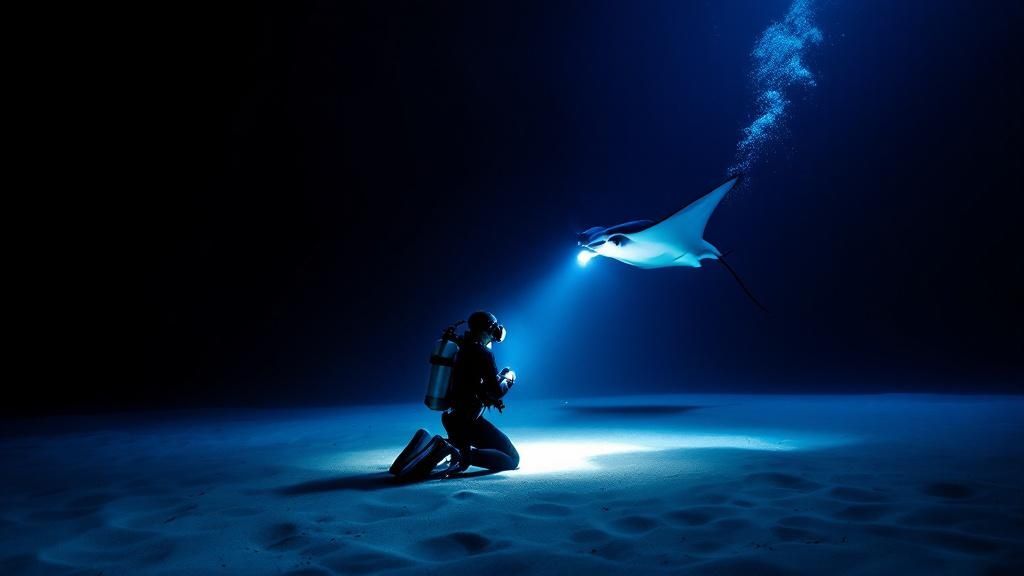
Divers and snorkelers gather around this underwater "campfire" as these gentle giants, with wingspans reaching up to 16 feet, perform a mesmerizing ballet. They glide, swoop, and barrel roll just inches away, filter-feeding in the concentrated beams of light. This iconic dive, featured in documentaries like BBC's Blue Planet II, provides an unparalleled, intimate encounter with one of the ocean's most majestic creatures in a controlled and safe environment.
What You'll See and How to Get There
The stars of the show are, of course, the resident manta rays. You will kneel or sit on the sandy bottom at a depth of about 30-35 feet and watch as these magnificent animals put on their nightly performance. The experience is not just visual; it's a full sensory immersion into their world as they move gracefully through the water right above your head.
Pro Tip: Don't chase the mantas. The key to a great encounter is to remain stationary on the bottom. Let them come to you. By staying calm and respecting their space, you’ll be rewarded with much closer and longer interactions.
Planning Your Dive
This is an extremely popular activity, so booking your manta ray dive tour well in advance is essential. Operators like Kona Honu Divers specialize in small-group experiences, which can make the dive feel more personal and less crowded. If you aren't certified to dive, a snorkeling option is almost always available, offering a fantastic view from the surface. Because weather can sometimes cause cancellations, it's wise to book the trip early in your vacation to allow for rescheduling if needed.
3. Puako/Puakō Reef: A Shore Diver’s Paradise
For divers who prefer the freedom and accessibility of shore diving, Puako Reef offers an unparalleled experience on the Big Island's Kohala Coast. This extensive reef system, easily accessed from multiple points along the shore including Waialea Bay (Beach 69), is a treasure trove of vibrant marine life and fascinating underwater topography. Its reputation as a top-tier shore dive makes it a must-visit for anyone searching for the best diving on the Big Island, especially for those wanting to explore at their own pace.
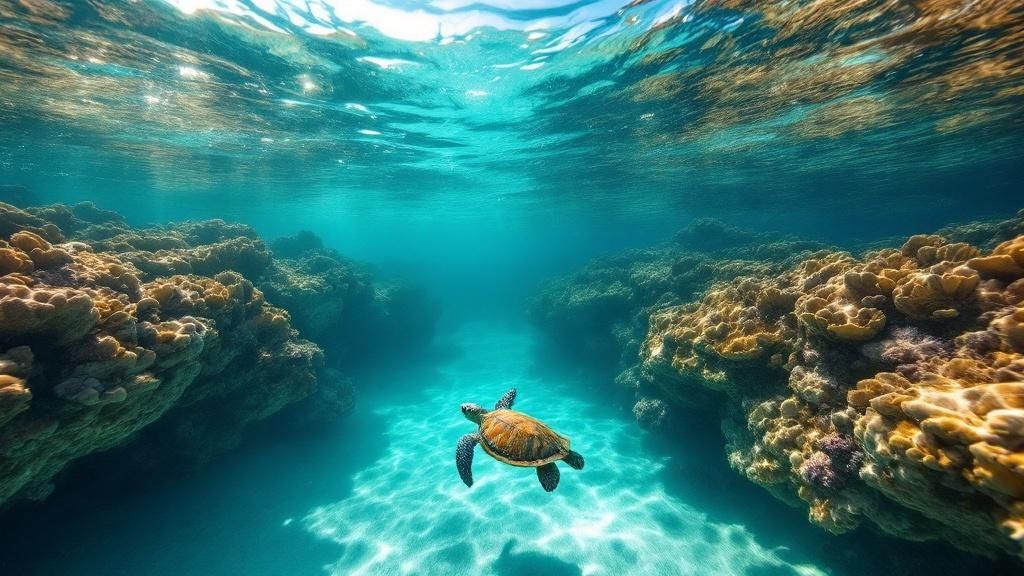
The area is celebrated for its incredibly healthy hard coral gardens, which create a complex and beautiful habitat. The reef starts in shallow water, making for an easy entry, and then slopes gently to deeper drop-offs, providing diverse environments suitable for both novice and advanced divers. With clear water and typically calm conditions, Puako Reef showcases the stunning biodiversity of Hawaii's underwater world right from the beach.
What You'll See and How to Get There
Puako is teeming with a remarkable variety of marine life. Divers can expect to see large schools of convict tangs, butterflyfish, and Moorish idols navigating the intricate coral formations. Green sea turtles (honu) are very common here, often seen resting on the reef or gracefully swimming by. Keep an eye out for whitemouth moray eels, frogfish, and even the occasional manta ray passing through the outer reef.
Pro Tip: Puako has several public shore access points. The most popular are at Waialea Bay (Beach 69) and near the Puako Boat Ramp. These entries can be rocky, so sturdy dive booties are essential for a safe and comfortable entry and exit. Always dive with a buddy and use a dive flag.
Planning Your Dive
Shore diving at Puako requires careful planning. The best conditions are almost always found in the early morning before the winds pick up. Always check the local surf and weather reports before heading out. Because there are no facilities at most entry points, you must be self-sufficient, bringing all your gear, water, and snacks. Navigating back to your entry point is crucial, so use landmarks or a GPS to stay oriented. For those interested in a guided experience or learning more about the intricacies of this location, check out some of the best shore diving sites in Kona, Hawaii on konahonudivers.com.
4. Honaunau Bay (Two Step): The Ultimate Shore Dive
Adjacent to the historically profound Pu'uhonua o Hōnaunau National Historical Park, Honaunau Bay offers what many consider the best shore diving on the Big Island. Affectionately nicknamed "Two Step" for the natural, staircase-like lava rock formation that provides an exceptionally easy entry point, this site is a paradise for divers who prefer to explore at their own pace without needing a boat charter. The bay's geography protects it from most winds and swell, resulting in consistently calm and clear conditions perfect for all experience levels.
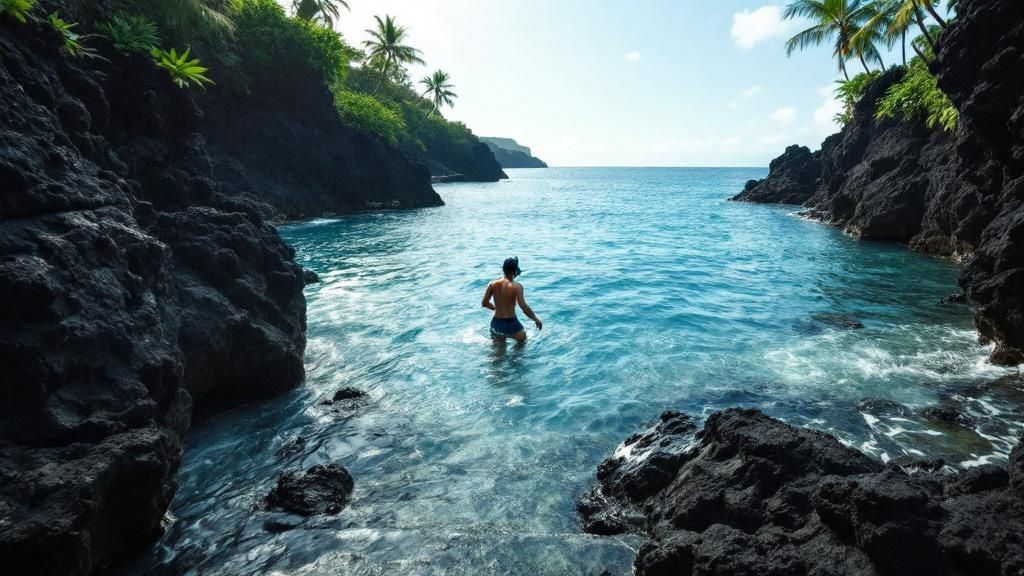
The underwater topography is a mix of shallow coral gardens teeming with life and dramatic lava rock ledges that drop off into the deep blue. Visibility is often excellent, allowing divers to fully appreciate the intricate coral structures and the vibrant fish that call them home. Its accessibility and reliable conditions make it a favorite spot for dive instructors conducting certification courses and for underwater photographers honing their macro skills.
What You'll See and How to Get There
The shallow areas of Honaunau Bay are a kaleidoscope of color, with abundant yellow tang, butterflyfish, parrotfish, and Moorish idols. Hawaiian green sea turtles (honu) are almost always present, resting on the coral heads or gracefully swimming by. As you venture deeper along the walls, you might spot moray eels, octopuses, and even white-tip reef sharks. For a more detailed look at what to expect from Big Island diving, get an overview of diving conditions on konahonudivers.com.
Pro Tip: Arrive early, ideally before 9 AM, to secure one of the limited parking spots and enjoy the bay before the midday crowds. The famous "two-step" entry is on the right side of the bay, but be sure to explore the reef to the left for a quieter dive with impressive underwater architecture.
Planning Your Dive
This is a self-guided shore dive, so you are responsible for your own gear and safety. Be mindful of boat traffic, as some tour operators use the bay for snorkeling trips. Weekdays are generally less crowded than weekends. There are no facilities or vendors on site, so pack plenty of water, snacks, and reef-safe sunscreen. Most importantly, show respect for the area by not touching the coral and by honoring the cultural significance of the adjacent national park. While it's an amazing shore dive, for those seeking more advanced or guided experiences, Kona Honu Divers offers excellent advanced dive tours to other world-class sites.
5. Red Hill (Kaloko): An Advanced Shore Diving Adventure
For experienced divers seeking a thrilling shore entry that leads to dramatic underwater landscapes, Red Hill is a premier destination. Located just north of Kailua-Kona near the Kaloko-Honokōhau National Historical Park, this site is not for the faint of heart. Its reputation among advanced local divers is built on its challenging entry and the spectacular rewards that follow, including steep drop-offs, lava caves, and the chance for big animal encounters.
The dive itself is defined by ancient lava flows that have created a breathtaking underwater topography of arches, swim-throughs, and caverns. Named for the distinctive red cinder cone hill visible from the water, the site quickly descends into the deep blue, attracting pelagic species from the open ocean. This is where advanced divers find some of the best diving on the Big Island, offering a rugged, boat-free alternative that tests skills and delivers unparalleled adventure.
What You'll See and How to Get There
The underwater architecture is the main star here, with massive lava formations creating a maze-like environment. Divers can spot large schools of fish, white tip reef sharks resting in caves, and potentially larger pelagics like eagle rays or even sharks cruising the deep-water edge. The entry requires a careful walk over lava rock, and conditions must be calm.
Pro Tip: This is strictly an advanced dive site. Do not attempt Red Hill without significant shore diving experience and a thorough understanding of local conditions. Surge can be powerful, and the entry and exit points are unforgiving. Diving with a local guide or someone intimately familiar with the site is highly recommended.
Planning Your Dive
Careful planning is non-negotiable for Red Hill. Always check the surf and swell reports before you even consider gearing up. Given the complexity and potential hazards of the site, going with a professional guide service that offers advanced shore dives is the safest approach. For those certified and experienced enough for these conditions, a guided trip can transform a potentially risky dive into a memorable one. Companies like Kona Honu Divers offer specialized advanced dive tours that can introduce you to the island's more challenging and rewarding sites. Never dive this location alone.
6. Kaiwi Point (Plane Wreck/Sea Tiger): A Unique Artificial Reef
For divers seeking an adventure beyond natural reefs, Kaiwi Point offers a fascinating combination of wreck and reef diving. Located just south of Kailua-Kona, the main attraction is an aircraft intentionally sunk to create an artificial reef, now resting at a depth of approximately 115 feet. This site provides a distinct answer for those wondering where is the best diving on the Big Island for a unique underwater challenge that merges history with marine biology.
This is an advanced dive due to its depth, and the conditions can sometimes include moderate currents, making it best suited for experienced divers. The wreck itself sits on a sandy bottom, surrounded by the classic lava rock topography of the Kona coast. Over the years, the structure has become a thriving habitat, attracting marine life and offering incredible opportunities for underwater photography and videography. The surrounding reef features dramatic lava formations, small caves, and overhangs teeming with life.
What You'll See and How to Get There
The plane wreck is the star of the show, often patrolled by large schools of goatfish and the occasional whitetip reef shark resting on the sand nearby. The structure is encrusted with corals and sponges, providing shelter for moray eels, octopus, and countless species of reef fish. The adjacent lava reef is home to everything from frogfish to vibrant nudibranchs.
Pro Tip: Due to the depth, this is considered an advanced dive. You must have an Advanced Open Water certification to dive this site. It's also highly recommended to have Deep Diver or Wreck Diver specialty training to get the most out of the experience safely. A powerful dive light is essential for peering into the wreck's darker corners.
Planning Your Dive
This site is exclusively accessible by boat, and it's best to book with a charter that specifically targets advanced sites. Operators like Kona Honu Divers and Jack’s Diving Locker offer trips tailored for experienced divers that may include Kaiwi Point. Carefully monitoring your bottom time and performing a safety stop are critical due to the depth. Exploring the differences between boat diving versus shore diving on konahonudivers.com can help you prepare for this type of excursion. Always dive with a reputable guide who knows the site and its potential challenges.
Top 6 Big Island Dive Sites Comparison
| Dive Site | Implementation Complexity 🔄 | Resource Requirements ⚡ | Expected Outcomes 📊 | Ideal Use Cases 💡 | Key Advantages ⭐ |
|---|---|---|---|---|---|
| Kealakekua Bay | Moderate (land access hike/kayak plus permits) | Moderate (boat tours or strenuous hike) | Exceptional clarity, diverse marine life, cultural experience | All levels; scenic & historical diving | Pristine marine sanctuary; calm waters; dolphin sightings |
| Manta Ray Night Dive | Moderate to High (night dive, certification needed) | Moderate to High (night gear, boat trips) | Nearly guaranteed manta encounters; unique nocturnal spectacle | Certified night divers; snorkelers with supervision | High encounter rate; unforgettable experience; great photo ops |
| Puako Reef (Waialea Bay) | Moderate (shore diving, rocky entries) | Low (shore access, own gear needed) | High biodiversity, accessible shore dive | Intermediate+ shore divers; no-boat diving | Extensive reef system; free access; calm and varied sites |
| Honaunau Bay (Two Step) | Low (easy shore entry, very accessible) | Low (shore access, minimal gear) | Consistent calm conditions, frequent turtle encounters | All levels; beginners; shore diving | Easiest shore access; supportive facilities nearby; year-round dive |
| Red Hill (Kaloko) | High (challenging entry, strong currents) | Low (shore dive, no services) | Adventure dives with large pelagic species | Advanced/expert divers only | Dramatic topography; large animal encounters; less crowded |
| Kaiwi Point (Plane Wreck) | High (boat access, deeper wreck diving) | High (boat charter, advanced certification) | Unique wreck and reef mix; pelagic species sightings | Advanced divers; wreck diving enthusiasts | Artificial reef; multiple depth profiles; photo/video interest |
Your Ultimate Big Island Diving Adventure Awaits
The question, "Where is the best diving on the Big Island?" is less about finding a single top spot and more about discovering which world-class site best matches your underwater aspirations. From the serene, historically significant waters of Kealakekua Bay to the otherworldly thrill of the Manta Ray Night Dive, the Kona coast offers a diverse portfolio of unforgettable aquatic experiences. We've explored sites perfect for beginners, like the easy shore entry at Honaunau Bay (Two Step), and challenges for seasoned divers, such as the depths of Kaiwi Point's Plane Wreck.
What truly unifies these incredible locations is the unique volcanic topography and nutrient-rich waters that foster such vibrant marine ecosystems. Whether you're navigating lava tubes at Red Hill or marveling at the coral gardens of Puakō Reef, you are immersing yourself in one of the most dynamic underwater environments on the planet. The key takeaway is that the "best" dive is subjective; it’s the one that leaves you with a profound sense of awe and a deeper connection to the ocean.
Turning Your Dream Dive into Reality
Now that you're equipped with detailed insights into the top dive sites, the next step is to plan your adventure. While shore diving offers independence, the premier way to experience most of these locations is by boat. A reputable dive operator handles all the logistics, from navigation and safety to providing in-depth site briefings that enhance your dive.
Consider these final steps as you prepare for your trip:
- Match Sites to Your Skill Level: Re-evaluate the list and earmark the sites that align with your certification and comfort level. If you're looking to expand your skills, consider an advanced dive tour to safely push your boundaries.
- Book Your Charters in Advance: Popular trips, especially the Manta Ray Night Dive and the thrilling Blackwater Dive, fill up quickly. Secure your spots to avoid disappointment.
- Prioritize Safety: Ensure your gear is serviced and you are physically prepared for diving. As you plan your ultimate Big Island diving adventure, it's crucial to make informed decisions about your coverage by considering the differences and benefits of understanding health vs. travel insurance.
Ultimately, the Big Island’s underwater realm is a gift. By choosing the right sites and a professional guide, you are setting the stage for a journey that will stay with you long after you surface. The vibrant reefs, majestic megafauna, and stunning volcanic seascapes are waiting.
Ready to explore the best diving the Big Island has to offer with a crew dedicated to safety, sustainability, and unforgettable experiences? The team at Kona Honu Divers provides expert-led tours to many of the incredible sites featured in this guide, ensuring your adventure is everything you dreamed of and more. Visit Kona Honu Divers to see their full range of dive charters and book your trip today.