
You're probably in the same spot most visiting divers are in before they book Kona. You've looked at a dozen dive pages, seen manta photos everywhere, and now you're trying to sort out what makes for a great trip versus a merely decent one.
Here's the blunt answer. Scuba diving Kona Hawaii Big Island is worth the trip if you do it right. Build your vacation around Kona's protected coast, choose dives that match your skill level, and don't treat the operator as an afterthought. In Kona, the site matters. The boat matters. The briefing matters. The crew matters just as much as the water.
Welcome to the Underwater Paradise of Kona
You giant stride off the boat, look down through clear blue water, and the site is already laid out beneath you. Lava ridges, cutouts, and reef lines are easy to read from the surface. That first view tells you a lot about Kona. The diving here feels organized by geology, not luck.
That matters on a short vacation. You want dives that settle you in fast, reward you early, and keep getting better as the dive goes on. Kona does that better than most destinations, especially if you book with an operator that knows how to match the right site to the right diver. Start with Kona diving resources from local professionals if you want a clearer sense of how the coast is dived well, not just where the boats go.
Kona also rewards divers who plan with intention. A good trip here is not just a checklist of famous sites. It is a smart mix of easy daytime diving, signature experiences, and the right crew to run them properly. If you want island-level context before you lock in your schedule, this guide to explore Big Island scuba opportunities is useful.
What Kona feels like underwater
Kona has shape.
You are not drifting over a broad, flat reef waiting for a turtle to save the dive. You drop onto lava structure with clear edges, swim-throughs, fingers of rock, and reef that wraps around the terrain in a way that keeps the whole dive visually interesting. Good Kona sites make orientation easy, which means less time getting comfortable and more time enjoying the place.
That is one reason experienced crews matter so much here. A strong operator does more than drive to a mooring. They choose sites based on conditions, diver experience, and the kind of dive you came to Hawaii to have.
Who gets the most out of Kona
Kona works especially well for three kinds of divers.
- Newly certified divers who want forgiving conditions without boring dives
- Vacation divers returning after time out of the water who need to rebuild comfort quickly
- Experienced divers who care about site quality, smart briefings, and access to standout dives like manta and blackwater trips
That range is part of Kona's appeal. You can come here for an easy reentry to diving, or you can build the whole trip around marquee experiences and advanced profiles. The difference between a decent trip and a memorable one usually comes down to planning, boat operations, and local judgment. That is where Kona Honu Divers stands out. The crew runs polished trips, keeps the diving focused on quality, and treats site selection like the deciding factor it is.
Why Kona is a World-Class Diving Destination
Kona earns its reputation for a simple reason. The underwater terrain is dramatic, and the conditions let you enjoy it.
The Kona coast on the Big Island has over 50 unique scuba dive sites along its leeward shores, shaped by ancient lava flows that created arches, lava tubes, caverns, and twisting reefs. Visibility routinely exceeds 100 feet year-round because Mauna Loa and Hualalai shield the coast from trade winds, which helps keep the water calm with minimal currents, according to this overview of Big Island scuba diving conditions and sites.
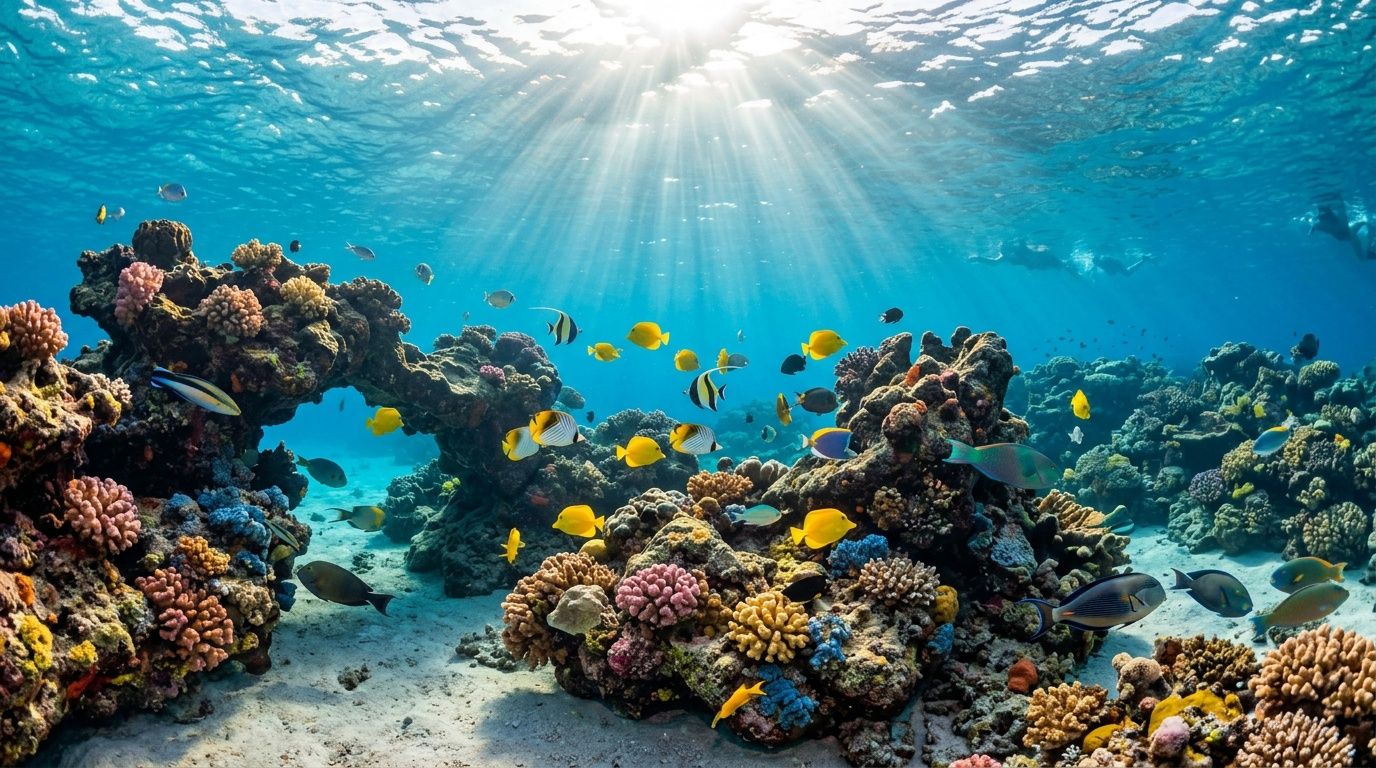
That combination matters more than most travelers realize. Plenty of places have nice reefs. Fewer places give you volcanic architecture and conditions that let you see the whole thing clearly.
If you want a broader island-level comparison before you commit, this guide to explore Big Island scuba opportunities gives helpful context on how Kona fits into Hawaii diving overall.
The lava geology is the real differentiator
Coral is only part of the story here. Kona's signature look comes from volcanic structure.
Arches, swim-throughs, and lava folds create dives with direction and personality. That's a big reason photographers, experienced divers, and people who've logged dives in other tropical destinations often leave Kona impressed. The terrain doesn't blur together.
For a closer look at that difference, read more about what makes diving in Kona unique.
Calm water changes everything
Good conditions aren't just a comfort perk. They improve the whole dive day.
When water is calmer and visibility is cleaner, several things get easier:
- Entries and descents feel simpler: Divers settle in faster and use less energy.
- Buddy awareness improves: You can keep visual contact more easily.
- Site enjoyment goes up: You spend less time fighting conditions and more time noticing the terrain and marine life.
Practical rule: If your vacation only has room for a few dive days, don't spread them all over the island. Center them on Kona's leeward coast.
Kona's Bucket-List Dives Manta Rays and Blackwater Magic
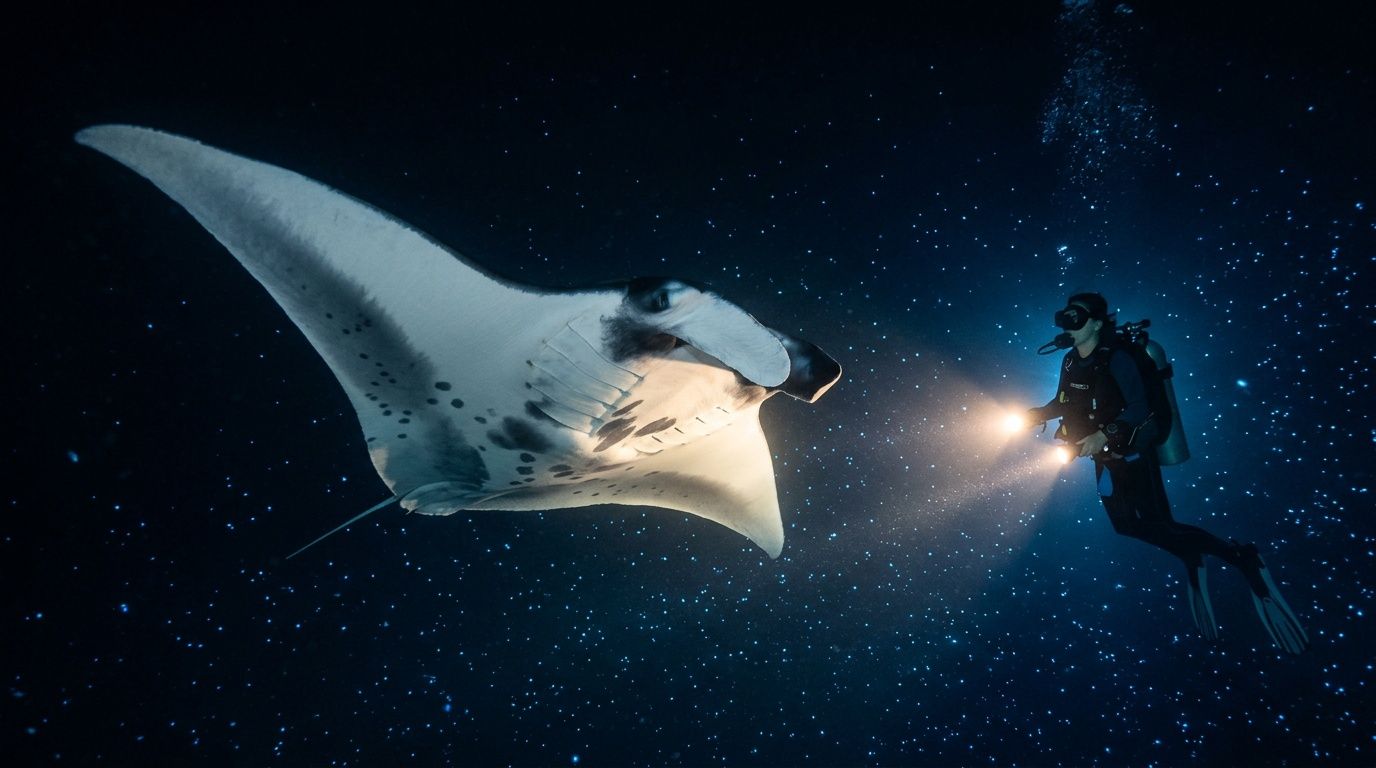
Your first night in Kona can go one of two ways. You can sit on shore hearing that someone else just had manta rays loop inches over their mask, or you can be in the water watching it happen. On this island, the night dives are not side attractions. They are the reason many divers book the trip in the first place.
Two experiences sit at the top of the list. The manta night dive is Kona's signature. Blackwater is the one that changes how experienced divers talk about the ocean.
Why the manta dive belongs on your schedule
Book the manta dive.
That recommendation is easy. Few dives in the world deliver such a reliable mix of big-animal encounters, simple dive planning, and pure spectacle. You settle into position, the lights bring in plankton, and the mantas glide through the beam to feed. When the operator runs it well, the whole thing feels controlled and calm, which is exactly what you want on a night dive with multiple groups in the water.
Site choice matters more than first-time visitors realize. Garden Eel Cove is the stronger pick because it is more protected and usually offers a cleaner viewing setup. You are not just buying a manta dive. You are choosing the conditions, briefing quality, group handling, and in-water etiquette that shape the whole experience. That is one reason divers who go with Kona Honu Divers tend to come back talking about how smooth the night felt, not just how many mantas they saw.
Garden Eel Cove versus the generic manta pitch
A lot of operators sell “the manta dive” as if every version is interchangeable. It is not.
Garden Eel Cove gives you a better shot at the kind of manta dive people seek. Better shelter usually means an easier descent and a more settled group. A cleaner light station means better viewing. The reef itself adds value before the show even starts.
If you want a premium manta experience, stop treating the site and operator as minor details. They decide whether the dive feels organized or sloppy.
Stay where the guide puts you, keep your profile low, and let the mantas come to you. Divers who hold position usually get the closest passes.
Blackwater is Kona's strangest and most rewarding dive
Blackwater diving strips away every reference point you rely on. No reef. No bottom. No wall. Just open ocean at night, suspended from a downline, watching larval and pelagic life rise out of the dark.
That is exactly why serious divers love it.
Blackwater has grown in popularity because it shows you a part of the ocean that standard reef dives never will. You are looking at animals in transition, juvenile fish, paper-thin jellies, pelagic hunters, and tiny creatures that seem designed by someone with a wild imagination. It feels less like sightseeing and more like entering a different zone of the sea.
Before you book it, read the Kona black water dive guide so you understand how the line system, conditions, and expectations work. This is not a casual add-on for divers who are unsure in the dark or uncomfortable without a bottom reference. It is for divers who are calm, attentive, and ready for a completely different kind of night dive.
Which one should you choose
Be honest about what you want from this trip.
| Dive | Best fit | What makes it memorable |
|---|---|---|
| Manta night dive | Most certified divers | Big animals, structured format, iconic Kona experience |
| Blackwater dive | Advanced or highly comfortable divers | Rare pelagic life, open-ocean night setting, unusual encounters |
Choose the manta dive if you want the classic Kona moment and you only have room for one marquee night dive.
Choose blackwater if you already know reef night diving is not enough and you want the most unusual dive the island offers.
If you have the time, do both. That is the smart play. One shows you why Kona is famous. The other shows you why experienced divers keep coming back.
Planning Your Kona Dive Trip The Essentials
You wake up in Kona with two dive days on the calendar, one bucket-list night dive in mind, and no margin for bad planning. That is exactly why this part matters. The quality of your trip comes down to a few decisions you make before you ever step on the boat.
Kona is forgiving compared with a lot of dive destinations, but smart planning still separates a good trip from a frustrating one. Conditions stay diveable through the year. What changes is comfort, boat routing, and which days are best for the dives you care about most.
Water is warmest in summer and cooler in winter. If you run cold, pack for that reality instead of the brochure version of Hawaii. A 3mm may feel fine on one dive. It can feel thin by day three, especially after multiple boat dives and night dives.
Kona Honu Divers runs trips year-round, and that consistency matters. A shop that dives these waters every day is better at matching the day's conditions to the right site and the right group.
Kona diving seasons at a glance
| Season | Months | Water Temp (F) | Key Highlights |
|---|---|---|---|
| Summer | June to September | 77-80°F | Warmest water and peak visibility conditions |
| Winter | Winter months | Low 70s | Cooler water, bring a 5-7mm wetsuit for repeated dives |
Before your trip, check this guide on how to check ocean conditions for the Big Island. It gives you the same local context experienced Kona divers use to judge swell, wind, and boat comfort.
What certification level makes sense
Be honest about your current diving, not your card level from years ago.
- Open Water divers: Stick with standard reef charters and straightforward boat dives.
- Advanced divers: You have more site options, more depth flexibility, and easier access to demanding profiles.
- Night and specialty divers: Manta works for a wide range of certified divers. Blackwater requires stronger buoyancy, better awareness, and real comfort in open water at night.
That distinction matters in Kona because the island offers very different experiences under the same “night dive” label. Pick the dive that fits your skills and you will enjoy it far more.
My planning advice for most travelers
Book your marquee dives first. Manta and blackwater are the ones that shape the rest of the itinerary, not the other way around.
Then build your daytime diving around them. Leave one flexible day if you can. That gives a good operator room to put you on the right boat, the right site, and the right schedule instead of forcing every dive into a rigid plan.
Last point. Don't choose based on price alone. In Kona, the operator affects everything from site selection to group pace to how much time you spend enjoying the dive. If you want the trip to feel polished instead of crowded and rushed, that choice matters more than saving a few dollars.
Choosing Your Guide The Kona Honu Divers Experience
You feel the difference in the first ten minutes on the boat.
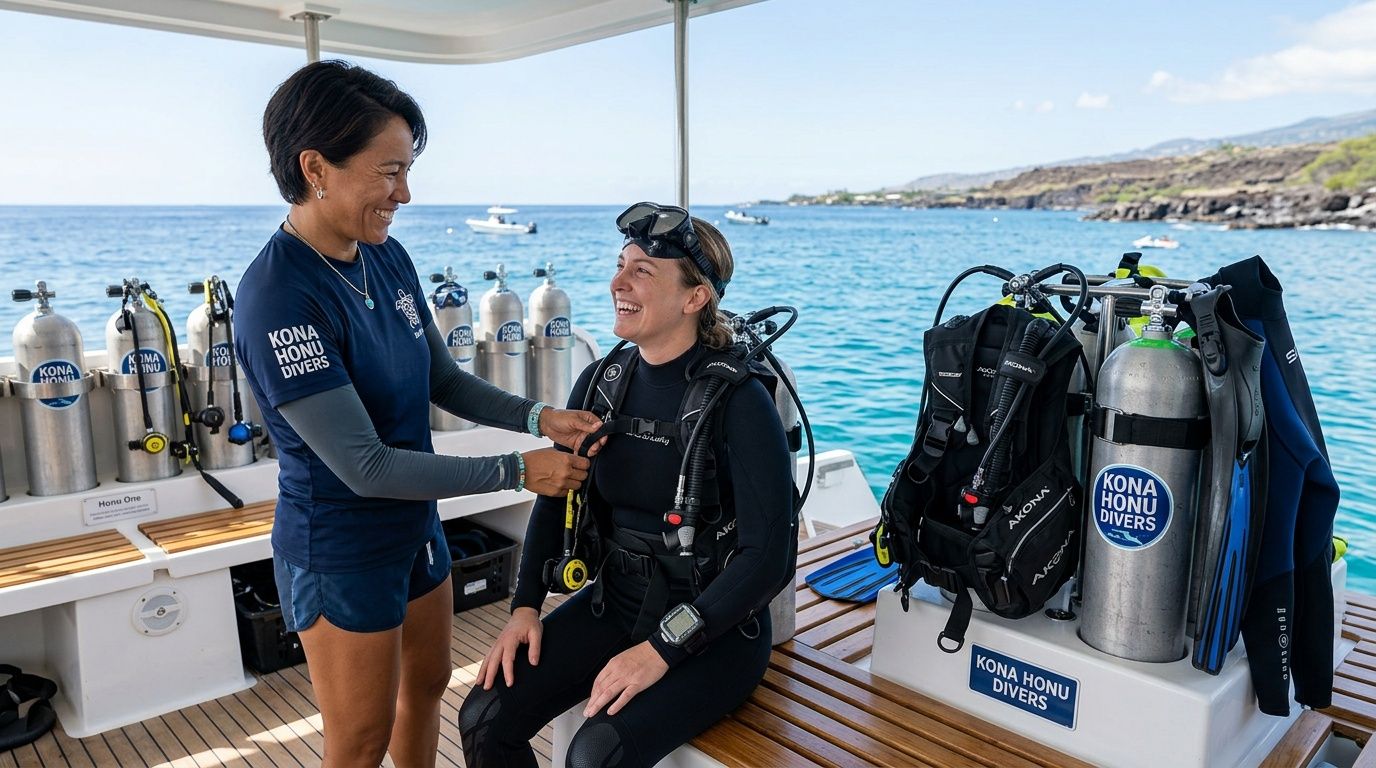
A good Kona operator gets everyone settled fast, gives a briefing that answers the right questions, and runs the deck with purpose. A mediocre one burns energy before the first dive even starts. That matters more here than visitors expect, especially if your trip includes high-value dives like manta or blackwater where timing, crew control, and diver prep directly affect the experience.
What to evaluate before you book
Start with the operation, not the price tag. The right crew makes average conditions feel manageable and great conditions feel unforgettable.
I judge Kona operators on four things:
- Boat design: A real dive boat is easier to gear up on, safer to move around on, and less chaotic between dives.
- Briefing quality: You want direct, specific guidance on the site, entry, exit, current, and what the crew expects from you.
- Deck organization: Good boats have flow. Tanks are where they should be, entries happen in the right order, and nobody is stumbling over fins and camera rigs.
- Range of diving offered: A shop that regularly runs reef dives, manta charters, blackwater trips, and advanced profiles usually has a stronger crew culture and better operational discipline.
If you want a clearer sense of what separates one operator from another, this breakdown of Kona diving company differences is a useful place to start.
Why Kona Honu stands out on the water
Kona Honu Divers earns its reputation the right way. The boats are built for diving, the crew keeps the day organized without making it feel rigid, and the operation knows how to serve both newer divers and very experienced ones on the same schedule.
That last part matters. Plenty of shops can run a basic reef charter. Fewer can also execute bucket-list dives well. Manta and blackwater are not the time to roll the dice on a bargain boat with loose briefings and sloppy group control. If those dives are part of your plan, pick the crew that treats them like the centerpiece of the trip.
The practical side of a better boat day
Comfort affects performance underwater. It also affects whether you even want to do the second dive.
If you are prone to seasickness, deal with it before departure. The products divers commonly use are Ship-EEZ Seasickness Patch, Dramamine pills, Bonine pills, Sea Band wristbands, and Ginger chews. Test your choice on land first. Do not try something new right before a night charter.
If you know you get motion sick, handle it before the boat leaves. Waiting until you feel bad is too late.
Why operator choice changes the whole trip
Divers often remember the manta rays, the lava formations, or the pelagics they saw. They also remember whether the day felt calm or chaotic.
That comes from crew quality. Good operators have gear ready, keep groups moving at the right pace, and solve small problems before they turn into frustrating ones. Kona Honu Divers does that consistently, and that consistency is what turns a decent dive vacation into one you want to repeat.
Explore Deeper Advanced and Daytime Dives
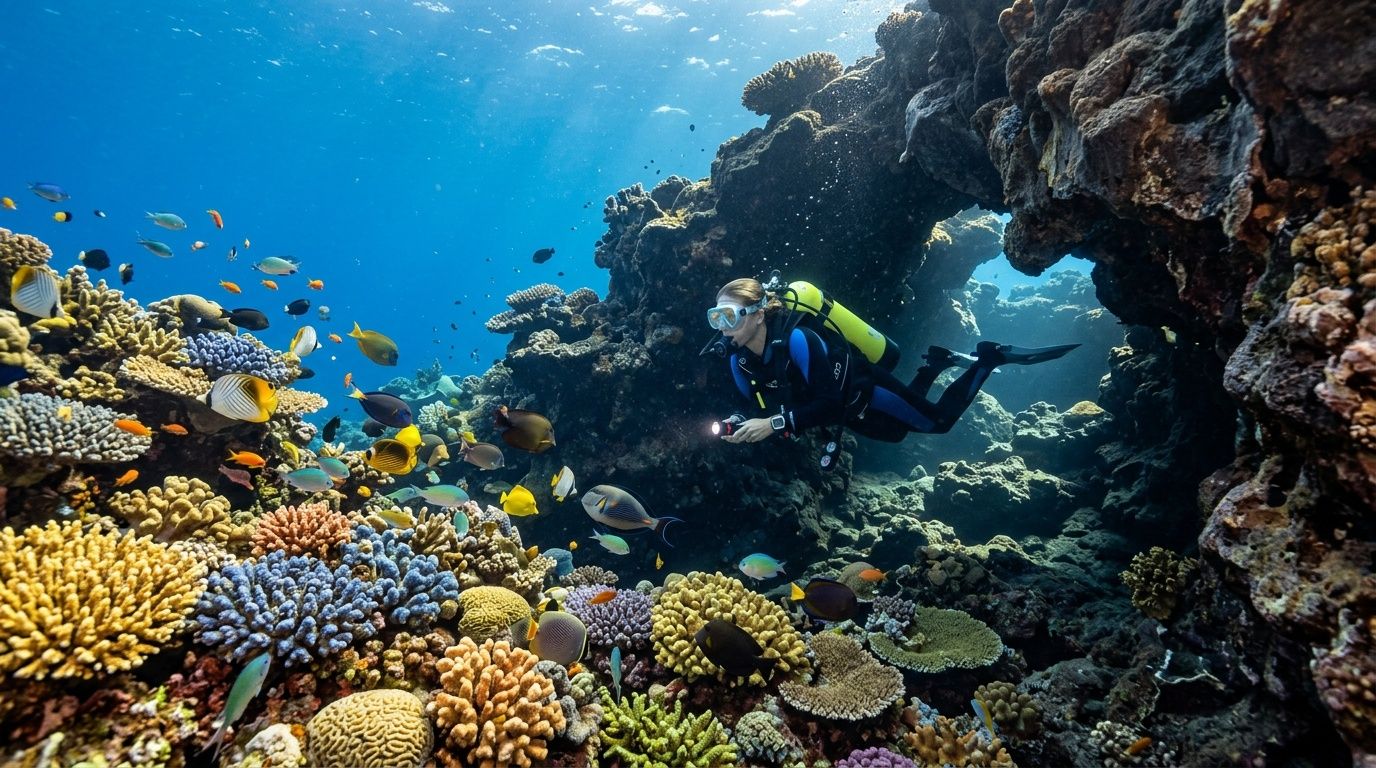
A lot of visitors do the manta dive, post the photos, and leave without seeing what really makes Kona such a strong dive destination. That's a mistake. Daytime diving is where you read the coastline properly, from lava tubes and ledges to the fish life that settles into every crack in the rock.
Why advanced divers should pay attention to Kona
Kona rewards divers with good buoyancy, good gas management, and enough experience to stay calm when the terrain drops away fast. The island's underwater topography gets steep quickly, which is why advanced divers can reach more dramatic profiles without wasting the whole day on long runs and complicated logistics.
That matters. A site can look average on paper and still deliver an excellent dive if the terrain has real depth, the entries are easy, and the crew knows how to match the plan to the conditions.
Kona Honu Divers stands out here because the crew does not treat advanced diving like a generic add-on. They run organized charters, choose sites well, and keep the day focused on actual diving instead of boat chaos and rushed briefings.
The same steep structure that makes Kona exciting for experienced divers also demands judgment. If you want deeper profiles, longer swims, or more exposed sites, book them because they fit your skill level, not because they sound impressive.
Don't skip the daytime reef dives
Daytime reefs give you the full picture. You see the lava architecture in natural light, you spot the way reef fish use the terrain, and you get a much better sense of how different Kona feels from softer coral destinations.
My advice is simple. Build your trip in layers.
- Start with a morning reef charter early in your visit.
- Add a manta night dive if you want Kona's signature experience.
- Choose blackwater if unusual pelagic life is high on your list.
- Save the more demanding daytime profiles for the day after you have settled into local conditions.
That order works. It gives you a stronger first dive day, better site awareness, and a trip that feels curated instead of random.
Shore diving has a place, but boat diving is the better vacation choice for most visitors
Shore diving in Kona can be excellent. It can also be a hassle. Popular entries like Old Kona Airport and Two Steps often mean uneven lava rock, carrying gear across rough ground, limited parking, and less margin for error if conditions are not as friendly as they looked from shore.
For visiting divers, boat diving is usually the smarter call. You save energy, you get better site access, and you spend more of the trip underwater instead of wrestling tanks across black lava. Families, newer divers, and anyone doing multiple days in a row usually enjoy the trip more that way.
If your goal is quality, not just ticking off dives, make daytime boat charters part of the plan. Kona's famous night dives may get the headlines, but the daylight dives are what turn a good trip into a complete one.
Book Your Unforgettable Kona Dive Adventure
Kona rewards divers who plan with intention. Pick the right coast, choose dives that fit your skill level, and don't treat site selection or boat quality like minor details.
That's the takeaway. The Big Island gives you volcanic terrain, memorable night dives, and a style of diving that feels distinct from the rest of Hawaii. If your goal is a trip you'll still be talking about later, build it around quality instead of trying to pack in everything cheaply.
Book the manta dive if you want Kona's signature experience. Book blackwater if you want the island's most unusual dive. Add daytime reef diving so you experience the coast in full.
Frequently Asked Questions About Scuba Diving in Kona
What marine life can I see besides manta rays
Plenty. Kona is packed with life if you stop chasing only the headline encounter.
Expect reef fish, moray eels, octopus, turtles, and creatures tucked into every fold of the lava. The lava structure matters here. It creates ledges, holes, arches, and shelter that reward divers who move slowly and pay attention. On a good guide-led dive, you'll see far more than you would on your own because someone is actively spotting the small, well-camouflaged animals that visitors swim past.
That's one reason operator choice matters as much as site choice.
Do I need to bring my own dive gear
No.
Bring your own mask, computer, and exposure gear if those are the pieces you care about most. Rent the rest if you want easier travel and less hassle. That's the practical move for many vacation divers.
Good rental gear is fine. Poorly maintained rental gear is not. Choose an operator that keeps equipment in solid condition, fits it properly, and doesn't rush the setup.
Is Kona good for beginner divers
Yes, if beginners are placed on the right dives with the right crew.
Kona can be excellent for newer divers because many boat dives offer calm conditions, clear water, and straightforward profiles. Shore diving is a different story. Entries over lava can be awkward, surf can change the plan fast, and parking at popular spots adds one more headache. That's why many new divers do better on guided boat trips, as discussed in this overview of Kona shore diving challenges and access.
If you're new, book with a crew that pays attention to diver comfort, not just the schedule. That's where Kona Honu Divers stands out.
Should I shore dive or book a boat
Book the boat unless you already know Kona well and you're comfortable managing lava entries on your own.
Boat diving gives visiting divers better site access, less physical hassle, and a more enjoyable day overall. It also gives you a crew that can match the site to the conditions instead of forcing a dive because you already hauled tanks across black lava rock. If your goal is a high-quality trip, not just the cheapest possible dives, boat diving wins.
Can non-divers come along
Sometimes. It depends on the charter.
Some trips can take snorkelers or ride-alongs, while others are set up strictly for certified divers because space, timing, and in-water procedures are tighter. That matters even more on manta and blackwater trips, where the entire operation is built around a specific kind of dive.
Ask before you book, not at the dock.
What should I bring on the boat
Keep it simple and bring what you'll use:
- Swimwear and a towel
- Reef-safe sun protection
- Water
- A dry shirt or light cover-up
- Seasickness medication or bands if you need them
- Your certification card and logbook if the operator requests them
Leave the extra junk in the car. A tidy dry area makes the whole boat day better.
Is blackwater harder than the manta dive
Yes.
Blackwater demands better buoyancy, better awareness, and a calmer mindset in open ocean at night. There's no reef below you, no familiar bottom reference, and much of the action is small, strange, and easy to miss if your control slips. The manta dive is more approachable for a wider range of divers, which is why it's usually the right first bucket-list night dive in Kona.
Do manta first if you want the signature experience. Book blackwater when you want the most unusual dive of your trip and you're ready to appreciate it fully.
If you want a Kona trip built around strong boat diving, smart site selection, and the dives that make this coast famous, start with Kona Honu Divers.