
You’re probably here because you’ve seen the photos. Mantas sweeping through dive lights at night. Lava tubes and arches in clear blue water. Divers coming up grinning like they’ve just found a secret Hawaii kept off the postcards.
That reaction makes sense. Scuba diving Kona Hawaii Big Island isn’t just another tropical reef trip. Kona gives divers a mix that’s hard to find anywhere else: volcanic topography, warm water, calm conditions, and marine life that feels both familiar and totally distinct.
What makes Kona special isn’t only what you see. It’s how the diving works in practice. Entries are often straightforward. Conditions are often manageable. The underwater terrain feels dramatic without requiring every dive to be extreme. You can spend one morning on an easy reef, another evening under manta rays, and if you’ve got the training, move into deeper or more specialized diving after that.
That range is why people come for one signature dive and leave planning a return trip.
Your Ultimate Kona Scuba Diving Adventure Begins
The first good Kona dive usually starts the same way. You roll in, look down, and the water already has that deep blue clarity that tells you the day is going to be easy. A few breaths later, the surface noise disappears and the lava structure below starts to take shape. Not just reef, but ledges, fingers of old rock, holes, arches, and broken volcanic contours that make the whole descent feel like entering terrain instead of visiting an aquarium.
That’s the part many divers don’t expect until they’re in it. Kona’s underwater world feels architectural.
On a simple reef dive, you can move from open bottom to coral growth to lava relief in one smooth line. On a night dive, your focus narrows and every movement in the beam matters. On the manta dive, the whole experience shifts again. You stop thinking about navigation and start watching the water above you.
For trip ideas, local conditions, and the kinds of charters divers usually build an itinerary around, Kona scuba diving options on the Big Island gives a useful starting point.
Good Kona diving rewards divers who slow down. The terrain is dramatic, but the small life and the behavior around the reef are what make the dive memorable.
Some destinations are good for a single marquee experience. Kona works better than that. It supports beginners, keeps experienced divers interested, and gives marine life lovers a reason to keep getting back in the water.
Why Kona Offers Hawaii's Best Diving Conditions
Kona earns its reputation the hard way. The coastline sits in the lee of the Big Island’s high volcanoes, so it is protected from much of the wind and swell that make other Hawaiian coasts less predictable. That geographic shelter is a big reason divers often get calm mornings, clear water, and a much higher chance of reaching the sites they planned to dive, as described in this overview of Big Island diving conditions.
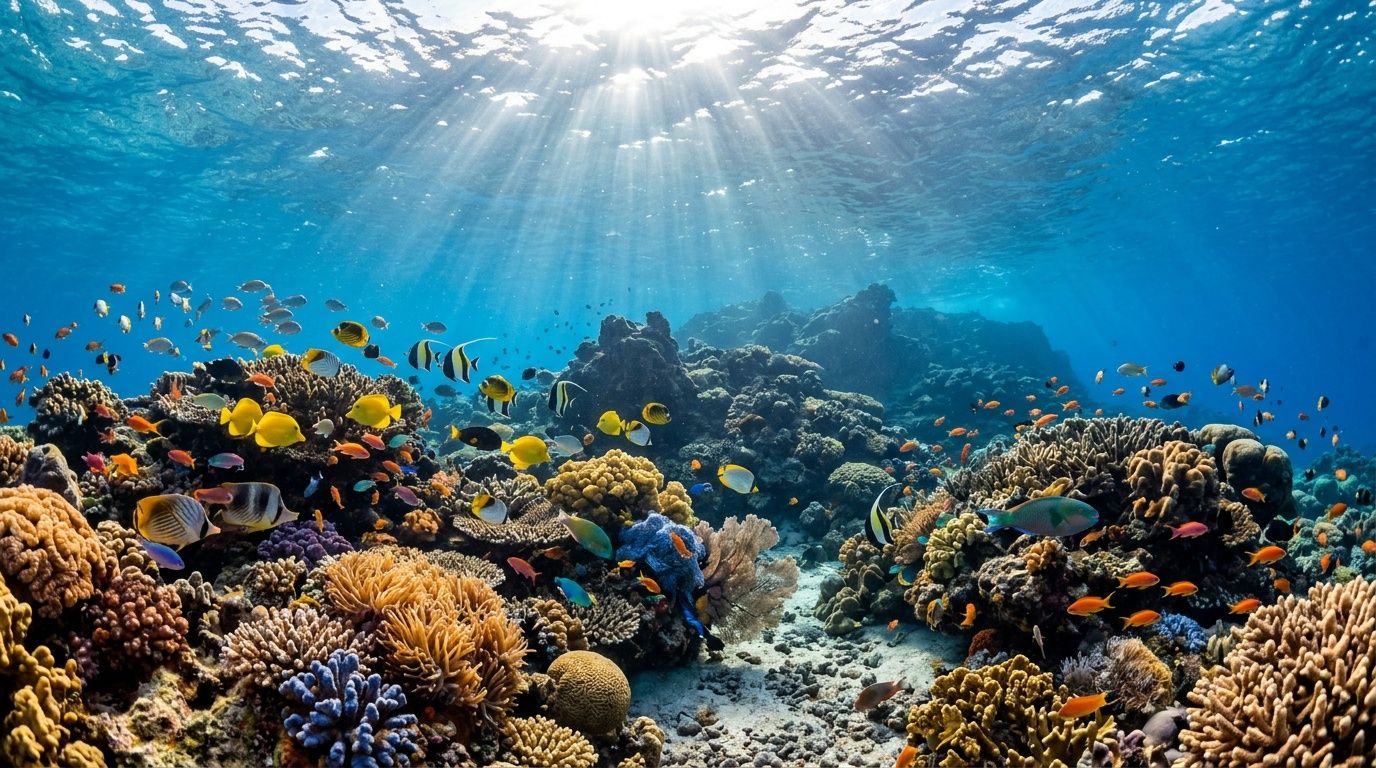
That protection changes the whole dive day. It is not just about comfort on the boat, though that matters. Calmer surface conditions usually mean easier descents, less task loading for newer divers, and better visibility for spotting structure, fish behavior, and animals holding just off the reef.
If you’re comparing islands before you book flights, this guide on planning your Hawaiian diving trip helps put Kona in context.
The volcano shield makes access more reliable
On the Big Island, geology and diving are tied together. Mauna Loa and Hualalai do more than shape the skyline. They block a lot of the weather that would otherwise make the west side rough, and that gives Kona operators more workable days across the year.
For visiting divers, the trade-off is straightforward. Kona is not immune to changing conditions, but it is far more forgiving than many people expect from ocean diving in Hawaii. Before any charter, I still recommend checking forecasts, swell, and local observations. How to check ocean conditions for the Big Island lays out the process well.
Lava built the terrain that makes Kona memorable
Kona’s reef does not look or dive like a typical tropical shelf. Ancient lava flows cooled into ledges, fingers, cracks, arches, caverns, and long ridgelines that keep each site visually distinct. The volcanic origin is the key differentiator.
That matters underwater. A biologically healthy reef can still feel repetitive if the structure stays flat. Kona rarely has that problem. One site may open into broad hardpan with scattered coral heads, while another folds into swim-throughs and broken relief where eels, hawkfish, and reef fish stack into every pocket. Divers who enjoy topography as much as marine life usually connect with Kona fast.
Operators with strong local site knowledge make a real difference here. On a coast built by lava, the best route through a site is not always obvious from the surface.
Isolation shaped the marine life too
Hawaii’s remoteness produced an underwater community with a high level of endemic life, which is one reason Kona stays interesting even for well-traveled divers. You are not only looking at reef scenery. You are diving in an ecosystem where many fish and invertebrates are closely tied to these islands.
That changes how to approach the dive. Good Kona diving is rarely about covering maximum distance. It rewards slow movement, stable buoyancy, and guides who know where to pause. Cleaning stations, surge channels, lava cracks, and the edge where reef meets blue water often hold the best action.
This is also where premium boat operations earn their keep. When a crew can choose sites well, brief the terrain clearly, and match divers to the right profile, you spend less energy managing the dive and more time seeing what makes Kona special. That is one reason experienced divers often favor operators such as Kona Honu Divers for advanced charters, nitrox diving, and site selection that fits both conditions and skill level.
Kona's Unforgettable Dive Experiences Day and Night
You can spend the morning tracing a lava ledge loaded with endemic reef fish, come back after sunset, and end the day watching manta rays pass inches over your bubbles. Few places compress that much variety into one stretch of coast. Kona does, largely because the same volcanic structure that shapes the reef by day also drops quickly into deep water offshore, which opens the door to night experiences that are different from standard reef diving.
That range matters more than a long list of site names. Good trip planning in Kona starts with the kind of underwater experience you want. Terrain-focused reef dives, behavior-driven manta dives, and pelagic blackwater drifts each ask for a different mindset from the diver and a different kind of boat operation from the crew.
Day diving on lava reefs and drop-offs
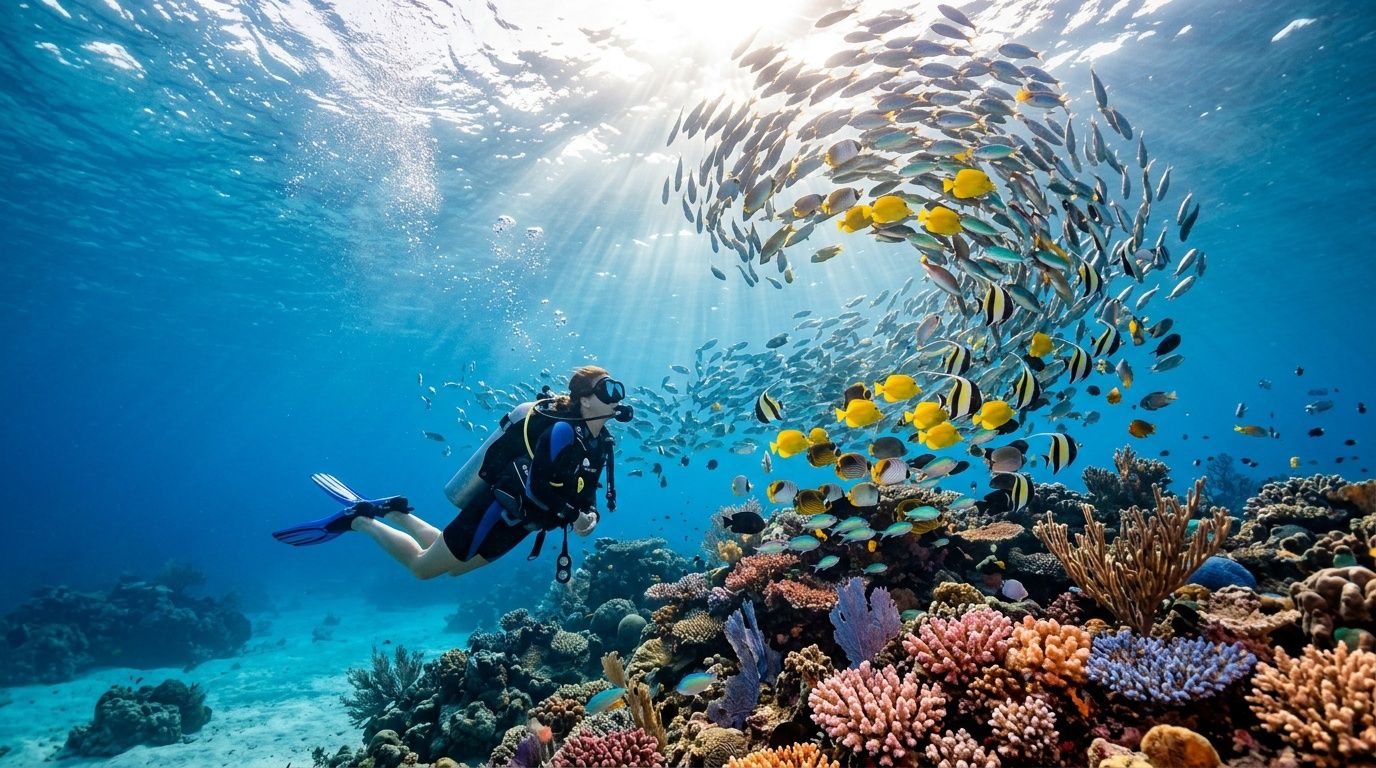
Day diving is where divers learn how Kona really works underwater. The lava coast produces sites with hard edges, fingers of rock, arches, broken shelves, and sand channels that collect life in very specific places. On one dive, the smart move is to stay high and scan the blue for passing pelagics. On another, the entire dive improves if you slow down and inspect every crack for octopus, leaf scorpionfish, and eels.
That is the trade-off. Divers who try to cover too much ground often miss the site. Kona rewards control more than speed.
A good guide changes the quality of these dives fast. On volcanic reef, the best route is not always obvious from the surface, and the most productive line may depend on surge, light angle, current, or where fish are cleaning that day. That local judgment is one reason experienced divers often book with operators such as Kona Honu Divers, especially when they want staff who can match the site to the group instead of forcing every group onto the same plan.
Three habits improve Kona day dives right away:
- Move slowly enough to read the structure.
- Hold position cleanly above lava and coral.
- Watch transitions. The edge between reef and blue water often produces the best sightings.
The manta ray night dive
The manta dive is Kona's signature experience because it is built around behavior, not luck alone. Lights attract plankton. Plankton attracts mantas. Divers settle into position and let the animals work the water column above them.
Done properly, it feels calm, almost theatrical. The mantas bank through the light, roll overhead, and return again and again. Newer divers usually expect more swimming. In practice, the best manta divers are the quiet ones. Good trim, stable breathing, and disciplined light placement matter more than chasing a better angle.
For trip planning, review the practical details on manta ray tours on the Big Island.
I tell divers the same thing at briefing every time. Stay low, keep your fins out of the beam, and let the mantas choose the distance. The closer encounters usually come to the divers who remain still.
Bring the right exposure and a simple gear setup. You are not covering much ground, so it is easy to cool off while waiting for the action to build. A pre-trip check of your scuba diving essentials helps avoid small mistakes that become annoying on a night boat.
Blackwater diving for the adventurous
Blackwater is one of the clearest examples of why Kona is a world-class dive destination, not just a pretty reef destination. The coast drops into very deep water close to shore, so boats can run short distances and place divers over the open ocean at night with a controlled line system. That access is rare. It is a geological advantage, and it creates a biological spectacle.
The subjects are larval fish, pelagic invertebrates, siphonophores, juvenile squid, and other animals riding the nightly vertical migration from the depths. Many are transparent. Many look nothing like their adult forms. Photographers love it. Divers who need a reef below them for orientation often do not.
If that is your kind of dive, the Blackwater Dive tour page lays out the trip format.
Blackwater usually suits divers who:
- Stay relaxed without bottom reference
- Have solid buoyancy and situational awareness
- Want unusual subjects rather than classic reef scenery
It is a poor fit for divers who want an easy sightseeing dive or who are uneasy in open water at night.
For advanced divers who want more than the standard charter
Kona also supports divers who want longer runs, deeper profiles, and more technical decision-making than a standard two-tank morning. The key is honesty about recent experience. Deep and advanced diving here can be excellent, but calm surface conditions do not reduce task loading underwater. Gas management, narcosis tolerance, current judgment, and clean team communication still decide whether the dive feels sharp or sloppy.
That is where a premium operation stands apart in practical ways. Kona Honu Divers offers free nitrox for qualified divers, which is useful on many repetitive and advanced recreational profiles, and they run advanced tours with guides who understand how to brief volcanic terrain, blue-water entries, and diver fit. Better boats help too. A well-run deck, efficient exits, and crews who keep the day organized save energy for the dives that matter.
For divers comparing options beyond the standard charter, the advanced long-range dive tour is the relevant trip to examine.
| Dive type | Best for | Main appeal | Main challenge |
|---|---|---|---|
| Day reef dive | Most certified divers | Lava structure, endemic life, flexible profiles | Rushing past the small stuff |
| Manta night dive | Divers who want Kona's iconic animal encounter | Repeated close passes from feeding mantas | Staying still and following light protocol |
| Blackwater dive | Experienced, curious divers | Rare pelagic and larval life | No bottom reference in open water at night |
| Advanced long-range trip | Divers with current skills and appropriate training | More ambitious profiles and site selection | Higher gas, buoyancy, and task-management demands |
Planning Your Kona Dive Trip A Practical Guide
You land in Kona, drop your bags, and realize your dive days will go better if the schedule is built around the ocean instead of the other way around. Book the dives that matter most first. Then place your rest days, topside plans, and final no-fly buffer around them.
Kona rewards that approach because the diving is usually straightforward to access, but a smart itinerary still makes a big difference. Boat check-in times come early. Night dives run late. Repetitive diving adds up faster than visitors expect, especially if they also want snorkeling, hiking, or long beach days in the same week.
When to go and how to think about timing
Conditions are often good year-round, so the better question is what kind of trip you want.
Summer usually brings the warmest, easiest-feeling conditions for many visiting divers. That makes it a comfortable choice for newer divers, families, and anyone who wants simple packing and predictable boat days. The trade-off is obvious. More travelers come during the easiest weather windows.
Shoulder periods can feel more relaxed on land and at the harbor. You may get a little more breathing room in your schedule and a less crowded vacation overall. The water can still be excellent. Flexibility matters more than chasing a perfect calendar month.
One planning mistake shows up all the time. Visitors stack every dive at the front of the trip, then realize they are tired by day two and locked into a rigid schedule. Leave margin for weather changes, a moved departure time, or the very common moment when you want to add another charter after a strong first day.
If you are budgeting before you book, this guide on how expensive scuba diving is in Hawaii gives a realistic starting point.
What to pack and what to rent
Kona is a boat-diving destination, not an expedition. Pack for comfort, familiar fit, and easy deck logistics.
Bring the gear that directly affects how you dive:
- Mask: A mask that already fits your face is worth carrying on every trip.
- Exposure protection: Water temperature sounds warm on paper, but personal comfort varies a lot on repetitive dives.
- Computer: Using your own computer keeps your gas planning and no-decompression decisions consistent.
- Dry clothes, sun protection, and hydration basics: The ride in and surface interval feel much better if you planned for them.
Rent the bulky items if that makes travel easier. Fins, BCDs, and regulators are often the first pieces I tell traveling divers to leave home unless they are especially attached to their setup or doing more technical profiles.
A pre-trip checklist still helps. This roundup of scuba diving essentials is a useful refresher before you zip the bag.
Seasickness matters more than people admit
Even on Kona’s protected coast, some divers feel motion sickness while gearing up, during the ride out, or after the first surfacing. Handle it early. A missed second dive usually starts with someone hoping the feeling will pass on its own.
Common options include medicated patches, pills such as Dramamine or Bonine, acupressure wristbands, and ginger chews. Pick one method before the trip and test it if you have never used it before.
A few habits help just as much:
- Eat light before boarding: A small breakfast is usually better than an empty stomach.
- Start hydrating early: Catching up on the boat rarely works.
- Keep your eyes on the horizon when you can: Simple, but still effective.
- Tell the crew before departure if you are prone to seasickness: Good crews can suggest the best place to sit and help you avoid making it worse.
The practical goal is simple. Stay comfortable enough on the surface that you can enjoy what you came for underwater.
Get Certified or Advance Your Skills in Paradise
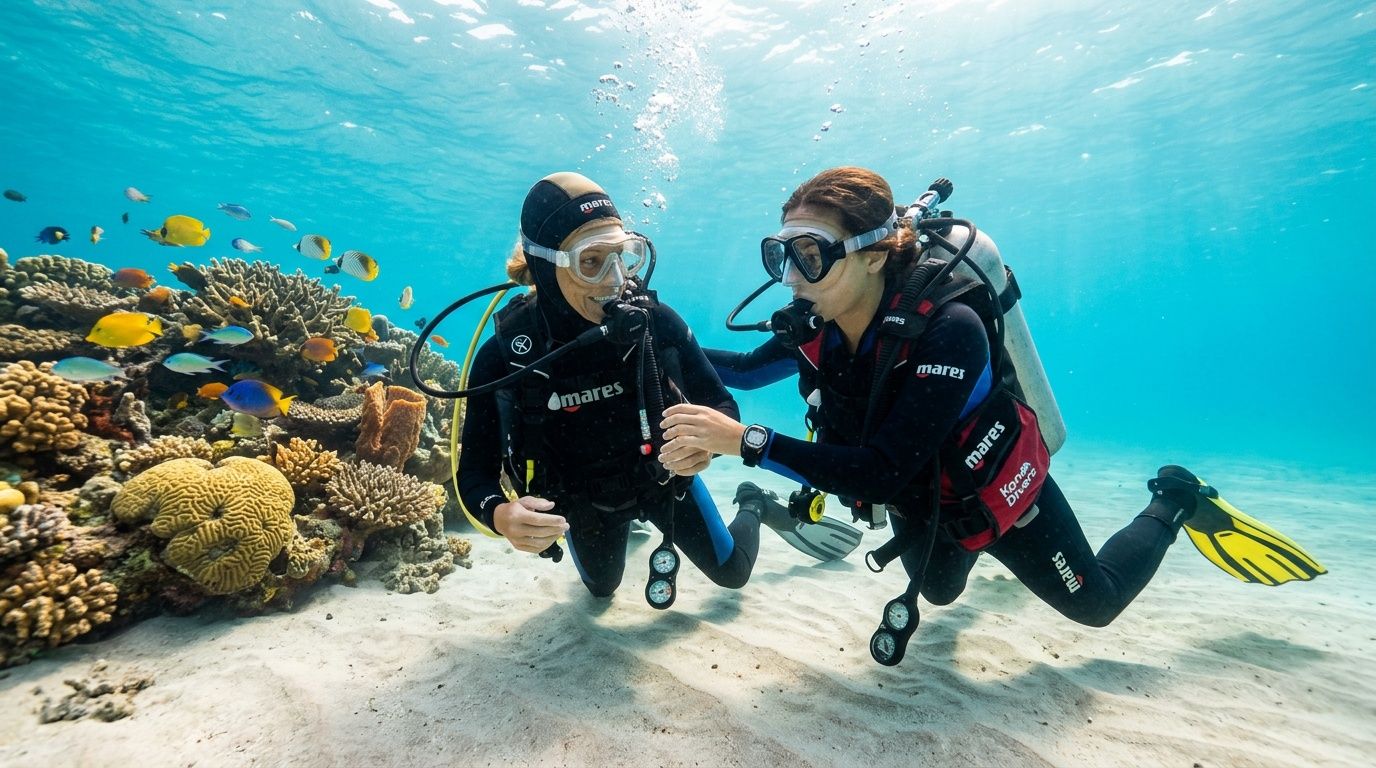
Your first breath underwater in Kona often happens over dark lava rock, clear blue water, and fish that look nothing like the ones in the Caribbean or Mexico. That setting changes the feel of training. Students tend to stay engaged because the environment is interesting from the first descent, and instructors can spend more time on trim, breathing, and awareness instead of fighting rough conditions or poor visibility.
For beginners who want a strong first experience
Kona is a smart place to start because the same geology that makes the coast dramatic also creates practical training water. The shoreline drops quickly, many dive sites are sheltered along the lee side, and the volcanic terrain gives instructors easy access to real reef structure without long, punishing swims. For a new diver, that usually means less surface stress and more useful time underwater.
A discover scuba session works well for travelers who want a supervised first dive without committing to a full course. Open Water certification fits better for people who already know they want diving to be part of future trips. The trade-off is simple. One gives you a controlled introduction, the other gives you a license to dive around the world.
For certified divers who want to level up
Kona also rewards divers who already have the basics and want training with a clear purpose. Night training matters here because local night diving is not an afterthought. Deep training makes sense because significant depth is close to shore. Nitrox is worth adding if you plan to dive several days in a row and want more conservatism in your profiles.
The right course depends on what you plan to do after the certification card arrives. A diver who wants to join manta night dives, blackwater trips, or longer multi-day schedules should choose training that supports those dives directly. That approach builds skill faster than collecting specialties you may never use.
For advanced divers preparing for more demanding profiles
Kona has a rare mix of access and variety. Calm lee-side water, fast drop-offs, and pelagic-rich blue water create room for divers to progress into deeper, more technical, or more specialized diving with a clear training path. Blackwater diving is a good example. It asks for buoyancy control, situational awareness, and comfort in open water at night, so it rewards divers who have built solid fundamentals first.
That is part of the appeal of training with an operator that runs both standard charters and more advanced trips. Kona Honu Divers offers courses, regular boat diving, manta night dives, blackwater trips, and longer-range options for experienced divers. For nitrox-certified guests, free nitrox is a practical advantage on a multi-dive Kona schedule, especially if you want to stay fresher across several days of diving. Their reputation as an award-winning Kona dive operator also reflects something that matters in training. Good boats, organized crew, and instructors who know the local sites well make skill progression smoother and safer.
Why You Should Book with Kona Honu Divers
A good Kona dive day starts before the boat leaves the harbor. It starts with an operator who knows how to match conditions, diver experience, and the kind of encounter you came here for. On this coast, that judgment matters because Kona offers everything from relaxed reef dives to manta nights and blue-water specialty trips, and those are very different products on the water.
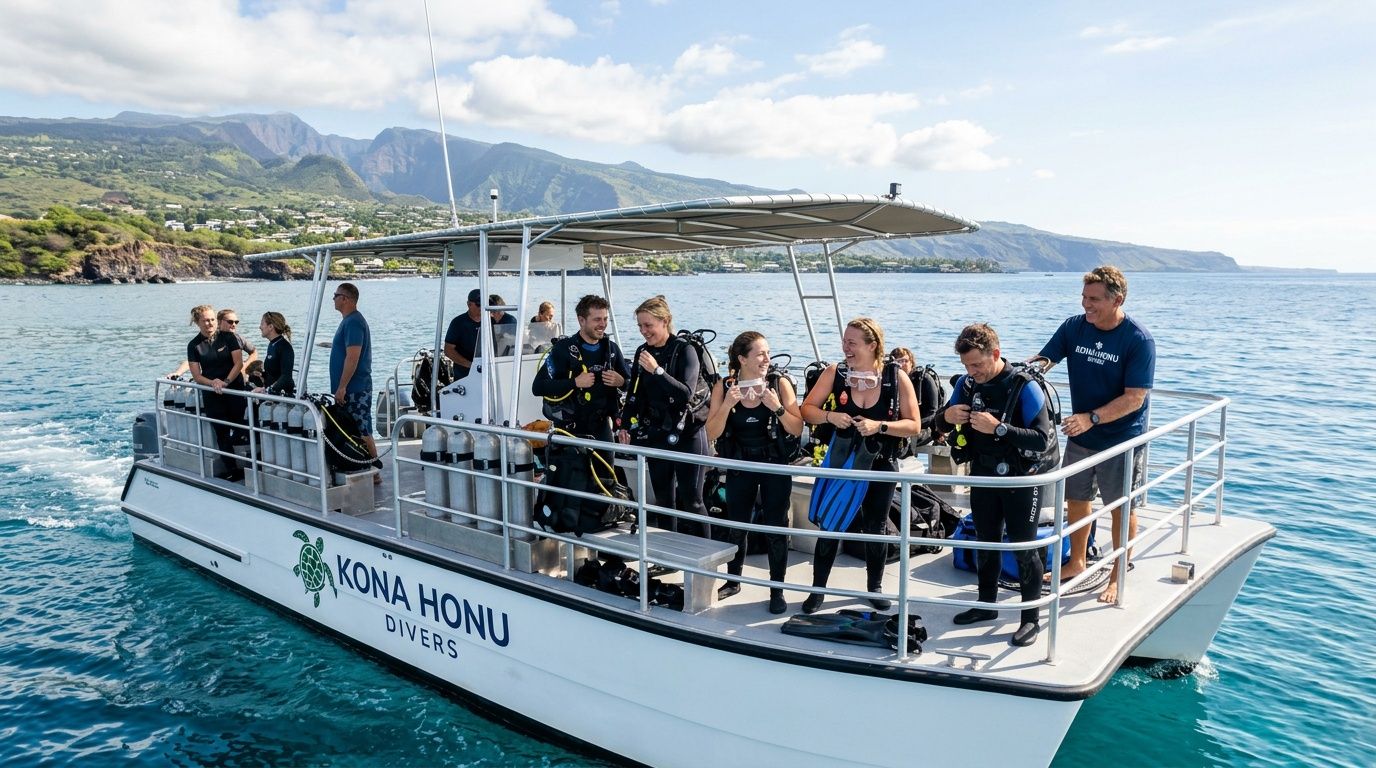
Kona Honu Divers stands out for a practical reason. They run the kind of operation that helps divers get more from Kona’s geology and biology, not just check off a boat ride to a famous mooring. The lava-built coastline creates sharp depth changes, varied reef structure, and access to offshore water that can shift the whole character of a dive day. That rewards operators who know when to stay local, when to run farther, and how to group divers so the in-water plan fits the site.
Guide quality matters here because the reef is not just colorful. It is specific. Kona rewards divers who pay attention to fish behavior, cleaning stations, lava ledges, surge channels, and the little pockets where endemic life tends to hold. A guide who knows the site well will usually show you more than a guide who leads from point A to point B.
A strong operator changes the experience in ways divers feel immediately:
- Better site matching: Calm conditions do not make every site right for every group.
- Clearer briefings: Entry, exit, depth, current, and navigation plans are stated plainly.
- Smarter in-water pacing: Good guides know when to cover ground and when to slow the group down.
- Stronger boat flow: Organized gear setup and clean exits make the whole day easier.
- More useful trip options: Standard reef charters, manta dives, blackwater, and advanced outings each need different support.
Kona Honu Divers also has a few advantages that matter more than they may sound on paper. Free nitrox for certified divers is a real benefit on a multi-day Kona schedule, especially if you are stacking morning charters or mixing day diving with night dives. Their crew also runs advanced experiences that demand stronger local judgment, which tells you a lot about the depth of the operation behind the standard trips.
Boat quality counts too. In Kona, a well-run boat is not a luxury detail. It affects timing, comfort, gas management, entry order, camera handling, and how relaxed divers feel before they ever hit the water.
If you want a clearer sense of their track record, their recognition as an award-winning Kona dive operator gives useful context. More important than the title itself is what usually sits behind it. Consistent logistics, experienced crew, and dive plans that suit the people on board.
The right Kona operator puts you on the right dive for that day, with a briefing that matches the site and a crew that knows what to do when conditions, skill levels, or marine life behavior change.
Frequently Asked Questions about Kona Diving
Can non-divers or snorkelers join scuba outings
Sometimes, yes, but it depends on the specific trip and operator setup. This is worth asking before you book if your group includes divers and non-divers. Kona works well for mixed-interest vacations, but not every boat is designed around hybrid groups.
Is the manta ray night dive ethical and safe for the mantas
With a responsible operator, the goal is passive observation. Divers stay in position and let the mantas approach the lighted feeding area naturally. The experience works because the animals come to plankton concentration around the lights, not because divers chase or handle them.
What marine life will I most likely see
Reef fish are the baseline, not the bonus. Kona is famous for biodiversity and endemic species, so even ordinary daylight dives can be rewarding if you pay attention. Turtles, eels, and other common reef life are regular highlights, while larger or more specialized encounters depend on site, timing, and luck.
Do I need to worry about sharks in Kona
Most divers don’t need to frame Kona diving around shark fear. Sharks are part of a healthy marine environment, and seeing one is usually a calm, memorable wildlife encounter rather than a problem. Respect the briefing, stay situationally aware, and treat shark sightings the same way you should treat all marine life here: observe, don’t interfere.
If you’re ready to turn a Hawaii vacation into a real underwater trip, Kona Honu Divers is a practical place to start. Their tour lineup covers day diving, manta nights, blackwater, training, and advanced outings, so you can match the trip to your experience instead of forcing yourself into the wrong charter.