
You’re probably in one of two places right now. You’re either staring at flight options and trying to decide whether scuba diving Kona Big Island is worth building a trip around, or you’ve already booked Hawaii and want to avoid wasting precious dive days on the wrong operator, the wrong schedule, or the wrong expectations.
The short answer is yes, Kona is worth it. The better answer is that Kona rewards divers who understand what makes this coast different. The water is often so clear that your first descent feels less like dropping into the ocean and more like gliding through blue air. Then the lava shows up. Arches, tubes, caverns, fingers of rock, sudden structure where a standard reef would feel flat. Fish fill the cracks, turtles cruise the edges, and every dive has that unmistakable Big Island look.
For a lot of visitors, Hawaii diving starts as a dream and turns into a logistics puzzle fast. Boat or shore. Morning or night. Manta or reef. Blackwater or keep it simple. If you’re still planning your Hawaii dive trip, those choices matter more than people think, because the right match between your skill level and your itinerary changes the whole experience.
Welcome to the Underwater World of Kona
The first thing most divers notice in Kona is the color. Not just blue water, but layered blue. Bright near the surface, deep cobalt below, then black volcanic terrain cutting through it in sharp shapes that make the whole coastline feel geologically alive.
This coast isn’t famous because it’s easy marketing. It’s famous because the diving feels distinct the moment you descend. You don’t drop onto a generic tropical reef and call it a day. You move through lava architecture. Swim-throughs feel carved rather than grown. Reef edges fold around old flows. Even simple dives have a dramatic backbone under them.
What new visitors usually get wrong
Many divers arrive expecting one headline experience, usually the manta dive, and treat the rest of Kona as filler. That’s a mistake. The manta night dive deserves its reputation, but daytime diving is where you learn the personality of the coast. The lava formations, the calm entries and exits on a good boat day, the way reef life uses every crack and overhang. That’s the part that makes people want to come back.
Another common mistake is thinking Kona is only for advanced divers. It isn’t. Beginners can enjoy calm reef dives and straightforward boat diving. Experienced divers can chase more technical feeling environments, night dives, and pelagic-focused experiences. Kona works because it spans that range without feeling watered down for either group.
Kona is one of those places where the conditions can make a newer diver feel more relaxed, while the terrain still gives an experienced diver something interesting to explore.
What a good trip feels like
A strong Kona trip is paced well. Early starts. Calm water. Clear briefings. Site choices that fit the group. Time for the iconic dive, but not at the expense of the classic reef and lava dives that show off why this coastline is so respected.
That’s the standard worth aiming for if scuba diving Kona Big Island is your main goal, not just one activity squeezed between beach days.
Why Kona is a World-Class Diving Destination
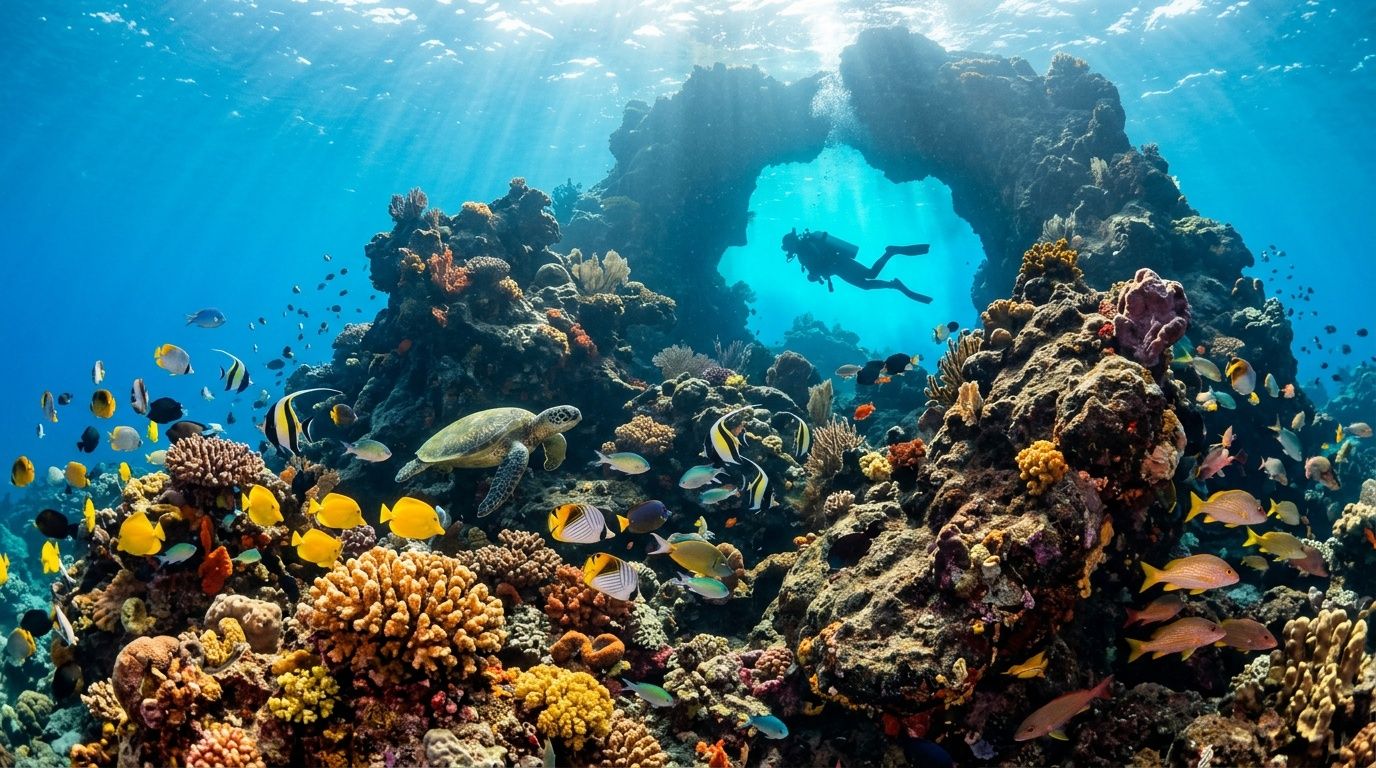
Kona’s reputation starts with geography, not hype. The coast sits on the leeward side of the Big Island, where massive volcanoes shelter the water from prevailing trade winds. That protection is a big reason visibility often exceeds 100 feet and why the diving is known for calm, clear conditions rather than constant chop and suspended sediment, as described in this overview of Big Island scuba diving conditions and site features.
The lava is the story
Kona has over 50 unique dive sites shaped by ancient lava flows. That matters because volcanic diving changes how a site feels underwater. Instead of broad, uniform reef, you get arches, caverns, lava tubes, twisting structure, and hard edges that create shadows, ambush points, cleaning stations, and shelter for small life.
For divers, that means two useful things at once:
- Better visual drama: Lava topography gives photographers and casual fun divers strong composition everywhere you look.
- More interesting navigation: Even moderate depth profiles feel engaging when the bottom has contour, texture, and swim-through opportunities.
- Different skill matches: A newer diver can stay on simpler reef structure, while a more seasoned diver can enjoy more complex formations and night environments.
Why the water stays so good
Protected water isn’t just more comfortable on the boat. It changes the dive itself. Less surface agitation usually means less particulate suspended in the water column. More light penetrates deeper, colors hold longer, and the dive feels more open.
That visibility also makes task loading easier for many divers. Newer divers tend to settle in faster when they can see the seafloor, their buddy, and the surrounding structure clearly. Experienced divers appreciate the same thing for navigation, photography, and relaxed gas management.
Practical rule: If you want Kona at its easiest and most forgiving, prioritize morning dives. Better light and calmer water usually make everything simpler.
Endemic life makes Kona feel different
Kona also stands out because Hawaii has the world’s highest rate of marine endemism for fish and invertebrates in this environment. In plain English, many of the animals you’ll see are species or variations you won’t encounter elsewhere in the same way. That gives even a familiar-looking reef dive a local identity.
The underwater realm here spans 4,000+ square miles, which helps explain why the area can support such variety without feeling repetitive when you dive multiple days. One site may lean heavily into lava structure. Another may feel more like a reef dive with volcanic framing. Another may be about open-water possibility and passing larger life.
Why Kona stays on serious divers’ shortlists
A lot of destinations have one thing going for them. Clear water, or reef life, or big-animal encounters. Kona stacks several advantages together:
| Advantage | Why it matters underwater |
|---|---|
| Sheltered coastline | More consistent boat and dive conditions |
| Volcanic terrain | Arches, tubes, caverns, and dramatic structure |
| Strong visibility | Easier navigation, better photos, more relaxed diving |
| Endemic marine life | A more distinctive Hawaii-specific experience |
That combination is why scuba diving Kona Big Island keeps landing on repeat-trip lists instead of being a one-and-done destination.
Kona's Signature Dive Experiences
Kona has plenty of good dives. It has a smaller number of dives people organize whole vacations around. Those are the ones worth understanding before you book.
The world-famous manta ray night dive
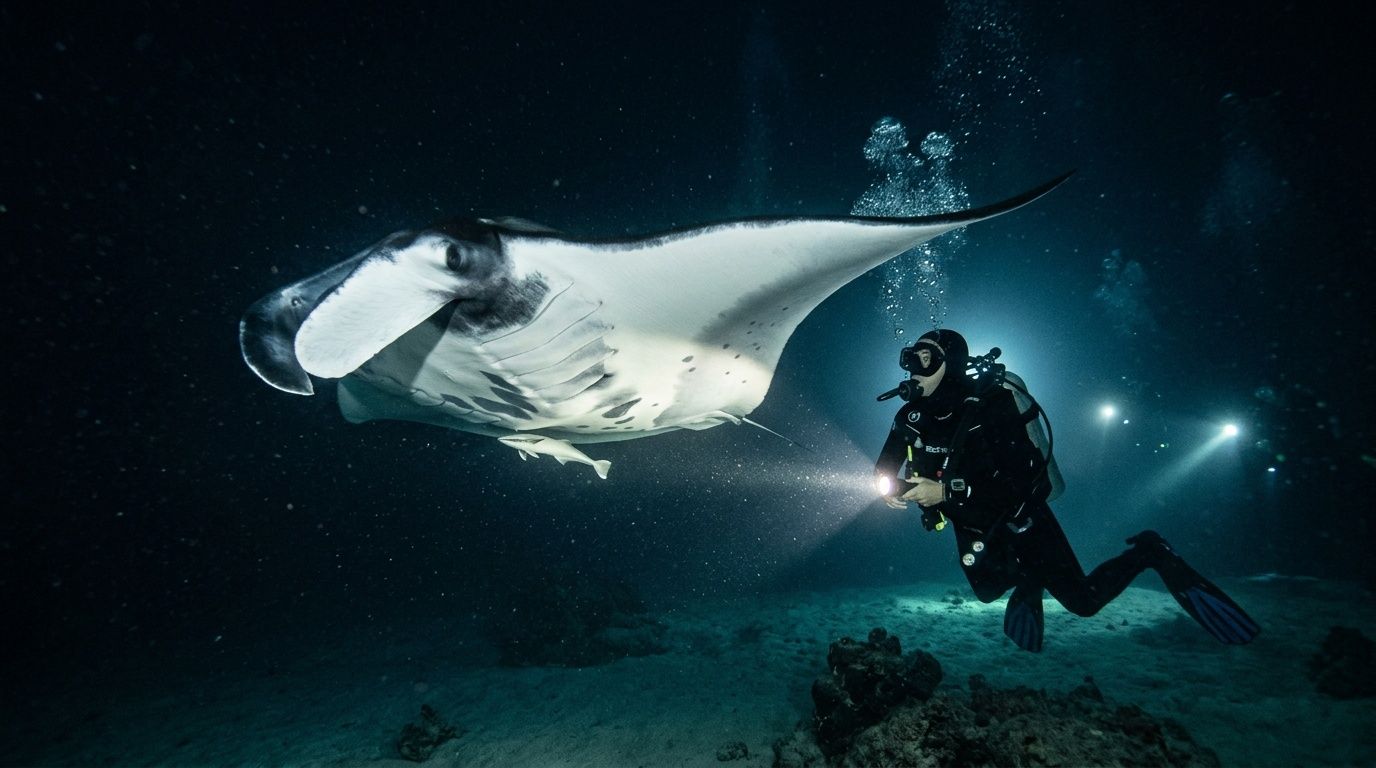
The manta dive is the signature experience because it works on both levels. It’s easy to understand for a first-time Hawaii visitor, and it still impresses divers who’ve logged a lot of dives elsewhere. You settle in at a relatively shallow depth, lights attract plankton, and manta rays move through the illuminated water to feed. In Kona, divers commonly see 10 or more manta rays on a good night at about 35 feet during this experience, based on this description of the Kona manta ray night dive.
The site choice matters. Garden Eel Cove is the stronger option because its protected location usually creates a more comfortable dive, a better viewing area, and better surrounding reef than more exposed alternatives. That translates into less distraction, more stable positioning, and a cleaner overall show.
If manta rays are the reason you’re coming, book a trip built around them rather than treating them as an afterthought. Divers who want a closer look at the experience can review manta ray dive and snorkel options or read more about what it’s like to snorkel with manta rays in Kona.
The blackwater dive
Blackwater is a very different animal. This isn’t a reef dive at night. It’s a specialized open-ocean night drift, typically in the 40 to 60 ft range, aimed at advanced divers who want to see rare mesopelagic life rising from deep water.
The appeal isn’t scenery in the usual sense. It’s the strangeness. Larval creatures, pelagic juveniles, transparent organisms, odd forms that barely look real. You’re suspended over deep water with lights pulling life into view from the dark. Some divers love it immediately. Others respect it but prefer structure under them. That’s the trade-off.
Blackwater works best for divers who are already comfortable with:
- Night diving: Darkness shouldn’t be the main challenge.
- Buoyancy control: Hovering cleanly matters more here than on a reef.
- Open-water comfort: There’s no coral wall or lava ridge for reference.
- Following procedure: This is not the dive for improvising.
If that sounds appealing, look at a dedicated blackwater night dive tour. If you want more advanced daytime profiles as well, a longer-range advanced Kona dive trip is the better fit than a standard charter.
Blackwater isn’t “better” than the manta dive. It’s narrower, stranger, and more skill-dependent. The right diver often remembers it for life. The wrong diver spends the whole time wishing for a reef.
Vibrant reefs and lava tubes
This is the part many visitors undervalue before they arrive. Daytime reef and lava dives are where Kona proves it’s more than one famous night show. The structure is the draw. Arches, caverns, fingers of lava, layered terrain, and reef life threaded through all of it.
These dives usually suit the broadest range of people. Families with mixed experience levels, photographers, divers getting comfortable again after time out of the water, and experienced guests who still enjoy clean, scenic recreational diving all fit here.
The practical advantage is flexibility. On a well-run charter, crews can choose sites based on conditions and the makeup of the group instead of forcing everyone into one style of dive. If you want to compare trip types, the full list of Kona diving tours gives the clearest starting point.
Kona Signature Dives at a Glance
| Dive Experience | Best For | What You'll See | Skill Level |
|---|---|---|---|
| Manta Ray Night Dive | Bucket-list wildlife encounters | Manta rays feeding in the lights | All skill levels |
| Blackwater Dive | Divers seeking unusual pelagic life | Rare mesopelagic species and open-ocean organisms | Advanced divers |
| Reef and Lava Tube Dives | Classic Kona exploration | Reef fish, turtles, lava formations, arches, tubes | Beginner to advanced |
What works and what doesn’t
Some choices consistently pay off in Kona, and some don’t.
- Works well: Pairing a manta night with at least one morning reef day.
- Works well: Booking advanced dives only if your comfort matches the brief.
- Usually doesn’t: Cramming too many demanding dives into too few days.
- Usually doesn’t: Assuming all manta sites are equal. They aren’t.
- Usually doesn’t: Treating daytime lava diving as filler.
Planning Your Kona Dive Trip
Kona is forgiving by Hawaii standards, but good planning still matters. The coast’s leeward position helps create year-round water temperatures from 75 to 85°F and visibility that often exceeds 100 feet, with summer often bringing the calmest seas and more juvenile fish on the reefs, according to this article on Kona diving conditions through the year.
When to dive
There isn’t a bad season in the simple sense. There are better matches for what kind of trip you want.
If you want the easiest boat conditions, summer is a smart target. If your travel dates are fixed, don’t overthink it. Kona is one of the easier places in Hawaii to plan around because conditions are often workable across the year.
Before any trip, it helps to review how to check ocean conditions for the Big Island. Daily conditions still matter even in a reliable destination.
Certification and trip fit
At this juncture, people either set themselves up well or make their trip harder than it needs to be.
For straightforward reef charters, certified recreational divers usually have plenty of options. For more advanced profiles, especially blackwater, comfort matters as much as the card in your wallet. If you haven’t night dived much, or you get uneasy without a bottom reference, book the classic dives first and assess carefully after that.
A good rule is to match the most demanding dive to your real current ability, not your best day from three years ago.
What to pack and what to leave to the boat
Most divers overpack accessories and underprepare for the simple things. Bring what helps you stay unencumbered and comfortable.
- Mask that fits: Don’t gamble on rental fit if your own mask is reliable.
- Exposure protection you like: Kona water is comfortable, but personal tolerance varies.
- Defog, save-a-dive basics, certification cards: Small items can rescue a day.
- Light layers and hydration gear: The boat ride back can feel cooler than people expect after multiple dives.
If you use nitrox regularly, choose an operator that supports it cleanly and consistently. It’s especially useful on repetitive dive days when you want more flexibility in your profiles.
Preventing seasickness
Even on good Kona days, some divers feel the boat. If you know you’re prone to seasickness, solve it before you leave the harbor.
A few common options include Ship-EEZ Seasickness Patch, Dramamine pills, Bonine pills, Sea Band wristbands, and Ginger chews. Different divers swear by different methods, and the one that works for your buddy may do nothing for you.
If you’ve ever been seasick before, don’t wait to “see how it goes.” Start with your prevention plan early. Once nausea starts, your dive day usually gets smaller fast.
What doesn’t work well is skipping breakfast entirely, chugging too much coffee, or spending the whole ride down in the cabin staring at your phone.
The Kona Honu Divers Experience
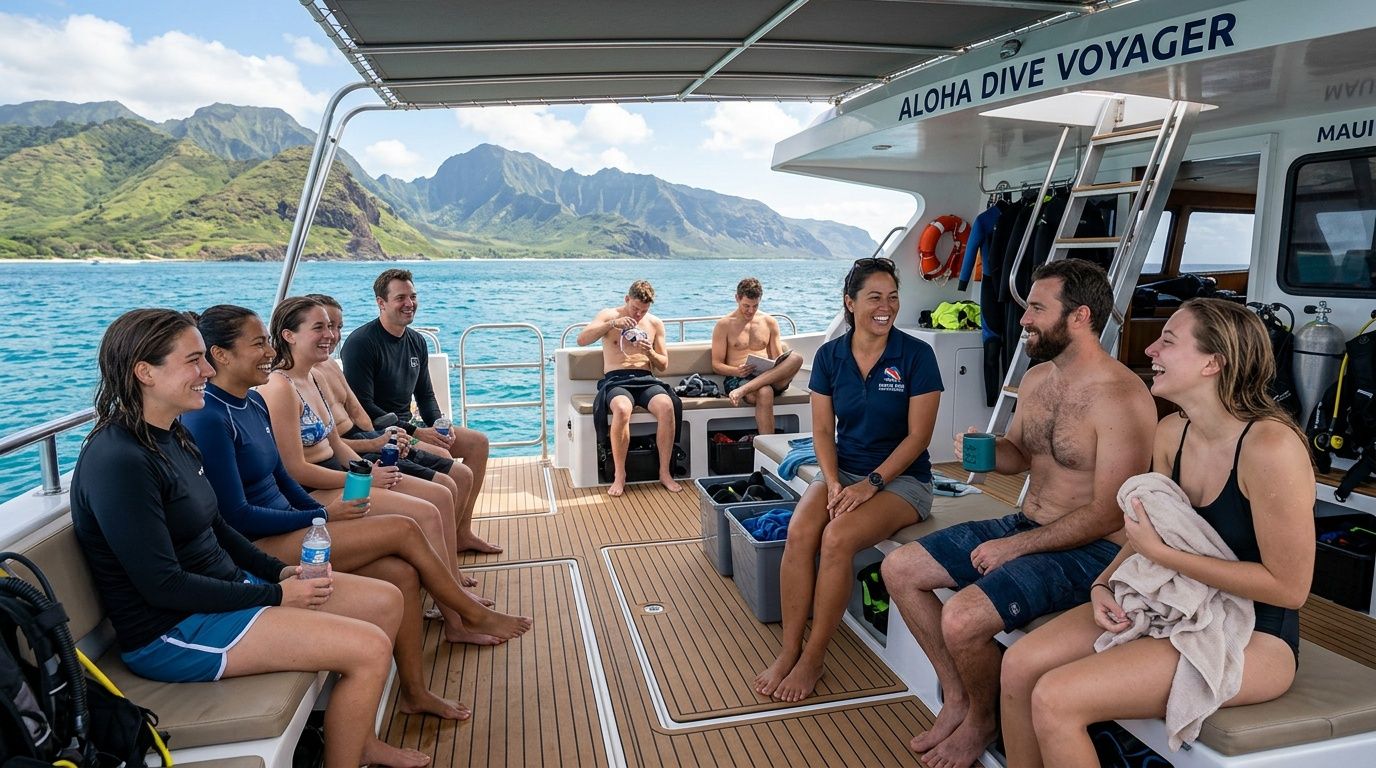
The operator you choose changes Kona from a good dive destination into a smooth or frustrating vacation. Boat layout, crew pacing, how briefings are delivered, whether the group feels managed or herded. Those details shape the day.
One practical option many visitors look at is Kona Honu Divers. Their dive offerings include classic charters, manta trips, and guided access to advanced experiences like blackwater, with free nitrox and early booking discounts noted in this overview of advanced and pelagic-focused Kona diving options.
What a well-run day looks like
The strongest dive days usually have the same feel. Check-in is organized. Gear questions get solved before the boat leaves. The crew gives a briefing that’s specific to the actual site and actual group, not a rushed script. Once in the water, divers aren’t left wondering who the plan was built for.
Small-group diving makes a visible difference here. Underwater, the pace feels cleaner. On the surface, people get answers instead of waiting while a packed boat sorts itself out. That matters even more in Kona because the sites reward attention. Lava structure has details you miss when the whole dive becomes traffic management.
Why the boat experience matters in Kona
Kona diving is often sold on the underwater view alone, but boat comfort and flow matter more than many visitors realize. You may be doing multiple dives, changing tanks, talking through site features, preparing for a night entry, or managing sun and hydration between dives.
A good crew helps with:
- Site matching: Choosing the right location for conditions and diver ability.
- Gear flow: Keeping setup, checks, and entries simple.
- Education: Pointing out what makes a lava site, manta site, or pelagic dive different.
- Calm pace: Reducing rushed entries and sloppy exits.
The value of guided advanced diving
Advanced experiences often get marketed as thrill products. In practice, they’re better seen as procedure-heavy dives that become more enjoyable when the crew is organized, briefings are clear, and expectations are realistic.
That’s especially true for blackwater. Most divers don’t need hype. They need to know whether the operation runs cleanly, whether the safety protocols are solid, and whether the crew can guide certified divers into an unusual environment without turning it into chaos.
Safety and Conservation Diving with Aloha
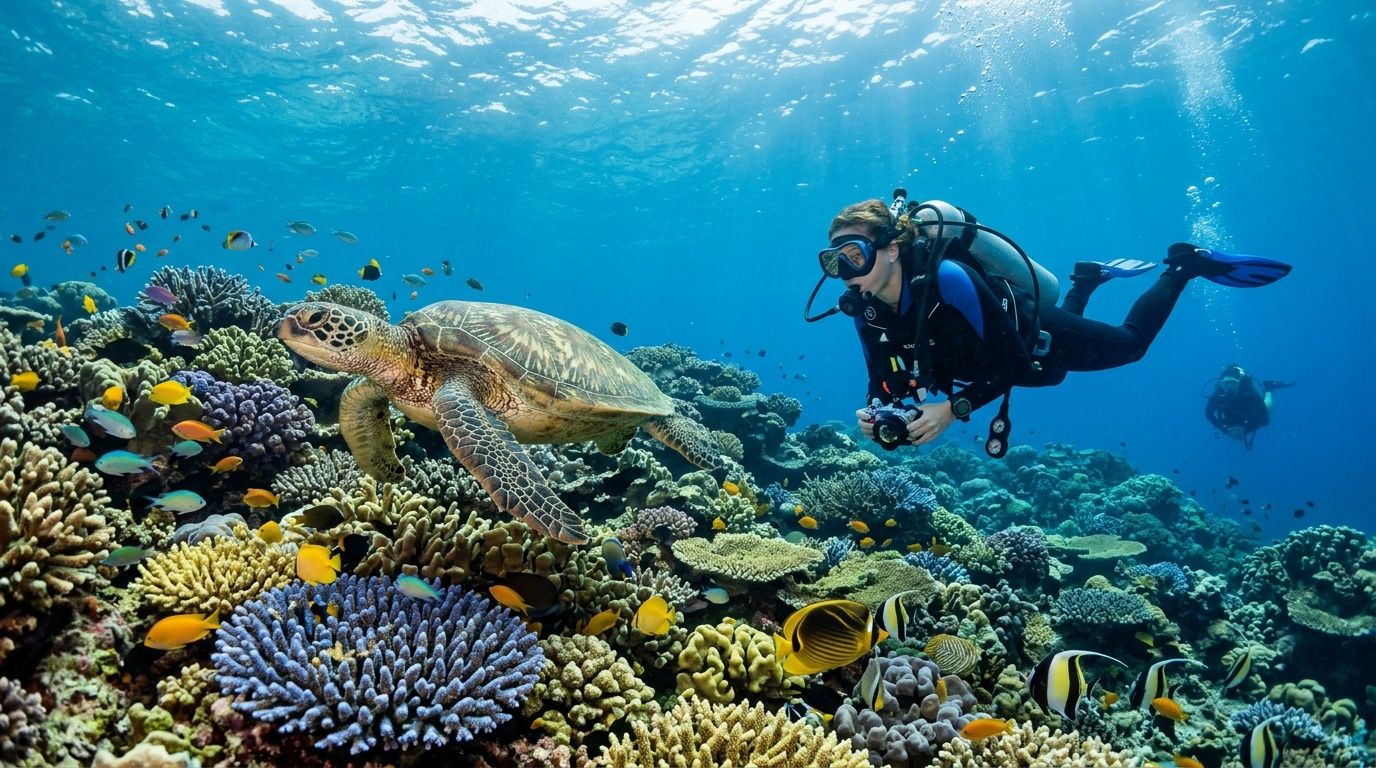
Safe divers usually have better dives. That sounds obvious, but in Kona it has a second layer. The same habits that keep you calm and controlled also protect the reef, the lava formations, and the animals people travel here to see.
What good safety looks like underwater
The basics still matter. Thorough briefings. Clean buddy checks. Conservative gas planning. Controlled buoyancy. Staying with the guide when the plan calls for it. None of that is glamorous, but it’s what keeps a beautiful dive from turning sloppy.
Kona’s clear water can fool divers into feeling looser than they should. Visibility reduces stress, but it doesn’t replace discipline. Night dives, lava structure, and animal-focused dives all reward divers who stay calm and stay precise.
The aloha part is practical, not sentimental
Responsible diving isn’t just about being nice to the ocean. It directly improves the experience for everyone in the water.
A few habits matter more than anything else:
- Maintain neutral buoyancy: Good buoyancy protects coral and keeps silt down.
- Keep your hands off marine life: Turtles, mantas, eels, and reef fish don’t need contact to make the dive memorable.
- Secure your gear: Dangling consoles and octos damage reef faster than many divers realize.
- Use reef-conscious products: What goes on your skin ends up in the water.
For a solid rundown of expected behavior, this guide to responsible and considerate diver etiquette is worth reviewing before you hit the boat.
The best marine life encounters usually happen when divers stop trying to force them. Hold position well, move less, and let the ocean come to you.
Why this matters on manta dives especially
Manta encounters only stay good if divers behave predictably. That means no chasing, no grabbing for a better angle, and no turning a wildlife experience into a scrum. When divers stay where they’re supposed to be and let the rays use the lights naturally, the dive feels calmer and the animals keep doing what everyone came to see.
That same mindset applies everywhere else on the Kona coast. Dive with control, leave the site looking untouched, and the next diver gets the same magic you did.
Frequently Asked Questions about Kona Diving
Is scuba diving Kona Big Island good for beginners
Yes, as long as beginners book dives that fit their experience and comfort. Kona has calm reef diving, clear water, and site options that work well for newer certified divers. If you’re not certified and want to know what introductory options exist, review whether you can scuba dive in Hawaii without certification.
Why do so many divers prefer Garden Eel Cove for the manta dive
Because site quality matters. Garden Eel Cove is favored for its protected location, stronger viewing area, and better surrounding reef. Those factors usually make the experience smoother and more enjoyable than a more exposed setup.
Is free nitrox actually useful on a Kona trip
For many certified nitrox divers, yes. On repetitive dive days, nitrox can be a practical tool for managing your profiles more comfortably. It’s not magic, and it doesn’t replace good dive planning, but many divers appreciate the flexibility it gives them over multiple days of diving.
Should I choose manta or blackwater if I can only do one night dive
Choose manta if you want the classic Kona experience and a dive that suits a wider range of comfort levels. Choose blackwater if you already know you like unusual pelagic life, night procedures, and open-water environments without bottom reference.
What else might I see besides manta rays
Plenty. Kona divers regularly watch turtles, eels, endemic reef fish, and other classic Hawaiian reef life. On some trips, the lava formations themselves are the main event. On others, the marine life steals the show.
Is shore diving a good substitute for boat diving in Kona
It depends on your goals. Shore diving can work for experienced, self-sufficient divers who know what they’re doing and want independence. But many of Kona’s most rewarding dives are better accessed by boat, especially if you want site flexibility, smoother logistics, and guidance that matches the conditions.
If you’re ready to turn the idea into an actual dive plan, Kona Honu Divers is a straightforward place to compare Kona trips, check schedules, and choose the kind of diving that matches your experience level.