
Without a doubt, the manta ray night dive in Kona is one of the most unbelievable underwater encounters you can have anywhere on Earth. It's a chance for divers and snorkelers alike to get breathtakingly close to giant manta rays as they feed, a spectacle so graceful it's often called an underwater ballet. And the best part? It happens nearly every single night, making it an absolute must-do when you visit the Big Island.
Why the Kona Manta Ray Dive Is a Global Phenomenon
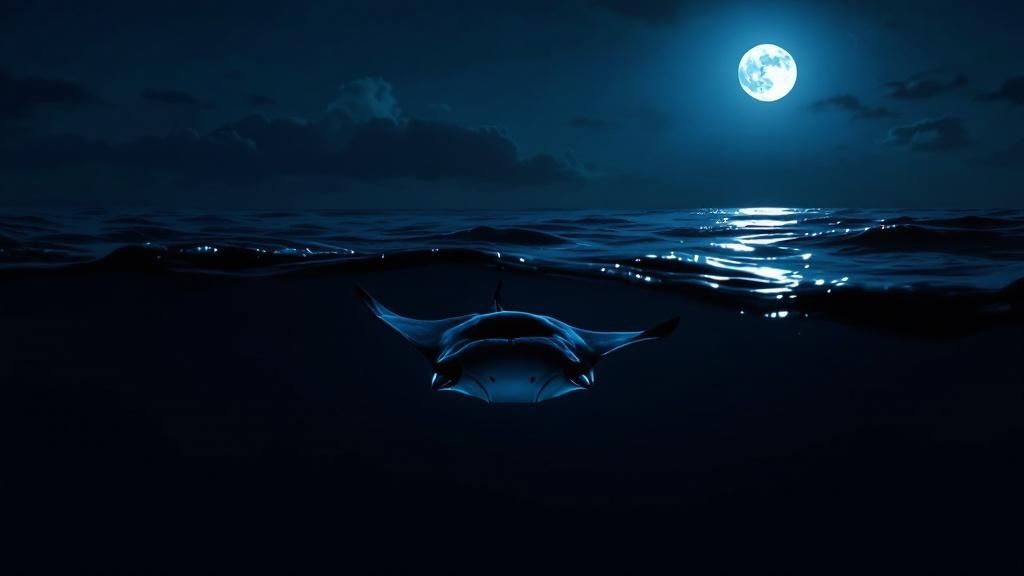
Picture this: you slip into the warm, dark Pacific just as the last bits of sunset vanish from the sky. Below you, a set of powerful lights illuminates a patch of the ocean floor, creating what we locals call an "underwater campfire." This light acts like a magnet, drawing in clouds of microscopic plankton—the manta rays' favorite meal. Then, the show really begins.
Giant manta rays, some with wingspans stretching over 15 feet, materialize from the darkness. They glide into the light with impossible grace, performing effortless barrel rolls and somersaults to funnel the plankton-rich water into their mouths. It's an otherworldly dance that unfolds just inches from your mask.
A Perfect Storm of Nature and a Bright Idea
What makes the Kona manta dive so legendary isn't just the mantas themselves; it's how incredibly reliable the sightings are. This whole thing started by accident decades ago when a hotel pointed lights into the water, unknowingly creating a consistent feeding spot for the rays. Today, dive operators have perfected this technique, making the experience accessible for thousands of visitors every year.
The Kona coast's unique volcanic slopes create nutrient-dense waters that support a massive plankton population. It’s this natural advantage, combined with the clever use of lights, that has cemented Kona's reputation as the world's top spot for manta ray encounters. For a deeper dive into how it all works, check out our complete guide on what is the manta ray night dive.
This remarkable dive boasts an incredible success rate, with mantas showing up on 85% to 95% of trips. Dives typically last around 45 to 60 minutes at a comfortable depth of 30 to 40 feet, giving you plenty of time to soak in the magic.
What to Expect on Your Manta Ray Dive
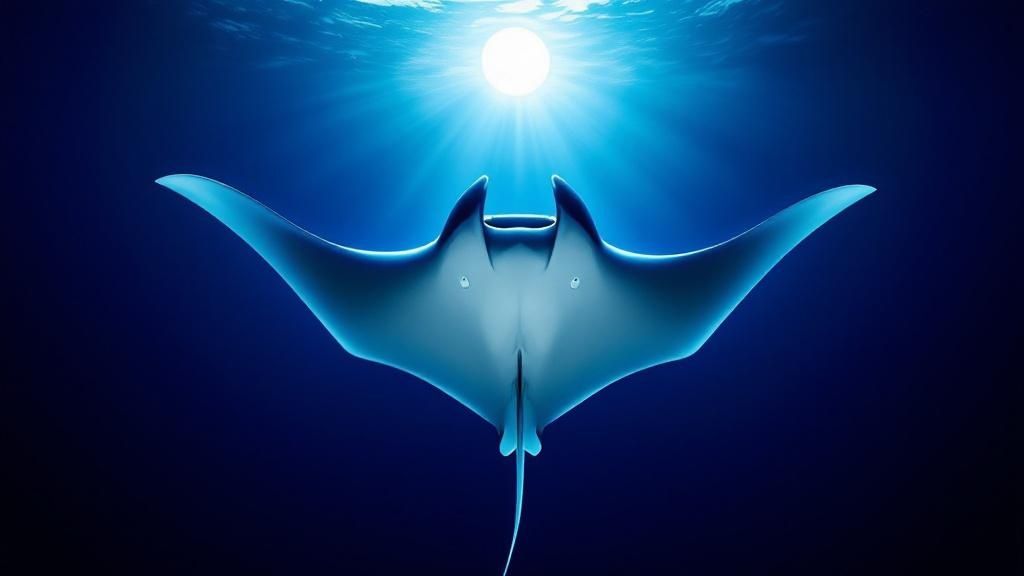
Your manta ray night dive adventure kicks off just as the sun melts into the horizon, setting the Kona sky ablaze with color. On the boat, you'll get a solid briefing from your divemaster. They’ll run through the dive plan, safety checks, and the golden rule of this encounter: look, but don't touch. This is the perfect time to ask anything on your mind and get settled before you gear up.
Once you’re at the dive site, it’s time to descend into the twilight ocean. With every foot you drop, the anticipation builds. The water here is comfortably warm, and even as night falls, the visibility is often incredible. Your group will make its way to a designated spot on the sandy bottom, usually around 30 to 40 feet deep, and get situated in a semi-circle for the show.
Check Availability
The Underwater Campfire Ignites
This is where the real magic happens. The divemasters will light up a powerful central light, which we affectionately call the "underwater campfire." This beam cuts through the darkness, attracting swarms of microscopic plankton—the mantas' favorite meal. You and your fellow divers will add to the glow, pointing your own lights upward to create a buffet that no manta can resist.
And then, you wait. It often starts with a shadow emerging from the deep blue. Suddenly, a giant manta ray, with a wingspan that can stretch over 15 feet, glides effortlessly into the light. Soon, another follows, and then another. Before you know it, you’re surrounded by these majestic animals performing a silent, hypnotic ballet.
They swoop, soar, and perform graceful barrel rolls just inches above your head, their huge mouths open to filter the plankton. The only sounds are the steady rhythm of your own breathing and the muffled gasps of awe from the divers around you.
For the next 45 minutes or so, you’re a front-row spectator to one of nature's most unbelievable performances. It’s a completely surreal experience that honestly feels like you've been transported to another planet.
A Unique and Personal Encounter
What makes the Kona dive so incredible is the relationship the local dive community has with these animals. Dive operators here aren't just tour guides; they're passionate stewards who know these mantas on a first-name basis. Seriously. Local experts have identified nearly 200 individual mantas by the unique spot patterns on their bellies, which allows them to track their health and behavior.
While a typical night might bring in a handful of mantas, some evenings are off the charts, with groups of over 20 showing up for the feast.
As your bottom time winds down, you'll begin a slow ascent, watching the mantas continue their silent dance below. Back on the boat, the energy is electric. Everyone is buzzing, sharing stories of just how close the mantas came. To get a better sense of why this adventure leaves such a lasting impact, check out our article exploring why you should go on a manta ray dive in Kona.
How to Prepare for Your Manta Ray Adventure
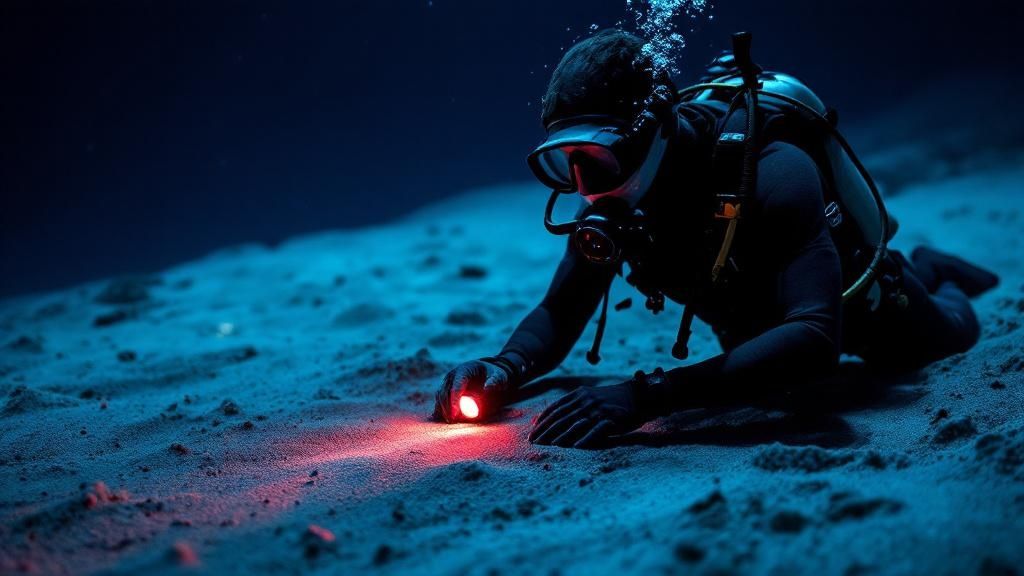
A little bit of prep work can turn a good dive into an absolutely epic one. When it comes to the manta ray night dive in Kona, showing up ready means you can just relax and soak in the magic without sweating the small stuff. We'll walk you through a simple checklist to make sure your experience is smooth, safe, and totally unforgettable.
The great news? You don't need a stack of advanced certifications to join the fun. A standard Open Water certification is all it takes to get in the water.
But here’s the real secret: the most important skill you can bring isn't your certification level—it's solid buoyancy control. You'll be hanging out on the ocean floor for the show, so being able to stay perfectly still is crucial. It keeps you from kicking up sand and disturbing the delicate marine life around you.
Think of it like being a silent observer in a grand theater. Good buoyancy makes you part of the scenery, not a distraction. It's a fundamental skill that makes every dive better, and if you want to take your breath-hold skills to the next level, you might want to learn why you should learn to free dive in Kona, Hawaii.
Your Personal Gear Checklist
While your tour operator handles all the heavy-duty scuba equipment, throwing a few personal items in a bag will make your trip way more comfortable.
- Swimsuit: Wear it under your clothes to the marina. Easy.
- Towel: A quick-dry one is perfect for when you hop out of the water.
- Change of Clothes: Trust me, you'll be glad to have something dry and comfy for the boat ride home.
- Warm Jacket or Hoodie: Even in Hawaii, the night air on the water can get surprisingly chilly after a dive.
- Reef-Safe Sunscreen: If you're doing a two-tank trip, make sure to apply it before the sun goes down to help protect our beautiful reefs.
- Reusable Water Bottle: Hydration is key! Drink plenty of water before and after your dive.
- Motion Sickness Meds: If you're even a little prone to seasickness, take your preferred remedy before you get on the boat.
What Your Dive Operator Provides
A top-notch operator like Kona Honu Divers has your back with high-quality, professional gear. You can count on them for all the essentials.
- Full Scuba Gear: That means your BCD, regulator, mask, fins, and a wetsuit to keep you warm.
- Dive Computer & Lights: Absolutely critical for a safe and well-lit night dive.
- Tanks & Weights: No need to haul your own heavy gear; it's all included.
- Snacks & Refreshments: Most boats will have some light snacks and drinks to enjoy after your dive.
And last but definitely not least, pay close attention to the pre-dive briefing. Your guides are the experts. They'll go over the specific rules for the site and the conservation guidelines that protect the mantas. Following their lead is the best way to ensure a safe, respectful, and amazing encounter for everyone.
Diving Safely and Protecting the Manta Rays
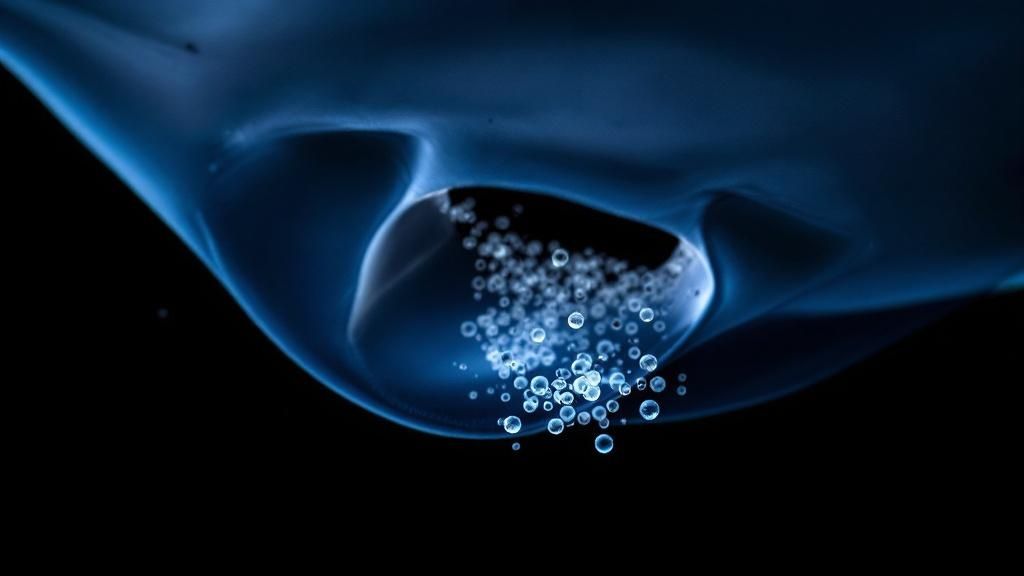
The incredible, long-running success of the manta ray night dive in Kona boils down to a single, simple idea: everyone in the water needs to act like a responsible guest. This isn't just another dive on the logbook; it's a privileged look into a wild animal's natural, nightly routine.
To keep this encounter magical for decades to come, we stick to a strict "passive observation" model. It means we're visitors in their dining room. We never, ever touch, chase, or get in the way of a feeding manta ray. Your job is to become part of the underwater scenery—a quiet observer just taking in the show. Touching a manta can strip off the protective mucous coat on its skin, which is like their immune system, leaving them wide open to infections. For the health of these gentle giants, it’s strictly hands-off.
The Do's and Don'ts of Manta Interaction
To make sure everyone is on the same page, your pre-dive briefing will walk you through the essential rules for a respectful encounter. It's not complicated, and following these guidelines is what makes for a positive experience for both you and the mantas. This is the foundation of all reputable scuba diving in Kona, Hawaii, and something we take very seriously.
Here’s a clear guide on how to safely and respectfully interact with manta rays during your dive. Sticking to these simple rules ensures a positive experience for both you and these amazing animals.
| Guideline | Do | Don't |
|---|---|---|
| Physical Contact | Observe from a distance and let the manta rays approach you on their terms. | Never touch, pet, or attempt to ride the mantas. |
| Positioning | Stay on or near the seafloor in your designated viewing area. | Do not swim up into the water column to chase or block their feeding path. |
| Bubbles | Try to time your exhales for moments when mantas are not directly overhead. | Avoid blowing bubbles directly into a manta's face or gills. |
| Lighting | Keep your dive light pointed up towards the surface to attract plankton. | Never shine your light directly into the manta's sensitive eyes. |
Think of these rules as our pact with the mantas—we respect their space, and they give us a show we’ll never forget.
Conservation First Approach
These guidelines aren't just polite suggestions; they are absolutely vital for the long-term well-being of Kona's resident manta ray population. The local dive community works tirelessly to protect these animals and their home. It's this conservation-first mindset that makes the encounter so special and ethically sound.
Operators like us are deeply committed to these principles and have been advocating for clear regulations that put manta safety first. You can get the full story by reading our open letter to the Hawaii State DLNR regarding manta rules, which breaks down why standardized, responsible practices are so important.
When you choose a dive operator who champions these rules, you're doing more than just booking a dive—you're directly helping preserve one of the planet's most breathtaking natural wonders.
Booking Your Unforgettable Manta Ray Dive
Alright, you've seen the videos, you've heard the stories, and now the underwater ballet is calling your name. The final step is picking the right crew to take you out there and secure your front-row seat.
Choosing a top-rated, safety-conscious company like Kona Honu Divers really makes all the difference for your manta ray night dive in Kona. You want to look for operators who keep their group sizes small and stick to strict conservation guidelines—it’s the only way to get a personal and respectful encounter with these amazing animals.
A premier operator doesn't just hand you gear. They share their passion, build up the excitement, and show a genuine reverence for the mantas you're about to meet. Their commitment to the well-being of the rays is a dead giveaway that you've found a quality tour.
Finding the Right Tour for You
Most outfits offer a few different ways to experience the magic. For certified divers, the hands-down most popular choice is the two-tank manta ray dive tour. It’s the perfect blend of adventure and spectacle. You’ll usually get a stunning twilight reef dive as the sun goes down, followed by the main event at the manta feeding site.
Not certified? No problem at all. The snorkeling option gives you an equally breathtaking view right from the surface. You'll float above all the action, watching the mantas glide and barrel-roll in the illuminated water just a few feet below you. If you want a deeper look at what this is all about, check out our guide on the manta ray night dive in Hawaii.
For the divers out there looking for more than just mantas, Kona has some other pretty unique underwater challenges. You could push your limits with an otherworldly Kona blackwater dive or head out to more remote spots on a specialized advanced dive tour.
Securing Your Spot
Booking your spot online is definitely the easiest way to go. These trips are incredibly popular and fill up fast, so you don't want to wait until the last minute. A good operator’s website will lay everything out for you—clear tour descriptions, what's included, and a booking process that doesn’t make you want to pull your hair out.
Tip: My advice is to book your manta dive early in your trip. It gives you some wiggle room to reschedule in the rare case that the weather doesn't cooperate or, heaven forbid, the mantas decide to be shy on your chosen night.
Ready to witness the performance of a lifetime? Grab your spot for this unforgettable adventure and prepare to be completely mesmerized by the gentle giants of Kona.
Check Availability
Your Questions About the Manta Ray Dive, Answered
Even with all the excitement bubbling up, it’s totally normal to have a few last-minute questions before you commit. We get it. You want to be sure you're ready for the big night.
To help you plan with confidence, we’ve put together the questions we hear most often about the manta ray night dive in Kona. This is your final check-in to make sure you're prepped for what will likely be one of the most incredible underwater moments of your life. Let's get into it.
Do I Need To Be a Certified Scuba Diver?
Great question, and the answer has two parts.
To join the scuba group, yes, you absolutely need at least an Open Water certification from a recognized agency. The good news is the dive itself is pretty straightforward—it’s shallow, and you’ll be stationary most of the time, making it a great experience for newer divers who have a good handle on their buoyancy.
But what if you're not a diver? No problem! The snorkeling option is just as breathtaking. You'll float on the surface, holding onto a specially designed light board, giving you a perfect top-down view as the mantas glide and feed just inches below.
Are Manta Ray Sightings Guaranteed?
Look, these are wild animals, so no one can ever make a 100% guarantee. But the Kona manta ray dive has a ridiculously high success rate—we're talking 85% to 95% on any given night. The resident mantas love their feeding spots and show up like clockwork almost every evening, all year round.
On the super rare night the mantas decide to play hard to get, you still get the cool experience of a Hawaiian night dive. Plus, most reputable companies, including us at Kona Honu Divers, have a "manta guarantee." If you don't see any mantas, you can come back and try again on another night for free.
What Is the Best Time of Year to See Manta Rays?
Here's the best news for your travel plans: there is no bad time! The manta ray night dive is an amazing year-round adventure. Kona’s local manta population doesn't migrate, so they're here waiting for you whether you visit in July or December.
Kona's water is also famously calm and warm throughout the year. That consistency means the best time to book your dive is simply whenever you can get here.
The real "best time" isn't about a particular season. It's about booking your tour early in your vacation. That way, you have a backup window to reschedule if weather gets in the way or in the unlikely event the mantas are a no-show.
Is It Safe to Be So Close to Manta Rays?
Yes, it is completely safe. This is probably the number one concern we hear, and it’s important to know why these gentle giants pose zero threat to humans.
- No Stingers: Unlike their stingray cousins, manta rays have no barbs, stingers, or any kind of weapon on their tails.
- No Teeth: They are filter feeders, using their huge mouths to gulp down microscopic plankton. They have no teeth for biting.
- Gentle Giants: Manta rays are famously docile and curious. Aggression just isn't in their nature.
The single most important rule on this dive is simple: do not touch the mantas. This isn't for your safety—it's for theirs. Touching a manta ray can strip away the protective mucous layer on their skin, making them vulnerable to nasty infections. Just listen to your guide, keep your hands to yourself, and you'll ensure a safe, respectful encounter for everyone.
Your unforgettable underwater ballet is just a booking away. Here at Kona Honu Divers, we're all about providing a safe, respectful, and absolutely mind-blowing manta ray experience. Come join our expert crew and see one of nature's greatest shows for yourself.
Ready to lock in your spot? Check our availability and book your manta ray dive tour today!
Check Availability