
Picture this: you're kneeling on the ocean floor, submerged in the darkness of the Pacific, and giant, graceful manta rays are soaring just inches above your head. This isn't a scene from a movie; it's the Kona manta ray night dive, a truly otherworldly ballet and one of the most acclaimed underwater adventures you can have anywhere on the planet. It's no wonder this experience lands on bucket lists for divers all over the world.
What Makes the Kona Manta Ray Dive So Special
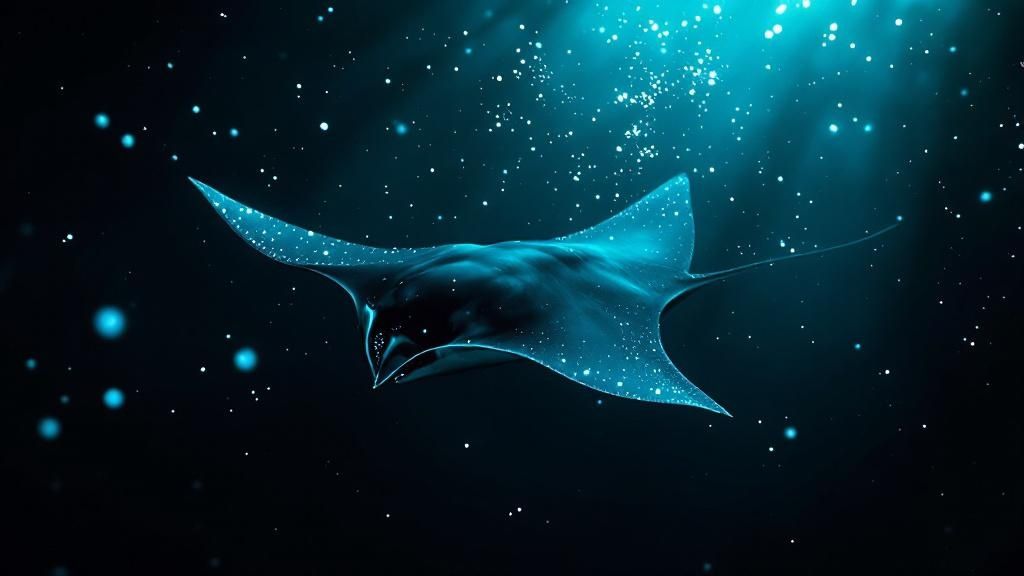
This guide will walk you through everything you need to know about this breathtaking experience, from the moment you step on the boat to that final, awe-inspiring encounter. We'll dive into why this has become such a legendary activity and what makes Kona’s manta population so unique and easy to see.
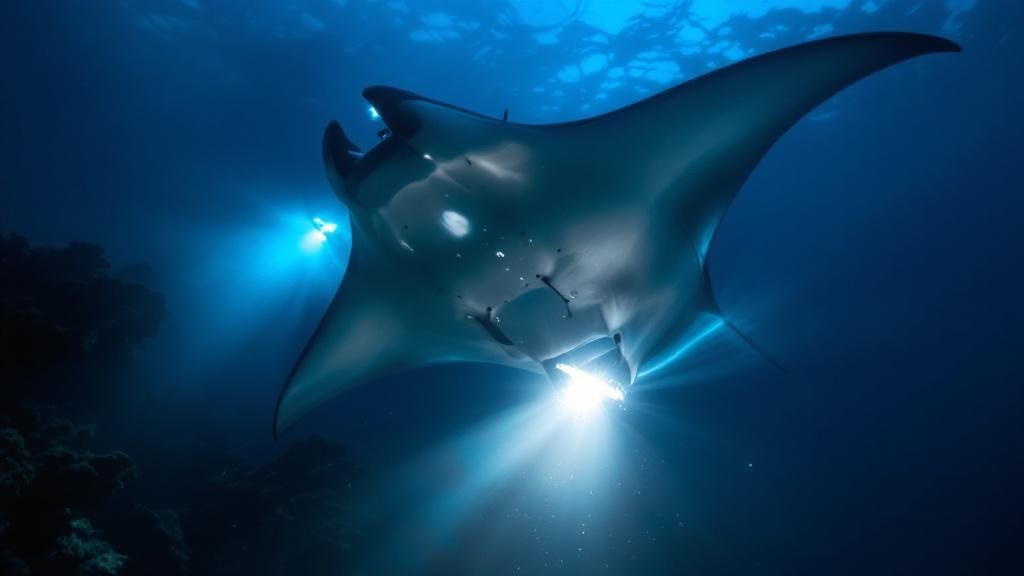
The real magic happens after sunset. Dive operators set up what you could call a "campfire of light" on the ocean floor. These powerful, stationary lights attract swarms of plankton—the manta rays' favorite meal—creating a glowing, all-you-can-eat underwater buffet. Divers then settle in a circle around these lights, turn on their own flashlights, and simply wait for the show to begin.
A Reliable and Unforgettable Encounter
Unlike a lot of wildlife encounters that hinge on seasonal migrations and a good deal of luck, Kona’s manta rays are year-round residents. This simple fact makes the Kona manta ray night dive one of the most dependable wildlife experiences on the entire planet.
And the numbers back that up. The Kona Manta Ray Night Dive has a sighting success rate of over 95%, which is practically unheard of and makes it a premier global destination for seeing mantas. You'll descend to a comfortable depth of around 30 to 40 feet to watch these gentle giants, with wingspans often stretching over 12 feet, perform their feeding ballet for nearly an hour. You can learn more about what makes the Kona manta ray night dive so consistently amazing.
Choosing the Right Operator
To make sure this adventure is both safe and absolutely unforgettable, picking a top-tier operator is key. Companies like Kona Honu Divers have built a stellar reputation for their commitment to safety, marine conservation, and creating an exceptional experience for every guest. Their experienced crew makes sure both the divers and the manta rays are respected throughout the entire dive.
Joining one of their manta ray dive tours guarantees you're in good hands. Get ready to find out how to prepare, what to expect during the dive, and exactly why this is an experience you just can't miss when you're on the Big Island.
What to Expect on Your Manta Ray Dive Adventure
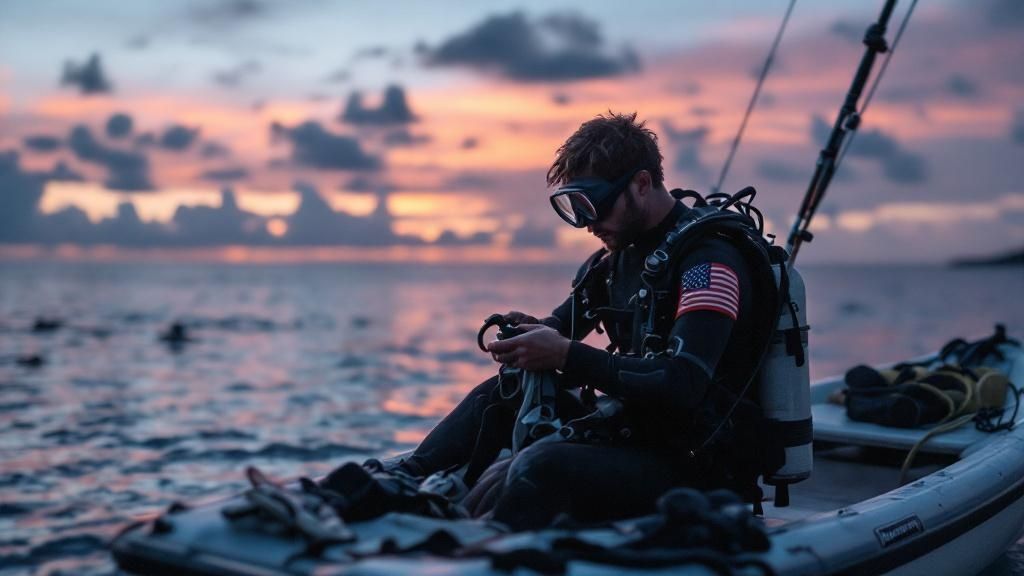
So, what’s it really like to do this dive? Your manta adventure actually kicks off well before you even get your fins wet. It all starts on the boat with a thorough pre-dive briefing from the crew.
This isn't just a formality—it's where you learn the dive plan, safety rules, and the most important principle of the night: passive interaction. The guides will walk you through exactly how to act and position yourself in the water to keep both you and the mantas safe and comfortable.
As the boat heads out to the dive site, you'll be treated to a classic Kona sunset, which is a show in itself. The ride out is the perfect time to soak in the views, ask any last-minute questions, and get your gear situated.
The Twilight Reef Dive
Most manta charters, including the popular 2-Tank Manta Dive from Kona Honu Divers, aren't just one dive. They’re a two-part experience. The first tank is a twilight reef dive, giving you a chance to see the reef as it transitions from day to night.
You’ll descend while there’s still some daylight, watching the underwater world completely change. The daytime fish start tucking into the coral for the night, and the nocturnal critters begin to wake up. This first dive is great for a few reasons:
- Getting Acclimated: It’s the perfect way to get comfortable with your gear and the conditions before it gets totally dark.
- Seeing the Reef's "Shift Change": You get to witness a unique moment in the reef's daily cycle that most divers never see.
- Building the Hype: The beauty and life of the twilight dive just builds the anticipation for what's coming next.
Honestly, this first dive is an incredible experience on its own and makes the whole trip feel like a much bigger adventure.
The Main Event: The Manta Ray Ballet
After you surface, you’ll have some snacks and swap stories while you wait for complete darkness. Then, it's time for the real show. On your second descent, you'll drop into the pitch-black ocean.
Your group will gather on a sandy patch of the ocean floor, usually around 30 to 40 feet deep. Following your guide's directions, everyone will settle into a circle and point their bright dive lights straight up toward the surface.
Think of this circle of light beams as an underwater campfire. It illuminates the water column, which in turn attracts swarms of microscopic plankton—the manta rays' favorite meal—essentially setting the dinner table for them.
And then it happens. A massive, dark shape emerges from the blackness, gliding effortlessly into the light. The first manta arrives, soon followed by others. They put on an absolutely mesmerizing show, performing a silent underwater ballet as they barrel roll and swoop just inches over your head to feed on the plankton cloud you’ve helped gather.
It’s a quiet, humbling, and utterly awe-inspiring performance that you will never, ever forget.
How to Prepare for Your Kona Manta Dive
A little bit of prep work can turn a good dive into a truly mind-blowing one. If you take a few simple steps before your manta ray night dive, you can just relax and soak in the underwater magic, knowing you’re ready for whatever the ocean has in store.
The good news? You don’t need a stack of advanced certifications for this adventure. Most divers are good to go with a standard Open Water Diver certification. The dive itself is pretty shallow, usually hovering between 30 and 40 feet, and the main thing you need is just to be comfortable in the water after dark.
There is one skill, however, that is absolutely critical for this particular dive: buoyancy control. Since you’ll be staying put on the ocean floor for a good chunk of time, being able to hold your position is everything. It stops you from kicking up sand, bumping into other divers, or worse, drifting up into a manta’s flight path. Nailing your buoyancy lets you become a quiet, respectful spectator to the show.
What to Bring and What Is Provided
Knowing what to pack makes everything smoother. While a top-notch operator like Kona Honu Divers will handle all the heavy-duty scuba gear, there are a few personal items you’ll want to bring along to stay comfortable.
We've put together a quick checklist to make your preparation a breeze. These are the essentials you'll want to have squared away before you head to the harbor.
Manta Ray Night Dive Preparation Checklist
| Item/Requirement | Description | Why It's Important |
|---|---|---|
| Open Water Certification | Your basic scuba certification card (physical or digital). | This is non-negotiable proof that you're trained to dive safely. |
| Swimsuit | Worn under your clothes. | Makes gearing up quick and easy once you're on the boat. |
| Towel | A good-sized, absorbent towel. | Essential for drying off and warming up after the dive. |
| Warm Clothes | A dry sweatshirt, hoodie, or light jacket. | It gets surprisingly chilly on the boat ride home at night. |
| Reusable Water Bottle | Filled with water. | Staying hydrated is crucial for preventing fatigue and seasickness. |
| Seasickness Medication | Dramamine, Bonine, etc. | If you're prone to motion sickness, take it before you get on the boat. |
Having these items ready ensures you're focused on the mantas, not on being cold or uncomfortable.
Reputable dive shops like Kona Honu Divers will supply all your necessary diving equipment, including tanks, weights, BCD, regulators, wetsuit, and dive lights. This means you can travel lighter and rest assured that you're using professional, well-maintained gear.
Staying Comfortable on the Water
Just a couple more pro tips can make a huge difference in your experience. Dehydration is a major culprit for both seasickness and feeling wiped out after a dive, so make sure you drink plenty of water all day long. It’s also smart to have a light meal a few hours before the trip—diving on a totally empty or super-full stomach is no fun.
For more insider tips on making the most of your underwater adventures, check out our guide to the best scuba diving in Kona, Hawaii.
Follow these simple steps, and you'll be perfectly set up for a smooth, comfortable, and totally unforgettable encounter with Kona's gentle giants.
The Best Time to See Manta Rays in Kona
One of the first things people ask when they start planning this bucket-list adventure is, "So, when is the best time to go?" The fantastic answer is that the manta ray night dive in Kona is a spectacular, year-round event. There's no special "manta season" you need to plan your whole trip around.
This incredible consistency is all thanks to Kona's resident population of manta rays. Unlike a lot of other big marine animals that migrate, these gentle giants hang out along the Kona coast all year. Their schedule isn't dictated by the calendar but by something much simpler: dinner.
The entire experience hinges on the plankton that get drawn to the powerful underwater lights set up by the dive operators. This reliable, all-you-can-eat buffet ensures the mantas show up night after night, whether it's the middle of June or late December.
Year-Round Sightings and Ocean Conditions
While the manta encounters themselves are super consistent, the ocean conditions can shift a bit with the seasons. Summer months usually bring calmer, glassier seas. Winter can sometimes stir things up with larger swells.
But here’s the key: the local dive operators are absolute pros. They know these waters like the back of their hand and always choose the safest, most comfortable dive sites based on the day's conditions. Visibility is generally excellent all year, so you’re almost guaranteed a phenomenal view. The main takeaway is that your travel dates shouldn't be a barrier. You can book your dive with confidence, no matter when your Hawaiian vacation is planned. To dive deeper, check out our detailed guide on the best time of year to see manta rays in Kona.
How Many Mantas Will You See?
This unique, reliable ecosystem has made Kona a global hotspot for manta research and ecotourism ever since the dive first started back in the early 1990s. Today, local researchers have identified nearly 200 individual manta rays by their unique belly markings!
On any given night, it’s common for divers to see between 8 and 20 mantas swooping through the lights. On a really exceptional night, that number can jump to as many as 36. These numbers really drive home why Kona is considered one of the absolute premier manta ray destinations on the planet.
The bottom line is simple: the best time to do the Kona manta ray night dive is whenever you can get here.
Keeping the Manta Encounter Safe and Eco-Friendly
Seeing Kona's gentle giants up close is an unforgettable experience, but protecting them is our top priority. The long-term success of this incredible underwater ballet depends entirely on everyone practicing responsible ecotourism. Every single person in the water, whether you're diving or snorkeling, plays a huge part in making sure the manta rays stay healthy and comfortable.
The main idea is pretty simple: passive observation. Just think of yourself as a polite guest in their underwater dining room. That means no touching, no chasing, and definitely no blocking a manta's path as it glides by. Manta rays have a delicate mucus layer that protects them from infections, and a simple touch from us can strip it away, leaving them vulnerable.
The Rules of Engagement
To keep the experience sustainable for everyone—especially the mantas—all the operators in Kona follow a strict set of guidelines. These rules are designed to minimize our footprint and let the mantas behave as naturally as possible. By sticking to them, you become part of a massive conservation success story.
A few key rules for your manta ray night dive kona include:
- Stay on the Bottom: If you're diving, you'll be settled on the sandy ocean floor. This keeps the water column wide open, giving the mantas all the space they need to swoop and feed without running into obstacles.
- Lights Up: Point your dive light straight up toward the surface. This is what attracts the plankton into a concentrated "buffet," and that's what brings the mantas right to us.
- No Touching or Chasing: This is the golden rule, and it's non-negotiable. It can be tempting to reach out, but you have to resist. Let the mantas control the interaction; they’ll often come within inches of your head all on their own.
Your Divemaster Is in Charge
Think of your divemaster as the conductor of this underwater orchestra. Their job is to manage the group, make sure everyone is positioned correctly, and keep an eye on both the divers and the mantas. These are highly trained professionals who know the local spots, like the world-famous Manta Heaven at Garden Eel Cove, and the unique behaviors of the resident rays.
Following your divemaster's lead isn't just about safety—it's about showing respect for the animals and their home. Their guidance is what keeps the encounter positive for the mantas, which is exactly why they keep coming back night after night.
This commitment to responsible practices is a huge reason why Kona has become a global model for sustainable marine tourism. This incredible experience brings in around 80,000 participants annually for snorkeling and diving, showing just how important it is to the Big Island's culture and economy. The fact that we can do this year-round is a testament to the health of the local manta population and the dedicated efforts to protect them. You can dive deeper into the statistical monitoring of the Kona manta ray population on mantarayadvocates.com. When you choose a responsible operator, you're helping ensure this amazing dive can be enjoyed for generations to come.
Booking Your Unforgettable Manta Ray Dive
Ready to take the plunge? Booking your manta ray night dive in Kona is pretty simple, but your most critical decision is picking the right company to go with. You'll want an operator with a seasoned crew, a serious commitment to safety, and a genuine respect for the mantas themselves.
This is exactly why so many people end up choosing Kona Honu Divers. They've built a stellar reputation for running safe, unforgettable, and eco-friendly tours. Their team really goes the extra mile to make sure your experience is incredible from start to finish. You can see what they're all about and book right on their manta ray dive tour page.
What's Next After the Mantas?
The manta dive is a bucket-list experience, for sure. But don't think for a second that's all Kona has to offer. The Big Island is a world-class diving destination, and once you've seen the manta ballet, there are plenty of other diving tours in Kona to check out.
- Blackwater Dive: If you're looking for something truly out of this world, the Kona Blackwater Dive is it. You'll head out into the deep open ocean at night and watch as bizarre, glowing creatures rise up from the abyss. It's like diving on another planet.
- Advanced Dives: For certified divers craving a bigger challenge, there are advanced deep reef explorations. These trips take you to pristine lava tubes and remote sites that most divers never get to see.
The magic of the manta ray night dive is something that sticks with you long after you've dried off. It's a peaceful, humbling, and completely mind-blowing encounter with nature's gentle giants. Go ahead and reserve your spot—you won't regret it.
Frequently Asked Questions About the Kona Manta Dive
To make sure you feel completely ready for this incredible adventure, let's clear up a few of the most common questions we get about the manta ray night dive in Kona.
Do I Need to Be a Certified Diver?
Yes, if you plan to scuba dive with the mantas, you'll need at least an Open Water certification.
But here’s the great news: this experience is open to almost everyone! We run a fantastic manta ray snorkeling trip on the same boat, at the same time. This means non-divers, kids, and other family members can see the exact same underwater ballet from the surface.
Is the Manta Ray Night Dive Safe?
Absolutely. When you go out with a professional, reputable operator, this is a very safe and controlled activity.
Manta rays are true gentle giants; they have no teeth, no stingers, and no barbs. The real safety focus is on you. Just listen closely to your divemaster's briefing, practice passive interaction (meaning no touching the mantas), and keep your buoyancy in check. The dive sites themselves are well-managed and pretty shallow, typically around 30-40 feet.
What if No Manta Rays Appear?
It's a fair question, but honestly, it’s rarely an issue. The sighting rate in Kona is incredibly high—we're talking well over 95% success.
That said, these are wild animals, so a 100% guarantee is never possible. On the very rare night the mantas decide to be shy, you still get to enjoy a spectacular night dive on a vibrant Hawaiian reef. Most reputable companies have a policy for this, so it's always a good idea to ask when you book. You can learn more about why you should go on a manta ray dive in Kona and see what makes it such a reliable wildlife encounter.
Can I Bring a Camera?
Of course! We highly encourage you to bring a camera or GoPro to capture the magic. You’ll want to remember this.
Just be mindful of your gear and your surroundings to avoid bumping into other divers or the mantas themselves. To protect the animals, we ask that you leave the big, powerful video lights at home. The dive operator's lights are specially set up to attract plankton safely. A small camera with a red focus light is a perfect, non-intrusive way to get amazing shots.
Ready to see this unforgettable underwater spectacle for yourself? Kona Honu Divers is ready to guide you on a true once-in-a-lifetime adventure.