
It's hard to put into words, but the manta ray night dive in Kona is something truly special. It’s often called an underwater ballet, and that’s about as close as you can get. Imagine floating in the quiet darkness while these massive, graceful giants with wingspans over 12 feet swoop and glide just inches from your face. They're feeding on tiny plankton drawn to the underwater lights, creating a surreal, bucket-list experience you can only find on Hawaii's Big Island.
Why Kona’s Manta Ray Night Dive Is World Famous
There are few underwater encounters on Earth that can touch the sheer magic—and reliability—of the Kona manta ray night dive. This isn't just another dive trip; it's a world-famous spectacle of nature that has rightfully earned its spot as one of the planet's most unforgettable marine adventures. People often say it feels like watching angels perform a silent, choreographed dance in the sea.
So, what's the secret? It all comes down to the unique geography of the Kona coast. The volcanic slopes have created the perfect setup where ocean currents funnel and concentrate huge amounts of plankton, which is the manta rays' primary food source. This dependable, all-you-can-eat plankton buffet is what keeps a large, non-migratory population of reef mantas coming back night after night.
A Consistent and Awe-Inspiring Encounter
What really sets the Kona experience apart from anywhere else in the world is its consistency. The success rate for seeing mantas here is ridiculously high, often hitting 85–90%. That's because our local manta population, with over 450 identified individuals, lives here year-round. It’s not a question of if you'll see mantas, but how many. Seeing upwards of 20 mantas on a single trip isn't uncommon, and the feeling is just pure wonder.
Of course, choosing a top-tier operator is key to having a safe and memorable adventure. We've built our reputation at Kona Honu Divers on providing exceptional tours that put both our guests' experience and the well-being of the mantas first.
An Adventure for Divers and Snorkelers Alike
Another reason this adventure is so famous is its accessibility. You don’t have to be a seasoned diver to get in on the action.
- For Scuba Divers: You'll settle on the sandy ocean floor, about 30-40 feet deep. From there, you get a front-row seat to watch the whole ballet unfold right above you.
- For Snorkelers: You'll float on the surface, holding onto a custom light board. The light draws in the plankton, and the mantas come right up to you to feed. It's an incredibly up-close-and-personal view.
Both options give you an unbelievably intimate look at these gentle giants. If you're leaning toward the surface view, this ultimate guide to the Kona Manta Ray Night Snorkel is a fantastic resource covering everything you need to know.
Ready to see the magic for yourself? The first step is to secure your spot on a Kona manta ray night dive. It's an experience you'll be talking about for the rest of your life.
What to Expect During Your Manta Adventure
Your journey into the dark, magical world of Kona’s manta rays starts long before you ever see one of those majestic giants. There's a buzz in the air from the moment you check in. This whole adventure is structured as a two-tank dive, and for good reason—it’s all about building comfort and anticipation.
The first dive is a beautiful twilight exploration of the reef. As the sun begins to dip below the horizon, you’ll descend into the warm Hawaiian waters. This is your chance to get your gear dialed in, check your buoyancy, and just get comfortable. You'll get to see the reef as it transitions from day to night, watching daytime critters tuck in while the nocturnal ones start to emerge. It’s a peaceful, stunning experience all on its own and perfectly sets the stage for the main event.
After coming up for a surface interval and enjoying a spectacular sunset from the boat, the real show begins.
The Underwater Light Show
This is the dive you came for. You'll head back down, this time to a designated sandy spot on the ocean floor, usually around 30 to 40 feet deep. Your divemaster will set up what we affectionately call the "campfire"—a collection of powerful lights all pointing straight up into the water column.
This brilliant beacon of light acts like a magnet, pulling in microscopic plankton from all over the reef. And where there’s plankton, the mantas are sure to follow. Your job is simple: find a spot on the sandy bottom, get comfortable, and look up.
People often say it feels like you're sitting in the front row of an IMAX theater. You’re just a passive observer, perfectly positioned to witness one of nature's most incredible performances without disturbing the stars of the show.
Then, it happens. Out of the darkness, a massive shadow glides into the light. Then another, and another. They swoop and somersault, performing barrel rolls through the beams of light with their giant mouths wide open, filtering the plankton-rich water. This graceful feeding ballet happens just inches above your head—a truly awe-inspiring sight. To get an even deeper look at what makes this so special, check out our guide on the manta ray night dive on the Big Island.
A Unique Conservation Effort
One of the things that makes the manta ray night dive in Kona so remarkable is the personal connection the dive guides have with these animals. Nearly 200 resident mantas have been identified by the unique spot patterns on their bellies. This incredible cataloging effort means your guide can often recognize specific mantas by sight, turning your dive from a simple observation into a personal encounter with known individuals.
After about 45 minutes of pure magic, it’s time to ascend. You’ll head back to the boat for a peaceful ride to shore under the stars, buzzing with the unforgettable memory of your adventure.
How to Prepare for Your Kona Night Dive
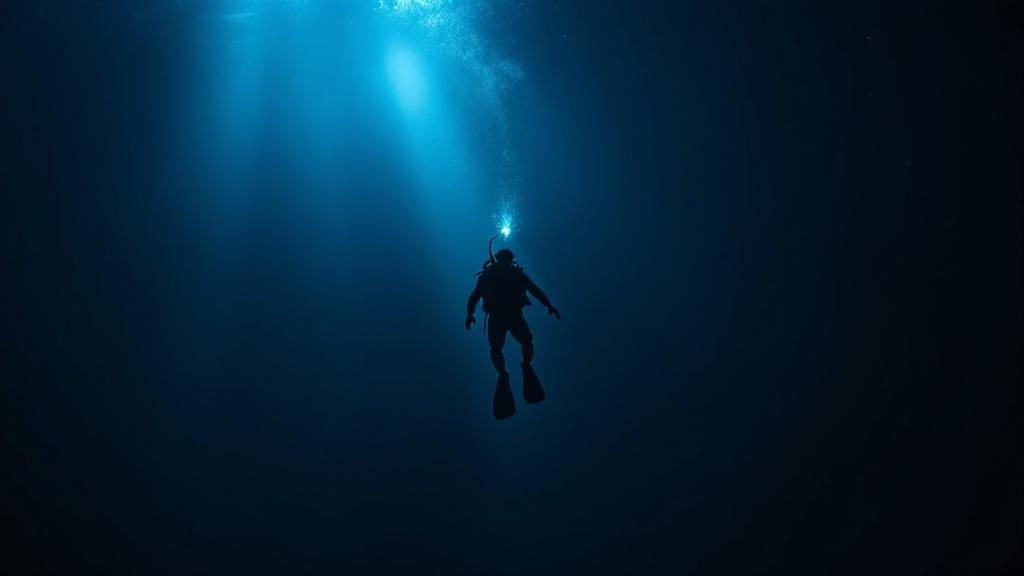
A truly epic manta ray night dive in Kona actually starts long before you even see the boat. Getting yourself sorted beforehand is the secret to ditching any distractions and just soaking in the underwater magic. The best part? This isn't some super-technical dive reserved for the pros; it's one of the most accessible and incredible experiences in the diving world.
Most operators, and that includes us at Kona Honu Divers, only require a basic Open Water Diver certification. Since you’ll be stationary on the sandy bottom, holding onto a rock or light rig, you don’t need advanced certs.
What you do need is solid buoyancy control. The whole game is about being still and neutrally buoyant so you don't accidentally bump into the reef or, more importantly, the mantas. A quick buoyancy check or even a refresher dive before your trip can make all the difference between a clumsy experience and a graceful one.
What to Toss in Your Bag
While your dive operator will have all the big-ticket scuba gear covered, bringing a few personal items will make your evening way more comfortable. Think of it like packing for a cool evening on the water that just happens to include the dive of a lifetime.
To make sure you're ready, here’s a quick checklist to run through before you head to the harbor.
Manta Ray Night Dive Checklist
| Item | Requirement/Recommendation |
|---|---|
| Certification Card | An absolute must. No C-card, no dive. Digital cards are usually fine, but check with your operator. |
| Logbook | Good to have, especially if it’s been a while since your last dive. |
| Warm Jacket/Sweatshirt | You’ll be grateful for it after the dive. That ocean breeze on the ride back can be surprisingly chilly. |
| Swimsuit & Towel | Wear your suit under your clothes to make gearing up a breeze. A towel is essential for drying off afterward. |
| Reef-Safe Sunscreen | For afternoon departures, you’ll want sun protection that’s safe for the corals we're all there to protect. |
| Personal Camera | If you have an underwater camera, bring it! Just double-check that its housing is rated for the dive depth. |
| Reusable Water Bottle | Diving is dehydrating. Having your own water bottle is smart and helps keep our oceans plastic-free. |
Don't sweat the heavy stuff. Kona Honu Divers provides top-notch, well-maintained rental gear—from wetsuits to regs and BCDs—so the essentials are already taken care of. We take a lot of pride in our equipment and service, something our guests often mention.
Getting Your Head in the Game
Your gear is important, but your mindset is everything. For some folks, the idea of a night dive can be a little intimidating, but trust me, the manta dive is probably the most relaxed and controlled night dive you’ll ever do. It's less of a "dive" and more of a front-row seat.
The trick is to just relax and trust the crew. You’re diving with seasoned pros who do this every single night. They've got the whole process down to a science, creating a safe, structured environment so you can just kick back and watch one of nature's greatest shows.
So, show up with a sense of wonder, an open mind, and the confidence that you're in great hands. Once you’ve prepared your gear and your attitude, you're all set for an adventure you’ll be talking about for years.
Protecting the Manta Rays and Staying Safe
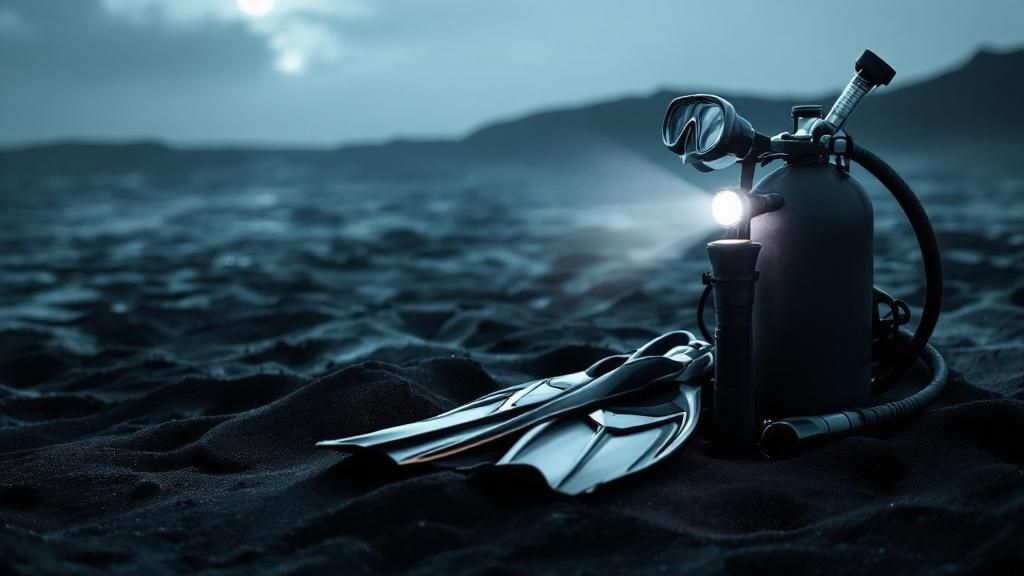
The manta ray night dive in Kona isn't just a spectacle; it's a delicate dance between humans and wild animals. For this incredible encounter to continue for years to come, everyone in the water has a part to play. It all boils down to one core principle: passive observation.
Think of it like being a guest in their underwater dining room. The number one rule is simple and absolute: do not touch the manta rays. These gentle giants are coated in a thin, protective mucus that acts like their immune system. Touching them strips this layer away, leaving them wide open to dangerous infections.
It's just as important to avoid chasing, blocking, or trying to ride the mantas. It sounds obvious, but you’d be surprised. These actions cause a huge amount of stress, messing with their natural feeding habits and could even scare them away from the site for good.
Manta Ray Green List Standards
You might hear old-timers talk about the Manta Ray Green List program. While it’s not formally around anymore, its spirit of responsible tourism is alive and well. The best operators, like Kona Honu Divers, still stick to these high standards to make sure every dive is both ethical and has minimal impact. This is the mark of a quality tour that puts the animals first.
These guidelines create a safe, predictable environment for everyone—mantas and people alike.
- Observe Only: This is the big one. Let the mantas come to you. Resisting that powerful urge to reach out and touch them is the single most important thing you can do to protect them.
- Stay Positioned: If you're diving, stay on or near the sandy bottom. This keeps the water column clear, giving the mantas all the room they need to swoop and feed without having to dodge a bunch of people.
- Lights Up: Point your dive light straight up. This attracts the plankton to the surface and, just as importantly, keeps the bright beam out of the mantas' sensitive eyes as they glide overhead.
Night Diving Safety Protocols
On top of the manta-specific rules, you've got to remember this is a night dive. Your divemaster is your guide and your lifeline out there. Listen carefully to their briefing—they know this site like the back of their hand—and follow their lead throughout the dive.
Stick with your buddy. Keep an eye on your depth and your surroundings. Know your light signals, which your guide will cover in the briefing. This is how you communicate in the dark. Following these basic rules ensures the whole experience is not just mind-blowing, but also completely safe.
It’s this deep focus on conservation and safety that makes the Kona manta ray night dive a world-class example of sustainable wildlife tourism. It’s a finely-tuned system where everyone wins—the divers, the operators, and most importantly, the mantas themselves.
Choosing a manta ray dive tour that lives and breathes these values is the best way to help protect Kona's famous manta ray population for the long haul. Newer technology is also playing a role, with new insights into how drone technology can aid marine conservation and monitoring.
Choosing the Best Manta Ray Dive Operator
With the manta ray night dive in Kona being such a world-famous experience, a whole fleet of tour boats has sprung up, all promising a night you'll never forget. But here’s the thing: the quality of that adventure—and its effect on the mantas—can be wildly different from one operator to the next.
Picking the right company goes way beyond just comparing prices. It’s about making sure your dive is safe, personal, and respectful to the incredible marine life you’ve traveled all this way to see. A premium experience is all about quality over quantity, turning a good dive into a truly mind-blowing encounter that’s safe for both you and the mantas.
What Sets a Premium Operator Apart
When you're looking at different dive companies, a few key details separate the chaotic, cattle-call tours from the intimate, awe-inspiring ones.
- Small Group Sizes: An operator that keeps groups small means you get more personal attention from your guide. It also means less crowding underwater, which gives the mantas more room to maneuver and gives you a much better, unobstructed view of the ballet.
- Experienced Divemasters: A great guide doesn’t just point you in the right direction. The best divemasters in Kona know the individual mantas by their unique belly spots. They can tell you their names and stories, turning a simple dive into a personal introduction to the local celebrities.
- Commitment to Conservation: Look for operators who are serious about following the Manta Ray Green List guidelines. This means a strict policy of passive observation—no touching, no chasing, no harassing. It’s absolutely critical for protecting the mantas and their delicate ecosystem. We built Kona Honu Divers on these exact principles of respect and safety.
Making an Informed Decision
Taking a little time to do your homework really pays off. Reading recent reviews and seeing what different companies actually include will help you find the perfect fit for your trip.
Choosing a highly-rated company with a solid track record isn't just about your own safety and enjoyment. It's an investment in the long-term health of Kona's manta ray population, supporting the businesses that put conservation first.
When you select an operator that nails these key areas, you're not just booking another dive. You're ensuring your adventure is ethical, memorable, and flat-out extraordinary. To make your search a bit easier, we put together a guide that breaks down the top 10 Kona dive companies ranked for their service and commitment to doing things the right way. It’s a great starting point for planning a safe, ethical, and unforgettable manta ray night dive.
More Amazing Diving on the Big Island
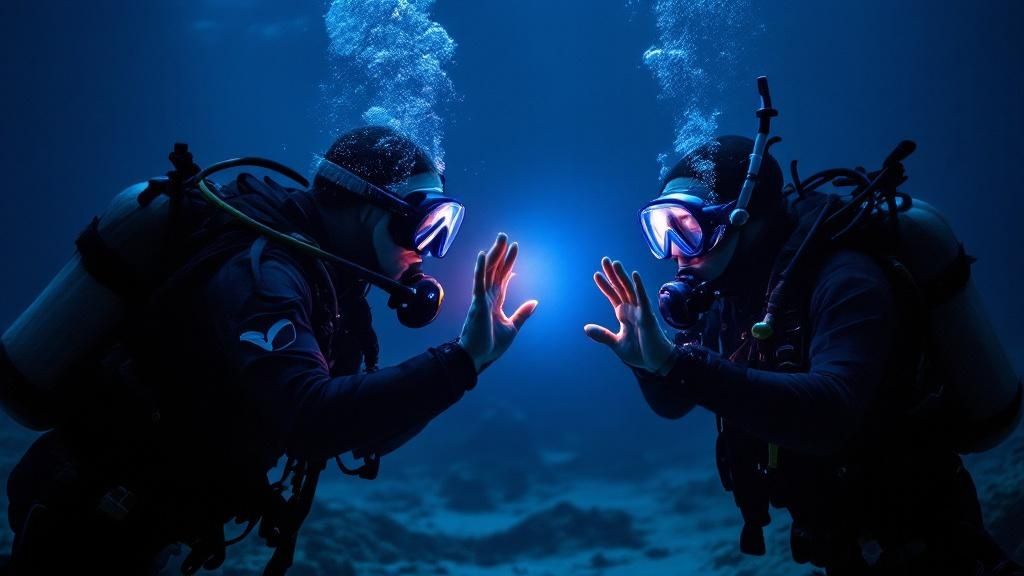
While the manta ray night dive in Kona is the undisputed star of the show, it's really just the opening act. Once you’ve witnessed the manta ballet, you’ll realize that the unique volcanic geography of this island creates a diver’s paradise with endless opportunities for exploration. The adventure doesn’t have to end when the mantas swim off into the darkness.
Kona’s coastline is a dramatic underwater landscape of ancient lava flows. These have created spectacular structures you won't see anywhere else—intricate lava tubes, massive archways, and sheer vertical walls that drop off into the deep blue.
These formations are home to a stunning diversity of marine life, making every single dive a new discovery. You can explore these vibrant ecosystems on our general scuba diving tours in Kona.
The Thrill of the Blackwater Dive
For those seeking a completely different kind of night dive, the Kona Blackwater Dive is an experience that will redefine your understanding of the ocean. Instead of kneeling on the seafloor, you’ll be tethered and drifting in the deep, open ocean, miles offshore.
Out here, you'll witness one of the planet's largest migrations as bizarre, bioluminescent creatures rise from the abyss to feed. It’s a journey into an alien world and an adventure that attracts thrill-seekers from all corners of the globe. You can learn more about this unique experience on our Blackwater Night Dive tour page.
Advanced Dives and Pristine Reefs
For more experienced divers, Kona offers challenging and rewarding sites that are way off the beaten path. These advanced dives explore remote coastlines, deep canyons, and pristine reefs that very few people ever get to see. These sites often feature stronger currents and more complex topography, perfect for divers looking to push their skills.
Kona Honu Divers offers exclusive premium advanced dive trips that take you to these special locations. After an unforgettable night with the mantas, consider extending your stay to see what else Hawaii’s underwater world has in store.
To learn more about this incredible ecosystem, you can read our complete guide to the Big Island manta ray night dive.
Your Manta Ray Dive Questions, Answered
Let's tackle some of the most common questions we get about the manta ray night dive in Kona. We want to clear up any lingering thoughts so you can feel totally confident and just focus on the excitement for your upcoming tour.
What If I'm Not a Certified Scuba Diver?
No problem at all! You can absolutely still have an incredible experience. Snorkeling with the manta rays is just as breathtaking, and for some, it's even better.
As a snorkeler, you'll float comfortably on the surface, holding onto a specially designed light board. This board shines down into the water, attracting the plankton that the mantas feed on. They'll swoop right up to the surface, barrel-rolling just inches below you. It’s an amazing up-close view and a fantastic option for families or anyone who isn't scuba certified.
When Is the Best Time of Year to See Mantas in Kona?
This is the best part: there is no bad time! Kona is a year-round destination for manta rays. Our local population of rays doesn't migrate, which means they are here 365 days a year.
While the exact number of mantas can vary from night to night based on plankton levels, there's truly no "off-season." You can book your tour any month you visit with the confidence that the mantas will be here.
Is the Manta Ray Night Dive Dangerous?
When you go with a professional and reputable operator, the manta ray night dive is a very safe and controlled experience. Unlike a typical scuba dive where you're swimming around, this dive is completely stationary. This simple fact minimizes most of the risks people might associate with diving at night.
The manta rays themselves are gentle giants. They're filter feeders with no teeth, stingers, or barbs—they are completely harmless to humans. Our certified divemasters provide a detailed safety briefing before you get in the water and are right there with you the entire time.
If you want to dig a little deeper, we've put together a full guide on the manta ray dive in Kona that covers everything you should know.
Here at Kona Honu Divers, our entire mission is to provide an adventure that is not only unforgettable but also safe and ethical. Book your tour and get ready for an experience you'll be talking about for years to come.