
Picture this: giant, graceful manta rays, with wingspans wider than a car, gliding just inches from your face. They're illuminated by underwater lights in the warm, dark Pacific. This isn't something you watch on a nature documentary—this is the world-famous manta ray night dive in Kona, a must-do adventure for any ocean lover. It’s a profound, almost surreal connection with marine life you just can't get anywhere else.
What Makes the Kona Manta Ray Dive So Magical
The Kona coast of the Big Island isn't just another pretty dive spot; it's hands-down one of the most reliable places on the entire planet for manta ray encounters. It’s so consistent, in fact, that it draws about 80,000 people every year, all hoping to see these gentle giants up close.
This incredible reliability isn't an accident—it's all thanks to some unique oceanographic conditions. The deep, nutrient-rich waters right off the Kona coast create a massive supply of plankton, the primary food source for manta rays, especially after dark.
The real magic happens at two iconic sites:
- Manta Village (Keauhou Bay): This is the original dive site, legendary for its incredibly high success rates.
- Manta Heaven (Garden Eel Cove): Located just north of Kona, this spot often boasts even larger numbers of mantas on a good night.
At these locations, dive operators set up powerful underwater lights that essentially act like a dinner bell. The lights attract a dense cloud of plankton, and soon enough, the mantas arrive for their nightly feast, performing an unbelievable underwater ballet of swoops and barrel rolls.
Here's a quick look at what to expect from this incredible experience.
Kona Manta Ray Night Dive At-a-Glance
| Aspect | Details |
|---|---|
| Location | Kona, Big Island, Hawaii |
| Primary Dive Sites | Manta Village (Keauhou Bay) & Manta Heaven (Garden Eel Cove) |
| Success Rate | Typically over 85%, can reach 95% on good nights |
| Manta Population | Over 450 identified individuals |
| Average Wingspan | Many exceed 12 feet |
| Annual Visitors | Approximately 80,000 |
| Best Time to Go | Year-round, but conditions are often calmest in summer |
As you can see, the odds are definitely in your favor for an unforgettable encounter.
Why Sightings Are So Reliable
The success rate for the manta ray night dive in Kona regularly tops 85%, and on great nights, it can even push 95%. This isn't just luck; it's a perfect blend of science and habit.
The local manta ray population, with over 450 identified individuals, has learned to associate the bright lights with an easy meal. Many of these rays have massive wingspans exceeding 12 feet, creating a truly breathtaking spectacle as they glide effortlessly through the water. This predictable behavior has turned Kona into a bucket-list destination for divers and snorkelers from all over the world.
Choosing a professional operator like Kona Honu Divers means you're part of a safe, respectful, and absolutely unforgettable experience.
With Kona Honu Divers, you're guided by experts who truly understand manta behavior and always prioritize the well-being of these incredible animals. Ready to witness the magic yourself?
How to Prepare for Your Manta Ray Adventure
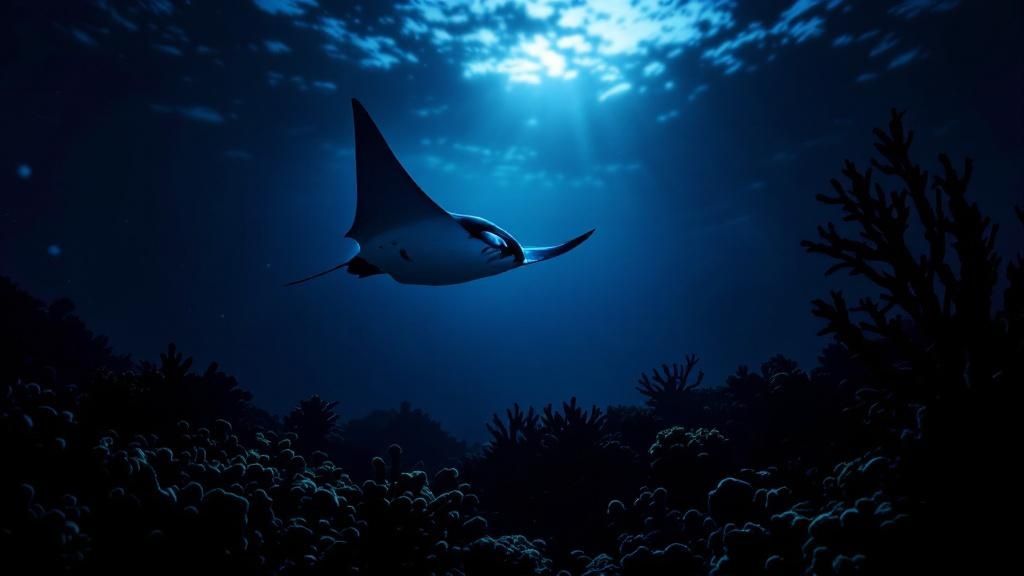
A little bit of prep work goes a long way toward making your manta ray night dive in Kona comfortable, safe, and something you'll talk about for years. Getting organized beforehand means you can just relax and soak in the incredible spectacle when the time comes.
First things first: book your tour. This is easily one of the most popular things to do on the Big Island, and spots fill up fast, especially during peak travel seasons. Locking in your spot on one of our manta ray dive tours with a top-rated operator like Kona Honu Divers is the only way to guarantee you won't miss out.
Booking early also buys you a bit of insurance. While the manta sightings here are incredibly reliable, we're still dealing with wild animals. On the rare night the mantas decide not to show, having your tour booked at the start of your trip makes it much easier to hop on another trip before you leave.
Your Essential Packing Checklist
Trust me on this one—what you bring with you can make a huge difference, especially for the boat ride home. You’ll be in the water for about 30-45 minutes, and even on a warm Hawaiian night, the air can feel pretty chilly once you're out of the water and moving.
Here’s a quick list of must-haves:
- Towel and Dry Clothes: An absolute must for warming up after your swim. A light jacket or windbreaker is a brilliant idea for the ride back to the harbor.
- Reef-Safe Sunscreen: If you're on a sunset tour, slather this on before you leave. It protects your skin and our delicate coral reefs.
- Reusable Water Bottle: Staying hydrated is always a good idea, especially after being in saltwater.
- Underwater Camera: You’ll want to capture this. Make sure your GoPro or camera is fully charged and ready to go!
- Proof of Dive Certification: Scuba divers, don't forget your C-card. You won't be able to get in the water without it.
Pro-Tip: If you're even a little prone to seasickness, pop a non-drowsy motion sickness pill about an hour before departure. The ride is usually quite smooth, but it’s always better to be safe than sorry.
Certification and Skill Requirements
One of the greatest things about this adventure is how accessible it is. You absolutely do not need to be a seasoned dive expert to have an amazing, up-close encounter.
For scuba divers, a basic Open Water certification is all that's required. The dive sites are fairly shallow, usually around 30-40 feet, and the conditions are typically calm. You'll be stationary on the ocean floor for most of the dive, making it one of the most relaxed and controlled night dives you'll ever do. For those with more experience looking for a challenge, we offer advanced dive tours to explore deeper sites.
For snorkelers, the only real requirement is that you're comfortable in the water. You'll be holding onto a custom-made floating light board, so you don't even need to be a world-class swimmer. This makes it an absolutely fantastic activity for families and anyone without dive training. To learn more about what makes this whole experience so magical, check out our article explaining why you should go on a manta ray dive in Kona.
When you're ready to book one of the most incredible nights of your life, you can reserve your manta ray dive tour and get ready for an encounter you'll never, ever forget.
What Happens on the Boat Before You Dive
Your manta ray adventure really kicks off the second you step onto the boat. As you motor out of the harbor, you'll get to watch the Kona coastline fade away, usually painted with the insane colors of a Hawaiian sunset. This boat ride is more than just getting from point A to point B; it’s the perfect way to shift gears from the hustle on land to the calm of the open ocean.
The excitement starts to build as the crew shares stories and cool facts about the local marine life you’re about to meet. This is the perfect time to ask any questions you have and just get comfortable with the team guiding your experience. The whole ride out sets a relaxed, anticipatory tone for the incredible manta ray night dive in Kona that’s just ahead. If you want a full play-by-play of the whole adventure, check out our detailed guide on what the manta dive is really like.
The All-Important Pre-Dive Briefing
Before a single person hits the water, the divemaster gathers everyone for a thorough pre-dive briefing. Honestly, this is the most critical part of the entire trip, since it covers everything you need to know for a safe and respectful encounter. Pay close attention here—this info is for your safety and for the well-being of the mantas.
The crew will walk you through how the whole operation works. They'll lower a big light structure, which we affectionately call the "campfire," down to the ocean floor. This light attracts plankton, and the plankton, in turn, draws in the manta rays for their nightly buffet. It’s a brilliantly simple setup that makes the Kona dive so consistently spectacular.
Your divemaster will point out exactly where divers need to position themselves on the seafloor and where snorkelers will hold onto the surface float. Following these instructions is non-negotiable—it gives the mantas the wide-open space they need to swoop in and feed naturally.
Understanding the Rules of Engagement
The core of the briefing is all about the rules for passive observation. Think of these less as suggestions and more as strict rules designed to protect this delicate marine ecosystem and the resident manta population.
The number one rule is simple: Do not touch the manta rays. It’s a huge deal. Mantas have a protective mucous coating on their skin that acts as a shield against infection. Touching them can strip this layer off, leaving them vulnerable to nasty diseases. Even an accidental brush can be harmful.
Here are a few other critical rules to lock in:
- Stay in your spot: Whether you're a diver on the seafloor or a snorkeler holding the float, staying put is crucial. It creates a predictable, safe environment for the mantas.
- No chasing or riding: This should go without saying, but never, ever pursue a manta ray. Let them come to you. Their curiosity will often bring them incredibly close on their own terms.
- Keep movements slow and deliberate: Quick, jerky movements can startle these gentle giants. For divers, this also means being mindful not to blow bubbles directly into their path as they glide overhead.
Sticking to these guidelines is how we ensure the long-term sustainability of this unbelievable natural spectacle. By being a respectful observer, you're doing your part to conserve this magical encounter for generations to come.
Understanding Manta Ray Behavior and Identification
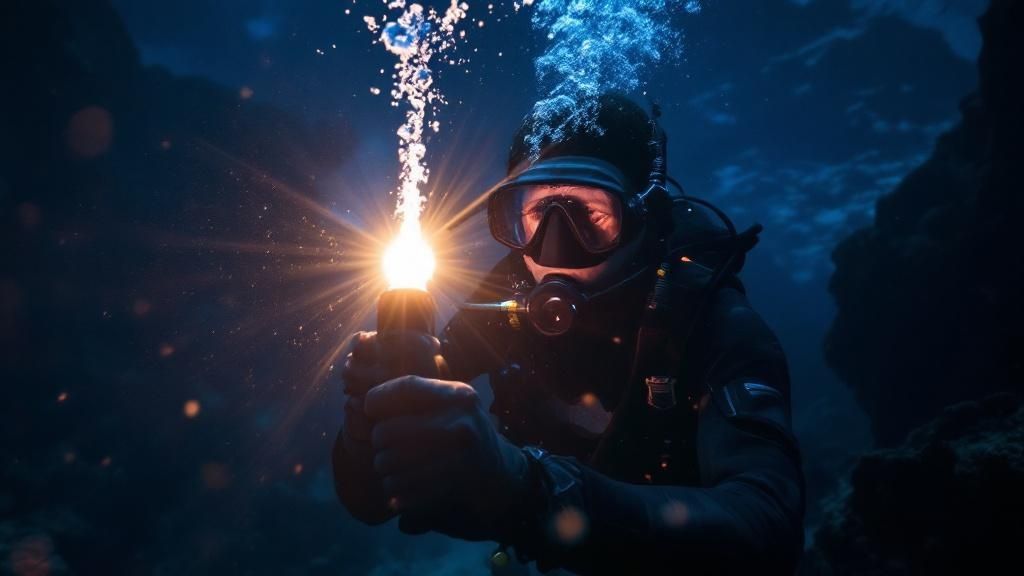
Watching the manta rays glide through the water is absolutely mesmerizing. But when you understand what you're seeing, the whole experience shifts from a cool spectacle to a genuine connection with these amazing animals.
Believe it or not, every manta ray in Kona has its own unique story. With a little knowledge, you'll start to see their individual personalities and behaviors during your manta ray night dive in Kona. It takes an already incredible dive and makes it unforgettable.
The magic of this encounter is that Kona's manta population is one of the most studied in the world. This consistent, nightly interaction has given researchers and guides a deep understanding of their habits, turning every dive into an educational and truly awe-inspiring event.
Identifying Kona's Manta Rays
Here's one of the coolest parts: each manta ray can be individually identified. Much like a human fingerprint, the pattern of black spots on a manta's white belly is completely unique to them.
This natural marker is how guides and researchers recognize specific individuals, give them names, and track their lives. So, when your divemaster points out "Big Bertha" or "Lefty," they're introducing you to a well-known local resident with a documented history in these waters. It’s like meeting the underwater celebrities of the Big Island.
Key Insight: Being able to identify individual mantas is crucial for conservation. It helps track the health of the population, their migratory patterns, and the long-term success of the sustainable tourism practices that protect these magnificent animals.
Common Feeding Behaviors to Watch For
During the dive, you're going to witness a stunning underwater ballet. The mantas are there to feast on the dense cloud of plankton attracted by the lights, and their movements are anything but random. These are efficient, learned techniques for getting as much food as possible.
You'll likely see a few signature moves:
- Barrel Rolls: This is the real showstopper. A manta performs a graceful, looping somersault right through the thickest part of the plankton, filtering massive amounts of water with its mouth wide open.
- Swooping Glides: Get ready for a fly-by. Mantas will often glide in a straight line directly through the light beam, passing just inches over the heads of divers settled on the seafloor.
- Surface Skimming: Sometimes, they'll swim just beneath the snorkelers' light board, feeding on the plankton concentrated right at the surface.
This predictable feeding behavior is the secret sauce that makes the dive so successful. In fact, between 2009 and 2014, researchers rigorously documented sightings along the Kona coast and found clear peaks in manta numbers that directly correlated with plankton availability.
These long-term studies have been vital for understanding how the mantas use this habitat and for refining the best practices that make this encounter possible. You can read more about what makes the manta ray night dive so unique in our detailed guide. (https://konahonudivers.com/what-is-manta-ray-night-dive/)
This scientific backing just adds another layer of appreciation for the delicate balance that allows this magical, reliable interaction to happen night after night.
Tips for Photographing the Manta Ray Dive
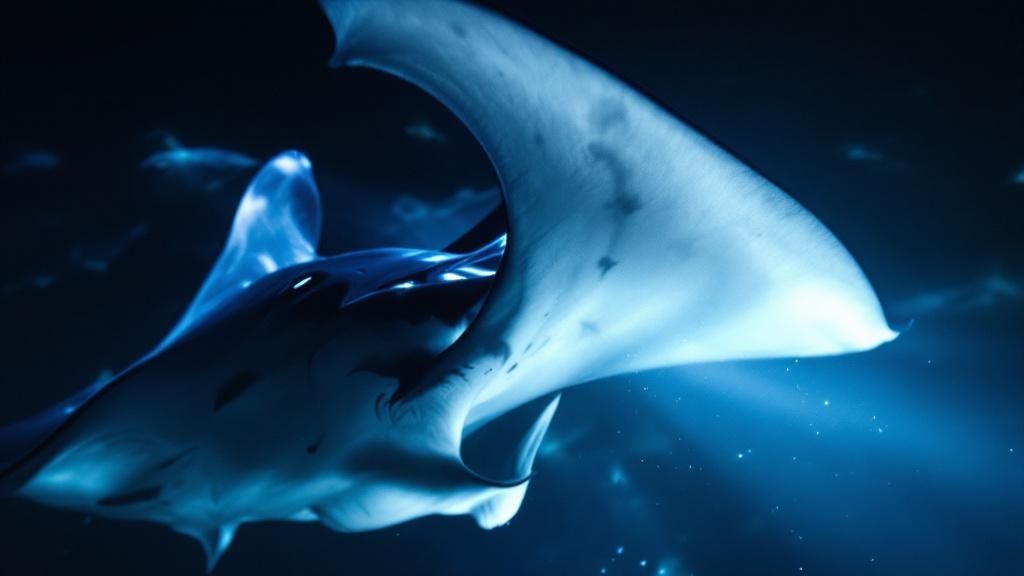
Nailing that perfect shot of a manta ray barrel-rolling right over your head is an incredible feeling. It’s the difference between having a great memory and a jaw-dropping image to prove it. Whether you're a seasoned underwater photographer or just bringing a GoPro along for the ride, a few simple tricks can make a huge difference on your manta ray night dive in Kona.
The unique conditions—dark water, powerful lights, and a thick soup of plankton—make for a challenging but rewarding photo op. It's not just about what gear you have; it's about how you use it, where you position yourself, and most importantly, how you interact with these amazing animals.
Simple Tips for GoPro and Compact Cameras
You don’t need a fancy, expensive camera rig to walk away with some fantastic shots. If you're using a GoPro or a similar compact camera, your main goal is to keep it steady. Try bracing your camera (or your hands) against a rock on the seafloor to cut down on the shakes.
Here's the most important tip: turn your flash off. Seriously. Your little camera flash will only illuminate the cloud of plankton directly in front of your lens, creating a snowy-looking mess called "backscatter." Instead, let the dive operator's massive lights do all the work. They're designed to light up the entire scene, and your camera will capture it beautifully if you just rely on that powerful ambient light from the "campfire."
Techniques for Advanced Shooters
For divers rocking a more advanced setup with external strobes, the game is all about managing backscatter. That plankton-rich water is your biggest enemy. To beat it, you need to get your strobes as far away from your lens as you can.
- Strobe Positioning: Use long strobe arms to hold them out wide, creating space between the light source and your lens.
- Aiming: Angle your strobes slightly inward, pointing them at the manta's bright white underside. This is how you'll capture their unique spot patterns, which are like fingerprints.
- Power Settings: Start with your strobes on a lower power setting. The mantas' bellies are bright white and very easy to overexpose, so you'll want to adjust your power as they get closer to avoid blowing out all the details.
Pro-Tip: The money shot is almost always looking up. Get yourself situated low on the seafloor and shoot upward as a manta glides overhead. This technique uses the dark, open water as a clean background, creating a dramatic silhouette of the manta against the bright dive lights.
The Most Important Rule: Photography Ethics
No matter what kind of camera you have, the most critical part of underwater photography is being a responsible diver. This means having your buoyancy dialed in perfectly. You don't want to be the person kicking up sand and ruining the view (and photos) for everyone else.
Above all, respect the mantas. Never chase them or try to force an interaction just to get a photo. The best, most natural shots happen when you're patient and let the mantas come to you on their own terms. When you put their well-being first, the whole experience is better for everyone—and your photos will reflect that authentic, breathtaking encounter.
Ready for your close-up? You can book your manta ray dive tour and prepare for an unforgettable photoshoot.
Why Sustainable Manta Ray Tourism Matters
The manta ray night dive in Kona is a world-class spectacle, but its entire future hangs on everyone involved committing to responsible, sustainable practices. This isn't just some minor detail—choosing the right eco-conscious tour operator is the single most important decision you can make for the well-being of these incredible animals and the health of their home.
Sustainable tourism is all about making sure this amazing encounter doesn't come at the mantas' expense. The best operators stick to strict, science-backed guidelines that are proven to minimize any disturbance.
These rules cover everything from exactly where divers should be positioned on the seafloor to how the lights are used, creating a safe and predictable environment where the mantas can feed naturally without feeling stressed. When you follow these protocols, you're not just a tourist; you're a respectful guest in their world.
The Bigger Picture Your Dive Supports
Jumping on a professionally managed tour does a lot more than just give you a mind-blowing memory. You're actually fueling a positive economic engine that helps the whole ecosystem. The financial and environmental impact of manta ray tourism here is huge.
With an estimated 80,000 people participating every year, this one activity has created an entire industry focused on sustainable wildlife interaction that also supports the local Kona community. It's a powerful mix of tourism and education that's essential for protecting the manta populations and keeping Kona's economy healthy. You can learn more about this unique ecotourism model on RoyalKona.com.
By choosing a tour that puts the mantas first, you are directly funding marine conservation efforts and reinforcing the idea that these animals are worth more alive and thriving than any other alternative.
Your choice sends a clear message: responsible wildlife encounters aren't just a "nice-to-have," they're the only way forward. It proves that every single visitor plays a part in protecting these gentle giants for generations to come. To get a deeper understanding of how this delicate balance works, check out our in-depth look at the Big Island manta ray night dive. When you're ready to make that choice, book with a team that truly cares.
Common Questions About the Manta Ray Night Dive
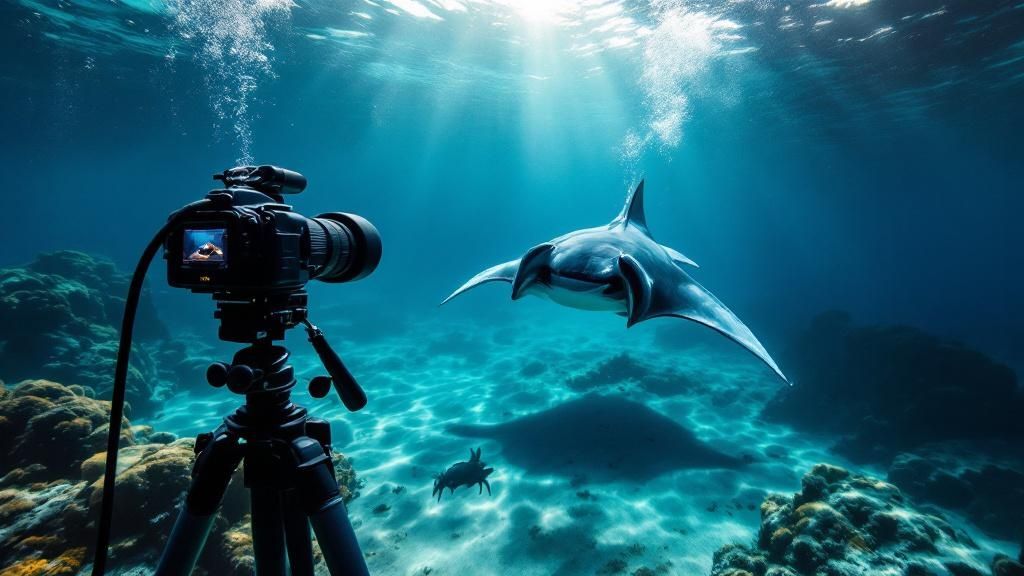
Even after getting the full rundown on the manta ray night dive in Kona, it’s totally normal to have a few more questions pop into your head. You're definitely not alone! Here are some straightforward answers to the queries we hear most often from both divers and snorkelers.
Is This Dive Safe for Beginners?
Absolutely. The dive sites themselves are pretty shallow, usually sitting around 30-40 feet, and they're tucked into protected bays where the water is typically very calm. It’s a fantastic first-time night dive experience for that reason. For those looking for more unique night diving, our famous Kona blackwater dive is a thrilling option.
Snorkelers are always on the surface with a custom-made light board to hold onto, and divers stay put on the sandy bottom. With our certified guides in the water the entire time, it’s one of the most controlled and safest night adventures you can possibly do.
What Is the Best Time of Year to Go?
Here’s one of the best parts about the Kona manta ray dive: it's a year-round spectacle! The mantas that frequent these sites are residents of the Kona coast. They don't migrate.
This means we have incredibly consistent sightings no matter when you visit, with success rates often topping 90%. While a rogue storm can sometimes affect a trip, there isn't a specific "manta season" you need to plan your vacation around.
Can I Snorkel and Still Have a Good Experience?
Oh, yes. The snorkeling experience is just as breathtaking as the dive, just from a different perspective. Snorkelers float up at the surface, holding onto a specially designed light board that blasts light down into the water.
Those powerful lights pull the plankton right up to the surface, and the mantas follow. They'll come up to feed, performing their famous barrel rolls sometimes just inches away from you. You get this incredible top-down view of the whole feeding frenzy, making it an equally unforgettable encounter.
Ready to see it for yourself?
At Kona Honu Divers, we are dedicated to providing a safe, respectful, and absolutely unforgettable manta ray encounter. As one of the premier options for scuba diving on the Big Island, we invite you to join Hawaii's top-rated dive company and book your manta ray dive tour today.