
The manta ray night dive in Kona is the stuff of legends. It's consistently ranked as one of the most incredible underwater encounters you can have anywhere on the planet. I’m talking about an experience so surreal it feels like stepping onto another world—giant, graceful manta rays gliding and barrel-rolling through beams of light in the pitch-black Pacific. It’s a memory that sticks with you forever.
This isn't just another dive. It's a silent, underwater ballet.
What Makes the Kona Manta Ray Dive a Must-Do?
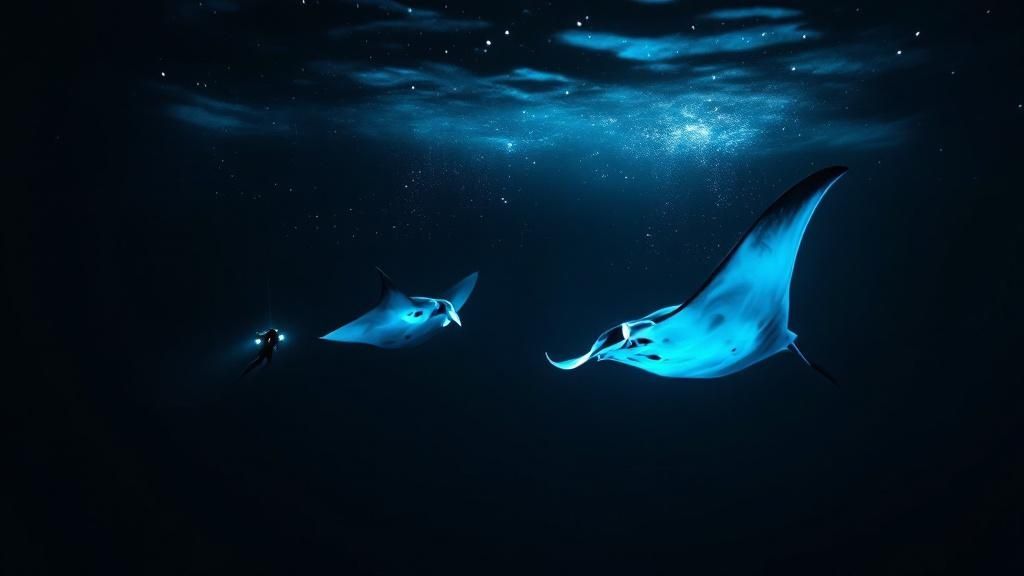
Picture this: you slip into the warm Hawaiian water just as the last glow of sunset disappears. The world above goes quiet, replaced by the gentle hum of the ocean. Your guide switches on powerful underwater lights, and suddenly, brilliant shafts cut through the darkness.
These lights are basically a giant dinner bell for the ocean's tiniest inhabitants—plankton. And where you find a feast of plankton, the gentle giants are never far behind.
Locals call it the "manta campfire." Divers settle on the sandy bottom while snorkelers float up top, all gathered around a central light source. As the cloud of plankton gets thicker, the real show begins.
An Incredibly Reliable Encounter
One of the best things about this dive is its sheer consistency. Unlike whale watching or other wildlife tours that can be a bit of a gamble, the Kona Manta Ray Night Dive is as close to a sure thing as you can get. The Big Island's west coast has the perfect setup for scuba diving Kona, Hawaii, and our method of using lights to draw in plankton has created a reliable feeding ground that the local manta population visits night after night.
The result? A mind-blowing sighting success rate of about 85–90%. And since these encounters happen in shallow water—around 30 to 40 feet—it’s an adventure that almost anyone can join.
For a snapshot of what makes this dive so special, here are the key details in one place.
Kona Manta Ray Night Dive At a Glance
| Attribute | Details |
|---|---|
| Location | Kona Coast, Big Island, Hawaii |
| Experience Type | Night Dive & Snorkel |
| Primary Marine Life | Giant Reef Manta Rays (Mobula alfredi) |
| Typical Depth | 30 – 40 feet (9 – 12 meters) |
| Sighting Success Rate | ~85–90% |
| Best For | Scuba Divers & Snorkelers of all levels |
| Key Attraction | Mantas feeding on plankton attracted by lights |
It's this combination of accessibility and reliability that truly sets the Kona experience apart from anything else in the world.
Accessible to Everyone
You don't have to be a seasoned diver with hundreds of dives under your belt to witness this magic. The experience is designed to be accessible for everyone, which is what makes it so amazing.
- For Snorkelers: You'll float comfortably on the surface, holding onto a specially designed light board. This gives you a spectacular top-down view of the whole performance as mantas swoop up from the depths to feed.
- For Scuba Divers: If you're certified, you get a front-row seat on the ocean floor. You'll kneel on the sand and look up as these magnificent creatures perform barrel rolls, sometimes just inches above your head.
This dual setup means that families and groups with different comfort and experience levels can all share in the same jaw-dropping encounter. Whether you're a first-time snorkeler or a divemaster, the feeling of awe is universal. To get a better feel for the different perspectives, you can read more about what it's truly like to go on the manta ray dive in Kona.
When you're ready for the adventure of a lifetime, choosing one of the top-rated manta ray dive tours guarantees you'll be with professionals who put your safety—and the well-being of the mantas—first. It’s an adventure that’s equal parts thrilling and profound, and it’s sure to be the highlight of your trip to the Big Island.
The Science Behind Kona’s Manta Spectacle
The manta ray night dive in Kona isn't just a happy accident. It's the result of a perfect recipe combining biology, a bit of human cleverness, and the unique geography of the Big Island. The reason this particular spot has become the most dependable place on Earth for manta encounters comes down to a simple, brilliant food chain reaction that all starts with light.
Think of it as ringing a massive, underwater dinner bell. At night, dive operators shine powerful beams of light into the dark ocean. These lights act like a magnet for plankton, the microscopic organisms that form the base of the ocean food web. They swarm to the light, creating a thick, shimmering cloud—a true buffet in the middle of the dark sea.
This sudden concentration of food doesn't go unnoticed. The local reef manta rays, which are filter feeders, have figured out that these nightly light shows are an easy, all-you-can-eat meal. They gracefully glide into the columns of light, mouths wide open, scooping up the feast. This learned behavior is the real secret behind the entire show.
A Geographically Perfect Dining Room
So, what makes Kona so special? The answer is in the underwater landscape itself. The island's volcanic past has carved out unique features like sheltered coves and lava rock formations, creating a perfect environment for plankton to gather, even without our help.
The Kona coast is naturally protected from the strong trade winds, which means the water is consistently calm with gentle currents. This shelter allows plankton to thrive in high concentrations, making the area a reliable year-round feeding ground for mantas. The dive lights just supercharge an already ideal ecosystem.
Kona's unique geography creates a natural haven for plankton. By introducing powerful lights, dive operators create an irresistible "plankton buffet," turning a natural feeding ground into a spectacular and reliable nightly event for manta rays.
These factors come together to create predictable hotspots for the manta ray night dive in Kona. Sites like "Manta Heaven" aren't just cool names; they're spots where the underwater terrain and currents are perfectly set up to attract and hold plankton, and by extension, the mantas themselves. You can dive deeper into the logistics in our article explaining what exactly the manta ray night dive is.
Kona's Famous Manta Population
The reef mantas (Mobula alfredi) you'll meet aren't just passing through; they are part of a well-documented resident population. In fact, Kona is home to one of the most researched groups of manta rays on the planet. Many individuals have been identified and even named based on the unique spot patterns on their bellies. Some have been regulars at the nightly "campfire" for decades!
This predictability has turned the Kona Coast into a living laboratory for marine biologists. Years of observational studies have given us incredible insights into their behavior. Between 2009 and 2014, for instance, extensive tracking by underwater videographers helped document their movements, confirming that certain sites like 'Manta Heaven' consistently host larger groups of these majestic creatures.
When you're out there, you're not just watching a beautiful performance. You're witnessing a unique and perfectly synchronized natural phenomenon, a delicate balance of biology, geography, and a peaceful relationship built between humans and these gentle giants of the sea.
Choosing Your Adventure: Scuba Dive or Snorkel
One of the greatest things about the Kona manta ray night dive is just how accessible it is. You don’t have to be a certified scuba diver to witness the underwater ballet—snorkelers get a world-class view, too. This means your whole family or group can share in the magic, no matter their comfort level in the water.
So, which adventure is right for you? It really just comes down to perspective. Each option offers a completely different, yet equally mind-blowing, view of the manta rays. Let’s break down the unique thrills of each one so you can pick the perfect trip.
The Scuba Diver's Perspective
For certified scuba divers, this is an immersive, bottom-up spectacle that’s hard to put into words. After a quick boat ride to the site, you’ll descend with your guide to a shallow, sandy patch of the ocean floor, usually around 30 to 40 feet deep. Your group will settle in a semi-circle around a powerful light source plonked in the middle—we call it the "campfire."
From your front-row seat on the sand, you just look up in total awe. The light creates a massive, glowing column of water, which acts like a magnet for clouds of plankton. Before you know it, the manta rays arrive, gliding silently into the beam to feed.
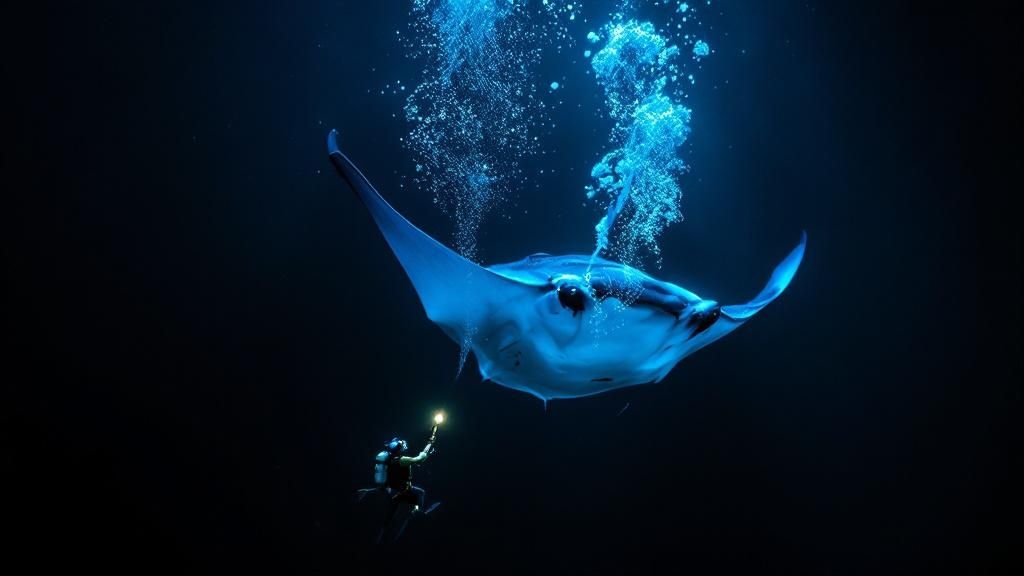
As a diver, you get to be a quiet, stationary observer on the ocean floor. This allows the mantas to get incredibly comfortable, often performing acrobatic barrel rolls and swooping just inches above your head. It’s a humbling, intimate encounter that truly makes you feel like a guest in their world.
You'll hear nothing but the gentle sounds of the ocean and your own breathing as these giants—some with wingspans of 12 feet or more—dance in the light. It's a perspective that gives you an unmatched appreciation for their sheer size and effortless grace against the pitch-black sea.
The Snorkeler's View from Above
Not a certified diver? No problem. If you prefer staying on the surface, the snorkeling option offers a stunning top-down view of the entire scene. And you won't just be bobbing around randomly. Reputable operators use large, custom-designed flotation boards to make the experience comfortable and safe.
These boards have high-intensity lights that shine straight down, creating a personal plankton buffet for the mantas. You simply hold onto the board's handles, put your face in the water, and watch the show unfold right below you.
The mantas are drawn right up to the surface lights, bringing them unbelievably close. You get to see the whole "campfire" scene at once: the divers on the bottom, the beams of light cutting through the dark, and the mantas maneuvering through it all. It’s like having a private balcony seat for the greatest show on water.
Learn more about the different ways to experience the manta ray dive in Kona and find the perfect fit for your adventure.
Comparing the Two Experiences
Both options guarantee an unforgettable night, but they definitely cater to different preferences. Here’s a quick breakdown to help you figure out which adventure is the best fit for you and your group.
| Feature | Scuba Diving | Snorkeling |
|---|---|---|
| Perspective | Bottom-up, looking towards the surface | Top-down, looking into the depths |
| Proximity | Mantas may glide inches above your head | Mantas swoop up very close to the light board |
| Physical Ease | Requires scuba certification and comfort with gear | Less physically demanding; great for all ages |
| Group Dynamic | Immersed with a small group of divers on the sea floor | Floating together on a shared light board |
| Requirement | Must be a certified Open Water diver | No certification needed; basic swimming ability is enough |
Ultimately, there is no wrong choice here. Whether you choose to kneel on the sandy bottom or float on the gentle waves, you are guaranteed a memory that will last a lifetime.
Check out the available manta ray dive in Kona tours and get ready for an extraordinary night
How to Prepare for Your Manta Ray Encounter
Knowing what to expect is the best way to relax and truly soak in the magic of the manta ray night dive in Kona. When you're prepared, you can just be in the moment and enjoy one of the planet's most incredible wildlife encounters.
This isn't just about showing up; it's about being ready for the whole experience. Let's walk through the entire evening, from the moment you arrive at the dock until you're back on shore, so you feel confident and ready for an unforgettable adventure.
What to Expect on Your Tour
The tour itself is a well-oiled machine, designed for both your safety and the best possible manta viewing. It starts long before you even get your fins wet.
-
Check-In and Gear Up: First things first, you'll check in with the crew and get fitted for your gear. This means a wetsuit (which you'll be glad you have when the sun goes down), a mask, and fins. If you're diving, you'll also get your BCD, regulator, and tank sorted out.
-
The Boat Ride and Briefing: Once everyone's onboard, it’s a short boat ride out to the site. This is when your guides will give a detailed safety and environmental briefing. Pay close attention here—it's the most important part of getting ready.
-
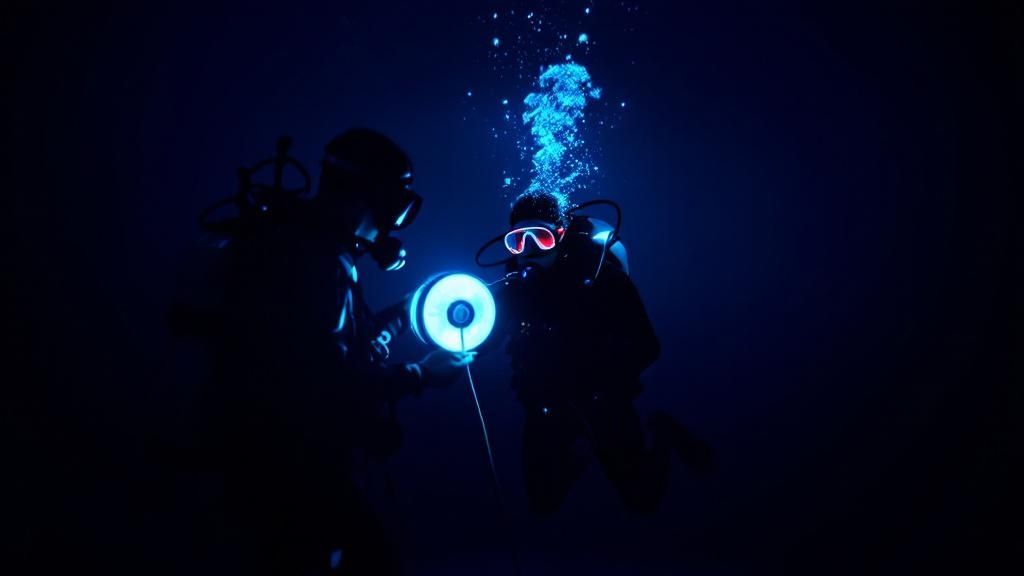
Showtime in the Water: Your guides will help you get into the water and into position. Divers will head down to a designated sandy area, while snorkelers will hold onto a big, custom-built floating light raft. Once the powerful lights flick on, it's game time. And believe me, the wait is never very long!
The whole experience is built around passive observation. This manta ray night dive in Kona is famous worldwide because of our unique "bonfire" technique. We use bright lights to attract plankton, which creates a massive underwater buffet for the mantas. It's a phenomenon you really won't find anywhere else. You can learn more about how the Big Island's unique conditions make this a year-round spectacle.
The Rules of Engagement
To keep Kona's resident manta population healthy and happy, we have one simple, non-negotiable rule: look, don't touch. These guidelines are absolutely critical for ensuring the mantas feel safe and comfortable, which is the only way this amazing encounter can continue for future generations.
- Observe Only: I know it's tempting, but you have to resist the urge to reach out and touch a manta. Their skin has a delicate protective mucus layer, and touching it can strip it away, leaving them vulnerable to infections.
- Hold Your Spot: If you're diving, stay on or very near the sandy bottom. If you're snorkeling, hold onto the light board at the surface. This keeps the water column clear so the mantas have plenty of room to swoop and glide.
- Let Them Come to You: Never, ever chase a manta. The real magic happens when you stay still. They'll feel secure enough to come right up to you, sometimes just inches from your mask.
Following these simple rules is the single most important thing you can do. It guarantees a positive, non-intrusive experience for these magnificent animals and for every single person in the water.
What to Bring for a Comfortable Trip
A little bit of planning goes a long way, especially for making the trip back to the harbor cozy and comfortable.
- Towel and Dry Clothes: You'll definitely want to dry off and change into something warm as soon as you're back on the boat.
- Warm Jacket or Hoodie: Even on a warm night, the ride back can feel chilly after being in the water. A windbreaker or sweatshirt is a game-changer.
- Reusable Water Bottle: Staying hydrated is always a smart move.
- Camera (Optional): If you've got an underwater camera, bring it! If not, don't sweat it. Some tours have rentals available or a pro photographer on board to capture the action for you.
Beyond the gear, being comfortable in the water is key. If you're new to snorkeling, brushing up on some essential snorkeling safety tips beforehand can really boost your confidence. Now you're prepared, so what are you waiting for?
Diving with Purpose: Manta Ray Conservation
Sure, the manta ray night dive in Kona is an absolute blast, a real bucket-list thrill. But it's so much more than that. When you slip into that dark water, you're stepping into a fragile ecosystem and becoming part of something bigger—the ongoing effort to protect these incredible animals.
This whole experience is built on a foundation of respect. There's a reason these mantas show up night after night: they feel safe. That trust has been built up over decades, and it's on every single one of us to maintain it. You're not just a tourist; you're a guest in their underwater home.
The Golden Rule: No Touching
If you remember only one thing, make it this: look, but do not touch. It’s that simple. Manta rays have a special mucus coating on their skin that acts as their immune system, protecting them from nasty bacteria and infections.
Touching a manta, even with the lightest graze, can strip away that protective slime and leave them vulnerable to disease. It also spooks them. If they start seeing the dive lights as a place of stress, they'll just stop coming. Following this one rule is the key to keeping this magical encounter going for generations.
Choosing a Manta-Safe Operator
Who you dive with matters. A lot. The best tour operators aren't just in it for the money; they are genuinely invested in protecting the mantas. They know the health of the manta population is the only thing that makes this dive sustainable in the long run.
A truly responsible company, like Kona Honu Divers, makes sure every guide is an expert in manta etiquette and isn't afraid to enforce the rules. They put the animals' well-being first, every single time. That's how you know you're diving with the right people.
Your Dive Supports Vital Research
Think of your dive ticket as a direct donation to science. The Kona Coast is a living laboratory for manta ray research, and the tour boats are front-row seats for scientists.
Data gathered on these dives, like photos used to identify mantas by their unique belly spots or observations on their behavior, is pure gold for researchers. It helps them piece together the puzzle of manta life cycles, population numbers, and migration patterns. So when you join a manta ray night dive in Kona, you’re not just watching the show—you’re helping to fund and facilitate critical conservation work.
To really get why this dive is so special, check out our guide on why you should go on a manta ray dive in Kona. Diving with purpose means every bubble you make contributes to a legacy of preservation.
Your Manta Ray Dive Questions, Answered
Alright, you've learned about the magic, the science, and the logistics of Kona's legendary manta ray night dive. It's totally normal to have a few final questions pop up before you're ready to take the plunge. We get it!
So, we’ve put together the most common questions we hear from divers just like you. Think of this as the last bit of intel you need to book your spot with total confidence and get genuinely excited for what's ahead.
When’s the Best Time of Year to Go?
This is one of the best parts about planning your trip: there's literally no "off-season" for the Kona manta ray dive. The experience is absolutely incredible year-round.
Unlike so many wildlife encounters that hinge on seasonal migrations, Kona’s reef mantas are locals—they live here! The unique geography of the Kona coast creates a reliable plankton buffet for them every single night. While the ocean surface might be a bit glassier during the summer months (May through September), the mantas themselves are always ready for dinner.
You can book this adventure whenever it works for your schedule, not the other way around.
Key Takeaway: The manta rays you’ll meet are residents, not tourists! They don't migrate, so the show goes on 365 days a year. This makes the manta ray night dive in Kona a sure-fire highlight for any Big Island trip.
Is This Dive Safe if I'm a Beginner or a Little Nervous?
Absolutely. Your safety and comfort are the top priorities for any reputable operator. The whole experience is designed to feel controlled and awe-inspiring, not intimidating—even if it's your first time or you've got some butterflies.
Here’s what makes it feel so secure:
- Shallow Water: The dive sites are surprisingly shallow, typically just 30 to 40 feet (9 to 12 meters). You're never in deep, dark, open water.
- Amazing Visibility: The powerful underwater lights create a massive, brilliantly lit circle on the seafloor. It feels more like an underwater stadium than a spooky ocean, so you can always see your guides and group.
- Expert Guides: Every tour kicks off with a detailed safety briefing. In the water, professional guides are right there with you, managing the group and making sure everyone is comfortable from start to finish.
- Just Relax and Watch: Snorkelers hang onto large, stable rafts, and divers get settled in a fixed spot on the sand. There's no complex swimming or navigation. You just get to chill out and watch the spectacle unfold.
Are We Guaranteed to Actually See Manta Rays?
While no one can ever give a 100% guarantee for a wild animal encounter, the manta ray night dive in Kona boasts one of the highest success rates of any wildlife tour on the planet. We see mantas on about 85-90% of nights. On a good night, you won’t just see one—you'll often be surrounded by several of these graceful giants.
For extra peace of mind, top-tier operators like Kona Honu Divers offer a "Manta Guarantee." In the rare event the mantas don't show up for your tour, they'll invite you back for another night, free of charge (subject to availability). It’s always a good idea to confirm the specifics when booking your manta ray dive and snorkel tour. We also suggest scheduling your manta adventure early in your vacation, just in case you need that second chance.
Why Can't We Touch the Manta Rays?
This is the single most important rule of the dive, and it's all about protecting these magnificent creatures. Manta rays are covered in a thin, slimy mucus coating. This layer is their immune system, shielding them from nasty bacteria and skin infections.
When a person touches a manta, it can rub off that fragile protective slime, leaving the animal vulnerable to disease. Just as importantly, unwanted contact can spook the mantas, causing them to associate the feeding site with stress. Over time, this could make them avoid the area altogether.
Our goal is to be passive, respectful observers. By staying still, you allow them to feel safe and glide effortlessly close, creating a truly magical and sustainable encounter for everyone.