
Picture this: you're floating in the dark, silent waters of the Pacific. Suddenly, a majestic shadow emerges from the deep. A giant manta ray, with a wingspan wider than a car, glides right over your head, close enough to touch. This isn't some rare, once-in-a-lifetime sighting; it's the legendary manta ray night dive in Kona, and it happens almost every single night.
It’s consistently ranked as one of the best night dives on the planet, and for good reason. This underwater ballet has become a true bucket-list experience for anyone who loves the ocean.
What Makes the Kona Manta Ray Night Dive Unforgettable
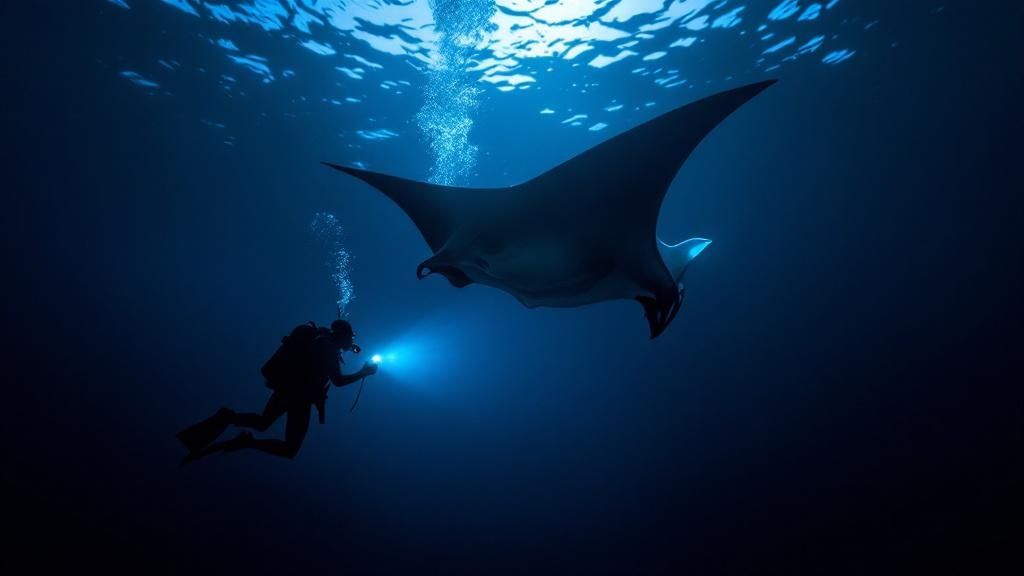
The real magic of the Kona manta ray night dive is just how reliable it is. Most wildlife encounters are a gamble, a roll of the dice. But here in Kona, it’s a dependable spectacle. Years ago, someone figured out that powerful underwater lights attract swarms of plankton—the manta rays' favorite meal.
This simple but brilliant idea creates a floating buffet that draws these gentle giants to the same spots, night after night. The ocean floor transforms into a well-lit dinner theater, and you’ve got a front-row seat to an incredible feeding frenzy where massive rays perform graceful, acrobatic loops all around you.
A Reliable and Awe-Inspiring Encounter
What truly sets Kona apart from other manta destinations is the consistency. We have a resident population of reef mantas that don’t migrate, making them a year-round attraction. This means you have an almost guaranteed chance to witness one of the ocean's most incredible sights.
To give you an idea of what to expect on your trip, here’s a quick overview of the experience.
Kona Manta Ray Night Dive At a Glance
| Key Aspect | Details |
|---|---|
| Sighting Success Rate | An incredible over 95% success rate. |
| Average Wingspan | Mantas often exceed 12 feet in wingspan. |
| Dive Depth | A shallow 30 to 40 feet, perfect for all experience levels. |
| Bottom Time | Expect 45 to 60 minutes of mesmerizing underwater time. |
| Interaction Style | Completely passive; you observe as they feed around you. |
| Accessibility | Open to both certified scuba divers and snorkelers. |
It's a setup that delivers jaw-dropping moments nearly every time.
This isn't just a dive; it's an immersive performance. Watching these creatures, shaped like stealth bombers, emerge from the darkness is a feeling that stays with you long after you've dried off.
The shallow depth is a huge plus, making the experience accessible to just about everyone. You don't need to be an advanced diver to join in. In fact, snorkeling offers an equally breathtaking view from the surface. Snorkelers hold onto a large, illuminated raft and watch as the mantas soar and barrel-roll directly beneath them.
An Up-Close Yet Passive Interaction
One of the most profound parts of this adventure is how passive it is. The rule is simple: stay still and let the mantas come to you. You become part of the underwater landscape, a silent observer in their world.
This respectful approach ensures the animals are never stressed and allows for unbelievably close encounters. The rays are so focused on feeding that they'll often glide within inches of your mask, their massive bodies maneuvering effortlessly through the water. It creates a connection that is both humbling and absolutely exhilarating.
You can learn more about what to expect and why it’s a bucket-list experience by checking out our complete guide on the manta ray night dive in Kona. The mix of reliability, accessibility, and respectful interaction is what makes this adventure truly unforgettable.
Choosing the Right Manta Ray Tour Operator
Your choice of tour operator can literally make or break your manta ray night dive in Kona. It’s a big deal. With so many companies out there, picking the right one is what separates a safe, unforgettable, and ethical experience from a disappointing one. They aren't all the same, and knowing what to look for will give you total peace of mind when you book.
A top-tier operator like Kona Honu Divers really sets the bar for what you should expect. They bring together seasoned guides who are genuinely passionate about marine conservation, which creates an adventure that’s as respectful as it is mind-blowing. When you're looking at different companies, put the ones with excellent safety records and tons of positive guest reviews at the top of your list.
Safety and Professionalism
Before anything else, think safety. It should be your #1 priority, no question. A truly reputable company will walk you through a detailed pre-dive safety briefing that covers everything from getting in the water to how to act around the mantas. Their gear should be modern and look well-cared-for, and the divemasters and crew should be certified pros who are actually paying attention and ready to help.
Look for operators who are open and honest about their safety measures and certifications. A professional crew makes all the difference, especially on a night dive where the dark water can feel a little intimidating. They are your ticket to a smooth experience, letting you just relax and soak in the magic.
The best operators don't just show you mantas; they teach you about them. Their love for the ocean is infectious and adds a whole other layer to the trip. It stops being just a tour and becomes a real conservation experience.
Group Size and Viewing Experience
The number of people on your boat has a huge impact on your experience. Smaller groups almost always mean a more personal and less crowded encounter. It's simple math: with fewer people in the water, you get more space and a much better view of the mantas as they do their incredible underwater ballet.
Before you hand over your credit card, ask about the maximum number of guests they take per boat and assign per guide. Operators who focus on quality over quantity will limit their capacity to make sure everyone gets a front-row seat. This isn't just better for you; it's also less stressful for the marine life, which says a lot about a company's commitment to doing things the right way.
To see how the different options stack up, check out our guide on the top 5 manta ray night dive tours for a detailed look at the best operators in Kona.
Eco-Consciousness and Manta Guarantees
Picking an eco-conscious operator is absolutely vital for protecting these gentle giants. The good ones stick to strict guidelines for passive observation—that means no touching, no chasing, and no blocking the mantas' paths. They'll hammer these rules home during the briefing to ensure the animals' well-being is the absolute top priority.
Finally, see if the company has a "manta guarantee." While sightings are extremely reliable (we're talking a 90-95% success rate), you have to remember these are wild animals. A good policy will let you come back for free on another night if the mantas don't show up. This shows they're confident in their spot and are dedicated to making sure you have the amazing encounter you came for.
Your Underwater Encounter with Gentle Giants
This is the moment you've been waiting for. The boat's engine cuts out, and the only sound is the gentle lapping of waves against the hull. As your guide gives the final briefing, the sky melts into a spectacular sunset, signaling that the show is about to begin. Then, you slip over the side and into the warm, dark embrace of the Pacific.
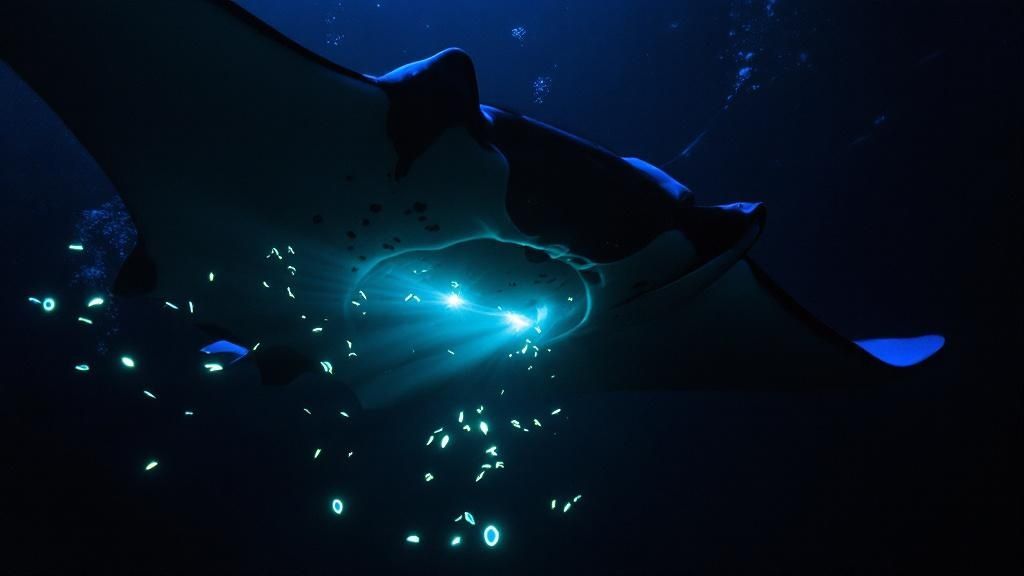
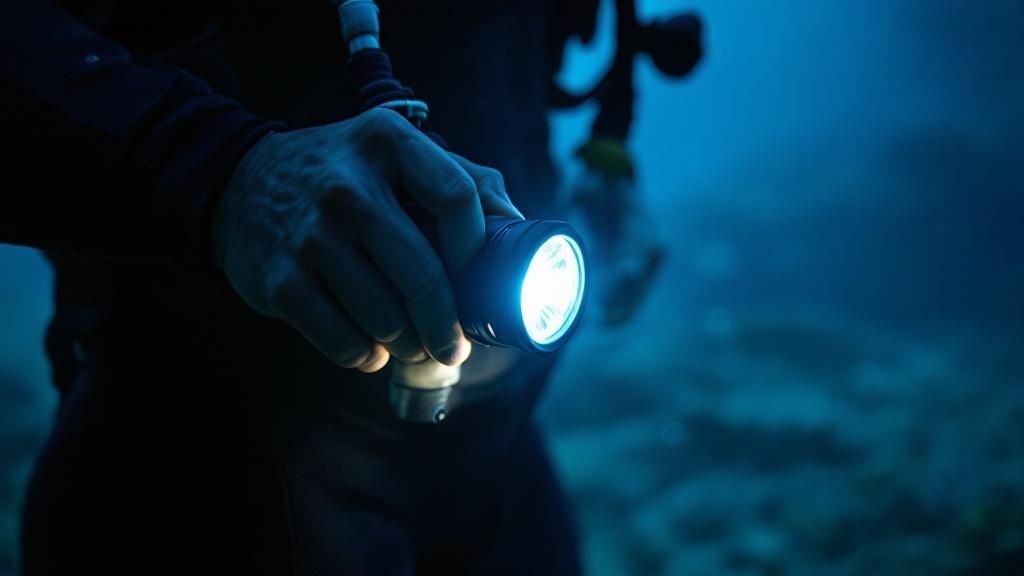
Beneath the surface, the world transforms. Your guide and the crew get to work setting up what we like to call an "underwater campfire." Of course, it isn't a fire at all, but a set of powerful, custom-built lights placed carefully on the sandy seafloor. This bright beacon immediately starts attracting the ocean's tiniest residents—plankton.
Within minutes, the light beams are thick with these microscopic organisms, creating a shimmering, all-you-can-eat buffet. It's this concentrated food source that rings the dinner bell for the main event. And you don’t have to wait long.
The Graceful Arrival
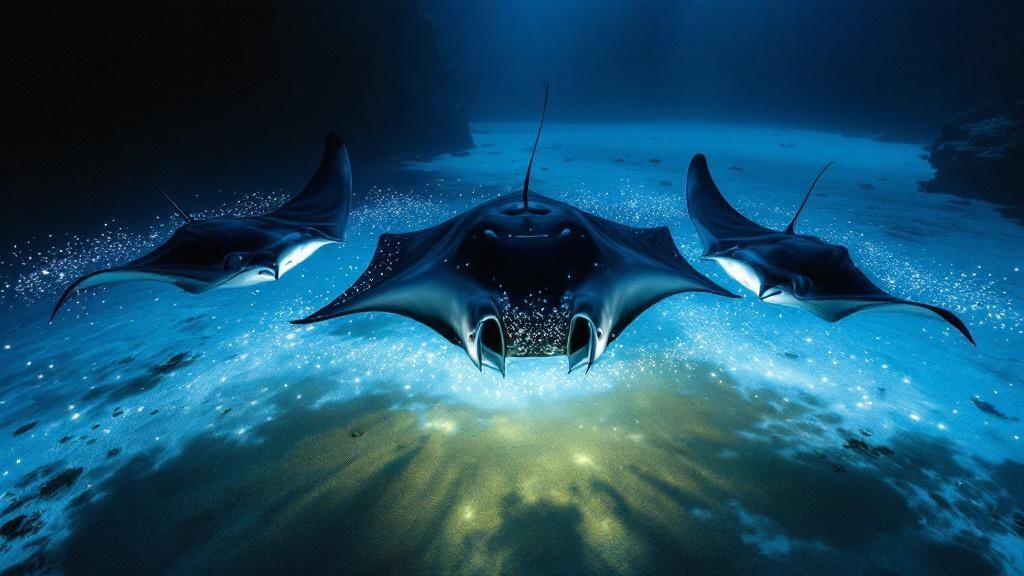
Suddenly, a colossal shadow emerges from the darkness, soaring into the light with impossible grace. Then another, and another. The manta rays have arrived. It's a surreal feeling to watch these massive creatures, some with wingspans exceeding 12 feet, glide effortlessly just inches above your head.
They are completely mesmerized by the feast, performing hypnotic barrel rolls and elegant swoops as they filter plankton from the water. The experience is both humbling and exhilarating; you're not just watching from the sidelines, you're part of the underwater scenery in this incredible nighttime spectacle.
The sheer size and proximity of the mantas are hard to wrap your head around until you're actually there. They move with a serene confidence, their movements slow and deliberate, creating a silent, hypnotic underwater ballet you will never, ever forget.
The Rules of Engagement: Passive Observation
A huge part of what makes the Kona manta experience so special is the etiquette of passive interaction. The golden rule is simple: do not touch the mantas. These animals have a protective mucous layer on their skin that can be damaged by human touch, leaving them vulnerable to nasty infections.
Your only job is to remain still and calm. For divers, this means finding a comfortable spot on the sandy bottom. For snorkelers, it means holding onto the lighted float at the surface. By staying put, you allow the mantas to get incredibly close on their own terms. They are so focused on feeding that they will often swoop within inches of you, completely unafraid.
More Than Just a Dive
This world-famous encounter has become more than just a tourist attraction; it's a vital site for scientific research. Marine biologists and local dive masters have identified and cataloged nearly 200 unique manta rays that call Kona's waters home year-round, each recognized by the distinct spot patterns on its belly. On truly epic nights, observers have counted as many as 36 individual mantas feeding at once!
This commitment to understanding these creatures transforms your dive into something more meaningful. You're not just witnessing a natural wonder; you're contributing to a sustainable ecotourism model that helps protect them. If you’re curious about the mechanics behind this unique dive, you can learn more by reading our detailed explanation of what the manta ray night dive involves. Every moment in their presence is a powerful reminder of the delicate and beautiful balance of marine life here in Hawaii.
How to Prepare for Your Manta Ray Adventure
A little bit of prep work can make all the difference between a good manta ray tour and an absolutely magical one. If you think ahead, you can skip the common discomforts—like shivering on the boat ride home—and just soak in the incredible underwater ballet. This checklist covers everything you’ll need for a smooth trip, whether you're a diver or a snorkeler.
The boat ride out to the site is often timed perfectly with a stunning Kona sunset. But after spending close to an hour in the water after dark, that return trip can get surprisingly chilly. Even in paradise, the wind on the open ocean has a bite to it.
Your Essential Packing Checklist
Packing the right gear is all about comfort. The focus is on staying warm, hydrated, and ready for an evening on the water.
- A Warm, Dry Layer: This is an absolute must. You'll thank yourself for bringing a sweatshirt, windbreaker, or some cozy sweatpants to throw on for the ride back to the harbor.
- Reusable Water Bottle: Hydration is important, even on a boat. Most operators have water, but bringing your own bottle is always a good, eco-friendly move.
- Reef-Safe Sunscreen: It’s a night dive, but you’ll be on the boat while the sun is still going down. Slap on some reef-safe sunscreen beforehand to protect both your skin and our delicate coral ecosystems.
- Towel: Simple, yet essential. You’ll definitely want one to dry off after your amazing encounter.
Special Considerations for Divers and Snorkelers
While most of the packing list applies to everyone, there are a few extra things for divers and snorkelers to keep in mind for their specific adventure.
For certified divers, it’s all about being confident and safe in the water. If it’s been a minute since your last dive, think about doing a quick refresher or a simple daytime dive to get your buoyancy dialed back in. Always do a full gear check before you even get on the boat to make sure everything is working perfectly.
Snorkelers, your main challenge is staying warm. Even though you’re on the surface, you’ll be floating in the water for up to an hour. A well-fitting wetsuit, which your tour company should provide, is going to be your best friend. It makes all the difference in being comfortable enough to truly enjoy the show.
Capturing the Magic: Underwater Photography Tips
Getting great photos of the manta ray night dive in Kona is tough because of the low light, but the results are so worth it. The key is to keep your setup simple so you don't disturb the mantas.
A wide-angle lens is your best bet for capturing the sheer size of these gentle giants. Forget the strobe—a powerful video light provides constant illumination without startling the rays with sudden flashes. The best shots happen when you just focus on your buoyancy, get into a good position, and let the mantas gracefully glide into your frame. Patience and respect are everything.
For more trip-planning tips, check out our guide on the best time of year to see manta rays in Kona.
Protecting Kona’s Manta Rays
The incredible manta ray night dive in Kona isn’t some happy accident. It’s the direct result of years of dedicated conservation work and a community-wide commitment to doing tourism the right way. The moment you slip into that water, you become a temporary guardian of this underwater spectacle.
Following a few simple, yet vital, guidelines is all it takes to make sure these gentle giants continue to thrive for generations to come.
The number one rule is also the easiest to remember: never, ever touch a manta ray. These magnificent animals are coated in a thin, protective layer of mucus that shields them from nasty bacteria and infections. Touching them, no matter how lightly, can strip away that natural defense and leave them vulnerable to disease. Your guide will drill this into you before you even hit the water, and for good reason.
Why Giving Mantas Space is Crucial
Beyond the no-touching rule, the whole experience is built around passive observation. Think of it this way: you are a guest in their house, and it's important to act like one. Divers are always instructed to stay on or near the sandy bottom. Snorkelers hang out at the surface, holding onto a specially designed light raft.
This approach creates a predictable and safe environment for the mantas.
- No Chasing or Blocking: Never swim after a manta or get in its way. Just let them come to you—and they will!
- Hold Your Ground: By staying put, you become part of the scenery. This makes the mantas feel comfortable enough to glide within inches of you.
- Mind Your Bubbles: If you're diving, try not to exhale a stream of bubbles right into a manta’s face as it passes over you. It's just common courtesy.
Following these rules doesn't just protect the animals; it makes your experience a thousand times better. When mantas feel safe, they stick around, performing their incredible feeding acrobatics right in front of your eyes.
The success of this world-renowned dive is built on a foundation of respect. When you follow the rules, you're not just a tourist—you're an active participant in one of the world's most successful marine conservation stories.
Your Role in a Sustainable Model
This whole operation is a powerful example of ecotourism that actually works. With roughly 80,000 people a year participating in the manta dive at sites like Manta Heaven and Manta Village, your ticket directly supports the local economy and helps fund ongoing conservation.
The best operators work hand-in-hand with researchers to monitor the manta population, identify new individuals, and push for better protections. These guidelines are so critical that there's been a long-standing effort to get them formalized into state regulations. If you're curious about the ongoing commitment, it's worth reading this open letter to the Hawaii DLNR regarding manta rules.
By choosing a responsible tour company, you're doing your part to ensure the Kona manta rays remain a source of wonder for many, many years to come.
Your Menta Ray Night Dive Questions Answered
Even after you're sold on the magic of the manta ray night dive in Kona, it's totally normal to have a few more questions pop up. Planning a bucket-list adventure like this is a big deal, and you want to feel confident you've got it all sorted. This is where we'll tackle the most common questions we get from divers and snorkelers, giving you straight-up answers to help you lock in your plans.
We'll cover everything from safety to the best time of year to visit. Think of this as your final checklist, so you can stop worrying about the details and start getting excited for an absolutely unforgettable night.
Is the Manta Ray Night Dive Safe for Beginners?
Yes, absolutely. The manta ray night dive is designed from the ground up to be incredibly safe, even if you're new to the whole underwater thing. The entire experience happens in calm, protected bays, so you don't have to worry about rough conditions like strong currents or big waves. It's a perfect, controlled environment for a first-time night dive or snorkel.
For snorkelers, safety is literally built into the setup. You'll be holding onto a big, custom-made float board with bright lights and plenty of sturdy handles. This keeps you stable and secure on the surface, giving you a perfect bird's-eye view of the show below.
If you're a newly certified diver, this is a fantastic first night dive. The depth is nice and shallow, usually around 30 to 40 feet, which is well within Open Water limits. Just make sure to give your dive shop a heads-up about your experience level when you book. They'll give you a thorough briefing and make sure you're comfortable. Good buoyancy helps, but since you're mostly staying in one spot on the sandy bottom, it’s far less demanding than a regular dive.
Can I See the Mantas if I Am Not a Certified Diver?
You bet! You don't need a scuba certification to have a mind-blowing encounter with Kona's manta rays. The snorkeling experience offers an equally mesmerizing view—some people even argue it's more intimate. It’s a killer option for non-divers, families, or anyone who just prefers staying on the surface.
As a snorkeler, you'll float comfortably at the surface, holding onto a lighted raft. The lights on the board are like a dinner bell, attracting plankton, which brings the manta rays right up to you. You get a front-row seat as they glide and barrel roll just inches beneath you. It’s a breathtaking, top-down perspective of the whole ballet.
Good operators provide all the gear you need, including a quality mask, snorkel, and a wetsuit to keep you warm. You get all the magic, none of the heavy scuba gear.
What Is the Best Time of Year to See Manta Rays in Kona?
This is one of the best parts about planning a manta trip in Kona: there's no "off-season." The manta rays here are a resident population. That means they live in these waters all year long and don't migrate. Their entire world revolves around their food source—plankton—which is reliably here every single night.
Because of that, the sighting rate is insanely high, consistently over 95%, no matter when you decide to visit. Whether you’re planning a summer vacation or a winter holiday escape, your chances of an amazing encounter are just about as good as it gets. This reliability is what makes the Kona manta ray dive one of the most dependable wildlife experiences on the planet.
The only thing that might change is the weather. Kona’s coast is usually calm, but the winter months can sometimes bring bigger ocean swells. Don't worry, though—tour operators watch the conditions like hawks and will only head out if it’s safe.
What Happens if No Mantas Show Up?
While sightings are practically a sure thing, we're still dealing with wild animals on their own schedule. On very rare occasions, the mantas might be a no-show. Any reputable, customer-focused operator knows this is a possibility and has a policy to make sure you don't go home disappointed.
Top-tier companies, including Kona Honu Divers, offer what’s often called a "manta guarantee." If your tour doesn't see any manta rays, they’ll invite you to come back and try again on another night, completely free of charge (subject to availability).
This guarantee is a huge green flag. It tells you the operator is confident in their sites and is committed to you having an incredible experience.
When you're booking your manta ray dive tour, it's always smart to double-check their specific guarantee policy. Here’s a pro tip: schedule your manta dive for early in your trip. That way, if you do need to use the guarantee, you have plenty of open nights to rebook without messing up your other vacation plans.
Ready for an unforgettable adventure? Kona Honu Divers offers Hawaii's premier scuba diving experiences, from the world-famous manta ray night dive to advanced charters exploring pristine reefs. With expert guides, top-tier equipment, and a commitment to safety, every trip is a five-star experience. Explore all of our Kona diving tours and book your spot today.