
Picture this: You're descending into the warm, dark Pacific waters just as the sun dips below the Kona horizon. Your entire world narrows to the beams of light illuminating a patch of the ocean floor. Then, out of the darkness, they materialize—enormous, graceful shadows gliding effortlessly into the light.
This is the world-famous manta ray night dive in Kona, and it’s an absolute bucket-list experience that consistently tops the charts as one of the best dives on the planet.
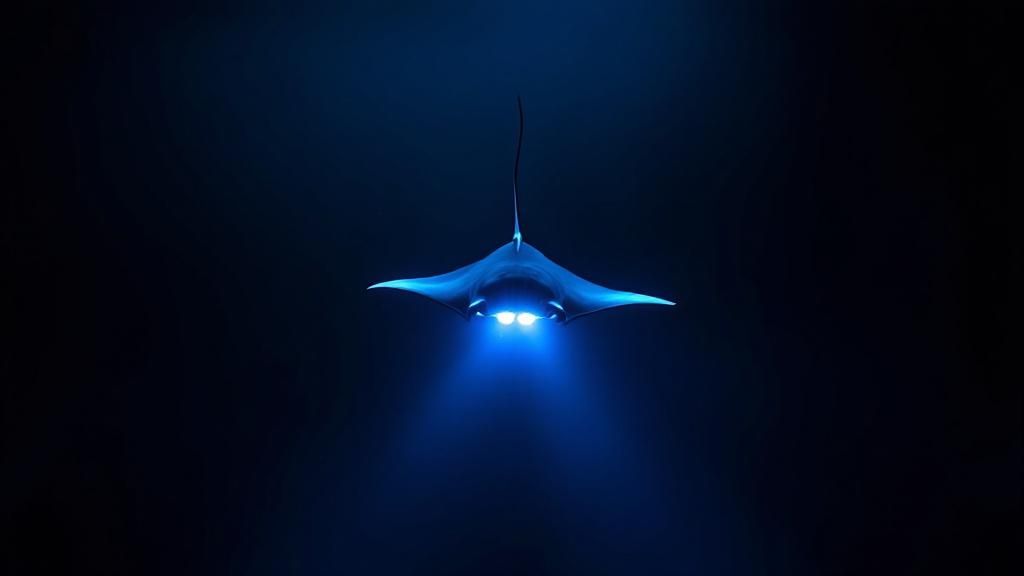
An Unforgettable Underwater Ballet
With massive wingspans stretching over 12 feet, these gentle giants perform a silent, mesmerizing ballet. They barrel-roll through the water, sometimes just inches above your head, in a hypnotic dance that feels both otherworldly and deeply personal. It's the kind of encounter that leaves even the most seasoned divers completely speechless.
This guide is your all-access pass to planning this incredible adventure. We’ll dive into why Kona is the global hotspot for this encounter, what you can expect to see, how to pick the right tour operator, and share some insider tips to make sure your trip is safe, respectful, and absolutely unforgettable.
The best part? Whether you're a certified diver or have never even worn a snorkel mask, this experience is accessible to just about everyone.
So, What Makes This Dive So Special?
The real magic of the Kona manta ray night dive isn't just seeing cool marine life; it's about being part of a unique, symbiotic spectacle that happens like clockwork. While many wildlife encounters are a roll of the dice, Kona's manta dive boasts a success rate of over 90%. That incredible reliability is exactly what has made it a legendary activity for anyone visiting the Big Island.
You get a front-row seat to one of nature’s most spectacular feeding events. It's raw, it's beautiful, and it's an experience many people walk away from describing as life-changing.
To give you a quick snapshot, here’s a look at what makes this adventure a must-do.
| Aspect | Details |
|---|---|
| The Main Event | Giant Pacific reef mantas feeding on plankton attracted by underwater lights. |
| Wingspan | Typically 6-12+ feet (2-4 meters). |
| Success Rate | Over 90% chance of seeing mantas on any given night. |
| Best Time to Go | Year-round! The mantas are resident and feed nightly. |
| Who Can Go? | Scuba divers and snorkelers of all experience levels. It’s incredibly accessible. |
| What You'll Feel | Awe, wonder, and a profound connection to the ocean. It’s hard to put into words! |
This table barely scratches the surface of how incredible this experience is, but it gives you a good idea of what’s in store.
Key Highlights of the Kona Manta Dive
- Up-Close Encounters: The mantas aren't shy. They often glide within inches of you, creating breathtaking, heart-pounding moments you'll never forget.
- Year-Round Availability: Because the local manta population feeds here every single night, you can book this trip any time of year and have a great shot at a spectacular show.
- Accessible for All: You don't need a scuba certification to get in on the action. Snorkeling offers an equally amazing top-down view of the ballet below.
- A Unique Natural Phenomenon: You're witnessing a massive feeding aggregation that occurs this reliably in only a handful of places on the entire planet. It's truly special.
Ready to witness this underwater ballet for yourself? Here at Kona Honu Divers, we offer premier manta ray dive and snorkel tours led by expert guides who put your safety—and the well-being of the mantas—first.
Why This Manta Ray Dive Is So Unique
Let's be clear: Kona isn't just another decent spot to see manta rays. It's hands-down the most reliable, jaw-dropping place on the planet for this exact encounter. The magic behind the nightly manta ray night dive in Kona is a perfect storm of marine biology and a bit of human cleverness that has evolved over decades. Think of it as a beautifully orchestrated dinner party where everyone, especially you and the mantas, wins.
This whole thing didn't just happen by chance. It actually started years ago when a hotel began shining lights into the ocean. Those lights attracted swarms of plankton—the microscopic critters that manta rays love to eat. The local mantas figured it out pretty fast: bright lights meant an easy, all-you-can-eat buffet. This simple observation sparked a brilliant idea for local dive operators.
The Science of the Underwater Campfire
Fast forward to today, and the dive operators have this down to a science. They anchor in specific spots and set up powerful, eco-friendly lights on the seafloor or on floating rafts. This creates what everyone now calls the "campfire effect." It's like turning on a giant porch light in the dark, drawing in massive clouds of plankton from all around.
This guaranteed food source has created a learned behavior in the local manta population. We're talking generations of rays that now associate these bright lights with dinnertime. They come back to the same spots, night after night, almost every single night of the year. This is what makes the Kona experience so incredibly dependable, with sighting success rates that often blow past 90%.
The waters off the Kona coast are already packed with plankton, and the dive lights just concentrate it into an irresistible feast for these gentle giants. The result is the world-famous "bonfire" dive, giving you a front-row seat to their incredible feeding frenzy.
What you're seeing isn't just a random wildlife encounter. It's a learned, almost symbiotic relationship between humans and mantas that has been built over decades. It’s a powerful example of how responsible tourism can create predictable and absolutely breathtaking natural spectacles.
A Guaranteed Spectacle
This one-of-a-kind setup turns a regular dive into a full-blown underwater theater. Instead of you searching for mantas in the huge, dark ocean, the mantas come directly to you. It's a total role reversal. Divers settle down on the sandy bottom, shining their lights up, while snorkelers hang onto a floating light board at the surface.
This creates these amazing columns of light, thick with plankton, and the mantas perform their mesmerizing barrel rolls and graceful loops right through them, sometimes just inches from your face. The sheer reliability of this nightly show is what truly sets the manta ray night dive in Kona apart from pretty much any other wildlife experience in the world. You can learn more about what makes this dive an absolute must-do in our guide explaining why you should go on a manta ray dive in Kona.
Choosing Your Manta Ray Dive Operator
Picking the right company for your manta ray night dive in Kona is hands down the most important decision you'll make. A great operator means a safe, ethical, and absolutely unforgettable experience. A poor choice? It can lead to some serious disappointment. The goal is to find a professional crew that’s just as dedicated to your safety as they are to the well-being of the mantas.
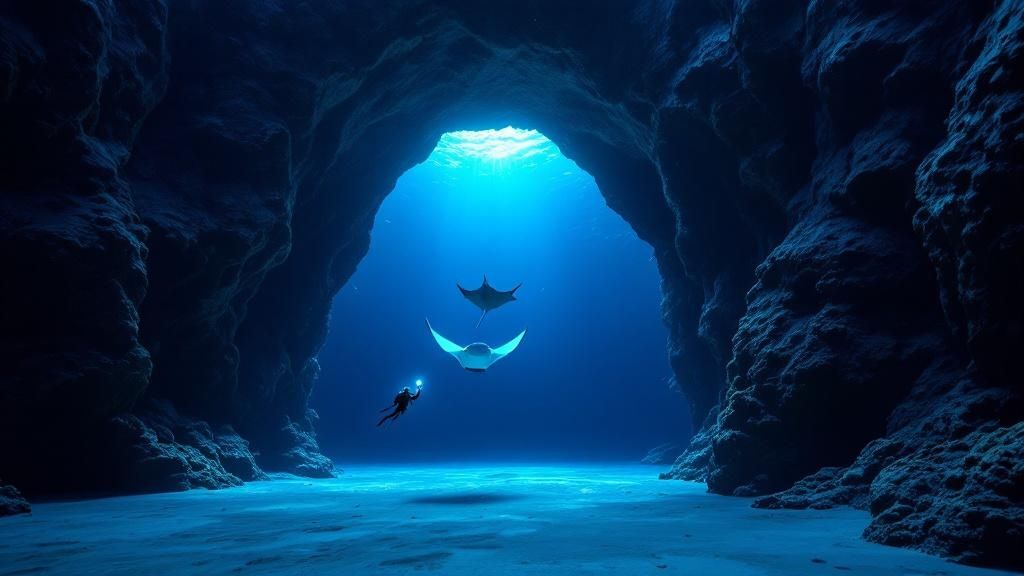
When you start comparing your options, look past the price tag. The best companies out here keep their groups small for a much more personal and less crowded encounter. You'll want to check their safety records and scroll through recent reviews to get a real feel for their reputation. For a full rundown of what the whole experience is like from start to finish, check out our detailed guide on what a manta ray night dive is.
Key Factors For Your Decision
Trust me, not all tours are created equal. Use this quick checklist to vet any operator you're considering so you can book with total confidence:
- Safety First: Does the company have a stellar safety record? You need guides who are properly certified and have years of experience in these specific waters. A thorough, professional briefing before you even think about getting in the water is completely non-negotiable.
- Eco-Consciousness: A responsible operator will be strict about their "no-touch" policy and will take the time to teach you about passive observation. Protecting the mantas' delicate mucus layer is critical for their health, and the good companies know this.
- Group Size: Smaller groups always mean a better view and a more intimate experience. It's a simple fact. Don't be afraid to ask about their maximum guest-to-guide ratio.
- Boat Comfort and Quality: You're going to spend a good bit of time on the boat before and after your swim. Look for boats that are spacious and well-maintained. Amenities like a restroom and a warm shower for after the dive make a huge difference.
Why Kona Honu Divers Stands Out
Here at Kona Honu Divers, we're all about delivering a premium and responsible manta ray experience. Our crew members aren't just guides; they are passionate marine conservationists who have logged thousands of hours at the manta sites. We run comfortable, custom-built dive boats that were designed from the ground up for safety and easy water access.
Our commitment to a top-tier guest experience and the conservation of these incredible animals is something you can see reflected in the feedback from our divers. We believe in creating memories that will last a lifetime, all while being guided by professionals who love the ocean as much as you do.
Ultimately, the right operator is what transforms a good night into an extraordinary one. When you choose a company that puts safety, sustainability, and quality first, you're making sure your adventure is in the hands of the best in the business.
Ready to book a trip with a top-rated crew? Explore our manta ray dive and snorkel tours and find the perfect adventure for you.
What to Expect on Your Manta Adventure
Knowing the play-by-play of your manta ray night dive in Kona is the best way to turn any pre-dive butterflies into pure, buzzing excitement. The whole thing is a finely tuned operation, built from the ground up for maximum awe, from the moment you step foot in the harbor to the boat ride home under a sky full of stars.
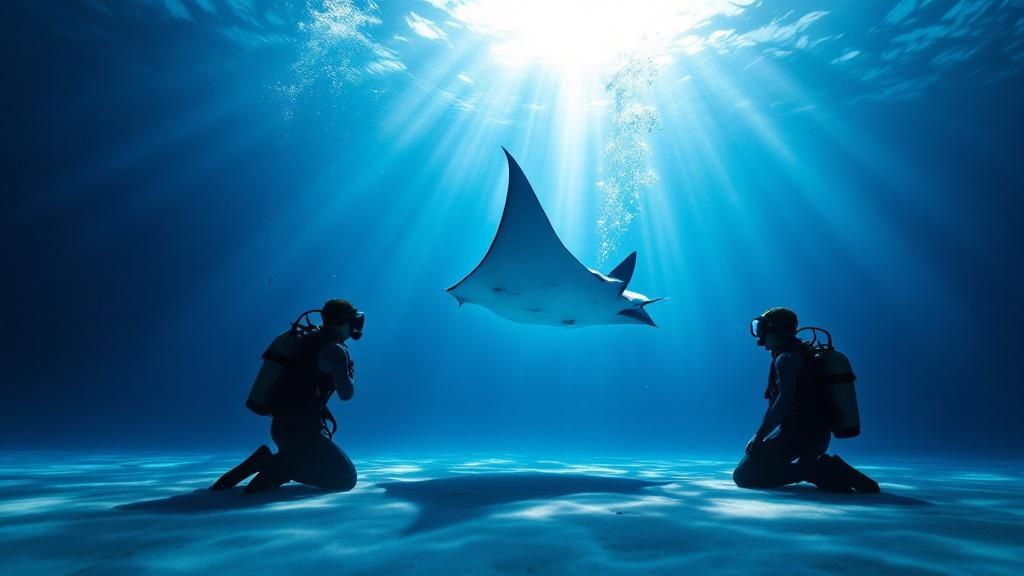
Your evening kicks off in the late afternoon. You'll check in with your crew, get settled on the boat, and listen to a detailed briefing. This isn't just about rules; the crew will share some fascinating stuff about manta behavior and explain exactly how to be a respectful observer in their world.
Then, it's time for one of the best parts: a gorgeous sunset cruise out to the dive site. This boat ride is an experience all on its own, with the Kona coastline lighting up as the sun dips below the horizon. It's the perfect, peaceful start to an unforgettable night.
The Underwater Setup
Once the boat is anchored, the real magic gets started. Divers gear up and descend to a sandy patch on the ocean floor, usually in shallow water around 30 to 40 feet deep. You'll get arranged around a central light source—we call it the "campfire"—and point your own dive lights straight up, creating a beacon for plankton.
Snorkelers get an equally mind-blowing view from the surface. You'll hold onto a big, floating light board that shines powerful beams down into the water. This light is what draws the mantas right up to you, giving you a spectacular bird's-eye view of the whole feeding frenzy.
The Main Event: What It Feels Like
The moment that first dark shadow glides into the light is something you'll carry with you forever. Just try to imagine a gentle giant with a 12-foot wingspan soaring inches from your face, performing these effortless, graceful barrel rolls as it filters plankton from the water. It’s a silent, mesmerizing ballet that feels both impossibly massive and incredibly personal.
People often say it’s like being in an underwater nightclub where mantas are the main act.
And the best part? The Kona Manta Ray Night Dive has a crazy high success rate, often topping 90%. This makes it one of the most reliable big-animal encounters on the planet. You’ll typically spend 45 to 60 minutes in the water, which is plenty of time to just float and take it all in.
Pro Tip: Let's be real—shooting photos in the dark, underwater, while giant animals are swooping around is tough. It's totally normal for pictures to come out a bit blurry. The good news is, there are some great tricks and tools out there for anyone wanting to learn how to fix blurry pictures and salvage those priceless memories.
Interacting Safely and Responsibly with Mantas
The whole reason the manta ray night dive in Kona is even possible comes down to one thing: a deep, mutual respect between us and these gentle giants. To keep this incredible encounter going for years to come, everyone in the water needs to follow a few simple rules. It all boils down to one core idea: passive observation.
Think of it like being a guest in their home. You're there to watch, not to interfere.
The most critical rule of all is to never, ever touch a manta ray. It's so tempting, I know. But their skin is covered in a thin, protective mucus layer—kind of like a shield against bad bacteria and infections. Touching them strips that layer off and can make them seriously sick. The best way to show them love is to give them their space.
Proper Positioning in the Water
Where you are in the water is everything. It keeps you safe, them safe, and ensures the mantas can do their thing without getting spooked. Following these guidelines creates a predictable, calm environment for everyone.
- For Scuba Divers: Your spot is on the sandy ocean floor. Get settled, stay low, and just become part of the scenery. This gives the mantas a clear path to glide right over your head. It’s the best seat in the house.
- For Snorkelers: You'll be floating up on the surface, holding onto a specially designed light board. This board is what draws in the plankton, but it also serves as your home base, keeping you safely above all the action. You get an amazing bird's-eye view of the underwater ballet.
The whole experience is set up so you never have to chase or swim after a manta. The lights do all the work, bringing the plankton—and the mantas—right to you. Your only job is to relax, stay put, and enjoy the show.
By following these simple rules, you're not just a tourist; you're actively helping to protect Kona's manta population. The dive sites, like the world-famous Manta Heaven, depend on everyone's cooperation. You can learn more about these amazing spots by checking out our guide to Manta Ray Heaven and Garden Eel Cove. Playing by the rules ensures this magical encounter will be here for others to experience for a long, long time.
Meet the Famous Manta Rays of Kona
What really takes the manta ray night dive in Kona from a simple wildlife encounter to something truly personal is the fact that you can actually recognize individual rays. Over the years, the local diving and research community has identified hundreds of resident mantas. They've even given them names.
How? By tracking the unique spot patterns on their bellies, which work just like human fingerprints.
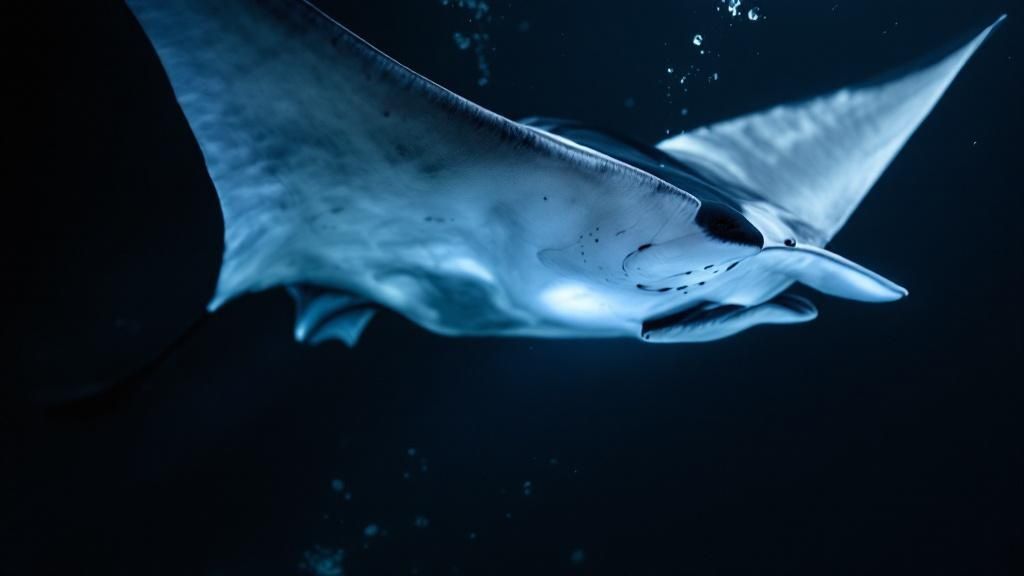
Suddenly, you're not just looking at marine life; you're meeting specific, named individuals in their home. This deep connection turns the dive into something you'll never forget.
The Resident Celebrities
Some mantas have become genuine local celebrities, famous for their sheer size, quirky personalities, or incredible backstories. You never know who will show up for dinner on your dive, but with a little luck, you might just meet one of these icons.
- Big Bertha: She’s a true matriarch of the Kona manta community. Known for her massive size and incredibly calm presence, she's a long-time favorite among local guides.
- Lefty: You can't miss him—he has a bent left cephalic fin. Lefty is notoriously curious and playful, often getting right up close to the lights for a better look.
- Amanda Ray: Her name comes from her rescue from a tangled fishing line. Amanda's story is a powerful, swimming reminder of why conservation efforts are so vital.
Watching these individuals, each with their own history and personality, interact with one another is like being invited to a secret gathering. You start to see them not just as animals, but as the unique characters they truly are.
The Kona coast is a special home to nearly 200 individually identified manta rays, all recognized by their one-of-a-kind belly spots. This allows the local community to monitor their population and movements with amazing precision.
On a typical night, you can expect to see anywhere between 5 and 20 mantas. But some truly mind-blowing nights have brought out up to 36 individuals in a single session. You can learn more about these incredible gatherings and see for yourself why the manta ray night dive is so popular.
It's this personal connection that sticks with you. For a brief, magical moment, you’re not just an observer—you’re a guest in their world.
Frequently Asked Questions About the Dive
Thinking about joining us for this incredible underwater show? You probably have a few questions. We get it. To make sure you feel totally comfortable and ready for the adventure, we've put together answers to the things we get asked the most about the manta ray night dive in Kona.
Do I Need to Be Scuba Certified?
Not at all! This is one of the biggest misconceptions. While certified divers get a pretty epic view from the seafloor looking up, snorkelers have an equally spectacular experience.
You'll float on the surface, holding onto a specially designed light board. This board shines powerful lights down into the water, which is what attracts the plankton. The mantas then swoop in right below you to feed, giving you a perfect top-down view of the entire ballet. It’s an incredible perspective that makes this experience open to almost everyone.
What Is the Best Time of Year to Go?
Here’s the great news: there really isn't a bad time. The manta rays here in Kona are residents, not tourists. They live here year-round and show up for their plankton buffet almost every single night.
The success rate for seeing them is consistently high, no matter which month you book your trip. The only thing that changes slightly is the ocean condition. We might see bigger swells in the winter months, but it's rare for a tour to be canceled. Any night is a good night to see the mantas.
How Many Mantas Will I See?
While we can never make a 100% guarantee with wildlife, the manta ray night dive in Kona has a success rate of over 90%. It's genuinely one of the most reliable big animal encounters you can find anywhere on the planet.
On a typical night, you can expect to see anywhere from a handful to a dozen mantas gracefully feeding. But on those truly magical evenings? We've seen more than 30 individuals at once! For a deeper dive into what the experience is like, check out our complete guide to the Kona manta ray night dive.
Is the Manta Ray Night Dive Safe?
Absolutely. When you go out with a professional, safety-conscious operator like Kona Honu Divers, you're in great hands. Manta rays are nicknamed "gentle giants" for a reason—they are completely harmless to people. They have no teeth, no stingers, and no barbs.
The main safety focus is simply being out on the ocean after dark. Our guides run through a detailed safety briefing before you even get in the water. Your job is easy: listen to the crew, stick with your group, and just be aware of your surroundings.
Beyond the mantas, Kona is a playground for marine life. Many of our guests also love spending a day exploring the vibrant reefs on a Captain Cook Snorkeling adventure.
Ready to witness the underwater ballet for yourself? Kona Honu Divers offers a world-class manta ray dive and snorkel tour that promises safety, comfort, and an unforgettable adventure.