
Picture this: giant, graceful shadows gliding through the darkness, so close you feel you could reach out and touch them. The manta ray night dive in Kona isn't just another dive on your logbook; it's a world-famous underwater ballet that consistently lands on "best of" lists for diving experiences anywhere on the planet. It’s an incredible encounter made possible by a perfect storm of local ecology and some clever scuba diving Kona, Hawaii techniques refined over the years.
Why Kona is the Manta Ray Capital of the World
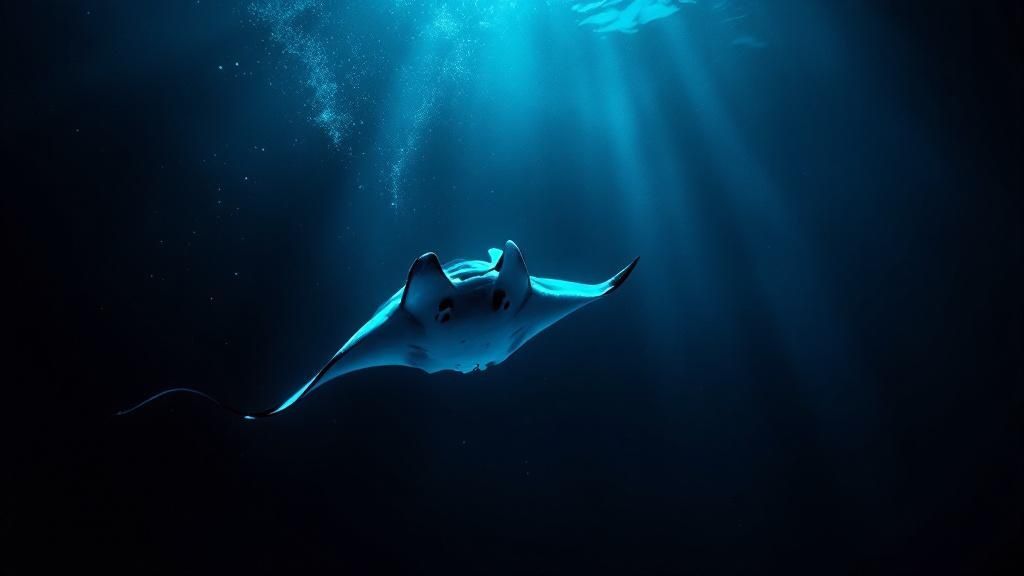
The Kona coast of the Big Island is more than just a pretty place; it's the ideal stage for one of nature's most mesmerizing shows. The secret is a brilliant, yet surprisingly simple, relationship between light, plankton, and the local population of reef manta rays that call this place home.
For decades, dive operators here have perfected a method for creating reliable, up-close encounters. We strategically place powerful, stationary lights on the ocean floor, creating what we all affectionately call the "campfire." This intense light draws in massive swarms of microscopic plankton, which happens to be the manta rays' favorite meal.
The Underwater Buffet Effect
This concentrated cloud of plankton becomes an all-you-can-eat buffet that the mantas just can't resist. They swoop in from the surrounding darkness, performing effortless barrel rolls and graceful loops to scoop up their dinner, often passing within inches of us divers. It’s absolutely breathtaking.
This unique setup is what makes the Kona experience so special. In other parts of the world, seeing mantas might depend on catching them at a cleaning station. Here, it’s all about this nightly feeding ritual. The dive sites are also typically in calm, shallow water between 30 and 40 feet, making the whole thing accessible even for divers who are still getting their fins wet. You can dive deeper into the specifics of this amazing experience with our guide to the Kona manta ray night dive.
Kona's signature underwater experience has an insanely high success rate for manta sightings, consistently hitting between 85% and 95%. That incredible reliability is what puts this spot on the map as a premier global destination for manta encounters.
When you combine this reliable food source, the calm waters, and a resident manta population—some with wingspans stretching over 12 feet—it's easy to see why Kona has earned its title as the undisputed manta ray capital of the world. It’s a predictable, safe, and truly unforgettable adventure.
How to Choose the Right Manta Ray Dive Operator
Picking your guide is the single most important decision you'll make for your Kona manta ray night dive. I can't stress this enough. Not all tour operators are created equal, and the right one is the difference between a good trip and an unforgettable, safe, and responsible adventure.
Your first choice often comes down to where you want to dive.
Kona has two world-famous manta sites: Garden Eel Cove (often called Manta Heaven) and Keauhou Bay (known as Manta Village). Each one offers a totally distinct experience. Manta Heaven, just north of Kona, is famous for sometimes attracting massive groups of mantas, but the trade-off is that conditions can be a bit rougher. Down south, Manta Village is much more protected, which means calmer waters—a huge plus if you're prone to seasickness.
What Separates the Good from the Great
Location aside, it's the operator's philosophy that truly matters. A great company lives and breathes three things: safety, manta conservation, and your experience. They don't just dump you in the water to see mantas; they teach you about them and make sure the whole encounter is respectful to these incredible animals.
Look for operators who are upfront about how they run things. Do they follow the established Manta Tour Operator Standards? These are critical guidelines designed to protect the rays, like rules against touching them and instructions on how divers should be positioned in the water.
The best operators see themselves as guardians of the manta rays. Their pre-dive briefings are thorough, covering not just the dive plan but also the rules of respectful observation to keep the mantas safe and comfortable.
One of the biggest game-changers is group size. Smaller groups almost always mean a better, less chaotic time in the water. You get more personal attention from your divemaster and don't have to fight for a good view when the mantas show up. If you want to learn more about what makes this such a can't-miss experience, check out our article on why you should go on a manta ray dive in Kona.
Your Operator Checklist
When you're looking into a company for your manta ray night dive, here are the key questions you need to ask:
- Group Size: What's their diver-to-divemaster ratio? The lower, the better. Always.
- Safety Briefing: Do they give a detailed, educational briefing that covers manta interaction rules and safety protocols? This is non-negotiable.
- Conservation Focus: Are they actively involved in manta conservation and research? It shows they're invested for the right reasons.
- Manta Guarantee: What happens if no mantas show up? (It happens, they're wild animals!) A reputable company will often let you rebook for free.
Companies like Kona Honu Divers are held in high regard for their commitment to these principles. They really focus on keeping groups small and using manta-safe practices, which makes for a high-quality, responsible tour every time. You can see the details of what they offer on the Kona Honu Divers' manta ray dive tour page.
Taking a few extra minutes to research and pick the right operator is the best investment you can make for your trip. It’s the difference between just seeing the mantas and having a truly magical, respectful, and safe encounter.
Getting Ready for Your Manta Ray Adventure
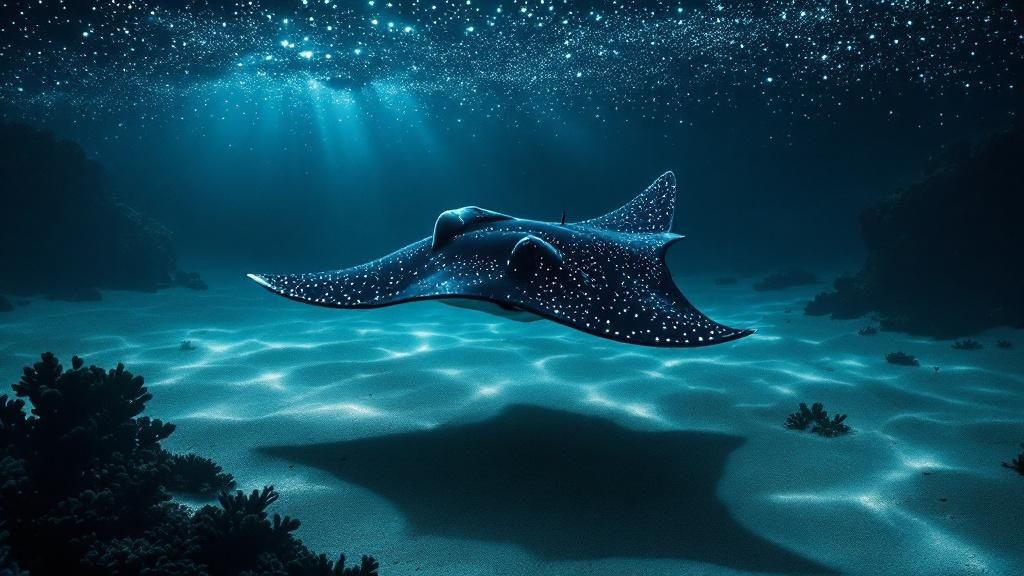
A little bit of prep work can turn a great trip into an unforgettable one. Before you even think about stepping onto the boat for your manta ray night dive in Kona, running through a quick mental checklist will make everything go smoothly, keeping things comfortable and totally stress-free.
First things first, let's talk certification. You'll need at least an Open Water Scuba Diver certification to join the dive. The dive itself isn't super technical—it's pretty shallow and you'll be stationary for most of it—but having that cert is an absolute non-negotiable for safety.
As for gear, your tour operator will handle the big stuff: tanks, weights, BCD, and regulators. That said, a lot of divers I know, myself included, just feel better using their own equipment. There's a comfort and familiarity you can't beat.
Personalizing Your Dive Kit
Bringing a few key items of your own can make a huge difference in how much you enjoy the experience.
- Dive Computer: While some operators might not mandate it for this specific dive, it's just good practice. Diving with your own computer is a fundamental part of modern dive safety, and I can't recommend it enough.
- Mask and Fins: A personal mask that you know fits your face without leaking is a total game-changer. Nothing ruins a dive faster than a leaky mask you're constantly fighting with.
- Underwater Camera: Got a GoPro or another underwater camera? Bring it. The lighting from the dive lights is surprisingly good, and this is a photo op you do not want to miss.
Staying Warm and Comfortable
Even in tropical Hawaii, the ocean definitely feels cooler after the sun disappears. Water temps at the Kona dive sites usually hang out in the mid-70s Fahrenheit (around 24-26°C). A wetsuit is absolutely essential to stay comfortable for the full 45-minute dive.
For most people, a 3mm full wetsuit does the trick, especially during the warmer summer months. But if you're someone who gets cold easily, trust me, you won't regret bumping up to a 5mm wetsuit.
Thinking ahead to the boat ride back will make you a much happier diver. Make sure your dry bag has a dry towel and a warm jacket or change of clothes. Even a light breeze can feel pretty chilly after a night dive.
Here's a quick checklist to help you get organized before you head out.
Manta Ray Night Dive Preparation Checklist
| Category | What to Check or Bring | Pro Tip |
|---|---|---|
| Certification & Docs | Certification Card (digital or physical) | Have a picture of your cert card on your phone as a backup. |
| Personal Dive Gear | Mask, Fins, Dive Computer, Wetsuit | Test your camera and charge your batteries before you leave for the boat. |
| Comfort Items | Dry Towel, Warm Jacket/Sweatshirt | A beanie or warm hat is a small item that makes a huge difference on the ride back. |
| Health & Safety | Motion Sickness Medication (if needed) | Take non-drowsy medication about an hour before departure for the best effect. |
| Essentials | Reusable Water Bottle, Reef-Safe Sunscreen | Even though it's a night dive, you'll be on the boat before sunset. Protect your skin! |
And maybe the most important tip of all? Give the pre-dive briefing your undivided attention. It’s packed with crucial safety info and the specific rules for interacting with the manta rays respectfully. A good operator makes this briefing engaging and thorough, setting the stage for an absolutely incredible underwater show.
What the Manta Dive Experience Is Really Like
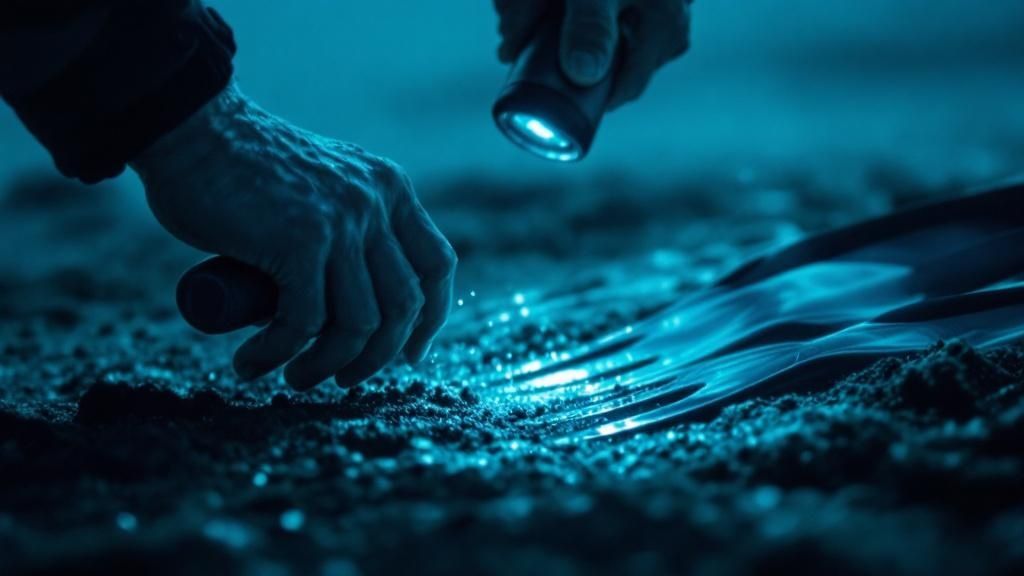
This is where the real magic begins. Your manta ray dive tour usually kicks off with a boat cruise set against a classic, fiery Kona sunset. There’s always an electric feeling in the air, a mix of excitement and anticipation for what’s waiting just below the surface.
As the last light of day disappears, the thrill really starts to build while you gear up. Then, it's time for the giant stride into the dark, inky ocean. Your world immediately shrinks to the glow of the boat's lights and the beam from your own dive torch. It’s a wild combination of serene and exhilarating.
The Underwater Stage
Your guide will lead the group down to what we call the "campfire"—a circle of powerful lights set up on the ocean floor, typically at a comfortable depth of around 30-40 feet. You and the other divers find your spots around this ring of light, get settled on the sandy bottom, and point your torches straight up.
The combined light acts like a giant magnet for plankton, drawing them in from the dark. In the quiet of the deep, you'll see the water column slowly fill with these tiny organisms, like a shimmering, underwater snowstorm. This is the dinner bell, and the main act is on its way.
And then, it happens.
The first time you see a manta ray materialize from the blackness and glide effortlessly into the light is a moment you will never, ever forget. It's a surreal, almost spiritual experience that photos and videos just can’t do justice.
These gentle giants, some with wingspans wider than a car, perform a stunning aquatic ballet just feet above you. They soar and barrel roll with surprising grace, their massive mouths open wide to filter the plankton-rich water. The show is completely mesmerizing, and it's pretty common to have several mantas swooping through the light for the entire dive. For a firsthand account from a diver's perspective, check out our post on what it’s like to go on the manta ray dive in Kona.
The Rules of Engagement
To keep this incredible encounter safe for both people and mantas, every responsible operator follows a strict set of "rules of engagement." These aren't just suggestions; they are absolutely critical for conservation.
- Observe Only: You must never touch a manta ray. Ever. Their skin has a protective mucus layer, and our touch can strip it away, leaving them vulnerable to infections.
- Stay Put: Once you're settled on the seafloor, stay in your spot. This creates a predictable environment for the mantas and stops anyone from accidentally kicking up sand or spooking them.
- Lights Up: Point your dive light straight up into the water column. This helps concentrate the plankton "buffet" and also keeps your bright beam out of other divers' eyes.
- No Chasing: Let the mantas come to you. Chasing after them will only scare them away and ruin the experience for the whole group.
Following these simple guidelines means we get to be passive, respectful observers at one of nature's most spectacular performances. This responsible approach is exactly why the Kona manta dive has become a world-class attraction, drawing an estimated 80,000 people every year to see it for themselves.
Our Golden Rules: Protecting the Mantas and Staying Safe
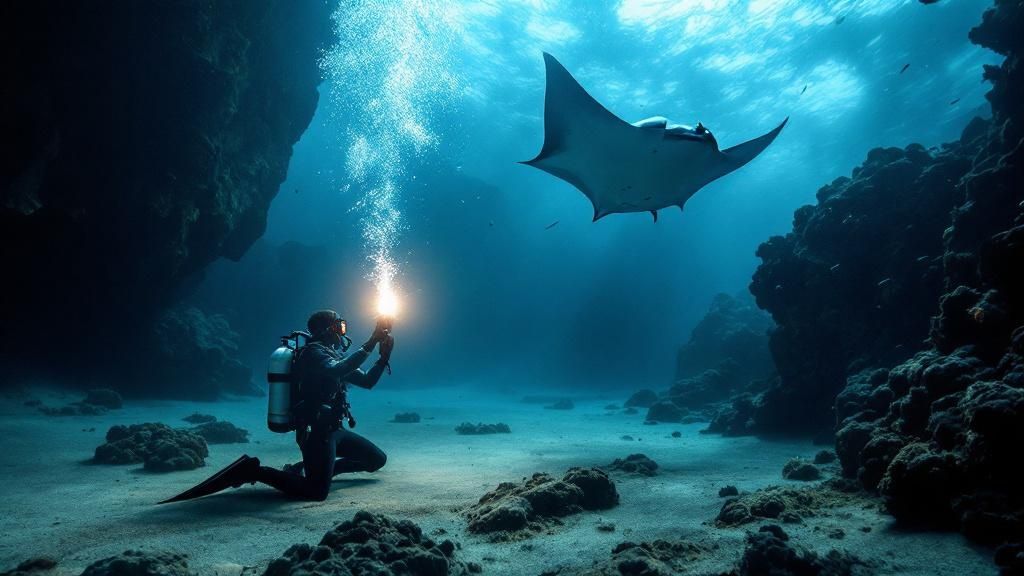
This is more than just a dive; it's a close encounter with some of Kona's most treasured residents. With that privilege comes a huge responsibility to protect the manta rays and the delicate ecosystem they depend on.
A truly successful manta ray night dive in Kona isn't just about amazing sightings. It's about respecting the animals' space and ensuring every single diver gets back on the boat safely. Our commitment to conservation is what keeps this experience sustainable, allowing these gentle giants to thrive for generations to come.
The absolute number one rule, the one you can't ever forget, is to look but never, ever touch a manta ray. Think of their skin as being coated in a delicate, protective slime layer. Even the slightest brush from a human hand can strip this mucus away, leaving them wide open to nasty skin infections.
Following Manta-Safe Protocols
Before you even hit the water, your divemaster will run through the essential rules for a safe and manta-friendly dive. It all starts with solid buoyancy control—staying perfectly neutral keeps you from accidentally kicking or crashing into the fragile seafloor.
You'll be shown a specific spot to settle in around the lights, what we call the "campfire." Sticking to your spot gives the mantas a clear, predictable flight path to swoop in and feed. It keeps things calm for them and safe for everyone.
Of course, standard night diving procedures are crucial out here.
- Light Signals: Your divemaster will show you how to communicate underwater with your light. Drawing a circle means "OK," and a quick side-to-side wave gets someone's attention.
- Buddy System: Never lose sight of your dive buddy. Good communication and staying close is non-negotiable, especially in the dark.
- Awareness is Everything: Always be mindful of your fins, your gear, and the other divers around you. A little awareness goes a long way in preventing accidental bumps.
By sticking to these simple rules, we become passive observers in their world. This ensures the mantas feel safe and comfortable, which is exactly why they keep coming back night after night. To get a better feel for the whole operation, check out our guide on what a manta ray night dive is.
The incredible consistency of manta sightings in Kona is a direct result of these decades-long conservation efforts. Local researchers have tracked a sighting success rate between 80% and 90% over many years, which is proof that we have a healthy, thriving population right here.
When you dive with us, you're not just a tourist; you're a partner in conservation. Understanding the bigger picture of marine health, including learning how to stop water pollution, helps protect these amazing animals long after your dive is over.
Your Manta Ray Dive Questions, Answered
Even after getting pumped up for the dive, it's totally normal to have a few lingering questions. Trust me, we hear them all the time. Getting the details sorted out ahead of time is the best way to walk onto that boat feeling confident and ready for one of the most incredible nights of your life.
Let's dive into some of the most common things people ask.
Is the Manta Ray Night Dive Safe for Beginners?
Yes, absolutely. This is one of the best and safest introductions to night diving you could ask for, even if you just got your Open Water certification.
The whole experience is stationary. You’re not navigating dark reefs or swimming through tricky spots. Instead, you'll settle down on a sandy patch of ocean floor in about 30-40 feet of water and just… watch. Top-notch operators like Kona Honu Divers run a tight ship with detailed safety briefings, and their divemasters are right there in the water with you, keeping a close eye on everything.
The most important thing? Be honest about your comfort and experience level when you book.
When Is the Best Time of Year to See Manta Rays in Kona?
This is the magic of Kona—it’s a year-round show! Our resident manta ray population doesn't pack up and leave for the winter, so the action is consistent no matter when you visit.
Seriously, the sighting success rate hovers above 90% all year long.
While a rare stormy day can cancel a trip, the mantas themselves are always here. In fact, most outfits are so confident you'll see them that they offer a "manta guarantee." If your night is a bust (which is super unlikely), you can usually come back another night for free. To get a deeper dive, check out our guide on the best time of year to see manta rays in Kona.
Can I Snorkel with the Mantas Instead of Diving?
You bet! The snorkel experience is just as mind-blowing, and it's perfect for non-divers or families.
Snorkelers get their own floating "light raft." You hold onto the edge of this big, stable float that has powerful lights pointing down into the water.
Just like the lights on the ocean floor, these surface lights create a massive plankton buffet. The mantas swim right up to the surface to feed, doing those incredible barrel rolls just a few feet below you. You get a front-row, top-down view of the entire ballet.
What if I'm Nervous About Night Diving?
Feeling a little anxious about heading into the dark water is completely understandable. But this dive isn't what you might be picturing.
The dive site is surprisingly bright. The "campfire" of lights on the seabed illuminates a huge area, essentially creating a well-lit underwater stage. Plus, the boat is lit up and you have your own personal dive light.
Honestly, the second that first massive, graceful shadow glides into the light, any nerves just melt away. You'll be so captivated by the mantas that you'll forget you were ever worried in the first place.
Ready to witness the underwater ballet for yourself? Kona Honu Divers offers a world-class manta ray night dive experience focused on safety, small groups, and respect for these magnificent animals. Check out our manta ray dive and snorkel tours and book your spot for an unforgettable night.