
Picture this: you descend into the warm, dark Pacific waters just as the sun dips below the horizon. Below, a cluster of powerful lights illuminates the ocean floor, creating a stage. Then, giant, silent shadows begin to glide effortlessly through the beams. This is the manta ray night dive in Kailua Kona, an experience that scuba divers consistently rank as one of the best underwater encounters on the planet.
Experience The Magic Of The Kona Manta Ray Night Dive
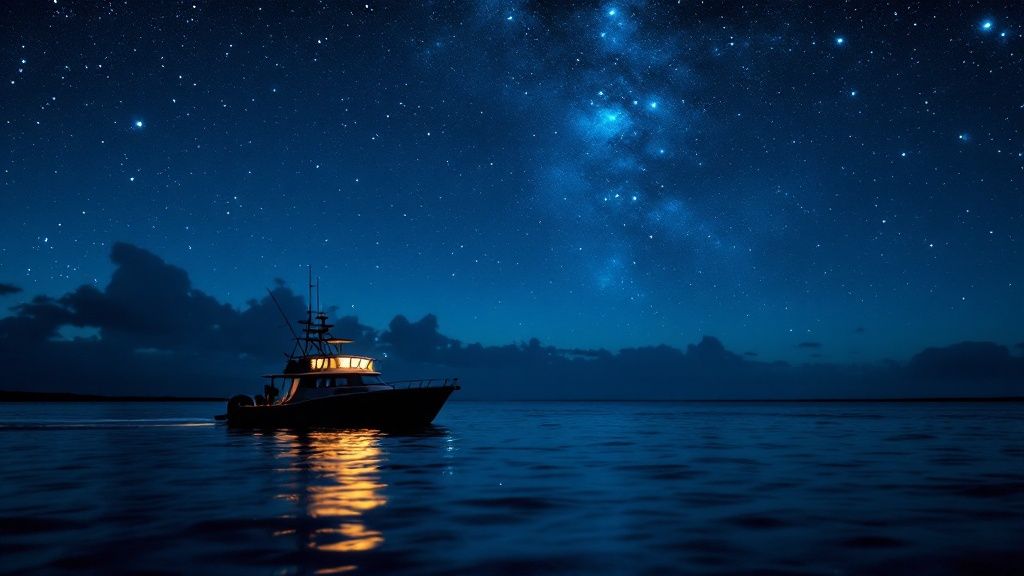
This guide is everything you need to know to book and prepare for this unbelievable "underwater ballet." We'll dive into why Kona is the global hotspot for this adventure, what you can expect on your tour, and how to get ready for a night you'll be talking about for years to come.
What Makes This Dive So Special?
The manta ray night dive Kailua Kona is more than just a typical scuba trip; it's like watching a perfectly choreographed natural wonder unfold right before your eyes. Unlike encounters in other parts of the world, Kona’s manta population doesn't migrate and has figured out that the divers' lights mean an easy, concentrated meal.
The setup is brilliantly simple, and it works like a charm:
- Dive operators set up a powerful, stationary light source on the ocean floor, often called "the campfire."
- This bright light attracts massive clouds of plankton, which is the mantas' favorite food.
- The mantas show up for the all-you-can-eat buffet, performing graceful barrel rolls and swoops to filter the plankton out of the water.
This incredible interaction lets you watch the mantas' natural feeding behavior from just inches away. It’s a serene, exhilarating, and deeply moving experience that connects you with one of the ocean's most majestic creatures. You can get more details on what the night is like by checking out our guide to the manta ray night dive in Kailua Kona.
A Reliable and Awe-Inspiring Encounter
One of the best parts about this dive is just how reliable it is. To give you a snapshot of what to expect, here are the key details in one place.
Kona Manta Ray Night Dive At A Glance
| Aspect | Details |
|---|---|
| Sighting Success Rate | An incredible 85-90%. It's one of the most dependable big animal encounters anywhere. |
| Average Manta Wingspan | Typically 12 feet or more. Some of the resident giants are even bigger! |
| Dive Depth | A comfortable and shallow 30-40 feet, perfect for divers of all levels. |
| Bottom Time | You'll get about 45-60 minutes of bottom time to soak in the entire spectacle. |
With numbers like these, it’s easy to see why this dive is on every scuba enthusiast's bucket list. The combination of shallow depths and long bottom times means you get maximum opportunity to witness the mantas' mesmerizing dance.
Why Kona Is The World’s Premier Manta Ray Destination
Let’s be clear: Kailua-Kona isn't just a good place to see manta rays. It's the best spot on the entire planet for this kind of encounter, and that’s not an accident. The Kona coast has the perfect storm of unique ecology, a healthy resident manta population, and smart tourism that makes the magic happen night after night.
Unlike other famous dive destinations where mantas are just passing through, Kona is home to a large, year-round population of reef manta rays (Mobula alfredi). They live here. This means the manta ray night dive Kailua Kona is a spectacular show you can catch any time of year, something very few places can claim.
So what's the secret? It all comes down to food. The currents and underwater landscape along the Kona coast are basically a perfect recipe for massive blooms of zooplankton, the mantas' favorite meal. This all-you-can-eat buffet keeps them happy, healthy, and hanging out right near the shore.
The Brilliant "Campfire" Technique
Decades ago, a simple observation changed everything. A hotel lit up its oceanfront patio, and suddenly, the lights were swarming with plankton. Right behind them? The manta rays, showing up for a nightly feast. It didn't take long for dive operators to realize they could create this effect anywhere.
This gave birth to the "campfire" method we still use today:
- Powerful Lights: We sink powerful, eco-friendly lights onto the ocean floor.
- Plankton Magnet: The lights act like a massive bug zapper in reverse, pulling in clouds of microscopic plankton from all around.
- Dinner Bell: The mantas, being smart creatures of habit, know exactly where to show up for their concentrated meal.
This simple but ingenious trick doesn't just attract the mantas; it brings them right to us. They perform their incredible underwater ballet of barrel rolls and graceful swoops just inches from your face. To get a better feel for how this all works, check out our guide on what the manta ray night dive is all about.
Two Premier Dive Sites One Unforgettable Experience
This nightly phenomenon is so reliable that it has created two world-famous dive locations. It’s no wonder roughly 80,000 people come out on these tours every single year. The two main sites each offer a slightly different vibe for divers and snorkelers.
Manta Heaven (Garden Eel Cove): Located just north of Kailua-Kona, this site is legendary for attracting huge groups of mantas. The ocean conditions here can be a bit more dynamic, which just adds to the thrill.
Manta Village (Keauhou Bay): You'll find this spot south of town, tucked into a calmer, more protected bay. This makes it a fantastic choice if it’s your first night dive, if you’re snorkeling, or if you tend to get a little seasick.
At both locations, the success rate for seeing mantas is ridiculously high, often topping 90%. That kind of reliability is exactly why the Kona manta dive is a true bucket-list experience for anyone who loves the ocean.
Here in Kona, we’re also committed to keeping this natural wonder thriving through responsible tourism. Local operators stick to strict guidelines—like the critical "no touching" rule—to protect the mantas' delicate skin and natural behavior. This approach ensures Kona isn't just the best place to see mantas, but also the most ethical.
Choosing Your Manta Ray Tour With Kona Honu Divers
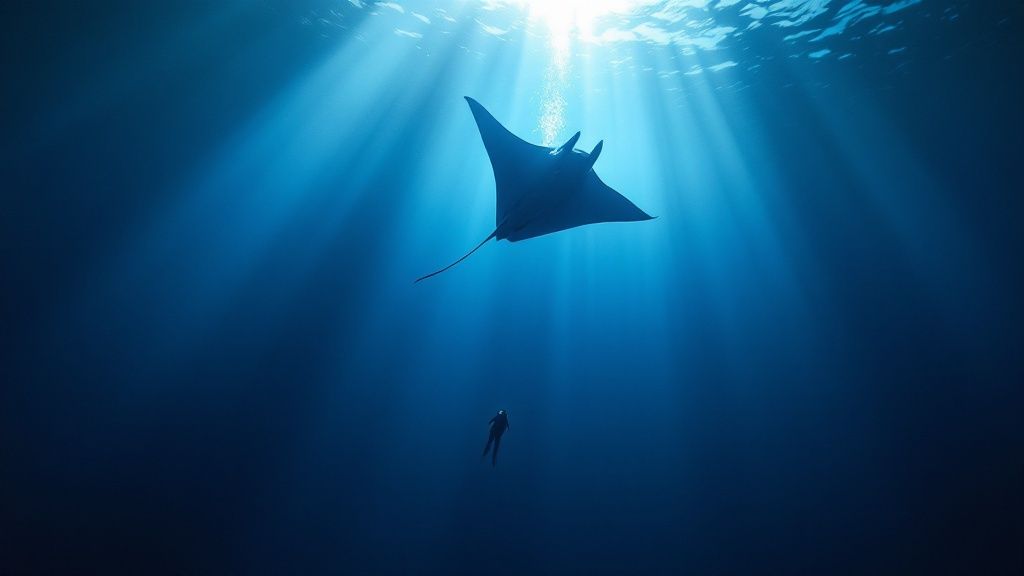
When you're planning a bucket-list experience like the manta ray night dive in Kailua Kona, who you go with matters just as much as what you'll see. The right crew makes the difference between a good dive and an unforgettable one. That's where Kona Honu Divers comes in. They've earned their spot as a top operator by keeping groups small, prioritizing safety, and showing a genuine passion for the ocean and its creatures.
One of the biggest factors in a great manta dive is group size. Some outfits pack their boats, turning the dive site into an underwater crowd. Kona Honu Divers does things differently, focusing on a more personal and less chaotic adventure. It's a simple philosophy that pays off big time—you get a front-row seat to the manta ballet without bumping elbows with a dozen other divers.
This small-group approach also means their experienced divemasters can give you more one-on-one attention, making sure you feel safe and confident from the second you step on the boat.
The Kona Honu Divers Difference
So, what really sets a trip with Kona Honu Divers apart? It boils down to their deep local knowledge and a perfectly crafted dive plan. These aren't just guides leading you into the water; they're ocean fanatics who know Kona’s reefs and the resident mantas like the back of their hand.
It’s not uncommon for them to point out a regular visitor, identifying a manta by its unique belly spots and sharing a bit of its history. This kind of personal touch turns an amazing spectacle into a meaningful connection. That dedication to a better, safer, and more interesting dive is why people rave about their experience.
Two Dives In One Unforgettable Trip
Here’s a major reason to book with Kona Honu Divers: their signature 2-Tank Manta Dive tour. This isn't just a quick out-and-back trip for the main event. It's a full evening that gives you way more bang for your buck and a much deeper look into Kona's incredible underwater world.
The two-tank adventure is structured perfectly:
- The Twilight Reef Dive: Your first dive starts as the sun begins to dip below the horizon. You'll explore a gorgeous Kona reef, watching the whole ecosystem change shifts—daytime fish find places to hide while nocturnal critters like eels and octopuses start to emerge.
- The Sunset Surface Interval: Back on the boat, you'll grab some snacks, relax, and watch a classic Kona sunset while the crew gets everything ready for the main attraction.
- The Manta Ray Night Dive: For the second dive, you descend back into the darkness for the world-famous manta show. You get to experience the same reef in two completely different ways.
With the two-tank trip, you get two distinct dives in one evening. You're not just seeing the mantas; you're seeing the reef come alive as day turns to night. It makes the whole experience richer and far more rewarding.
This clever itinerary really makes the most of your time in the water. You get to see the full picture of the Big Island's biodiversity, from the creatures waking up at dusk to the majestic mantas soaring overhead just a short while later. If you're ready for the full experience, it's easy to check their schedule.
What To Expect On Your Night Dive Adventure
That buzz of excitement you’re feeling? It’s a huge part of the fun, and knowing exactly how your **manta ray night dive in Kailua Kona** will unfold just builds the anticipation. The whole evening is designed to be an incredible, seamless memory, from the moment you step onto the boat until you’re sipping hot chocolate on the ride home.
Your adventure kicks off at the harbor. The friendly Kona Honu Divers crew will welcome you aboard one of their custom dive boats. Once you’ve settled in, they'll give you a full rundown of the evening's plan.
The All-Important Pre-Dive Briefing
Listen up, because this isn't just any old dive briefing. This is where you learn how to make the magic happen safely and responsibly. Your divemasters will go over everything—boat safety, dive procedures, and most importantly, how to be a good guest in the mantas' world.
Here’s what they’ll cover:
- The Dive Plan: They'll walk you through the descent, how long you'll be on the bottom, and the plan for coming back up.
- Manta Etiquette: This is key. You'll learn the rules for being a respectful, passive observer.
- Safety Signals: A quick refresher on hand signals makes sure everyone can communicate clearly underwater.
This is the perfect time to ask any questions you might have. Seriously, there are no bad questions. The crew's expertise will put even the most nervous diver at ease.
Setting The Stage: The Underwater Campfire
Once you reach the dive site, the crew begins to set the stage. They'll lower a powerful, specially designed light rig down to the sandy bottom, about 30-40 feet deep. Think of it as an underwater "campfire" that acts as a dinner bell for the entire reef.
As soon as that light flicks on, it starts attracting swarms of microscopic plankton. The light creates a thick, shimmering cloud of the mantas' favorite meal, essentially setting up a buffet for the stars of the show. It's a brilliantly simple idea that has made Kona's manta encounter a world-famous phenomenon.
With the buffet open, it's your turn to gear up and hit the water. You'll descend as a group with your divemaster, heading for the glow.
Your job in this amazing spectacle is simple: be a good audience member. Divers settle in a semi-circle on the sandy bottom around the light. You’ll hang onto a rock or a weighted line to stay put, then just look up and wait for the show to start.
The Main Event: A Dance Of Giants
It won’t take long. First, a single, silent shadow might glide into the light. Then another. Before you know it, the water above is filled with massive manta rays, some with wingspans over 12 feet, performing a graceful, looping ballet as they feed.
They'll swoop and barrel roll just inches from your mask. You can feel the gentle push of water as their enormous wings pass by. There’s really no way to describe the feeling of having a creature this big and majestic soar right over you—it's peaceful, thrilling, and humbling all at once. You'll spend about 45 minutes totally mesmerized as they effortlessly filter plankton from the water.
The most important rule of the night is the "no touching" rule. Manta rays have a delicate mucus coating on their skin that acts as their immune system, protecting them from infection. Touching them can strip this layer off, leaving them vulnerable to disease. Following this rule is absolutely vital to protect these gentle giants and keep this incredible experience a natural one.
When the dive is over, it’s back to the boat for a warm rinse, some hot chocolate, and an excited ride back to the harbor, replaying that unbelievable underwater dance over and over in your head.
Capturing The Moment And Making It Unforgettable
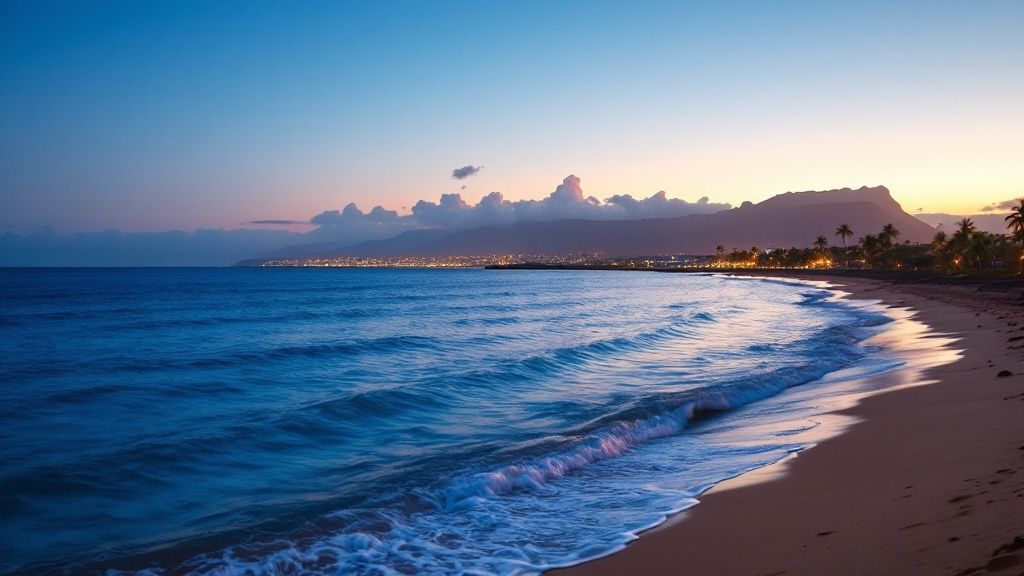
A little bit of prep work can be the difference between a great dive and an absolutely perfect one. To really lock in the best possible manta ray night dive in Kailua Kona, you’ll want to think about your personal comfort and your photo goals. Getting these details sorted out beforehand means you can just relax and soak in the underwater magic when the time comes.
This all starts before you even step on the boat. Pay close attention during the dive briefing—it’s not just fluff. The crew will lay out all the critical safety info and the right way to interact with the mantas so everyone (including the rays) has a good time.
Tips For A Perfect Experience
How comfortable you are on the boat and in the water makes a huge difference in how much fun you'll have. That ocean air gets surprisingly chilly after the sun goes down, especially after you've been submerged for a while.
A few simple things can be game-changers:
- Bring a Warm Jacket: You'll be so glad you have a dry towel and a warm jacket or sweatshirt for the boat ride back. Trust us on this one.
- Prevent Seasickness: If you're even a little prone to motion sickness, pop some medication before the trip. Feeling good on the boat sets the tone for the whole amazing evening.
- Stay Hydrated: Guzzle water throughout the day before your dive. Being properly hydrated cuts down on fatigue and just makes everything more comfortable.
The single most important tip? Listen—really listen—to the crew's briefing. They're giving you the playbook for a safe, ethical, and mind-blowing encounter. Following their lead is the best way to protect both the divers and these magnificent manta rays.
Underwater Photography And Videography Tips
Nailing that perfect shot of the manta ray ballet is a challenge, but a seriously rewarding one. You're dealing with low light and constant motion, so you need a specific game plan. Whether you've got a GoPro or a full-blown DSLR rig, a few tweaks can elevate your photos from blurry memories to frame-worthy art.
Besides your camera, a good light source is absolutely critical.
- Lights are Essential: A powerful video light or an external strobe is a must-have, not a nice-to-have. Your camera's built-in flash just won't cut it. It will light up all the tiny particles in the water right in front of your lens, creating a blizzard of "backscatter" that ruins your shot.
- Positioning is Everything: Let the mantas come to you. Settle into a good spot on the sandy bottom and point your camera up. This angle lets you capture their bright white bellies, which reflect light beautifully and show off their unique spot patterns. Chasing them is a big no-no; you'll just end up with blurry photos of their tails.
- Camera Settings: A good starting point is a high ISO (think 800-1600), a wide-open aperture (like f/2.8-f/5.6), and a shutter speed of at least 1/125s to freeze their graceful swoops. From there, you can adjust based on your specific camera and how the conditions look that night.
By prepping for your own comfort and getting your photo gear dialed in, you're setting yourself up for an adventure you'll never forget. Once you're ready, the next step is to lock in your spot for this bucket-list dive.
Meet Kona’s Resident Manta Ray Population
The **manta ray night dive in Kailua Kona** isn’t just some random wildlife encounter. It’s way more personal than that. You’re actually meeting a well-known community of local manta rays, each with its own story.
This isn't like seeing anonymous animals in the wild. You’re being introduced to a resident population, and many of them have known personalities and histories. It completely changes the experience from just another cool dive to a truly meaningful interaction. You're not just seeing a manta ray; you might be meeting a local celebrity.
Like a Fingerprint, Each Manta Is Unique
So, how do we tell them apart? The secret is on their bellies.
Marine biologists and seasoned divemasters can identify individual mantas by the unique spot patterns on their undersides. It works just like a human fingerprint—no two are the same. This allows us to know exactly who's showing up to the party each night.
This simple fact transforms the entire dive. Instead of just watching a graceful animal, you could be face-to-face with an individual we've known for years. You might meet famous regulars like "Big Bertha," "Lefty," or "Ray Charles."
This unique identification system does more than just add a personal touch. It’s the foundation of critical conservation research, letting scientists track the population's health, movements, and social lives over decades.
When you understand this, the dive takes on a whole new meaning. Your participation in a responsible tour directly supports these ongoing efforts to protect these incredible animals.
A Thriving and Well-Documented Community
The long-term research here in Kona has uncovered a pretty amazing social scene. So far, scientists have identified and cataloged nearly 200 individual manta rays just by their belly spots.
While you won't see all of them at once, it's not uncommon to spot more than 20 different individuals on a good night. The record is a mind-blowing 36 mantas joining the feeding frenzy in a single dive! This incredible density is what makes Kona the undisputed best place in the world to see mantas. You can learn more about the research behind the Kona manta ray night dive to really appreciate the science behind the show.
This constant monitoring helps us maintain the delicate balance needed for the nightly manta ballet to continue. By booking a dive, you’re not just a spectator—you’re playing a small part in a much larger conservation story.
Frequently Asked Questions
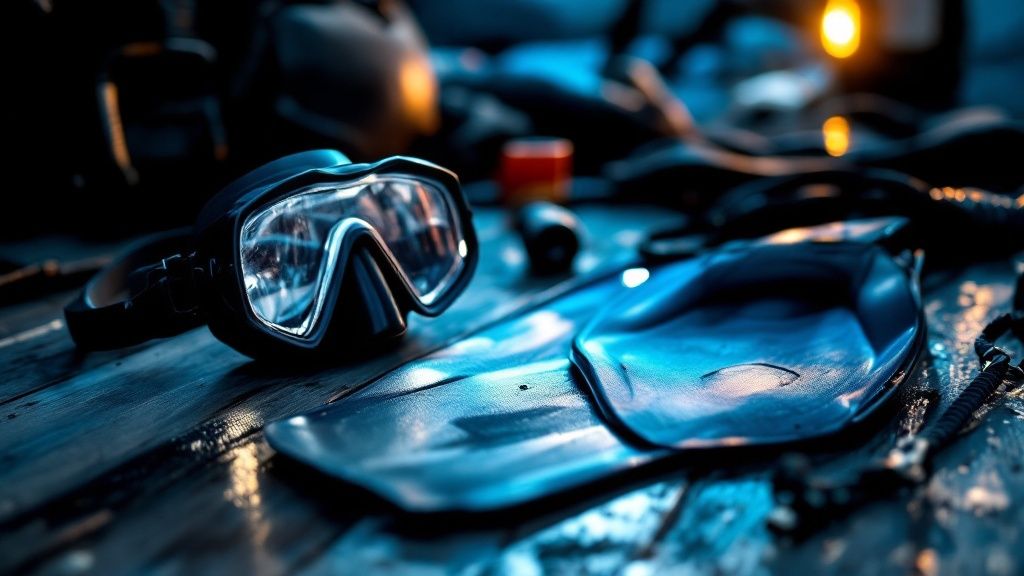
As you get ready to book your manta ray night dive Kailua Kona adventure, a few questions are bound to pop up. We get it. You want to know exactly what you're signing up for. Here are the answers to the most common things we're asked by our guests before they commit to this incredible experience.
Do I Need To Be Scuba Certified?
Nope, not at all! While getting scuba certified opens up a whole different world, you absolutely don't need it to see the mantas. Snorkeling is just as mind-blowing.
Snorkelers get a bird's-eye view from the surface. You'll hold onto a custom-made float board that has powerful lights pointing down into the water. These lights are like a dinner bell, attracting plankton and bringing the manta rays right up to you for an unforgettable show.
Is The Manta Ray Night Dive Safe?
Yes, it's incredibly safe. That’s probably the number one concern people have, and it’s a fair question! But manta rays are true gentle giants. They have zero teeth, no stingers, and no barbs—they are completely harmless to people and cruise around eating nothing but microscopic plankton.
The real safety focus is on standard water procedures. A top-notch operator like Kona Honu Divers will have a flawless safety record, with experienced divemasters and licensed captains who make sure everything is locked down and secure, both on the boat and in the water. For a deeper dive on this, check out our guide on what you should know about the Kona manta ray dive.
What Is The Best Time Of Year To See The Mantas?
This is the best part: there isn't one. The manta rays that live here are a resident population, which means they stick around Kona all year.
Seriously, the sightings are consistent no matter which month you decide to visit. That's what makes the manta ray night dive Kailua Kona one of the most reliable and amazing wildlife encounters on the planet. You can pretty much book it whenever you want.
Will I Get Cold During The Dive?
The Pacific water here is pretty comfortable, usually between 75-80°F (24-27°C). But since you'll be in the water for about 45-60 minutes at night, we make sure you stay warm. Most tour operators provide thick, quality wetsuits, usually 5mm or even thicker.
These wetsuits do a fantastic job of keeping the chill out while you're in the water. That said, the boat ride back to the harbor can feel pretty brisk after a night swim. We always tell our guests to bring a warm jacket and a dry towel for the ride home—it makes a huge difference.
Ready to see this underwater ballet with your own eyes? At Kona Honu Divers, we focus on small groups, expert guides, and a serious commitment to safety and conservation. Book your spot today and get ready for an adventure you’ll never forget.