
Picture this: you slip into the warm, dark Pacific Ocean as the sun disappears. Below you, powerful lights cut through the deep blue, creating what looks like an underwater stage. Then, out of the darkness, they glide in—giant, graceful manta rays, soaring and swooping in an incredible, silent ballet. This is the magic of the manta ray night dive in Kailua Kona, an experience that’s consistently voted one of the best wildlife encounters on the planet.
Witnessing Kona’s Underwater Ballet
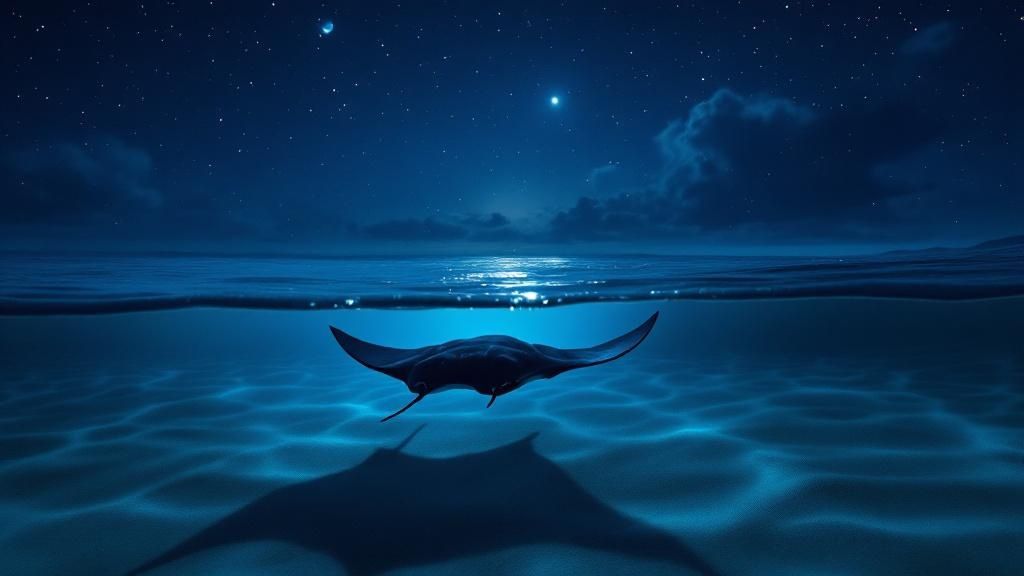
The Big Island is packed with amazing things to see and do, but very few moments compare to meeting these gentle giants after sunset. What makes the Kona coast so special is its resident population of reef manta rays. It's one of the most reliable places in the world to see them.
This guide will walk you through everything you need to know to plan your own adventure, from how it all works to picking the right crew to take you out. We’ll also introduce you to Kona Honu Divers, one of the top operators out there, known for their focus on safety, conservation, and making sure you have an epic time.
What Makes This Dive So Special?
Unlike a lot of wildlife tours that depend on migration seasons, you can do the manta ray night dive in Kailua Kona any time of year. The whole thing is built around a brilliantly simple idea: shine powerful lights into the water to attract swarms of plankton, which just so happens to be the mantas' favorite food. What happens next is a breathtaking feeding frenzy.
The crazy part is how reliable it is. The Kona Manta Ray Night Dive has a sighting success rate of over 85–90%, and some operators report seeing them more than 95% of the time. It helps that this area is home to a known population of over 450 individual manta rays, many with wingspans stretching over 12 feet.
You'll typically be at depths between 30 to 40 feet, which is perfect for hanging out and just taking in the show. You can learn more about the Kona manta ray night dive and its amazing statistics right here.
This isn't just another dive; it’s a front-row seat to one of nature’s most incredible performances. These massive creatures will do acrobatic barrel rolls just inches from your face. It's a connection that feels truly profound.
Whether you're an experienced diver or have never even snorkeled before, this is an adventure you can be a part of. Get ready for an experience that you’ll be talking about for years to come.
How the Manta Ray Night Dive Works
So, what’s the secret sauce that makes the manta ray night dive in Kailua Kona so mind-blowing? It’s a beautifully simple idea, really. The whole experience is designed around creating an underwater buffet that manta rays just can't turn down.
It all starts with light. Dive operators set up what we call an underwater ‘campfire.’ They place powerful, stationary lights on the ocean floor, shining straight up toward the surface. This bright light acts like a bug zapper for plankton, the tiny critters that are the manta ray's favorite meal.
Once the plankton start swarming the light beams, the mantas show up for dinner. Your job, whether you're diving or snorkeling, is to hang back and be a quiet, respectful audience for this incredible show.
What to Expect as a Diver vs. a Snorkeler
The setup is brilliant, giving everyone the best possible view without disturbing the animals. Here’s the breakdown:
- For Divers: You’ll follow your guide down to a spot on the sandy bottom, usually about 30 to 40 feet deep. You'll then kneel or sit in a circle around the main light source, creating a kind of underwater amphitheater.
- For Snorkelers: You'll stay on the surface, holding onto a big, custom-built raft or board. These boards have their own lights pointing down, drawing the plankton right up to you.
No matter where you are, you’ve got a front-row seat. The mantas glide, swoop, and do these insane barrel rolls, sometimes just inches from your face, as they filter mouthfuls of plankton-rich water. It's an absolutely stunning display of grace and power.
Why You're Almost Guaranteed to See Mantas
This isn't a hit-or-miss encounter. The reason it’s so reliable is because Kona has a well-known and studied population of resident manta rays. Over the years, local researchers and dive operators have identified nearly 200 individual mantas here.
How? Each manta has a unique pattern of spots on its belly, like a fingerprint. This allows us to track them, monitor their health, and learn their behaviors. Some nights you might see a handful of mantas, but it's not uncommon to have up to 20 different individuals show up. The record is something like 36 at once!
This deep connection to our local mantas is a huge part of what makes this so special. You can learn more about what the manta ray night dive is all about.
It’s this simple formula—light brings the plankton, plankton brings the mantas—that creates one of the most unforgettable and reliable marine encounters you can have anywhere on Earth, night after night.
Choosing the Right Kona Manta Dive Site
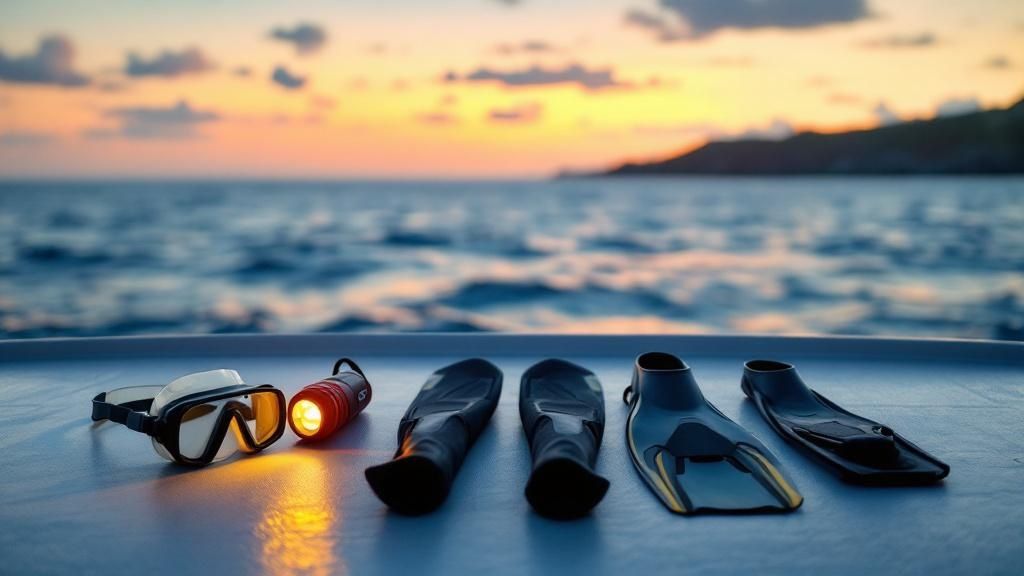
So, you’re ready to book a manta ray night dive in Kailua Kona and you'll find there are two world-famous spots where the magic happens. While both are incredible, they offer slightly different vibes. Knowing the difference helps set the right expectations for your big night.
The two go-to sites are Garden Eel Cove, also known as "Manta Heaven," and Keauhou Bay, which we call "Manta Village." Your tour operator is the expert here; they’ll pick the best spot based on that day’s ocean conditions and where the mantas have been hanging out. They want you to have an amazing show just as much as you do.
Making the right call is a big deal. With an estimated 80,000 people doing this manta ray dive every year, it’s a massive part of Kona's eco-tourism. The whole operation is built around giving you a safe, reliable, and totally unforgettable encounter. You can get more details on Kona's premier manta dive sites to see what makes them so special.
Garden Eel Cove (Manta Heaven)
Located just north of Kailua Kona, near the airport, Garden Eel Cove earned its nickname "Manta Heaven" for a reason. It's famous for attracting huge groups of manta rays. On a good night, it’s not crazy to see a dozen or more of these giants doing their graceful feeding dance. The sheer number of mantas here can be mind-blowing.
The trade-off? Its location is a bit more exposed, which means the water can get choppy sometimes. The boat ride might be a little more adventurous, but it's always perfectly safe with experienced crews.
Keauhou Bay (Manta Village)
Head south of town and you'll find Manta Village, tucked into the calm, protected waters of Keauhou Bay. This spot is often the top choice for people who are new to diving or snorkeling, get seasick easily, or just prefer a smoother boat ride.
While you might see slightly fewer mantas here on average compared to Manta Heaven, the encounters are just as personal and breathtaking. The sheltered bay makes for a super comfortable and predictable experience, which is why a lot of operators and guests love it.
Here’s a quick breakdown to help you compare the two legendary spots.
Kona Manta Ray Dive Site Comparison
| Feature | Garden Eel Cove (Manta Heaven) | Keauhou Bay (Manta Village) |
|---|---|---|
| Location | North of Kona (near the airport) | South of Kona |
| Typical Manta Count | Higher average numbers | Consistently good, but fewer |
| Ocean Conditions | More exposed, can be choppy | Very protected and calm |
| Best For | Adventurous types, photographers | Beginners, families, prone to seasickness |
| Boat Ride | Can be a bit rougher | Short and smooth |
At the end of the day, there's no bad choice. You really can't go wrong with either site.
Reputable operators like Kona Honu Divers have years of local knowledge and make the right call night after night. They keep a close eye on conditions and manta activity to put you right in the middle of the action. It's that expertise that keeps divers coming back year after year for another chance to see these gentle giants.
How to Prepare for Your Manta Ray Adventure

Getting ready for your manta ray night dive in Kailua Kona is pretty simple, but a little bit of planning goes a long way. When you show up prepared, you can just relax and let the magic of the evening happen without stressing about the small stuff.
The good news is your tour operator handles all the heavy lifting. A solid company will provide all the essential scuba gear, wetsuits, lights, and usually some snacks and drinks to keep you going. All you really need to do is pack a small bag and bring your sense of wonder.
What to Bring on the Boat
Just think of it like you're packing for a cool evening boat ride after a day at the beach. A few key items will make the trip way more comfortable, especially after you get out of the water.
- Swimsuit: The easiest thing to do is just wear it under your clothes when you head to the harbor.
- Towel and a Change of Clothes: You'll definitely want to dry off and slip into something comfy and dry for the ride back to shore.
- Warm Jacket or Sweatshirt: This is a non-negotiable. Even in Hawaii, the night air on the ocean can get surprisingly chilly once you're out of the water.
- Motion Sickness Medication: If you even think you might get seasick, take something about an hour before you get on the boat. The boat will be anchored and rocking gently with the waves, which is enough to bother some people.
Remember, the whole point is to be a comfortable observer. The more prepared you are for the elements, the more you can focus on the incredible underwater ballet happening right in front of you.
Skill Requirements for Divers and Snorkelers
One of the coolest things about this whole experience is how accessible it is. You don't have to be a seasoned dive pro to get in on the action, which is a big part of why you should go on a manta ray dive in Kona.
For scuba divers, the dive itself is quite shallow—we're talking 30-40 feet—and you're not even moving around. You’ll find a spot on the sandy bottom, settle in, and watch the show unfold above you. This makes it a perfect night dive for literally any certified diver, even if you just got your Open Water card last week. The experience is just one of many scuba diving tours in Kona, Hawaii.
Snorkelers get an equally mind-blowing view from the surface. You'll hold onto a custom-built light board that floats on the water. This board shines powerful lights down, attracting the plankton and, in turn, bringing the mantas right up to you for a snack. It's a fantastic way for non-divers to get a front-row seat to one of nature's greatest shows.
With just a little prep, you're all set for an unforgettable night with Kona's gentle giants.
Manta Ray Safety and Conservation
The key to a truly unforgettable manta ray night dive in Kailua Kona boils down to one simple idea: respect. The entire experience is built around a single golden rule: passive observation. Think of yourself as a quiet, calm witness to an incredible underwater ballet.
This isn't just about being polite; it's critical for the mantas' health and your own safety. Manta rays have a thin, protective layer of mucus covering their skin, which is their first defense against nasty bacteria and infections. If you touch them, even by accident, you can wipe off that coating and leave them open to getting sick.
The Dos and Don'ts of Manta Interaction
Every reputable operator will drill you on the rules before you even get in the water. That pre-dive briefing is the most important part of the whole tour, so listen up! Following your guide's instructions is non-negotiable and ensures the experience is sustainable for years to come.
Here’s what you need to remember:
- Don't Touch: This is the big one. Never, ever touch, chase, or try to ride a manta. If they get close, it's on their terms.
- Don't Block Their Path: Give them room! These are massive, graceful animals, and they need a clear path to swim and feed. Don't be a roadblock.
- Stay in Your Zone: Divers belong on or near the sandy bottom. Snorkelers stay flat on the surface. This keeps the whole middle part of the water column open for the mantas to do their amazing barrel rolls.
When you stay still and calm, you're signaling to the mantas that you're just part of the scenery, not a threat. That’s what leads to those magic moments when a giant glides just inches over your head.
The most breathtaking encounters happen when you become part of the environment, not an intruder. The mantas' comfort is paramount, and when they feel safe, they put on their most spectacular show.
Choosing a Conservation-Minded Operator
Picking a dive company that genuinely cares about conservation is a huge deal for the future of Kona's manta population. The best operators aren't just tour guides; they see themselves as stewards of the ocean. They educate their guests, stick to the rules, and help make sure this incredible natural wonder is around for a long, long time. If you want to dive deeper into what makes for consistent sightings, you can learn more about the best time of year to see manta rays in Kona.
This commitment to safety and conservation isn't just for the manta dive. It applies to other unique Big Island adventures, too. For certified divers looking for a different kind of thrill, experiences like the mysterious Kona Blackwater dive or challenging advanced dives are run with the same strict safety protocols, protecting Hawaii's marine world while delivering mind-blowing experiences.
Your Manta Ray Night Dive Questions Answered

Planning an adventure like the manta ray night dive Kailua Kona is exciting, but it’s totally normal to have a few questions bubble up. We get it. To make sure you feel 100% ready for the experience, we’ve put together answers to the questions we hear the most. This way, you can book your tour with confidence and focus on the amazing encounter ahead.
Do I Need to Be a Certified Scuba Diver to See the Manta Rays?
Nope! You definitely don't need a scuba certification to witness this incredible underwater ballet. While diving gets you a fantastic view from the ocean floor, snorkeling is just as popular and offers a breathtaking perspective of its own.
Good tour operators like Kona Honu Divers are set up perfectly for both. Snorkelers get to float on the surface, holding onto a specially designed light board. These boards blast powerful beams into the water below, attracting plankton and luring the mantas right up to the surface for dinner. You get an amazing bird's-eye view, making this adventure accessible to pretty much everyone.
Is the Manta Ray Night Dive Safe?
Yes, absolutely. When you go with a professional, reputable company, the manta ray night dive is considered exceptionally safe. For the crews running these tours, the safety of guests and the mantas is always the top priority.
Manta rays are true gentle giants of the sea—they have no teeth, no stingers, and no barbs. The biggest risk is that one might accidentally bump into you, which is why listening to your guide is so important. The dive sites are shallow, the area is well-lit by the boats, and the experienced crews run you through a detailed safety briefing before you even touch the water.
What Is the Best Time of Year for the Manta Ray Dive?
This is one of the best parts about the Kona experience: you can do it any time of year. Unlike a lot of wildlife tours that depend on seasonal migrations, Kona is home to a resident population of reef manta rays that stick around all year long.
That means the best time to go is whenever your vacation brings you to the Big Island. The success rate for sightings stays incredibly high, no matter the season.
Pro Tip: We always recommend booking your manta tour for one of the first few nights you're on the island. While it's rare, if bad weather forces a cancellation, this gives you a buffer to reschedule without missing out.
What Happens If No Manta Rays Show Up?
Look, these are wild animals in their natural home, so sightings for the manta ray night dive Kailua Kona can never be 100% guaranteed. That said, the encounters are incredibly reliable, with success rates often hitting over 90%.
Still, the best tour operators know that nature is unpredictable and usually offer a "manta guarantee." A company like Kona Honu Divers, for example, will typically let you come back on another night, free of charge, if the mantas decide not to show. Just make sure you confirm the specific policy with whatever operator you choose when you book.
Ready to book this once-in-a-lifetime adventure? We're here to help you get it on your calendar.
At Kona Honu Divers, our passion is creating a safe, respectful, and absolutely unforgettable encounter with Kona's majestic manta rays. Join our expert crew for an evening you'll be talking about for years to come. Find out more about our world-famous manta ray dive and snorkel tours.