
Picture this: you're floating in the warm, dark Pacific Ocean as massive, gentle giants perform a silent underwater ballet just inches below you. This isn't a scene from a nature documentary—it's the world-famous manta ray night dive in Kailua Kona, and it's an experience that belongs on every adventurer's bucket list. This guide is packed with insider tips to help you prepare for what is truly an almost spiritual encounter.
So, What Makes This Kona Dive So Magical?
The Kona coast of the Big Island is known around the globe as the place for manta ray encounters, and for good reason. In many other spots, seeing a manta is a lucky, hit-or-miss event. Here, it’s remarkably consistent, thanks to the unique underwater landscape and nutrient-rich waters that create a perfect feeding ground for a local population of reef manta rays.
This isn't just another dive. It's more like an immersive light show where you get a front-row seat. Divers and snorkelers hold onto a light board, and those powerful lights attract swarms of plankton—the manta rays' favorite meal.
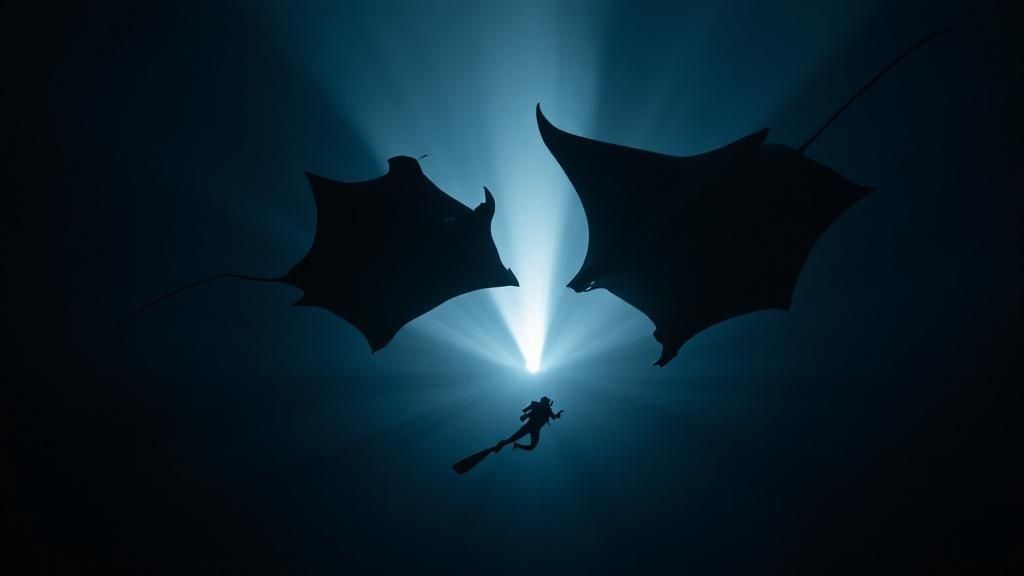
What happens next is pure magic. These graceful creatures, some with wingspans stretching over 12 feet, glide, swoop, and barrel roll through the light beams to feast. The feeling of being so close to these gentle giants is something you'll never forget.
An Encounter That Rarely Disappoints
One of the most incredible things about the manta ray night dive in Kailua Kona is just how reliable it is. These trips have an insanely high success rate, with sightings on over 85% to 90% of nights. That means you have a fantastic chance of witnessing this majestic spectacle. Want to know more? Check out our article on why you should go on a manta ray dive. https://konahonudivers.com/why-should-you-go-on-a-manta-ray-dive-in-kona/
While the mantas are the undisputed stars of the show at night, Kona's underwater world is just as vibrant during the day. For a different but equally amazing look at the area's marine life, check out The Ultimate Guide to Captain Cook Kona Snorkeling.
Choosing Your Manta Dive Site in Kailua Kona
When you're gearing up for a manta ray night dive in Kailua Kona, you've got two world-class options to choose from. Each one offers a slightly different vibe, and the best fit for you really boils down to your comfort level in the water and the kind of underwater show you’re hoping for.
The two main hotspots are Garden Eel Cove (aka Manta Heaven), which is north of town near the airport, and Keauhou Bay (aka Manta Village) to the south. Both can deliver incredible nights, but they aren’t created equal.
If you want to dig deeper into the nuances, you can check out more details about the differences between Kona's manta ray dive sites on our blog.
Manta Heaven (Garden Eel Cove)
Just north of Kailua-Kona, you’ll find the legendary Manta Heaven. It earned its name for a reason—this spot is famous for attracting huge congregations of manta rays. On a really good night, you might see a dozen or more swooping and gliding through the lights in their mesmerizing feeding ballet.
The trade-off? This site is more exposed to the open ocean. That means the surface can get choppy, making for a bumpier boat ride and potentially more challenging conditions once you're in the water.
- Best for: More experienced divers and confident swimmers who are all about maximizing their chances of seeing a massive group of mantas.
- Keep in mind: The boat ride is a bit longer, and the ocean conditions can be less predictable than the other site.
Manta Village (Keauhou Bay)
Head south of town and you’ll find Manta Village, nestled in the calm, protected waters of Keauhou Bay. This spot is known for its consistently glassy conditions, which is a huge plus.
Because it’s so sheltered, it's the perfect choice for first-time night divers, families, and snorkelers who want a gentle experience. You might see slightly fewer mantas here than at Manta Heaven, but the encounters are just as magical and often incredibly close.
Manta Village is the original manta ray night dive location and has a reputation for being slightly more consistent for sightings, even if the total number of rays is smaller.
It’s a reliable and comfortable choice for just about everyone.
For a quick breakdown, here’s how the two premier manta ray dive sites in Kailua Kona stack up against each other.
Manta Ray Dive Site Comparison
| Feature | Garden Eel Cove (Manta Heaven) | Keauhou Bay (Manta Village) |
|---|---|---|
| Location | North of Kona, near the airport | South of Kona town |
| Typical Conditions | More exposed, can be choppy | Very sheltered and calm |
| Manta Ray Numbers | Potentially larger groups (10+ common) | Consistently good, often fewer numbers |
| Boat Ride | Typically longer (20-30 minutes) | Shorter (5-15 minutes) |
| Best For | Experienced divers, adventure seekers | Beginners, snorkelers, families |
| Reliability | Good, but more weather-dependent | Very high, due to protected bay |
Ultimately, you can't go wrong with either location. Both offer a front-row seat to one of nature's most spectacular displays. It just comes down to choosing the adventure that feels right for you.
How to Prepare for Your Manta Adventure
A little bit of prep work can be the difference between a good manta ray night dive in Kailua Kona and an absolutely unforgettable one. If you think ahead just a little, you'll be more comfortable, confident, and ready to soak up every single second of the underwater show.
Before you even get to the boat, tossing a few things in your bag will make a world of difference when you get out of the water. Trust me, the air feels a lot colder after a night dive, even in Hawaii.
- A warm change of clothes: You will be so glad you brought a sweatshirt or jacket for the ride back to the harbor.
- A dry towel: This is non-negotiable. Getting dry and warm quickly is the key.
- Reef-safe sunscreen: If your trip leaves before sunset, you'll still need to protect your skin from that late afternoon sun.
Once you’re on board, the single most important part of your prep is the pre-dive briefing. Don't tune this out! It's not just a formality—it’s the game plan for a safe and respectful encounter.
Pay Close Attention to the Briefing
Your guides are going to cover everything from safety procedures to the golden rule of manta diving: never, ever touch the mantas. These amazing creatures have a protective mucous layer on their skin, and our touch can strip it away, leaving them open to nasty infections. Listening up ensures the mantas stay safe and so does everyone else in your group.
It’s also totally normal to have some pre-dive jitters. I see it all the time—that mix of pure excitement and a few nerves. Just take some slow, deep breaths and think about the incredible experience you're about to have. Staying hydrated during the day helps, too.
Follow these simple tips, and you'll be relaxed and ready to fully lose yourself in the magic of the dive. Ready to get in the water?
What to Expect During the Underwater Light Show
The whole thing kicks off as the Hawaiian sun starts to dip, lighting up the sky. That boat ride out to the dive site is half the fun, with everyone's excitement building as you cruise into the twilight. Once you get to the spot, you'll gear up and drop into the darkening water, which is surprisingly peaceful.
Down on the sandy bottom, usually about 30-40 feet deep, your group will settle in a circle. Everyone flicks on their powerful dive lights, aiming the beams straight up. You're basically creating a giant, glowing "campfire" on the ocean floor, a beacon in the blue.
This campfire of light is the secret sauce for the whole manta ray night dive Kailua Kona experience. It doesn't take long for the light to attract massive clouds of plankton—the tiny critters manta rays love to eat. Now, all you have to do is get comfortable, focus on your breathing, and wait for the main event.
The Grand Entrance
And then, it happens. You might just catch a massive, dark shape moving in the shadows at first. Then, like magic, a manta ray glides right into the light. The sheer size is something you have to see to believe, with wingspans that can stretch over 10 feet. It’ll swoop down with its huge mouth wide open, filtering plankton right over your head.
It’s an experience that hits all your senses. You'll hear the steady sound of your own breathing through your regulator, see the light beams cutting through the dark water, and feel that incredible sense of awe being inches from these gentle giants. They put on a silent ballet, doing graceful barrel rolls and loops above you.
Honestly, it's one of the most peaceful and mesmerizing things you'll ever witness. Your divemaster's main job is to keep everyone safely on the bottom so the mantas can do their thing undisturbed, giving you the best seat in the house.
You might even be seeing some local celebrities down there. Over 120 individual manta rays are identified along the Kona Coast each year, but it turns out the top 20 most-spotted mantas make up nearly 60% of all encounters. This tells us there's a core group of regulars who are totally used to the nightly light show. You can dive deeper into these cool Kona manta ray facts to see what makes these tours so reliable.
Booking Your Manta Dive with a Top Operator
Let's be real, your choice of dive operator can make or break this whole experience. It's easily the most important decision you'll make for your manta ray night dive Kailua Kona adventure. You want to go with a crew that lives and breathes safety, knows these waters like the back of their hand, and actually cares about protecting the mantas.
That's why we always point people toward Kona Honu Divers. These guys are the real deal, setting the gold standard for manta tours. Their crew has over 200 years of combined dive industry experience, and you can feel that professionalism the second you get on the boat. They are absolutely committed to ethical, sustainable diving that respects these incredible animals and their home.
Want a deeper dive into what separates the pros from the rookies? We've got a whole guide on the Kailua-Kona Manta Ray Night Dive that lays it all out.
Why an Experienced Crew Matters
A truly great crew does way more than just drive the boat and point out the mantas. They're the ones who give you a thorough, clear briefing so you know exactly what to expect. They handle all the little logistics you don't want to think about. And they share amazing stories and facts about the individual mantas you'll meet.
It's the little things, too. Think hot cocoa and warm showers waiting for you after the dive. That kind of attention to detail is what turns a good trip into an unforgettable one. It's why people come back to dive with Kona Honu Divers time and time again.
While the manta dive is an absolute must, don't forget that Kona's underwater world is packed with other incredible sights. You can check out a huge variety of other awesome scuba diving tours in Kona to see what else the Big Island has hiding beneath the waves. For the ultimate adventure, consider the manta ray dive tours which combine the best of day and night diving.
For a truly wild experience, the Kona blackwater dive is a surreal journey into the deep ocean to see creatures that look like they're from another planet. And if you're a seasoned diver looking for a real challenge, you have to check out the advanced dive tours.
Frequently Asked Questions About the Manta Ray Night Dive
We get it. Planning a big adventure like the manta ray night dive Kailua Kona brings up a lot of questions. Let's clear up some of the most common ones we hear so you can book your trip feeling totally prepared.
Do I Need to Be a Certified Diver?
Nope, not at all! This is one of those rare, epic experiences that's truly for everyone.
If you're a certified diver, you'll get to hang out on the ocean floor, looking up as the mantas dance above you. But snorkelers get just as good a show—if not better sometimes! You'll float on the surface, holding onto a specially designed light board. The light draws in the plankton, and the mantas swoop right up to the surface to feed, often just inches away from you.
Is the Manta Ray Night Dive Safe?
Absolutely. When you go out with a professional, safety-conscious crew, this is a very safe activity.
Manta rays are true gentle giants of the sea. They have no teeth, no stingers, and no barbs. The biggest safety rules are simple: listen to your guide and don't touch the mantas. Every tour kicks off with a detailed safety briefing, making sure everyone knows how to interact respectfully and keep both themselves and the animals safe.
Key Takeaway: The golden rule is simple: look, don't touch. A manta's skin is covered in a protective mucous layer. Touching them can rub it off, leaving them exposed to nasty infections. Just relax, and let them put on their show.
What Is the Best Time of Year for This Dive?
Here's the best part—any time is a great time! Kona's resident manta ray population sticks around all year long, so you have a great chance of an amazing encounter no matter when you visit.
The success rate for seeing mantas is consistently over 90%, year-round. The water is always inviting, too, staying in that perfect 76-80°F (24-27°C) range.
If you want to get a better sense of what this underwater ballet is all about, check out our guide on what a manta ray night dive is.
Picking a top-rated operator like Kona Honu Divers is key. Their expert guides and serious commitment to marine conservation ensure you have an adventure that's not just incredible, but also ethical and safe.