
Picture this: you’re floating in the warm, dark Pacific as giant, gentle manta rays glide inches from your face, their massive wings silhouetted against the glow of underwater lights. This isn't a scene from a movie; it's the world-famous manta ray dive in Kona, a truly unforgettable experience that sits at the top of bucket lists worldwide. For good reason, too—it's consistently rated one of the most magical wildlife encounters on the planet.
Why This Kona Night Dive Is a Must-Do
The Kona coast of the Big Island isn't just a good place for a manta ray dive; it is the premier destination. What makes it so special is the incredible reliability of the sightings and the unique way the whole encounter is orchestrated. Over decades, a symbiotic relationship has formed between the tour operators and Kona's local manta ray population.
The process is brilliantly simple. After the sun dips below the horizon, boats head out to one of two main sites, affectionately known as "Manta Village" or "Manta Heaven." Once there, powerful lights are submerged in the water, creating what we divers call the 'campfire.' This light attracts massive clouds of plankton—the manta rays' favorite meal. Before you know it, the mantas arrive for the buffet, performing a graceful underwater ballet for everyone watching.
A Truly Unique Experience
Unlike manta encounters elsewhere in the world, which often happen at cleaning stations during the day, the Kona experience is all about feeding. This means you get to witness the mantas in their most active and dynamic state, swooping and barrel-rolling through the water with their cavernous mouths wide open. The consistency is just remarkable.
If you want to get into the nitty-gritty of what makes this so different from other dives, we've got a whole guide explaining the manta ray night dive in detail.
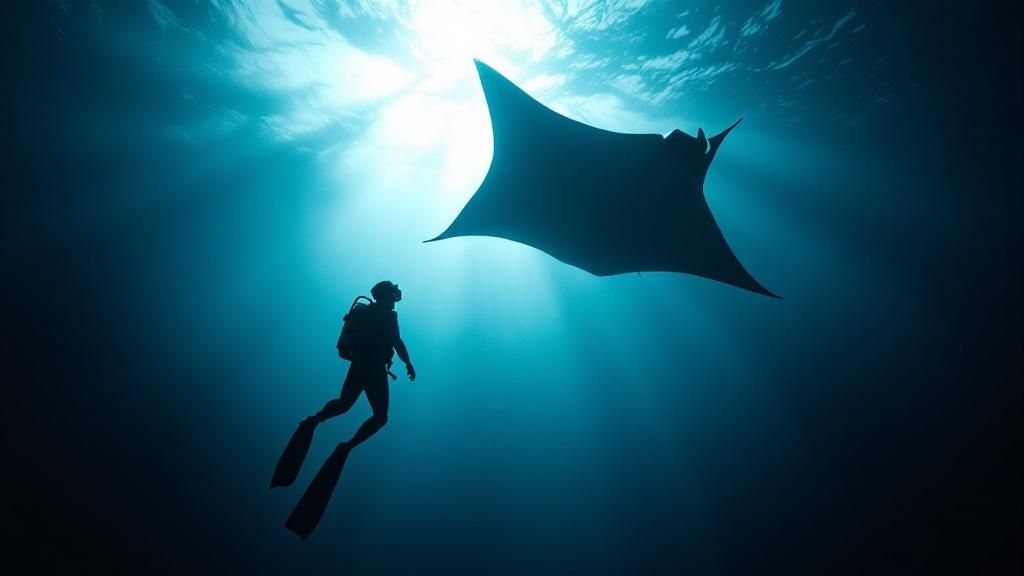
This incredible reliability has put the Kona Coast on the map globally for both diving and snorkeling with these gentle giants. The activity is so consistent it has even become a hotspot for scientific research. For example, between 2009 and 2014, underwater videographers recorded manta sightings nearly every single night at both Manta Village and Manta Heaven, carefully logging data on individual rays.
To give you a quick snapshot of what to expect, here's a little cheat sheet:
Kona Manta Ray Dive At a Glance
| Aspect | What to Expect |
|---|---|
| Location | Designated sites off the Kona Coast, Big Island |
| Depth | 25-40 feet (for divers) / Surface (for snorkelers) |
| Water Time | Approximately 45 minutes |
| Best Time | Year-round, after sunset |
| What You'll See | Manta rays feeding on plankton, often up close |
| Interaction | Passive observation only—no touching |
This table just scratches the surface of an experience that is truly hard to put into words.
What You Will See and Feel
It’s a feeling that’s tough to describe. You’ll board the boat as the sun sets, get a thorough safety briefing from the crew, and then motor out to the site. The moment you slip into that inky black water and see the glowing 'campfire' on the seafloor below is just breathtaking. Then, the first massive shadow appears out of the darkness.
Watching a creature the size of a small car glide effortlessly past you is a humbling and awe-inspiring moment. It’s an experience that connects you directly with the ocean's magic in a profound way.
Divers settle onto the sandy bottom, around 25-40 feet down, while snorkelers hold onto a custom floating raft right on the surface. Both spots offer spectacular, up-close views. The mantas aren’t shy at all; they soar directly over divers' heads and swoop right up towards the snorkelers, often coming within inches. It’s a completely passive, respectful observation that lets you become part of their world for about 45 minutes of pure, unadulterated wonder.
How to Choose the Right Manta Ray Tour
Picking the right operator for your manta ray dive in Kona is probably the most important decision you'll make for this adventure. This isn't just about finding the cheapest boat out there. It's about ensuring your encounter is safe, ethical, and truly unforgettable. With so many companies to choose from, knowing what to look for makes all the difference.
The manta ray dive is a huge deal here. We're talking about an industry that sees an estimated 80,000 people every year, making the Kona Coast the world's biggest hub for manta ray tourism. This popularity is no accident; it's built on incredibly reliable sightings, calm ocean conditions, and easy boat access to world-class sites like Manta Village and Manta Heaven. You can get a better sense of the massive scale of Kona's manta tours on news.outrigger.com.
Prioritizing Safety and Responsibility
Your first filter should always be safety and responsible practices. You want to go with a company that is serious about protecting the mantas. The best operators are completely transparent about their conservation efforts and stick to strict guidelines for passive observation.
One great, though now historical, indicator was the Manta Ray Green List. The program itself is no longer active, but operators who were on that list had already proven their commitment to sustainable tourism. These are the outfits that tend to keep group sizes smaller, give detailed briefings on manta-safe behavior, and have experienced, conservation-focused guides. Beyond this specific tour, it's always smart to know how to choose a Kona dive shop in general for any diving you plan to do.
Comparing Your Tour Options
Once you've got a shortlist of reputable, manta-friendly operators, it's time to decide what kind of experience you're after. Each tour type offers a totally different view of the underwater ballet.
- Snorkel-Only Trips: This is perfect for non-divers, families, or anyone who's not quite ready for a night dive. You'll hang onto a big, custom-built float with bright lights pointing down into the water. It gives you a fantastic bird's-eye view as the mantas glide up from the dark.
- One-Tank Scuba Dive: This is the classic manta ray dive Kona experience. If you're a certified diver, you'll head down to the sandy bottom—usually around 25-40 feet—and watch the mantas perform their incredible acrobatics just inches above you.
- Two-Tank Dive Charters: A great choice for avid divers who want more bottom time. Most operators offer a two-tank charter that starts with a "twilight" reef dive in the late afternoon, followed by the main event: the manta dive at the same spot.
Insider Tip: Don’t hesitate to call and ask pointed questions before you hand over your credit card. A good company will be happy to talk about their safety protocols, guide-to-diver ratios, and their policy if the mantas don't show up. Many offer a "manta guarantee," where you can rebook for free on a standby basis.
Ultimately, the right tour comes down to your comfort level and what you want to get out of the night. A smaller boat might feel more personal, while a bigger one could have more space and amenities. Do your homework, ask the right questions, and you'll be set for one of the most amazing nights of your life.
Getting Ready for Your Dive Adventure
So you've booked your manta ray dive kona tour, and it's officially on the calendar. The excitement is probably starting to kick in! A little bit of prep work now goes a long way toward making sure you show up at the dock feeling relaxed, comfortable, and ready to soak it all in.
Let’s quickly cover the essentials. To join the scuba dive, you’ll need at least your Open Water certification. We get asked all the time if a Night Diver specialty is required. While it's a fantastic cert to have, it’s not a deal-breaker for this dive. It's a relatively shallow, stationary experience where you'll be with your guide the whole time.
Beyond the cert card, your own well-being is key. Start drinking plenty of water in the hours leading up to the dive. Good hydration just makes you feel better and can even help reduce the risk of decompression sickness. And if you’re someone who gets seasick, take your preferred medication before you get on the boat—it works much better that way.
What to Pack and How to Calm Your Nerves
Feeling a few butterflies is totally normal, especially if this is your first time diving in the dark. The idea can be a bit intimidating. But remember, the dive site isn't pitch black; our powerful lights create a brightly lit "stage" on the seafloor, drawing the mantas in.
The best thing you can do is listen carefully to your guide's briefing, trust their experience, and focus on your breathing. Honestly, once you see the first manta swoop into the light, any nerves you had will melt away.
Packing the right stuff is just as important for a smooth evening. Most of the core scuba equipment is provided, but you’ll want to bring a few personal items to stay comfortable. For a full list, check out our guide on the gear you will need for your Kona diving adventure.
Here’s a quick-and-easy checklist for your dive bag:
- Reef-Safe Sunscreen: If you're on a two-tank charter starting in the afternoon, you'll want this.
- A Warm Towel: You'll be so glad you have this for the breezy boat ride back.
- Change of Clothes: Nothing beats swapping a wet swimsuit for dry clothes for the trip back to the harbor.
- Proof of Certification: Your physical C-card or a digital version works just fine.
The whole point of getting ready beforehand is to knock out any little stressors so you can be fully present for the main event. When you arrive prepared, you can just relax, get excited, and focus on the incredible manta encounter that’s waiting for you.
What to Expect During Your Manta Encounter
The energy on the boat is electric as you cruise toward the dive site, with a classic Kona sunset painting the sky behind you. Before anyone even touches the water, your crew runs through a detailed briefing. This isn't just a quick safety check; it’s a fascinating look into the 'why' of the encounter and the crucial rules for keeping these gentle giants safe. You'll go over the plan, review hand signals, and learn exactly how to position yourself for the best (and most respectful) view.
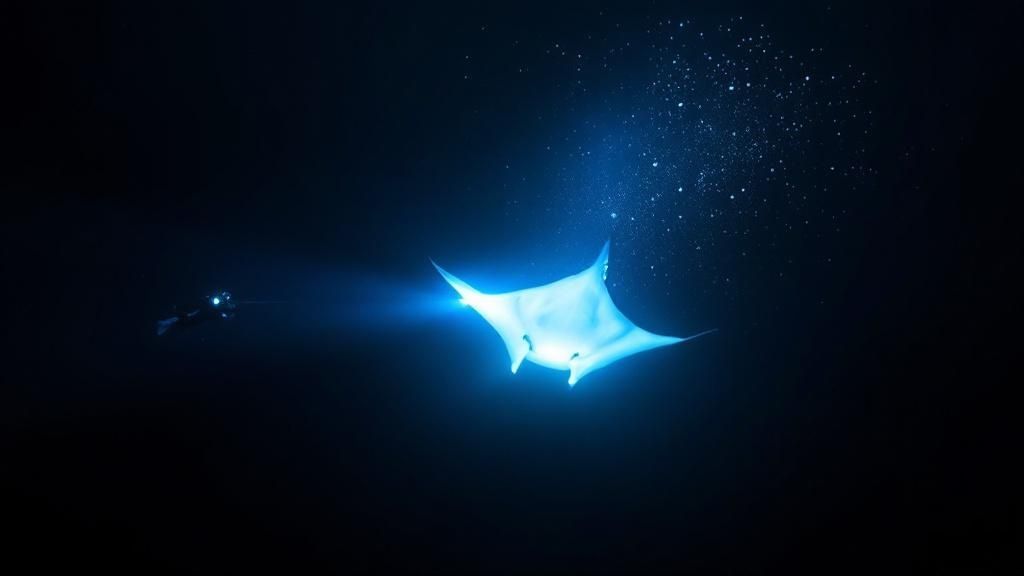
That first giant stride off the boat into the dark Pacific is a thrill all on its own. The water is surprisingly warm, and any feeling of being in the dark vanishes as you spot the glow of the "campfire"—a collection of powerful lights placed on the sandy bottom about 30-40 feet down. As you descend, you'll find your spot with the group, settle in, and point your dive light straight up. You’re now part of the beacon that draws in the plankton.
The Grand Entrance
Then, it happens.
A dark shape glides out of the periphery, and for a second, it’s hard to process. The first manta ray has arrived, its massive wingspan making it feel like something from another world. Soon, a second ray joins, then a third. They aren't just swimming past you; they're putting on a show.
You'll get to see their famous barrel rolls, an acrobatic somersault they perform to scoop up as much plankton-rich water as possible. They soar right over your head, sometimes so close you feel like you could reach out and touch them (but you absolutely must not). The entire experience is a completely silent, mesmerizing ballet.
The experience is pure magic. It’s impossible to describe the feeling of a creature the size of a small car gliding inches above you. The only sounds are your own bubbles and the quiet awe of the divers around you. It's a profound connection to the ocean's majesty.
This unbelievable, up-close performance is a huge part of why you should go on a manta ray dive in Kona; it’s truly unlike any other wildlife encounter on the planet.
Understanding Manta Behavior
Watching how these animals behave is half the fun. You'll notice how they interact, seeming to follow each other through the light beams to get the best meal. These are incredibly intelligent creatures—manta rays have the largest brain-to-body size ratio of any fish, showing off complex social behaviors and even self-recognition.
Here are a few specific behaviors to look out for during your manta ray dive in Kona:
- The Barrel Roll: This is their signature feeding move. They perform a full loop-the-loop to maximize how much plankton they can filter.
- "Flying" in Formation: It's common to see multiple mantas create a synchronized, choreographed pattern as they feed together.
- Curiosity Passes: Mantas are naturally curious. They will often glide extremely close, seemingly just to check you out. The key is to stay perfectly still and just enjoy the moment.
Your bottom time, which is usually around 45 minutes, will feel like five. When your guide finally signals that it's time to ascend, you’ll head back to the surface with a completely new appreciation for these magnificent animals. The boat ride back to the harbor is always filled with excited chatter as everyone relives their favorite part of the underwater show.
Manta Ray Safety and Responsible Diving
Getting to share the water with these gentle giants is a genuine privilege, not something we can ever take for granted. The whole experience of a manta ray dive in Kona boils down to one simple, powerful idea: passive observation.
Think of yourself as a quiet, respectful visitor in their underwater dining room. Following the rules isn't just about checking a box; it's about actively protecting this incredible natural wonder so it's here for years to come.
The absolute number one rule is simple: you must never touch a manta ray. Their bodies are coated in a thin, protective mucus layer—it's their primary defense against bacteria and skin infections. Touching them, even by accident, can strip this layer off and leave them vulnerable to sickness. The best thing you can do is stay still and let them be in charge of the whole show.
The Rules of Engagement
The way the dive and snorkel experiences are set up is brilliant, designed to keep everyone—mantas included—safe. If you’re a diver, you’ll be situated on the sandy bottom, which creates a kind of "stage" for the mantas to perform above you. Snorkelers hold onto a large floating raft right at the surface. This structure is non-negotiable.
- For Divers: Your job is to stay low on the sandy bottom. Don't be tempted to float up into the water column. This can spook the mantas, block their "flight path," and make them leave the area entirely.
- For Snorkelers: Stay at the surface, always. It’s crucial not to dive down toward the mantas. It’s disruptive and can be dangerous for you and the animals.
- A Note on Lights: Divers point their lights straight up, creating a beacon. Snorkelers point theirs straight down. This team effort creates a perfect cone of light that attracts the maximum amount of plankton, which is what brings the mantas in.
This is truly an act of collective responsibility. When every single person in the water follows these simple guidelines, we all contribute to a safe, sustainable encounter. It's what ensures the mantas continue to trust our "campfire" and come back night after night.
Your Role as a Citizen Scientist
This experience is so much more than just an amazing tour; you're stepping into a living, breathing research project. The long-term data collection here in Kona is nothing short of remarkable.
It all started back in 1991 when the first manta, Lefty, was identified. Since then, reports from guides and visitors like you have helped log nearly 6,000 encounters. This has built an incredible catalog of over 330 individual reef and oceanic mantas. When you go on this dive, you become part of that conservation story. You can actually discover more about the individual Kona mantas and their history on mantarays.info.
Keeping this delicate balance between tourism and conservation takes constant work and advocacy. The rules we follow are always being reviewed to make things even safer for the mantas. If you're interested in the ongoing efforts to protect these animals, you can read our open letter to the Hawaii DLNR regarding manta regulations to see just how complex it all is.
Ultimately, your respect for the rules is the single greatest contribution you can make to the future of the manta ray dive in Kona.
Common Questions About the Kona Manta Ray Dive
Even with all the buzz and excitement, it's totally normal to have a few last-minute questions before you commit to this incredible adventure. Getting the facts straight means you can relax and focus on the magic of the moment, not a bunch of "what-ifs."
We get questions all the time from both divers and snorkelers, so we've put together answers to the most common ones we hear. Let's get them sorted out so you can book with confidence.
Is the Manta Ray Dive Safe for Beginners?
Absolutely. The entire encounter is built from the ground up to be safe and accessible for just about everyone.
For snorkelers, it couldn't be easier. You'll hold onto a custom-made float on the surface, which gives you a super stable and secure spot to watch the show. Just put your face in the water and enjoy the view!
If you're a certified scuba diver, the manta ray dive in Kona is considered a pretty straightforward night dive. You’re stationary in shallow water, usually somewhere between 25 and 40 feet, so there’s no tricky navigation. While most outfits require an Open Water certification, having a few recent dives under your belt will definitely help you feel more comfortable with your buoyancy.
When Is the Best Time of Year to Go?
Here’s the great news: any time is a good time! Our local manta rays aren't migratory; they live right here in Kona's coastal waters all year long. What brings them out every night is the plankton drawn to the lights, and that happens regardless of the season.
Sure, the summer months (say, April to October) often mean calmer seas, but the winter diving is just as spectacular. The sighting success rate stays crazy high—often over 90%—all year. Honestly, you should plan your trip based on when you want to visit Hawaii, not a specific "manta season."
Can I Touch the Manta Rays?
No, and this is the biggest rule of all. It is strictly forbidden for the safety and well-being of these incredible animals. Manta rays have a protective mucus coating on their skin which is basically their immune system, protecting them from nasty bacteria.
Touching a manta ray, even for a second, can strip away that essential slime coat. This leaves them wide open to infections and diseases. The whole point of the experience is passive observation—you are a guest in their world, so let them glide around you without any contact.
What Happens if No Mantas Show Up?
While sightings are incredibly reliable, mantas are still wild animals, and their appearance can never be 100% guaranteed. The good news is that reputable tour operators in Kona get this and almost always offer a "manta guarantee."
Typically, this policy means if your tour strikes out and doesn't see any mantas, you can re-book for free on another night. It’s usually on a standby basis, so you'll get a spot if there's room. Always ask about a company's specific guarantee when you book. It gives you some great peace of mind and doubles your chances of having that mind-blowing encounter.
Ready for an unforgettable underwater ballet? At Kona Honu Divers, we provide a safe, respectful, and awe-inspiring manta ray dive experience. Book your adventure with us today!