
Picture this: you're floating, totally weightless, in the quiet darkness of the ocean. Suddenly, giant, shadowy figures glide effortlessly past you, their movements as graceful as a ballet. This isn't some CGI-heavy movie scene; it's the world-famous manta ray dive in Kona, an underwater spectacle that consistently earns its spot as one of the best night dives on the entire planet.
Experience the World Famous Kona Manta Ray Dive
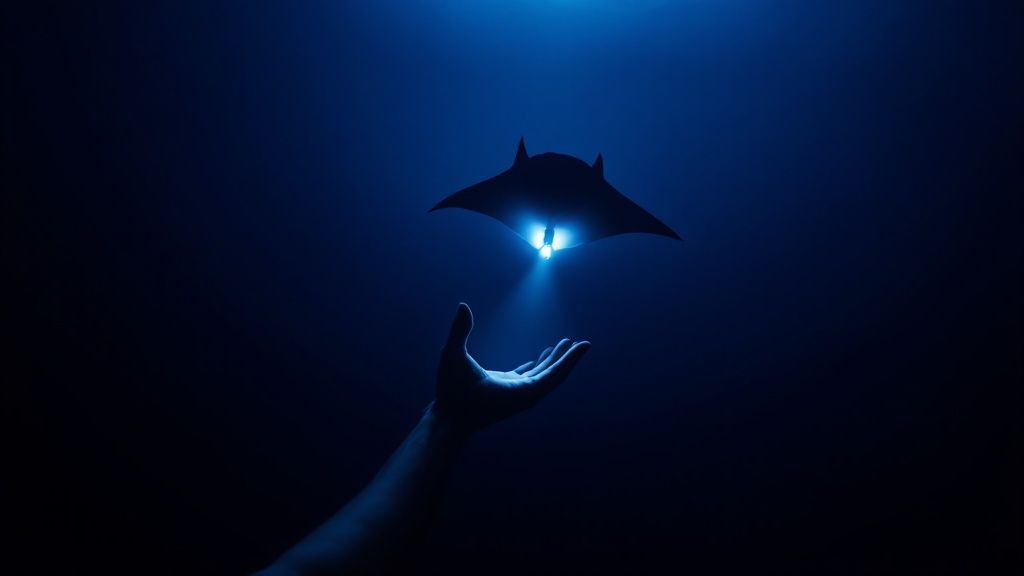
This is one of those must-do adventures for anyone visiting the Big Island. But unlike a lot of wildlife encounters that boil down to sheer luck, the Kona manta dive boasts a success rate of over 90% year-round. That’s not an accident. It's the amazing result of a unique relationship between humans and marine life that’s been built up over decades.
It all started, believe it or not, when a hotel aimed its lights into the bay. Those lights attracted plankton—the manta rays' favorite meal. It didn't take long for the mantas to figure out that lights meant a free, all-you-can-eat buffet. Fast forward to today, and local dive operators have perfected this idea, creating something we affectionately call the "manta campfire."
The Magic of the Manta Campfire
Here’s how it works. Divers and snorkelers head out to specific viewing spots where powerful, eco-friendly lights are set up, either on the ocean floor or on floating boards. These lights create a massive, glowing column in the water, which in turn attracts a thick cloud of plankton. The local manta rays, which live here all year, show up every night for their reliable feast.
What makes the manta ray dive in Kona so mind-blowing is what you get to witness up close:
- Graceful Acrobatics: The mantas perform incredible barrel rolls and somersaults right in front of you, filter-feeding as they swoop within inches of your head.
- Gentle Giants: With wingspans that can reach an incredible 18 feet, these animals are huge, but they're completely harmless. They have no teeth, stingers, or barbs.
- Up-Close Encounters: The whole experience is passive and totally respectful. You just hang out in your designated spot and let the mantas put on their nightly show.
This carefully orchestrated interaction delivers a spectacular and reliable performance, cementing its reputation as one of the most sought-after diving tours in the world. To get the full story on what makes this adventure so special, you can learn more about the Kona manta ray night dive and how it all began.
Your Manta Ray Adventure from Start to Finish
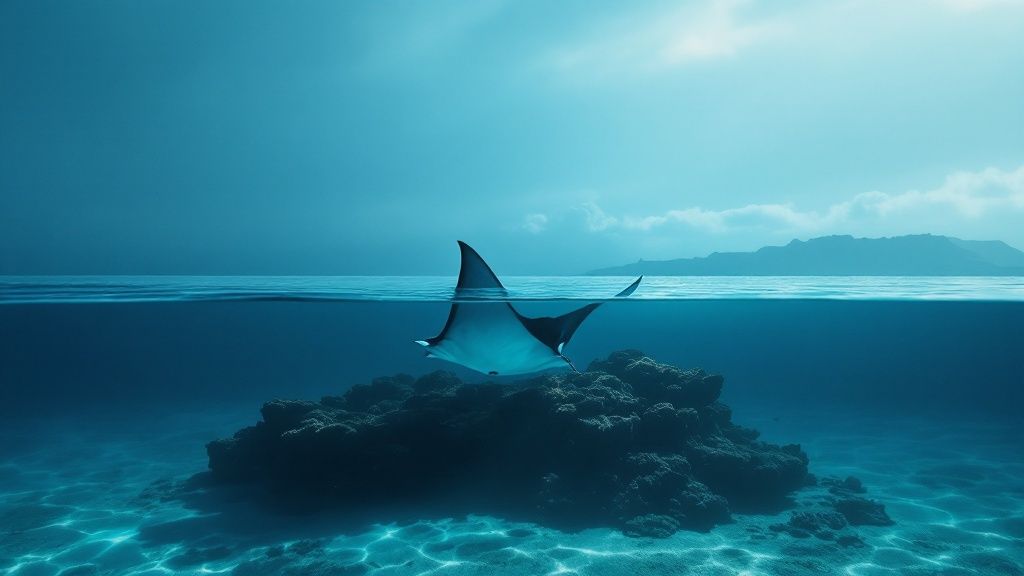
The thought of slipping into the ocean after dark can feel a little intimidating, I get it. But the manta ray dive Kona experience is a finely tuned adventure, designed from the ground up to be safe, comfortable, and absolutely unforgettable. From the moment you check in, you're guided through a clear process that builds the excitement for the main event.
Your adventure kicks off with an in-depth briefing from the pros who will be leading your tour. They cover everything—safety protocols, what to expect, and the right way to act around the mantas. After that, it’s a beautiful boat ride out to the site as the sun paints the sky over the Pacific.
The Underwater Campfire
At the heart of this whole experience is a brilliant concept we call the underwater "campfire." It's simple, really. We place a circle of powerful lights on the ocean floor. These lights act like a massive bug zapper in reverse, attracting swarms of microscopic plankton—the manta rays' favorite meal. This glowing buffet pulls the mantas in from all around for a graceful, mesmerizing feeding session.
This setup gives you two incredible, yet totally different, ways to see the show:
- For Scuba Divers: You'll head down to the sandy bottom and find your spot around the lights. From there, you just look up. The mantas swoop, glide, and barrel-roll right over your head, sometimes so close you could swear they're going to give you a high-five.
- For Snorkelers: You'll float comfortably on the surface, holding onto a specially made light board. This board shines its beams down into the water, creating a column of light that attracts the plankton and brings the mantas right up to you. It's an incredible face-to-face encounter.
The golden rule here is passive observation. By staying in your spot and never, ever touching the animals, you become part of the scenery. This allows the mantas to do their thing, performing their natural feeding ballet completely undisturbed.
What to Expect in the Water
Once you're in, your guides will get you positioned for the best possible view. The entire focus is on a safe, respectful encounter for everyone—you, your fellow divers, and most importantly, the manta rays themselves.
You'll typically be in the water for about 30 to 45 minutes, which is plenty of time to soak in the sheer magic of it all. It’s an experience that’s been dialed in over decades, taking all the guesswork out so you can just relax and enjoy one of the most unique wildlife interactions on the planet.
To get an even more detailed picture, check out our guide on what the manta ray night dive is all about.
Kona’s World-Famous Manta Ray Dive Sites
When you start looking into a manta ray dive in Kona, you’ll hear two names pop up again and again: Manta Village and Manta Heaven. These aren't just clever nicknames; they're the world-renowned stages where this incredible underwater ballet happens every single night. While both spots offer absolutely mind-blowing encounters, they each have their own personality.
Figuring out the difference between them is a great way to know what to expect on your big night. Your dive operator will always pick the best spot based on the day's conditions, but being in the know gives you a much richer appreciation for what makes Kona's marine world so special. The final call usually comes down to ocean swells and where the mantas have been most active, all to give you the best possible show.
Manta Village: The Original Classic
Down in Keauhou Bay, just south of Kailua-Kona, is Manta Village. This is the legendary spot, the OG site where the whole manta ray night dive phenomenon began. It's often the go-to for its easy access and typically gentle conditions.
- Shallower Depths: The site sits in a comfortable 25-35 feet of water, making it a great, non-intimidating dive for all experience levels.
- Protected Bay: Tucked into a more sheltered bay, the water here is often much calmer. That’s a huge plus for anyone who gets a little seasick, and it makes for a much smoother experience for snorkelers floating up top.
- Consistent Sightings: This is the longest-running manta feeding site, so the local population of rays knows the drill. They show up with impressive reliability.
This trifecta makes Manta Village a fantastic and comfortable choice, especially for first-time night divers, families, or anyone just looking for a beautiful, predictable experience.
Manta Heaven: A Dynamic Experience
Head a bit further north, up near the Kona International Airport, and you’ll find Manta Heaven. This spot, also known as Garden Eel Cove, delivers a slightly different flavor of adventure—one that can be a bit more dynamic. Its unique underwater landscape and position facing the open ocean definitely shape the dive.
Manta Heaven can be a touch deeper, and its exposed location means you might encounter stronger currents, adding a little extra thrill to the dive. The Kona manta dive is famous for a reason, and during the high season from April to October, divers at either site can see an average of 8 to 12 manta rays on a single trip. You can dive deeper into what makes the Kona manta dive one-of-a-kind here.
Both Manta Village and Manta Heaven are incredible theaters for this natural spectacle. The key takeaway is that Kona's operators are experts at reading the ocean and will always take you to the site offering the best conditions and highest probability of manta sightings on any given night.
No matter which way the boat captain turns, you’re in for one of the most unforgettable wildlife encounters you'll ever have.
Choosing a Responsible Manta Ray Tour Operator
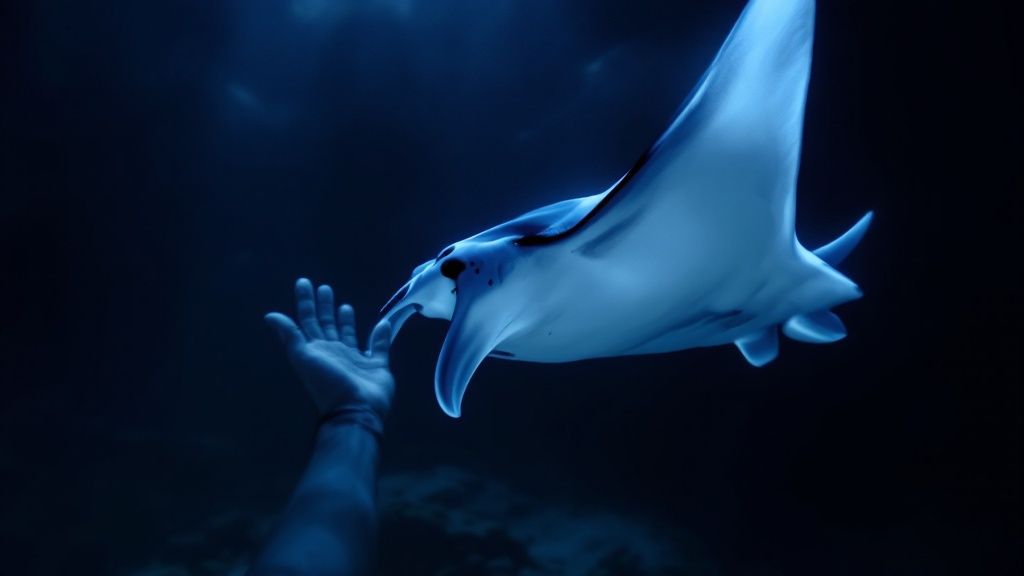
Picking the right company for your manta ray dive in Kona is hands down the most important decision you'll make for this trip. A truly responsible operator does more than just keep you safe; they put the well-being of the mantas first, ensuring this incredible experience can continue for generations to come. The best outfits are deeply committed to conservation and live by strict guidelines to protect these gentle giants.
When you're doing your research, seek out operators who follow the Manta Ray Green List standards. This boils down to passive observation and minimal impact—absolutely no touching, chasing, or getting in the mantas' way. At its core, an ethical tour is built on a deep respect for marine life.
What Makes a Great Tour Operator
A world-class experience is about so much more than just seeing mantas. It's about feeling safe, being well-informed, and knowing you're part of something truly special. There are a few key things that really separate the great operators from the merely good ones.
- Small Group Sizes: Fewer people in the water means a more personal, less chaotic encounter for both you and the mantas. It just feels better.
- Experienced Guides: A knowledgeable guide can make all the difference, offering fascinating insights into manta behavior while making sure everyone follows the rules of the ocean.
- Comprehensive Safety Briefings: A thorough briefing isn't just a formality; it builds confidence and ensures every single person understands how to interact with the mantas safely and respectfully.
- Quality Gear and Vessels: Well-maintained equipment and clean, comfortable boats are the hallmarks of a professional company that takes your safety and comfort seriously.
For anyone still wondering why you should go on a manta ray dive in Kona, understand that choosing a top-tier operator is what turns a good trip into an absolutely unforgettable one.
The Kona Honu Divers Difference
Kona Honu Divers is a perfect example of a company that gets it right on every level. They are known far and wide for their unwavering commitment to marine conservation and for delivering an exceptional experience from start to finish. Their guides aren't just employees; they are passionate experts who genuinely want to share their love for Kona’s underwater world.
Choosing a tour operator isn't just about booking a boat trip; it's about investing in a company that respects the ocean and its incredible inhabitants. Your choice directly supports conservation efforts and promotes responsible tourism.
But you don't have to take our word for it. The experiences of past guests say it all, highlighting their dedication to being the best.
Booking your manta ray dive tour with a proven, responsible operator like Kona Honu Divers is your guarantee of a safe, ethical, and truly magical adventure.
The Science Behind Kona’s Manta Ray Spectacle
Ever wonder why the manta ray dive Kona is hands-down the most reliable place on Earth to see these gentle giants? It's not magic, but it’s just as fascinating. This nightly spectacle is the result of a perfect storm of geography, biology, and some pretty smart manta rays.
The whole thing starts with the Big Island itself. The Kona coast has these steep, volcanic slopes that drop off into the deep, and when you combine that with consistent ocean currents, you get a natural funnel. This unique setup concentrates massive amounts of plankton—the microscopic critters that manta rays absolutely love to eat.
A Learned Habit for Light
So, the food's here, but the real key to this whole operation is a bit of accidental genius that turned into a nightly tradition. Decades ago, hotels along the coast started shining lights into the water. This attracted swarms of plankton, and the local mantas—being the intelligent creatures they are—quickly figured out this was an easy, all-you-can-eat buffet. They learned to associate light with food.
Fast forward to today, and dive operators have dialed this in. We use powerful, eco-friendly lights placed on the seafloor to create a concentrated feeding zone. The mantas now recognize the boats and the lights as a dinner bell, showing up night after night. It’s not forced; it’s a relationship built on years of trust and predictability.
Getting to Know the Locals
What really takes this experience to another level is the incredible research and conservation work happening right here. This isn't just about seeing mantas; it's about getting to know them as individuals.
Each manta ray in Kona has a unique pattern of spots on its belly, just like a human fingerprint.
Since 1991, researchers and dive operators have been meticulously cataloging our local manta population. This amazing effort has identified over 330 unique individuals, and each one has a name, from "Big Bertha" to "Lefty." It creates a real connection and a deep sense of wanting to protect these awesome animals.
This work gives us priceless information. Tracking data has shown some of our local mantas travel up to 42 miles between their favorite feeding spots along the coast. It’s given us a window into their world we never had before. You can dive deeper into this research by exploring detailed studies on manta ray movement patterns in Hawaii.
This blend of science and passion is what makes the dive so meaningful. You’re not just a spectator; you're observing specific mantas with known personalities and histories. To get a better handle on this unique interaction, you should check out our guide on what you should know about the manta ray dive in Kona.
Your Top Kona Manta Ray Dive Questions Answered
Alright, let's tackle some of the most common questions we hear about the manta ray night dive. Getting these details sorted out beforehand means you can just relax and soak in the magic when you're out on the water.
Is the Kona Manta Ray Dive Safe?
It absolutely is. I get this question all the time, and it's a fair one! But rest assured, manta rays are true gentle giants. They have no teeth, no stingers, and no barbs—they are completely harmless to people.
Think of them as massive, graceful vacuum cleaners of the sea. They're only interested in the microscopic plankton that flock to our underwater lights, and they simply filter it from the water as they glide by.
Every reputable operator, including us, follows strict safety guidelines. Our guides are right there in the water with you, making sure the entire experience is safe and managed from the moment you leave the harbor to the moment you get back.
What Is the Best Time of Year to See the Manta Rays?
Here's the best part: there is no bad time! The manta ray dive in Kona is a year-round spectacle. Our local manta population doesn't migrate, so we get consistent sightings pretty much every single night.
That said, many people prefer the warmer water temps we get from April through October.
Our success rate is what really makes Kona a world-class destination for this dive, hovering between a staggering 80% to 90%. It’s why around 80,000 visitors come here every year for this specific encounter. You just can't find that kind of consistency anywhere else on the planet.
You don't need to be a certified diver to participate! Snorkeling is an equally amazing and popular option, offering breathtaking, up-close views as mantas feed near the surface.
What Should I Bring on the Tour?
We provide all the main gear you’ll need, like wetsuits, masks, and fins. To make your trip as comfortable as possible, though, I'd suggest packing a small bag with a few key items:
- A towel to dry off with after your swim.
- A warm change of clothes (like a sweatshirt or jacket) for the boat ride back. It can get chilly once you're out of the water!
- Any personal items you might need, such as medication.
- Reef-safe sunscreen if your tour leaves before the sun goes down.
Being prepared with these few things lets you fully immerse yourself in what will likely be one of the most incredible wildlife experiences of your life. For a deeper dive into getting ready, check out our complete guide to the Big Island manta ray night dive.