
Picture this: you descend into the warm, dark Pacific, your dive light cutting through the inky blue to illuminate a sandy stage below. Then, out of the darkness, a giant shape glides into view. It's a creature with a 12-foot wingspan, dancing in a silent, effortless ballet. This is the world-renowned manta ray dive in Kona—a true bucket-list experience that feels like stepping into another world.
An Unforgettable Underwater Ballet in Kona

This guide is your complete roadmap to that incredible adventure. The Big Island is one of the most reliable places on Earth to see these gentle giants up close, thanks to a unique and beautiful relationship that's formed between nature and responsible tourism. It's no surprise this experience is consistently ranked as one of the best night dives in the world.
Whether you're a seasoned diver or just dipping your toes in with a snorkel, the encounter is equally magical. Divers settle on the sandy bottom, about 30-40 feet down, shining their lights upward to the surface. Snorkelers float above, holding onto a specially designed light board. Both methods have the same brilliant goal: creating an illuminated "campfire" that attracts plankton—the manta rays' absolute favorite food.
We'll break down what makes this dive so consistently amazing, help you pick the right dive site for your trip, and get you ready for an encounter you'll be talking about for years to come.
What to Expect on Your Dive
The Kona manta ray dive isn't really a "dive" in the traditional sense; it's an immersive performance, and you have a front-row seat. The setup is simple yet genius. Over the years, dive operators have established specific sites where powerful lights are used to create a plankton buffet, basically a dinner bell that the local manta population has learned to answer.
Here's what makes the experience so unique:
- A Stationary Show: Unlike a typical reef dive where you're swimming around, this is all about passive observation. You’ll stay in one spot, relax, and let the mantas come to you.
- Graceful Acrobatics: As plankton concentrates in the light beams, the manta rays swoop in to feed. They perform mesmerizing barrel rolls and graceful glides, often coming within inches of you. It's breathtaking.
- Gentle Giants: Manta rays are completely harmless. They have no teeth, no barbs, and no stingers. Their sheer size is awe-inspiring, but their nature is peaceful and curious.
This isn't just another dive; it's a front-row seat to one of nature's most graceful spectacles. The feeling of a massive, silent creature gliding effortlessly just inches above your head is something photos and videos simply can't capture.
Here at Kona Honu Divers, we're all about creating safe and unforgettable underwater experiences. Our expert crew will guide you every step of the way, making sure you feel comfortable and totally prepared to witness the magic.
Ready to book your spot for the underwater ballet? Check out our world-famous manta ray dive tours and secure your spot today.
Check Availability
What Makes the Kona Manta Ray Dive So Magical
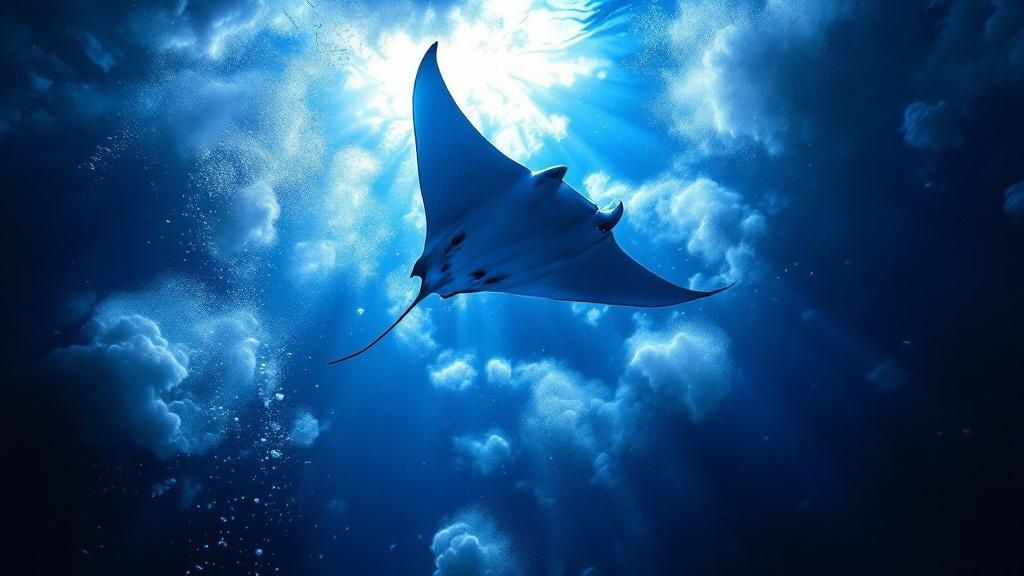
So, what's the secret? Why do hundreds of majestic manta rays show up in the same spots along the Kona coast night after night? While it feels like pure magic, the answer is actually a brilliant and sustainable relationship built between humans and marine life. This isn't just a happy accident; it's a carefully choreographed "dinner party" that's been perfected over decades.
At its core, the experience boils down to a simple food chain equation. Manta rays are filter feeders, and their favorite meal is microscopic plankton. And plankton are instinctively drawn to light.
Years ago, a hotel's bright lights shining on the ocean first attracted a cloud of plankton, and the mantas were quick to follow. Savvy dive operators realized they could recreate this phenomenon in a safe, controlled way. They established specific sites and now bring powerful, eco-friendly underwater lights that act as a massive dinner bell for the rays.
The Science of the Underwater Buffet
The whole process is surprisingly simple but incredibly effective. When your dive boat arrives, the crew sets up a central light source on the seafloor, affectionately called "the campfire." Divers then settle on the sandy bottom and shine their own lights upward, while snorkelers hang onto a floating light board from the surface.
This concentration of light creates an irresistible beacon for plankton, which swarm the illuminated water column. The mantas, who have long since learned that these lights mean an easy feast, gracefully swoop in for dinner.
- Reliable Encounters: This "plankton buffet" is precisely why the Kona dive is so dependable. The mantas know a good meal is waiting for them nearly every night.
- Intimate Viewing: By creating a stationary feeding zone, you get to stay put and watch the mantas perform their incredible underwater acrobatics just inches from your mask.
- Sustainable Practice: This is a completely non-invasive interaction. The mantas come on their own terms to feed, and operators follow strict guidelines to ensure the animals are never touched or harmed.
The real magic is in the symbiosis. It's a perfect example of how responsible tourism can create a predictable, breathtaking wildlife encounter that benefits both the local ecosystem and those who come to admire it.
Graceful Giants and Gentle Behaviors
Any nervousness about being so close to such enormous creatures melts away the second you see how gentle they are. Manta rays are often called the "butterflies of the sea," and for good reason—they move with a slow, effortless grace.
You’ll watch them perform stunning barrel rolls, somersaulting through the water to funnel as much plankton-rich water into their giant mouths as possible. It's a beautiful, silent ballet. Understanding the why behind these behaviors elevates the dive from a cool spectacle to a profound connection with these intelligent animals. If you're still on the fence, you can dig deeper into why you should go on a manta ray dive in Kona.
The Kona coast is home to one of the most famous manta ray experiences in the world, drawing thousands of divers here every year. The local population is estimated to be over 450 individual rays, making it a critical hub for the species. These gentle giants can have wingspans exceeding 12 feet, but the dives are conveniently shallow—typically between 30 and 40 feet—making them accessible to divers of all skill levels. Best of all, sightings are incredibly reliable, with an 85-90% success rate on any given night.
While Kona's manta dive is truly unique, exploring other world-class destinations can deepen your appreciation for marine life. For instance, you can learn about other magical reef experiences like those found at Ningaloo Reef, another vibrant ecosystem on Australia's west coast.
Choosing Your Dive Site: Manta Village or Manta Heaven?
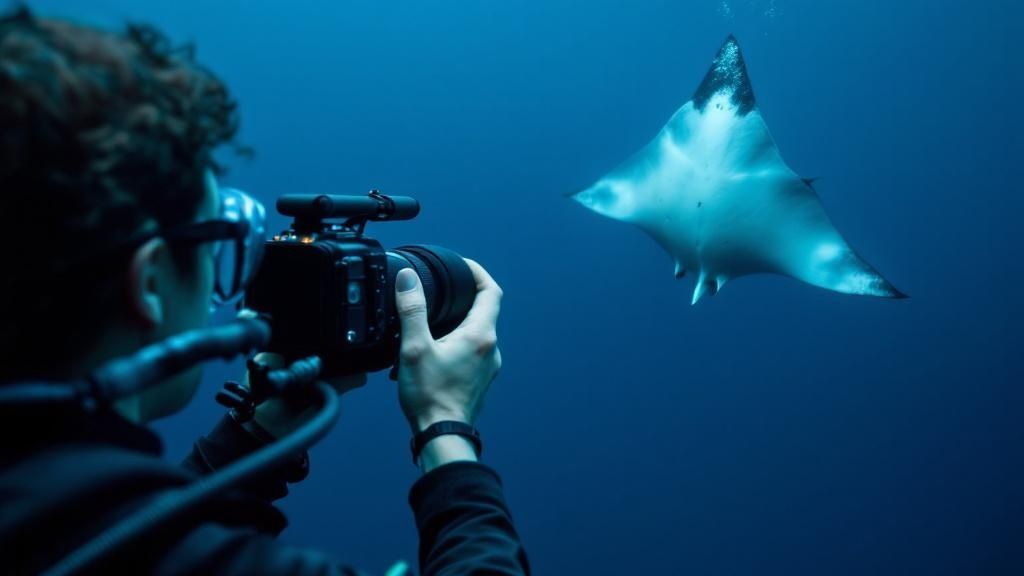
So, you're ready for your manta ray dive in Kona. Fantastic. You'll quickly hear about the two main "stages" for this incredible underwater show: Manta Village and Manta Heaven. Both offer spectacular, reliable encounters with our resident gentle giants, but they each have a totally different vibe.
Think of it like choosing between a classic, intimate theater and a grand, open-air concert hall. Both are amazing, but the experience is distinct. The right choice for you really just boils down to your experience level and what kind of night you're looking for.
This isn't some fringe activity; it's a world-class attraction. Every year, around 80,000 people jump in the water for manta tours on the Kona Coast, making it one of the top spots for manta tourism on the planet. This whole operation is built around these two sites, where the "plankton buffet" is reliably served up night after night.
H3: Manta Village: The Classic Kona Experience
Manta Village, tucked into the sheltered Keauhou Bay, is the original. This is where it all started, and its reputation is built on two things: consistency and accessibility. If you're new to night diving or have a mixed group, this is almost always the right call.
The site is pretty shallow, usually sitting around 25-35 feet, and the bay itself acts as a natural barrier against big ocean swells. This creates calm, predictable conditions perfect for a few types of people:
- First-Time Night Divers: The mellow environment is great for calming any nerves about diving after dark.
- Snorkelers: You can't ask for better surface conditions. It's usually smooth and clear for viewing from above.
- Families & Mixed-Experience Groups: It’s a relaxed setting where everyone from a brand-new diver to a seasoned pro can enjoy the show together.
Because this spot has been active for so long, the mantas are completely used to the lights and the routine. You're practically guaranteed a front-row seat as they perform their mesmerizing barrel rolls, sometimes just inches from your mask.
H3: Manta Heaven: A Wilder Adventure
Head north of the Kona airport, and you'll find Manta Heaven, also known as Garden Eel Cove. The sightings here are just as reliable, but the site itself has a bit more of an adventurous personality that often clicks with more experienced divers.
So, what's different?
- A Little Deeper: The action here is usually in the 35-45 foot range, giving you a slightly different perspective.
- Potential for Current: Since it's more exposed to the open ocean, you can sometimes get a mild current. It adds a dynamic element to the dive.
- Big Crowds (of Mantas!): While never a sure thing, Manta Heaven is famous for sometimes attracting massive congregations of rays.
This spot is a favorite for underwater photographers looking for unique angles and for divers who just enjoy a wilder, more untamed feeling in the water. For a full rundown on what to expect, check out our guide to the manta ray night dive in Kailua Kona.
Before we compare them side-by-side, it's important to remember you really can't go wrong. Both sites deliver jaw-dropping, unforgettable nights. It’s all about matching the site's personality to your own.
H3: Manta Dive Site Comparison: Manta Village vs. Manta Heaven
To make it even clearer, here’s a quick breakdown of the two sites. Use this to figure out which location best fits your crew and your comfort level.
| Feature | Manta Village (Keauhou Bay) | Manta Heaven (Garden Eel Cove) |
|---|---|---|
| Typical Depth | 25-35 feet (Shallow) | 35-45 feet (Deeper) |
| Conditions | Very calm, sheltered, minimal current | More exposed, can have mild current |
| Best For | Beginners, snorkelers, families, first-time night divers | Experienced divers, photographers, adventurous types |
| Vibe | Intimate, predictable, "classic theater" | Wild, dynamic, "open-air concert" |
| Primary Pro | Extremely accessible and comfortable for all skill levels. | Potential for larger groups of mantas and more dynamic conditions. |
| Primary Con | Can get crowded with boats due to its popularity. | Conditions can be more challenging for less experienced divers. |
At the end of the day, whether you opt for the calm predictability of Manta Village or the wilder spirit of Manta Heaven, you're in for an amazing experience. Here at Kona Honu Divers, we've been sharing the magic of this dive for years and know these sites like the back of our hands. We're here to make sure you have a safe, incredible, and unforgettable night.
How to Prepare for Your Manta Ray Adventure
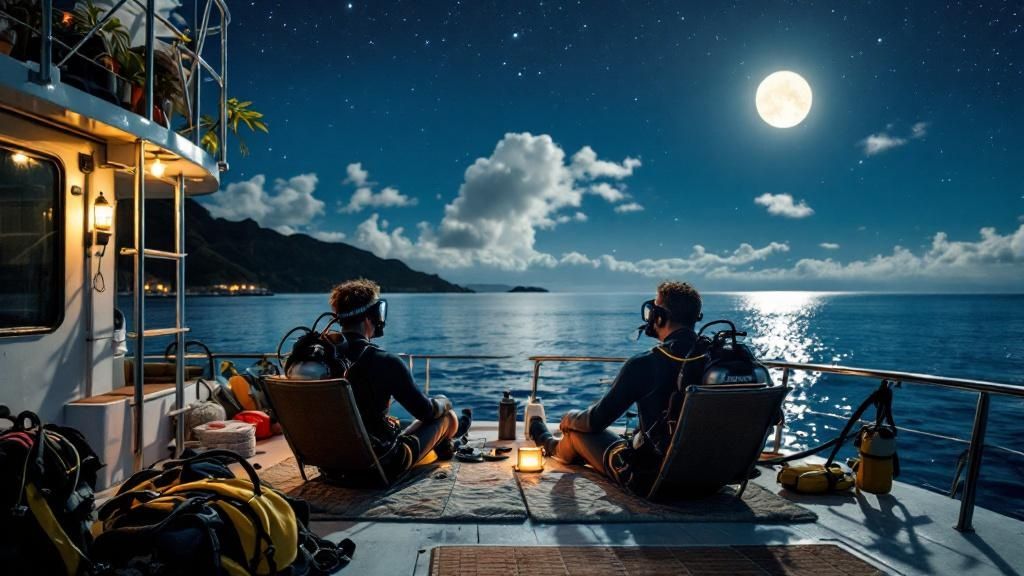
A little bit of prep work is all it takes to turn a good dive into an absolutely mind-blowing one. The manta ray dive in Kona is surprisingly accessible, but showing up with the right mindset and expectations lets you truly soak in the magic. This quick pre-dive checklist will have you feeling cool, calm, and ready for the underwater ballet.
First things first, what kind of certification do you need? You might be surprised. No master diver credentials are required here. A standard Open Water Diver certification is your ticket to join the other divers on the sandy bottom. This makes it a perfect first night dive or an unforgettable entry in any certified diver's logbook.
The real experience kicks off long before your fins hit the water. On the boat ride out, your divemaster will give a detailed briefing. Don't tune this part out—it’s honestly the most important piece of your preparation.
The Importance of the Dive Briefing
Listen closely. This briefing is where you'll get the full scoop on everything from the dive plan to safety procedures. The single most important rule you’ll learn is about passive observation. This is the golden rule of the manta dive: you're here to watch, not to participate.
Your guide will show you exactly how to settle onto the ocean floor and aim your light. It's all designed to attract plankton without getting in the mantas' way.
These are wild animals, and we're just quiet, respectful guests in their dining room. The goal is to let them feed naturally. Touching a manta ray can harm its protective slime coat, which leaves it vulnerable to nasty infections.
Sticking to these rules keeps the experience safe for you and, more importantly, for the mantas. It's how we ensure this incredible encounter can continue for years to come.
Practical Tips for a Comfortable Experience
A little planning goes a long way, especially when you're diving after sunset. The water in Kona stays wonderfully warm, usually between 75-80°F (24-27°C), but that night air can feel surprisingly crisp when you climb back onto the boat.
Here’s how to stay comfortable:
- Bring a Warm Jacket: You will be so glad you have a dry hoodie or windbreaker for the ride back to the harbor. Trust me on this one.
- Handle Night-Diving Jitters: Feeling a little nervous about your first night dive? Totally normal. Just stick close to your guide, focus on your breathing, and remember why you're there. The second that first giant shadow glides overhead, any anxiety will completely vanish.
- Stay Hydrated: Guzzle water all day before your dive.
- Trust Your Gear: When you dive with a professional shop like Kona Honu Divers, you're using top-notch, meticulously maintained equipment. You can learn more about the gear you will need for your Kona diving adventure to feel extra confident.
Seasonality and Conditions
Here's one of the best parts about the Kona manta dive: it’s a year-round spectacle. Our local manta population sticks around all year, so there’s never really an "off-season."
That said, the surface conditions can change a bit. Summer months usually bring calmer seas and slightly warmer water. Winter can sometimes stir up bigger swells, but the mantas don't seem to mind. Sightings are consistent no matter the month, with success rates often topping 90%. Really, the best time to come just depends on your personal preference for weather and water temps.
Follow these simple steps, and you're all set for a smooth, comfortable, and truly unforgettable adventure.
Your Role in Protecting Kona’s Manta Rays
Taking the plunge on a manta ray dive in Kona is so much more than just an incredible adventure—it’s your chance to be part of something bigger. The moment you slip into the water, you're a guest in their underwater dining room. This is all about your vital role as a guardian for these gentle giants, and how we can work together to keep this experience sustainable for generations to come.
The whole idea of responsible manta tourism boils down to one simple, non-negotiable principle: passive observation. You look, you marvel, you float in awe… but you never, ever touch. Sticking to this golden rule is absolutely critical for the health and safety of Kona's beloved manta population.
The No-Touch Policy
So, why is this rule so important? Manta rays have a delicate, protective mucous coating on their skin. Think of it as a natural shield against harmful bacteria and infections. When a person touches a manta, that essential layer gets rubbed off, leaving the animal wide open to disease. Your dive guide will drill this into you, and for good reason—it's the single most important guideline for a safe and respectful encounter.
To make sure your interaction is a positive one, just remember these key points:
- Stay Put: If you're diving, find a spot on the sandy bottom and stay there. Snorkelers should hold onto their light boards up at the surface.
- Let Them Come to You: Never, ever chase a manta ray or swim after one. Let them be in control of the encounter.
- Keep Their Path Clear: Give them plenty of open space in the water column to swoop and glide as they feed.
By following these simple rules, you're not just a tourist; you're a positive force for conservation, helping protect the very creatures you came all this way to see. Getting familiar with the details of what a manta ray night dive involves ahead of time will also help you feel prepared for a truly respectful and mind-blowing experience.
Becoming a Citizen Scientist
Beyond just watching, you have an amazing opportunity to contribute directly to manta ray research. It’s pretty cool, actually. Each manta ray has a unique pattern of black spots on its white belly—it's as distinct as a human fingerprint. This allows researchers to identify and track individual animals over time.
And that's where you come in. Your underwater photos and videos can be incredibly valuable. By submitting clear shots of a manta's underside to identification databases, you become a citizen scientist. This data helps researchers keep tabs on the population's health, follow their migration patterns, and get a better handle on their life cycles.
Believe it or not, citizen science has been documenting the Kona manta ray population since 1991 using this exact method. This long-term cataloging has resulted in over 6,000 recorded encounters and more than 28,500 sightings in the last 14 years alone, helping track over 330 individual manta rays. The very first manta identified in Kona, named 'Lefty,' was the start of a massive database that keeps growing thanks to divers just like you.
The final piece of the puzzle is choosing a responsible operator like Kona Honu Divers, one that truly champions these guidelines. We are deeply committed to protecting Kona's marine ecosystem and empowering our guests to be ambassadors for the ocean.
Frequently Asked Questions About the Kona Manta Dive
Even after you've done all your homework, it's totally normal to have a few last-minute questions before jumping into a true bucket-list adventure like the manta ray dive in Kona. We get it. To help you feel completely ready, we’ve put together the answers to the questions we hear most often from both divers and snorkelers.
Think of this as your final check-in, covering all the practical stuff—safety, timing, and what to really expect. Let’s clear up those last few details so you can book your spot with nothing but excitement.
Is the Manta Ray Dive in Kona Safe?
Yes, absolutely. When you go out with a professional, safety-focused crew, the Kona manta ray dive is incredibly safe. These are shallow dives, usually in just 30-40 feet of water, and you don't swim around. You just find a comfortable spot on the sandy bottom and watch the magic happen above you.
Most importantly, manta rays themselves are harmless. They're gentle giants—filter feeders with no teeth, no stingers, and no barbs. They pose zero threat to people. The biggest safety rules are simple: listen to your divemaster's briefing and never, ever touch the mantas. It's all about passive observation. The best operators have spotless safety records because they make your well-being their top priority.
What Is the Best Time of Year for the Manta Ray Dive?
Here’s the fantastic part: Kona's manta rays are residents, not tourists! They live here year-round, so there’s honestly no "bad" time to go. We see them consistently every single month, with success rates easily clearing 90%.
That said, the ocean conditions do shift a bit with the seasons.
- Summer (April-October): This is when you'll typically find warmer water and calmer seas. A lot of people find this stretch a bit more comfortable.
- Winter (November-March): The water might be a little cooler, and there's a chance of bigger ocean swells, but the underwater show is just as spectacular.
Ultimately, it comes down to what you prefer for water temp and surface conditions, not whether the mantas will be there. They will be.
Can Non-Divers Snorkel with the Manta Rays?
You bet, and it's an equally mind-blowing experience! Snorkelers float at the surface, holding onto a specially designed light board. These boards shine powerful beams down into the water, which attracts the plankton. And where the plankton goes, the mantas follow.
The mantas will often come right up to the surface, performing their graceful barrel rolls just inches below you. It gives you a front-row seat without needing a dive certification, making it a perfect choice for families, non-divers, or anyone who'd rather stay topside. Many boats, including this popular manta ray dive and snorkel tour, are set up for both divers and snorkelers. You can get the full rundown in our guide covering what you should know about the manta ray dive in Kona.
What Other Unique Dives Can I Do in Kona?
Kona is a world-class dive destination, and the manta dive is just the beginning. The unique volcanic topography has created an underwater playground with something for every diver.
For a truly wild and different kind of adventure, you have to try the legendary Kona Blackwater Dive. You drift in the deep, open ocean at night, watching bizarre, bioluminescent creatures rise up from the abyss. It’s like diving in outer space. If you're a more experienced diver looking for a challenge, you can join advanced dive tours to explore deeper reefs, lava tubes, and dramatic underwater formations that most people never get to see. Kona truly offers incredible diving tours for any skill level.
The manta dive is just the beginning. Kona's underwater world offers a lifetime of exploration, from mysterious deep-water creatures to vibrant, sunlit reefs teeming with life.
Here at Kona Honu Divers, we're passionate about sharing everything our ocean has to offer. Our crew knows these waters like the back of their hand and is ready to guide you on your next adventure, safely and unforgettably.
Check Availability