
Picture this: you're floating in the warm, dark Pacific Ocean. Suddenly, a gentle giant with a wingspan wider than a car swoops silently, gracefully, just inches above your head. This isn't a scene from a movie—it's the world-famous manta ray dive in Kona, and it's an experience you'll never forget.
This guide is your deep dive into what makes the Kona coast the most reliable place on Earth for this incredible encounter.
Your Essential Guide to the Kona Manta Ray Dive
We'll explore how this unique underwater spectacle came to be and what makes it a bucket-list item for any ocean lover. From the science behind the "manta buffet" to picking the perfect dive site, you'll get everything you need to know for this once-in-a-lifetime adventure.
The Big Island’s Kona coast is rightly famous as one of the best and most consistent spots on the planet to meet these majestic creatures. It's a truly special opportunity to see them feeding up close in their natural habitat. For anyone interested in scuba diving the Big Island, the manta encounter is an absolute must-do.
Each year, around 80,000 people come to snorkel and dive with the mantas on the Kona Coast. It’s one of the top spots in the world for this kind of experience. Kona has two main manta ray dive sites, Manta Village and Manta Heaven, where divers typically see an average of 8 to 12 manta rays every single night. If you want to learn more about what makes it so special, you can read more about the manta dive in Kona so spectacular.
Why This Dive is a Must-Do
Unlike a lot of wildlife encounters that are all about luck and being in the right place at the right time, the Kona manta ray dive has an insanely high success rate, often over 90% year-round. How? It's all thanks to a unique relationship that has developed between the mantas and local dive operators who set up designated, lit-up feeding areas.
What really makes this so profound is that you're just a passive observer. You become part of the scenery, watching the mantas perform a silent, effortless underwater ballet.
- Up-Close Encounters: The mantas often glide within inches, giving you an unparalleled view of their unique spot patterns and graceful movements.
- A Gentle Experience: These giants are filter-feeders. They have no teeth, no stingers, and no barbs, making the entire experience completely safe and totally awe-inspiring.
- Unforgettable Memories: The combination of the dark ocean, the bright lights piercing the blackness, and the silent, graceful dance of the mantas creates a surreal and deeply moving experience that sticks with you forever.
For an even deeper look into this incredible trip, check out this guide on Manta Ray Dive Kona: Epic Hawaiian Adventure.
Booking Your Unforgettable Adventure
Ready to see this spectacle for yourself? Kona Honu Divers offers world-class tours led by experienced pros who put your safety and the mantas' well-being first.
We've got you covered with everything you need for a comfortable and memorable night, from top-notch gear to expert briefings. To book your adventure, take a look at our renowned manta ray dive tours and find the perfect date for your trip.
What Makes the Manta Ray Encounter So Magical

So, what’s the secret? What brings these giant, graceful creatures to the same spots off the Kona coast, night after night? It’s not just luck—it’s a brilliant setup where human ingenuity meets natural behavior. The magic of the Kona manta ray dive boils down to a simple, clever idea.
It’s all about the plankton. These microscopic critters are the main course on a manta ray’s menu. Years ago, dive operators figured out that by shining powerful, stationary lights into the water, they could attract huge clouds of plankton.
Think of it like a porch light on a summer evening that draws in moths and other bugs. Out in the ocean, these underwater spotlights create an irresistible, all-you-can-eat buffet for the local manta population. This reliable food source is precisely why the experience is so consistent, with mantas showing up on over 90% of nights.
A Ballet of Filter Feeding
When you watch the mantas eat, you’re seeing a behavior called filter-feeding. They glide through the water with their enormous mouths wide open, gracefully scooping up the plankton-rich water. Special plates in their gills act like a sieve, filtering out the tiny organisms for them to swallow.
This is exactly why they are completely harmless to us. Manta rays don’t have teeth for biting, stingers, or barbs. While their size can be a bit intimidating at first, they are incredibly gentle giants. The only thing they're interested in is getting another mouthful of plankton, which makes for a breathtakingly safe and close encounter.
People often call it an "underwater ballet." The mantas perform effortless barrel rolls and somersaults, looping through the beams of light to catch as much plankton as possible. It's a silent, beautiful performance that feels both otherworldly and incredibly personal.
More Than Just a Dive, It's a Connection
What really elevates this from a cool wildlife sighting to something truly profound is getting to know the mantas as individuals. Each manta ray has a unique pattern of black spots on its belly, just like a human fingerprint. These markings allow researchers and local dive guides to identify and even name specific rays.
This has turned into a fantastic citizen science project. Since 1991, the Kona manta population has been closely studied, mostly through photos of these spot patterns. There’s now a huge database with nearly 6,000 recorded encounters and over 28,500 sightings, which has helped catalog more than 330 individual manta rays.
Seeing a manta and recognizing it by name—like the legendary "Big Bertha" or "Lefty"—creates an amazing bond. You're not just observing an animal; you're meeting a local resident with a history. This personal touch is what makes the manta ray dive in Kona so unforgettable. If you're trying to figure out when to visit, our post on why you should go on a manta ray dive in Kona has some great tips.
Here at Kona Honu Divers, our guides have known many of these mantas for years and love sharing their stories, adding a whole other layer of depth and meaning to your dive.
Choosing the Right Kona Manta Ray Dive Site
Kona is blessed with two world-class manta ray dive sites, but they aren’t identical twins. Each location offers a totally different vibe, and picking the right one boils down to your comfort level in the water, your experience, and what you’re hoping to get out of the night.
The two go-to spots for the manta ray dive in Kona are affectionately known as "Manta Village" and "Manta Heaven." While both are absolutely incredible, knowing what makes them unique will help you choose the perfect adventure.
Manta Village at Keauhou Bay
About seven miles south of Kona, Manta Village is the OG manta ray night dive site, located just offshore from the Sheraton Keauhou Bay Resort & Spa. This spot is hands-down the best choice for beginners or anyone feeling a bit nervous about their first night dive.
What makes it so welcoming? Manta Village is shallower and usually much calmer than its northern cousin. The sandy bottom sits at a comfortable 10 to 20 feet, which feels less intimidating for new divers. It’s also a fantastic spot for snorkelers, who can easily watch the whole show from the surface.
Back in 2013, this location had an unbelievable 96% success rate for manta sightings. While you can typically expect to see around four mantas per night, its reliability and gentle conditions make it a real crowd-pleaser. Plus, the short boat ride from Keauhou Bay is a major bonus, especially if you’re prone to seasickness.
Manta Heaven at Garden Eel Cove
Head about eight miles north of Kona, near the airport, and you'll find "Manta Heaven." Living up to its name, this site often hosts a much bigger party of mantas—we’re talking an average of 11 individuals per night in 2013. The potential for a truly epic spectacle is what draws people here.
However, this site can be a bit more challenging. Manta Heaven is deeper, with depths ranging from 15 to 30 feet, and it can have stronger currents. Because of this, we usually recommend it for certified divers who are comfortable handling more dynamic ocean conditions. For those looking for more experienced diving opportunities, this site can be a thrilling choice.
The underwater terrain here is also different, with dramatic volcanic rock formations adding to the scenery. While the sighting success rate is slightly lower than Manta Village at around 90%, the payoff can be a sky full of gracefully dancing giants.
Comparing Kona's Premier Manta Ray Dive Sites
Trying to decide between the two can feel like picking a vacation spot—one is a calm, relaxing beach, while the other is a thrilling adventure park. To help you figure out which one is right for you, here’s a quick breakdown.
| Feature | Manta Village (Keauhou Bay) | Manta Heaven (Garden Eel Cove) |
|---|---|---|
| Location | 7 miles south of Kona | 8 miles north of Kona |
| Typical Depth | 10-20 feet (Shallow) | 15-30 feet (Deeper) |
| Conditions | Generally calm and protected | Can have stronger currents |
| Best For | First-time night divers, snorkelers, families | Certified and more experienced divers |
| Manta Count | Highly consistent, averages 4 mantas | Higher numbers, averages 11 mantas |
| Success Rate | Extremely high (approx. 96%) | Very high (approx. 90%) |
| Accessibility | Very short boat ride from Keauhou Bay | Longer boat ride from Honokohau Harbor |
At the end of the day, there’s no wrong choice. Both locations give you a front-row seat to one of nature's most spectacular performances. Just make sure your decision lines up with your experience level so you can relax and fully soak in the magic.
And while Kona's manta encounter is unique, learning about other top-tier dive locations can give you a broader appreciation as you explore other world-renowned marine life destinations like Ningaloo Reef.
No matter which site you pick, our expert guides at Kona Honu Divers know both locations inside and out and will make sure you have a safe, respectful, and mind-blowing experience.
How to Prepare for Your Manta Ray Night Dive
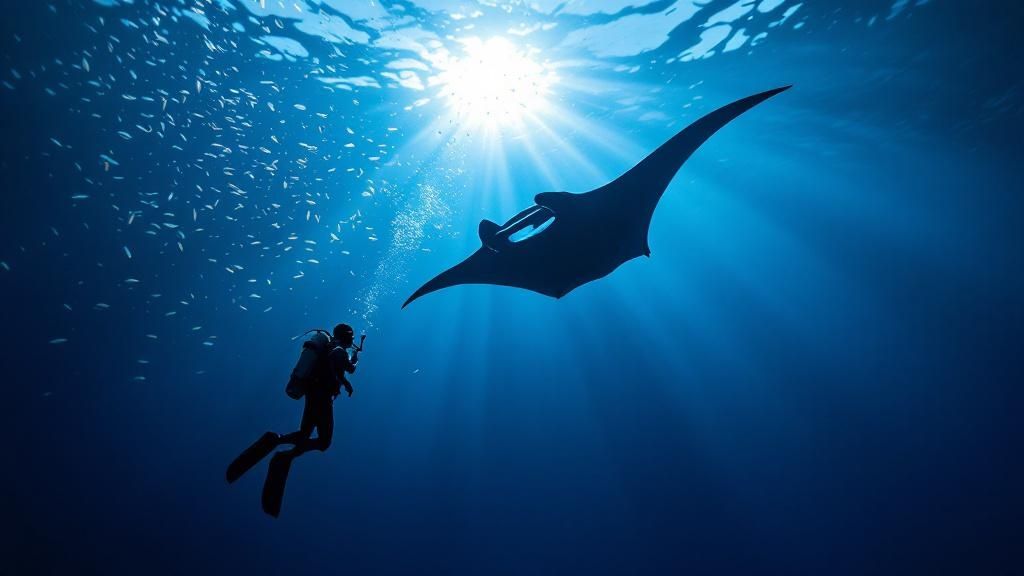
A little prep work goes a long way in making your manta ray dive in Kona a smooth, safe, and mind-blowing experience. If you take care of a few things beforehand, you can just relax and soak in the magic once you hit the water.
This isn’t just another fun dive; it’s a finely tuned ballet between divers and wildlife. Knowing what to bring and what your role is in the water ensures everyone is on the same page.
The Pre-Dive Briefing is Essential
Listen up, because the most important part of your prep happens right there on the boat. Your divemaster is going to walk you through everything—safety stuff, the plan for the dive, and the golden rules of manta interaction. This briefing is vital for keeping both you and the mantas safe, so pay close attention.
This is where you'll learn about the unique "campfire" formation. We'll guide you to a specific spot on the sandy bottom and arrange everyone in a circle. The idea is to create a stationary, human-powered light show.
By pointing your dive lights straight up to the surface, we create a massive column of light that acts like a bug zapper for plankton. It draws them into a dense cloud, ringing the dinner bell for the mantas and bringing them in for their nightly feast.
What to Bring and What to Wear
Packing the right stuff will make the whole trip much more comfortable. Even though Kona's water is warm, you'd be surprised how chilled you can get on a night dive, especially once you're back on the boat.
- Warmth is Key: Definitely bring a towel and a warm jacket or a dry change of clothes. That boat ride back can get breezy and cool.
- Motion Sickness Meds: If you even think you might get seasick, take your preferred medication before we leave the dock, following its instructions. You don't want to miss the show because you're feeling green.
- Underwater Camera: GoPros are perfect for capturing the magic! Just remember, your main job is to be a calm observer, not a filmmaker chasing the perfect shot.
The Golden Rule: Passive Observation
If you remember one thing, make it this: passive observation. You are there to watch, not to interact. The whole encounter is built around respecting the mantas and their natural behavior.
The core principle is simple: Let the mantas control the encounter. By remaining still on the ocean floor, you become part of the environment, allowing the rays to feel comfortable and approach closely on their own terms.
Touching a manta ray is absolutely forbidden. Their skin has a delicate mucus layer that works like an immune system, protecting them from nasty bacteria. Touching them can strip this layer off, leaving them wide open to infection. And it goes without saying that chasing, grabbing, or trying to ride a manta is a huge no-no that stresses them out and ruins the experience for everyone.
Photography and Videography Tips
You can absolutely get incredible footage of the dive, but it's all about the right approach. The goal is to get amazing shots without stressing the animals or getting in other divers' way.
- Let Them Come to You: Hold your spot in the campfire circle. The best shots happen when a manta glides right over your head through the light beams. Patience pays off.
- Minimize Your Gear: A simple, compact camera setup is best. Big, clunky rigs with multiple arms and strobes can be distracting and block others' views.
- Be Mindful of Others: Don't let your quest for the perfect photo ruin the dive for the person next to you. Be aware of your gear and make sure you're not blocking their view.
Here at Kona Honu Divers, our crew makes sure every diver is ready for this incredible adventure. Safety and responsible tourism are our top priorities, ensuring your dive is every bit as magical as you've dreamed.
Why Responsible Tourism Matters for Manta Rays
When you book a manta ray dive in Kona, you're doing more than just signing up for a mind-blowing adventure. You're casting a direct vote for one of the most powerful and successful conservation stories in the world. To really get why this experience is so special, it helps to understand the bigger picture and why protecting these gentle giants is so important.
Around the globe, manta ray populations are in trouble. They get tangled as bycatch in commercial fishing nets, face habitat loss, and are sometimes hunted for their gill plates, which are used in certain traditional medicines. These pressures are putting manta populations at serious risk worldwide.
How Hawaii Became a Manta Ray Sanctuary
Hawaii, thankfully, is a different story. The local manta ray population here isn't just surviving; it's thriving. This is largely thanks to smart conservation laws and a local community that gets just how valuable these creatures are.
Mantas grow slowly and have a tough time bouncing back from population declines. Recognizing this vulnerability, the state of Hawaii stepped up. On June 5, 2009, it became illegal to knowingly capture or kill manta rays in state waters. This single act was a game-changer, protecting not just the mantas but also the long-term economic health of the Big Island. You can learn more about Hawaii's successful manta conservation efforts and their impact.
This legal shield, combined with the hard work of responsible tour operators, has turned the Kona coast into a genuine sanctuary where mantas can feed and flourish without fear.
The Power of Manta Ray Ecotourism
This is where you come in. The manta ray dive in Kona is ecotourism firing on all cylinders. It creates a massive economic reason for the local community to protect its marine backyard. This nightly underwater ballet generates over $2.5 million USD in revenue every year, supporting local families, boat captains, dive guides, and countless other businesses.
It's simple, really. When manta rays are worth more alive than they are dead, everyone has a reason to keep them safe. It’s a sustainable model proving that a healthy ocean and a healthy local economy can absolutely go hand-in-hand.
By choosing a responsible tour operator, you aren't just buying a ticket for an incredible show. You are actively contributing to a conservation model that ensures these magnificent animals will continue to grace our oceans for generations to come.
Your participation sends a powerful message: protecting our oceans isn't just good for the environment—it's good for business and for the community.
Choosing an Operator Who Cares
The success of this whole delicate balance hinges on one thing: responsible practices. Reputable dive companies in Kona, like us at Kona Honu Divers, follow strict guidelines designed to keep our impact on the mantas to an absolute minimum.
These rules are non-negotiable and include things like:
- Passive observation only
- Never, ever touching the animals
- Using specific lighting techniques that attract plankton without messing with the mantas' natural behavior
You can get a deeper dive into these protocols in our guide covering what the manta ray night dive is all about.
Booking your unforgettable manta ray dive tour with a company that lives by these principles ensures your adventure leaves a positive mark.
Frequently Asked Questions About the Manta Ray Dive
Even after doing your research, it's totally normal to have a few last-minute questions before the big night. To make sure you feel completely ready and excited, we've put together answers to the questions we hear most often about the manta ray dive in Kona. This should clear up any lingering doubts and help you lock in your plans for this once-in-a-lifetime adventure.
Do I Need to Be a Certified Diver to See the Manta Rays?
Not at all! Snorkeling is an absolutely incredible way to see the mantas, and it’s perfect if you're not a certified diver. Snorkelers float up on the surface, holding onto a big, custom-made light board that shines down into the water. The light attracts the plankton, and the mantas come right up to the surface to chow down.
This is a fantastic choice for families, non-divers, or anyone who just feels more comfortable staying on the surface. You get a perfect bird's-eye view of the underwater ballet, and you're often just as close to the action as the divers down below.
What Is the Best Time of Year for the Manta Ray Dive?
This is one of the best parts about the manta ray dive in Kona—it's a phenomenal, year-round activity with a ridiculously high success rate. The local manta ray population lives here full-time, meaning they don't migrate away and are in the area all year.
They show up for their plankton dinner pretty much every single night, so any time you visit is a great time to see them. While the ocean conditions might change a bit with the seasons, the mantas are always here. It makes planning your trip a whole lot easier since you don't have to worry about hitting a specific "manta season."
Is the Manta Ray Dive Safe?
Yes, the experience is extremely safe, especially when you go with a professional, responsible dive operator like Kona Honu Divers. Manta rays are true gentle giants. They have no teeth, no stingers, and no barbs—their only interest is the plankton. They are completely harmless to people.
The most important safety rules are just listening to your guide's instructions, practicing passive observation (look, don't touch!), and never touching the animals. Our pre-dive briefings cover all the procedures to make sure everyone on board has a safe and amazing time.
Is There a Guarantee I Will See Manta Rays?
Manta rays are wild animals, so nobody can ever guarantee a sighting with 100% certainty. That said, the Kona dive has an incredibly high success rate, typically over 90%. The dedicated feeding sites and the reliable nightly routine of our local mantas make encounters very consistent.
Good operators are always upfront about their success rates. On the rare night the mantas don't show, most companies, including ours, will offer a "rain check" so you can join another tour for free. We always suggest booking your manta dive early in your trip—that way, you have plenty of time to re-book if you need to.
What Is the Difference Between Diving and Snorkeling?
The main difference is your point of view. Think of it like watching a concert from the front row versus the balcony—both are amazing, just different perspectives.
- Divers: If you're certified, you'll be sitting on the sandy ocean floor, about 25-35 feet down, shining your flashlight up. You'll be looking up as these giant creatures swoop and glide right over your head.
- Snorkelers: You'll stay on the surface, holding onto a large, floating light raft. You'll be looking down into the illuminated water as the mantas swim up from the dark to feed just inches below you.
Both give you breathtaking, up-close encounters. The best choice really just boils down to your certification and where you feel most comfortable.
Can I Touch a Manta Ray?
Absolutely not. Touching a manta ray is strictly forbidden for a critical reason: their skin is covered in a delicate, protective slime coat. This mucus layer is basically their immune system, and it shields them from harmful bacteria and infections.
When a person touches them, even lightly, it can rub off this coating and leave them vulnerable to disease. Responsible tourism is all about passive observation—we look, but we never touch. This ensures these beautiful animals stay healthy for generations of visitors to enjoy.
Ready to see this incredible show for yourself? Kona Honu Divers is dedicated to providing a safe, respectful, and totally unforgettable adventure. Our experienced crew will be there to guide you every step of the way. Book your spot on our world-famous manta ray dive tour today!