
Picture this: massive, graceful manta rays gliding inches from your face, their movements like an underwater ballet lit by dive lights. It’s not a dream. It's the magic of the Kona manta ray dive, one of the most incredible wildlife encounters you can have anywhere on Earth.
This guide is your deep dive into everything you need to know to experience it for yourself.
Your Essential Kona Manta Ray Dive Guide
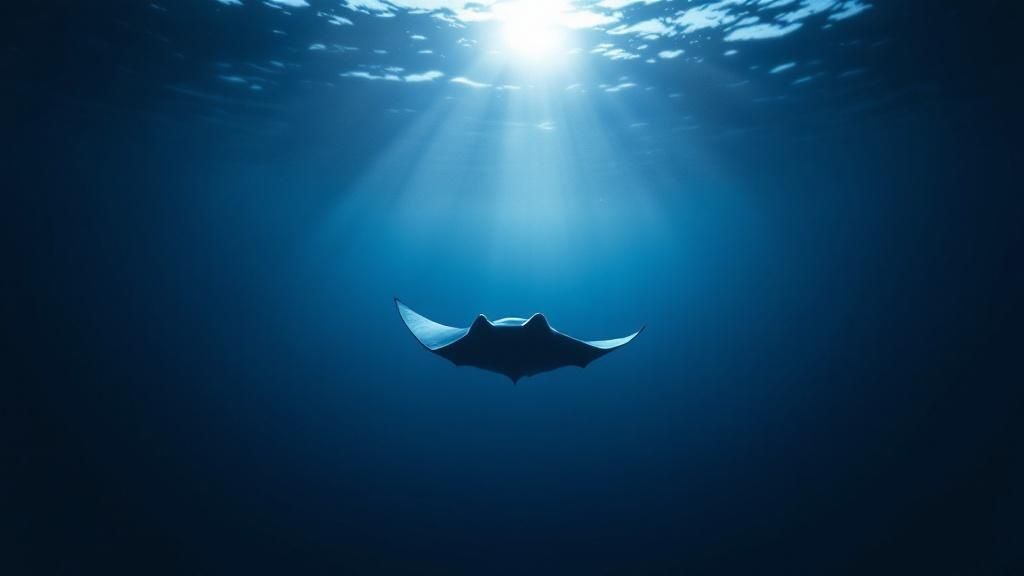
The Kona manta ray night dive isn't just another item on a travel bucket list; it's consistently ranked as one of the best night dives in the entire world. It’s a completely immersive, jaw-dropping adventure that gets you up close and personal with majestic marine life in a way that’s hard to describe.
Operators like Kona Honu Divers have spent years perfecting this tour, making it a safe, thrilling, and unforgettable encounter. This guide will walk you through what to expect, from stepping on the boat to those last magical moments in the water, so you can book your tour with total confidence.
But don't just take my word for it. Seeing what other people have to say is often the best first step.
What Makes This Experience So Special?
Unlike a lot of wildlife tours where you just cross your fingers and hope for a sighting, the Kona manta ray dive has a success rate that often tops 90%. Why? Because the local manta population here doesn't migrate. They're residents, and they’ve figured out that the bright dive lights mean an easy, all-you-can-eat plankton buffet.
The whole experience is built around what we sometimes call the "manta campfire." It's a brilliantly simple setup:
- Powerful lights are set up on the ocean floor for scuba divers or on a custom float for snorkelers.
- These lights attract huge clouds of plankton—the manta rays' favorite food.
- The mantas show up for dinner, swooping and barrel-rolling through the light beams to scoop up mouthfuls of plankton, often coming within inches of you.
This reliable routine creates an underwater theater where you get a front-row seat to one of nature's most graceful shows.
Kona Manta Ray Dive At a Glance
To give you a quick snapshot, here's a rundown of the key details for the incredible manta ray dive tours available.
| Aspect | Details |
|---|---|
| Location | Kona Coast, Big Island, Hawaii |
| Primary Dive Sites | Manta Village & Manta Heaven |
| Best Time to Go | Year-round; mantas are residents |
| Sighting Success Rate | Typically 90% or higher |
| Water Depth (Divers) | 30-40 feet (9-12 meters) |
| Activity Options | Scuba Diving & Snorkeling |
| Manta Size | Wingspans can exceed 12 feet (3.6 meters) |
| Safety | Mantas are harmless; they have no teeth or stingers |
Ready to see it for yourself?
Why Kona is the Manta Ray Capital of the World
So, what makes the Kona coast the undisputed champion of manta ray encounters? It’s not just random luck. It’s a perfect mix of geography, a reliable food source, and a bit of clever human intervention. This trifecta has turned seeing these gentle giants from a rare treat into an almost nightly guarantee.
The massive volcanoes of Mauna Loa and Hualalai act like giant bodyguards, shielding the Kona coastline from the usual trade winds. This creates water that is incredibly calm and clear, making for perfect diving in Kona, Hawaii and snorkeling conditions pretty much all year round.
But the real magic is happening below the surface. The underwater landscape, with its volcanic slopes and deep canyons, funnels nutrient-rich currents upward. This creates a constant, all-you-can-eat plankton buffet, drawing in filter feeders like our beloved manta rays day after day.
The Famous Manta Campfire
This natural abundance was the perfect setup for one of the simplest yet most brilliant ideas in wildlife tourism: the "manta campfire." The whole thing started decades ago when a hotel pointed its lights into the ocean and noticed that mantas would show up to feast on the plankton attracted to the glow.
Fast forward to today, and dive operators have this down to a science. They sink powerful, stationary lights to the ocean floor, creating a bright beacon for microscopic critters. Plankton swarm the light, and the mantas are right behind them, ready for dinner.
It’s a beautifully simple, win-win situation. The lights create a concentrated buffet for the mantas, and in return, divers and snorkelers get a front-row seat to one of the most incredible shows on Earth.
This dependable feeding routine is why the manta ray dive Kona experience has such a mind-blowing success rate, often hitting over 90%. The mantas aren't just passing through; they're part of a resident population that has learned this is the most reliable diner in town. Learn more about why you should go on a manta ray dive in Kona and see what makes it so unforgettable.
A Thriving and Studied Population
The Kona Coast isn't just a great spot; it’s one of the most famous manta ray diving locations in the world, with a resident population of more than 450 identified individuals. That's a huge number, especially considering that mantas are slow to mature and don't reproduce very often, which makes their populations fragile.
Luckily for us, the dives happen in relatively shallow water, around 30 to 40 feet, with great visibility and calm seas. This makes the experience accessible to certified divers and snorkelers alike.
The result is a spectacular underwater ballet. These gentle giants, some with wingspans stretching over 12 feet, perform effortless barrel rolls and graceful swoops through the beams of light. They glide just inches from your face, their massive mouths wide open to filter the plankton. It’s peaceful, immersive, and absolutely awe-inspiring.
A Hub for Research and Conservation
Kona’s reliable manta population has also made it a crucial hub for marine research. For years, scientists and conservationists have been studying these amazing animals, identifying them by the unique spot patterns on their bellies and even giving them names.
This ongoing research gives us vital information about their behavior, life cycles, and social habits.
This dedication to understanding and protecting the mantas is a huge part of what makes the tourism here responsible. When you go on a tour, you're doing more than just watching; you're actively supporting a system that helps conserve this natural wonder for generations to come. It's this blend of adventure and stewardship that truly cements Kona's title as the Manta Ray Capital of the World.
Choosing Your Dive Site Manta Village or Manta Heaven
So, you're planning your manta ray dive in Kona. Awesome. One of the first calls you'll have to make is where to go. You might think one spot is as good as the next, but Kona's two main manta haunts—Manta Village and Manta Heaven—are totally different vibes. Getting the lowdown on each is crucial for picking the right one for your adventure.
Think of it like choosing between two epic concert venues. One is a cozy, intimate theater where you're right up against the stage. The other is a massive, festival-style arena with a huge light show and a bigger crowd. Both are amazing, but you probably have a preference.
Knowing what to expect means you’ll be in the right place, at the right time, for an encounter that will blow your mind.
Manta Village The Original Classic
Just off the coast of Keauhou Bay, you'll find Manta Village. This is the OG, the spot that started it all. It’s famous for a reason: it's incredibly reliable and super accessible, which makes it a fantastic pick for first-timers and snorkelers.
The whole scene is set on a shallow, sandy bottom, only about 30-35 feet deep. It feels like a natural amphitheater built just for the mantas.
- Ideal for Beginners: That shallower depth and the usually predictable conditions are way less intimidating if you're a new diver or just haven't been in the water in a while.
- Great for Snorkelers: Snorkelers get a killer bird's-eye view. You're floating right on top of the action, watching the show from the best seat in the house.
- Calmer Waters: Its location is pretty sheltered, which often means calmer seas. If you're prone to seasickness, this is a huge plus.
The mantas here have been coming to the lights for decades, so they're used to the routine. Sightings are ridiculously consistent. You might see a smaller group of mantas compared to the other site, but the encounters are often incredibly close and personal.
Manta Heaven A Deeper Spectacle
Head a bit north, up by the Kona Airport, and you'll hit Manta Heaven (which daytime divers know as Garden Eel Cove). This place offers a different kind of manta magic. The dive is a bit deeper, and the bottom is more rugged and rocky. It's a spot that clicks with divers looking for a bit more of a dynamic environment.
Conditions here can bring stronger currents, which act like a dinner bell, pulling in massive clouds of plankton. And where there's plankton, there are mantas. It's not crazy to see a dozen or more rays swooping and barrel-rolling through the light beams. It’s a true vortex of activity.
Manta Heaven often feels like a grander spectacle because of the sheer numbers, but it does ask for a bit more confidence from divers and snorkelers. If you’re comfortable with deeper water and changing conditions, it's an unbelievable experience.
For divers with a good number of logbook entries, the energy at Manta Heaven is tough to beat. If you're an experienced diver really looking for a challenge, you might also check out some of Kona's premium advanced dive tours that explore deeper reefs and dramatic lava tubes.
Making the Right Choice for You
At the end of the day, there’s no "best" site—just the one that's best for you. Around 80,000 people do these tours every year along the Kona Coast, which tells you just how incredible both spots are.
Manta Village, with its shallow, sandy stage, is perfect for a relaxed, graceful 'manta ballet.' Manta Heaven's deeper setting and potential for more action offers a thrilling spectacle for seasoned divers. To get a feel for both, you can learn more about these globally renowned manta dive sites and see which one calls to you.
Just ask yourself: Am I looking for a chill, zen-like encounter or a high-energy, all-out show? Your answer will point you straight to an unforgettable manta ray dive in Kona.
How to Prepare for Your Manta Ray Night Dive
A truly epic manta ray dive in Kona starts well before you ever hit the water. Honestly, being prepared is what separates a good dive from an absolutely mind-blowing, stress-free experience. This isn't just about checking boxes; it's about setting yourself up to be fully present for one of the most incredible shows on Earth.
Let's be real, dropping into the dark ocean can give anyone a few butterflies, even if you've logged hundreds of dives. The trick is knowing what's coming. When you're physically and mentally ready, you can let go of the jitters and just soak in the underwater ballet happening right in front of your mask.
What to Pack and Wear
Getting your gear sorted is step one. The dive op will handle the big stuff like tanks and weights, but a few personal items can make a massive difference in your comfort and enjoyment.
- Wetsuit Thickness: Yeah, Kona water is warm, but you're going to be pretty still for a good chunk of this dive, just watching the show. Trust me on this: a 3mm or 5mm wetsuit is a game-changer. Staying warm means staying relaxed, and that's when the magic really happens.
- Dive Lights: Your guide is going to have a beast of a light to attract the plankton. But having your own smaller, personal light is a smart move. It’s perfect for checking your gauges or signaling your buddy without having to turn the main "campfire" light away from the action.
- Camera Gear: If you're planning to capture this, do a little prep. Make sure your GoPro or camera battery is fully charged and you've got a clean memory card. Pro tip: a red filter will help bring back all the amazing colors that get lost at depth, and a video light can make a huge difference for focus.
And don't forget the after-dive essentials! Bring a towel and a warm hoodie or jacket for the boat ride home. That breeze on the water can feel pretty brisk after you've been submerged, even in tropical paradise.
Getting Your Head and Body in the Game
Your physical well-being has a huge impact on your dive. It sounds basic, but proper hydration and food are key. Drink water all day, but maybe don't chug a huge bottle right before you get on the boat. A light, healthy meal a couple of hours beforehand is perfect—diving on a totally empty or stuffed stomach is just plain uncomfortable.
Getting your head in the right space is just as crucial, especially if night diving is new to you.
The feeling of descending into the dark is something else. You have to trust your training, your guide, and your gear. That little bit of apprehension you might feel at first? It melts away the second those gentle giants start swooping through the light.
Pay close attention to the dive briefing. These guides have done this dive thousands of time—they are the experts. They'll walk you through every step, every safety rule, and exactly what to expect. Knowing the plan is the best way to build confidence and stay relaxed. You can get an even deeper dive into the experience by learning more about what to expect on a manta ray night dive in Kailua Kona.
Follow these simple steps, and you'll be more than ready. You'll be primed to fully immerse yourself in one of the most awe-inspiring underwater encounters you'll ever have.
Practicing Safe and Responsible Manta Interaction
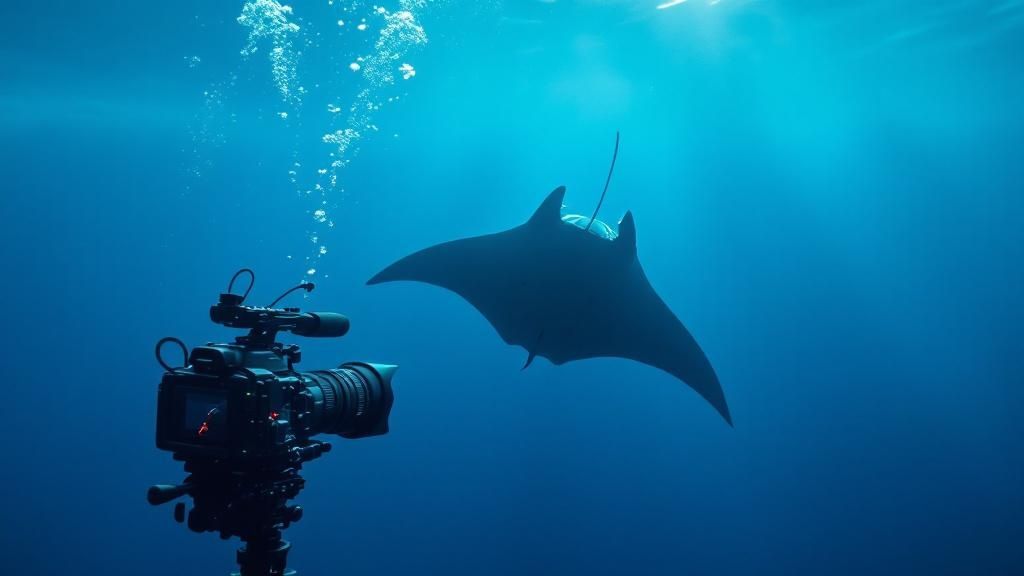
Sharing the water with these gentle giants during a manta ray dive in Kona is an absolute privilege, but it also comes with a serious responsibility. These encounters are only possible because we respect the animals and their home. Following a few simple guidelines keeps both you and the mantas safe, making sure this incredible underwater show can continue for years to come.
The main idea is easy: we're just passive observers in their world. The whole experience is set up to let the mantas do their thing while we get a front-row seat. Professional outfits like Kona Honu Divers are serious about these standards, turning every diver and snorkeler into a respectful guest.
The Golden Rule Do Not Touch
The absolute, most important rule of any manta encounter is to never, ever touch them. I get it—the urge is strong when a manta glides just inches over your head. But touching them can cause some serious harm.
Manta rays have a special mucus coating on their skin. It's their first line of defense against nasty bacteria and parasites. When we touch them, even with the lightest finger, we can wipe off this protective slime. This leaves them wide open to skin diseases and infections they’d normally be safe from.
It's a simple act of respect that has a massive impact on their health. Think of it as their invisible shield—our job is to admire it, not break it. By keeping our hands to ourselves, we directly contribute to the well-being of Kona's resident manta population.
How to Be a Good Manta Observer
Beyond the big "no-touching" rule, a few other guidelines help make the experience safe and respectful for everyone. Your dive guide will go over all of this in the briefing, but knowing them ahead of time helps you show up ready to be the perfect guest at the manta buffet.
Key Interaction Guidelines:
- Hold Your Spot: Divers need to stay on or near the sandy bottom. This creates a clear space above—the "water column"—for the mantas to swim freely. Snorkelers hang out on the surface, holding onto the light board. This setup prevents accidental bumps and gives the mantas all the room they need.
- Let the Mantas Lead the Dance: Never chase or try to ride a manta ray. Seriously. Let them come to you. They are naturally curious and might get incredibly close, but it must be on their terms.
- Mind Your Bubbles: This one's for the scuba divers. As a manta passes overhead, try not to exhale a huge cloud of bubbles right in its face. It won't hurt them, but it can be startling and throw them off their feeding path.
- Check Your Buoyancy: Nailing neutral buoyancy is key. It keeps you from floating up into a manta's path and, just as importantly, protects the fragile reef and marine life on the seafloor from being crushed.
The Role of Professional Operators
Honestly, the best thing you can do to ensure an ethical manta ray dive Kona experience is to choose a reputable operator. Established companies like Kona Honu Divers aren't just running tours; they are stewards of this marine ecosystem.
They are strict about enforcing these rules, give detailed safety briefings, and manage the site to keep it from getting too crowded. It's this commitment that has made the Kona manta ray dive a global model for sustainable wildlife tourism. When you book your manta ray dive tour with a crew that cares, you're directly supporting the conservation of these magnificent animals.
Beyond the dive itself, you can also support wider ocean conservation through programs like the '5 For Oceans' initiative. This way, your trip becomes part of a much bigger effort to protect the magic of our oceans.
Beyond the Dive: The Secret World of Kona’s Mantas
That nightly feeding ballet is just one part of the incredible story of Kona's manta rays. When you go on a manta ray dive Kona style, knowing a little bit about these animals beforehand transforms an amazing show into a real connection with one of the ocean's smartest creatures.
Thanks to decades of local research, we've started to peel back the layers on their secret lives. It turns out they have complex social circles, surprising smarts, and fascinating personal histories. Each manta is totally unique, and scientists can actually tell them apart by the one-of-a-kind spot patterns on their bellies. Think of it like a fingerprint.
Getting to Know the Locals
This "fingerprinting" method lets researchers give them names, track where they go, and follow their life stories, sometimes for many years. This isn't just some anonymous school of fish; it's a community of individuals. You might meet Lefty, Big Bertha, or Kailey Ray, each with their own personality and backstory that the local dive guides love to share.
Knowing the manta gliding over your head has a name and a history creates a powerful bond. It changes the dive from just watching something cool into a personal introduction. You're not just seeing a manta ray; you're meeting a recognized member of Kona's famous underwater neighborhood.
Uncovering Manta Mysteries
Long-term studies along the Kona Coast have given us an incredible look into their daily lives. Research efforts, with some going all the way back to 1991, have shown us that mantas hang out at specific spots like Manta Village and Manta Heaven because they've learned to. They know the lights from the dive boats mean an easy, all-you-can-eat plankton buffet.
This research also tracks where they travel and has completely shattered old ideas about their range. For instance, a tagged manta named Loulou Ray was tracked traveling an impressive 42 miles from the Kohala Coast down to Keauhou. This proved they venture way farther than the 30-mile limit scientists previously believed. You can discover more about these manta ray movement patterns and what they tell us about these intelligent animals.
By learning their stories and understanding their behavior, we move beyond being simple tourists. We become informed ambassadors for a species that is as intelligent and complex as it is graceful.
This deeper knowledge makes the whole manta ray dive Kona experience richer. The lights, the plankton, the graceful dance—it all clicks into place as part of a bigger, more intricate world that we're lucky enough to witness. Your dive becomes more than just an adventure; it's a glimpse into the secret, fascinating lives of Kona's most famous residents.
Common Questions About the Kona Manta Ray Dive
As you get ready for your manta ray adventure in Kona, a few questions always seem to pop up. Getting those last-minute details sorted helps you feel confident and even more stoked for the trip. Here are some straight answers to the things we hear most often from fellow ocean lovers.
Do I Need to Be Scuba Certified
Nope, not at all! While the scuba dive is an unforgettable way to see the mantas from below, snorkeling is just as spectacular. You get to see everything from the surface.
Snorkelers hang onto a specially designed, floating light board. The powerful lights shine down, attracting swarms of plankton, which in turn brings the manta rays right up to feed, sometimes just inches below you! It gives you a perfect bird’s-eye view of the whole ballet and makes this incredible encounter open to just about everyone.
What Is the Best Time of Year to Go
Here’s the great news: you can see manta rays in Kona year-round. Our local manta population doesn't migrate anywhere, so they are always here and ready for their nightly plankton feast. The sighting rates stay consistently high no matter when you plan your visit.
That said, the calmest ocean conditions are usually from April to October, which also brings warmer water. The winter months can sometimes kick up bigger swells, but the tours still run safely and regularly. No matter the season, your chance of a magical night is fantastic.
Is the Manta Ray Night Dive Safe
Yes, it's a very safe activity, especially when you go with a professional and reputable operator like Kona Honu Divers. Manta rays are true gentle giants. It's important to remember they have no teeth, stingers, or barbs—they are completely harmless to people.
The main safety focus is on standard night diving and snorkeling procedures. Your guides will give you a detailed briefing, make sure everyone has the right lighting, and keep a close watch over the whole group. If you follow their lead, all you have to do is relax and soak in the awe of it all. To get a deeper look, check out our complete guide explaining what is a manta ray night dive.
What Happens If We Don’t See Mantas
While sightings are incredibly reliable—often over a 90% success rate—mantas are wild animals, and their appearance can never be 100% guaranteed. Nature does what it wants! Because of this, the best companies offer what's known as a "manta guarantee."
This usually means that if your tour doesn't see any mantas, you can come back and try again on another night for free, based on availability. It's always a good idea to confirm the specific policy with whatever operator you choose before you book.
Ready for the adventure of a lifetime? Book your trip with Kona Honu Divers and experience the magic of the manta rays for yourself. Secure your spot on our world-famous manta ray dive tours today