
Picture this: you're floating in the warm, dark Pacific Ocean. Suddenly, a gentle giant with a wingspan wider than a car glides inches from your face, performing a silent, underwater ballet. This is the world-famous manta ray dive in Kona, a true bucket-list experience that people consistently rank as one of the most incredible wildlife encounters on the planet. It’s easily one of the most reliable and magical aquatic adventures you can find anywhere.
The Unforgettable Kona Manta Ray Night Dive
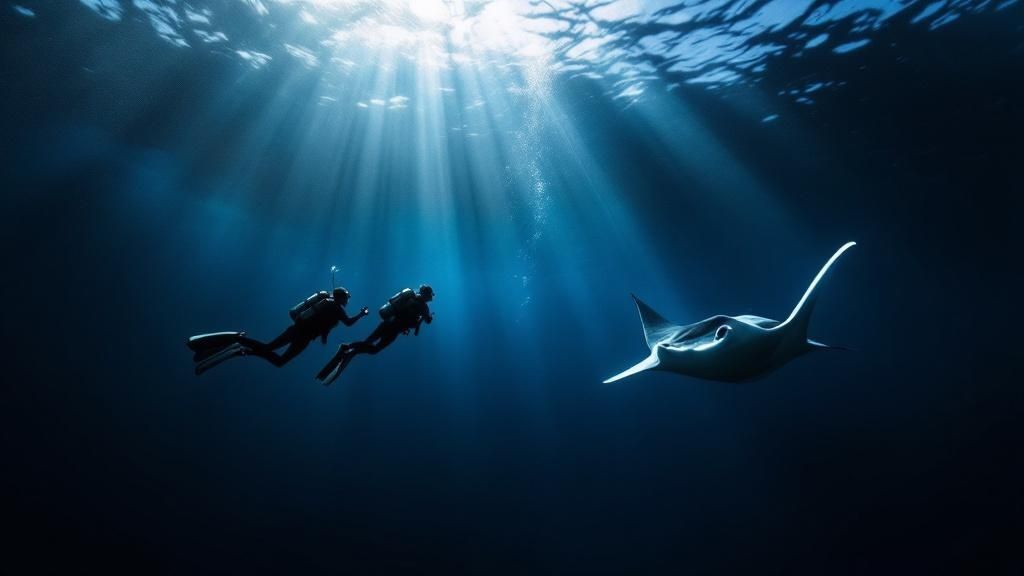
The Kona coast of Hawaii’s Big Island has become the perfect sanctuary for these majestic creatures. Over the years, local operators have dialed in a system to create a reliable and truly awe-inspiring spectacle for visitors. We often describe the setup as an underwater "campfire." Instead of gathering around flames, divers and snorkelers assemble on the seafloor around powerful, purpose-built lights.
These lights attract dense clouds of plankton, which just so happens to be the manta rays' favorite meal. The mantas, in turn, show up for their nightly feast. They glide, swoop, and barrel-roll right through the beams of light in a mesmerizing display that honestly feels like something from another world. If you want to dive into the specifics, you can learn more about the Kona manta ray night dive to get fully prepped for this one-of-a-kind adventure.
Why Is This Dive So Special?
What really sets the Kona manta dive apart from other wildlife encounters is its incredible consistency and how accessible it is. The area is home to a resident population of over 450 identified manta rays, some with wingspans stretching more than 12 feet! This means on almost any given night, your odds of a spectacular sighting are remarkably high.
The success rate for a manta ray dive in Kona is an incredible 85-90%, making it one of the most dependable manta destinations worldwide. This is all thanks to the nutrient-rich currents that create a constant buffet, drawing the mantas to the same sites, night after night.
Another great thing about this dive is its depth. The sites are relatively shallow, usually between 30 and 40 feet, which allows divers of almost every skill level to join in safely and comfortably. It’s an experience that’s both thrilling and surprisingly serene. Check out the manta ray dive tours page for more information.
Choosing Your Adventure: Diving vs. Snorkeling
One of the best things about the Kona manta ray experience is just how accessible it is. You don’t need to be a certified diver to get in on this incredible spectacle. Both diving and snorkeling offer absolutely breathtaking views, but they are very different experiences. Figuring out those differences is the key to picking the perfect adventure for your comfort level and what you’re hoping to get out of your **manta ray dive in Kona**.
Your choice really boils down to where you want to be in the water. Each option gives you a unique front-row seat to the nightly feeding frenzy, just from a different angle. Your certification, comfort in the water at night, and the kind of view you’re after will point you in the right direction.
The Diver's Perspective: From the Ocean Floor
For certified scuba divers, this is a chance to get fully immersed in the action. Picture this: you descend to the sandy ocean floor, about 30 to 40 feet deep. You’ll kneel or sit in a designated spot, forming a circle with your fellow divers around a powerful light we call the "campfire."
From this spot on the seafloor, you just look up as the show begins. The mantas, drawn to the plankton that flock to the light, swoop and barrel-roll just feet above your head. It’s a jaw-dropping, almost overwhelming feeling to watch these massive, graceful creatures perform their silent ballet against the dark water. This bottom-up view gives you a profound sense of their sheer size and elegance.
The whole thing feels calm and stable since you're stationary on the bottom. This lets you focus completely on the mantas without having to think about anything else.
The Snorkeler's View: From the Surface
Not a certified diver? No problem. The manta ray snorkel tour is a fantastic and equally thrilling option. As a snorkeler, you'll float on the surface, holding onto a big, custom-made floatation board. These boards are equipped with bright lights that shine straight down into the water.
This light board does two things: it attracts the plankton that the mantas feed on, and it gives you a stable platform to hold onto. From this top-down perspective, you watch the "manta ballet" unfold below. You'll see them glide gracefully into the light beams to feed, their white bellies glowing as they turn and swoop right beneath you.
This unique view lets you appreciate the sheer number of mantas that might show up and watch how they interact with each other across the entire lighted area. For many, floating peacefully while these gentle giants dance below is an equally magical experience.
Whether you choose to dive or snorkel, you're looking at an unforgettable encounter. But how do the two experiences really stack up against each other? This table breaks down the key differences to help you make the best choice for your trip.
Manta Ray Dive vs. Snorkel Experience Comparison
| Feature | Manta Ray Dive | Manta Ray Snorkel |
|---|---|---|
| Certification | SCUBA certification required | No certification needed |
| Viewing Angle | Bottom-up: Looking up from the seafloor | Top-down: Looking down from the surface |
| Depth | 30-40 feet on the sandy bottom | Floating on the surface |
| Proximity | Mantas swoop directly overhead, often inches away | Mantas feed just below, often very close to the surface |
| Equipment | Full scuba gear (BCD, regulator, tank, weights) | Mask, snorkel, fins, and a flotation board |
| Stability | Very stable; stationary on the ocean floor | Stable, holding onto a large float |
| Best For | Certified divers wanting an immersive, "big picture" view | Non-divers, families, and those who prefer the surface |
Ultimately, there's no wrong way to see the mantas. It's all about what makes you most comfortable and excited. Both our dive and snorkel tours are led by professional guides who put your safety and the well-being of the mantas first, guaranteeing a safe and memorable trip for everyone.
Ready to book your spot?
Best Times and Locations for Your Manta Encounter
While you can see manta rays in Kona any night of the year, knowing the subtle differences in timing and location can turn a great dive into a mind-blowing one. It's not just about where you go, but when you go that sets the stage for the best possible underwater show.
The fantastic news for divers is that Kona’s manta rays are residents. They live here year-round, which means your chances of a magical encounter are high no matter when you visit. Still, the seasons do bring some changes.
Peak season generally runs from April to October. This stretch often brings warmer water and calmer seas, with temperatures hovering between a comfortable 75°F and 80°F. This is also when the ocean's food chain kicks into high gear, meaning more plankton in the water and, usually, more mantas showing up for dinner.
The "off-season," from November to March, has its own kind of magic. The water might be a touch cooler, but you’ll often find fewer boats and smaller tour groups. This can lead to a much more intimate and personal experience with these gentle giants.
Kona's Premier Manta Dive Sites
Kona is famous for three primary, world-class sites for manta ray encounters. Think of them as different restaurants the mantas like to visit—each with its own vibe and menu. Choosing the right one depends on your experience level and what kind of encounter you’re hoping for.
These spots are so dependable that they’ve set the global standard for manta ray tourism. Every year, around 80,000 people come to dive and snorkel with mantas along the Kona Coast. That number alone shows you just how special this place is.
Manta Village (Keauhou Bay)
- The Original: This is it—the most famous and longest-running manta ray night dive spot on the planet.
- Perfect for Everyone: With its calm, protected water and shallow depth (around 25-35 feet), Manta Village is ideal for first-time night divers and snorkelers alike.
- High Success Rate: It has a legendary track record for consistent sightings, making it a super reliable choice.
Manta Heaven (Garden Eel Cove)
- A Photographer's Dream: Located north of Kona near the airport, this site is a bit deeper and can have current, which experienced divers and photographers absolutely love for the unique photo ops.
- The Big Show: Manta Heaven is famous for attracting huge groups of mantas, sometimes more than a dozen at once.
- Vibrant Reef: By day, the site is known as Garden Eel Cove and is a phenomenal dive in its own right, with a stunningly healthy reef.
Manta Point (Kohala Coast)
- A Quieter Affair: This site is further north and sees less boat traffic, often resulting in a more secluded experience away from the main crowds.
- Hit or Miss: Sightings can be less predictable here. But when the mantas do show up, the lack of other tour groups can make you feel like you have the whole ocean to yourself.
Picking the right location and time can truly make your trip. If you want to dive deeper into what a manta ray night dive is actually like, from the boat briefing to getting in the water, check out our guide on what the manta ray night dive is all about.
No matter which site you end up at, the whole experience is carefully managed to keep both you and the mantas safe. A trip with Kona Honu Divers means you’re diving with experts who know these sites and these incredible animals inside and out.
Getting Ready: Gear, Safety, and Manta Manners
A little bit of prep work makes a world of difference. It’s what separates a good dive from an unforgettable one, ensuring your manta ray dive in Kona is not just incredible, but also safe for you and respectful to these gentle giants. Think of this as your pre-dive briefing, covering what to bring and the golden rules for interacting with the mantas.
When you follow these guidelines, you're not just a tourist; you're an active participant in conservation. Your respectful presence helps protect this world-famous encounter, making sure it’s around for many more divers to experience in the years to come.
Essential Gear and What to Bring
One of the best parts about diving with a top-notch operator like Kona Honu Divers is that they handle the heavy lifting. All the core scuba equipment—tanks, weights, BCD, and regulators—is provided. No need to lug your own gear across the Pacific.
That said, a few personal items can really dial up your comfort and help you capture the memories.
- Personal Mask: If you wear glasses, a prescription dive mask is a total game-changer. It's the difference between seeing blurry shapes and witnessing every detail of the mantas in crystal-clear focus.
- Underwater Camera: You're going to want photos of this. A GoPro or similar camera is perfect, but make sure you’re comfortable using it beforehand so you're not fumbling with settings and missing the main event.
- Towel and Warm Clothes: Even in paradise, the boat ride home after a night dive can get surprisingly brisk. A dry towel and a warm sweatshirt or windbreaker will feel like pure luxury.
- Reusable Water Bottle: Diving is dehydrating work! Bringing your own water bottle is an easy way to stay hydrated and be kind to the environment.
With the technical gear sorted by the pros, you're free to focus on your personal comfort items. This lets you relax and fully immerse yourself in the magic unfolding right in front of you.
The Rules of Responsible Manta Interaction
The Kona manta ray dive is built on a simple foundation: respect for the animals and their home. To keep the mantas safe and ensure they continue to grace us with their presence, every diver must follow a strict code of conduct. You're a guest in their dining room, so it's all about good manners.
The number one rule is the most important: do not touch the manta rays. Ever. Mantas have a thin, protective layer of slime on their skin, which is their primary defense against infection and harmful bacteria.
When you touch them, even with the lightest graze, you can rub off this coating and leave them vulnerable to disease. It’s like breaking down their immune system. By simply keeping your hands to yourself, you are playing a direct role in their health.
Your dive guide will have everyone settle in a stationary group on the sandy bottom, usually in a semi-circle around a central light source we call the "campfire." Your only job is to stay put and watch the show. This creates a predictable, safe space where the mantas feel comfortable enough to swoop and glide right overhead.
Manta Etiquette for a Perfect Dive
Following proper etiquette isn't just for the mantas; it makes the dive better for everyone. It all boils down to being a passive observer.
- Stay Put: Find your spot on the ocean floor and stay there. Don't chase the mantas or swim up into the water column—that space is their feeding zone.
- Mind Your Bubbles: Try to time your breathing. Exhaling a massive cloud of bubbles right into a manta’s path as it soars above you is considered a bit rude in their world.
- Control Your Buoyancy: Good buoyancy control is key. It helps you stay settled on the bottom without kicking up sand or accidentally bumping into other divers or marine life.
By sticking to these simple rules, you become part of the scenery, not a disruption. For a deeper dive into the specifics, you can learn more about what you should know for a manta ray dive in Kona on our blog. Book your spot today and come see what all the rave reviews are about!
Understanding the Kona Mantas and Their Conservation
The giant creatures you meet on a **manta ray dive in Kona** aren’t just a random, fleeting tourist attraction. They’re actually a well-studied local population, and many of them are old friends to the dive community here. Each one has a name, a story, and a history.
When you dive into the science and conservation behind this whole spectacle, it adds a much deeper meaning to your adventure. It stops being just a tour and turns into a real connection with the ocean.
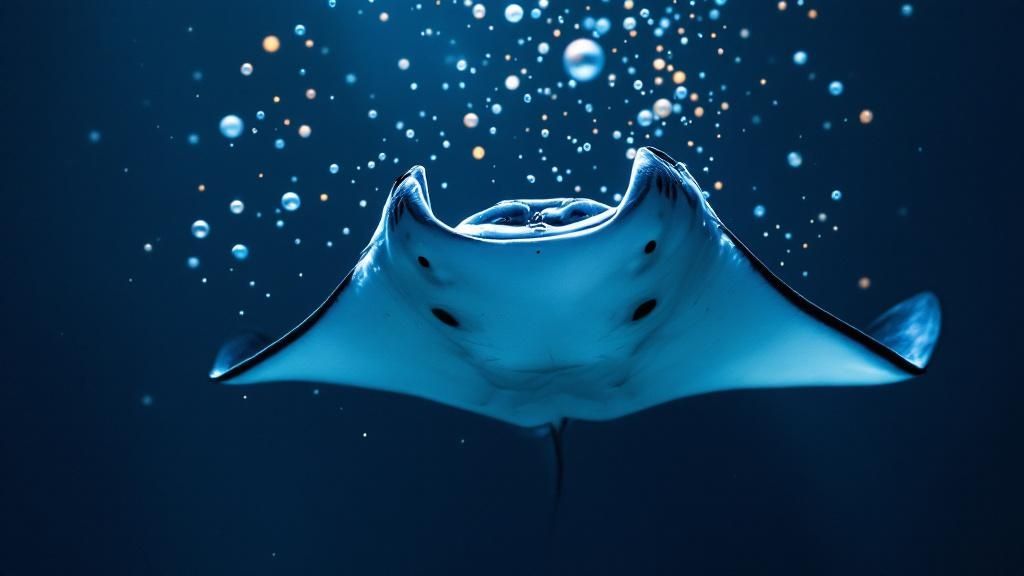
The magic all starts with their belly spots. Much like a human fingerprint, every single manta ray has a completely unique pattern of black spots on its white underside. Experienced divemasters and researchers can identify specific mantas just by glancing at these patterns.
The Power of a Fingerprint
This "fingerprint" method is the entire foundation of manta ray research here in Kona. For decades, researchers have been photographing the bellies of the mantas to build a massive catalog. This allows them to track individual animals, check on their health, and really get a handle on the overall population dynamics.
This is where you come in. As a diver or snorkeler, the photos you snap aren't just cool souvenirs; they're valuable data. This idea is called citizen science, and it empowers everyday visitors like you to contribute directly to vital research. You're helping build a huge database that tracks the health and size of Kona's manta family.
Every time a new photo gets submitted, it helps confirm a known manta is still around or—and this is the really exciting part—it might identify a brand new one. Knowing this completely changes your dive. You’re not just watching; you're actively helping protect them. To really get why this is so special, it's worth exploring the reasons why a manta ray dive should be on your list—it’s about so much more than just seeing big fish.
Famous Residents and Groundbreaking Discoveries
Over the years, some mantas have become genuine local celebrities. The official scientific tracking effort started way back in 1991, and since then, it's cataloged over 330 individual reef mantas (Mobula alfredi) and giant mantas (Mobula birostris).
These efforts have uncovered some fascinating stuff. For example, we now know that the underwater lights create a learned behavior, essentially conditioning the mantas to return to the same "restaurants" night after night for an easy meal.
One of the most famous local mantas, "Loulou Ray," completely shattered what we thought we knew about their travel habits. In 2020, she swam an incredible 42 miles from the Kohala Coast all the way down to Keauhou in just eight weeks. This proved their range is way bigger than anyone believed.
This robust data, bolstered by over 28,500 reported sightings from citizen scientists, makes up one of the most complete manta ray datasets anywhere in the world. It’s absolutely crucial for their long-term conservation.
By joining a manta ray dive, you're stepping into a living laboratory. You're witnessing decades of conservation work and scientific discovery in action, all while enjoying one of the most majestic wildlife encounters on Earth.
When you understand all of this, the experience becomes so much richer. You’ll find yourself looking for those unique spot patterns, wondering about the story of the manta gliding over your head, and feeling a real sense of partnership in protecting these magnificent animals for generations to come. Your dive becomes more than just an activity; it's a contribution.
Exploring More of Kona’s World-Class Diving
The legendary manta ray dive in Kona is an absolute must-do, and for many, it's the main reason they come to the Big Island. But let me tell you, it’s really just the tip of the iceberg. The Kona coast is a complete, world-class diving destination, with an entire universe of underwater adventures just waiting to be discovered.
Think of the manta dive as the headliner at a multi-day music festival. It’s epic, for sure, but the other acts are just as spectacular in their own right. From surreal night drifts to exploring ancient volcanic architecture, there’s always another incredible experience waiting just beneath the waves, each one showcasing the sheer diversity of Hawaii’s marine world.
This is where Kona Honu Divers comes in. We're your gateway to this broader underwater world, running expertly guided trips for every skill level and interest.
The Legendary Kona Blackwater Dive
For an experience that is truly otherworldly, you have to try the famous Kona Blackwater Dive. This is nothing like a typical reef dive. We take you miles offshore, where you'll drift suspended in the deep, dark open ocean, safely tethered to the boat.
As you float in the abyss, you become a spectator to one of the planet's largest migrations. Bizarre and fascinating bioluminescent creatures, many rarely seen by human eyes, rise from the crushing pressure of the depths to feed near the surface. You’ll be face-to-face with strange jellies, alien-like larval fish, and shimmering squid in a spectacle that honestly feels more like a trip to another planet.
Advanced Daytime Adventures
Beyond the magic of the night dives, Kona's daytime diving is just as impressive, especially for more experienced divers looking for something a bit more advanced. The Big Island's volcanic past has carved out a dramatic underwater landscape that is simply breathtaking. Our premium advanced dive trips are specifically designed to show off these incredible features.
You can explore:
- Ancient Lava Tubes: Imagine swimming through massive underwater caverns and archways formed by lava flows thousands of years ago. The way the light plays through these structures is just stunning.
- Dramatic Walls and Pinnacles: Descend along sheer drop-offs that plummet into the blue, or explore deep pinnacles that are absolutely teeming with life, from colorful sponges to huge schools of fish.
- Vibrant Coral Reefs: We can take you to pristine coral gardens that are home to an incredible array of marine life, including eels, turtles, and the occasional shark cruising by.
By venturing beyond the manta sites, you get a complete picture of what makes this island so special. The variety of experiences available truly solidifies Kona’s reputation as a top-tier global diving hotspot.
The Big Island is a destination that rewards exploration. We invite you to extend your stay and see everything the Kona coast has to offer. You can learn more about the possibilities when you dive the Big Island of Hawaii with Kona Honu Divers and browse all of our available diving tours in Kona to build your ultimate dive vacation.
Got Questions About the Manta Dive? We’ve Got Answers.
It's totally normal to have a few questions as you get ready to book one of the most incredible experiences of your life. After all, this isn't just another tour; it's a front-row seat to one of nature's greatest underwater ballets.
Let's get those questions sorted out, so you can stop wondering and start getting excited for the magic that awaits.
Do I Need to Be a Certified Diver?
Nope! And that’s one of the best things about the Kona manta ray experience—it’s built for everyone. We run two totally separate, dedicated tours so that both divers and snorkelers get an amazing, up-close view.
- For Snorkelers: You'll hang out comfortably at the surface, holding onto a custom light board. Those lights are like a dinner bell for plankton, drawing the mantas right up to feed, sometimes just inches away from you.
- For Certified Divers: You’ll head down to the sandy bottom with your guide. From this unique spot, you get to look up and watch the mantas do their famous barrel rolls right over your head.
Both options offer a spectacular show and a truly unforgettable encounter. It just comes down to your comfort level and how you'd prefer to see these gentle giants.
How Likely Am I to Actually See Manta Rays?
I get it—you don't want to get your hopes up for nothing. While no one can ever guarantee a wildlife sighting with 100% certainty, this is about as close as you can possibly get. Most nights, operators see success rates of over 90%.
Kona is world-famous for this specific encounter for a reason. The dive sites are well-established feeding grounds, and the powerful lights we use act as a reliable beacon. The local manta population has learned that our lights mean an easy buffet, and they show up almost every single night to feast.
Your chances of seeing mantas on a Kona dive tour are among the highest for any wildlife encounter in the world. The combination of a resident manta population and a responsible, well-organized system makes this a remarkably dependable adventure.
What Should I Bring on the Tour?
We try to make it as simple as possible. We’ve got the important gear covered. Operators like Kona Honu Divers will provide all the essentials—tanks, weights, masks, fins, and wetsuits. You really only need to pack a few personal items for your own comfort.
Here’s a quick checklist of what to toss in your bag:
- A towel for drying off when you're done.
- A change of warm, dry clothes. It can get chilly on the boat ride back!
- A reusable water bottle.
- An underwater camera. Trust me on this one—you are going to want pictures.
We handle the heavy lifting with the gear so you can just relax and soak it all in. We've thought of all the details to make sure your adventure is amazing from start to finish.
Ready to book your spot and see what all the fuss is about?
At Kona Honu Divers, we're all about providing a safe, respectful, and mind-blowing manta ray experience. Explore our manta ray dive tours and get ready for the adventure you'll be talking about for years to come.