
There are some truly incredible things to do on the Big Island, but one experience stands out above all others. It’s an adventure that people talk about for years, a memory that never fades. I’m talking about the manta ray dive in Kona, consistently ranked as one of the most unforgettable underwater encounters on the entire planet.
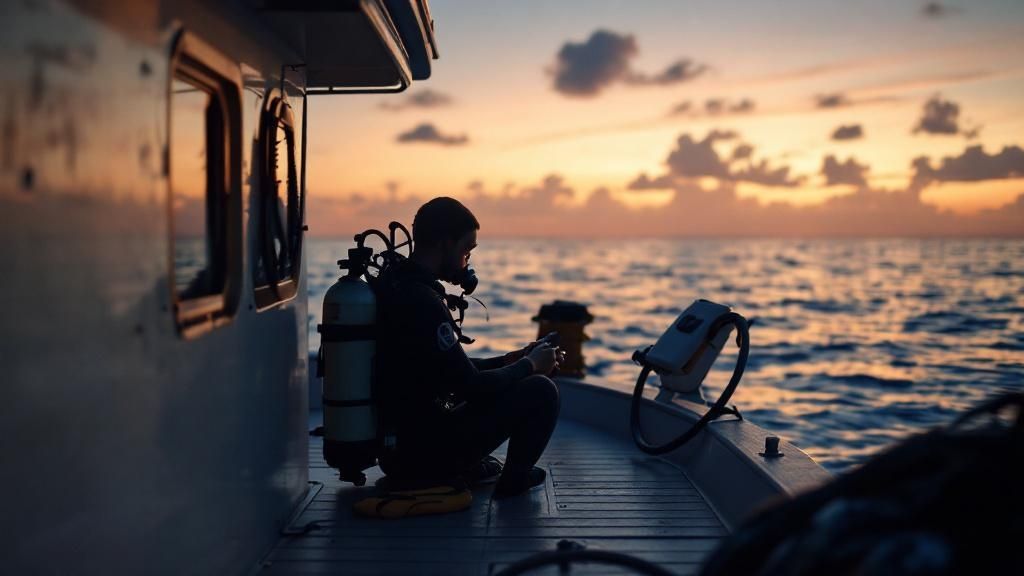
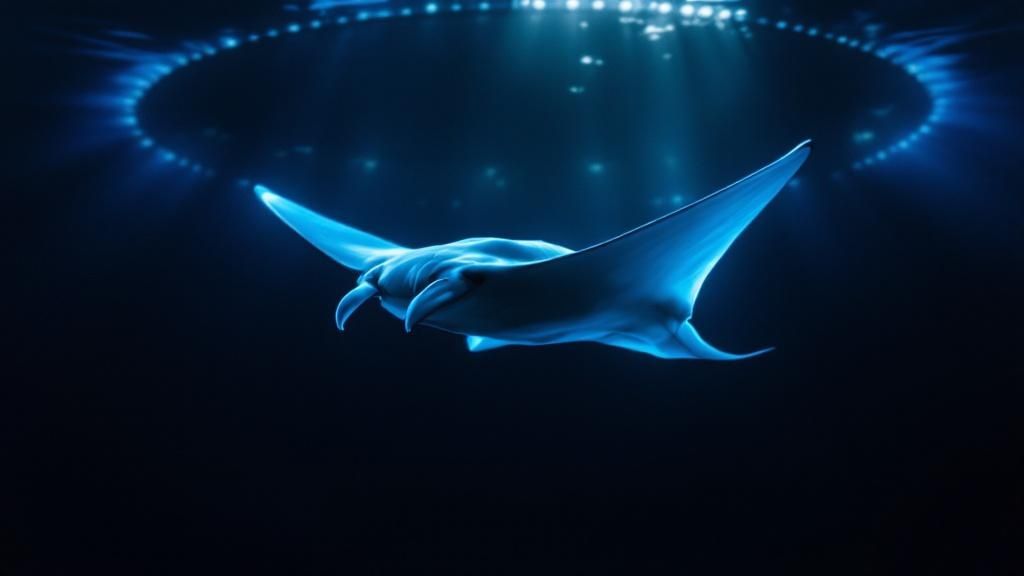
Imagine this: you slip into the dark Pacific waters just after sunset. The world goes black, except for the powerful lights your guides have set up. These lights attract clouds of plankton, and soon enough, the main event arrives. Giant manta rays, some with wingspans wider than a car, glide out of the darkness to feast, performing a silent, hypnotic ballet right before your eyes.
This isn't just another dive. It’s a primal, awe-inspiring connection with one of the ocean's most majestic creatures.
Why Is This Dive So Famous?
Kona isn't just a place to see mantas; for this specific nighttime feeding frenzy, it's the place. The coast here is a global hotspot, home to a reliable population of over 450 identified resident manta rays.
What's their secret? Nutrient-rich waters create a plankton buffet that these gentle giants can't resist. And because the main dive sites are in relatively shallow water—usually between 30 to 40 feet—the experience is accessible to almost everyone, from seasoned divers to first-time snorkelers. You don't need to be an expert to witness the magic firsthand.
To give you a snapshot of what makes this dive so legendary, here's a quick rundown:
| Kona Manta Ray Dive Quick Facts |
| :— | :— |
| Statistic | Details |
| Resident Manta Population | Over 450 individually identified rays frequent the Kona coast. |
| Average Wingspan | Up to 12 feet or more, creating an imposing yet graceful presence. |
| Typical Dive Depth | 30-40 feet, making it accessible for both divers and snorkelers. |
| Encounter Type | A nighttime feeding event, not just a passive viewing at a cleaning station. |
This unique combination of a massive resident population, reliable food source, and accessible viewing sites makes the Kona dive a truly once-in-a-lifetime experience.
What Makes The Experience So Special?
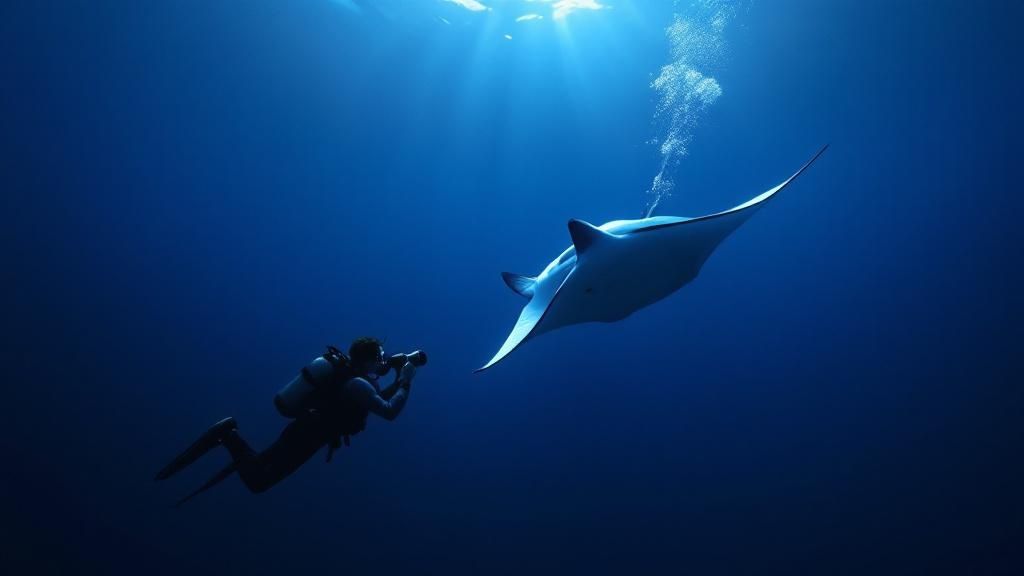
The feeling of a creature the size of a small car gliding inches from your face is hard to describe. It’s a mix of awe, excitement, and pure wonder. It’s one of those "you had to be there" moments that will be seared into your memory forever.
What you're witnessing isn't a random encounter. It’s a carefully orchestrated event that local operators have perfected over decades.
- The "Campfire" of Light: Divers and snorkelers gather in a circle, and powerful lights are shone into the water. This light attracts swarms of plankton, essentially creating a concentrated buffet for the mantas.
- The Manta Ballet: As the plankton thickens, the mantas arrive. They swoop, glide, and perform graceful barrel rolls to scoop up mouthfuls of food, often coming incredibly close to the lights (and you!).
- An Intimate Encounter: Because you are part of the light source, the mantas swim right up to you. It's a peaceful, non-threatening interaction that gives you an unparalleled view of these gentle giants.
Many people who experience the manta ray night dive in Kailua-Kona say it was the absolute highlight of their Hawaiian vacation. It’s more than just an activity; it's an adventure you’ll be telling stories about for the rest of your life.
Choosing Your Ideal Manta Ray Dive Site
When you're gearing up for your manta ray dive in Kona, one of the biggest calls you'll make is picking the right spot. It might seem like a small detail, but believe me, the dive site you choose completely changes the whole underwater vibe. Think of it like deciding between an intimate acoustic concert and a huge stadium rock show—both are incredible, but the experience is totally different.
Kona basically has two main "stages" for this manta ray ballet, and each has its own personality. Your dive experience, how comfortable you are in the water, and what you're hoping to get out of the night will point you to the right underwater theater. Making the right choice here is key to making sure your night with these gentle giants is as epic as you've imagined.
Manta Village: The Classic Kona Experience
Known to most as the "original" manta ray dive, Manta Village is down in Keauhou Bay, just a bit south of Kailua-Kona. This spot is legendary, and for good reason. The bottom is mostly sand, relatively shallow, and shaped like a natural amphitheater for watching the mantas.
The conditions here are almost always calmer and more sheltered, which makes it a fantastic choice for just about everyone.
- Beginner Divers: The shallow depth, around 30-35 feet, and lack of gnarly currents make it a perfect intro to night diving.
- Families and Snorkelers: Because the surface is so calm, snorkelers can just float on top and get an amazing bird's-eye view of the whole show.
- A Relaxed Vibe: The whole operation is built around creating a "campfire" of light on the bottom. It’s a predictable and serene scene where the mantas glide in for their feeding ballet.
If you’re a newer diver or have a group with both divers and snorkelers, Manta Village is a solid, comfortable bet for a truly unforgettable encounter.
Manta Heaven: The Adventurous Alternative
For all you divers with a few more logbook entries, Manta Heaven serves up a totally different kind of thrill. This site is up north of Kona, out by the airport, and it definitely lives up to its name with a more dynamic, and sometimes more intense, experience.
The underwater landscape here is more rugged, with lava rock formations and a slightly deeper profile. This terrain often draws in more mantas and creates some killer photo ops. Experienced divers and photographers usually lean towards this site because of the different angles and the chance for even closer passes as mantas navigate the ledges. If you're looking for premium advanced dive tours, the conditions at Manta Heaven are right up your alley.
The key distinction lies in the environment. Manta Village's sandy bowl provides a reliable and accessible show, while Manta Heaven's deeper, more rugged landscape can lead to a wilder, more unpredictable spectacle.
Both of Kona's manta sites offer their own kind of magic. Manta Village in Keauhou Bay holds the title of Hawaii's original manta night dive, and its gentle, sandy bottom is perfect for beginners. On the other hand, Manta Heaven attracts the more seasoned divers with deeper water, stronger currents, and awesome underwater structures that are a photographer's dream. For a deeper dive into what makes each spot unique, discover the ins and outs of Kona's top manta spots.
At the end of the day, it all comes down to your comfort level and what kind of adventure you’re after. Both promise an incredible night, but knowing the difference helps you pick the one that’s just right for you.
How to Prepare for Your Manta Ray Adventure
A little prep work can make the difference between a good manta ray dive and an absolutely epic one. Just like any adventure, showing up with the right gear and the right mindset is everything. Think of this as your pre-flight checklist to make sure you're comfortable, safe, and ready for the show of a lifetime.
When you book with a pro operator like Kona Honu Divers, they've got you covered with all the big-ticket dive gear. That means your BCD, regulator, tanks, weights, and—most importantly—the super-bright underwater lights that bring in the plankton are all provided. They'll also fit you with a thick wetsuit, usually 5mm or 7mm, because even in Hawaii, the water gets chilly after the sun goes down.
That said, there are a few personal items you’ll want to toss in your bag to make the whole experience smoother from start to finish.
What to Pack for Your Manta Trip
Your gear bag is basically your post-dive comfort kit. Trust me, the boat ride back to the harbor can feel brisk and breezy, and having warm, dry clothes ready to go is the key to ending the night on a high note.
Here’s a quick list of essentials to bring along:
- A Towel: Seems obvious, right? But it's the first thing you'll be reaching for after that post-dive freshwater rinse.
- Dry Clothes: A warm hoodie or jacket and some dry shorts or pants are a must for the ride home. You'll be so glad you brought them.
- Reef-Safe Sunscreen: If you're on a sunset trip, that late afternoon Hawaiian sun is no joke. Lather up before you head out.
- Reusable Water Bottle: Staying hydrated is always a smart move, both before and after you hit the water.
- Your Certification Card and Logbook: For all you certified divers, don't leave home without them!
Packing these few things means you can put all your focus on the mantas, not on shivering in a wet swimsuit.
Understanding Manta Etiquette and Safety
Beyond what’s in your bag, the most critical prep is understanding the rules of engagement. These aren't just arbitrary rules; they're essential for your safety and for protecting these incredible animals and their home. A manta ray dive kona is all about passive observation.
The whole dive is centered around what we call the "campfire." Divers head down to a specific sandy area, get settled in a circle, and shine their lights straight up. This beam of light acts like a giant bug zapper for plankton, creating a thick, irresistible buffet that pulls the mantas right in.
The golden rule is simple: Let the mantas control the encounter. Your job is to be a quiet, still part of the scenery. The calmer you are, the more comfortable the mantas will feel, and the closer they'll glide.
Following the rules is non-negotiable. It's what keeps this experience sustainable for years to come. If you're curious about the thinking behind this whole setup, you can learn more about why this approach to a manta ray dive in Kona is so effective.
Even though the official Manta Ray Green List was discontinued in 2023, all the top operators still stick to its responsible guidelines. Here’s a breakdown of the do's and don'ts you absolutely must follow.
Manta Ray Dive Etiquette Do's and Don'ts
Think of this as your guide to being a great guest in the mantas' house.
| Action | Do | Don't |
|---|---|---|
| Positioning | Stay on the sandy bottom if you're diving. If you're snorkeling, stay flat on the surface. | Don't chase, follow, or ever try to ride a manta ray. |
| Interaction | Just watch. Let the mantas come to you on their own terms. | Don't touch the mantas. It strips off their protective slime coat. |
| Movement | Find your spot and stay relatively still. Become part of the "campfire." | Don't swim above the mantas or block their path. Give them space. |
| Bubbles | Try to time your exhales so your bubbles don't blast a manta in the face. | Don't swim or hover around in the water column. Stay put. |
Sticking to this etiquette ensures the manta ray dive kona stays magical and safe for everyone—especially the stars of the show. It’s how we make sure this incredible interaction can continue for generations.
The Science and Conservation Behind the Magic
The manta ray dive in Kona absolutely feels like pure magic, but it's an experience built on some fascinating science and a serious commitment to conservation. When you see these gentle giants up close, you're not just a tourist. You're actually stepping into a world-class living laboratory and becoming part of a crucial conservation story.
Knowing the "why" behind the "wow" makes the whole thing even more incredible.
The stars of the show are the majestic Reef Manta Rays (Mobula alfredi). These creatures are far from mindless eating machines; they have the largest brain-to-body size ratio of any fish in the ocean. This gives them some serious smarts, fueling complex social behaviors and problem-solving skills. You're not just watching an animal—you're having an encounter with a truly intelligent being.
Kona’s Living Laboratory
One of the coolest things about the Kona manta population is how well we know them, and it’s all thanks to a clever trick. Every single manta ray has a unique pattern of black spots on its white belly. It's basically their own permanent, natural fingerprint.
This lets local researchers and dive guides identify individual mantas year after year. Don't be surprised if your guide starts calling out the mantas by name, like "Big Bertha" or "Lefty," based on their distinct spot patterns. It's a pretty special experience.
This ongoing research gives us priceless information about their:
- Life Cycles: How they grow, how long they live, and how they reproduce.
- Social Structures: Who hangs out with whom and how they interact.
- Population Health: Keeping an eye on the size and stability of the local manta community.
The ability to identify individual rays transforms the Kona coast from a simple dive location into a critical research hub. Every dive contributes to a massive, long-term dataset that helps protect these animals for the future.
This long-term data collection has been a game-changer. Thanks to systematic monitoring by underwater videographers and researchers, we have records of over 28,500 manta sightings, which has helped catalog more than 330 unique individuals over the years. This massive effort has made Kona's manta population one of the most thoroughly documented on the planet. You can learn more about the findings from this extensive manta ray research and see just how much we've discovered.
Your Dive is a Vote for Conservation
This is where you come in. As a diver or snorkeler, the single most important decision you can make is choosing an eco-conscious and responsible tour operator. The best companies follow strict, manta-safe guidelines to make sure the nightly show doesn't harm or stress the animals. It's this sustainable approach that has allowed Kona's manta dive to thrive for decades without hurting the population.
When you support operators who put education and conservation first, you're directly funding the protection of these magnificent creatures. Your tour fee helps sustain the very environment you came to see, turning your vacation adventure into an act of stewardship.
When you pick your manta ray dive tour, you’re casting a vote for a healthy ocean. That elevates your trip from just a thrill to a powerful, positive impact on one of the world's greatest natural wonders.
Exploring Other Epic Dives Around Kona
While the manta ray dive kona is an absolute showstopper, it’s really just the opening act. The Big Island is a complete underwater destination, and once you’ve seen the mantas, you’ll realize there’s a whole world of adventure waiting. It’s easy to build a full week of world-class diving here, with the manta experience as the crown jewel.
After the manta ballet, a lot of divers ask me, "What's next?" The answer is usually another night dive, but one that couldn't be more different: the legendary Kona Blackwater Dive. Instead of kneeling on the seafloor, you'll be floating tethered in the deep, open ocean miles from shore. It’s a completely different kind of thrill.
The Famed Kona Blackwater Dive
Picture this: you’re suspended in the pitch-black abyss, watching a parade of bizarre and beautiful bioluminescent creatures rise up from the depths. People often call it a "trip to another planet," and they're not wrong. You'll see alien-like larval fish, glowing jellies, and other strange critters that you’ll never see on a reef. It's an advanced dive that truly pushes the boundaries of what you thought was possible.
If you're up for it, Kona Honu Divers runs an expertly guided Blackwater Dive tour that offers a safe and totally fascinating peek into this mysterious world. Don't just take my word for it; see what other adventurers have to say.
Daytime Adventures and Advanced Opportunities
When the sun comes up, Kona's coastline reveals an entirely different kind of underwater playground. The island's volcanic past has carved out a stunning subaquatic landscape filled with dramatic lava tubes, massive archways, and vibrant reefs bursting with life. These sites are just as compelling as the night dives, but in a totally different way.
The real beauty of diving in Kona is the sheer variety. One day you can be exploring ancient lava formations, and the next, you're drifting through the deep ocean on a blackwater expedition.
This incredible diversity means there's something for every skill level. New divers can stick to the shallow, protected reefs, but for those with more experience, the real gems are waiting. These advanced sites often feature:
- Deep Pinnacles: Underwater mountains that shoot up from the ocean floor.
- Remote Formations: Untouched structures far from the usual dive spots.
- Unique Topography: Complex lava arches and swim-throughs you can spend hours exploring.
If you have the training, seeking out these challenging spots gives you a real sense of discovery. Operators that run advanced dive tours can get you to these exclusive locations where you can really feel the raw, volcanic power that shaped the Big Island. By exploring all that Kona has to offer, you can put together a dive vacation that's as varied as it is unforgettable. Check out the full range of Kona diving tours to build your perfect trip.
Frequently Asked Questions About the Manta Ray Dive
Even after learning about the magic of the manta ray dive Kona experience, you probably have a few more questions rattling around. That’s totally normal! We’ve put together answers to the most common questions we get from first-timers to help you book with confidence.
Let's clear up those last few details.
Do I Need to Be Scuba Certified to See the Manta Rays?
Nope, not at all! While getting to see the mantas from the ocean floor is an incredible experience for divers, the view from the surface is just as jaw-dropping.
Snorkelers hang onto a big, custom-built light raft that floats on the surface. These powerful lights beam down into the water, creating a giant plankton buffet that the mantas can't resist. They’ll swoop, glide, and barrel roll just inches below you. It's an up-close-and-personal view that makes this tour perfect for just about everyone.
Key Takeaway: The manta ray encounter in Kona is designed for everyone. Snorkelers get a spectacular, bird's-eye view of the action, often just as close as the divers below.
If you’re on the fence about which one to choose, we've got a great breakdown of the specifics. You can learn more about what the manta ray night dive involves to see how they compare.
Is the Manta Ray Night Dive Safe?
Absolutely. When you go with a professional and reputable operator like Kona Honu Divers, you're in great hands. These tours have been running for decades and safety is the top priority.
Before you even dip a toe in the water, the crew will give you a full safety briefing. Once you’re in the ocean, certified divemasters and instructors are right there with you, making sure everything goes smoothly. The dive sites are well-established, and the crew constantly checks the conditions to keep both you and the mantas safe.
What Happens if We Don’t See Any Manta Rays?
It’s important to remember that manta rays are wild animals, so sightings can never be 100% guaranteed. That said, the success rate is incredibly high—often over 90%!
The best operators know this and have a plan. Most companies, including Kona Honu Divers, have a "manta guarantee." If your tour doesn't see any mantas, you can come back for free on another night, depending on availability. It’s always a good idea to double-check the specific policy when you book your manta ray dive tour.
What Is the Best Time of Year for a Manta Dive?
Here's the great news: any time is a great time! Kona’s manta ray population is here year-round, so you can book this adventure no matter when you visit. They don't migrate away from the island.
If you’re looking for the calmest ocean and warmest water, you’ll typically find it between April and October. But honestly, some of the biggest nights with the most manta rays have happened in the winter months. Don't let the calendar stop you—any night can be the night you have a magical manta encounter.