
Imagine floating in the warm, dark Pacific while graceful giants, some with wingspans wider than a car, glide silently past you. This isn't just something you see in a documentary; it's the world-renowned manta ray dive in Kona, a real-life underwater ballet you have to experience to believe.
Your Guide to the Kona Manta Ray Adventure
This incredible wildlife encounter is one of the most magical experiences the ocean has to offer, and it draws divers and snorkelers from all over the world. We'll walk through everything you need to know to get ready for this breathtaking adventure on the Big Island.
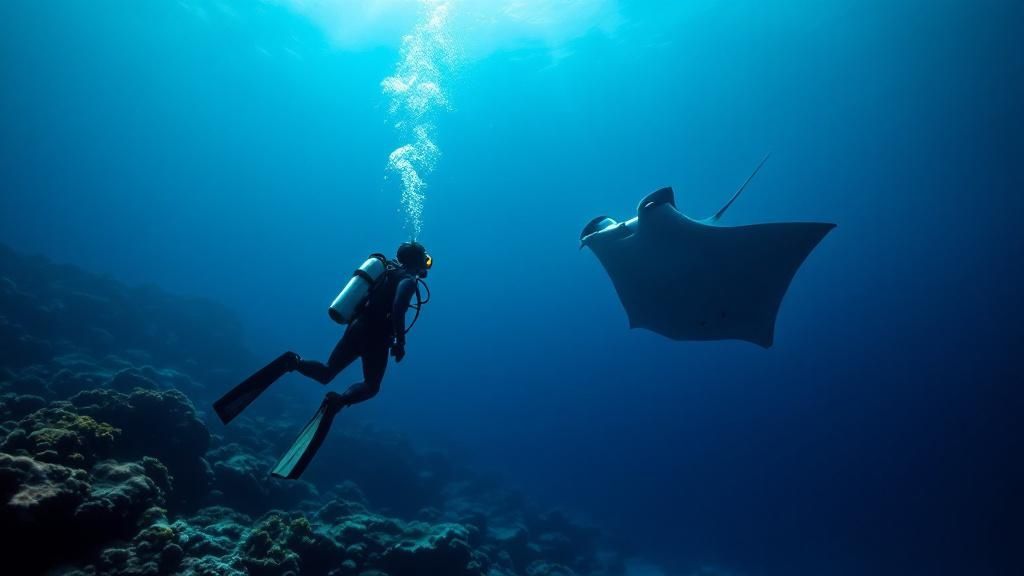
The Kona coast is one of the most reliable places on Earth to see manta rays for a simple reason: the mantas here aren't just passing through. They're residents, and they show up to the same spots every single night to feed.
The Two Legendary Manta Dive Sites
Kona is famous for two primary locations for this dive. The experience is so consistent that around 80,000 people come here for manta tours every year, making it one of the most popular manta interaction sites in the world.
The two main spots are:
- Manta Village: This is the original night dive site. It’s located in calm, shallow water, making it a fantastic and accessible spot for beginners and snorkelers. Sightings are incredibly reliable here.
- Manta Heaven: A bit further north, this site can be in deeper water and often offers a more dynamic experience for certified divers. I've found that this spot can sometimes lead to even closer encounters.
Your dive operator will pick the best site for the evening based on the day's ocean conditions and where the mantas have been most active. This flexibility is key to ensuring you get the best show possible. It's this consistency that makes the manta ray night dive in Kailua-Kona a true bucket-list item for ocean lovers.
Key Insight: Kona’s manta rays are not a migratory species; they are local residents. This means you have a great chance of seeing them any time of year, as they consistently show up for their nightly plankton feast.
While the mantas are the main event, don't forget that Kona offers amazing marine life all along its coast. If you have some extra days, it's absolutely worth exploring the best snorkeling spots in Kona to see what else the island has to offer.
No matter which site your captain chooses, you're getting ready for something truly special. This is your first step toward one of the most memorable wildlife encounters on the planet.
Choosing a Safe and Ethical Manta Ray Tour
Picking the right tour operator for your manta ray dive in Kona is easily the most critical decision you’ll make. This isn't just about getting a good price; it’s about your safety, the quality of your experience, and, most importantly, the well-being of the mantas themselves. You want a company that's as passionate about protecting the marine environment as they are about showing it to you.
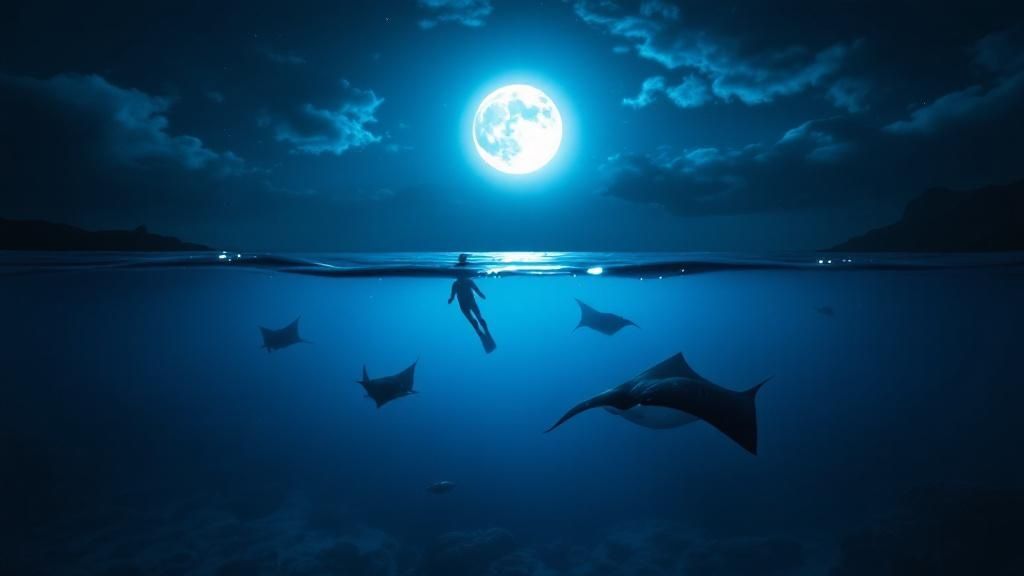
A good place to start your search is with operators who have deep roots and a solid reputation in the Kona community. Companies like Kona Honu Divers, for example, have built their business on sustainable tourism and a genuine commitment to ethical practices. Their long-standing presence is a pretty good sign they're doing things the right way.
One of the clearest indicators of a top-tier, responsible operator is their status as a Manta Ray Green Listed Operator. This isn't just a fancy title; it's a voluntary certification that holds companies to the highest standards for responsible manta encounters.
What exactly is a Manta Ray Green Listed Operator? A "Green Listed" operator is a tour company that has publicly pledged to follow strict, science-based guidelines for interacting with manta rays. These rules are all about minimizing our impact on the animals and their feeding habits, which is crucial for keeping this incredible experience sustainable for generations to come.
Your Ethical Tour Checklist
Before you hand over your credit card, do a little digging. Any reputable company will be more than happy to answer your questions. For a deeper dive into what a professional operation looks like, you can learn more about what a manta ray night dive involves and the standards to expect.
Here’s a quick list of what you should be looking for:
- Rock-Solid Safety Protocols: Ask about their in-water safety procedures and emergency plans. You want to hear a clear, confident answer.
- Experienced Guides: How long have their guides been working with Kona's mantas? A seasoned guide can make the difference between a good trip and an unforgettable one, all while keeping everyone safe.
- Sensible Group Sizes: Do they cap the number of people per guide? Smaller groups almost always mean a better, more personal, and more controlled experience for you and less stress on the mantas.
- Clear Eco-Policies: Is there a strict "no-touching" rule? How do they brief guests on passive observation? This is non-negotiable.
Why Your Tour Choice Matters
When you choose a company that puts manta conservation first, you're doing so much more than just booking an excursion. You're directly supporting responsible ecotourism. Your money becomes a vote for businesses that actively protect these gentle giants, helping ensure they'll be gracefully gliding through Kona's waters for many years to come.
To give you a better idea of what's available, here’s a quick look at the kind of manta ray dive tours you can book, whether you’re a certified diver or a snorkeler.
Kona Honu Divers Tour Comparison
| Tour Feature | Manta Ray Night Dive | Manta Ray Night Snorkel |
|---|---|---|
| Certification | Open Water Diver or higher | No certification needed |
| In-Water Position | On the ocean floor, looking up | Floating on the surface, looking down |
| Experience Level | Best for comfortable divers | Great for all ages and abilities |
| Perspective | Up-close, immersive view of mantas | "Fly-by" view from above |
| Equipment | Full scuba gear provided | Snorkel, mask, fins, wetsuit provided |
Both options offer a fantastic chance to see the mantas, but they provide very different perspectives. It really just comes down to your comfort level in the water and how you want to experience this amazing natural wonder.
How to Prepare for Your Manta Ray Night Dive
A little bit of planning can be the difference between a good manta dive and an absolutely incredible one. When you show up at the dock feeling prepared, you can leave the logistics behind and just soak in the magic of what you're about to experience.
Your prep should actually start hours before you even head to the harbor. Make a point to drink plenty of water throughout the day. Dehydration is a diver's enemy and can contribute to decompression sickness, so don’t skimp on it. It’s also a good idea to have a light, healthy meal a couple of hours before your scheduled departure. Trust me, you don’t want a heavy, greasy dinner sloshing around in your stomach on a boat at night.
What to Pack for the Boat
Having the right stuff with you will make you much more comfortable, especially after the dive. Once the sun is down and you're wet, the boat ride back can get surprisingly chilly. A few simple items can make all the difference. You can dive deeper into what makes this trip so special in our guide on the manta ray night dive with Kona Honu Divers.
Here’s a quick checklist of what I always recommend bringing:
- Certification Card & Logbook: This is non-negotiable. No cert card, no dive. Double-check you have it before you leave.
- Towel and Dry Clothes: You will be so happy you brought a warm hoodie or dry t-shirt for the ride back to shore.
- Reef-Safe Sunscreen: If your tour leaves before sunset, be sure to use only reef-safe sunscreen. We have to protect Kona's fragile coral.
- Reusable Water Bottle: Operators have water, but bringing your own bottle is a great way to stay hydrated and reduce plastic waste.
- Personal Dive Gear: While gear is provided, many of us are more comfortable with our own mask that we know fits perfectly or our own dive computer.
A Quick Word on Pre-Dive Nerves
Feeling a little nervous before a night dive? That's completely normal, especially if it’s your first time dropping into the ocean after dark. It can feel a little intimidating.
Just remember, you're diving with seasoned professionals. The guides in Kona have done this thousands of times. They live and breathe this dive.
My Advice: Put your trust in your guide and the entire operation. They have this down to a science. The dive site isn't pitch black; it's illuminated by a "campfire" of lights on the seafloor. Your only job is to get in the water, get comfortable, and enjoy the show. Focus on slow, steady breathing, pay close attention during the briefing, and get ready for one of the most breathtaking underwater spectacles you'll ever see.
The Manta Ray Dive: From the Boat to the Seafloor
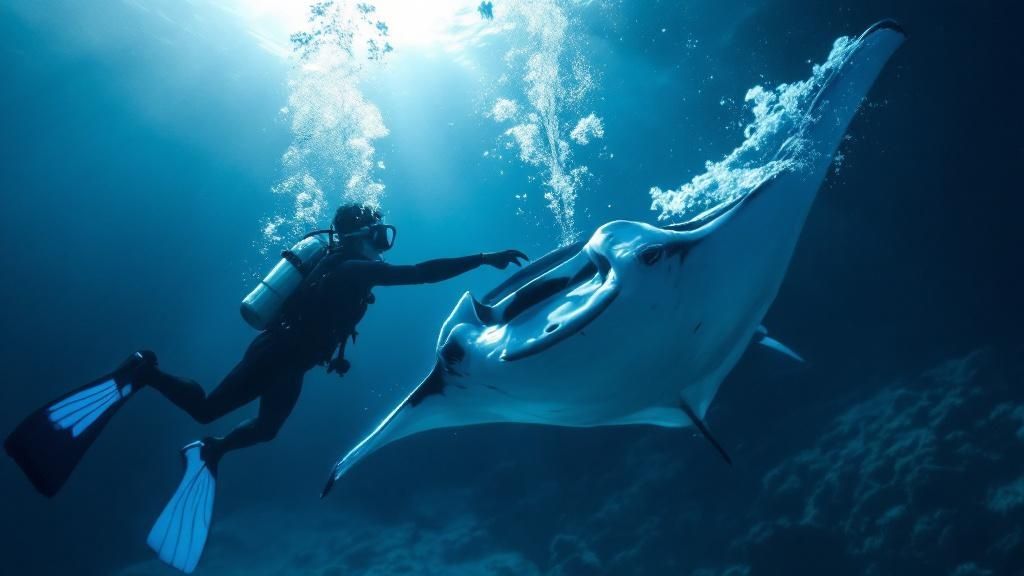
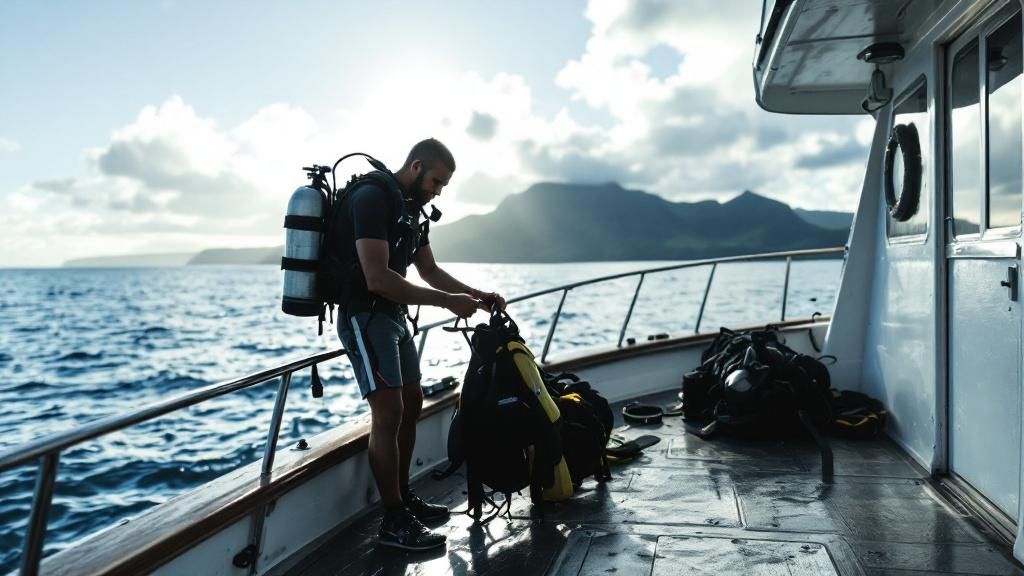
So, what’s it really like when you head out for a manta ray dive in Kona? Knowing the play-by-play from the dock to the ocean floor can make the whole experience feel less intimidating and way more fun. Your adventure kicks off with a casual check-in at the boat, where the crew helps you get squared away and makes sure all your gear is good to go.
The boat ride out to the dive site is a spectacle in itself. As you cruise along the Kona coast, the sun starts to dip, lighting up the sky in fiery colors. It’s the perfect time to chat with your guides and get to know the other divers you'll be sharing this incredible experience with.
The All-Important Dive Briefing
Before a single person hits the water, your dive guide will run through a comprehensive briefing. Don't tune this part out! It's absolutely crucial for your safety and for the well-being of the mantas. The crew will cover everything from how to get into the water to specific hand signals and, most importantly, the rules for interacting with the rays.
The core idea is to be a passive observer. Here’s what that looks like in practice:
- Keep Your Hands to Yourself: Never, ever touch, chase, or try to ride a manta ray. Their skin is covered in a protective slime coat that our touch can easily damage.
- Find Your Spot and Stay Put: Divers are instructed to find a spot on the sandy bottom. This creates a calm, predictable space and leaves the water column open for the mantas to do their thing.
- Let Them Come to You: Your job is to simply be part of the scenery. When you're still and calm, the mantas feel comfortable enough to approach on their own terms.
The golden rule is simple: Let the mantas control the encounter. You’re a guest in their house. Just be a respectful observer, and they will put on an unforgettable show.
Descending to the Seafloor "Campfire"
Once you roll back into the dark water, you’ll descend to a designated spot on the ocean floor, usually around 35 feet (10m) deep. Down there, the crew has already set up a powerful light box we affectionately call the "campfire." This light is a magnet for plankton—the mantas' favorite meal.
You and your group will settle in a semi-circle around the light, point your own dive lights straight up to create a column of light, and then… you wait. It honestly doesn't take long. Soon enough, you’ll see the first massive shadow gliding in from the darkness.
The mantas swoop and perform these unbelievably graceful barrel rolls, filtering the plankton-rich water, sometimes passing just inches from your face. It's a peaceful, mesmerizing ballet. This hands-off approach is what makes our local manta ray dive tours so sustainable. In fact, sighting records from these dives, including photos and videos, provide critical data for researchers tracking the health and behavior of Kona's manta population. You can explore more about this citizen-science effort that helps protect these magnificent animals.
This bucket-list experience is just one of many unforgettable adventures waiting for you here. Kona is home to a huge variety of spectacular diving tours, each showcasing the Big Island’s unique volcanic landscapes and incredible marine life.
Check Availability
After about 45 minutes of bottom time, your guide will give the signal for a slow, safe ascent. Back on the boat, the energy is electric. Everyone is buzzing with excitement, sharing stories of the gentle giants that just danced right in front of their eyes.
Why Your Dive Matters for Manta Ray Conservation
When you decide to join a manta ray dive in Kona, you're doing so much more than just having an unforgettable adventure. You're actually becoming a key part of the effort to protect these incredible animals. It’s a perfect example of ecotourism in action, where your dive directly supports both the mantas and the local community.
By booking a tour with a reputable operator, you cast a vote with your wallet. You're sending the undeniable message that these gentle giants are far more valuable alive and swimming free than they could ever be otherwise. It’s this economic reality that has become the most powerful driver for their long-term protection.
The Power of Your Participation
The economic ripple effect from this one activity is genuinely impressive. Manta ray night dive and snorkel tours pump over $2.5 million into the Kona community every year. This has made the manta experience a cornerstone of Hawaii's marine tourism and a vital part of the local economy.
This financial dependence creates a powerful, built-in incentive for the entire community to protect the mantas and their ocean home. This widespread support has even led to major legal protections, proving just how much of a difference sustainable tourism can make.
Legal Protections for Hawaii's Gentle Giants
Hawaii has taken firm, decisive action to protect its beloved manta ray population. Seeing the threats these animals faced globally, the state passed a groundbreaking law on June 5, 2009.
This crucial piece of legislation made it illegal to knowingly kill or capture a manta ray within state waters. This law gives them a legal shield, and when combined with the strict guidelines that professional operators follow, it helps ensure the manta encounters remain safe and sustainable for everyone involved.
By choosing a responsible manta tour, you become part of the solution. Your dive sends a clear message that a living, healthy marine ecosystem is a treasure worth protecting for generations to come.
Your role as a conservationist doesn't end when you climb back on the boat, either. You are now an ambassador for these amazing animals. Every time you share your photos, videos, and stories, you inspire others and spread awareness about why marine conservation is so critical. It’s a fantastic way to amplify the positive impact of your trip long after you've returned home.
If you're still wondering what makes this experience so special, you should check out our article on why you should go on a manta ray dive in Kona.
Ultimately, your decision to dive with Kona's mantas helps guarantee that they will continue to glide through our oceans, leaving divers and snorkelers spellbound for many years to come.
Common Questions About the Kona Manta Ray Dive
Even the most experienced travelers have questions before a once-in-a-lifetime trip like the manta ray night dive in Kona. It’s completely normal! Getting these details sorted out beforehand means you can relax and focus on what matters: the incredible show you're about to witness.
Let’s walk through some of the most common questions we get from both divers and snorkelers.
Is a Manta Ray Sighting Guaranteed in Kona?
This is the big one, and it's a fair question. Since manta rays are wild animals, no one can ever offer a 100% guarantee. But I can tell you this: Kona is hands-down one of the most reliable places on the entire planet to see them. The mantas here are residents, not migratory, which means they stick around all year and show up for dinner at the feeding sites with amazing consistency.
Top-tier operators like Kona Honu Divers have success rates that are often over 90%. On the rare night the mantas decide to be shy, most companies have a "manta guarantee." This usually means you can come back another night for free. Always double-check that policy when you book. You can get more details on the reliability of the amazing manta dive in Kona right on our site.
Do I Need to Be a Certified Diver to See the Manta Rays?
Not at all! While the scuba experience is legendary, the manta ray snorkel is just as mind-blowing and open to almost everyone. This isn’t your typical snorkeling trip.
You'll hold onto a custom-made board that floats on the surface, equipped with bright lights shining down into the dark water. These lights attract the plankton, and the mantas swim right up from the depths to feed, performing graceful barrel rolls just inches below you. It’s an incredible, top-down view of the action that’s perfect for families and anyone who isn't a certified diver.
Check Availability
What Is the Difference Between Manta Village and Manta Heaven?
Kona is lucky to have two world-famous manta ray dive sites. On the night of your trip, the captain will make the call on where to go based on the current conditions and where the mantas have been most active.
Here’s the breakdown:
- Manta Village (Keauhou Bay): This is the original site, located just south of Kona. It's a bit shallower, around 25-35 feet, and is generally more protected and calm. It’s a fantastic, comfortable spot for divers and snorkelers of all levels.
- Manta Heaven (near the airport): This spot is a little further north and can be slightly deeper with more potential for current. Don't let that deter you; it's an equally amazing location that hosts a spectacular feeding frenzy.
Honestly, you can't go wrong with either. Both sites have been reliable manta magnets for decades, so you're in for a treat no matter where the boat anchors.
What Other Unique Dives Can I Do in Kona?
The manta dive might be the star, but Kona’s underwater world has so much more to offer. If you want something truly different, you have to try the Kona Blackwater Dive. It’s a surreal experience where you drift miles offshore in the dead of night, witnessing the planet's largest vertical migration as bizarre, bioluminescent creatures rise from the deep. It feels like you're floating in outer space.
For divers who love dramatic underwater scenery, advanced dive trips here are a must. You can explore ancient lava tubes, swim through breathtaking archways, and discover deep reefs that are buzzing with life. It's the perfect way to see how the Big Island's volcanic origins have shaped an absolutely incredible underwater landscape.