
Picture this: you’re floating in the warm, inky blackness of the Pacific Ocean. Suddenly, a majestic creature with a wingspan stretching up to 18 feet glides silently past, close enough to see the ancient wisdom in its eyes. This isn't a scene from a movie. It's the world-famous manta ray dive in Kona, Hawaii—an experience that consistently ranks as one of the most unforgettable wildlife encounters on Earth.
Experience the Kona Manta Ray Night Dive

The Kona manta ray dive is a truly otherworldly adventure. Many people describe it as a silent, underwater ballet, and honestly, that's the perfect way to put it. You're simply a guest, watching a mesmerizing performance that’s been happening for eons. The magic starts when powerful lights are placed on the ocean floor, creating what we affectionately call the underwater "campfire."
This campfire of light acts like a magnet for tiny plankton, the manta rays' favorite meal. And just like moths to a flame, the gentle giants are drawn to this glowing buffet. What happens next is a spectacle you have to see to believe.
You’ll watch these massive, graceful animals swoop, barrel roll, and somersault through the light beams, their cavernous mouths wide open as they filter plankton from the water. They often come within inches of you, making direct eye contact as they glide effortlessly by. It's a humbling and powerful connection.
An Accessible Adventure for Everyone
One of the best things about this encounter is that you don’t need years of diving experience to see the show. It's designed for just about everyone, from certified divers to first-time snorkelers.
- For Divers: You’ll descend to a sandy spot on the ocean floor, around 35 feet down. There, you’ll kneel or sit in a designated viewing area and look up as the mantas perform their acrobatic feeding dance right above you.
- For Snorkelers: You'll float comfortably on the surface, holding onto a custom-built light board. The board illuminates the water below, attracting the plankton and bringing the mantas right up to you for an equally breathtaking, up-close view.
The Kona Coast’s unique geography and nutrient-rich waters make it the global hotspot for this activity. In fact, operators here boast an incredible 80-90% success rate for manta ray sightings, making it one of the most reliable wildlife encounters you can book. This consistency, combined with the generally calm conditions, creates a powerful experience that draws around 80,000 visitors every year.
To get a better sense of what makes this trip so special, check out our complete guide to the manta ray night dive in Kailua-Kona.
Why Kona Is a Global Manta Ray Hotspot
What makes the Kona manta ray night dive so legendary? It’s not just a happy accident; it’s a perfect storm of geography, history, and a little bit of ingenious observation. While most famous manta spots around the world are "cleaning stations" where mantas get parasites picked off, Kona gives you a front-row seat to their nightly feeding frenzy—a much more dynamic and unforgettable show.
The whole thing started, believe it or not, with a hotel. Years ago, the Kona Surf Hotel (now the Sheraton Kona Resort & Spa at Keauhou Bay) lit up the ocean with powerful floodlights. These lights attracted huge swarms of plankton, which happen to be a manta ray’s favorite meal. The local reef mantas, being incredibly smart and opportunistic, quickly figured out this glowing patch of water was a reliable, all-you-can-eat buffet.
That lucky break laid the groundwork for one of the most consistent wildlife encounters on the planet. Dive operators soon realized they could recreate this phenomenon anywhere along the coast. It’s a beautifully simple cycle: lights draw in the plankton, and the plankton brings the mantas. This idea turned Kona into the undisputed world capital for manta ray dives.
The Two Legendary Manta Dive Sites
While dive boats can set up almost anywhere, two main sites have earned their legendary status for the Kona manta ray dive. They each offer a slightly different vibe, but both deliver an incredible underwater ballet.
Choosing where to go often comes down to how long you want to be on the boat and what the ocean is doing that evening.
Here's a quick look at the two main spots:
Kona Manta Viewing Site Comparison
| Feature | Manta Village (South Kona) | Manta Heaven (North Kona) |
|---|---|---|
| Location | Near Keauhou Bay | Near Kona International Airport |
| Primary Access | Shorter boat ride from Keauhou Harbor | Longer boat ride from Honokohau Harbor |
| Typical Conditions | Generally calmer and more protected | Can be more exposed to ocean swells |
| Vibe | Often busier due to easy access | Typically fewer boats, more spacious feel |
| Best For | First-timers, families, and those prone to seasickness | Divers seeking a potentially less crowded experience |
Both Manta Village and Manta Heaven are fantastic. Any good, professional operator like Kona Honu Divers will check the conditions each night and take you to the best spot, giving you the greatest chance for a magical encounter.
A Model for Sustainable Ecotourism
What started as an accident has since been shaped into a world-class model for sustainable ecotourism. The local community quickly saw how precious this experience was and came together to protect it. It wasn't left to chance; long-term monitoring and operational assessments have been key.
The primary dive sites in Makako Bay and Keauhou Bay are active nearly every single night, which creates an incredibly reliable adventure for visitors and a stable economic boost for the community. The manta viewing industry brings in millions of dollars annually, supporting hundreds of jobs and proving that you can have a thriving economy that also protects nature.
Thanks to safety rules and operational standards put in place in the early 2010s, the dives are safe for both people and mantas, ensuring this natural wonder will be here for generations. You can actually read the full report on the industry's commitment to boating and safety assessments to see how deep the commitment runs.
It's this blend of a natural phenomenon and thoughtful management that makes the manta ray dive in Kona so special. It’s an adventure built on a foundation of respect for these gentle giants.
Booking your spot on one of these incredible manta ray dive tours is the first step toward seeing it all for yourself.
Meet the Gentle Giants of Kona
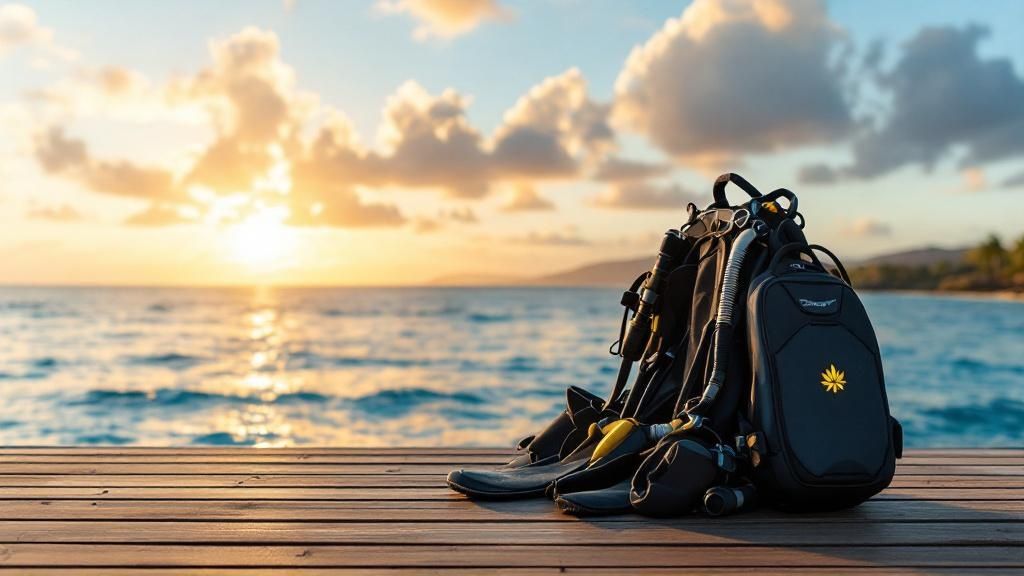
While the underwater campfire of lights and the swirling plankton are mesmerizing, the real stars of the show in Kona are the manta rays. And these aren't just generic sea creatures gliding by. They're intelligent, curious animals, each with a unique personality and history. When you realize you're meeting individuals, a spectacular wildlife encounter becomes something much more personal and profound.
Most of the mantas you'll see on your dive are Reef Mantas (Mobula alfredi). These are the local celebrities, with impressive wingspans that typically measure around 12 feet. They’re surprisingly social and have perfected the nightly ballet that makes the Kona dive so legendary.
Every once in a while, though, the dive sites are graced by a truly breathtaking visitor: the Giant Oceanic Manta (Mobula birostris). These are the largest rays on the planet, boasting wingspans that can stretch beyond 20 feet. Seeing one of these migratory behemoths is a rare, humbling moment that reminds you just how vast and wild the ocean really is.
How We Know Them by Name
One of the things that makes the manta ray dive in Kona so special is hearing your guide call out the mantas by name. You'll hear things like, "Here comes Lefty!" or "Look, that's Big Bertha gliding in!" This isn't just a fun nickname game; it’s a practice built on decades of careful observation and research.
It works a lot like a human fingerprint. The underside of every manta ray has a unique pattern of black spots on its white belly. No two are exactly alike. By photographing these ventral spots, we can identify, name, and track each manta over its entire lifetime.
This simple photo-identification method transforms these majestic animals from anonymous creatures into familiar friends. It gives researchers a powerful tool to understand their movements, social circles, and life stories, which deepens our appreciation for their complex world. If you're curious about how the dive itself works, you can read our full breakdown that answers the question, what is the manta ray night dive?
Kona's Manta Ray 'Celebrities'
Over the years, a few mantas have become local legends, famous for their unique traits and consistent appearances. Spotting one of them is like running into a Hollywood star on the street. Here are a few you might meet:
- Lefty: Easily one of Kona’s most famous residents, Lefty is recognized by a permanently curled left cephalic fin—likely from an old fishing line injury. He’s been a regular at the feeding sites for over 20 years.
- Big Bertha: Just as her name suggests, Bertha is one of the largest and oldest reef mantas in the area. Her sheer size and graceful, slow-motion barrel rolls are absolutely unforgettable.
- Amanda Ray: As one of the very first mantas identified in Kona, Amanda has been amazing divers since the early 1990s. She’s a true matriarch of the local manta community.
This amazing photo-ID program has grown into a world-class citizen science project. Since 1991, researchers and dive operators have collaborated to build one of the most comprehensive manta ray databases on Earth. It now holds records of over 6,000 encounters and more than 28,500 sightings, cataloging over 330 individual mantas. This data is absolutely crucial for conservation, offering insights that help us protect these animals and their habitat.
By getting to know these mantas by name, we're constantly reminded that we are just visitors in their world. It’s this personal connection that drives home the importance of passive, respectful observation—the guiding principle of an ethical and truly unforgettable manta ray dive in Kona.
How to Choose a Safe and Responsible Tour

Let's be blunt: choosing the right tour operator is the single most important decision you'll make for your Kona manta ray experience. The company you pick is the difference between a simple boat trip and a genuinely magical, respectful encounter with these magnificent animals. A great operator doesn't just take you to the mantas; they teach you how to be a welcome guest in their world.
Your goal is to find a company that puts the well-being of the manta rays and your safety above all else. These top-tier operators follow a strict set of standards—ones they’ve often helped create—to protect the mantas and ensure this incredible dive is around for generations to come.
So, how do you spot the good ones?
Key Markers of a High-Quality Operator
Not all boats heading out at sunset are on the same page when it comes to quality and conservation. To make sure you're in good hands, you need to know what to look for.
Here are the tell-tale signs of a great operator:
- A History of High Standards: The Manta Ray Green List was a certification that recognized operators for their commitment to eco-friendly practices. While the list was retired in 2023, companies that were on it (like Kona Honu Divers) have a proven track record. Their continued dedication to those same principles speaks volumes.
- Small Group Sizes: This is a big one. Smaller groups mean a more personal, less crowded experience in the water. It’s far less stressful for the mantas and way more enjoyable for you.
- An Experienced Crew: Look for a team that has been doing this for a while. Seasoned guides not only provide better briefings and manage safety effortlessly, but they often know the individual mantas by their unique spot patterns. Hearing them call a manta by name adds a whole new layer to the dive.
- A Focus on Education: The best tours start long before you hit the water. A thorough briefing isn't just a list of rules; it's a fascinating lesson on manta biology, their role in the ecosystem, and exactly why "passive interaction" is the only way to go.
The Golden Rules of Manta Interaction
That pre-dive briefing is where you'll learn the most important lesson of the night: how to act like a piece of the scenery. It sounds simple, but it’s the key to everything. When the mantas feel safe and unthreatened, they relax, come closer, and put on their incredible feeding display right before your eyes.
The philosophy is simple: Observe, don't interact. That means no touching, no chasing, and no blocking their flight path. Your job is to be still, like a rock on the seafloor, and let the mantas perform their graceful ballet around you.
Remember, the oils from our skin can strip away the protective mucous coating on a manta's body, leaving them vulnerable to infections. By keeping your hands to yourself, you're not just a tourist—you're an active participant in their conservation.
Choosing an operator like Kona Honu Divers means you're going with a team that truly lives and breathes these values. Their reputation is built on years of providing safe, educational, and absolutely breathtaking manta ray dive tours. For a deeper dive, check out our guide on how to choose a Kona dive shop.
But don't just take our word for it—see what fellow divers are saying.
Planning Your Manta Ray Adventure
So, you're ready to make the legendary Kona manta ray dive a reality? That's fantastic. Planning this trip is a lot more straightforward than most people think. With a little insider knowledge, you can book your tour with total confidence, knowing exactly what to expect from the moment you arrive.
Let's get right into the most common question I hear: "When is the best time of year to go?" The answer is one of the best things about this experience—any time of year is a great time to see them. Kona's reef mantas are residents, not tourists. They live here year-round, and their nightly dinner plans depend on the tour lights attracting plankton, not the calendar.
While the mantas are always around, the weather can have a say. The summer months, from about April to October, tend to bring calmer seas, which is a nice bonus if you're worried about getting seasick. But honestly, Kona's coastline is naturally protected, so the conditions are usually great no matter when you visit. The single most important factor isn't the season; it's choosing a top-notch, professional operator.
What to Expect on Your Manta Tour
From the second you show up, a good manta tour runs like a well-oiled machine, built entirely around your safety and amazement. The whole evening follows a clear, exciting flow, so you always feel prepared and ready for the magic.
Here’s a step-by-step look at how a typical tour unfolds:
- Check-In and Briefing: Your adventure starts at the harbor or dive shop. You'll get checked in, meet the crew, and sit through a really important briefing. They'll cover some cool manta ray facts, go over all the safety rules, and explain how to interact passively with these gentle giants.
- The Boat Ride: Once everyone's on board, you'll cruise out to one of the world-famous manta sites. The boat ride itself is half the fun, giving you a front-row seat to a stunning Kona sunset.
- The Main Event: This is what you came for. You'll spend about 40-50 minutes in the water. Divers will be on the ocean floor, and snorkelers will be at the surface, all watching the mantas perform their incredible underwater ballet.
- The Ride Home: After the dive, it’s back on the boat. You’ll be buzzing with excitement and swapping stories with fellow guests on the relaxing ride back to the harbor.
Diver or Snorkeler: What’s Right for You?
One of the most brilliant things about the Kona manta experience is that it’s designed for almost everyone. It doesn’t matter if you’re a seasoned diver or have never even put on a pair of fins. The only real difference is your point of view.
- Snorkelers: You'll be at the surface, holding onto a specially-made light board. This board shines a bright light down into the water, which draws in the plankton and brings the mantas right up to you. It's a breathtaking, face-to-face view.
- Divers: If you're certified, you'll descend to about 35 feet and settle onto a sandy patch on the ocean floor. From there, you get to look up as the mantas glide, swoop, and barrel-roll right over your head, perfectly silhouetted by the snorkelers' lights above.
Both options are absolutely spectacular and get you incredibly close to the action. Your choice really just comes down to your certification and what you're most comfortable with. For a deeper look at the pros and cons, check out our guide on the Big Island manta ray night dive.
To make sure you have the best possible time, it pays to come prepared. Your tour operator will provide all the main gear (wetsuit, mask, snorkel, fins), but you should definitely bring a few things along yourself:
- A towel
- A jacket or dry change of clothes for the boat ride back (it can get chilly!)
- Reef-safe sunscreen if your tour includes a daytime portion
- Any personal motion sickness medicine, just in case
Explore More Diving Adventures in Kona
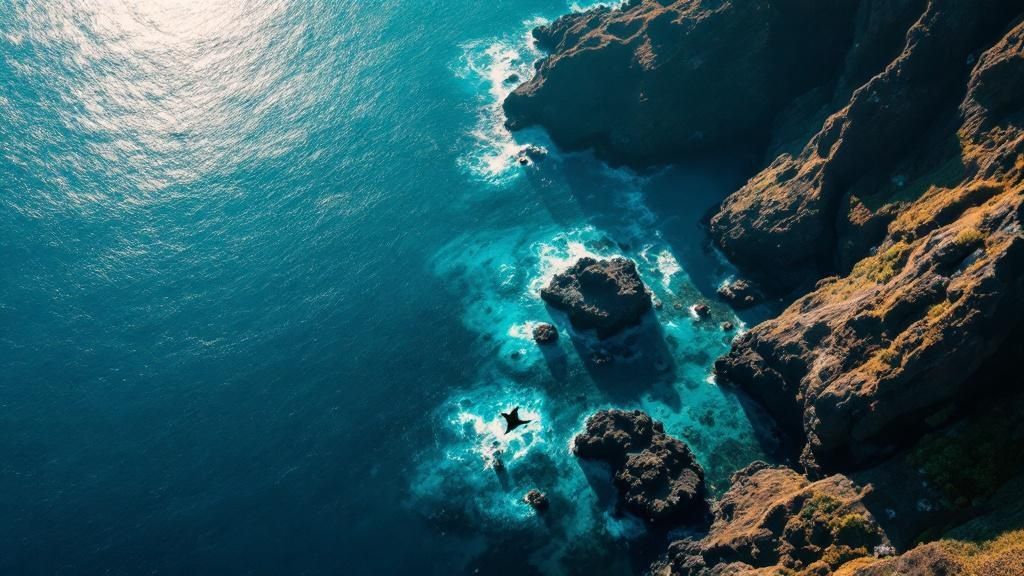
The world-famous manta ray dive in Kona is what brings many people here, and for good reason. But honestly, it's just scratching the surface. Think of it as the spectacular opening act for an entire festival of world-class diving that awaits you on the Big Island. Once you've seen the silent ballet of the mantas, you’ll be hooked and ready to discover what else is hiding in Kona’s amazing waters.
Beyond the magic of the night dive, Kona’s daytime dives reveal a completely different side of its underwater personality. We’re talking about a world exploding with color, from intricate coral gardens packed with fish you’ll only find in Hawaii to awe-inspiring lava tubes you can actually swim through. These daytime trips are fantastic for divers of any experience level and offer a different—but no less incredible—view of the island’s marine life. If you're still on the fence, our guide covers all the reasons why you should go on a manta ray dive in Kona.
The Thrill of the Blackwater Dive
Looking for a truly unique nighttime adventure? The Kona Blackwater Dive is something you have to experience to believe. This isn’t your typical reef dive. Forget the bottom—you’ll be drifting over thousands of feet of deep, open ocean, witnessing the planet's largest daily migration.
Every single night, a wild assortment of strange, often bioluminescent, creatures travels up from the abyss to feed near the surface. It’s a sensory experience like no other. You’ll come face-to-face with otherworldly squid, tiny larval fish that look like glass, and pulsating jellyfish that glow in the dark. It’s a surreal, humbling dive that feels more like floating through deep space than swimming in the ocean.
Advanced Dives and Other Water Adventures
For my fellow experienced divers out there wanting to take things up a notch, Kona has you covered. There are some incredible opportunities for more experienced divers that take you to deeper, more remote sites. These advanced charters explore challenging spots like dramatic underwater pinnacles and unique volcanic formations, where you’re likely to encounter different species, including several types of sharks.
And the adventure doesn't stop with scuba. You can also explore other top snorkeling spots in Kona to fill out your water-based itinerary.
From colorful reefs to the deep-sea abyss, the manta dive is truly your gateway to a complete diving paradise. Here at Kona Honu Divers, we’re passionate about showing you everything our incredible island has to offer.
Your Questions Answered
It's completely normal to have a few questions before diving into an adventure like this. We get it! To help you feel totally prepared and confident, we've gathered the most common questions we hear from guests planning their Kona manta ray experience.
Do I Have to Be a Certified Diver?
Nope, not at all! This is one of the best things about the manta ray night dive—it's incredibly accessible. You don't need any prior diving or even snorkeling experience to witness the magic.
If you choose to snorkel, you'll float on the surface holding onto a large, illuminated raft. The light draws in the plankton, and the mantas often swim right up to the surface for a snack, giving you a stunning view from above. Certified divers get a different perspective, kneeling on the sandy bottom and watching the show from below as these gentle giants glide overhead.
Just How Safe Is It?
When you book with a professional, reputable company, the manta ray dive is extremely safe. It's important to remember that manta rays are gentle giants in the truest sense. They have no teeth, no barbs, and no stingers—they're completely harmless to humans.
The real safety protocols are the standard ones for any water activity. A top-notch operator like Kona Honu Divers will give you a thorough safety briefing, provide well-maintained gear, and have expert guides in the water with you the entire time.
What If No Mantas Show Up?
Kona has one of the most reliable manta ray populations on the planet, with sighting success rates consistently over 90%. That said, these are wild animals, and nature doesn't offer a 100% guarantee.
But here's the good news: most of the best operators stand by their tours. If you happen to be on a rare trip where no mantas appear, companies like Kona Honu Divers offer a "manta guarantee." This usually means you can come back and try again on another night for free (based on availability). That's a great reason to book your dive for early in your vacation!
Is It Okay to Touch the Manta Rays?
This is a firm no. You should never, ever touch a manta ray. Their skin is covered in a delicate mucus membrane that acts as their first line of defense against infections, sort of like our own immune system. The oils and bacteria from our hands can strip this protective layer, leaving them vulnerable to serious skin diseases.
All responsible tours operate on a strict "passive observation" principle. The rules are simple: don't touch, don't chase, and don't block their path. By just floating or kneeling quietly, you're not only protecting the mantas but also ensuring a much more natural and breathtaking encounter as they glide gracefully around you.
Ready to book the adventure of a lifetime? Check out our world-famous manta ray dive tours and reserve your spot.