
Imagine giant, gentle shadows gliding past you in the dark, warm waters off the Big Island. It sounds like a scene from a movie, but it’s very real. This is the world-famous manta ray dive in Kona, an incredible, bucket-list experience that feels like you've slipped into another world entirely. It's a surreal underwater ballet that has rightfully made Kona a global hotspot for marine encounters.
The Unforgettable Underwater Ballet in Kona
As twilight settles over the Pacific, you'll gear up and descend into the ocean. Your dive guide will lead you to a specific spot on the sandy seafloor, around 30-40 feet deep. Here, powerful lights are set up, pointing upward like a campfire on the ocean floor. This bright beacon quickly attracts clouds of plankton—the favorite meal of Kona's resident manta rays.
Then, the show begins. Seemingly out of nowhere, huge, graceful creatures with wingspans reaching over 12 feet emerge from the darkness. They perform mesmerizing acrobatics, gliding, barrel-rolling, and somersaulting through the light beams to scoop up the plankton. This isn't some distant viewing; it's an immersive spectacle that happens just inches from your face. To get a better sense of the adventure, you can learn more about what to expect on the Big Island manta ray night dive.
To give you a clearer picture, here's a quick summary of what makes this dive so unique.
Kona Manta Ray Dive At a Glance
This table breaks down the key details of the Kona manta ray dive experience.
| Feature | Details |
|---|---|
| Location | Kona Coast, Big Island, Hawaii |
| Manta Population | Over 450 identified individuals |
| Sighting Success Rate | 85-90% on average |
| Best Time to Go | Year-round, with calmest seas in summer |
| Water Depth | Typically 30-40 feet for divers |
| Experience Type | Night dive or snorkel |
As you can see, the odds are overwhelmingly in your favor for an incredible encounter.
Why Is This Experience So Special?
The Kona Coast is famous for this dive for good reason. We have a local population estimated at over 450 individual manta rays, and they are reliably seen in relatively shallow water. This makes the experience accessible for both certified divers and snorkelers. The staggering 85–90% sighting success rate means you're almost guaranteed to witness this phenomenon.
What truly sets the Kona dive apart is that you're observing a completely natural feeding behavior. Unlike manta encounters in other parts of the world, which often happen at cleaning stations, the mantas here are not baited or fed by operators. They are simply drawn to a reliable food source created by the tour lights—a buffet they've learned to count on.
The feeling is hard to put into words—it's a mix of pure awe, a little bit of adrenaline, and a profound sense of peace. Watching these massive fish move with such effortless grace is a truly humbling reminder of the ocean's magic.
This unique setup has turned Kona into a hub for both responsible tourism and critical research. To really understand the pull of this nighttime adventure, you can read more about the magic of manta ray night snorkel in Kona. It’s more than just a tour; it’s a chance to connect with one of the ocean’s most majestic creatures on their own terms.
Choosing Your Manta Adventure Site
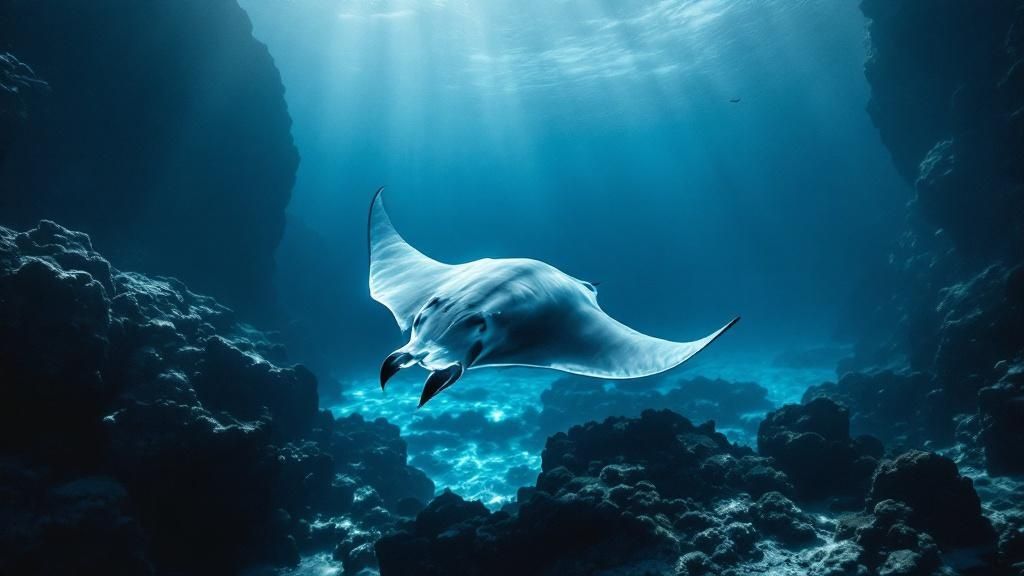
When you start planning your manta ray dive in Kona, you'll quickly realize you have a choice to make. The Big Island is incredibly lucky to have two world-famous spots for this nighttime spectacle: Manta Village and Manta Heaven. Each one has its own vibe and offers a slightly different experience, so picking the right one is key to crafting your perfect underwater adventure.
With roughly 80,000 people coming to snorkel and dive with mantas on the Kona Coast every year, it's clear this is a massive draw. The best site for you really boils down to your comfort in the water, your certification level, and what kind of encounter you're dreaming of. Let's break down the unique personalities of each location so you can make an informed choice.
Manta Village: The Original and Most Reliable
Tucked away in Keauhou Bay, just a short trip south of Kailua-Kona, Manta Village is where it all began. This is the classic, original site for the manta ray night dive. It got its name because for decades, the lights from the Sheraton Keauhou Bay Resort & Spa (which used to be the Kona Surf Hotel) have shone into the bay, attracting a buffet of plankton that the mantas simply can't resist.
This spot is a fantastic match for several types of ocean lovers:
- Beginners and First-Time Divers: The dive site is fairly shallow, usually around 25-35 feet, and is sheltered by the bay, which means the water is typically much calmer.
- Snorkelers: Because the mantas are so reliably present and the conditions are so gentle, it’s a perfect—and safe—place for snorkelers to watch the action from the surface.
- Families: Its accessibility and calmer environment make Manta Village the go-to choice for families and groups with a mix of divers and snorkelers.
The real magic of Manta Village is its consistency. It has one of the highest success rates for manta sightings on the planet, making it an incredibly dependable choice for your tour.
Manta Heaven: A More Dynamic Encounter
Head north of Kona, up near the airport, and you’ll find Manta Heaven, which also goes by the name Garden Eel Cove. This site delivers a different kind of thrill and is often the top pick for more seasoned divers. The underwater landscape here is more dramatic, and the dive profile is a bit deeper than at Manta Village.
So, who is Manta Heaven best for?
- Certified and Experienced Divers: The potential for stronger currents and a deeper dive makes it a better fit for divers who are confident in more challenging conditions. For those seeking other advanced dive tours, Kona offers many thrilling opportunities.
- Underwater Photographers: The wilder setting can sometimes attract larger congregations of mantas, leading to truly spectacular and intimate photo and video opportunities.
- Adventurous Spirits: The whole experience just feels a bit more untamed and unpredictable, which for many, adds a huge layer of excitement to the night.
While both spots promise breathtaking encounters, the main difference is the setting. Think of Manta Village as a calm, well-lit underwater theater. Manta Heaven, on the other hand, can feel more like you've scored a front-row seat to a wild, natural spectacle. To get a better feel for this unique nighttime adventure, take a look at our full guide on what is a manta ray night dive.
How to Prepare for Your Manta Ray Dive
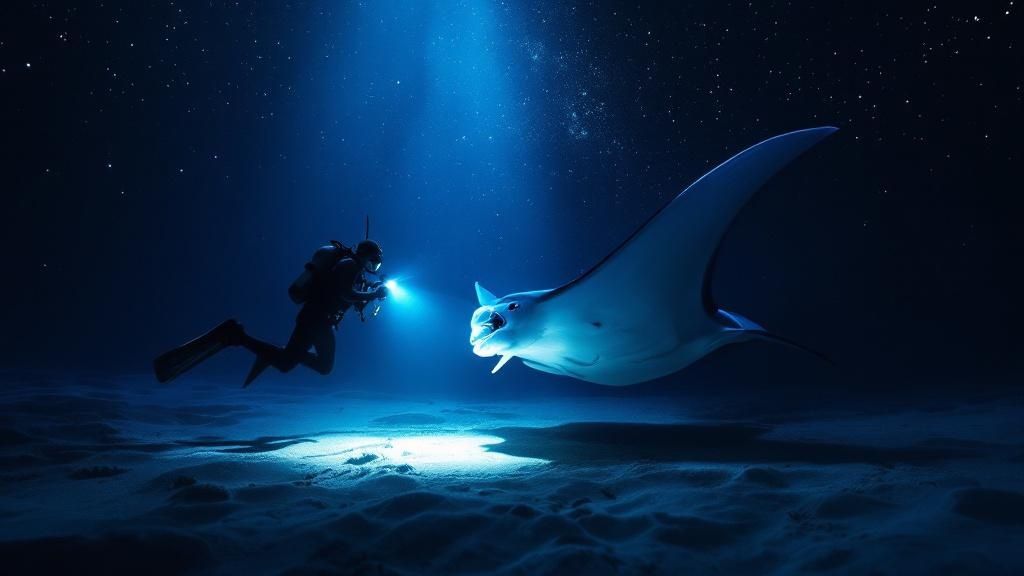
An unforgettable manta ray dive in Kona doesn’t just happen when you splash into the water. The real magic begins with smart preparation, ensuring you’re safe, comfortable, and ready to simply be present for one of the most incredible underwater encounters you’ll ever have. Getting the details right beforehand makes all the difference.
Your single most important decision is choosing the right tour operator. You’re not just looking for a boat ride; you need a crew that puts the safety of both the mantas and their guests first. Always look for operators on the Manta Ray Green List, which signals they adhere to strict, responsible guidelines. Kona Honu Divers is a perfect example of a top-tier operator known for their experienced team and deep commitment to marine conservation. If you're still on the fence, it's worth exploring why you should go on a manta ray dive in Kona.
When booking, don't be shy about asking about their "manta guarantee." Sightings here are remarkably consistent, but these are wild creatures, after all. Many of the best companies will let you come back for free if the mantas don't show up, which is a great peace of mind to have.
What to Pack for Your Trip
Your dive company will handle all the heavy scuba equipment, but a few personal items can make your trip much more comfortable. Packing light but smart is the key, especially for that boat ride back to the harbor after the dive.
Here’s a simple checklist of what you should bring along:
- Towel: A quick-dry microfiber towel is ideal.
- Warm Jacket or Sweatshirt: It can get surprisingly chilly on the boat after an evening in the water, even in Hawaii.
- Change of Clothes: Trust me, having something dry to slip into feels amazing.
- Reef-Safe Sunscreen: For sunset tours, apply it before you go. It protects your skin and our precious coral reefs.
- Reusable Water Bottle: Staying hydrated is always important, and it’s the eco-friendly way to go.
- Underwater Camera: If you've got one, this is the time to use it! The photo ops are surreal.
Remember, your role in the water is to be a calm, passive observer. The dive briefing will cover the golden rules: stay on the bottom, no reaching out, and never, ever touch the mantas. Getting into this mindset beforehand will make your experience that much more profound.
Choosing a trusted operator like Kona Honu Divers isn’t just about having a great time; it’s about supporting the local community and the ongoing conservation work that protects these gentle giants. Their stellar reviews really say it all.
With your bag packed and your expectations set, you’re all set for an adventure that will stay with you forever. You can explore the manta ray dive tours and book your spot to witness this incredible underwater ballet.
How to Have a Safe and Respectful Manta Encounter
The long-term health of Kona's manta ray population and the safety of every guest in the water are the absolute top priorities. It's a privilege to share the ocean with these animals, and to make sure these magical encounters can happen for years to come, there's a clear set of guidelines for every tour.
Following these rules isn’t just about protecting the mantas; it also creates a calmer, more predictable environment that makes the experience better for everyone involved.
The number one rule—the one you absolutely cannot break—is to never, ever touch the mantas. These incredible creatures are coated in a thin mucus layer, which is their primary defense against bacteria and infection. When you touch a manta, you can wipe off this protective slime, leaving them vulnerable to disease. The best thing you can do is be a passive, respectful observer and let them do their thing.
The "Campfire" Position
So, how do you get a great view without getting in the way? Operators have perfected a method we call the "campfire" formation. It's a simple but brilliant setup that gives you the best seat in the house without disturbing the mantas' natural feeding behavior. It guarantees a safe, organized, and jaw-dropping show.
How it works depends on whether you're diving or snorkeling:
- For Divers: You’ll descend with your group to a designated sandy patch on the ocean floor, around 30-35 feet down. Everyone gets settled in a semi-circle, pointing their dive lights straight up. This creates a cone of light that attracts the plankton.
- For Snorkelers: You'll hold onto a custom-built flotation board on the surface. These boards have powerful lights that shine down, creating a bright patch on the water that brings the mantas right up to feed.
The genius of the campfire is that by staying in your designated spot—either on the seafloor or at the surface float—you leave the entire middle of the water column open. This gives the mantas a clear runway to swoop, glide, and barrel-roll through the light beams as they feast on plankton.
Key Rules for a Respectful Dive
Your guide will give you a thorough briefing before you get in the water, but knowing these core rules ahead of time will help you be a more conscious and responsible guest in the mantas' home.
- Observe Only: This is their show, not yours. Don't chase, grab, or try to "ride" a manta. Let them be the ones to decide how close they get.
- Hold Your Position: If you're diving, stay on or very near the bottom. If you're snorkeling, stay at the surface with your board. Never free-dive down into their feeding zone.
- Mind Your Bubbles: Divers, this one is for you. Try to time your breathing. If a manta is gliding right over you, try not to exhale a huge stream of bubbles directly into its path.
Sticking to these guidelines ensures every manta ray dive in Kona is both safe for the animals and absolutely breathtaking for the humans lucky enough to be there.
Ready to see it for yourself? You can learn more and book one of these incredible manta ray dive tours right here in Kona.
How Your Dive Supports Manta Conservation
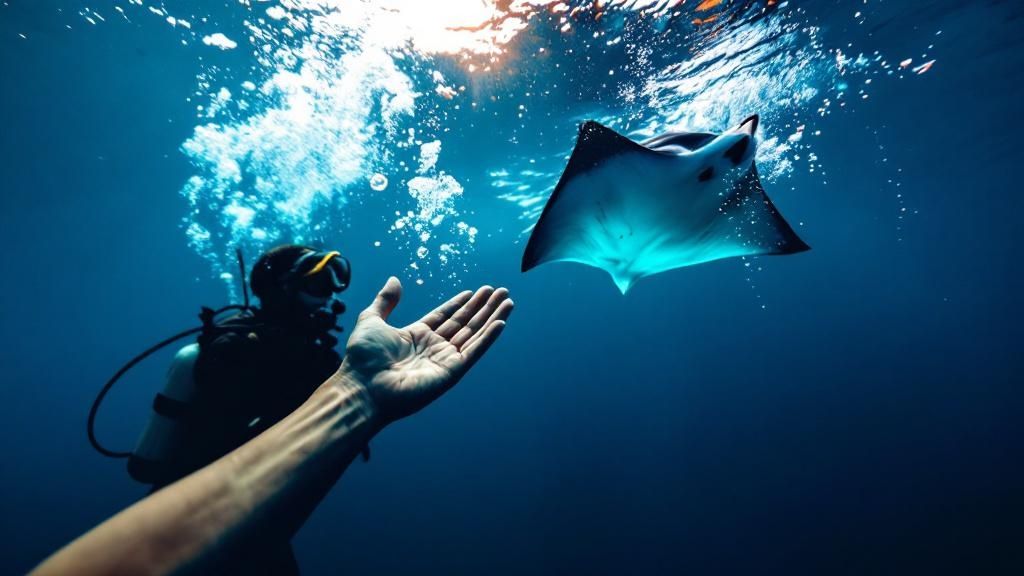
When you book a manta ray dive in Kona, you're doing a lot more than just ticking off an incredible bucket-list adventure. You're actually stepping into a real-life research lab and becoming part of one of the world's most impressive marine conservation success stories. This nightly gathering of mantas creates a perfect, predictable environment for research that would be almost impossible to replicate anywhere else on the planet.
Thanks to the consistency of these encounters, marine biologists have built an amazingly detailed database of Kona’s local manta ray population. Just think about it: between 2009 and 2014, researchers and dive photographers were out there six to seven nights a week, meticulously logging every manta sighting. This incredible effort helped them catalog individual rays, track their health, and map their movements, offering profound insights into their lives.
You Are Part of the Research
This is where your dive trip transforms from a simple tour into something much more meaningful. The entire research effort hinges on something called citizen science. Every single night, responsible operators like Kona Honu Divers and their guests—that means you!—act as the eyes and ears for scientists.
So, how does it all work?
- Photo Identification: Every manta ray has a unique pattern of spots on its belly, just like a human fingerprint. The photos and videos you and your guide take help researchers identify specific mantas and add them to the database.
- Tracking and Monitoring: When your guide points out a famous local like "Big Bertha" or "Lefty," it’s not just a casual introduction. They are officially logging that sighting. This data is crucial for tracking the health, migration patterns, and major life events (like injuries or pregnancies) of the entire resident population.
- Funding Conservation: A portion of what you pay for your dive goes directly toward funding research foundations. It also supports the operators who commit to following the strict, sustainable guidelines that keep the mantas safe.
By choosing a reputable tour for your manta ray dive, you are directly supporting the science that protects these animals. Your presence helps ensure that this incredible natural encounter remains a treasured and sustainable experience for generations.
It's this beautiful, symbiotic relationship between tourism and science that makes the Kona manta ray dive so unique. To get a better feel for how these tours work and their deep commitment to conservation, you can learn more about the manta ray night dive.
Ready to have the adventure of a lifetime while making a real difference?
Common Questions About the Manta Ray Dive
Heading out for a manta ray dive in Kona is the thrill of a lifetime, but it's completely normal to have a few questions before you take the plunge. Getting the full picture beforehand helps you relax and really soak in the magic of the experience. We get a lot of the same questions from guests, so we've put together answers to the most common ones right here.
From what kind of skills you need to what happens on the rare night the mantas are a no-show, we’ll cover it all.
If you’re curious about the play-by-play of the evening, you can get a really detailed preview of what it's like to go on the manta ray dive in Kona, Hawaii.
Do I Need to Be a Certified Diver to See the Manta Rays?
Nope! This is one of the best parts of the Kona manta experience—it’s designed so that just about anyone can witness this incredible spectacle. You absolutely do not need to be a certified diver.
- For Snorkelers: You'll have one of the best seats in the house. We use large, sturdy floatation rafts with bright lights built into them. You just hold on, float comfortably on the surface, and watch the mantas soar up from the depths to feed, often coming within inches of you.
- For Divers: If you're a certified scuba diver, you get a different, but equally amazing, perspective. You'll settle on the sandy bottom and look up as the giant mantas perform their beautiful, looping ballet just above your head. For more options for scuba diving the Big Island, check out our various tour offerings.
Either way, you're getting a front-row ticket to an underwater show, which makes this the perfect adventure for groups with both divers and non-divers.
What Is the Best Time of Year for a Manta Ray Dive in Kona?
Honestly, any time is a great time. The Kona manta ray dive is a year-round attraction with a success rate that consistently tops 90%. These mantas are a resident population, meaning they live here and don't migrate. They show up every night for one reason: to eat! And the plankton they feed on is always on the menu.
That said, if you're looking for the absolute best conditions, the summer months (roughly May through September) tend to offer the calmest seas and warmest water. But don't let that stop you from booking in the winter—the mantas will be there, and the experience is just as breathtaking.
How Close Do You Actually Get to the Manta Rays?
Unbelievably close. It’s not an exaggeration to say they often glide within inches of you. Whether you're a diver on the bottom or a snorkeler at the surface, the mantas come right up to the lights to scoop up plankton, creating an incredibly intimate and awe-inspiring encounter.
It’s a completely safe interaction. All professional tours enforce a strict “passive observation” policy. Your job is simply to watch. We never touch, chase, or harass the mantas in any way. You stay put, and they are free to come and go as they please.
Remember, these are gentle giants. They're filter feeders without teeth, stingers, or barbs. They are only interested in the plankton, not the people, so you can just relax and enjoy the show.
What Happens If No Manta Rays Show Up?
While sightings are incredibly reliable, we are dealing with wild animals, and their appearance can never be 100% guaranteed. On very rare occasions, they decide to dine elsewhere for the night.
Reputable operators understand this and have a plan. Many of the top companies, including us at Kona Honu Divers, offer a "manta guarantee." If you happen to be on one of those rare tours where no mantas appear, you can come back and try again on another night for free (subject to availability). This shows our confidence in the consistency of the dive and gives you peace of mind. Just be sure to confirm the specific policy when you make your reservation.
Now you have the inside scoop! You can plan your adventure with confidence and get ready for a night with Kona's majestic manta rays that you'll never forget.