
Picture this: you're floating in the warm, dark Pacific. Suddenly, a gentle giant with a wingspan wider than you are tall glides silently, effortlessly, just inches from your face. This isn't a sci-fi movie. This is the world-renowned manta ray dive in Kona, Hawaii, and it's an experience that consistently ranks as one of the best night dives on the planet.
An Unforgettable Night with Gentle Giants in Kona
The Kona coast is special. It's home to a thriving, resident population of reef manta rays, and local dive operators have figured out a brilliant—and totally safe—way to bring us into their world for a spectacular nightly feeding ballet.
Unlike a lot of wildlife tours where you cross your fingers and hope for a sighting, the Kona manta ray dive has an insane success rate of over 90%. That's why it's a must-do for pretty much anyone setting foot on the Big Island.
The concept behind the magic is simple. Dive operators set up powerful, eco-friendly lights in the water. These lights attract massive swarms of plankton, which just so happens to be the manta rays' favorite meal. It's like we're ringing a giant, underwater dinner bell for the ocean's most graceful diners.
The mantas show up for the all-you-can-eat buffet, and you get a front-row seat. Whether you're diving or snorkeling, you'll be a spectator at a grand underwater banquet, watching these majestic creatures perform barrel rolls and swoop through the light beams to scoop up plankton.
It’s a mesmerizing, humbling experience that’s hard to put into words. It feels like you're part of a light show choreographed by nature itself.
Choosing a World-Class Operator
If you’re ready to see this spectacle for yourself, picking the right guide is everything. We can't recommend Kona Honu Divers enough. They run an exceptional tour that puts guest experience and manta ray safety on the same pedestal. Their guides are true experts who know this marine environment inside and out, setting you up for an adventure you'll never forget.
They are, without a doubt, a top choice for anyone looking to experience the manta ray dive in Kona. But don't just take our word for it; see what other divers have said about their trips:
In this guide, we'll walk you through everything you need to know to plan your own Kona manta ray dive—from what to expect on the boat to how to get ready for an incredible night under the sea.
Why Kona Is the World Capital for Manta Ray Encounters
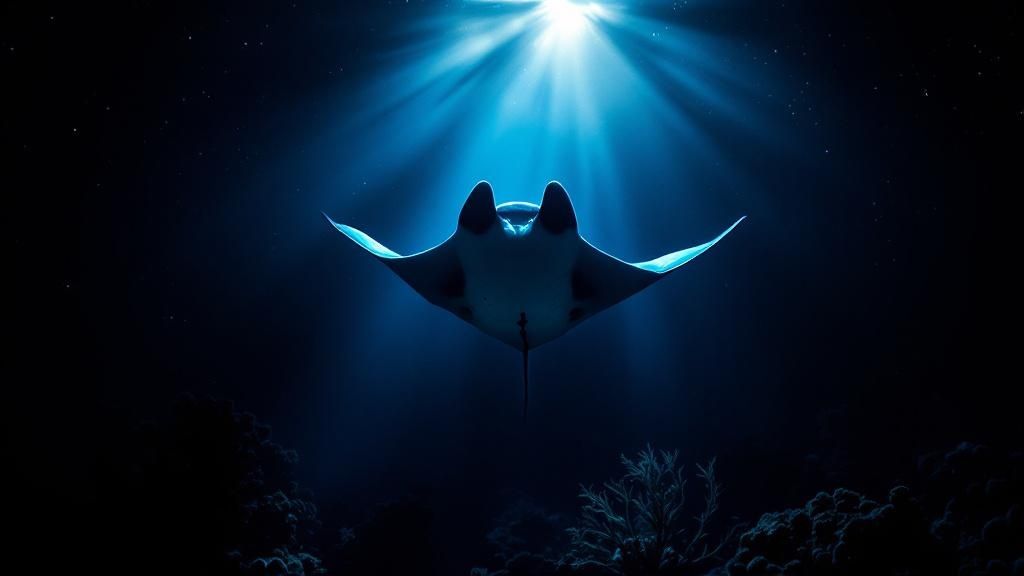
How did Kona, a pretty small stretch of coastline on the Big Island, become the undisputed global hot spot for manta ray encounters? It’s not just luck. It's the result of a perfect storm of geography, biology, and a smart, community-driven approach to ecotourism that created a true sanctuary for these gentle giants.
The foundation of it all is Kona's massive and well-studied population of resident reef manta rays. The Kona Coast is home to one of the most reliable manta ray populations on Earth, with researchers identifying over 450 individual animals as of 2025. This isn't a "maybe you'll see one" situation; operators here boast an incredible 85-90% success rate for manta sightings on any given dive.
That’s a level of consistency you just won't find anywhere else. You can dig deeper into what makes the manta ray dive in Kona so special by exploring the unique marine environment.
This thriving community of mantas sticks around because the local waters are essentially a dependable, all-you-can-eat buffet.
Kona's Underwater Buffet
The volcanic underwater landscape and unique ocean currents along the Kona coast work together to create perfect conditions for something called nutrient upwelling. This natural process pushes cold, nutrient-rich water from the deep ocean toward the surface.
What does that mean for the mantas? A massive, constant bloom of plankton—their absolute favorite food. The lights we use on our night dives don't create the food source; they simply concentrate this already abundant plankton, ringing the dinner bell and drawing hungry mantas in from all around.
Let's break down the key ingredients that make Kona so special.
Why Kona is a Manta Ray Magnet
| Factor | Description |
|---|---|
| Volcanic Topography | The underwater lava formations and coastal shelf create ideal conditions for nutrient upwelling, fueling plankton blooms. |
| Reliable Plankton Supply | Consistent ocean currents ensure a steady, year-round food source, keeping the local manta population well-fed and close to shore. |
| Large Resident Population | With over 450 identified individuals, Kona has one of the world's most stable and accessible manta ray populations. |
| Protected Waters | The leeward side of the Big Island is sheltered from major trade winds, resulting in calm ocean conditions perfect for diving and snorkeling. |
| Sustainable Practices | A long-standing commitment to responsible tourism, guided by established standards, protects the mantas from harm and ensures a positive interaction. |
This blend of natural advantages and human stewardship is what makes the experience here so magical and reliable.
What’s truly incredible is the synergy between tourism and science. Every single manta ray has a unique pattern of spots on its belly, just like a human fingerprint. When guides and photographers submit their photos, they help researchers identify and track individuals. Your tour isn't just a tour; it’s a direct contribution to citizen science.
A Legacy of Sustainable Tourism
The final piece of the puzzle is Kona’s long and pioneering history of responsible ecotourism. The manta night dive tradition began decades ago and has since evolved into a highly organized and sustainable industry.
This careful management, built over years of experience, ensures the encounter is safe, respectful, and absolutely unforgettable—for both you and the beloved manta rays. It's more than just a tour; it's a world-class wildlife interaction built on a deep respect for the ocean. Ready to see it for yourself?
What to Expect on Your Manta Ray Tour
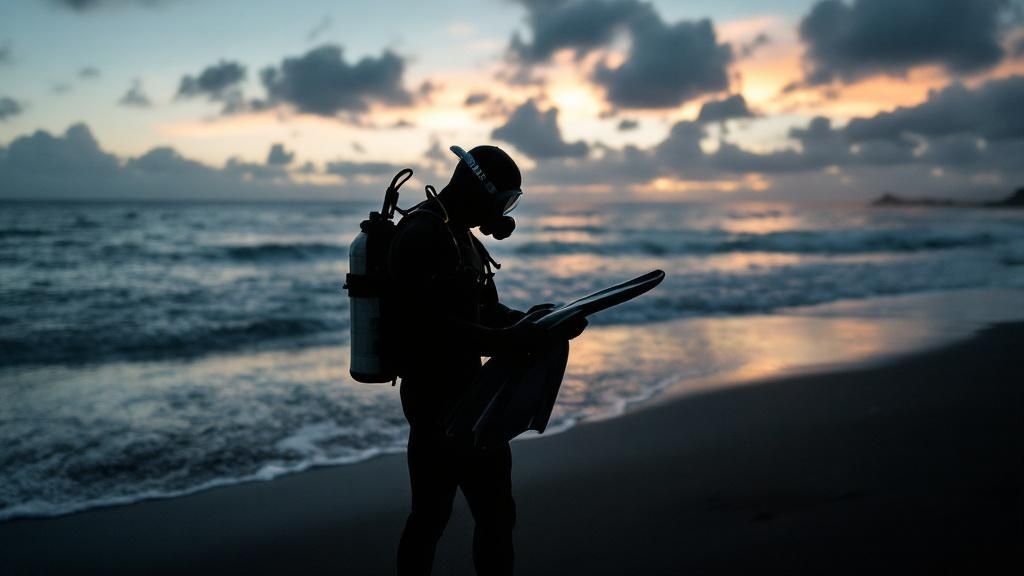
The idea of hopping into the ocean after the sun goes down can feel a little nerve-wracking, I get it. But the manta ray dive kona experience is an incredibly well-run and safe adventure. Knowing the play-by-play of what’s going to happen helps turn any pre-dive jitters into pure, buzzing excitement.
So, let's walk through a typical manta ray dive tour. This way, you’ll feel totally prepared and ready for the magic to unfold.
Your trip kicks off in the late afternoon. You'll board a comfortable boat and head out along the gorgeous Kona coastline. This isn't just a water taxi to the dive site; it's part of the whole experience, a chance to soak in the views before the main event.
Once you're settled, your expert guides will give a full briefing. They'll share cool facts about manta ray biology and behavior, but more importantly, they'll cover the crucial "manta etiquette." The number one rule is passive observation—absolutely no touching. This ensures a safe, respectful encounter for both you and these amazing animals.
Setting the Underwater Stage
As the sun starts to dip below the horizon, painting the sky with those insane Hawaiian sunset colors, the crew gets to work setting up the main attraction: the underwater "campfire." This is the genius light system that attracts plankton, basically creating a glowing, all-you-can-eat buffet for the mantas.
- For Snorkelers: A custom-built floating raft with powerful lights pointing down is set on the water's surface. You'll hold onto this raft, which gives you a super stable, front-row seat right above all the action.
- For Scuba Divers: A big, stationary light box is carefully placed on the sandy ocean floor, usually about 30-40 feet deep. As a diver, you'll gather in a circle around this central light, kneeling or lying flat on the sand to become part of the underwater audience.
This setup is the secret sauce to the whole thing. It creates a brightly lit arena where the manta feeding ballet is about to begin. If you want to dig deeper into how this all works, our guide on the manta ray night dive breaks down the process in even more detail.
The Main Event: 45 Minutes of Pure Magic
Once it’s completely dark and the lights have gathered a thick cloud of plankton, it’s go-time. For the next 45 to 60 minutes, your only job is to float, watch, and be totally mesmerized. It’s a feeling that’s hard to describe. These gentle giants glide out of the darkness, swooping and doing graceful barrel rolls sometimes just inches from your mask.
This isn't a hit-or-miss thing, either. Years of observation have shown just how reliable this spectacle is. At the main Kona sites like 'Manta Village' and 'Manta Heaven', systematic tracking reveals consistent sightings, often averaging between 50 to 150 ray encounters per month at each spot. Individual mantas are even identified by the unique spot patterns on their bellies, which lets researchers track beloved regulars like 'Lefty' and 'Big Bertha' who have been showing up for decades.
After the show is over, you’ll climb back onto the boat, absolutely buzzing with energy. Most tours will have warm drinks and snacks waiting for you, which is perfect for the peaceful ride back to the harbor while you trade stories with fellow divers under the stars.
Choosing Your Manta Adventure: Dive Site and Season
While the Kona manta ray dive is a singular, must-do experience, the magic actually happens at a couple of different primary locations. Getting to know the key differences between these world-class sites will help you pick the perfect manta ray dive in Kona for your comfort and skill level. It’s all about tailoring the adventure to you.
The two most famous sites are 'Manta Village' down in Keauhou Bay and 'Manta Heaven' up near the Kona International Airport. Each one offers a totally distinct atmosphere. Think of it like choosing between seeing a concert in a cozy, intimate theater versus a grand, dynamic arena—both put on a spectacular show, just with a different vibe.
Manta Village: The Classic Kona Experience
'Manta Village' is the O.G. site, the very place where the legendary manta night dive phenomenon began. Tucked into the protected waters of Keauhou Bay, this spot is known for its reliably calm conditions and shallower depths, typically around 25-35 feet. Here, divers settle onto a sandy patch on the ocean floor, creating a natural "amphitheater" for the mantas.
Its gentle nature makes Manta Village the go-to choice for:
- First-time night divers who want a relaxed introduction.
- Families with younger snorkelers joining the fun.
- Anyone hoping for a calm, predictable, and incredibly up-close encounter.
Manta Heaven: A More Dynamic Dive
A bit further north, 'Manta Heaven' (sometimes called Garden Eel Cove) offers a slightly different flavor of adventure. The site is a little deeper, usually between 35-45 feet, and can occasionally have more current. But that's not a bad thing! This water movement often results in a more energetic and dramatic feeding frenzy as the mantas swoop and glide through the flow.
Because of these variables, Manta Heaven is often a favorite among more seasoned divers and underwater photographers who are hunting for those powerful, action-packed shots. A top-tier operator like Kona Honu Divers will always pick the best site for the evening based on the ocean's mood, making sure your dive is as safe as it is spectacular.
Here's the great news: you really can't go wrong. Both sites have incredibly high success rates for sightings. The choice isn't about if you'll see mantas, but how you'd prefer to experience the show.
Finding the Best Season to Go
One of the absolute best things about the manta ray dive in Kona is that it’s a fantastic, year-round activity. The mantas are here all the time. But, if you're trying to time it for peak conditions, the prime season generally runs from April to October. During these warmer summer months, the ocean heats up, which can boost the plankton buffet and lead to even more active manta behavior. You can get the full seasonal breakdown in our guide on the best time of year to see manta rays in Kona.
And for certified divers hungry for even more, Kona's underwater world has plenty of challenges beyond the manta sites. If exploring deep pinnacles and unique volcanic landscapes sounds like your kind of thing, you should definitely consider adding an advanced dive tour to your trip.
Our Commitment to Safe and Sustainable Manta Encounters
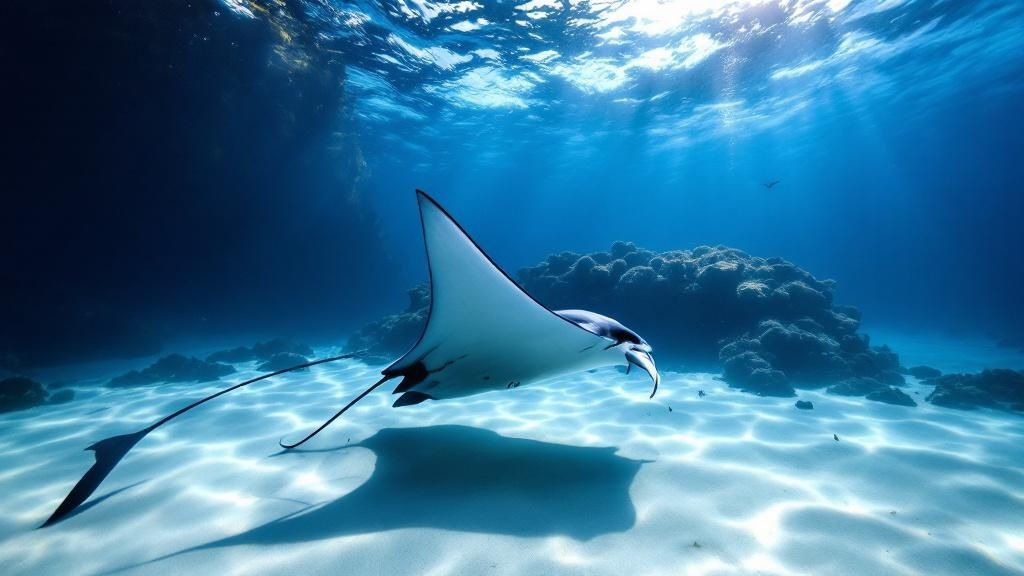
The magic of the Kona manta ray dive isn't just a happy accident; it's the result of a crucial partnership between people and nature. This whole experience is built on a foundation of respect, a deep commitment to safety and sustainability that responsible tour operators and every single guest in the water must share. It's more than just a tour—it's about preserving this incredible natural wonder for years to come.
The entire encounter boils down to one simple but powerful principle: Passive Observation Only. You are a guest in the mantas' underwater dining room, and it's essential you act like one.
The Manta Pledge: Your Role in Conservation
To make sure the interaction is a positive one, every person on a manta ray dive in Kona has to follow a core set of rules. Think of it as a "manta pledge" to protect the gentle giants you’ve come all this way to see.
- Rule #1: Do Not Touch the Manta Rays: This is the absolute golden rule, no exceptions. Manta rays are covered in a protective mucus layer that acts like a shield, guarding them against nasty bacteria. Touching them, even lightly, can strip away this coating and leave them vulnerable to infections and disease. No matter how close they glide, you have to resist that urge to reach out.
- Rule #2: Stay in Your Designated Spot: Whether you're a diver on the ocean floor or a snorkeler at the surface, it is vital to stay put. Chasing or trying to follow a manta will only spook it and can disrupt the feeding patterns for the whole group. By staying still, you become a predictable part of the environment, which actually encourages the mantas to come closer on their own terms.
- Rule #3: Give Them Space: The mantas own the water column. It's their dance floor. They'll swoop, glide, and do barrel rolls right through the light beams as they feed. It’s your job to keep your arms, legs, and camera gear tucked in, making sure they have a clear and open path to move.
By following these simple rules, you're contributing directly to the mantas' well-being. This respectful approach is exactly what makes the encounters in Kona so special—the mantas feel safe, which leads to more natural, closer, and absolutely breathtaking interactions for everyone. To dig deeper into what makes this so profound, you can learn more about why you should go on a manta ray dive in Kona.
Choose an Operator Committed to Manta Safety
The best way to guarantee these guidelines are taken seriously is to book your tour with a top-notch, reputable company. Look for operators on the Manta Ray Green List, a standard that recognizes companies holding themselves to the highest principles of conservation and guest safety.
Kona Honu Divers is a proud Green Listed operator. These are the companies that employ highly trained guides who not only put the well-being of the mantas first but also take the time to educate guests on why they're so important. Choosing a responsible operator is a vote for sustainable ecotourism, ensuring the Kona manta rays continue to thrive for generations.
How to Prepare for Your Manta Ray Adventure
A little bit of prep work makes all the difference on the manta ray night dive. Honestly, getting ready is simple, but a few smart moves ahead of time can turn a good night into an absolutely perfect one.
First things first, let's talk about what to bring. After an amazing dive, you’ll be so glad you have something warm and dry for the boat ride back to the harbor.
Your Essential Packing List
- Swimsuit: The easiest way to do it is to just wear your swimsuit under your clothes. That way, you're ready to go as soon as you get to the harbor.
- Towel and a Warm Layer: A dry towel is non-negotiable, and you'll definitely want a sweatshirt or a light jacket. Trust me, it gets surprisingly chilly on the boat after the sun disappears.
- Reef-Safe Sunscreen: If your tour leaves while the sun is still out, make sure you've applied reef-safe sunscreen. It's a small thing that does a huge service to Hawaii’s fragile coral ecosystems.
- Seasickness Medication: If you even think you might get motion sickness, it's best to be safe. Take your go-to medication about an hour before the boat is scheduled to depart.
Pro Tip for Photographers: You are going to want to capture this experience! Make sure your underwater camera is fully charged and ready. Critically, no flash photography is allowed. The sudden burst of light can really startle and disorient the mantas. You'll want to use a continuous video light or simply bump up your camera's ISO to handle the low-light conditions.
If the manta ray dive in Kona gets you hooked on one-of-a-kind night dives (and it probably will), Kona has another world-class adventure waiting for you. For the ultimate thrill-seekers, the Kona Blackwater Dive is an experience you will never, ever forget. This dive takes you miles offshore to drift in the deep, dark ocean, where you'll witness the nightly vertical migration of the most bizarre and incredible creatures from the abyss. You can book an otherworldly Blackwater Dive tour to experience it for yourself.
You can learn more by reading about the manta ray night dive of Kona with Kona Honu Divers to feel even more prepared for the big night.
Frequently Asked Questions About the Manta Ray Dive
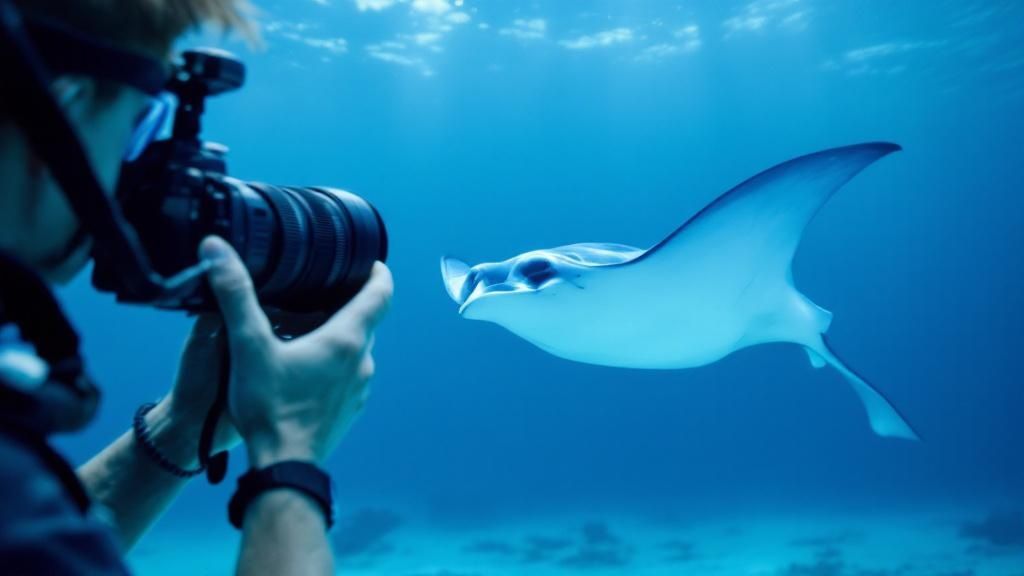
If you're gearing up for this incredible experience, you probably have a few questions. We get it. Here are some quick, straight-to-the-point answers to the things people ask us most.
Do I Need to Be Certified to See the Mantas?
Nope, you absolutely don't! Snorkeling is an equally incredible way to witness the manta ballet.
Snorkelers hang onto a large, custom-built raft that has powerful lights pointing straight down into the water. The mantas often come right up to the surface, giving you a fantastic top-down view of their graceful feeding. It's a perfect option for families and anyone who isn't a certified diver.
Is the Kona Manta Ray Dive Safe?
Yes, it's extremely safe, especially when you go with a professional, seasoned operator like Kona Honu Divers.
Our guides are experts in night diving protocols, and you're always under their watchful eye. The whole dive is stationary—you settle in at a well-lit "campfire" spot on the ocean floor. This creates a very controlled and secure environment, a far cry from a free-for-all swim in the dark.
What if We Don't See Any Manta Rays?
Look, these are wild animals, and while sightings are incredibly reliable—we're talking a success rate over 90%—nature is never a guarantee.
Because of this, many reputable operators (including us) offer a "manta guarantee." This usually means if your tour doesn't see mantas, you can come back another night for free, typically on a standby basis. Just make sure to confirm the specific policy when you book your tour.
Can Children Participate in the Tour?
Absolutely! Kids can definitely join the fun, and they have an absolute blast as snorkelers. It's a truly unforgettable and educational experience for all ages.
Most operators do have a minimum age, so it's always a good idea to check with the company beforehand. All the gear is typically provided, making it a super easy family adventure. To get a better feel for the whole experience, you can learn more about what it's like to go on the manta ray dive in Kona and get fully prepared for the night of a lifetime.