
Picture this: you’re floating in the warm, dark Pacific Ocean while massive, yet unbelievably gentle, manta rays glide around you like something from another world. This is the magic of the manta ray dive in Kona, and there's a good reason it's consistently called one of the best night dives on the planet. It's more than just a dive; it’s a breathtaking, silent ballet where you get a front-row seat to one of nature’s most incredible shows.
What Makes the Kona Manta Ray Dive So Unforgettable
The Kona manta ray dive isn’t just another tourist activity; it’s a chance to feel a real connection with the ocean. Every year, around 80,000 people come here specifically for manta ray snorkel and dive tours, cementing the Kona Coast's reputation as the go-to place for this encounter. The secret behind its success is the unique, almost symbiotic relationship that has formed over decades between the dive operators and these intelligent animals. You can get a deeper feel for the experience by reading our detailed guide on what the dive is actually like.
Here's how it works: operators use powerful, submerged lights to attract huge clouds of phytoplankton—the manta rays' favorite food. This creates a dependable, nightly buffet that draws the mantas in, leading to incredibly consistent and up-close interactions.
The Two Premier Manta Dive Sites
Kona's manta fame is built around two legendary locations, each with its own vibe:
- Manta Village (Keauhou Bay): This is the original spot where it all began. The waters here are typically calmer and shallower, making it a fantastic choice if you're a first-time night diver or a snorkeler looking for a more sheltered experience.
- Manta Heaven (Garden Eel Cove): Found in deeper water, this site often has more current. That energy can lead to closer, more dynamic encounters, which is why it's a favorite for experienced divers and underwater photographers.
No matter which site you end up at, the experience is simply mesmerizing. Divers settle on the sandy bottom and point their lights up. Snorkelers hang onto a custom-built float with lights pointing down. Together, this creates a "campfire" of light that pulls in the plankton, and soon after, the stars of the show.
As the mantas show up, they start performing graceful somersaults and barrel rolls, swooping right through the light beams to scoop up their meal. Their movements are so fluid and hypnotic, creating a stunning underwater spectacle that locals call the "manta ballet." It's something you truly have to see to believe.
When you go with a top-tier operator like Kona Honu Divers, you know you're in safe, experienced hands. Their deep commitment to manta ray safety and conservation ensures your adventure is not only thrilling but also responsible.
Ready to witness this incredible marine ballet for yourself? Joining a guided manta ray dive tour is the absolute best way to experience it.
Choosing Your Ideal Manta Adventure Site
When you start planning your manta ray dive in Kona, one of the first decisions you'll face is where to go. It might seem like a small detail, but the location you choose really shapes the whole experience. Kona has two world-famous spots for this: Manta Village down in Keauhou Bay, and Manta Heaven up by the airport.
Think of it like choosing between two amazing concert venues. Manta Village is like an intimate amphitheater—it’s sheltered, reliable, and gives you a fantastic, up-close-and-personal show. On the other hand, Manta Heaven is more like a massive, open-air stadium. It can be more dynamic and dramatic, but it's also a bit more exposed to the elements.
Each site has its own personality, driven by things like water depth, currents, and even the typical behavior of the mantas that show up. Figuring out these differences is the key to picking the adventure that’s right for your comfort level and what you're hoping to see.
Manta Village: The Original Kona Experience
This is where it all started. Manta Village, right off the coast from the Sheraton Keauhou Bay Resort, is the original site where people first discovered this nightly spectacle. Because it’s tucked into a bay, it’s naturally protected from the big ocean swells, which means the conditions are usually calm and consistent all year.
This makes it a fantastic choice for anyone doing their first night dive, as well as for snorkelers and families. The dive site itself is pretty shallow, typically only 25 to 35 feet deep. That translates to more bottom time and a much less intimidating introduction to diving in the dark. The calm water also makes it way more comfortable for snorkelers hanging onto the light boards at the surface. You might see slightly fewer mantas here than at the other site, but the encounters are always beautiful and incredibly accessible.
Manta Heaven: A Dynamic Deep-Water Spectacle
A little farther north, you’ll find Manta Heaven, also known as Garden Eel Cove. This spot is more exposed to the open ocean, so conditions can be a bit more unpredictable. You might run into stronger currents or some surface chop. But honestly, that raw ocean energy is exactly what makes it so special.
The site is a bit deeper, usually between 35 to 45 feet, and it often draws in a much larger congregation of mantas. Many experienced divers and underwater photographers specifically ask for Manta Heaven. They’re hoping for those thrilling, high-speed "fly-bys" and the complex, swirling feeding ballets that happen here. The currents carry a rich soup of plankton, sometimes kicking off a true manta frenzy where a dozen or more rays swoop and barrel-roll through the dive lights. It’s pure, exhilarating chaos.
Deciding between Manta Village and Manta Heaven is a personal call. Sometimes, it helps to take a step back and think about why you should go on a manta ray dive in the first place. Understanding your own motivation for the dive often points you directly to the location that will mean the most to you.
To help lay it all out, here’s a quick side-by-side comparison of Kona's two premier manta dive locations.
Manta Dive Site Comparison: Manta Village vs. Manta Heaven
| Feature | Manta Village (Keauhou Bay) | Manta Heaven (Garden Eel Cove) |
|---|---|---|
| Location | South of Kailua-Kona | North of Kailua-Kona, near the airport |
| Conditions | Generally calm, sheltered in a bay | More exposed, can have stronger currents |
| Depth | Shallower (25-35 feet) | Deeper (35-45 feet) |
| Best For | First-timers, snorkelers, families | Experienced divers, photographers |
| Manta Activity | Consistent sightings, often graceful | Can attract larger groups, more dynamic |
At the end of the day, you really can’t make a bad choice. Both sites offer a world-class chance to witness one of nature's most incredible shows. A top-notch operator like Kona Honu Divers will always assess the nightly conditions and take you to the spot that promises the safest and most spectacular encounter possible.
How to Prepare for Your Manta Ray Dive
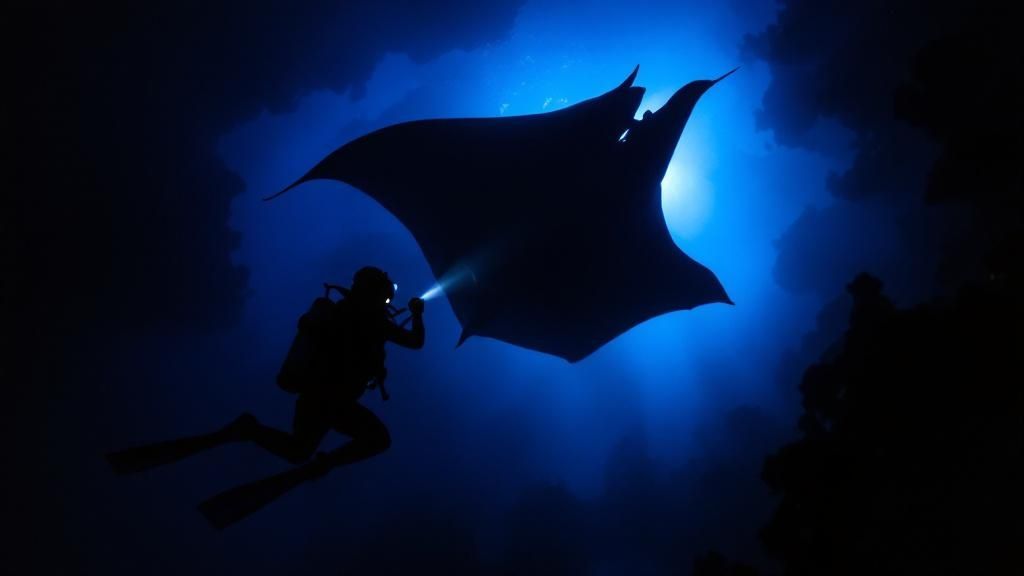
Confidence is the secret ingredient to getting the most out of your manta ray dive in Kona. A little bit of prep work can transform a great trip into a truly unforgettable one. Think of this as your pre-flight checklist, making sure you arrive ready to soak in every second of this incredible underwater ballet.
Whether you're a seasoned diver or a first-time snorkeler, just knowing what to expect goes a long way. When you're comfortable with the gear and the plan, you can stop worrying and focus on the majestic giants gliding right below you.
Gear and What to Bring
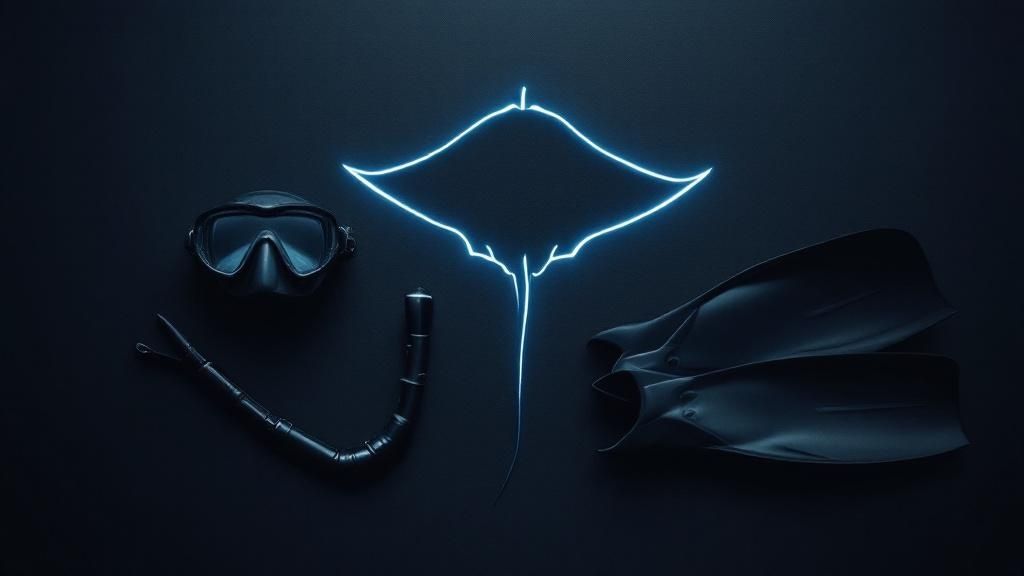
One of the first questions on everyone's mind is about gear. The great news is that top-notch operators like Kona Honu Divers provide all the essential equipment you’ll need for a safe, comfortable, and warm experience.
- Wetsuits: The waters here are a balmy 75°F (24°C) on average, but you'll be floating relatively still for about 45 minutes after the sun goes down. A good wetsuit keeps you perfectly warm so a shiver doesn't distract from the show.
- Masks, Snorkels, and Fins: Expect high-quality, well-maintained gear. The crew will get you fitted with a mask and fins that are just right for you.
- Dive Gear: For certified divers, your tour includes a tank, weights, and a BCD (Buoyancy Control Device). It’s all part of the package.
While the essentials are covered, you’ll probably want to bring a few personal items. An underwater camera is a must for many, and you'll definitely want a towel and a dry change of clothes for the boat ride home. For a deeper look at what to expect, check out our guide to the Kailua-Kona manta ray night dive.
Certifications and Swimming Ability
The skills you need depend entirely on which tour you book. This experience is intentionally designed to be accessible to just about everyone.
For Divers: You must be a certified open water diver to join the scuba tour. The crew will ask to see your certification card, so have it ready—either the physical card or a digital copy on your phone works.
For Snorkelers: No special certification is needed. The only real requirement is that you feel comfortable in the water. You’ll be holding onto a large, stable float board equipped with bright lights, so you won't be swimming around freely. You just need to be able to relax at the surface.
Whichever you choose, the adventure kicks off with a detailed safety briefing. This is a critical part of the tour. The guides will explain the golden rule—never, ever touch the mantas—and how to ensure a safe, respectful encounter for everyone. Paying close attention here is the single most important bit of prep you can do.
When Is the Best Time to Go?
Here’s one of the most amazing things about the Kona manta ray dive: it’s a world-class show 365 days a year. The manta rays along the Kona coast are residents; they don't migrate. That means you can find them here every single month, leading to a consistent 90% or higher sighting success rate on most tours.
While any time is a great time, the summer months from April to October tend to offer the calmest seas and warmest water. That said, some insiders believe that planning your trip a few days before or after a full moon can sometimes lead to more plankton in the water, which means even more active manta feeding frenzies.
Ultimately, the best time to book your manta ray dive tour is whenever you’re in Kona and ready for the adventure of a lifetime.
The Science Behind the Manta Ballet
Ever wondered how dozens of giant manta rays know to show up in the exact same spots off the Kona coast, night after night? It feels like pure magic, but it’s actually a brilliant bit of ecology in action. The world-famous manta ray dive in Kona isn't a happy accident; it’s built on a simple, powerful food chain reaction that we’ve learned to kickstart.
It all starts with plankton. These tiny, microscopic critters are the manta ray's favorite meal. Years ago, a hotel on the coast started aiming its lights out at the ocean. People noticed that these beams attracted thick clouds of plankton, and it didn't take long for the local mantas—who are incredibly smart—to figure out this was a free, all-you-can-eat buffet.
Today, dive operators like us have fine-tuned this trick. We bring our own powerful, eco-friendly lights out to the dive site. Divers set up a "campfire" of lights on the sandy bottom, pointing them straight up. At the same time, snorkelers on the surface hold onto custom-built floatation boards with lights that shine down. This creates a massive column of light, a beacon for hungry plankton. Within minutes, the dinner bell is rung, and the feast begins.
The Famous Manta Ballet
Once the plankton are gathered, the real stars of the show make their entrance. One by one, giant mantas glide into the light. What you see next is why we call it the "manta ballet." To get the most plankton out of the water, the mantas perform a series of stunning acrobatics right in front of you.
These graceful moves are incredible to witness:
- Somersaults: The mantas do these slow, elegant backward flips, which helps them stay in the part of the light beam where the plankton is thickest.
- Barrel Rolls: They’ll spin in a beautiful corkscrew motion as they glide, scooping up plankton with their huge, open mouths.
- Swooping Passes: This is the part that will take your breath away. The rays often glide just inches over the heads of divers sitting on the bottom, giving you an unforgettable, up-close view.
This isn't some trained performance for tourists; it’s just natural feeding behavior. The mantas have learned that these rolls and flips are the most efficient way to eat, letting them chow down without wasting energy. You can get a deeper look at the whole experience in our comprehensive guide on what is the Manta Ray Night Dive.
A Dive with a Deeper Meaning
Your manta ray dive kona experience is way more than just a spectacular show. It’s a chance to be part of vital marine research. Just like a human fingerprint, every manta ray has a unique pattern of black spots on its white belly. Local researchers and dive guides use these spot patterns to identify, name, and track each individual manta.
This turns every dive into a citizen science project. When photographers snap clear pictures of a manta's underside, those images go into a huge database. This helps scientists keep tabs on the health, movements, and life cycles of the Kona manta population. It’s this meticulous work, powered by divers and snorkelers like you, that has made Kona’s mantas one of the most studied populations on the planet and helps protect them for the future. You can read more about these long-term manta ray statistics and findings.
By choosing a reputable operator for your manta ray dive tour, you're directly supporting these critical conservation efforts.
How to Be a Responsible Manta Ray Observer
The magic of the manta ray dive in Kona hinges on one simple idea: mutual respect. To make sure these incredible animals stick around for future generations to enjoy, every single person in the water—diver or snorkeler—has to be part of the solution. Your job is to be a quiet, passive observer.
Think of it like being a guest in their personal underwater dining room. You wouldn't walk up and interrupt someone's dinner at a fancy restaurant, and the same courtesy applies here. The most important thing to remember is to let the mantas run the show. When you stay still and calm, they feel safe, which often means they'll come in for those breathtakingly close passes everyone hopes for.
The Golden Rule: No Touching
If you take only one thing away from this, let it be this: never, ever touch, chase, or try to ride a manta ray. It might be tempting when one of these giants glides just inches from your face, but it's critically important to resist.
Mantas are covered in a thin, protective layer of mucus. This isn't just slime; it's their immune system's first line of defense against nasty skin infections and parasites. Touching them, even with the lightest graze, can wipe off this vital coating and leave them vulnerable to disease. Resisting that urge to reach out is the biggest sign of respect you can show them.
A top-notch, responsible operator like Kona Honu Divers will hammer this home in their briefing, making sure everyone knows how to protect the mantas. The discussion around refining these rules is always ongoing, as detailed in this open letter regarding manta rules.
Following the established guidelines isn't just about being a good tourist; it's what makes the entire experience work, keeping both people and mantas safe. These rules were carefully developed over years by local operators and conservation groups.
- Hold Your Spot: Divers, you'll be settled on or near the sandy bottom. Snorkelers, you'll be at the surface, holding onto the light board. This creates a wide-open "stage" in the middle of the water column for the mantas to swim through safely.
- Lights On, Flashes Off: Your dive light is what draws in the plankton, but the sudden, bright burst from a camera flash can easily startle or disorient the mantas. Please, no flash photography.
- Let Them Come to You: Never swim toward or chase a manta. It just spooks them, ruins their feeding, and causes unnecessary stress. Patience is your best friend here—the best encounters always happen when you just wait.
These guidelines aren't just for one night. They're about preserving a fragile ecosystem. When you choose a responsible tour, you're directly supporting a sustainable model that puts the animals' welfare first.
The Bigger Picture of Manta Conservation
Believe it or not, your choice of tour operator makes a real difference for the local manta population and even the Kona economy. The consistently calm conditions and reliable sightings at spots like Makako Bay (Manta Heaven) and Keauhou Bay (Manta Village) have made this one of Hawaii’s most successful and safest marine tourism activities. It draws tens of thousands of people every year, which in turn supports local hotels, restaurants, and shops. You can see more on the balance of conservation and economic impact on dlnr.hawaii.gov.
When you book a manta ray dive tour, you’re not just paying for a cool experience. You're investing in a system that understands these animals are far more valuable alive and healthy in their natural habitat. That economic incentive is a powerful tool for conservation, helping to fund research and reinforce the need for protective regulations.
Your dive is more than an adventure; it's a vote for the future of Kona's beloved manta rays.
Explore More of Kona’s Underwater World
The manta ray dive in Kona is an absolute showstopper. It's one of those bucket-list experiences that genuinely leaves you speechless. But the magic of the Big Island's underwater world doesn't end when the last manta glides away. For divers with an adventurous spirit, that legendary night dive is really just the beginning.
Once you’ve witnessed the famous manta ballet, you might find yourself itching for another unique nighttime adventure. Good news—Kona is home to one of the most thrilling and surreal dives on the planet: the blackwater dive. This isn’t your typical reef dive. Here, you'll find yourself drifting, suspended over thousands of feet of inky black, open ocean.
The Thrill of the Blackwater Dive
Picture this: you're hanging in the dark, tethered to the boat, as a parade of bizarre and beautiful creatures rises from the deep. This is the Kona Blackwater Dive, a front-row seat to the largest vertical migration on Earth, which happens every single night.
You’ll come face-to-face with life forms that look like they're straight out of a sci-fi movie—translucent larval fish, pulsing bioluminescent jellies, and other strange, alien-like critters. For divers looking for something truly different, it’s a must-do adventure that perfectly complements the manta ray experience.
Advanced Diving Adventures
Have a few more dives under your belt? Kona’s volcanic origins have created an incredible playground for experienced divers. Far from the sandy bottoms of the manta sites, you'll discover a world of dramatic underwater landscapes forged by the raw power of the island's creation.
Experienced divers can explore Kona’s remarkable underwater terrain, including ancient lava tubes, breathtaking arches, and dramatic deep-water drop-offs that plunge into the abyss. These sites offer a different kind of thrill, rewarding divers with pristine coral gardens and encounters with larger marine life.
These advanced charters are specifically designed to push your skills and show you a side of Kona most people never see. Diving with a top-tier operator like Kona Honu Divers means you're guided by experts who know these intricate sites inside and out, prioritizing safety while unlocking Kona's best-kept secrets.
From the graceful manta ballet to the deep abyss of the blackwater dive and the challenging topography of advanced sites, Kona truly is a world-class diving destination. So, why not extend your stay and discover everything the Big Island’s underwater world has to offer?
Whether you’re ready to book your manta ray dive tour or want to tackle some advanced dives, there's always another adventure waiting in Kona's clear blue waters. Or, feel free to browse all of our Kona diving tours to find your perfect underwater experience.
Common Questions About the Kona Manta Ray Dive
Getting ready to see Kona's famous manta rays is an exciting feeling, but it’s totally normal to have a few questions before you commit. We get it. Knowing what to expect helps you relax and book your tour with confidence, so you can focus on the incredible experience ahead.
We've heard just about every question you can think of from our guests. This isn't just another dive; it's a carefully choreographed underwater ballet. So let's clear up some of the most common questions we get, so you can be fully prepared for the magic.
Is the Manta Ray Dive Safe for Beginners?
Absolutely. Safety is the number one priority on every single trip, full stop. The whole encounter is designed from the ground up to be safe and comfortable for everyone, even if you’ve never been in the ocean after dark.
Operators like Kona Honu Divers run a very tight ship. You’ll get a thorough safety briefing before your toes even touch the water. Expert guides are with you every step of the way, making sure everyone sticks to the rules of passive observation and stays safe.
What if I Don't Have Scuba Certification?
No problem at all! You don't need to be a certified diver to get a front-row seat to this incredible show. The manta ray snorkel tour offers an equally amazing view right from the surface.
Snorkelers hold on to a custom-built, floating light board. These boards are super stable and have powerful lights that beam down into the water, attracting the plankton. And where the plankton go, the mantas follow, gliding right up to the surface just beneath you. It's a fantastic way to see the action without any dive gear.
Are Manta Ray Sightings Guaranteed?
Manta rays are wild animals, so nobody can offer a 100% guarantee. But with that said, the Kona coast is home to one of the most reliable and consistent manta ray populations on the planet. The way the dive sites and feeding encounters are set up leads to an exceptionally high success rate, with mantas showing up on the vast majority of nights.
Most reputable operators offer a "manta guarantee." On the rare night the mantas decide not to show, they will usually let you rebook for another night free of charge. This is a great reason to schedule your manta dive early in your trip, just in case.
This commitment from the top operators gives you the best possible shot at seeing these gentle giants. It's just one more reason the manta ray dive in Kona is a world-famous, can't-miss adventure.
What Should I Bring on the Tour?
Your tour operator provides all the essential gear you need to be warm, safe, and comfortable in the water. This typically includes:
- A wetsuit that fits you properly.
- A quality mask, snorkel, and fins.
- All the necessary scuba equipment if you're a certified diver.
You'll just need to bring a few personal items for comfort. We always recommend packing a towel and a dry change of clothes for the boat ride home. And if you have an underwater camera, you are definitely not going to want to leave it behind!
Ready to see the magic for yourself? Kona Honu Divers runs expertly guided Manta Ray Dive and Snorkel tours that are perfect for adventurers of any skill level.