
Picture this: you descend into the warm, inky blackness of the Pacific, just off the Kona coast. Suddenly, a brilliant beam of light cuts through the dark, illuminating an underwater stage. Then, they arrive. Giant, impossibly graceful manta rays, soaring and barrel-rolling in a silent, hypnotic ballet right before your eyes.
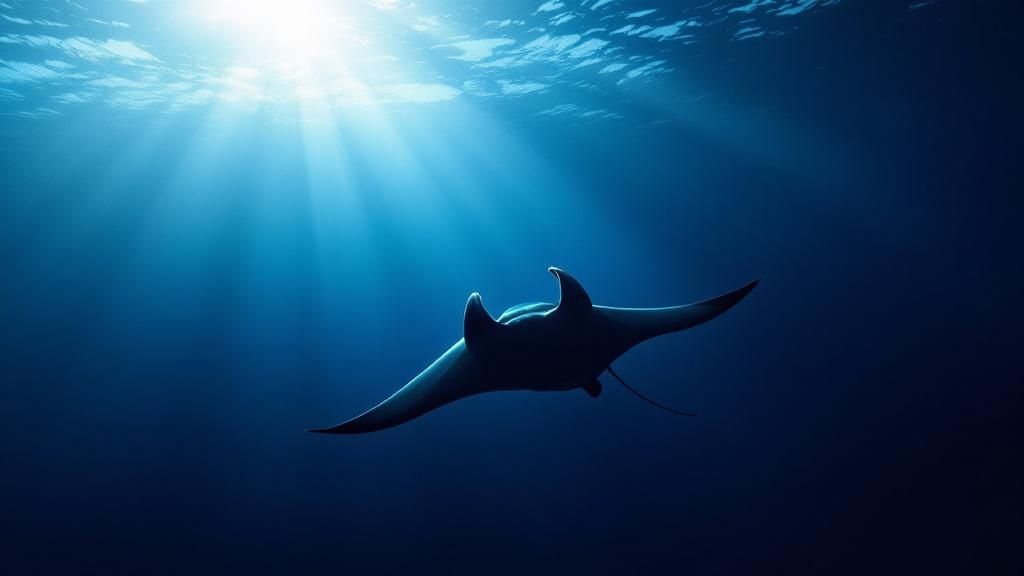
This isn’t something you watch on a nature documentary; this is the real, heart-pounding experience of the manta ray dive in Kona, without question the best place on the planet for this kind of encounter.
This guide is your first step towards an adventure you'll be telling stories about for the rest of your life. We’ll get into why Kona offers such reliable sightings and introduce you to the top-tier operators who make this magic happen safely and unforgettably.
The Kona coastline is a world-famous hotspot, and for good reason. It’s home to a thriving population of over 450 identified manta rays. The dive sites themselves are usually in comfortable 30 to 40-foot depths, making the whole experience accessible whether you’re a diver or a snorkeler. To really get a feel for what makes this so special, check out this Manta Ray Dive Kona: Epic Hawaiian Adventure.
What Makes This Experience So Unique?
What really sets the Kona manta ray experience apart is the sheer reliability and the up-close-and-personal nature of it all. On any given night, you have an incredible 85% to 90% chance of seeing these majestic animals. That’s not a typo.
This amazing consistency is precisely why divers and snorkelers come from all over the globe for this one specific tour. It’s a bucket-list item that actually delivers.
Of course, choosing a great operator is essential for a safe and memorable trip. It’s not just about seeing the mantas; it's about doing it responsibly.
How to Make This Dream a Reality
Whether you’re a seasoned scuba pro or have never put on a snorkel mask in your life, this adventure is absolutely within your reach. The experience is designed to be breathtaking for everyone, no matter their comfort level in the water.
You’ll watch as these gentle giants, some with wingspans stretching over 12 feet, glide effortlessly just inches away from you. They're feeding on the tiny plankton that are drawn to the underwater lights, and the whole thing feels like a peaceful, moving, and utterly captivating spectacle.
It’s a powerful moment that’s hard to put into words. You just have to be there. With a professional crew guiding you every step of the way, all you have to do is relax and soak in the pure magic of the moment.
Why Kona Is The World Capital For Manta Rays
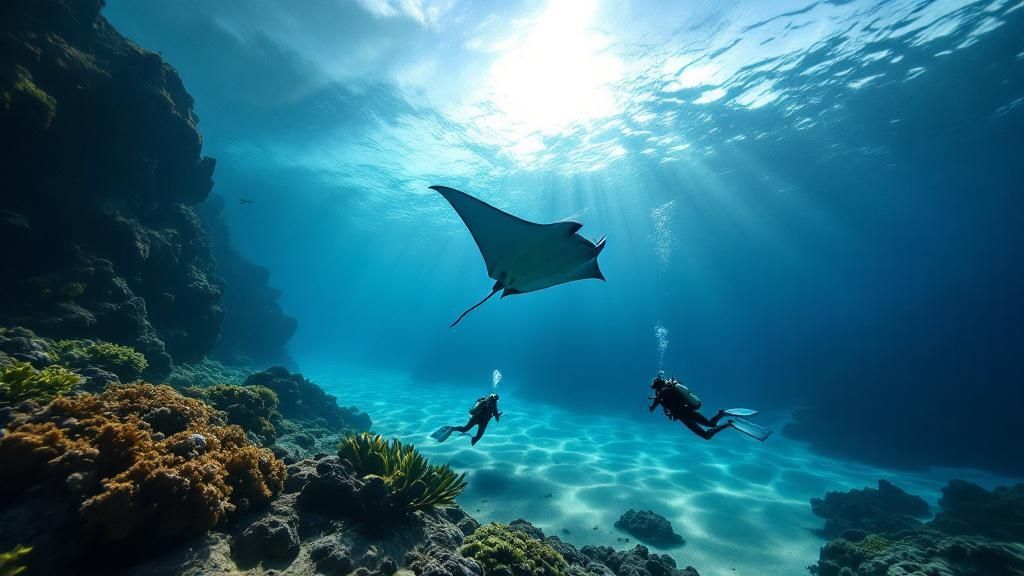
So, what makes the Kona coast the undisputed global hotspot for seeing manta rays? It's not just blind luck. It’s a perfect storm of geography, a reliable food source, and a brilliant, human-led phenomenon that creates a nightly spectacle you won't find anywhere else on Earth.
The magic ingredient is an abundant supply of plankton, the microscopic critters that are the primary food for these gentle giants. For decades, this natural buffet has drawn a massive, resident population of manta rays to these waters. They don't migrate, which means they are here day in and day out, all year long. This simple fact takes all the guesswork out of trying to time your visit. In Kona, any night is a good night for a manta ray dive.
This incredible consistency is what Kona’s reputation is built on. There are so many reasons why you should go on a manta ray dive, and this year-round access is a huge one.
The Ingenious Manta Campfire Concept
The real genius behind Kona’s nightly manta ballet is a concept we call the "Manta Campfire." It started with a simple observation: lights shining on the water attracted swarms of plankton. A few savvy dive operators saw an opportunity and turned this into an amazing, sustainable way for people to see the mantas up close.
By sinking powerful, eco-friendly lights onto the ocean floor, they create concentrated columns of light that act like magnets for plankton. The mantas, being incredibly smart, quickly figured out that these bright spots are an easy, all-you-can-eat buffet.
This simple yet brilliant setup creates a dependable, nightly gathering that brings divers and snorkelers face-to-face with these majestic creatures as they feast. It’s a win-win: the mantas get a reliable meal, and we get a front-row seat to one of nature’s most breathtaking displays.
This ritual has been happening for years, turning a natural behavior into a predictable and truly awe-inspiring event.
Kona's Premier Manta Viewing Sites
While you can spot mantas all along the coast, two main sites have become the epicenters for this experience, each with its own unique vibe.
- Manta Village (Keauhou Bay): Located just south of Kailua-Kona, this is the original manta viewing spot. It's famous for its rock-solid consistency and often provides incredibly close encounters in a shallower setting.
- Manta Heaven (Garden Eel Cove): Situated north of town near the airport, this site can sometimes host larger groups of mantas. The underwater landscape is a bit different here, offering a unique backdrop for the feeding frenzy.
Both sites are phenomenal. Your tour operator will pick the best location based on recent manta activity and the day's conditions. This established network of light "campfires" is a key reason for Kona's success, drawing around 80,000 tourists every year. In fact, systematic monitoring at these dive sites often clocks 50 to 150 individual encounters each month.
What’s really special is that many of the mantas you'll meet are long-time residents with names and documented histories. You aren't just seeing a manta ray; you might be meeting "Lefty," a local celebrity who's been thrilling divers for decades. This personal connection changes the dive from just seeing wildlife into a truly unforgettable encounter.
Choosing Your Adventure: Dive or Snorkel
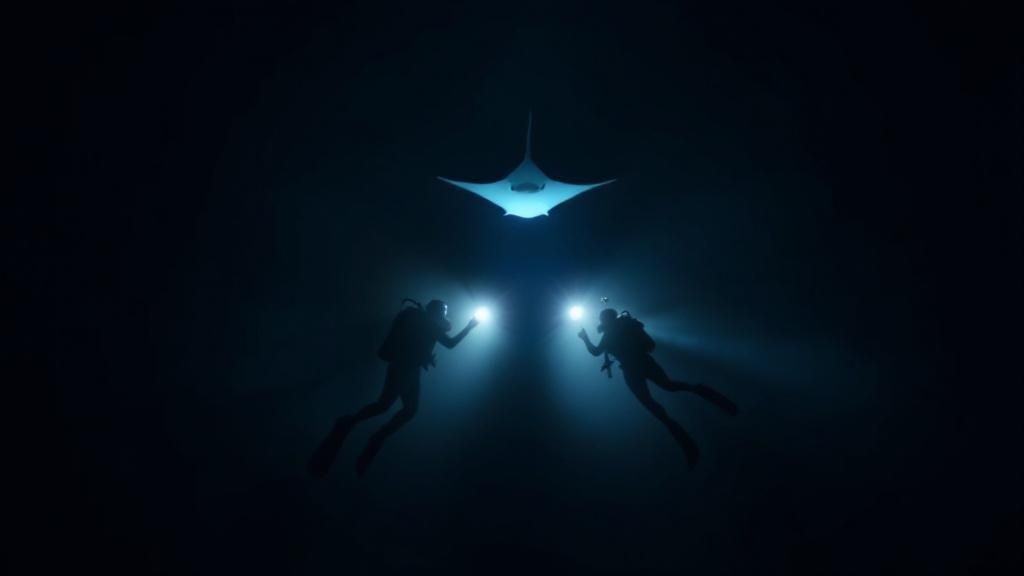
This is one of the biggest decisions you'll make for your manta ray dive kona experience: will you watch the show from above or below? Both snorkeling and scuba diving offer absolutely stunning, yet totally different, ways to see this underwater ballet. Your choice really shapes the memory you'll take home.
So, which one is right for you? It really comes down to your comfort in the water, whether you're a certified diver, and what kind of encounter you’re dreaming of. There’s no "better" option, just the one that's a perfect fit for you and your group. Let’s break down what each adventure feels like.
The Snorkeler's Bird's-Eye View
Picture this: you're floating calmly on the dark ocean surface, holding onto a specially-made light board. It’s a brilliant design. The board gives you something stable to hold onto, and its powerful lights beam down into the water, attracting the plankton that the mantas have come to feast on.
From here, you get an incredible top-down view of all the action. The manta rays glide, swoop, and do their famous barrel rolls just inches below you. It’s from this perspective that you can truly appreciate the sheer scale of their wingspans as they move so gracefully through the light. This option is super accessible and requires no experience, which makes it perfect for families and first-timers.
The Diver's Front-Row Seat
If you're a certified scuba diver, get ready for a completely different world. You’ll descend with your guide to the sandy ocean floor, usually around 35 feet deep. Here, you find a spot to settle in, becoming just another part of the underwater landscape. This is your front-row seat.
Looking up, you'll see the gentle giants soaring right over you, silhouetted against the bright lights from the snorkelers' boards on the surface. They seem to dance in slow motion, barrel-rolling through the clouds of plankton. It's a truly humbling and almost surreal moment when a 12-foot manta ray glides just a few feet over your head.
The view from the ocean floor is truly cinematic. Watching the mantas appear from the darkness and perform their hypnotic ballet against the illuminated water above is a memory that stays with divers forever. This unique perspective is a key reason so many certified divers come to dive the Big Island of Hawaii.
Comparing the Two Manta Adventures
To help you land on the best choice, I’ve put together a quick comparison of the two experiences. Think about your skills, your comfort level, and the kind of memory you want to create. This table breaks down the key differences to help you pick your perfect adventure.
Manta Ray Snorkel vs. Scuba Dive: A Quick Comparison
This table breaks down the key differences between snorkeling and scuba diving for the manta ray encounter to help you decide which is right for you.
| Feature | Snorkeling Experience | Scuba Diving Experience |
|---|---|---|
| Skill Level | Beginner-friendly; no experience needed. | Must be a certified scuba diver. |
| Perspective | Top-down view, watching mantas below you. | Bottom-up view, watching mantas above you. |
| Physical Effort | Minimal; you float while holding a light board. | Requires basic diving skills and comfort on the ocean floor. |
| Proximity | Mantas often feed just inches from the surface. | Mantas glide directly overhead, often very close. |
| Equipment | Mask, snorkel, and fins are provided. | Full scuba gear (BCD, regulator, tank) is required. |
When it's all said and done, both paths lead to a wildlife encounter you’ll never forget. If you’re not a certified diver, the snorkel tour is an amazing, low-stress way to see the magic happen. If you've got your C-card, the scuba dive offers a perspective that is simply awe-inspiring.
How To Prepare For Your Manta Ray Night Dive
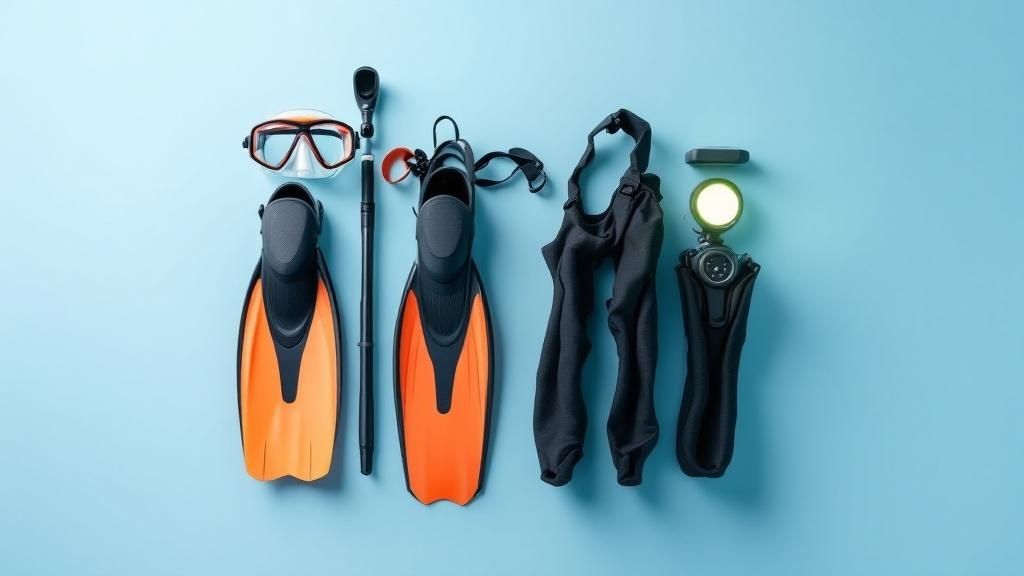
A little bit of prep work goes a long way in making your manta ray dive experience truly unforgettable. When you know what to expect, what to bring, and how to act in the water, it guarantees a smooth and comfortable adventure from the moment you step on the boat.
Let's walk through the key steps to get you ready.
Your tour operator, like our seasoned crew here at Kona Honu Divers, will handle all the heavy lifting. They provide the essential scuba or snorkel gear, including wetsuits fitted just right to keep you comfortable in the evening water. The ocean here in Hawaii stays a pretty pleasant 75°F (24°C) all year, but a wetsuit is still a must for staying warm during a night dive.
That being said, you’ll want to bring a few personal items along to make the trip, especially the boat ride back to the harbor, a lot more comfortable.
Your Pre-Dive Checklist
Packing a small bag with a few key items will make a world of difference after you climb out of the water. That boat ride back can feel a bit chilly once the sun is down, so being ready is the secret to staying cozy.
- Towel and Dry Clothes: This is a non-negotiable. Having a warm, dry shirt or a light jacket to pull on after the dive makes that return trip so much more pleasant.
- Seasickness Medication: If you even think you might get motion sickness, it's a smart move to take medication before you get on the boat. The Kona coast is usually calm, but it's always better to be safe than sorry.
- Reusable Water Bottle: Staying hydrated is key, and bringing your own water bottle is a great, eco-friendly way to do it.
- A Sense of Adventure: This is the most important thing to bring. You’re about to witness one of nature’s most incredible underwater shows!
The Golden Rule of Manta Encounters
Before you even dip a toe in the water, your guide will give a thorough pre-dive briefing. This is honestly the most important part of your preparation. They'll go over all the safety procedures, what you're about to see, and the single most important rule of the entire encounter.
The Golden Rule: Never, ever touch a manta ray. These majestic creatures are covered in a delicate mucus coating that basically acts as their immune system, shielding them from harmful bacteria. Touching them can strip away this protective slime, leaving them wide open to infection.
By practicing passive observation—which just means staying in your designated spot and letting them come to you—you're ensuring their safety. This respectful approach is what makes the Kona manta ray dive a sustainable and ethical experience that we can all enjoy for generations. You can get a deeper dive into the specifics by checking out our guide on what the manta ray night dive is all about.
Your guides will show you exactly where to go, whether you’re kneeling on the sandy bottom as a diver or holding onto the light board as a snorkeler. From there, all you have to do is relax, stay still, and watch the magic happen right in front of your eyes.
Meet The Stars Of The Show: Kona’s Manta Celebrities
The real magic of the Kona manta ray dive hits you when you realize you’re not just watching wildlife. You’re actually meeting individuals—each with a name, a unique personality, and a story. This turns a simple dive into a personal encounter.
So, how do we know who's who? It all comes down to the fascinating science of manta identification. Much like a human fingerprint, the pattern of black spots on a manta's white belly is completely unique. No two are the same.
This is how researchers, and our expert guides here at Kona Honu Divers, can tell them apart. We can track their lives, document their habits, and get to know them over decades. All of a sudden, you're not just seeing a manta ray; you might be meeting a local legend.
Getting to Know Kona's Manta Residents
Over the years, the entire dive community has gotten to know Kona’s resident mantas by name. Hearing their stories adds a whole new dimension to the experience, transforming a tour into a rendezvous with marine celebrities.
Here are a few of the famous residents you might run into:
- Lefty: A true Kona icon. He's instantly recognizable by his left cephalic fin (the lobes on either side of his mouth), which is permanently curled. Lefty is a regular at the feeding sites and has been a crowd-pleaser for years.
- Big Bertha: Just as her name implies, she's one of the largest and most majestic females in the area. Watching her glide gracefully overhead is a sight that will honestly leave you speechless.
- Amanda Ray: Another well-known female, her name is a playful nod to her gentle demeanor. She's famous for captivating divers with her beautiful, acrobatic barrel rolls.
Knowing these names and a little backstory makes the connection immediate. When your guide points out a specific manta and shares a bit of their history, the whole encounter just feels more personal and powerful.
Your Dive Supports Important Manta Research
Every time you join a manta ray dive, you're becoming part of something much bigger. Your trip directly supports vital citizen science efforts that are absolutely crucial for protecting this incredible population.
A comprehensive citizen science database, maintained since 1991, has documented nearly 6,000 manta ray encounters right here in Kona. In just 14 years, that data contributed to over 28,500 total sightings! You can dig into these amazing findings yourself over at MantaRays.info.
This mountain of data, which covers more than 330 individual mantas, is only possible because of tour operators and divers like you. By simply showing up and allowing guides to identify the mantas by their spot patterns, you contribute to long-term studies on their health, population, and behavior. To get a better sense of how these encounters work, check out our in-depth guide to the Big Island Manta Ray Night Dive.
Your participation directly fuels the research that helps ensure these amazing animals continue to thrive in Kona’s waters for generations to come. It’s a beautiful cycle where tourism gives back directly to conservation.
Explore More Of Kona’s Epic Underwater World
The famous **manta ray night dive** is an absolute must-do in Kona, but honestly? It’s just the opening act. Once you’ve seen the silent, graceful ballet of the mantas, you’ll finally *get* the magic hiding just beneath Kona’s waves. And you’ll be hungry for more.
The adventure doesn't have to stop when the sun comes up. Kona's waters are a massive playground for divers, with a stunning variety of underwater landscapes and marine life just waiting to be discovered.
Why stop at one bucket-list experience when you can turn this trip into a full-blown diving holiday? There’s a whole underwater world at your fingertips.
For the Truly Adventurous: The Kona Blackwater Dive
If the thrill of the manta dive got your pulse pounding, then get ready for the next level. I'm talking about the Kona Blackwater Dive. This isn't your standard reef dive. Not even close.
It’s a totally unique pelagic drift dive, miles offshore, where you'll be tethered to the boat in the deep, dark, open ocean. As you descend into the blackness, you'll watch a bizarre and beautiful world rise up from the abyss to meet you.
You'll come face-to-face with creatures that spend their entire lives in the open ocean, only venturing toward the surface under the cover of night. We’re talking bioluminescent jellies that glow in the dark, nearly transparent squid, and tiny larval fish that look like they were pulled straight from a sci-fi movie. It's an otherworldly experience that feels more like floating through outer space than diving. For a true thrill, the Blackwater Dive tour is an adventure you will carry with you forever.
For Experienced Divers: A Daytime Challenge
For certified divers looking to really stretch their skills during the day, Kona delivers big time. The underwater topography here is some of the most dramatic in all of Hawaii, and our advanced dive trips are designed specifically to explore these incredible natural formations.
Imagine dropping into ancient lava tubes that form breathtaking underwater caverns. Picture yourself swimming through majestic arches carved by volcanoes and descending along deep reefs absolutely packed with life. These are the spots where we often find sharks, huge schools of fish, and rare critters you just won't see on the shallower reefs.
These advanced dives offer a serious reward for more experienced divers, showcasing a completely different side of Kona’s vibrant marine ecosystem. While the manta dive is a unique highlight, Kona's waters offer many other top snorkeling spots in Kona as well. Whether you're a diver or snorkeler, the opportunities are endless. Kona Honu Divers offers a wide range of diving tours to suit every skill level and interest.
Common Questions About The Kona Manta Ray Dive
Even with all the excitement building, it’s totally normal to have a few questions before you commit to an adventure like this. We get it. To help put your mind at ease, we’ve pulled together the most common questions we hear from divers and snorkelers.
Think of this as your final briefing before a night you'll never, ever forget.
Is The Manta Ray Dive In Kona Safe?
Absolutely, yes. This experience is incredibly safe, and that's the first thing you should know. Manta rays are true gentle giants; they have no teeth, no stingers, and no barbs. They are here for one reason only: to eat plankton. While they are naturally curious and might swim close, they are completely harmless to people.
Any reputable operator, like us here at Kona Honu Divers, lives by the strictest safety protocols. Every tour is led by professional divemasters and guides. They'll give you a thorough briefing and make sure every interaction is passive and respectful—that's how we protect both you and these magnificent animals.
What If I Have Never Snorkeled Or Dived Before?
No problem at all! The manta snorkel tour is specifically designed for everyone, even if you're a total beginner. You'll be floating on the surface holding onto a large, custom-made light board. It's incredibly stable and doubles as a flotation device, so you can just relax and watch the show below.
For the scuba diving trip, you do need to be a certified diver. If you aren't certified, the snorkel option is the perfect way to get that incredible bird's-eye view of the action.
Are Manta Sightings Guaranteed?
This is the million-dollar question, isn't it? Since mantas are wild animals, no one can offer a 100% ironclad guarantee. However, the success rate here in Kona is staggering—we consistently see sightings on 85% to 90% of our trips, all year long. The "campfire" of lights we set up creates a reliable plankton buffet that the local mantas visit almost every single night.
To give you extra peace of mind, many of the best operators (including us!) offer a "manta guarantee." It's simple: if your group doesn't see any mantas, you can come back and try again for free on a standby basis. That's how confident we are in the consistency of the sightings.
What Is The Best Time Of Year For The Dive?
This is one of the best parts about diving in Kona—it’s a fantastic, year-round activity. The manta population here is residential, meaning they don't migrate away. There's no "off-season."
This means your chances of an amazing encounter are just as high in January as they are in July. You can plan your trip based on your own schedule and weather preferences, knowing the mantas will be waiting. For a deeper dive into this, check out our complete guide on the manta ray night dive in Kailua-Kona.
Ultimately, a trip with a trusted, professional guide is the key to experiencing one of the planet's most majestic wildlife encounters. So, are you ready to take the plunge?
For an unforgettable adventure with a team dedicated to safety, sustainability, and the spirit of aloha, book your manta ray dive tour with Kona Honu Divers. Let us show you the magic of Kona's underwater world.