
Picture this: you're floating in the warm, dark Pacific waters off the Big Island, and massive, yet incredibly gentle, manta rays are gliding all around you. This isn't some CGI fantasy; it's the world-famous manta ray dive in Kona, and it’s hands-down one of the most reliable and awe-inspiring wildlife encounters on the entire planet. If you're coming to Hawaii, this is an adventure you simply can't miss, whether you're a diver or a snorkeler. This guide covers all you need to know about the manta ray dive tour.
Experience Kona’s World-Famous Manta Ray Night Dive
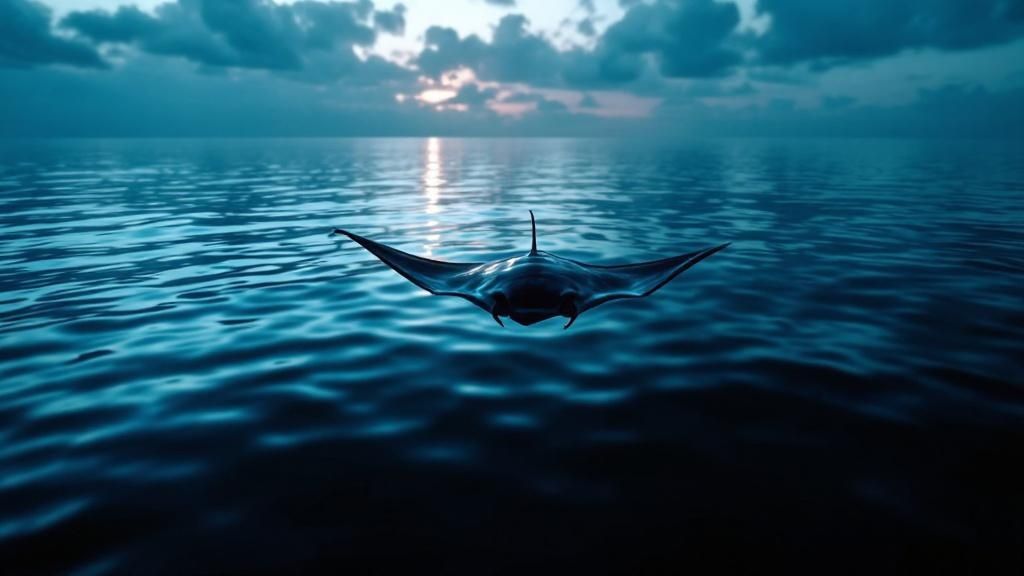
There’s a reason the Kona coast is a global hotspot for these majestic creatures. We have a thriving local population of reef mantas, with over 450 identified individuals calling these waters home. More importantly, the currents here are rich with nutrients, creating the perfect feeding ground packed with plankton—the mantas' favorite meal.
This combination of factors leads to an incredible sighting success rate, hovering around 85-90%. That consistency is what makes the manta ray dive Kona experience a cut above the rest. It's not a "maybe"; it's a "very likely," which you can't say for most wildlife tours.
So, how does it all work? The setup is brilliantly simple. Every evening, dive operators sink powerful lights to the ocean floor, creating what we call an underwater "campfire." This light attracts swarms of plankton, essentially ringing the dinner bell for any mantas in the area. The result is a floating buffet that draws them in to put on a show.
Why the Kona Manta Ray Dive Is a World-Class Experience
The manta ray night dive isn't just another tour; it's an experience that puts Kona on the map for eco-adventurers worldwide. Here's a quick breakdown of what makes it so special.
| Factor | Why It Matters |
|---|---|
| High Reliability | With an 85-90% success rate, your chances of a magical encounter are exceptionally high. |
| Gentle Giants | Manta rays are harmless, filter-feeding fish, allowing for safe and respectful close-up viewing. |
| Unique "Campfire" Method | The underwater light setup creates a predictable feeding aggregation you won't find anywhere else. |
| Accessibility | Open to both certified divers and snorkelers, making it an adventure for almost everyone. |
| Strict Regulations | Local operators follow strong guidelines to protect the mantas and ensure the encounter is sustainable. |
These elements combine to create a truly unforgettable night that is both thrilling for visitors and safe for the marine life we all cherish.
A Spectacle of Nature
They swoop, glide, and perform effortless somersaults right through the beams of light, sometimes passing just inches away from you. It’s more than just a dive; it’s a profound connection with these incredible animals that genuinely leaves people speechless.
The feeling of watching a massive fish the shape of a stealth bomber coming into vision is impossible to describe. It's akin to watching your child ride a bike for the first time or finding a winning lottery ticket.
This nightly ritual has cemented Kona's reputation as a premier ecotourism destination. The whole experience is managed carefully to be safe for both the people in the water and the gentle giants themselves. To get a better handle on the magic and mechanics, you can read our deeper dive on what is manta ray night dive?.
The best part? You don't have to be a seasoned diver to join in. Both divers and snorkelers can get a front-row seat to this incredible show, making it one of the most accessible world-class wildlife encounters. If you're a snorkeler, you can learn more about the thrilling manta ray snorkel Kona adventure.
How to Choose Your Manta Adventure: Dive or Snorkel?
So, you're ready for the manta ray experience of a lifetime. The biggest choice you'll make is how you want to see them: should you scuba dive, or should you snorkel?
Both options get you an incredible front-row seat to the underwater show, but they offer two completely different perspectives. Figuring out which one is right for you is the key to planning the perfect manta ray dive Kona adventure.
The Diver's View: Front Row on the Ocean Floor
If you're a certified scuba diver, picture this: you and your guide descend to a sandy patch on the ocean floor, maybe 30-40 feet down. It’s like finding the perfect spot to sit around an underwater campfire.
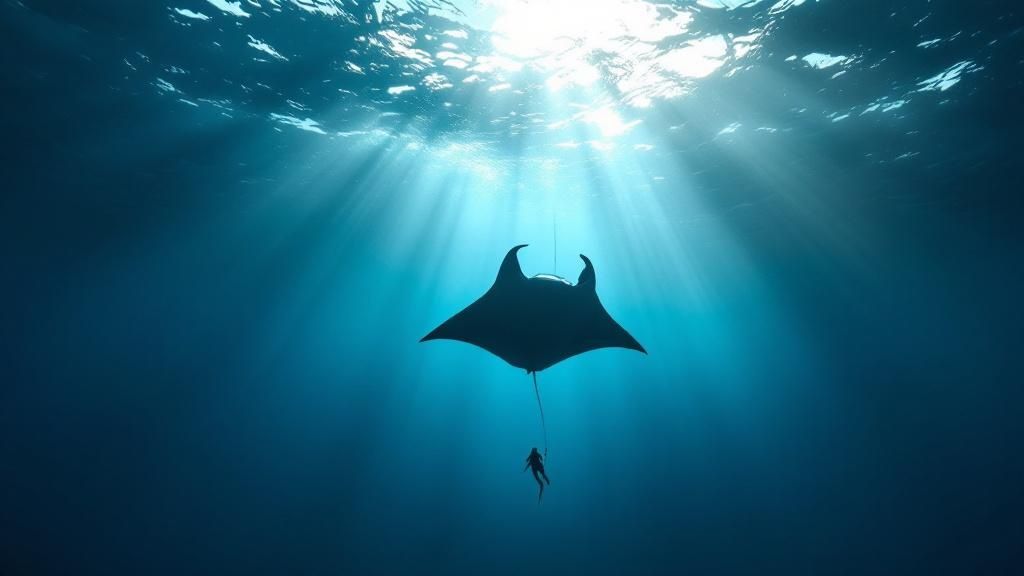
From this vantage point, you look up. The real magic begins as the massive, graceful mantas swoop and glide just a few feet above your head. They are silhouetted by the bright lights of the snorkelers floating way up on the surface, creating a truly mesmerizing, otherworldly ballet.
This bottom-up view gives you a profound sense of their sheer size and elegance. It’s a calm, totally immersive experience that many divers describe as one of the most moving encounters of their lives. If that sounds like your kind of magic, the manta ray dive tour is definitely for you.
The Snorkeler's View: A Bird's-Eye Perspective
Not a certified diver? No worries at all. The snorkel experience is just as breathtaking and perfect for families, non-divers, or anyone who'd rather stay near the surface.
As a snorkeler, you'll float comfortably while holding onto a specially designed light board. This isn't just for you to hold onto; it's a powerful beacon that shines down into the darkness, attracting the plankton the mantas love to eat.
The mantas rise from the deep to feed, putting on their acrobatic show right below you. You get a spectacular bird's-eye view of the whole scene, watching them barrel-roll and glide just beneath the surface. It’s absolutely thrilling. You can get a closer look at this option and see what it's like on the Kona manta ray snorkel experience.
Top-notch operators like Kona Honu Divers run incredible, safe tours for both divers and snorkelers, so everyone is guaranteed a night they won't forget.
Ultimately, the best choice really comes down to your personal comfort and what you hope to get out of the night.
Do you want to be a quiet observer from the ocean floor, looking up at the action? Or would you rather float on the surface, right in the middle of it all, as the mantas come up to you?
Either way, you’re in for the night of a lifetime. Once you've made your choice, you can book with confidence and start counting down the days to an unbelievable adventure.
Check Availability
A Step-by-Step Guide to Your Manta Ray Tour
Knowing what’s going to happen on your tour can turn any pre-trip jitters into pure, unadulterated excitement. A typical manta ray dive Kona tour with us at Kona Honu Divers isn't just thrown together; it's a carefully planned experience built around your safety, comfort, and having the time of your life.
When you know the flow, you can relax and be fully present for what will likely be one of the most incredible nights you'll ever have.
The whole thing kicks off right at the harbor. You’ll hop on our custom dive boat, meet the crew, and get settled in. The trip out to the dive site often doubles as a front-row seat to one of those legendary Hawaiian sunsets. Not a bad way to start.
Pre-Trip Briefing and Gearing Up
Before you even get a toe wet, our guides run a really thorough briefing. This is one of the most important parts of the tour. We go over the plan for the evening, review hand signals, and explain the crucial "no-touching" rule that keeps both you and the mantas safe.
This is also where we nerd out a bit. The crew shares all kinds of cool facts about our local manta population—their habits, their biology, and even the names of some of the resident rays you might get to meet. Once the briefing’s done, it's time to get your gear on. We’ll help you with your wetsuit, mask, and anything else you need to make sure it all fits just right.
Entering the Twilight Ocean
Just as dusk starts to settle in, you’ll slip into the warm Pacific. If you're diving, you'll head down to the sandy bottom. If you're snorkeling, you'll find your spot on a specially designed floating light board. This is when the magic really starts.
We fire up the powerful dive lights, which cut through the darkening water and create a beacon. This bright light attracts tiny plankton, basically ringing the dinner bell for the mantas.
Before you know it, the gentle giants start to arrive. They swoop and soar through the beams of light, performing what can only be described as a silent, underwater ballet right in front of you.
Your only job is to stay put and be completely amazed. We're serious about the "passive observation" rule. It's the core of responsible manta tourism and what makes these animals feel safe enough to come back night after night.
You'll spend about 40-50 minutes just taking it all in. After what feels like both a lifetime and no time at all, your guide will signal that it’s time to head back up. On the boat, the energy is absolutely electric. Everyone’s buzzing, sharing stories over snacks and warm drinks. The ride back to the harbor is just full of that shared sense of awe that caps off a truly unforgettable night.
Ready to see it for yourself? You can book your manta ray dive tour and lock in your spot for this incredible adventure.
Exploring Kona’s Premier Manta Ray Dive Sites
When you book a manta ray dive in Kona, you’re signing up for a front-row seat at one of two world-famous underwater theaters. Each has its own personality and vibe, and while your captain will make the final call based on the ocean's mood that night, knowing a little about both spots helps you appreciate just how special this whole experience is.
Kona is home to two main sites that have become legendary in the diving world: Manta Village and Manta Heaven. The sweet spot for these dives is between April and October, when the water is a balmy 75°F to 80°F. On any given night during this season, it’s common to see 8 to 12 mantas gracefully feeding, a stunning turnout that makes this one of the most reliable wildlife encounters on the planet. If you want to dive deeper into what makes these sites tick, check out our other post on the magic of the Kona manta dive.
Manta Village: The Original Classic
Just south of Kailua-Kona, in Keauhou Bay, you'll find Manta Village. This is the OG spot, the place where it all began. For decades, the lights from a hotel on the shore have drawn in plankton, which in turn created a nightly, all-you-can-eat buffet for the mantas. It's a tradition that's been going on for a long, long time.
So, what makes it a fan favorite?
- Calm and Sheltered: Being tucked inside a bay means the water here is usually much calmer and more protected from the open ocean.
- Shallower Depths: The sandy bottom is only about 30-40 feet deep. This makes it super comfortable for divers and snorkelers of all skill levels.
- High Success Rate: It has an almost unbelievable success rate for manta sightings. Many divers will tell you it's the most consistent spot on Earth for seeing these gentle giants up close.
Manta Village is the perfect, gentle introduction to the world of manta rays, making it an absolute crowd-pleaser.
Manta Heaven: A Dramatic Seascape
Head a bit further north, up near the Kona International Airport, and you’ll discover Manta Heaven. Sometimes called Garden Eel Cove, this site offers a completely different, almost more theatrical, experience. The underwater landscape here is all dramatic volcanic rock and sprawling reef formations.
This unique setting makes Manta Heaven a dream for underwater photographers who want a dynamic, rugged backdrop for their shots. While it can sometimes get a little more current, it's also known for attracting huge congregations of mantas. It's a wilder, more untamed stage.
No matter which site your captain chooses, the end result is always the same: a night with Kona's gentle giants that you will absolutely never forget. We always pick the best and safest location for the conditions, guaranteeing an incredible manta ray dive Kona experience.
Check Availability
Protecting the Gentle Giants Through Responsible Tourism
The Kona manta ray dive isn't just an incredible wildlife encounter; it's become a world-class example of sustainable ecotourism done right. The whole experience is built on a foundation of respect and protection for the mantas, and to keep this encounter magical for years to come, every single person in the water needs to follow a few simple but vital rules.
We call it "Manta Etiquette." It’s a passive observation approach that ensures the mantas feel safe, comfortable, and keep coming back night after night. The long-term health of this entire ecosystem literally depends on us honoring these guidelines.
Manta Etiquette: The Golden Rules
Following these rules is completely non-negotiable. They are in place to ensure a safe, respectful, and mind-blowing experience for both humans and the mantas.
- Observe Only, Never Touch: It might be tempting, but you absolutely cannot "pet" the mantas. Touching them strips away their protective mucous coating, which is like their immune system, leaving them vulnerable to nasty infections.
- Stay in Your Zone: Divers, your place is on or very near the sandy bottom. Snorkelers, you stay floating at the surface. This simple rule creates a wide-open "water column" in the middle, giving the mantas a clear, safe runway to glide and feed.
- No Chasing or Riding: This should go without saying, but never, ever chase, grab, or try to ride a manta ray. These are wild animals. Let them come to you on their own terms—and they will!
- Avoid Flash Photography: Bright, sudden flashes can easily startle or disorient the mantas. Make sure your camera's flash is turned off before you even get in the water.
These guidelines are the very backbone of the whole Big Island manta ray night dive.
Your Dive Directly Supports Conservation
Here’s the best part: when you join a tour with a reputable, Manta-Ray-Green-List-approved operator, your adventure is more than just a pretty dive. It becomes a meaningful contribution to marine science.
Operators work closely with researchers, using the mantas' unique belly spot patterns—which are like human fingerprints—to identify and track individual rays over time. This data is absolutely invaluable.
With roughly 80,000 people participating in manta tours here each year, Kona has become a critical hub where tourism and wildlife management work hand-in-hand. The consistent data collection helps scientists understand population dynamics, reproductive patterns, and the overall health of these gentle giants, fueling research efforts worldwide.
This partnership between tourism and science is a core part of the Big Island manta ray night dive, turning your incredible night into a direct investment in the future of these majestic creatures.
Explore More Epic Dives Around Kona
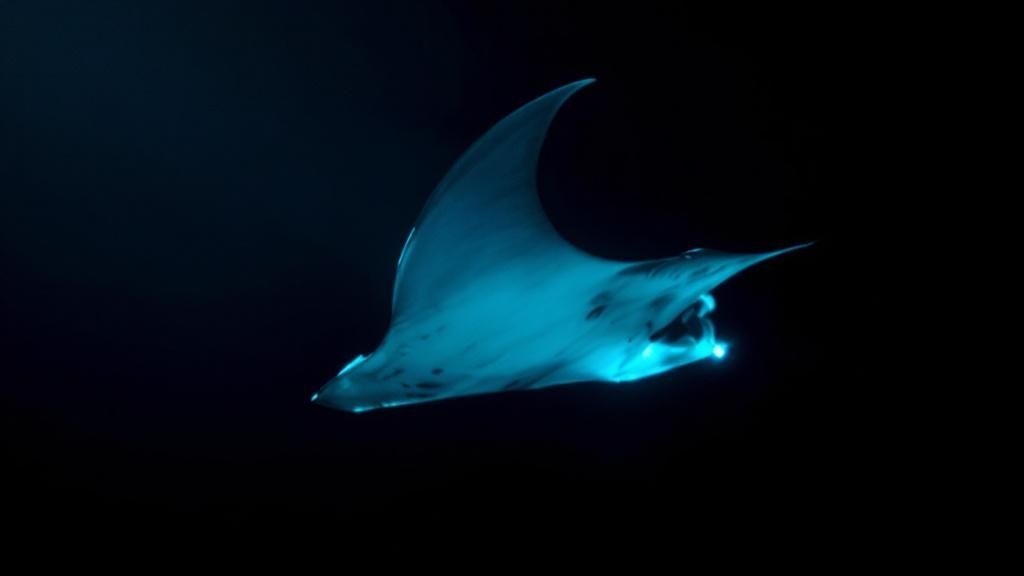
The world-famous manta ray dive in Kona is absolutely a bucket-list spectacle, but I always tell people it's just the thrilling introduction to the Big Island's underwater playground. For those who felt the magic of a night dive and now crave something even more surreal, Kona delivers. Trust me, once you've floated with the mantas, you'll realize you've only just scratched the surface.
At Kona Honu Divers, we live for this stuff. We're proud of the epic experiences we get to share with our guests every single day, and we think our reviews speak for themselves.
The Ultimate Night Dive: The Kona Blackwater Dive
If the manta encounter ignited your curiosity for the deep, the Kona Blackwater Dive is where things get truly otherworldly. Imagine being suspended in the vast, dark open ocean, watching the planet’s largest vertical migration happen right before your eyes. Bizarre, bioluminescent creatures rise from the abyss, and for a little while, it feels more like you're diving in outer space than the Pacific.
This is a profoundly unique experience, and you can explore this one-of-a-kind Blackwater Dive tour for a night you'll be talking about for years.
Advanced Daytime Adventures
When the sun comes up, the adventure doesn't stop. For certified divers looking for a new challenge, Kona’s coastline is a geological masterpiece. The island's volcanic past has carved out a dramatic underwater world filled with intricate lava tubes, massive arches, and pristine reefs absolutely teeming with life. These spots are magnets for sharks, dolphins, and more turtles than you can count.
These challenging dives are reserved for more experienced divers, offering a chance to see parts of Kona’s underwater ecosystem that few ever witness.
Our premium advanced dive tours are specifically designed to explore these incredible, less-traveled environments safely. From the graceful mantas to the deep, wild reefs, you can see all of our available Kona diving tours and keep your adventure going.
And hey, while diving is our passion, don't forget that the Big Island manta ray night snorkel offers its own brand of magic right from the surface!
Check Availability
Your Manta Ray Dive Questions, Answered
Planning your Kona manta ray adventure is thrilling, but it's totally normal to have a few questions before taking the plunge. Getting clear answers helps you book with confidence and lets you focus on the incredible experience waiting for you. Here are the most common questions we get from fellow divers and snorkelers.
Is the Manta Ray Dive in Kona Safe?
Yes, absolutely. For reputable operators like us at Kona Honu Divers, your safety is the number one priority, period. Every single trip is led by certified divemasters and instructors who give a detailed safety briefing before you even get in the water. They're right there with you for the whole dive.
After decades of running this dive, the procedures are dialed in. We’ve created a controlled, predictable, and extremely safe environment for both our guests and the mantas. And speaking of the mantas—they're true gentle giants. They don't have stingers or barbs and pose zero threat to people.
When Is the Best Time of Year for the Manta Dive?
One of the greatest things about the Kona manta experience is that it's fantastic all year round. Our local manta population doesn't migrate; they stick around every month of the year, showing up consistently for their nightly plankton dinner under the lights.
While the water is a touch warmer from April to October, manta sightings are consistently high no matter when you visit. You can pretty much book your trip for any time and expect an amazing show.
Here's a pro tip: try to book your tour for early in your vacation. While sightings are incredibly reliable, we are dealing with wild animals. Booking early gives you a backup plan to reschedule if you happen to be on one of the rare 10-15% of nights the mantas decide to be shy.
Do I Need to Be a Certified Scuba Diver?
Nope! This is one of those incredible experiences that’s open to almost everyone. The snorkel option is perfectly designed for non-divers, families with kids, or anyone who just feels more comfortable on the surface. You'll hold onto a custom-made light board that pulls in the plankton, which brings the mantas right up for a breathtaking, face-to-face view from above.
If you are a certified diver, the dive offers an equally stunning—but totally different—perspective from the ocean floor. You can easily book your preferred tour based on your comfort level and certification.
What Should I Bring on the Tour?
We provide all the essential gear you'll need, including properly-fitted wetsuits, masks, and dive or snorkel equipment. To make your trip as comfortable as possible, you should bring:
- A towel to dry off with.
- A warm, dry change of clothes for the boat ride back—it can get chilly!
- Reef-safe sunscreen if you're joining us for a sunset tour.
- Most importantly, your sense of wonder!
Our boats provide snacks and drinks, but it never hurts to double-check when you book. For a deeper dive into what makes this trip so special, you might want to check out our guide on why you should go on a manta ray dive in Kona.
Check Availability