
Picture this: you're sinking slowly into the warm, dark waters of the Pacific Ocean off the Kona coast. Suddenly, a colossal, gentle giant with a wingspan stretching up to 18 feet materializes from the darkness, gliding effortlessly around you. This isn't a scene from a movie; it's the Kona manta ray night dive, an underwater spectacle that consistently ranks as one of the most incredible dives on the planet.
Whether you're a seasoned scuba diver or a first-time snorkeler, getting in the water with these majestic creatures is an absolute bucket-list experience.
Experience the Kona Manta Ray Night Dive
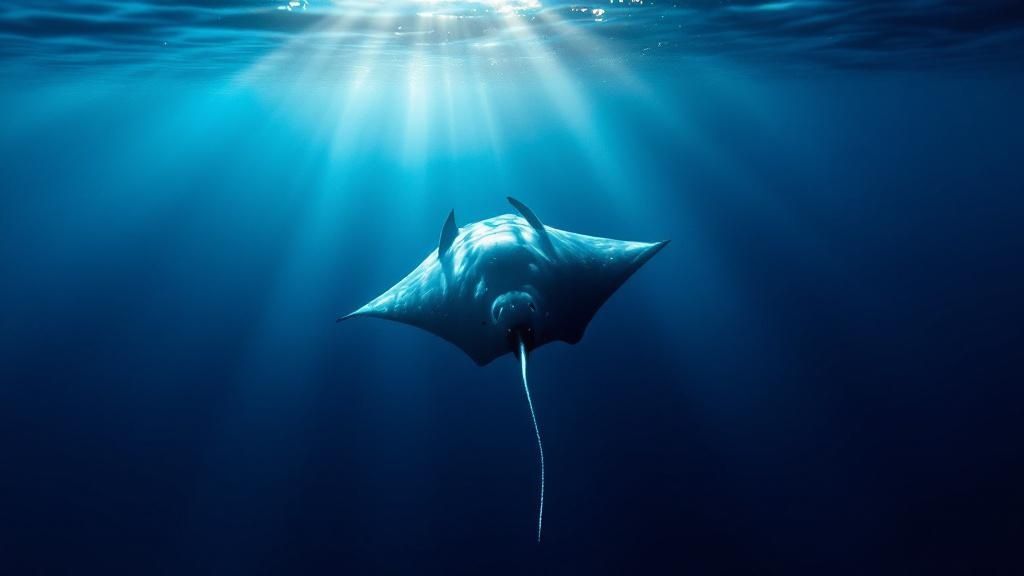
The Big Island's Kona coast is the place in the world for this unique adventure, and there's a good reason for that. While you might see mantas at "cleaning stations" in other parts of the world, the Kona experience is built around their natural feeding behavior. This creates a much more dynamic and absolutely breathtaking show.
So, how does it all come together? The magic starts when tour operators place powerful, eco-friendly lights on the seafloor or on a float. These lights act like a massive bug zapper for the ocean, attracting swarms of plankton—the manta rays' favorite meal. Once the plankton cloud up the water, the gentle giants arrive for their nightly feast.
"Diving with mantas is one of the most satisfying things a person can do in the water. It’s impossible to describe the feeling of watching a massive fish the shape of a stealth bomber coming into vision." – Samuel Beckett, Planet Dive
The World-Famous Manta Ballet
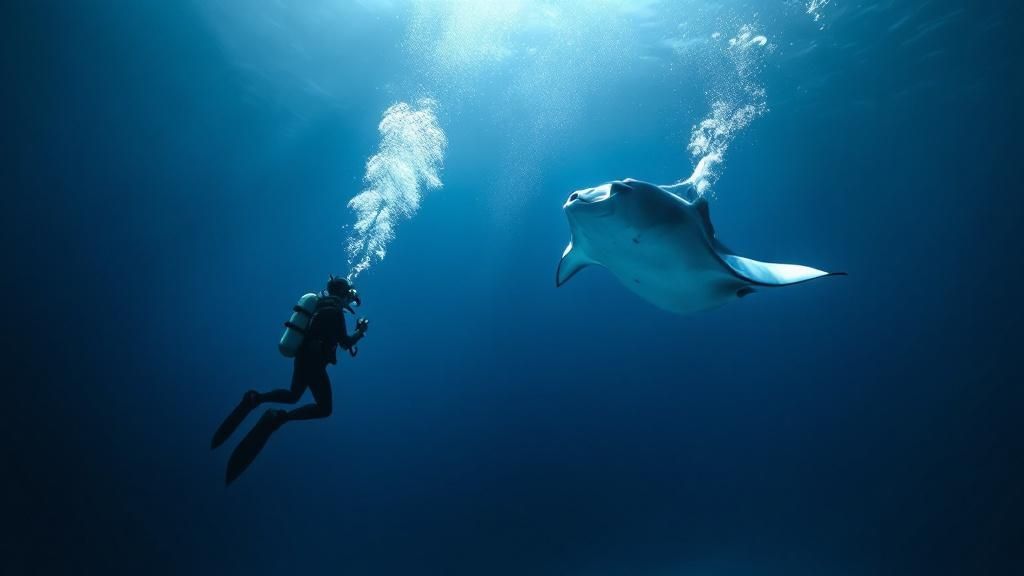
What you're about to witness is something many people call the "manta ballet." The rays perform graceful somersaults and barrel rolls, swooping through the light beams with their cavernous mouths wide open to filter out the plankton. Their movements have an elegance that just doesn't seem possible for their size, and it's not uncommon for them to glide just inches above your head.
And the best part? This isn't a rare, once-in-a-blue-moon encounter. It's a remarkably reliable phenomenon. The local reef manta rays here aren't migratory; they live here year-round and have learned that the lights from the tour boats signal an easy, all-you-can-eat buffet. This is why the manta ray dive in Kona has a success rate of over 90%—your chances of an unforgettable night are incredibly high.
Why Choose Kona Honu Divers?
Picking the right tour operator is the key to having a safe, respectful, and truly memorable experience. Kona Honu Divers is a top-rated company that has built its reputation on excellent customer service and a deep commitment to marine conservation. From the thorough pre-dive safety briefing to their comfortable and well-maintained boats, their experienced crew takes care of every detail.
But you don't have to take our word for it. See what fellow divers and snorkelers are saying about their trips:
They are also staunch supporters of the "Manta Ray Promise," a set of guidelines for passive, respectful observation. This ensures the mantas are never stressed or harmed, keeping this incredible interaction sustainable for generations to come. When you book with a responsible operator, you're not just a tourist; you're actively contributing to the conservation effort.
Ready to see the magic for yourself? The Kona Honu Divers' manta ray dive tour is one of the most sought-after activities on the Big Island, so we definitely recommend booking your spot in advance.
How the Manta Ray Encounter Works
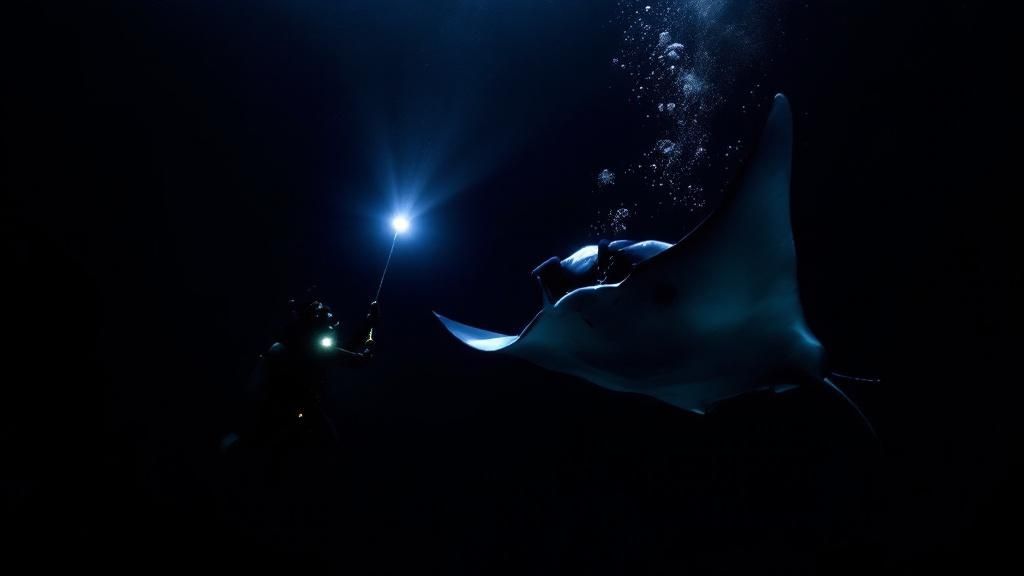
So, what’s the secret behind the legendary manta ray dive in Kona? How can it be so consistently magical? It’s not just luck. It's a brilliantly simple setup that works with the mantas' natural instincts, creating an underwater spectacle with you in the front row.
The whole thing is built around a simple concept: an underwater campfire. Think about how a bright campfire on a dark night attracts moths. The dive operators do the exact same thing, but in the ocean. They set up powerful, submerged lights that attract swarms of microscopic plankton, which just so happens to be a manta ray’s favorite meal.
This all-you-can-eat plankton buffet is basically irresistible to the local reef mantas. Over the years, they’ve learned that when the lights come on, the dinner bell has rung. This is what makes the encounter so reliable, night after night. You're witnessing a learned behavior that turns the dark ocean into a grand dining hall for these incredible animals.
Two Ways to See One Amazing Show
One of the greatest things about the Kona manta experience is that you don't have to be a certified scuba diver to see it. There are two incredible ways to join the party, and each gives you a unique, jaw-dropping perspective.
-
Scuba Diving: Looking Up From the Seafloor
For certified divers, this is the classic manta ray dive Kona experience. You'll descend to a sandy spot on the ocean floor, usually at a comfortable depth of 25-35 feet. Once you're settled, you simply point your dive light up and wait. This gives you a fantastic view of the "stage" above, as the mantas swoop and perform graceful barrel rolls right into the beams of light, sometimes just inches over your head. It’s an immersive, bottom-up view that truly makes you feel like you’re part of their world. -
Snorkeling: Looking Down From the Surface
Not a diver? No problem. Snorkelers get a bird's-eye view of the action. You'll hold onto a custom-built floating board or raft that has bright lights shining down into the water. As the plankton gather beneath the raft, the mantas swim up from the darkness to feed just below the surface. You get to watch the entire underwater ballet unfold right beneath you. It’s an equally personal and breathtaking encounter.
The real magic is that both divers and snorkelers witness the same event, just from different angles. One isn’t necessarily “better” than the other; they are simply different ways to appreciate the same incredible natural phenomenon.
What to Expect on a Typical Tour
Knowing the flow of the tour helps you relax and just enjoy the experience. After your boat arrives at one of the main sites, like Manta Village or Manta Heaven, the crew will set up the light "campfire." You’ll get a detailed safety briefing, where they’ll explain the most important rule: passive interaction only. That means look, but don't touch the mantas.
You can expect to spend about 30-45 minutes in the water, which is more than enough time to be completely mesmerized. With around 80,000 tourists taking part in this adventure every year, the operators in Kona have it down to a science. During the peak season from April to October, seeing 8 to 12 mantas on a single night is pretty common.
If you’d like to know more about the play-by-play of the evening, you can explore more about what a manta ray night dive entails.
Choosing Your Ideal Manta Dive Site
Alright, so you’re ready to experience the magic of a manta ray dive in Kona. One of the first things you'll need to decide is where you want to go. The Kona coast is famous for this dive, but it’s not just one big free-for-all. There are two primary, world-renowned sites that serve as the main stages for this incredible nightly show.
Think of it like choosing between a cozy, intimate theater and a grand, open-air amphitheater. Manta Village (in Keauhou Bay) and Manta Heaven (aka Garden Eel Cove) both host a fantastic performance, but the vibe and experience at each are completely different. Picking the right one for your comfort and skill level is key to having a truly unforgettable adventure.
Let's break down what makes each spot special, so you can pick the underwater venue that's perfect for you.
Manta Village: The Calm and Consistent Choice
Just south of Kailua-Kona, tucked into the protected waters of Keauhou Bay, you'll find Manta Village. This is the original spot for the manta ray night dive, and its reputation is built on consistency and calm.
Because it’s shielded from the open ocean, the conditions here are almost always gentle. You'll find very little surge or current, which makes Manta Village an excellent choice for:
- First-time night divers who want a smooth, stress-free introduction to diving in the dark.
- Snorkelers of all ages and abilities.
- Families with younger kids or less experienced swimmers.
- Anyone prone to seasickness, as the bay is significantly calmer.
The dive itself is also quite shallow, typically between 25 and 35 feet. This not only allows for longer bottom times but also gives a great sense of security, making it accessible for divers of all certification levels. The reliability here is legendary, and it’s a fantastic place to witness the classic manta ballet you’ve seen in photos.
The consistency of Kona's manta sites isn't just a happy accident. Between 2009 and 2014, dedicated researchers painstakingly recorded manta sightings at both Manta Village and Manta Heaven. This created a massive database that helps track the rays' movements and even identify them individually. You can dive deeper into these fascinating manta ray statistics to see how science helps ensure amazing encounters.
Manta Heaven: A Dynamic Open-Ocean Experience
Head north of Kailua-Kona, near the airport, and you’ll arrive at Manta Heaven. As its location implies, this site is more exposed to the open ocean, which can create a more dynamic and thrilling environment. While it’s always safe with professional guides, you might encounter stronger currents here.
This site tends to be a bit deeper, with divers usually positioned between 35 and 50 feet. So, what's the reward for the more challenging conditions? A truly spectacular show. Manta Heaven is famous for attracting massive congregations of rays on good nights—sometimes dozens of them swirling and feeding at once.
The open-ocean setting can also lead to more varied and up-close fly-bys, making it a top pick for underwater photographers and experienced divers looking for a wilder adventure. If you're comfortable in moving water and want a dive that feels untamed, Manta Heaven is calling your name. Divers who enjoy this kind of environment might also love an advanced dive tour to explore Kona's other incredible underwater landscapes.
Comparing Kona's Premier Manta Ray Dive Sites
So, how do you choose? To help you visualize the differences, let's put the two premier manta dive sites side-by-side. This table breaks down the key features of Manta Village and Manta Heaven, making it easier to see which spot aligns with your personal diving style and expectations.
| Feature | Manta Village (Keauhou Bay) | Manta Heaven (Garden Eel Cove) |
|---|---|---|
| Location | South of Kailua-Kona, in a protected bay. | North of Kailua-Kona, near the airport. |
| Depth | Shallow (25-35 feet) | Deeper (35-50 feet) |
| Conditions | Generally calm and protected from currents. | Can have stronger currents, more open ocean. |
| Best For | Beginner divers, snorkelers of all levels, and families. | Intermediate to advanced divers and photographers. |
| Manta Interaction | Classic 'manta ballet' viewing from a central point. | Can have more intimate fly-bys and larger groups. |
At the end of the day, there’s no wrong answer here. Both sites offer a world-class opportunity to get face-to-face with Kona's gentle giants. By picking the location that best fits your skill and comfort level, you’re setting yourself up for the most amazing manta ray dive Kona has to offer.
How to Prepare for Your Manta Ray Adventure
The secret to a truly mind-blowing manta ray dive in Kona isn't just about what happens in the water. It’s about showing up to the boat feeling prepared, relaxed, and ready for the main event. A little bit of planning beforehand makes all the difference, letting you soak in every magical moment without any last-minute worries.
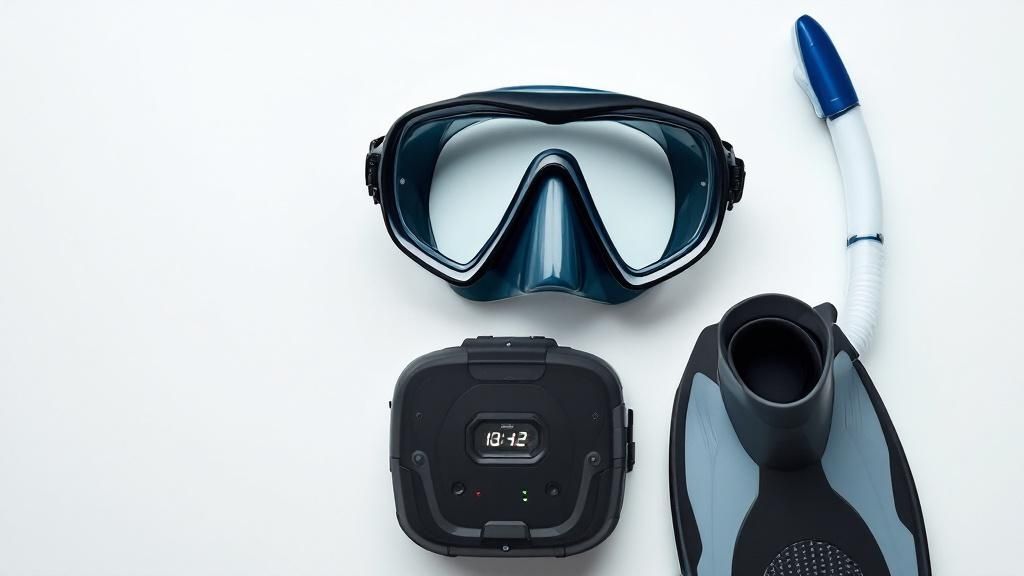
You can relax knowing that most professional tour operators, like Kona Honu Divers, have you covered for all the essential in-water gear. That means your mask, snorkel, fins, and a wetsuit (or at least a top) are typically provided. For those scuba diving, this also includes your BCD, regulator, and tank.
Still, there are a few personal items you’ll want to pack to make your trip that much more comfortable.
What to Bring on the Boat
Think of it like packing for a late-night swim, but with a special focus on staying warm once you’re out of the water. Even in balmy Hawaii, the boat ride back to the harbor can get surprisingly chilly after a night dive.
Here’s a simple checklist of must-haves:
- A Towel: It seems so basic, but it’s the number one thing people forget. You’ll be glad you have it for the ride home.
- Dry Clothes or a Warm Jacket: A hoodie, sweatshirt, or windbreaker is your best friend for staying cozy on the return trip.
- Reef-Safe Sunscreen: If you're on a sunset tour, make sure to apply this before you head out. Protecting Hawaii's beautiful coral is a responsibility we all share.
- Seasickness Medication: Prone to motion sickness? Take your preferred medication before you even step on the boat for the best effect.
- Your Scuba Certification Card: For all the divers out there, you absolutely must bring proof of certification. A digital copy on your phone usually works just fine.
- Underwater Camera: Don't forget to charge those batteries! Capturing the manta ballet is something you won't want to miss.
One of the most critical parts of your preparation happens right on the boat: the safety briefing. Pay close attention. Your guides will lay out the ground rules for passive interaction, which keeps both you and the mantas safe and ensures the encounter is respectful.
Mental and Physical Readiness
Beyond just what’s in your bag, a little mental and physical prep can elevate your whole experience. While the Kona manta dive is designed to be accessible to almost everyone, feeling comfortable in the environment is key.
For many people, this might be their first time in the open ocean after dark. It’s a completely different world out there, and feeling a little nervous is perfectly normal. Just remember to trust your guides—they are seasoned pros who do this every single night. Relax, breathe easy, and know you're in great hands.
If you’re a newly certified diver or it’s been a while since your last dive, feeling confident in your skills is a huge plus. The dive itself is shallow and typically very calm, but arriving with sharp skills means you can focus on the mantas instead of fumbling with your gear. Taking general diving lessons beforehand can be a great way to brush up and build that confidence.
Finally, get excited! You are about to take part in one of the most incredible wildlife encounters on the entire planet. Follow these simple steps, and you'll be perfectly prepared for an evening you'll never forget.
Feeling ready to book your spot for this amazing adventure?
Safety, Conservation, and Our Shared Responsibility
Witnessing the grace of Kona’s manta rays is a privilege, and with that privilege comes a profound responsibility. The entire magic of the **manta ray dive in Kona** hinges on one thing: a respectful, hands-off approach that puts the well-being of these gentle giants first. This isn’t just a suggestion—it’s a shared promise that ensures this incredible natural wonder continues for generations to come.
This promise is built on a simple, non-negotiable principle: passive observation. Think of it like being a guest in someone’s home. You're there to watch their world, not to barge in and disrupt it. Experienced operators like Kona Honu Divers design their entire tour around this core value, making sure every single person understands the rules of engagement before even getting in the water.
The Manta Ray Promise: Your Guide to a Respectful Encounter
To keep things safe and enjoyable for everyone (mantas included!), the Kona dive community has established a clear set of guidelines. They aren't meant to limit your fun; they're designed to maximize it by ensuring the mantas feel comfortable and safe enough to stick around.
Here’s what you need to know:
- Observe Only, Never Touch: This is the golden rule, and for a good reason. Manta rays have a delicate mucus layer on their skin that acts as their immune system. Touching them can strip this protective coating, leaving them vulnerable to dangerous infections.
- Don't Chase or Ride: Let the mantas control the interaction. Chasing after them only causes stress, disrupts their natural feeding, and will likely just scare them away. The real magic happens when you stay still and let them come to you.
- Give Them Space: It's crucial not to block their path. The light beams are their dinner table, and they need clear "fly zones" to swoop in and feed. Constantly blocking their way is like someone standing in your kitchen doorway while you're trying to cook.
- Stay in Your Designated Area: If you’re scuba diving, your place is on or near the sandy bottom, looking up. If you're snorkeling, you stay at the surface, holding onto the light board. Diving down from the surface can easily startle the rays and interfere with the divers' experience below.
Following these guidelines is the single most important thing you can do to support manta ray conservation. Your respectful behavior directly contributes to the health of the local manta population and the long-term sustainability of the dive itself.
Hawaii's Commitment to Protection
Kona's manta rays are more than just a tourist attraction; they're a cornerstone of the local ecosystem and economy. In fact, Hawaii's manta ray night dive industry brings in over $2.5 million annually. Recognizing their immense value—and their vulnerability—the state took decisive action. On June 5, 2009, a law was passed making it illegal to knowingly kill or capture manta rays in state waters. This landmark legislation provides a critical layer of protection for these magnificent animals. You can learn more about Hawaii's manta ray protection efforts and their impact.
When you join a manta ray dive in Kona, you become an active partner in this conservation story. By choosing a reputable operator and following the rules, you are casting a vote for responsible ecotourism.
Kona Honu Divers: A Leader in Responsible Diving
It’s essential to go with an operator who truly walks the walk. Kona Honu Divers isn't just a tour company; they are passionate advocates for the ocean. Their deep commitment to safety and conservation shines through in everything they do, from their incredibly thorough pre-dive briefings to how their guides manage the dive in the water.
See what other divers have to say about their experience:
For those who get hooked on Kona's unique brand of nightlife, the adventure doesn't stop with mantas. The Kona blackwater dive offers another mind-blowing nighttime experience, where you drift in the deep open ocean to see the strange and beautiful creatures that rise from the abyss after dark. To see what other adventures await, you can explore all the options for scuba diving in Kona, Hawaii.
And if you’re still on the fence, we've broken down all the reasons why you should go on a manta ray dive in Kona.
Common Questions About the Kona Manta Dive
It’s natural to have a few questions before you take the plunge on a new adventure, even for the most experienced travelers. We get it. To make sure you feel completely comfortable and excited for your **manta ray dive in Kona**, we’ve gathered the most common questions we hear and answered them with the straightforward advice you’d get from our crew.
Think of this as your final pre-trip briefing, designed to clear up any uncertainties so you can focus on the incredible night ahead.
Is the Manta Ray Dive Safe for Beginners?
Yes, absolutely! The entire experience is built from the ground up to be safe and accessible for just about everyone, no matter your experience level in the water. Safety is the number one priority, and every tour is a tightly controlled and professionally supervised event.
If you’re snorkeling, the setup couldn't be more secure. You'll hold onto a large, custom-built float that has bright lights shining down into the water. This means you don't even need to be a strong swimmer—you just float comfortably at the surface and watch the show unfold below you.
For certified divers, the Kona manta dive is often recommended as a perfect first night dive. The sites are relatively shallow, usually around 25-35 feet, and tucked into calm, protected bays. Our professional guides are with you every step of the way, from the detailed briefing on the boat to guiding you in the water.
What Are the Chances of Seeing Manta Rays?
While no one can ever guarantee a wildlife encounter 100%, the Kona manta ray dive has a famously high success rate—consistently over 90%. This isn't just good luck. The dive sites are established feeding grounds where generations of manta rays have learned to show up for a reliable nightly feast of plankton attracted by the lights.
It’s such a dependable system that most reputable operators, including Kona Honu Divers, offer a "manta guarantee."
This means if the mantas decide to skip dinner on your tour night—a very rare occurrence—you can come back and join us on another night for free. This policy shows just how confident we are that you’ll have an amazing encounter.
A great tip is to book your manta dive early in your trip. That way, if you do fall into that unlucky few, you have plenty of other nights to reschedule. To get an even deeper look into this incredible tour, check out our guide to the manta ray night dive in Kona.
What Is the Difference Between Diving and Snorkeling?
The biggest difference is your point of view. Both experiences are phenomenal, but they offer completely unique perspectives on the same underwater ballet.
-
Scuba Divers: As a diver, you get the view from below. You'll descend to the sandy seafloor, settle in, and look up as the gentle giants glide, swoop, and do barrel rolls just inches above your head. It’s an immersive, jaw-dropping perspective.
-
Snorkelers: As a snorkeler, you have a bird's-eye view. You’ll float at the surface, holding onto a specially designed light board. The lights draw the plankton right up to you, which in turn brings the mantas up from the depths to feed. You get to watch the whole spectacle unfold from above.
Neither one is "better"—it all comes down to your personal comfort level and whether you're a certified diver.
Do I Need to Be Scuba Certified for This Tour?
You only need to be scuba certified for the diving part of the tour. The snorkel experience is open to anyone who is comfortable in the water, making it a fantastic and equally breathtaking option.
So, if you’re not a certified diver, don’t worry! You absolutely don’t have to miss out on this natural wonder. The view from the surface is just as magical and offers a stunning panorama of the mantas' graceful feeding dance.
At Kona Honu Divers, our mission is to provide a safe, respectful, and unforgettable manta ray experience for every single guest. Our expert crew is always ready to answer any other questions you might have and guide you through this world-famous adventure.
Ready to book the experience of a lifetime? Secure your spot on our acclaimed manta ray dive and snorkel tour today!