
Picture this: you're floating in the warm Pacific Ocean after sunset. Suddenly, giant, graceful shadows emerge from the dark depths below, soaring through the illuminated water like acrobats in an underwater ballet.
This isn't a scene from a movie. It's the Kona manta ray night dive, an experience that easily lands on lists of the world's best night dives. This guide is your complete resource, walking you through everything from the science behind this incredible spectacle to picking the perfect tour with a top-rated local expert.
Your Guide to an Unforgettable Underwater Ballet
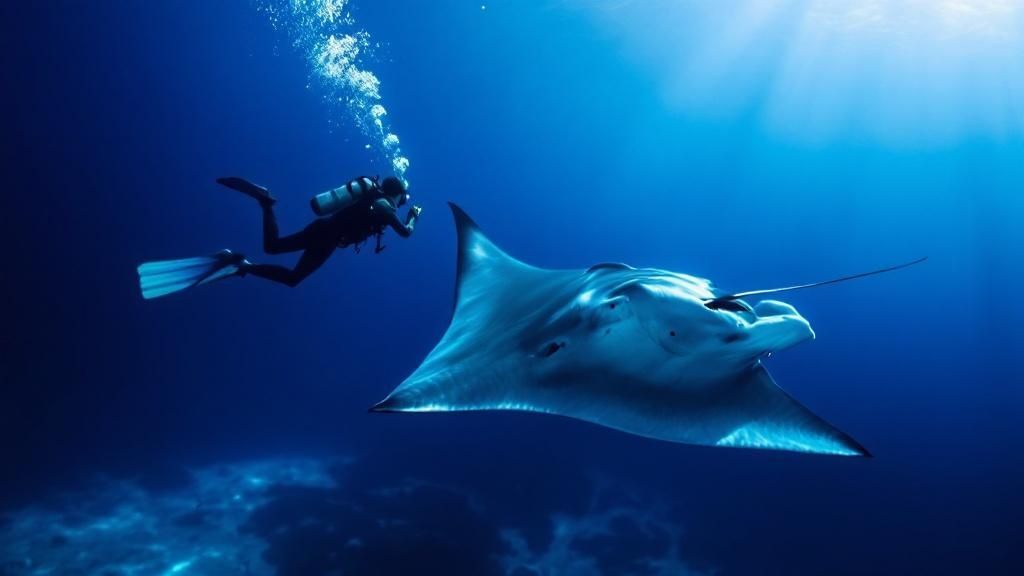
The Kona coast of Hawaii is famous for a lot of things, but for many visitors, the manta ray experience is the main event. It's the reason they came. What makes it so special is how accessible this adventure is. The dive sites are typically in shallow water, around 30 to 40 feet deep, which opens the door for a wide range of people, not just master divers.
But what truly sets Kona apart is the sheer reliability of the encounters. Your chances of seeing these gentle giants on any given night are incredibly high—operators consistently report sighting success rates between 85% and 90%. You can learn more about what makes the Kona dive so consistently magical by exploring the details of this natural wonder.
This unique spectacle is something you can experience whether you're a seasoned scuba diver or have never put on a snorkel mask before. Once you understand the logistics, you can get ready for an adventure where majestic creatures, some with wingspans stretching over 12 feet, glide just inches away from you.
Why Choose a Professional Manta Ray Tour
As thrilling as the idea of seeing mantas is, this is an experience best left to the experts who put safety and marine conservation first. Going with a professional tour operator like Kona Honu Divers ensures every part of your trip is handled with care and respect for the animals.
Here’s what you should expect from a top-tier tour:
- Expert Guidance: You'll have guides in the water with you, sharing incredible facts about manta biology and behavior. More importantly, they're there to ensure a safe interaction for both you and the mantas.
- Safety First: Every tour starts with a thorough safety briefing. They’ll cover all the procedures and the single most important rule: passive observation. You never, ever touch the mantas, as this protects their delicate bodies.
- All-Inclusive Gear: Reputable companies provide everything you need, from wetsuits to high-quality snorkel or dive gear. All you have to bring is your sense of adventure.
- Prime Locations: The pros know exactly where to go. They use established, reliable sites like Manta Heaven and Manta Village to give you the absolute best chance of a spectacular sighting.
The manta ray night dive is one of the most satisfying things a person can do in the water. It’s impossible to describe the feeling of watching a massive fish the shape of a stealth bomber coming into vision.
By choosing a trusted provider, you aren't just booking a tour. You're guaranteeing a responsible, educational, and genuinely unforgettable encounter with Kona's gentle giants.
Ready to witness the magic for yourself? Secure your spot on one of the most sought-after adventures in all of Hawaii.
Check Availability
Why Kona Is the World’s Premier Manta Ray Destination
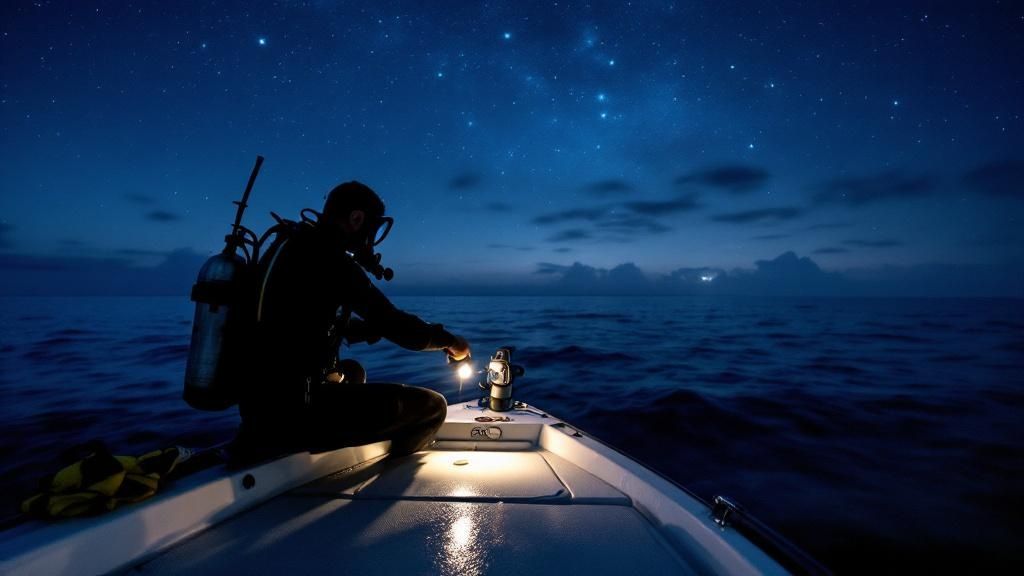
So, what makes the Kona coast the undisputed champion for manta ray encounters? It isn't just a lucky coincidence. It's the perfect storm of unique geography and a brilliant bit of human ingenuity, creating a nightly underwater show that happens with such clockwork consistency it has to be seen to be believed. This is why the manta ray dive Kona has become a true bucket-list adventure for people all over the world.
It all starts with the island's underwater topography. The Kona coast is uniquely shielded from the harsh trade winds, resulting in remarkably calm and clear water. Just offshore, the seafloor plunges dramatically into deep channels. This geography is the secret sauce—it acts like a conveyor belt, constantly pulling nutrient-rich water up to the surface. This fuels a massive, thriving population of plankton, which just so happens to be a manta ray's favorite meal.
This natural buffet set the stage for a happy accident decades ago. A waterfront hotel started pointing lights into the ocean at night, and something magical happened: manta rays began showing up to feast on the plankton that were drawn to the glow. It didn't take long for savvy local dive operators to realize they could recreate this phenomenon anywhere along the coast.
The Brilliant Campfire Effect
The entire modern manta ray dive is built on what I like to call the "campfire effect." Think about it: if you light a campfire in a dark forest, what happens? Moths and other insects are drawn to the light. The manta dive works on the exact same principle, just on a grand, aquatic scale.
Tour operators no longer have to rely on hotel lights. They bring their own powerful, yet eco-friendly, light sources right to the dive sites.
- For Divers: A central "light box" is carefully placed on the sandy ocean floor. It shoots a powerful column of light straight up toward the surface, like an underwater beacon.
- For Snorkelers: They typically hold onto large, floating rafts that have lights built into the bottom, shining down into the water below.
This concentrated light creates an irresistible, all-you-can-eat plankton buffet. Within minutes, the glowing water becomes a thick soup of microscopic life. And then, the guests of honor—the majestic manta rays—arrive for their nightly feast.
The manta ray dive in Kona is so much more than just watching wildlife. It’s a genuine interaction, born from understanding and respecting animal behavior. By creating an irresistible food source, operators are simply facilitating a natural feeding event that is both mind-blowing for us and a great meal for the mantas.
Manta Heaven vs. Manta Village
Two legendary sites have become the main stages for this nightly ballet. While both offer an absolutely incredible experience, they each have their own personality.
Manta Village, located just south of Kailua-Kona in Keauhou Bay, is the original manta site. It's famous for being extremely reliable, and its location means a very short boat ride—a huge plus if you're worried about getting seasick.
Manta Heaven, also known as Garden Eel Cove, is up north near the airport. This spot often boasts a higher number of mantas per night. It's not uncommon for a dozen or more to show up, creating a truly jaw-dropping spectacle. The reliability here is also top-notch, making it a go-to for many dive companies.
Thanks to this healthy ecosystem and well-managed ecotourism, Kona's manta population is stable and thriving. In fact, long-term monitoring shows that monthly sightings per dive site can range from 50 to 150 individuals, which says a lot about the health of the local plankton-rich currents. You can read more about the data on Kona's thriving manta population to see just how successful this conservation effort has been.
Whether you find yourself at Manta Village or Manta Heaven, you're taking part in one of the most magical and well-orchestrated wildlife encounters on the planet. Ready to book this unforgettable experience? Check out the 2-Tank Manta Dive & Snorkel tour and find the perfect adventure for you.
Choosing Your Adventure: Scuba Dive or Snorkel?
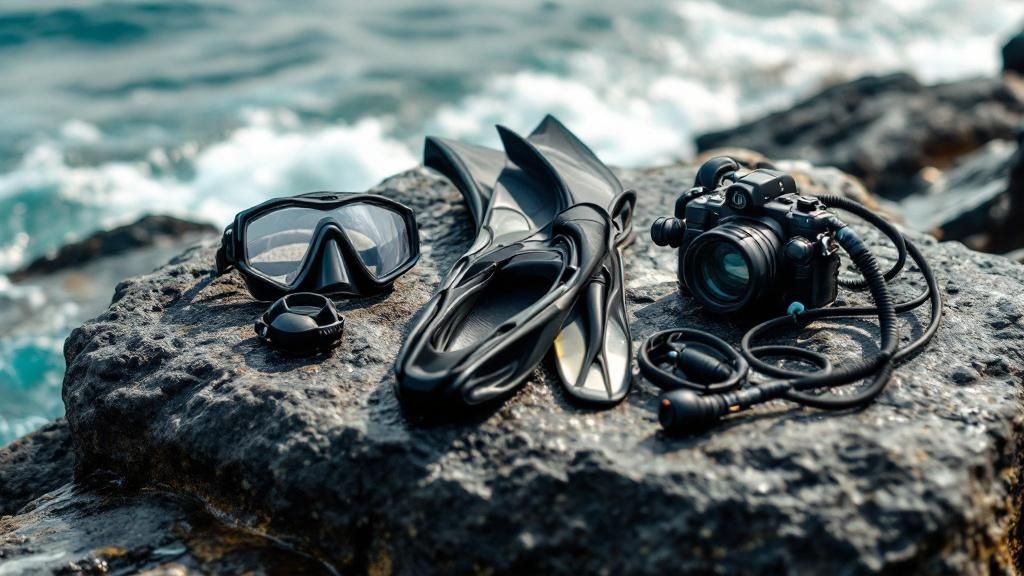
Alright, this is the first big decision you'll make for your manta ray adventure, and it really comes down to one thing: how do you want to see the show? From the ocean floor looking up, or from the surface looking down?
Both scuba diving and snorkeling get you breathtakingly close to these gentle giants. I've seen people have life-changing experiences doing both. There’s truly no wrong choice here. Your decision will simply depend on your comfort in the water, whether you're a certified diver, and what kind of perspective gets you most excited.
H3: Scuba Diving: The Immersive View from the "Front Row"
If you’re a certified diver, this is it. The manta ray night dive is the reason so many of us got certified in the first place. You'll gear up, descend with your guide to about 35 feet, and find a spot on the sandy bottom. This is your personal underwater theater.
From here, you’re looking up as the powerful lights create a beacon for plankton. The experience is surreal. The giant mantas materialize out of the darkness above, swooping and barrel-rolling right over your head in a silent, graceful ballet. They get so close you can often see every detail of their unique spot patterns. It’s a humbling, all-encompassing experience you won't forget.
H3: Snorkeling: The Bird's-Eye View of the Action
Not a diver? No problem. The snorkeling experience is absolutely incredible and requires no certification—just being comfortable in the water. You’ll be given a custom-made, high-flotation light board to hold onto, so you can float effortlessly.
These boards shine powerful lights down into the water, creating a glowing buffet of plankton right at the surface. You'll be looking down as the mantas swim up from the deep to feed, sometimes just inches below you. Watching them perform their acrobatic barrel rolls from above gives you an amazing appreciation for their size and grace. It's a fantastic, low-stress option perfect for families and anyone who wants to skip the heavy gear.
To make the choice a little easier, I’ve broken down the key differences between the two experiences.
Manta Ray Dive vs Snorkel: Which is Right for You?
This table compares the two options side-by-side to help you figure out which adventure best fits your style.
| Feature | Scuba Diving | Snorkeling |
|---|---|---|
| Perspective | Bottom-up view, looking up as mantas glide directly overhead. | Top-down view, watching mantas from the surface. |
| Proximity | Extremely close encounters, often within inches of your mask. | Close encounters, as mantas come right up to the surface lights. |
| Certification | Open Water Diver certification is required. | No certification needed, just basic swimming ability. |
| Equipment | Full scuba gear (BC, regulator, tank, weights). | Mask, snorkel, fins, and a wetsuit. |
| Best For | Certified divers seeking a fully immersive, bottom-up viewpoint. | Non-divers, families, and anyone wanting a fantastic, low-gear option. |
Ultimately, both options put you right in the middle of the magic. The most important thing is to pick the adventure that feels right for you. That way, you can relax and just soak in the incredible sight of Kona's gentle giants.
Great news for groups with mixed certifications: most boats take both divers and snorkelers on the same trip. If you're ready to see the mantas for yourself, you can check out the 2-Tank Manta Dive & Snorkel Tour and book an unforgettable night.
Check Availability
How to Prepare for Your Manta Ray Night Dive
A little prep work can be the difference between a good trip and an absolutely unforgettable one. This is especially true for your manta ray dive Kona experience. If you think ahead just a little, you'll be comfortable, confident, and ready to get lost in the underwater magic without a single distraction.
Think of this as your pre-dive checklist. We'll cover everything from what to toss in your bag to what the evening will actually look like. With these simple tips, you’ll be set for the adventure of a lifetime.
What You Should Bring
While your tour operator handles the big stuff—like the dive gear and the boat—a few personal items will make your trip that much better. You have to think about the whole experience, from the boat ride out to the surprisingly chilly ride back after you get out of the water.
Here’s a simple list of must-haves:
- Swimsuit: The easiest thing to do is just wear it under your clothes to the marina. That way, you're ready to go.
- Towel: You’ll definitely want this to dry off as soon as you're back on the boat. A quick-dry travel towel is perfect because it barely takes up any space.
- Warm Jacket or Sweater: This is a non-negotiable. I can't stress this enough. Even after a warm Hawaiian day, that boat ride back can feel freezing once you’re wet.
- Dry Bag: A small one is perfect for keeping your phone, jacket, and towel safe from any splashes.
- Motion Sickness Remedy: If you even think you might get seasick, take something before you get on the boat. The Kona coast is usually pretty calm, but it's always better to be safe than sorry.
Any reputable company, like Kona Honu Divers, will provide all the critical gear: wetsuits, masks, snorkels, fins, and the full scuba setup. They usually have snacks and water on board, too.
The Golden Rule: Passive Observation
This is, without a doubt, the most important thing to prepare for mentally. Manta rays are covered in a thin, slimy mucous layer that’s basically their immune system. It protects them from nasty bacteria in the water.
Touching a manta can wipe off this protective coating, leaving them exposed to dangerous infections. Because of this, everyone on the dive must follow the golden rule of passive observation. You absolutely cannot chase, grab, or try to touch a manta ray.
This simple act of respect is what keeps the Kona manta encounter sustainable and safe for these gentle giants. Your guide will go over this in the briefing, but knowing it beforehand helps you show up as a responsible guest in their home. All you have to do is stay in your spot—either on the sandy bottom as a diver or floating at the surface as a snorkeler—and let the mantas come to you. The experience is so much more natural and awe-inspiring that way.
Understanding the Tour Timeline
Knowing the general flow of the evening can help calm any pre-dive nerves. While the exact timing might shift a bit between operators, most tours follow a pretty standard rhythm.
- Check-In and Briefing: You'll start at the shop or marina, sign the necessary waivers, and get a really thorough briefing on safety and what you're about to see.
- Sunset Boat Ride: The crew will head out to one of the famous manta sites, and you'll often be treated to a spectacular Kona sunset on the way. It’s part of the magic.
- The Main Event: Once the boat is anchored, it's time to get in the water! You can expect to spend about 40-50 minutes with the mantas.
- Return Trip: After everyone is safely back on board, you'll head back to the harbor, buzzing with excitement and sharing stories of what you just saw.
When you're prepared for each part of your manta ray night dive in Kailua Kona, you can relax and just soak in every incredible moment.
Meet the Gentle Giants of Kona
When you go on a manta ray dive in Kona, you're signing up for more than just an incredible underwater show. You're actually stepping into the role of a citizen scientist, becoming part of a story that’s much bigger than one night's dive. It’s a chance to connect with these animals on a deeper level and actively help protect them.
Believe it or not, every single manta ray has a unique "fingerprint." The pattern of black spots on their white bellies is completely distinct, meaning no two mantas are alike. This is how local divemasters and researchers can tell them apart, giving them names and tracking them over the years. When a manta glides over your head, you're not just seeing any manta—you’re meeting a local resident with a name and a history.
Kona's Famous Manta Residents
Over the decades, the Kona dive community has gotten to know many of these mantas by name. These aren't just anonymous fish passing through; they're regulars who show a strong loyalty to their favorite feeding spots, returning night after night. One of the most famous is "Lefty," a big male who is instantly recognizable because one of his cephalic fins was injured and now droops to his left.
Seeing Lefty, or other well-known mantas like "Big Bertha" or "Kailey," makes the experience feel incredibly personal. It hits you that you're sharing the water with a specific individual who has been a part of this underwater neighborhood for years.
The amazing thing is, just by being there, you're helping. The lights from the dive boats that draw in the plankton also create the perfect setup for photo identification. Every dive becomes a chance to gather more data for the researchers.
Your Dive Is Part of a Bigger Picture
Every photo snapped and observation noted during a manta ray dive in Kona is another puzzle piece. This information gets added to a huge database that gives scientists a much clearer picture of the local manta population. It’s one of the most successful and long-running citizen science projects in the marine world.
Think about this: since 1991, researchers have used these photos to identify and catalog over 330 individual mantas along the Kona coast. This allows them to track life stories with incredible detail. You can even discover more insights about these manta ray findings and the important work being done.
This ongoing research helps answer some really important questions:
- Population Health: Are their numbers stable, growing, or shrinking?
- Migration Patterns: Where do they travel when they aren't at the campfire?
- Social Behavior: How do they interact with one another?
- Reproduction: How often do they have pups?
By choosing a reputable dive operator, you're directly supporting the conservation of these gentle giants. For a closer look at the whole experience, you might be interested in why you should go on a manta ray dive in Kona. Your adventure helps ensure that people will be able to witness this amazing underwater ballet for generations to come.
Beyond the Mantas: Exploring Other Kona Dive Sites
Look, the manta ray dive in Kona is a bucket-list experience for a reason. It's unforgettable. But don't make the mistake of thinking that's all the Big Island has to offer. For certified divers, the Kona coast is a massive underwater playground, and the manta dive is just your ticket in.
The very same volcanic forces that created the island also sculpted a dramatic world beneath the waves. You'll find ancient lava tubes you can swim through, incredible archways, and vibrant coral gardens. These sites offer a totally different vibe from the manta ballet, giving you a real sense of the sheer diversity of life here.
The Ultimate Night Dive Challenge
Ready for something truly wild? If you're an advanced diver, you have to try the Kona Blackwater Dive. This is not your standard reef dive after dark. We're talking about heading miles offshore, tethering to the boat, and dropping into the deep, inky black of the open ocean. You’ll be suspended in the abyss, witnessing one of the planet's largest migrations as strange, bioluminescent creatures rise from the depths.
It's the closest thing you'll get to floating in outer space. You're surrounded by glowing, pulsating life forms that look like they're from another world—translucent larval fish, otherworldly jellyfish, and things you can't even describe.
For photographers, it's a dream come true. For any seasoned diver, it’s a profound experience that completely changes how you see the ocean. To dive into this otherworldly adventure, you can learn more about the Kona Honu Divers' Blackwater Dive tour.
Premium Diving for Experienced Divers
If you've got plenty of dives under your belt and want to get away from the crowds, there are charters designed specifically for you. These trips head to more remote, advanced sites that demand a higher skill level but deliver some seriously incredible rewards.
You can expect dives that feature:
- Deep Pinnacles: Explore submerged volcanic spires that act as magnets for big pelagic fish.
- Dramatic Walls: Drift along sheer drop-offs covered in rare corals and sponges.
- Shark Encounters: Visit spots known for attracting various shark species in their natural habitat.
These trips are perfect if you want to push your limits and see the less-traveled corners of the Kona coast. Experienced divers can check out the Premium Advanced 2-Tank Trip for a more exclusive day on the water.
While the manta dive is truly in a class of its own, Kona offers so much more. You can even find amazing spots just by grabbing a mask and fins—check out these other top snorkeling spots in Kona, Hawaii. From blackwater dives to pristine reefs, you can explore all the epic scuba diving tours the Big Island has to offer.
Check Availability
Your Manta Ray Dive Questions, Answered
Even after getting the full rundown, it's natural to have a few more practical questions bubbling up. That's a good thing! Getting those last few details sorted is what helps you book your trip with total peace of mind.
Let's walk through some of the most common questions we hear from divers and snorkelers so you can feel completely ready for this incredible experience.
When Is the Best Time of Year to See Mantas?
This is one of the best parts about diving in Kona—you can see manta rays all year long! The calm leeward side of the island and its consistent food source (plankton) mean the mantas stick around every single month.
Sighting success rates consistently hover above an amazing 85-90% throughout the year. Honestly, the best time to go is whenever you can get here. While the water is a bit warmer from August to October, your tour operator will set you up with the right wetsuit to keep you comfortable no matter the season.
Is the Manta Ray Night Dive Safe?
Absolutely. When you go out with a professional, reputable operator like Kona Honu Divers, safety is the top priority. Manta rays themselves are incredibly gentle. They have no teeth, no stingers, and no barbs. The golden rule on every tour is simple: look, but don't touch.
Your guides will give you a comprehensive safety briefing before you even hit the water. They'll double-check all your gear and stay with you the entire time, making sure the whole experience is as secure as it is breathtaking.
What Happens If We Don’t See Any Mantas?
While sightings are incredibly consistent, we are dealing with wild animals, so a 100% guarantee isn't possible. The best operators know this and stand by their tours with what's often called a "Manta Guarantee."
This usually means that if your tour doesn't see a single manta ray, you can come back and join another manta tour for free, as long as there's space. It's their way of showing confidence in the experience while giving you the best possible shot at witnessing the magic.
To learn more about why these encounters are so reliable, take a look at our guide on the manta ray night dive on the Big Island.
Do I Need to Be a Strong Swimmer?
Not at all! For the snorkel experience, you don't need to be an olympic swimmer. You'll be holding onto a large, custom-built light board that floats on the surface, which provides fantastic stability.
You'll also be wearing a wetsuit, which adds extra buoyancy and helps you float effortlessly. As long as you're comfortable putting your face in the water with a mask and snorkel, you're good to go. The crew is always right there to help if you need anything.
With your questions answered, all that's left is to book the adventure. Kona Honu Divers is ready to show you an underwater ballet you'll never forget. Explore the 2-Tank Manta Dive & Snorkel tour and reserve your spot today!
Check Availability