
Picture this: you're floating in the warm, inky-black waters off the Kona coast. Suddenly, a majestic creature with a wingspan of up to 16 feet glides into view, soaring effortlessly just inches from you. This isn't just another dive—it's an unforgettable, almost spiritual, underwater ballet.
Why the Kona Manta Ray Dive Is a Must-Do Experience
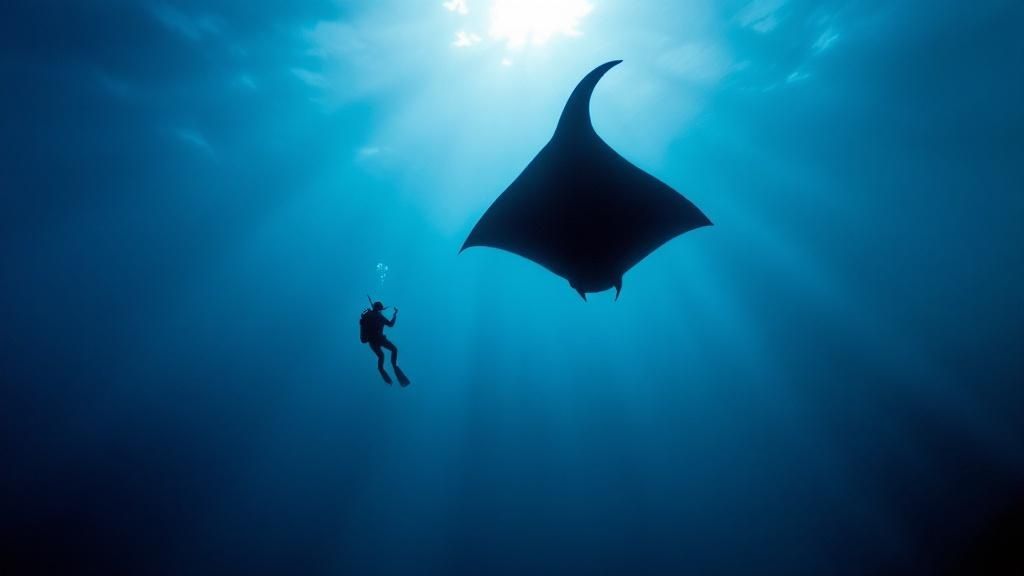
There's a reason the manta ray dive in Kona is consistently ranked as one of the world's best night dives. It’s a completely immersive experience where you’re not just an observer, but part of the underwater world. Once you get settled in your spot, powerful lights cut through the darkness, creating a "campfire" that attracts swarms of plankton—the manta rays' favorite meal.
What happens next is pure magic. One by one, these gentle giants emerge from the dark, performing graceful somersaults and barrel rolls as they feed. Their movements are so fluid and hypnotic, it's like watching a silent dance unfold right before your eyes.
A Reliable Natural Wonder
One of the best things about the Kona manta experience is how dependable it is. The coastline is home to a resident population of over 250 identified manta rays, making it one of the most reliable viewing spots on the planet.
Sighting success rates are incredibly high, typically hovering between 85% and 90%. So, your chances of seeing these magnificent creatures are excellent. This isn’t a fleeting glimpse; it's a front-row seat to a natural phenomenon.
What to Expect on Your Dive
The whole encounter is set up for passive observation, which keeps both you and the mantas safe. If you're diving, you'll settle on the sandy ocean floor in a group. If you're snorkeling, you'll hold onto a custom-built light board at the surface. The mantas are the main event, and our job is simply to be a respectful audience.
A huge part of this adventure is following "manta etiquette." These are simple, common-sense rules to protect these amazing animals.
- Observe, Don't Touch: This is the golden rule. Mantas have a protective mucus coating on their skin, and touching them can strip it away, making them vulnerable to infections.
- Stay in Your Zone: Divers stay on the bottom, and snorkelers stay at the surface. This creates a clear, open water column for the mantas to swim through without any obstacles.
- Let Them Come to You: Never chase or try to ride a manta ray. The most incredible encounters happen when you stay still and let their curiosity bring them close. It's their dining room, after all.
This sustainable approach ensures the dive remains an ethical and awe-inspiring wildlife interaction for years to come. You can get an even deeper understanding of why you should go on a manta ray dive in Kona and what makes it such a life-changing experience.
For a quick overview, here's what you can expect from this incredible adventure.
Kona Manta Ray Dive At a Glance
| Attribute | Details |
|---|---|
| Location | Off the Kona Coast, Big Island, Hawaii |
| Water Depth | 30 to 40 feet (accessible for divers and snorkelers) |
| Sighting Rate | 85% to 90% success rate |
| Manta Size | Wingspans can reach up to 16 feet |
| Key Activity | Passive observation of mantas feeding on plankton at night |
| Primary Rule | Look but don't touch to protect the mantas |
This dive is truly a bucket-list item that offers a reliable and responsible way to witness one of nature's greatest shows.
Why Is Kona the World’s Top Spot for Manta Rays?
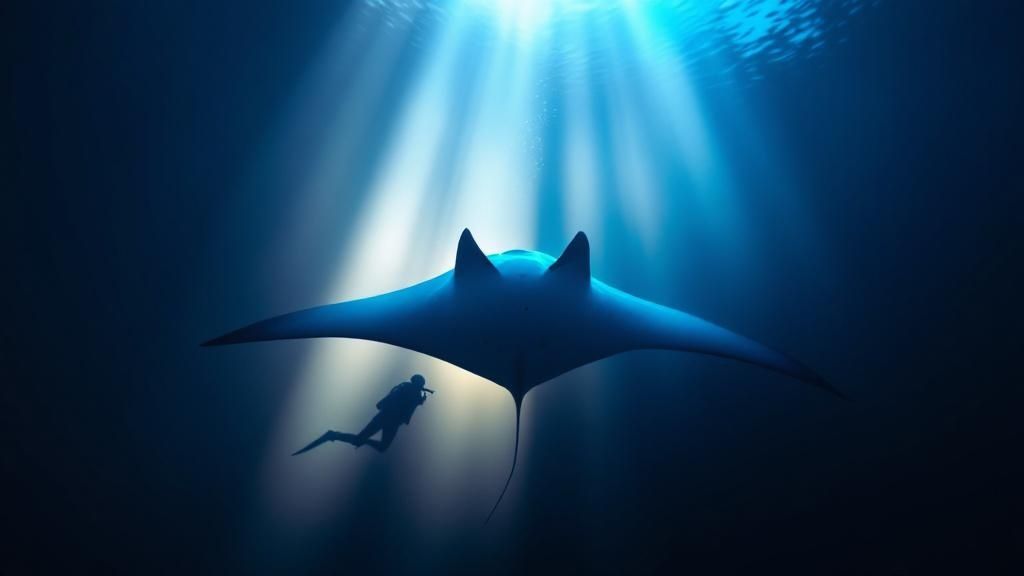
Kona isn't just another place to see manta rays; it's the place. This isn't just hype—it's the undisputed global capital for getting up close with these amazing animals, and the encounters here are incredibly reliable. This reputation wasn't earned by accident. It's the result of a perfect storm of geography and biology that has made the Kona coast an all-you-can-eat buffet for mantas for decades.
Think of it as a five-star underwater restaurant with a permanent "open" sign. The secret ingredient? The deep ocean trenches just offshore churn up nutrient-rich water, creating a feast of phytoplankton and zooplankton—the manta ray's favorite meal.
This consistent, year-round food supply is precisely why Kona is home to such a large and stable population of resident manta rays. Unlike other global hotspots where mantas are just passing through, the rays here are locals. They show up for dinner at their favorite spots with an almost unbelievable predictability.
A Piece of Living Dive History
The story of the manta ray dive in Kona is as captivating as the experience itself. It all started back in the 1970s, not with a formal plan, but with a happy accident. The old Kona Surf Hotel (now the Sheraton Kona Resort) installed bright floodlights that shone out over the water. The light attracted plankton, and it didn't take long for the local mantas to notice the easy meal.
Pioneering local divers saw what was happening and started leading the first quiet, word-of-mouth night dives to see the show. What began as a small adventure has since blossomed into the world-famous, professionally managed ecotourism experience we know today. When you go on this dive, you're not just a tourist; you're stepping into a piece of living history.
Understanding this origin story really helps you appreciate the dive on a deeper level. The entire industry was built around observing a natural behavior, and the local community learned over many years how to interact with the mantas respectfully. It’s this deep-rooted connection that drives operators like Kona Honu Divers to be so fiercely committed to protecting them.
The Magic of the "Underwater Campfire"
Today's manta dive is a brilliant recreation of the conditions that first drew the rays in. Over the years, operators have perfected what we call the "underwater campfire" technique, and it works beautifully.
Here’s the breakdown:
- Powerful Lights: Dive operators submerge powerful, safe lights that cut through the darkness, creating a column of light in the water.
- The Plankton Magnet: Just like a porch light attracts moths on a summer night, this bright light attracts swarms of microscopic plankton.
- The Dinner Bell: This dense cloud of plankton becomes an irresistible dinner bell. The mantas glide in from the darkness to swoop and feed on the buffet you've helped create.
This carefully orchestrated setup is why you get such a mind-blowingly close and personal encounter. By creating a reliable food source in a specific spot, the dive operators ensure the mantas come right to you. There's absolutely no need to chase or harass them. It’s a masterful and sustainable way to witness a natural wonder.
Booking one of these incredible manta ray dive tours lets you experience this perfect blend of nature and responsible tourism for yourself.
Choosing Your Perfect Manta Ray Viewing Site
When you book a manta ray dive in Kona, you're not just picking a tour company—you're choosing the underwater stage where this incredible spectacle will unfold. While the mantas are undoubtedly the main event, the "venue" itself is a huge part of the experience. The good news is, you have options. Picking the right one is all about matching the site to your personal comfort and skill level.
Here in Kona, the world-famous manta ray night dive happens at two primary locations: Manta Village and Manta Heaven. Think of them as two fantastic restaurants that both serve the same five-star meal, but each has a completely different vibe. On a good night during the peak season from April to October, you can expect to see anywhere from 8 to 12 manta rays.
One site isn't necessarily better than the other, but they are different. Understanding those differences is the key to planning your perfect night. To get a better feel for the layout, you can learn more about these incredible Kona manta dive sites and what makes each one special.
Let's break them down.
Manta Village: The Classic and Calm Choice
Manta Village, nestled in the protected Keauhou Bay, is what you might call the original manta site. Its reputation is built on two things: consistency and accessibility. If you're a first-time night diver, have a family with mixed experience levels, or simply want to snorkel, this is almost always the best place to start.
The reason why comes down to the site's layout. The bottom is a shallow, sandy patch sitting at a comfortable 30-35 feet. This creates a natural, amphitheater-like setting where divers can settle in and watch the show. For snorkelers floating on top, the bay is typically calm and sheltered from the open ocean, which makes for a much smoother and more relaxing time.
Key Insight: Think of Manta Village as a cozy, well-established theater. It's comfortable, predictable, and almost always delivers a fantastic show, making it a wonderful, low-stress option for just about everyone.
Because it's so reliable, Manta Village is a popular spot. You'll likely share the water with other groups, but the dive operators here are experts at managing the logistics so everyone gets a front-row seat to the action.
Manta Heaven: A Dynamic Dive for the Adventurous
For divers with a bit more experience under their weight belts, Manta Heaven offers a different flavor of excitement. This site, also known as Garden Eel Cove, is located further north, closer to the airport. The conditions here can be a little more dynamic—the water is a touch deeper, usually around 40-45 feet, and it's more exposed, so you can sometimes get a mild current.
This slightly more challenging environment is often what appeals to seasoned divers. A bit of current can stir up more plankton, and more plankton can sometimes attract an even larger group of mantas. While both sites offer breathtaking encounters, the action at Manta Heaven is often described as more energetic and a little bit wilder.
Here’s a quick comparison to help you choose:
| Feature | Manta Village (Keauhou Bay) | Manta Heaven (Garden Eel Cove) |
|---|---|---|
| Ideal For | First-timers, snorkelers, families | Experienced divers, adventure seekers |
| Typical Depth | 30-35 feet | 40-45 feet |
| Conditions | Calm, protected bay, minimal current | Can have mild currents, more open ocean feel |
| Atmosphere | Controlled, amphitheater-like setting | Dynamic, energetic, and untamed |
| Accessibility | Excellent for all skill levels | Best for confident, certified divers |
Ultimately, there is no "wrong" choice here. Both locations offer world-class manta ray encounters. Your decision really comes down to what you want out of your manta ray dive in Kona. Are you looking for a calm, predictable, and universally accessible show? Manta Village is your ticket. Or are you an experienced diver hoping for a more dynamic, vigorous adventure? Manta Heaven might be calling your name.
See what other divers have to say about their experience with Kona Honu Divers below.
Ready to book your spot? You can book your manta ray dive tour here.
Meet the Famous Manta Rays of Kona
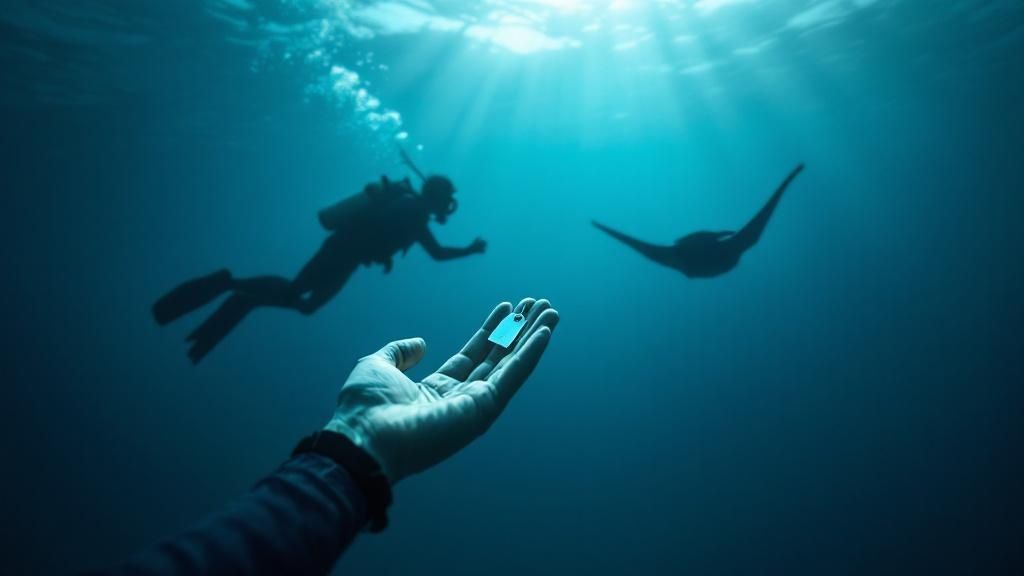
When you slip into the water for your manta ray dive in Kona, you’re not just swimming with an anonymous school of fish. You’re meeting a tight-knit community of individuals, each with a name, a personality, and a story that local guides and researchers have been carefully tracking for years. This personal touch is what elevates the dive from a cool wildlife sighting to a truly unforgettable encounter with a local celebrity.
So, how do we tell them apart? Every manta ray has a unique pattern of black spots on its white belly. Think of it as their fingerprint—no two are the same. This natural ID system is the key to recognizing them night after night. It’s more than just a neat party trick; these patterns are a crucial tool for conservation, allowing us to monitor their health, track their movements, and understand their lives.
Since 2013, researchers and dive operators have been meticulously documenting these individuals, building a fascinating family tree of Kona’s manta population. This long-term effort has revealed that some famous mantas, like "Lefty" or "Big Bertha," have been regulars at these feeding sites for decades. With monthly sightings ranging from 50 to 150, the data confirms just how reliable these gatherings are. You can learn more about this incredible research and what makes the Kona manta snorkel so unforgettable.
Knowing the Locals
Getting to know the "stars" of the show adds a whole new layer to the experience. When your guide points out a manta by name, they aren't just identifying it—they’re sharing its story. Suddenly, you're not just watching a manta ray; you’re watching "Amanda Ray" perform her graceful underwater ballet.
This storytelling builds a powerful sense of connection and respect for these animals. Some of the most famous personalities in Kona include:
- Lefty: You can't miss him. He has an injured cephalic fin, likely from a run-in with a fishing line. Lefty is a true survivor and one of the original mantas identified decades ago.
- Big Bertha: Just like her name implies, she's one of the largest and most majestic females in the group. She has a real presence and often makes a grand entrance.
- Amanda Ray: A frequent and beloved visitor, she's named for a distinctive spot pattern on her belly that looks like the letter 'A'.
Hearing their stories makes the whole thing feel deeply personal. You start to see their individual resilience and their role in the local ecosystem, which makes you want to protect them even more.
Why This Matters for Your Dive
Knowing that you're swimming with specific, named individuals completely changes your perspective. It underscores the importance of choosing a responsible tour operator like Kona Honu Divers, a team that is deeply invested in the well-being of these very animals. Their commitment to ethical practices ensures these celebrity mantas will be around for generations to come.
As a certified PADI Green Star operator, Kona Honu Divers provides more than just a tour. They offer an educational experience that fosters a genuine appreciation for Kona’s underwater residents. Their guides are passionate about sharing the stories of these magnificent creatures, turning your manta ray dive tour into a more meaningful and memorable adventure.
How to Prepare for Your Manta Ray Night Dive
There's a secret to making a great dive truly unforgettable: being prepared. When you know what’s coming, you can stop worrying and just soak in the incredible magic of the manta ray dive in Kona. We’ll walk you through everything, from the gear you'll need to camera tips and the essential rules of manta etiquette.
Before you even dip a fin in the water, you’ll have a pre-dive safety briefing. This is absolutely critical. Your guides will cover how to get in and out of the boat, where the group will set up in the water, and the hand signals you’ll use at night. Make sure you listen up—this briefing is what keeps everyone safe and ensures the dive goes smoothly.
If you want a more detailed look at what the whole experience is like, check out our full explanation of what a manta ray night dive is and what makes it such a world-famous adventure.
Gear and What to Bring
Don't worry about hauling a bunch of heavy scuba equipment to Hawaii. Reputable operators like Kona Honu Divers provide all the essential gear—BCD, regulator, mask, fins, and a wetsuit. You'll also get a dive light, which is your ticket to the whole underwater spectacle.
That said, you should pack a small bag with a few personal items to make your trip more comfortable:
- Towel: You'll definitely want one for drying off after the dive.
- Warm Jacket or Sweatshirt: It might be Hawaii, but that boat ride back to shore can feel surprisingly brisk after an evening swim.
- Reusable Water Bottle: Staying hydrated is always a smart move.
- Seasickness Medication: If you're even slightly prone to motion sickness, take something beforehand. The ride is usually calm, but it's always better to be prepared just in case.
The Golden Rules of Manta Etiquette
The entire Kona manta ray dive experience is built on a deep respect for these gentle giants. To protect them, every single person in the water must follow a strict code of conduct. The best way to think about it is that you're a polite guest in their underwater dining room.
The number one rule is simple but absolute: Observe, don't touch. Manta rays have a delicate, protective mucus layer on their skin. Any contact from our hands can strip this layer away, making them vulnerable to bacteria and dangerous infections.
Your position in the water is just as important. Divers are asked to stay on or near the sandy bottom. This creates a wide-open water column for the mantas. Snorkelers stay up at the surface, holding onto a floating light board. This setup gives the mantas a clear, safe space to glide, loop, and feed without bumping into anyone. You should never chase or try to ride a manta—just stay put and let them come to you.
Photography Tips Without Harming the Mantas
Getting amazing photos of the manta ballet is a huge part of the fun, but it has to be done responsibly. The sudden burst from a camera's flash can startle the mantas and interrupt their natural feeding. For this reason, external strobes and flashes are generally not permitted.
So how do you get the shot? You use the powerful lights that the dive operators set up on the seafloor. These "campfires" of light attract the plankton and create all the ambient light you need for stunning photos and video. If you have your own video light (not a strobe), that’s usually a great alternative. Try to position yourself so the main light source is behind you, lighting up the mantas as they swim toward you.
And remember, be considerate of your fellow divers. Keep your camera gear as compact as possible and try not to block anyone's view of the show. Often, the best shots come from just being patient and letting the mantas gracefully glide right into your frame. By following these simple tips, you’ll head home with incredible images and the satisfaction of knowing the stars of the show were kept safe.
Exploring More of Kona’s Underwater World
The manta ray night dive is the showstopper, no doubt about it. But it's just the opening act for everything the Big Island’s Kona coast has to offer. Once you’ve seen that incredible nighttime ballet, you’ll be hungry for more, and trust me, the adventure is just getting started.
While the mantas absolutely own the night, Kona's daytime diving reveals a completely different kind of magic. Picture this: you descend into impossibly clear, blue water, with sunlight dancing down to light up vibrant coral gardens. Our classic daytime scuba diving tours are perfect for exploring these healthy reefs, which are precisely what makes Hawaii such a world-class destination. You’ll be swimming right alongside schools of colorful butterflyfish, searching for shy octopuses under ledges, and maybe even spotting a few whitetip reef sharks napping on the sandy bottom.
For the Truly Adventurous Diver
Looking for something that really gets the adrenaline pumping? Something totally different? You have to try the Kona Blackwater Dive. This isn't your typical reef dive. Far from it. This is a journey into the deep, open ocean… at night.
We'll head offshore where the ocean floor is thousands of feet below, tether you to the boat, and simply drift. As you float in the darkness, you’ll witness one of the planet's largest migrations as bizarre and beautiful creatures rise from the abyss. You'll come face-to-face with bioluminescent jellies and alien-like larval fish—things that most people will never, ever see. It’s an experience that’s hard to put into words.
Ready to see what's lurking in the deep? You can learn more and book your spot on a Kona Blackwater Dive tour right on our site.
Pushing Your Limits on Advanced Dives
For all the seasoned divers out there looking for a real challenge, Kona’s volcanic underwater topography creates some truly dramatic landscapes. These sites demand more skill and confidence, but the reward is huge. We run special advanced diving trips that go to more remote reefs, explore deep pinnacles, and navigate the intricate lava tubes that most other dive boats don't visit.
These advanced trips are for divers who want to get off the beaten path and see the wilder side of Kona. You're exploring pristine environments that very few people get to experience. It’s the perfect way to cap off an unforgettable dive trip.
Here at Kona Honu Divers, our "ohana" is all about sharing the full spectrum of what makes Kona diving so incredibly special.
Your Manta Ray Dive Questions Answered
It's totally normal to have a few questions bubble up as you get ready to book your manta ray dive. It’s a big deal! To make sure you feel completely prepared for this once-in-a-lifetime experience, I’ve put together answers to the questions I hear most often from both divers and snorkelers.
Is the Manta Ray Dive Safe for Beginners?
Absolutely. I get this question all the time, and the answer is a resounding yes. The tour operators in Kona have this down to a science. They’ve guided thousands of people, from seasoned pros to first-time snorkelers, and safety is always their top priority.
The dive itself happens in a relatively shallow, protected bay. You’re always with professional guides who know the site and the animals inside and out. It’s one of the most controlled and safest big animal encounters you can have.
What Is the Best Time of Year to See Manta Rays in Kona?
Here’s the best part: there is no bad time! The Kona manta ray dive is a year-round event. Our local manta population sticks around, which means operators have a success rate that consistently stays above 90%.
That said, if you’re looking for the absolute calmest water, you’ll typically find it during the spring and summer months. But honestly, any time you can go is a good time to go.
Can I Snorkel Instead of Dive and What Is the Difference?
You bet! Snorkeling is an incredible way to see the mantas and is just as popular as diving.
Here’s how it works:
- Snorkelers stay at the surface, holding onto a large, floating light board. The light draws in the plankton, and the mantas swim right up to the surface to feed, sometimes just inches from your face. You get an amazing top-down view of these gentle giants.
- Divers settle on the sandy bottom, about 25-35 feet down, and look up. From there, you get to see the mantas gracefully glide and somersault right over your head, silhouetted by the lights from above.
Both are incredible experiences. It really just comes down to the perspective you want. You can learn more about the specifics of the Big Island manta ray night snorkel to decide which view calls to you.
Key Takeaway: The main difference is your vantage point. Snorkelers get a bird's-eye view from the surface, while divers get a front-row seat on the ocean floor. You can't go wrong either way.
What Happens If We Don't See Any Mantas?
While sightings are incredibly reliable, we're still dealing with wild animals, and nature is never 100% predictable. The good news is that the best tour operators, including our team at Kona Honu Divers, stand by their tours with a "manta guarantee."
It's simple: if your tour doesn't see a single manta, you can come back and try again on another night for free (on a space-available basis). This is why I always tell people to book their manta trip for one of their first nights in Kona—it gives you plenty of flexibility to reschedule if needed.